Description Prison Mesh: Designing a Boundary for Detection, Delay and Control
Prison mesh describes close-aperture welded steel fencing that limits convenient climbing holds while preserving observation through the boundary. BMP supplies matching panels, posts, clamps and gates for demanding perimeter projects. The product also appears under the names 358 security mesh and anti-climb fencing.
Facility operators must plan more than a visible steel barrier. Gates control authorized movement, surveillance supports detection, and trained personnel respond to incidents. Good perimeter design connects these functions without obstructing necessary emergency access.
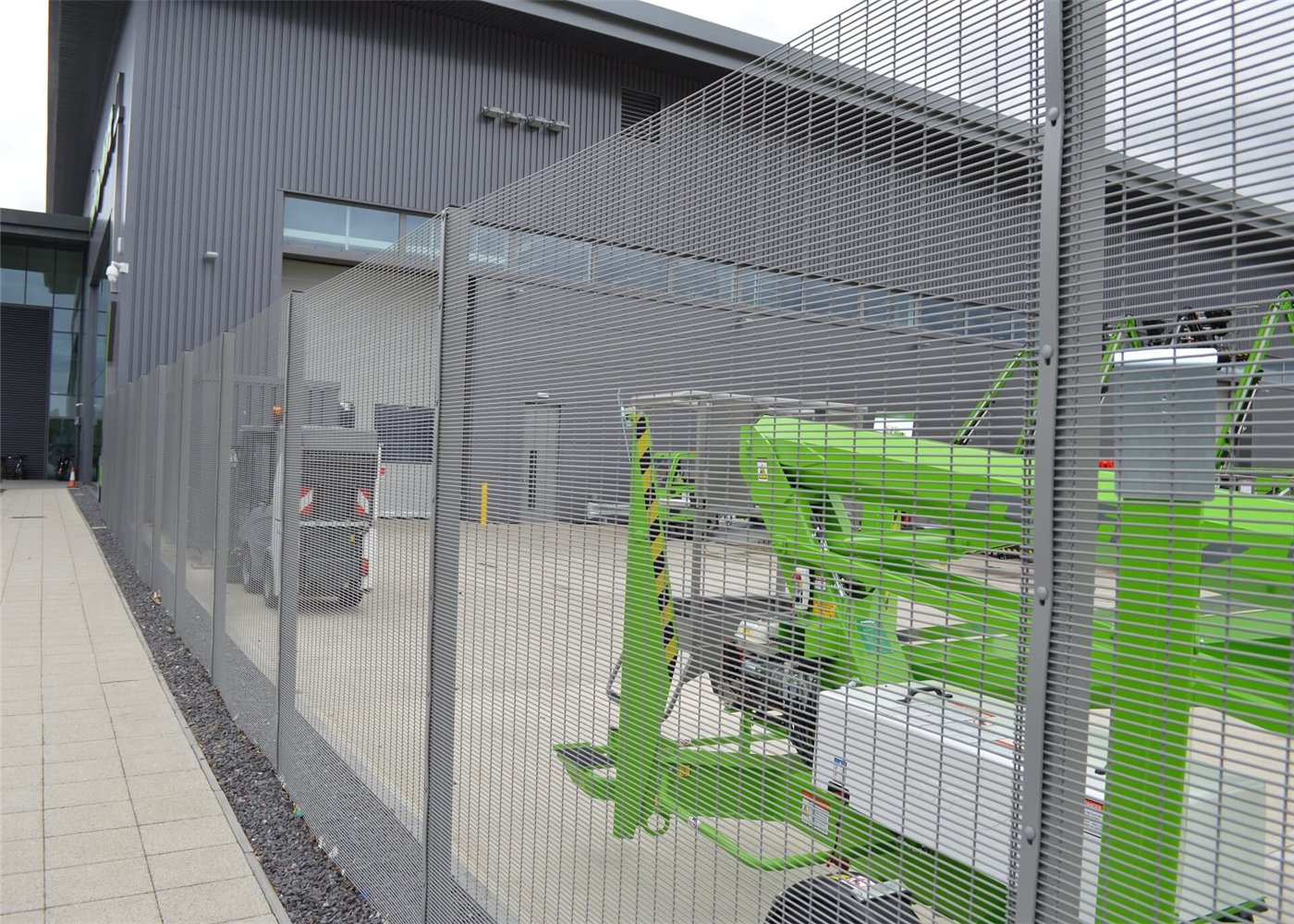
Many sites select Clear View Fence Panels where a solid wall would conceal activity. Dense mesh supports sightlines, but camera positioning remains essential. Storage containers, vegetation and gate structures can still create blind spots.
Prison Mesh Is a Product Description, Not a Security Certificate
The industry often uses prison mesh as shorthand for tight welded security fencing. However, the term alone proves no resistance rating. A correctional facility may require independently tested assemblies under its applicable project standards. In January 2026, the UK NPSA removed former MFES fence and gate ratings from its equipment catalogue.
The High Security ClearVu Fencing range offers related configurations for technical comparison. Verify the actual panel, post, clamp and gate combination before claiming certified performance. Different components can change the resulting security level.
Understanding the 358 Welded Grid
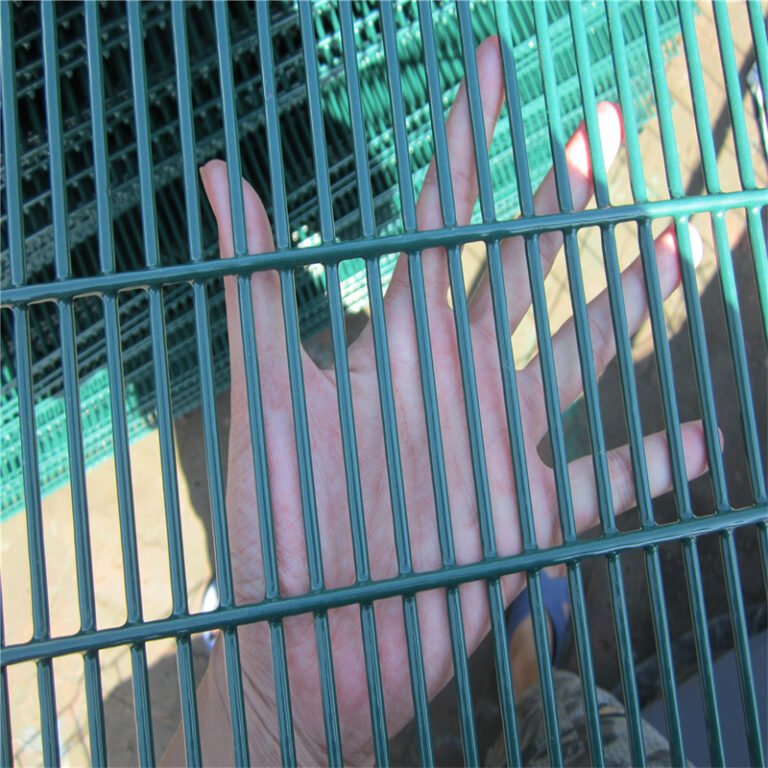
Traditional 358 geometry references three-inch by half-inch centres and approximately eight-gauge wire. The familiar metric equivalent measures 76.2 × 12.7 mm with wire near 4 mm. These dimensions describe centre spacing rather than empty openings.
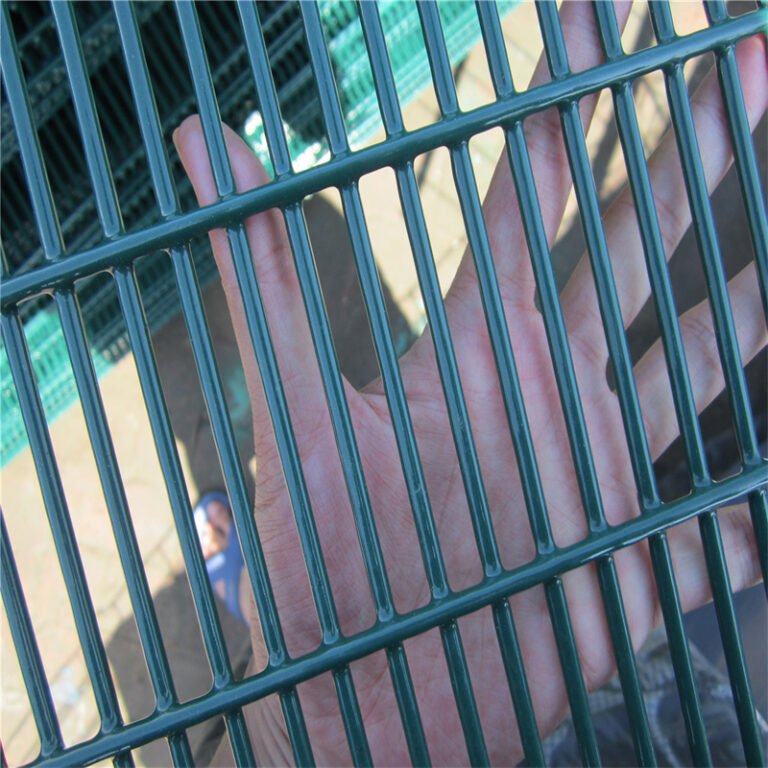
Close horizontal pitch reduces easy finger and toe holds. Welded intersections create a consistent pattern across the panel. Actual cutting resistance depends on wire grade, tools, joint quality and supporting components.
Prison Mesh Centre Spacing and Finished Apertures
Nominal pitch measures from one wire centre to the next. The steel diameter occupies part of that distance. For example, a 12.7 mm pitch with 4 mm wire leaves approximately 8.7 mm before coating.
The perpendicular clear opening needs a separate calculation. Protective finishes can narrow both directions slightly. Buyers should approve vertical and horizontal centre dimensions on one manufacturing drawing.
Traditional 358 Mesh Fence designs use this compact grid. A wider Anti Climb Fence with 25 mm spacing has different foothold geometry. It should not inherit identical performance claims without testing.
Flat Panels, V-Bends and Wire Grades
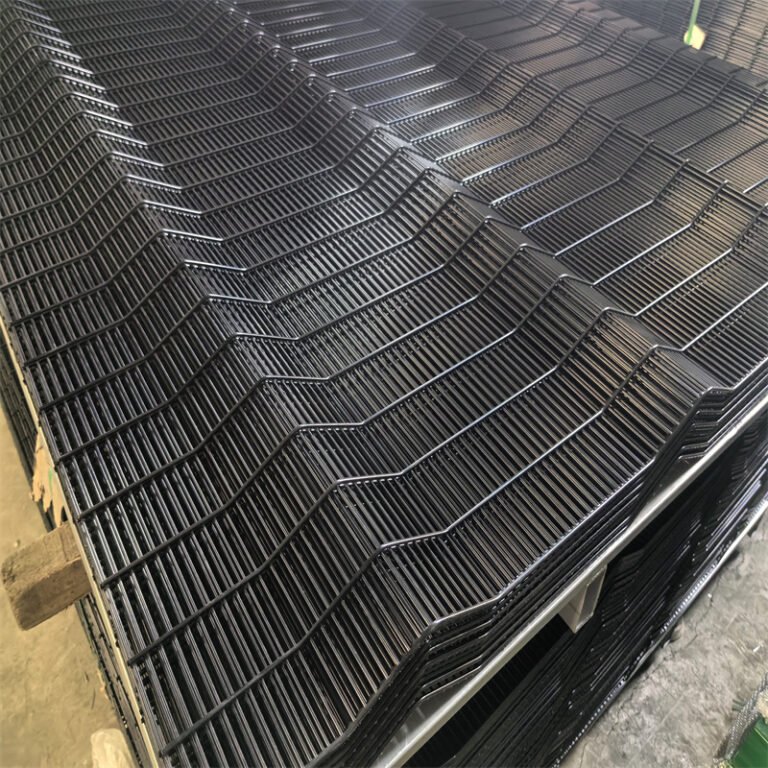
Flat 2D sheets provide a regular mesh face with straightforward edge connections. Formed V-bends introduce stiffness through additional geometry. Their location affects finished dimensions, packing and attachment details.
The source lists 3–6 mm wire options and approximately 4 mm as a common choice. Some historical descriptions also mention lighter 10.5-gauge products. Wire strength and diameter require confirmation for each selected model.
Prison Mesh: Original Catalogue Parameter Schedule
The first source table presents broad manufacturing options alongside popular dimensions. It includes custom heights and widths extending to 6000 mm. Such oversized designs require separate engineering and production approval.
| Source Parameter |
Original Catalogue Value |
Buyer Verification |
| Height |
1000–6000 mm; popular 2500 / 3000 mm |
Confirm practical fabrication, wind loading and handling |
| Width |
1000–6000 mm; popular 2200 / 3000 mm |
Verify transport clearance and installed post centres |
| Wire thickness |
3–6 mm; common 4 mm, eight-gauge reference |
Specify actual vertical and horizontal diameters |
| Mesh centres |
76.2 × 12.7 mm |
Measure pitch rather than clear aperture |
| Post |
Square profiles including 60 × 60 and 80 × 60 mm |
Confirm section geometry, wall thickness and length |
| V-top accessories |
Angle iron, barbed wire or razor wire |
Check safety, loading and local permission |
| Fasteners |
Flat bars, screws and clamps |
Approve bolt grade, spacing and security access |
| Surface treatment |
Hot-dip galvanizing, electrogalvanizing and polyester coating |
Identify one compatible sequence and test method |
Prison Mesh: Standard Panel Schedule from the Source
A second catalogue table narrows the ordinary panel-height range to approximately 1800–3000 mm. It also mentions options up to 4000 mm. These figures represent practical reference sizes, not approval for every site.
| Component |
Original Reference |
Specification Note |
| Mesh panel height |
1.8–3.0 m; source also mentions a maximum of 4.0 m |
Confirm finished height and the intended model |
| Mesh panel width |
2.0 / 2.2 / 2.5 / 3.0 m |
Determine actual installed post-centre distance |
| Mesh opening reference |
12.7 × 76.2 mm |
Record dimensions as centre-to-centre pitch |
| Wire thickness |
3 / 4 / 5 / 6 mm |
Confirm material certificate and orientation |
| Surface treatment |
Electrogalvanized / hot-dip galvanized / polyester paint |
Request compatible system and coating records |
| Curves |
On request |
Confirm bend depth, quantity and location |
The broad 6000 mm limits and shorter reference table describe different catalogue scopes. Do not quote a 6000 mm panel as standard inventory. Oversized components require drawings, lifting plans and structural review.
Why Prison Mesh Projects Need a Site-Specific Layout
Correctional facilities may separate public approaches, service yards and controlled internal zones. Each area presents different access and surveillance requirements. A single generic elevation rarely addresses all locations.
Equipment compounds, research facilities and airports also use Clear View Mesh Fencing for controlled boundaries. Their operating procedures differ from correctional sites. Designers should assess actual threats before specifying heights or security accessories.
Prison Mesh for Controlled Custody Boundaries
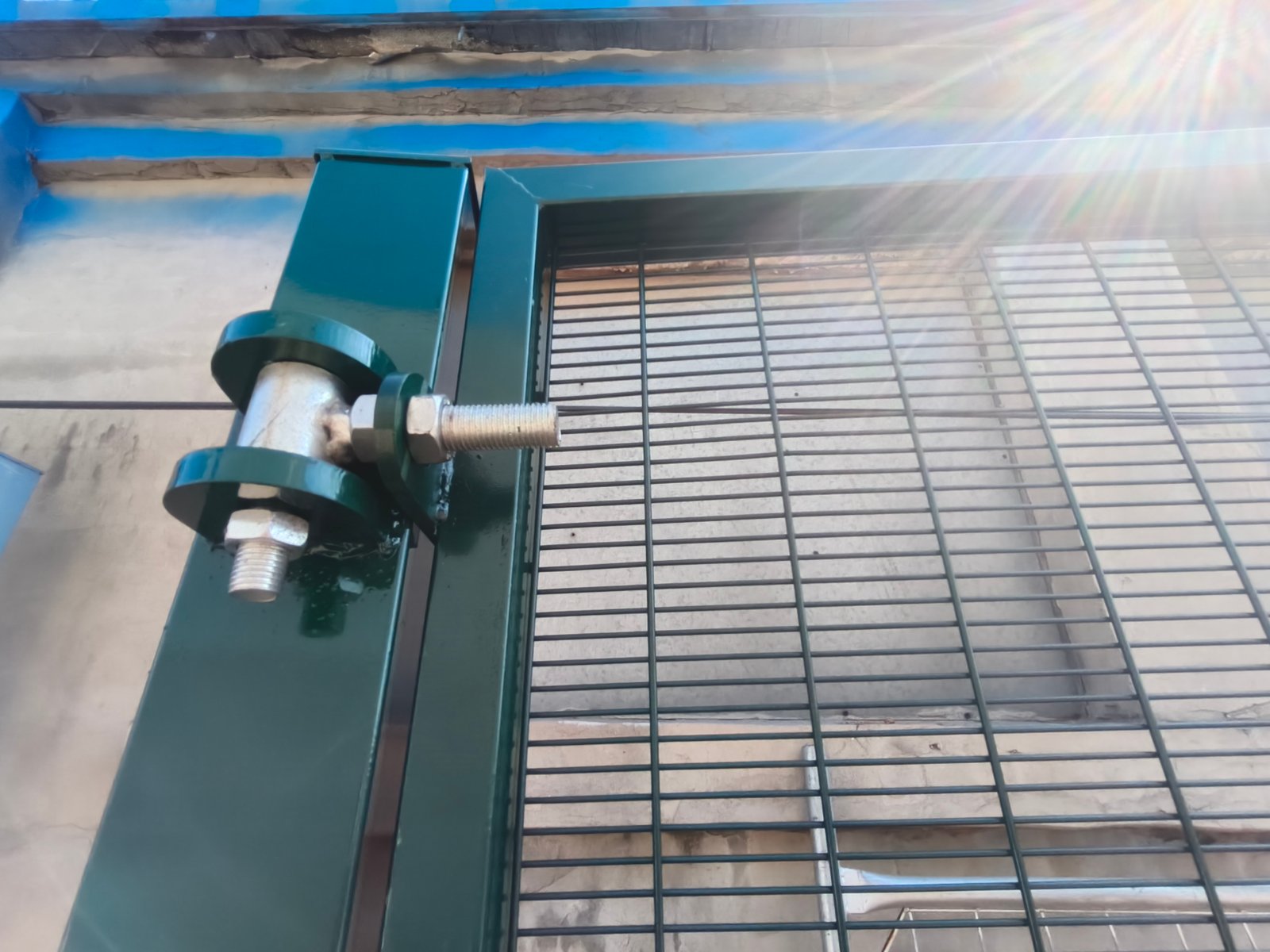
Secure facilities may need controlled pedestrian movement, monitored vehicle access and observation corridors. Reliable openings deserve the same attention as fixed panels. Locks, hinges and gate supports require independent review.
Some sites use two fence lines around a monitored intermediate zone. Such arrangements can support detection and operational response. The layout should preserve authorized access and safe maintenance.
Hospitals and Educational Sites Need Different Safeguards
Medical campuses and schools may value see-through boundaries and controlled entrances. Their safety needs differ from those of detention facilities. Hazardous security toppings are not automatically suitable near vulnerable people.
Public-facing projects should consider supervised entry and emergency egress. A narrow aperture may discourage climbing without resolving every risk. Local safety regulations should guide final choices.
Prison Mesh and CCTV: Sightlines Must Work in Practice
Visible mesh supports observation, but no welded grid guarantees zero CCTV blind spots. Camera position, lens selection and lighting determine actual coverage. Nearby stored materials can obstruct views regardless of aperture size.
Perimeter security teams should test coverage around corners, gates and changes in level. Overlapping cameras may reduce unseen approaches. A control room also needs procedures for reviewing and responding to alarms.
Prison Mesh with Perimeter Intrusion Detection
Fence-mounted detection sensors may identify vibrations associated with contact or tampering. Their performance depends on barrier rigidity, mounting and operating conditions. Strong wind or loose vegetation may generate unwanted alerts.
A compatible sensor design should account for the specific mesh and support system. Onsite commissioning establishes realistic alarm thresholds. Detection equipment complements physical delay rather than replacing it.
Gates and Vehicle Threats Need Separate Solutions
A dense mesh panel cannot prevent a vehicle from striking a vulnerable entrance. Exposed gate posts may require independently engineered impact protection. Facility access plans should address deliveries, staff movement and emergencies.
Matching Clear View Fence Gate components provide coordinated welded infill for selected entrances. Larger openings may use ClearVu Fence Sliding Gates where sufficient side travel exists. Both arrangements need appropriate safety controls.
Prison Mesh Corrosion Protection and Steel Finishes
Protective finishes should match the steel substrate and the installation environment. Zinc helps resist corrosion through metallic protection. Compatible polymer layers can add colour and further environmental resistance.
Hot-dip galvanizing after welding differs from welding pre-galvanized wire. Electrogalvanizing introduces another production route. Buyers should specify the entire sequence, not simply the word galvanized.
Prison Mesh with Polyester or PVC Finishes
Polyester powder coatings can provide suitable outdoor colour when properly specified. PVC or thermoplastic systems involve different materials and application processes. A marine-grade description alone does not prove their durability.
Powder Coated Clear View Fence options include different finishing schedules. Request the coating manufacturer's technical sheet and applicable inspection method. Adhesion and thickness need agreement before manufacture.
Coastal Ports, Salt Deposits and Inland Conditions
Durban port facilities may encounter humid, salt-bearing air and frequent cargo movements. Marine exposure raises concern around damaged edges, bolt holes and post bases. Inspect these areas through an appropriate maintenance programme.
Gauteng industrial compounds experience inland dust and seasonal rainfall instead. Drainage still matters where water collects around concrete foundations. Select corrosion protection for the actual site conditions.
Prison Mesh Steel Posts, Clamp Bars and Installation Details
A welded panel transfers loads through its fixings into supporting steel posts. Section dimensions and foundation conditions influence structural capacity. Taller panels need more than a proportionally longer post.
Square and rectangular profiles offer accessible faces for compatible fittings. The Clear View Fence Post range includes several supporting steel configurations. Engineers should approve the final wall thickness, length and base connection.
Prison Mesh with IPE and C-Profile Supports
An ClearVu Fencing IPE Post has a distinct flange-and-web geometry. C-profile posts also require their own fastening arrangement. These designs are not automatic substitutes for square hollow sections.
Each support needs suitable corrosion protection and cap details. Incorrect bolt locations can damage a finished panel. Sample assembly helps prevent compatibility problems before bulk production.
Fixing Bars, Bolts and Corner Connections
Continuous flat bars can distribute restraint along panel edges. Individual security clamps create fixing points at approved locations. Both methods require suitable bolt engagement and steel thickness.
Matching ClearVu Fence Clamps can serve selected single and double connections. Corner and terminal posts may need separate accessory counts. Check each connection on the installation drawing.
Production Inspections: From Welding to Finished Panels
Reliable welded mesh starts with consistent wire diameter and correct grid spacing. Factory operators straighten and cut the wire before controlled resistance welding. Inspectors then check intersections, dimensions and panel squareness.
Finishing follows the specified zinc and polymer route. Cleaning and suitable pretreatment support coating adhesion. Welds, edges and inaccessible post surfaces deserve special inspection attention.
Prison Mesh Factory Acceptance Checklist
| Inspection Stage |
Check |
Evidence |
| Incoming steel |
Material grade, wire diameter and post section |
Material identification and measurement sheet |
| Mesh welding |
Pitch, weld condition, squareness and edge finish |
Batch dimensional and weld inspection |
| Post fabrication |
Length, wall thickness, caps and drilling positions |
Approved shop drawing and sample fit |
| Galvanizing |
Specified method and zinc coating |
Applicable coating test record |
| Polymer finishing |
Colour, adhesion, film thickness and visible defects |
Production and inspection records |
| Final assembly |
Clamp fit, bolt compatibility and gate interfaces |
Sample assembly photographs |
| Packing |
Quantities, protection, pallet stability and labels |
Final packing list and loading photographs |
Independent certification requires specific test evidence for the actual product assembly. A catalogue claim cannot replace an identified test standard. Retain inspection results with the approved purchase documents.
Prison Mesh Product Photographs from BMP
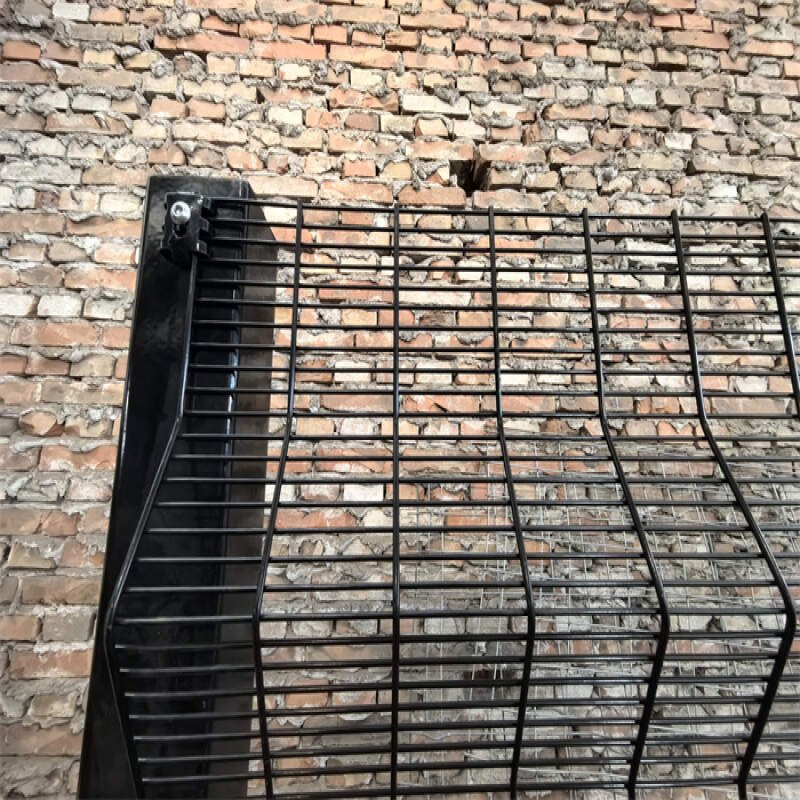
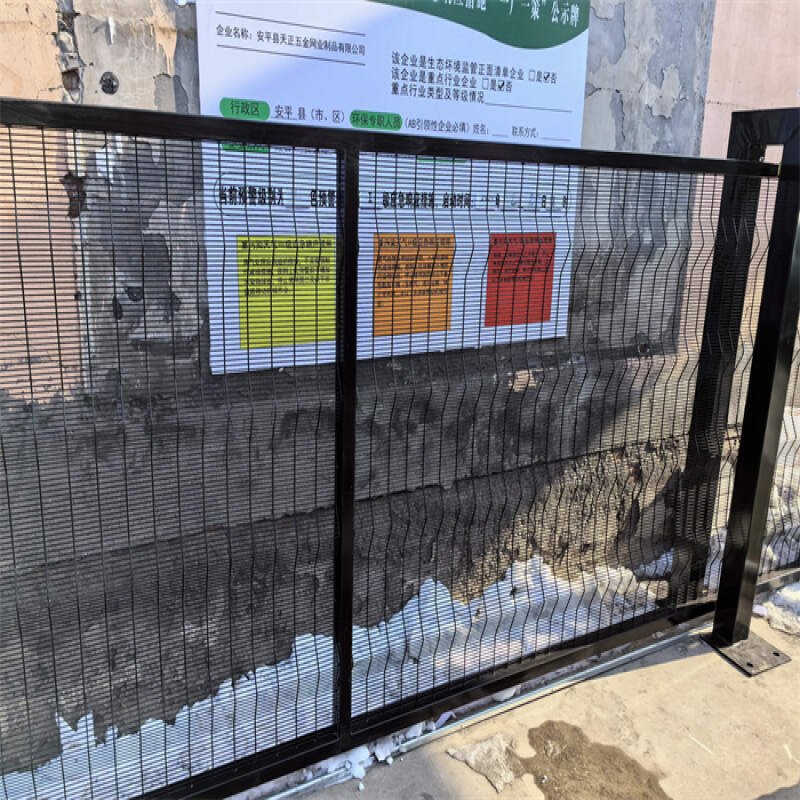
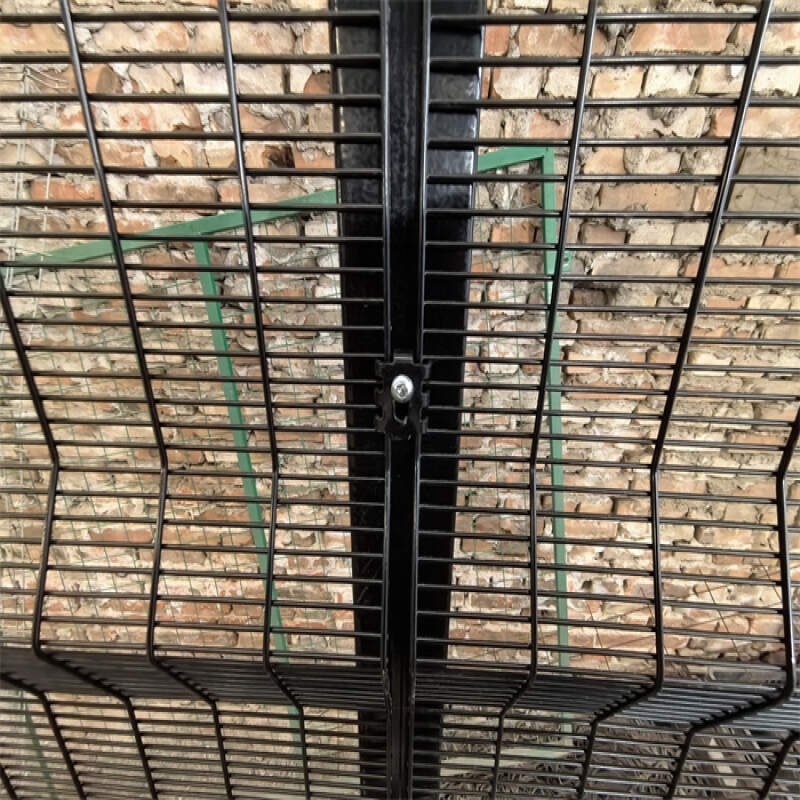
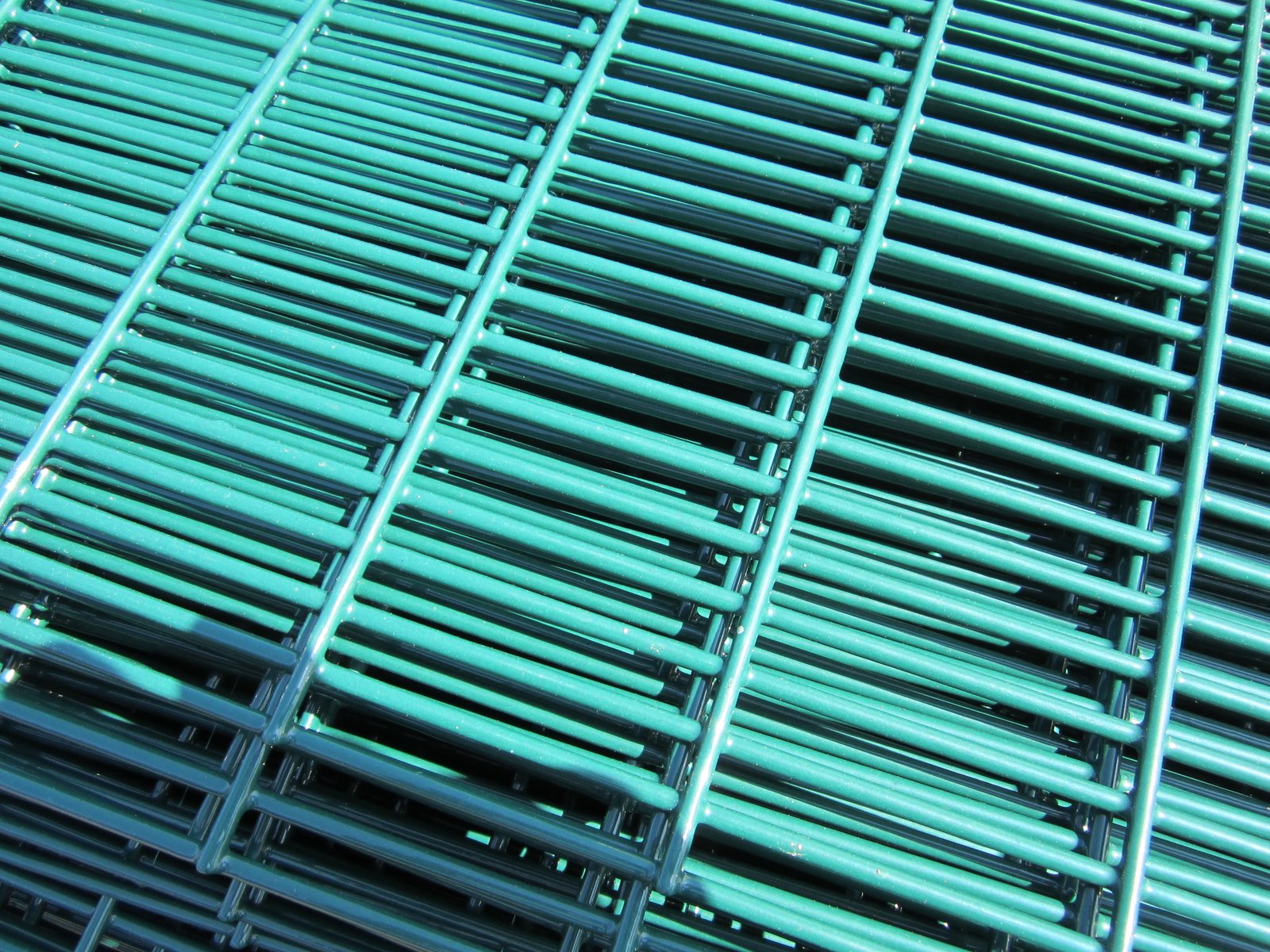
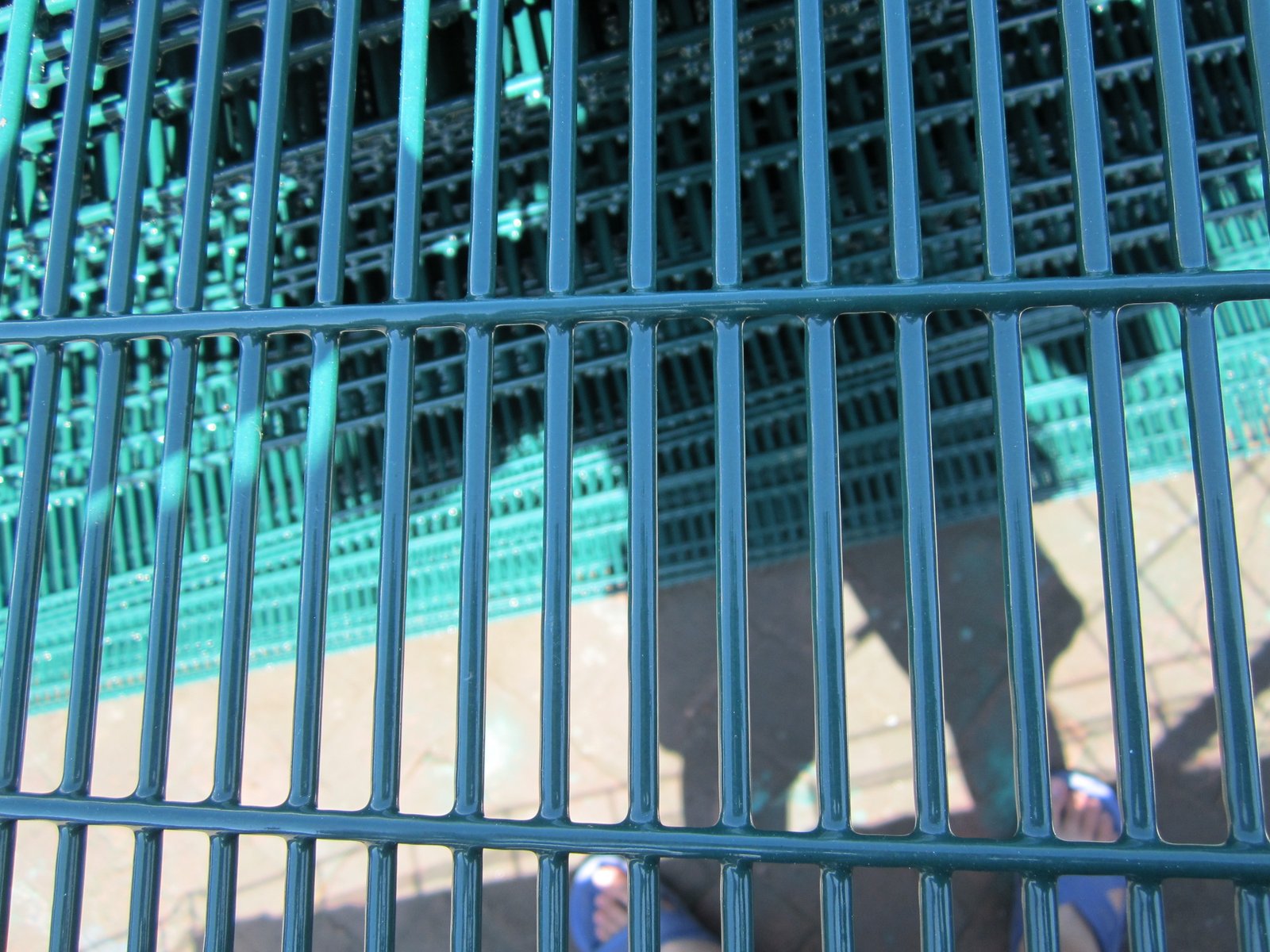
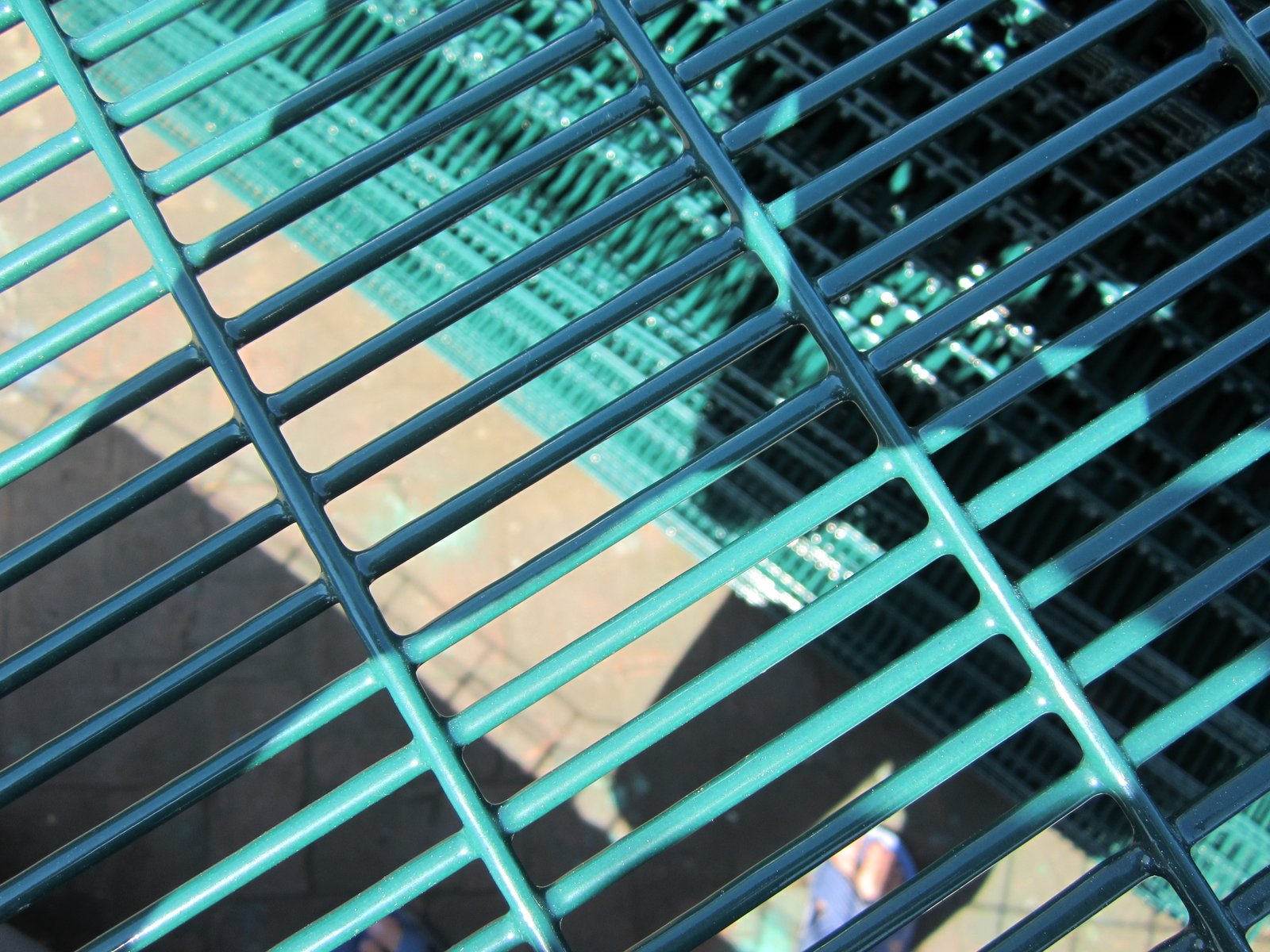
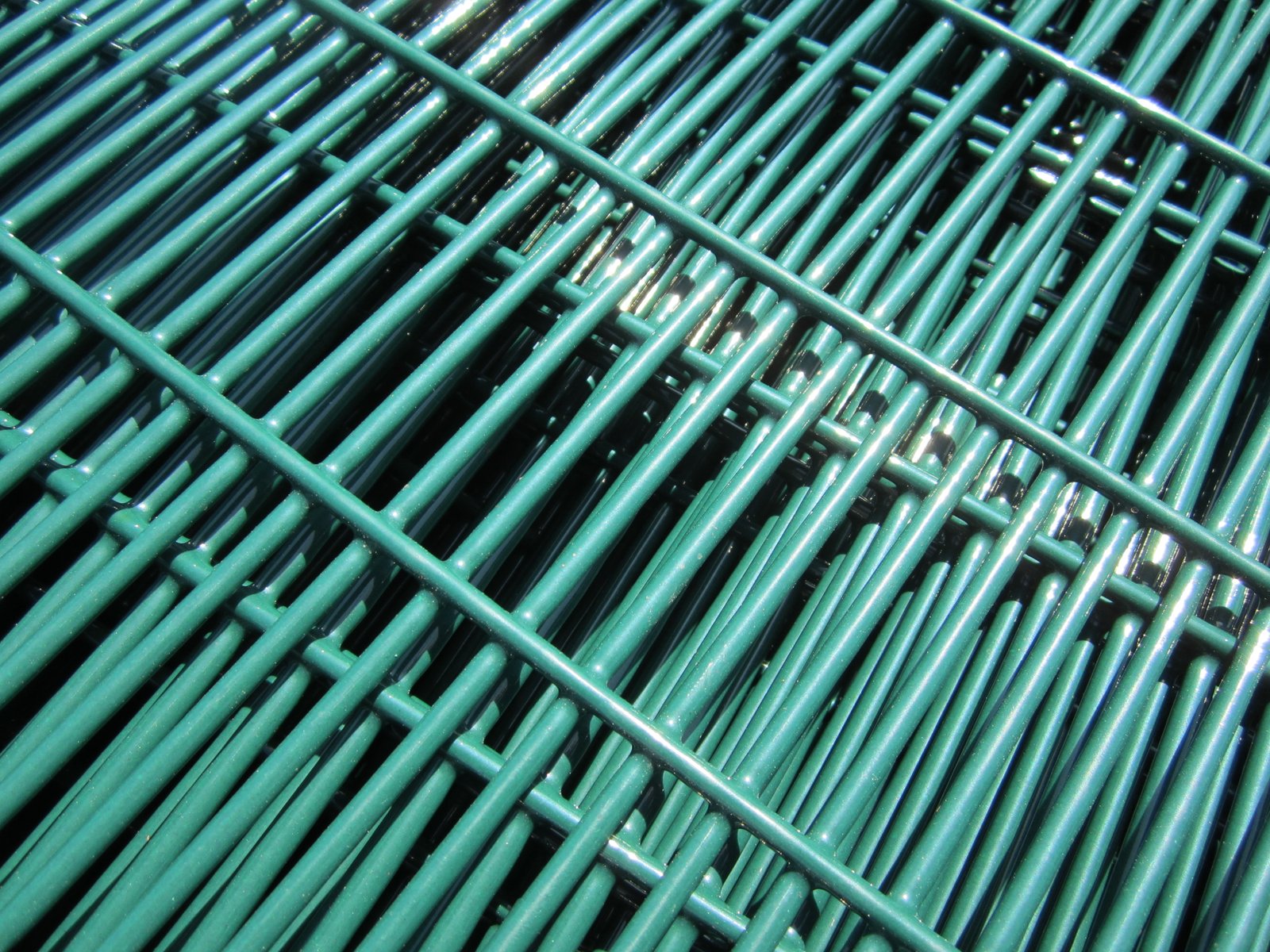
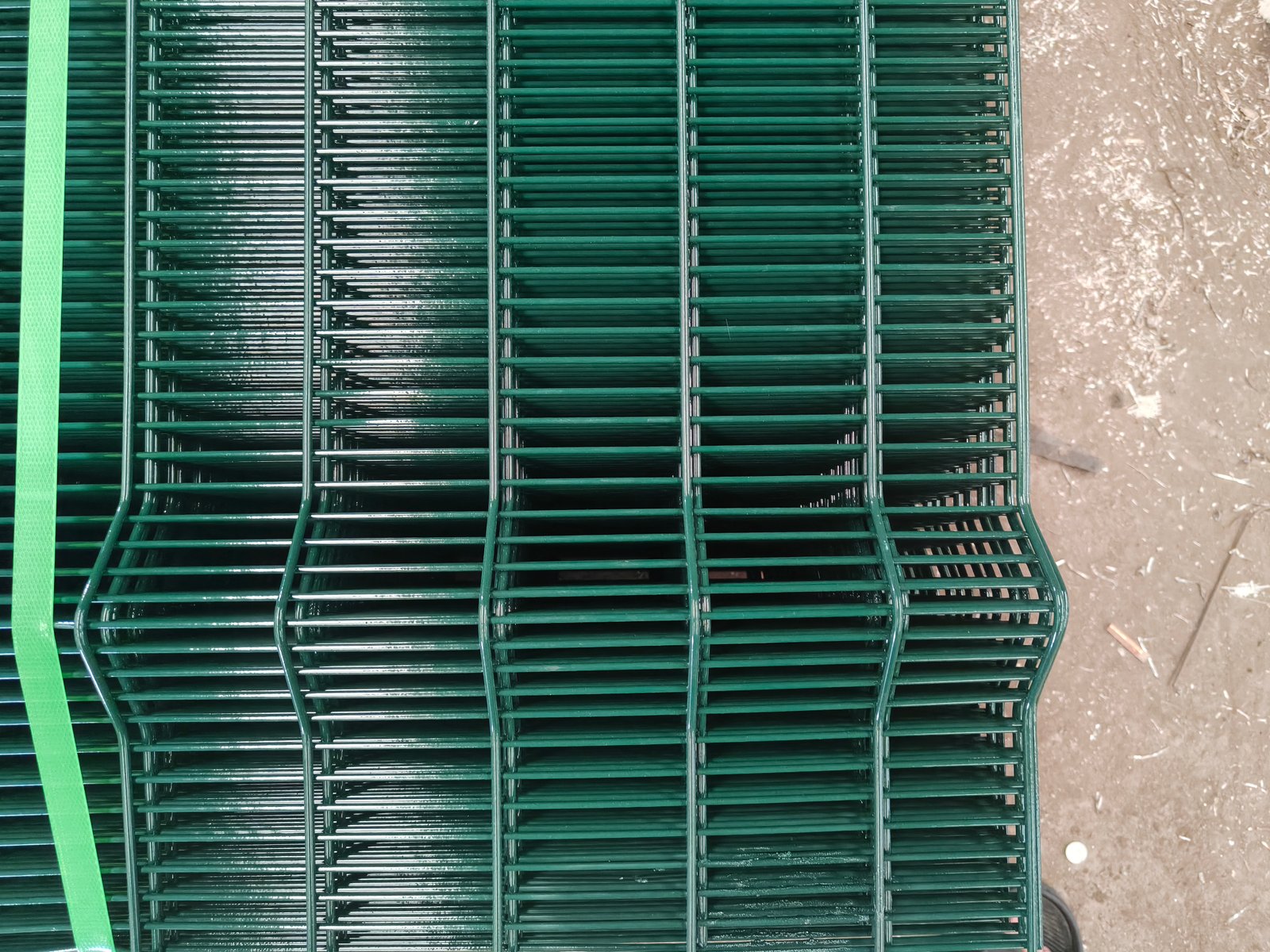
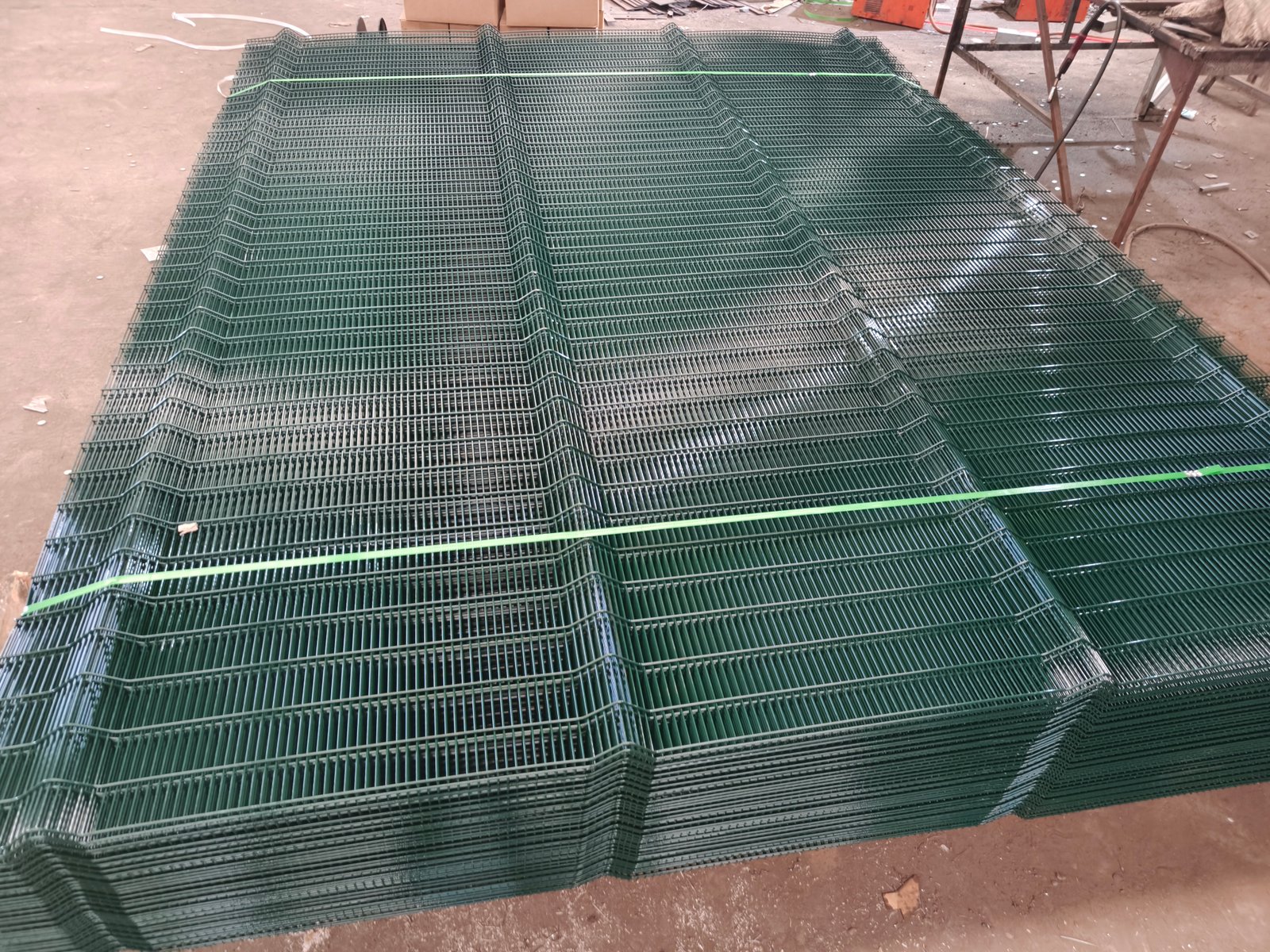
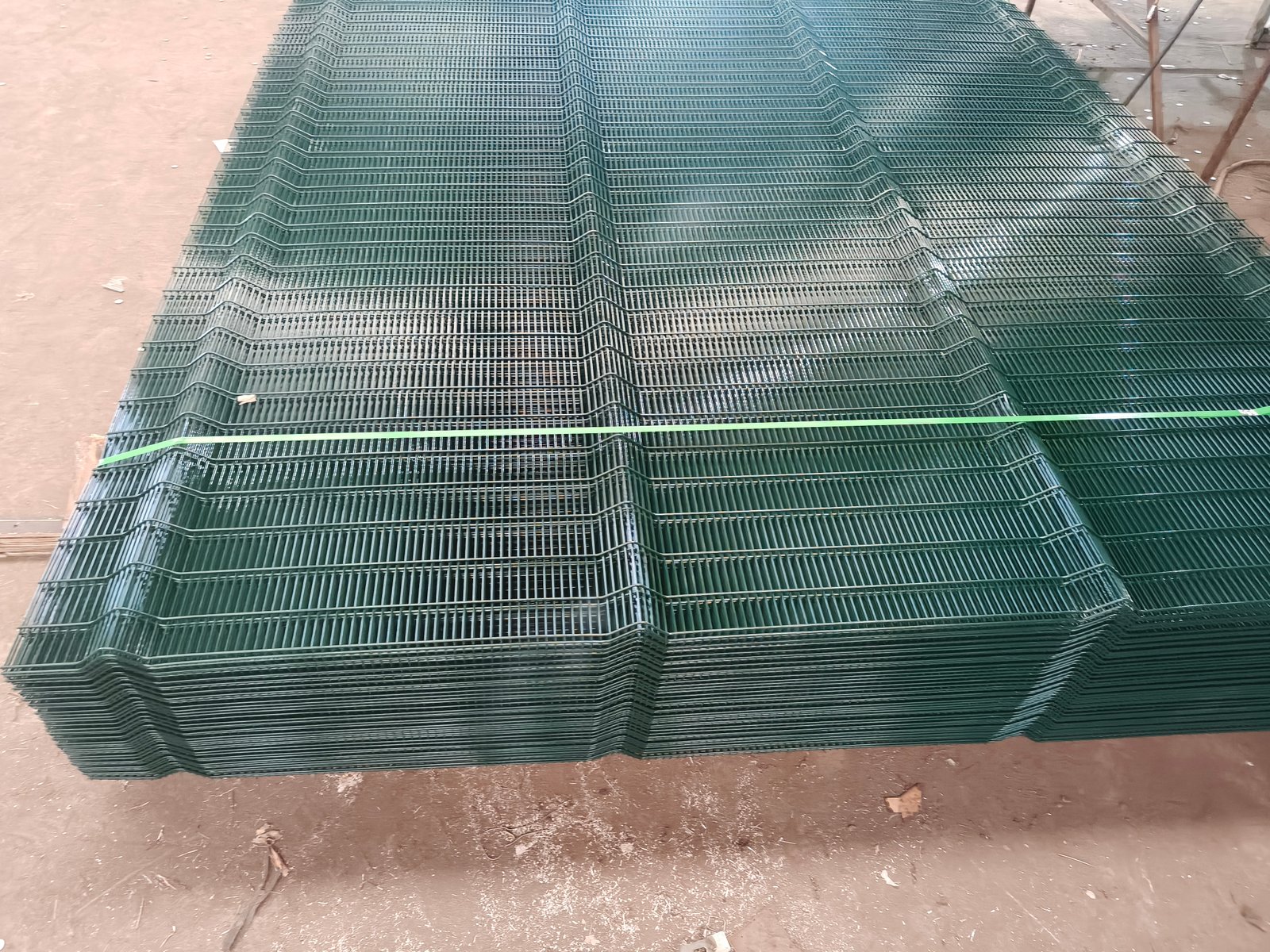
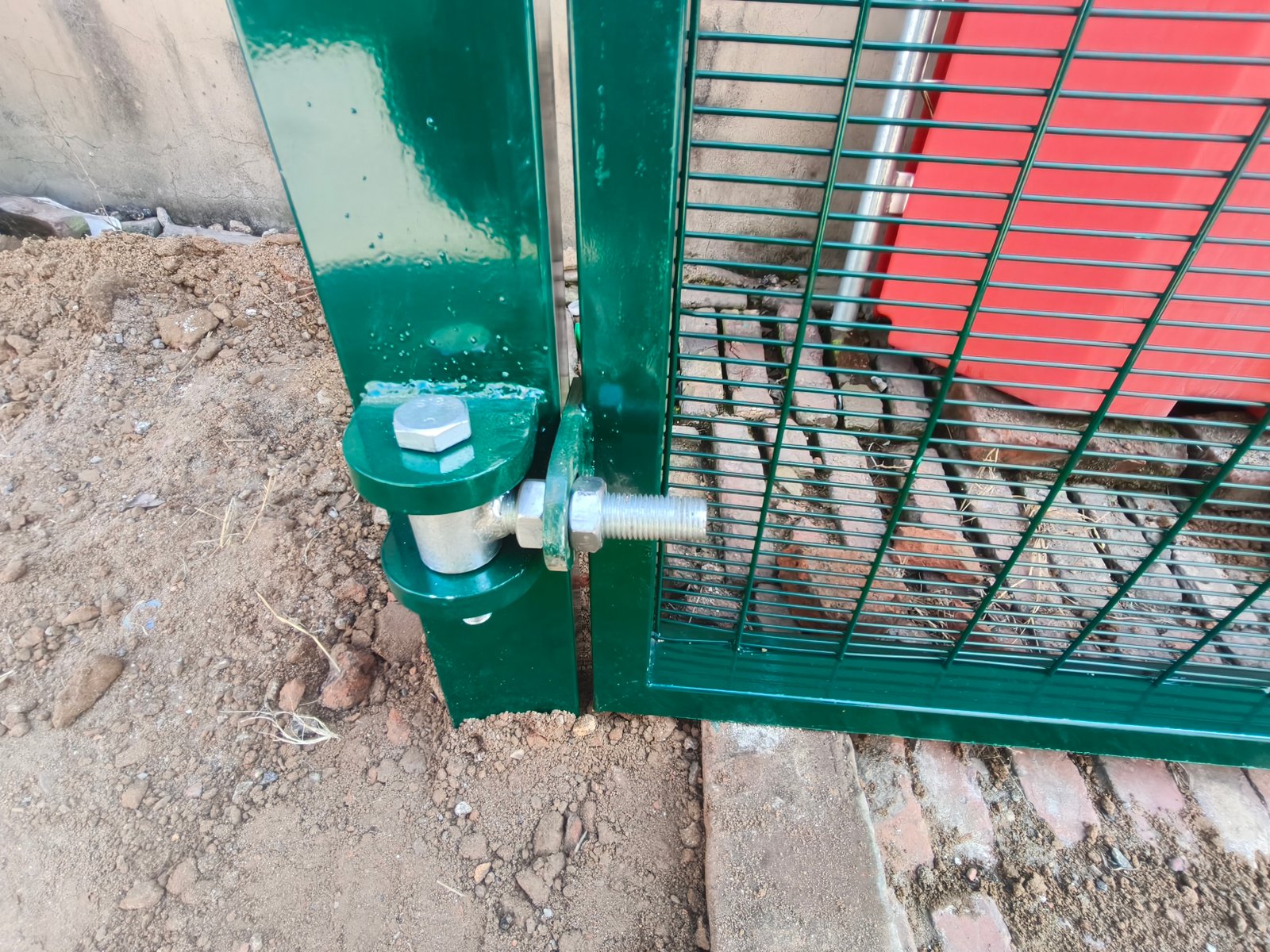
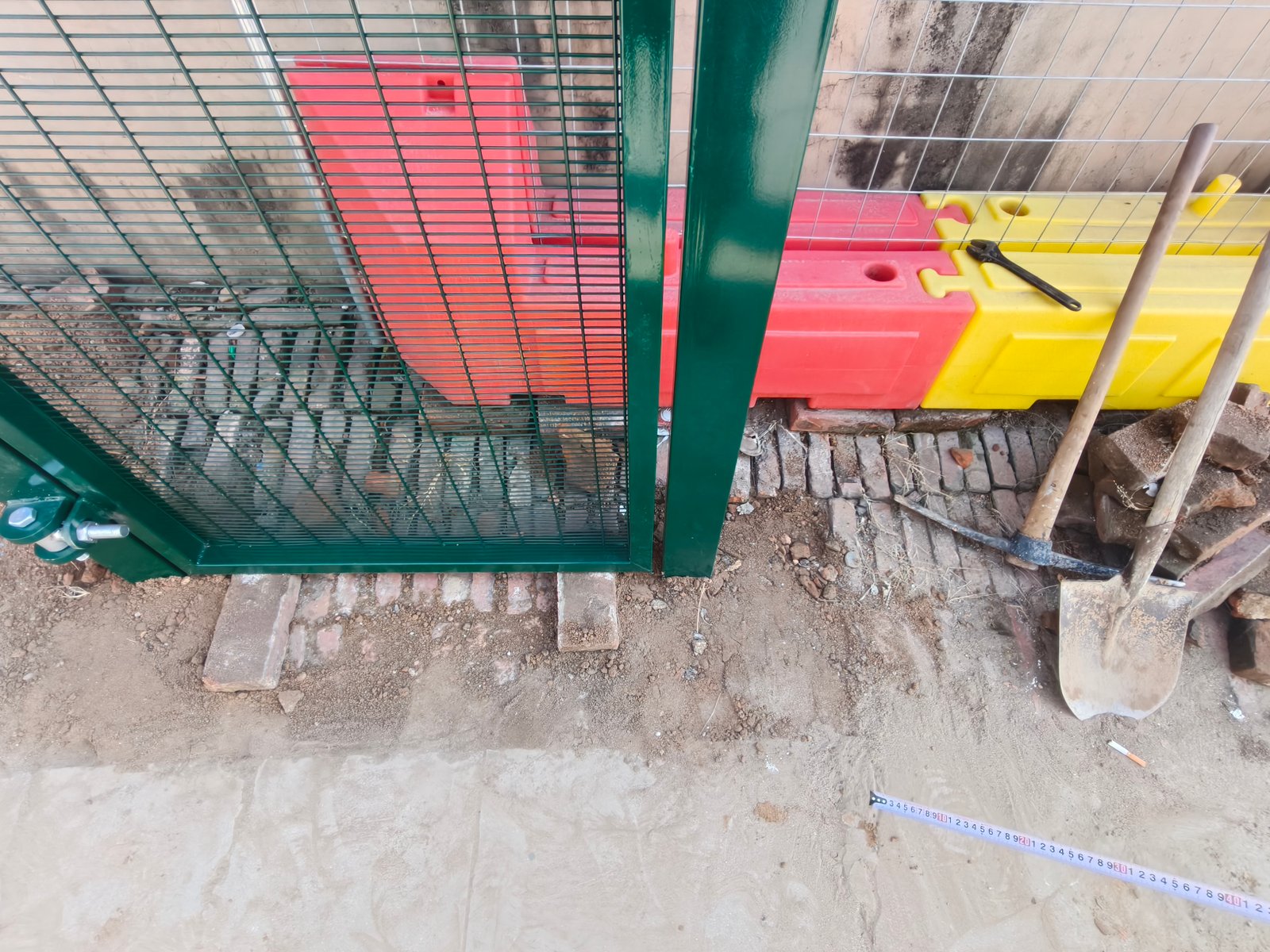
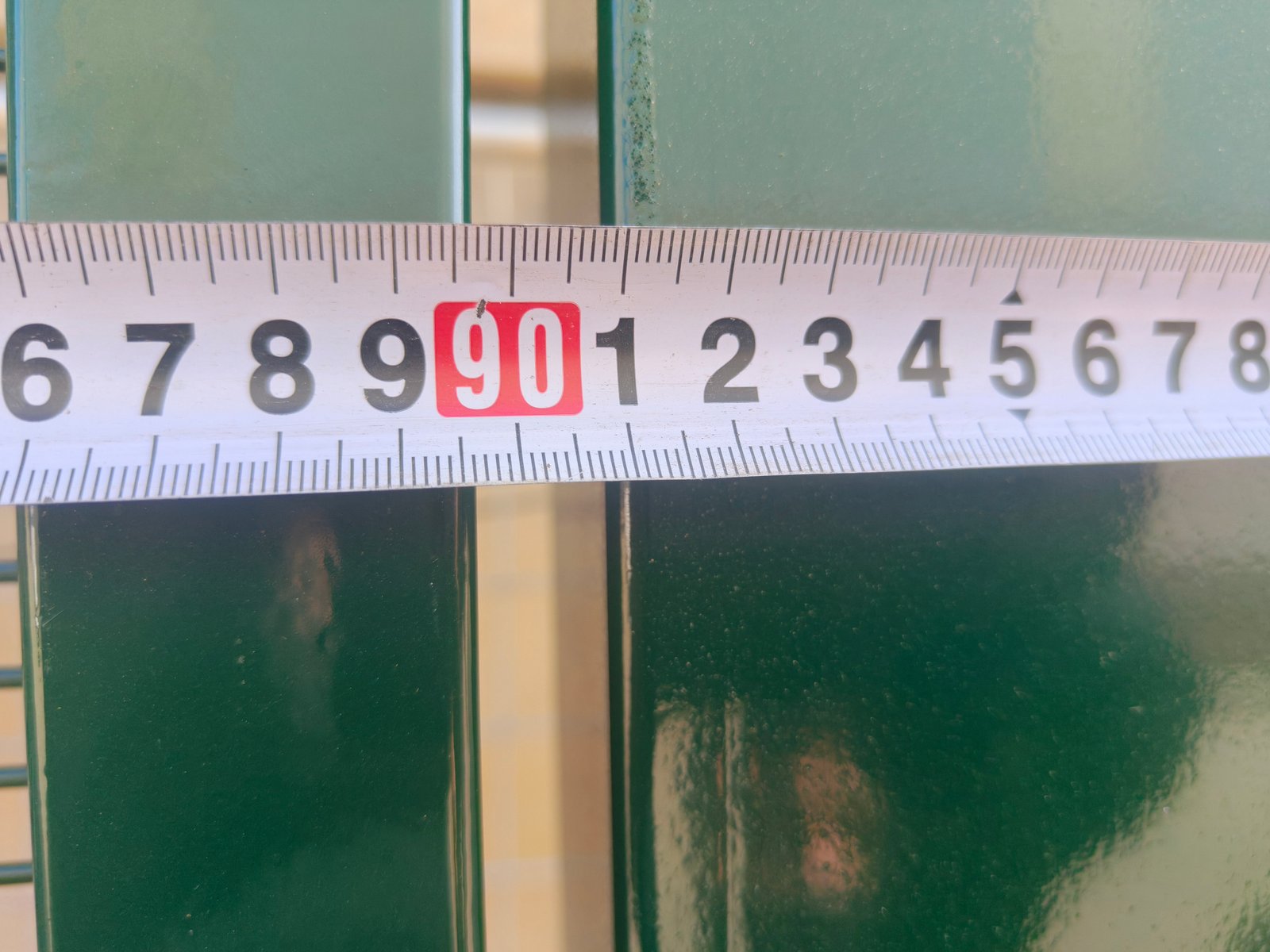
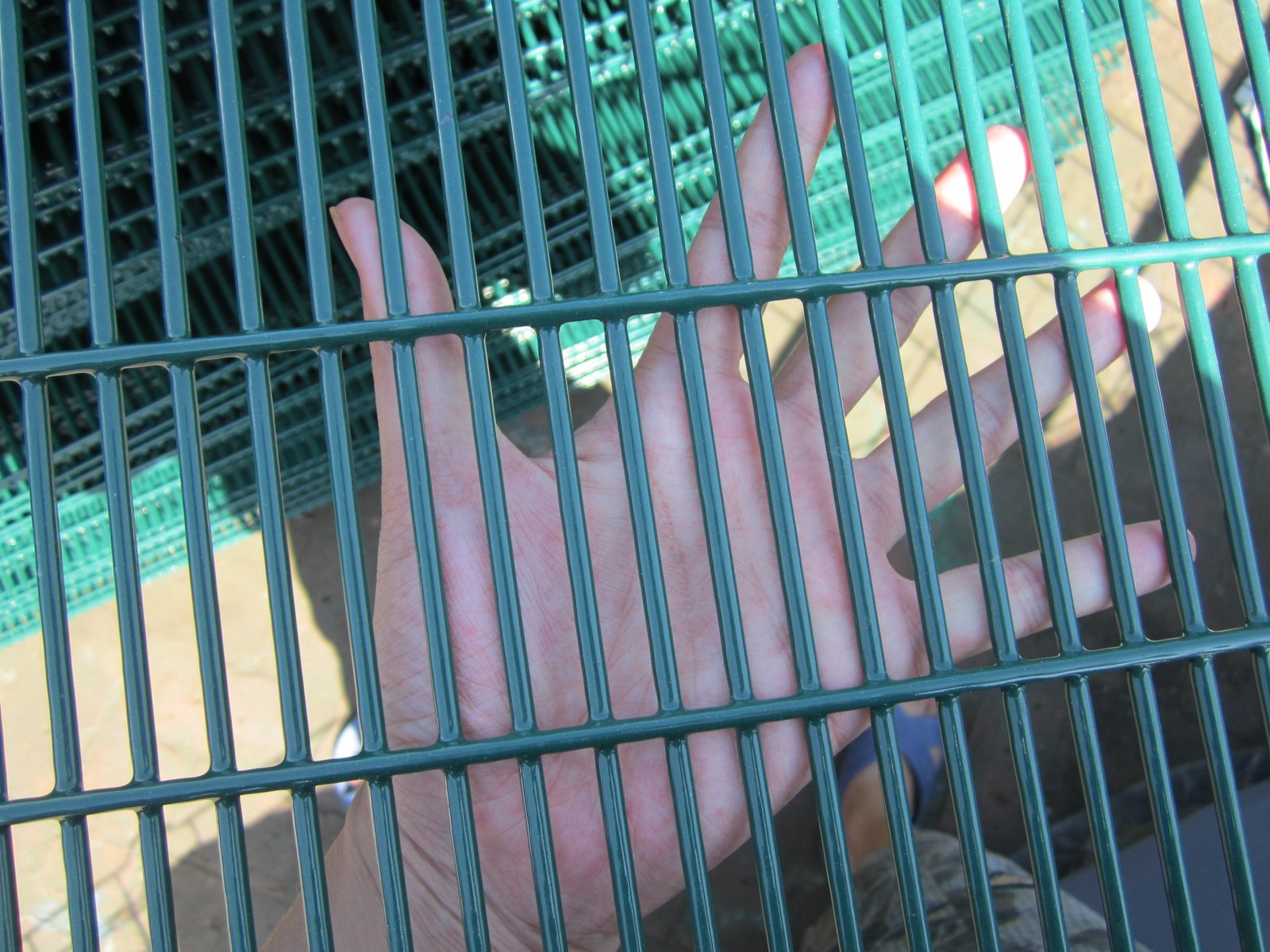
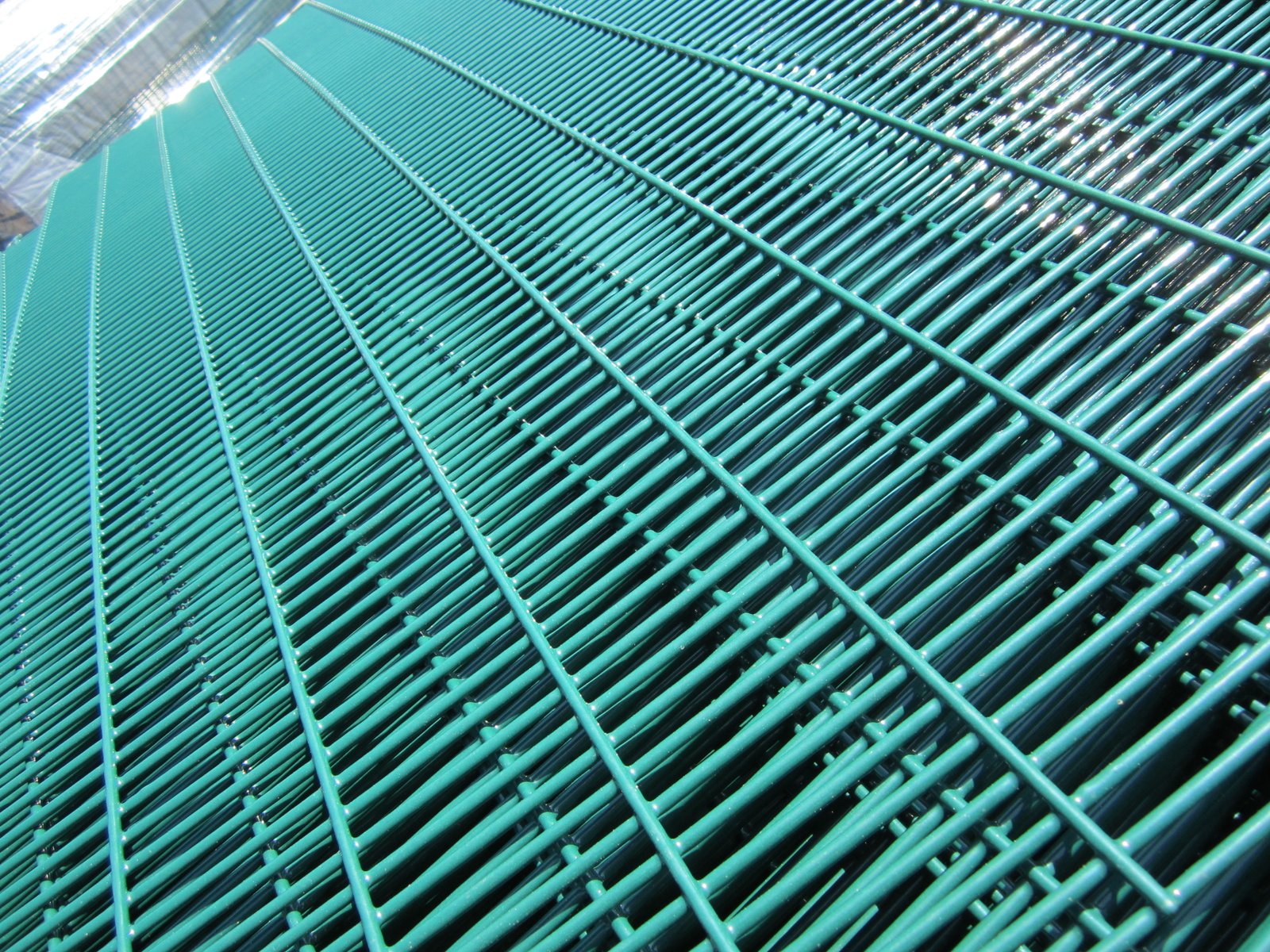
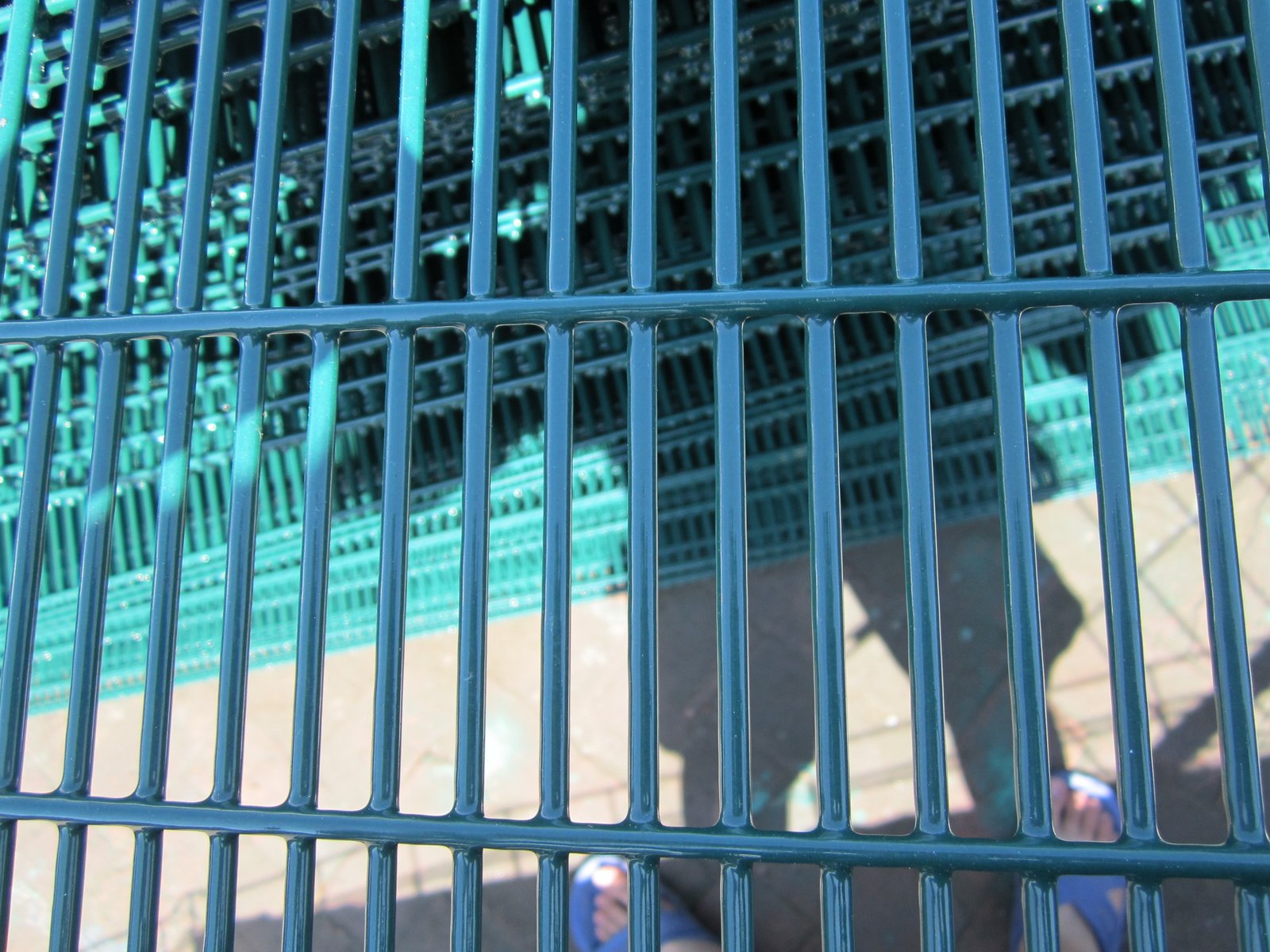
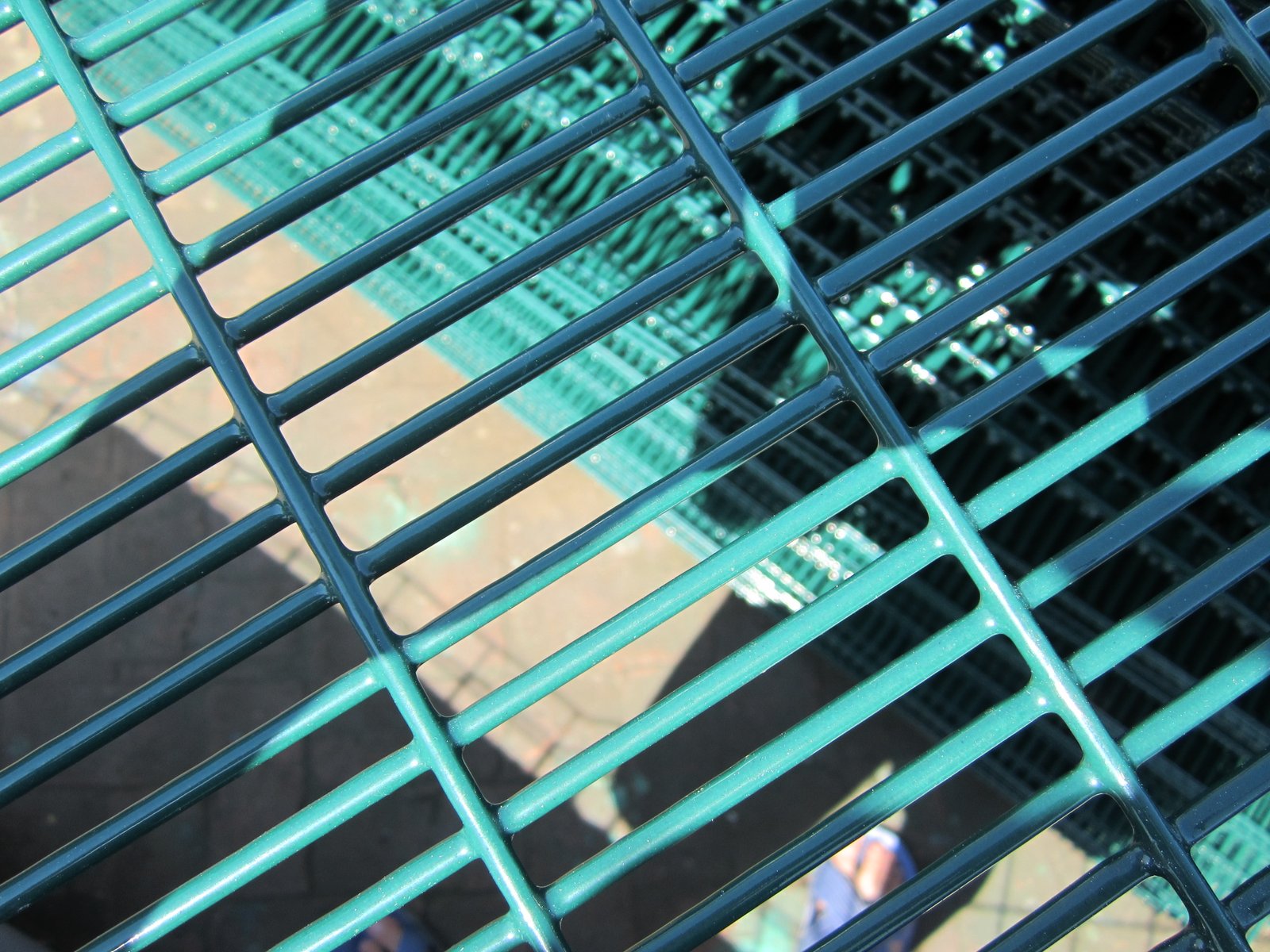
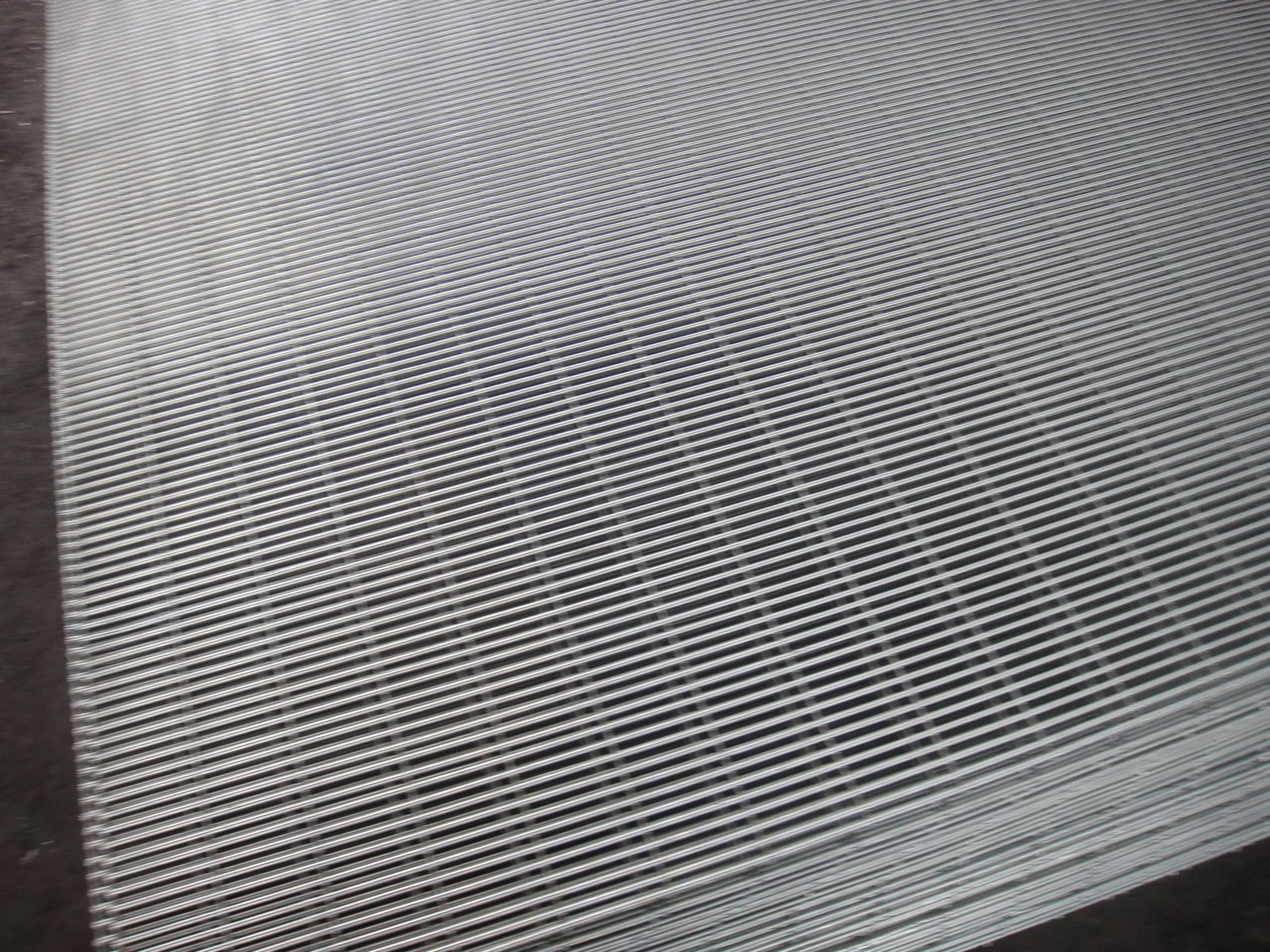
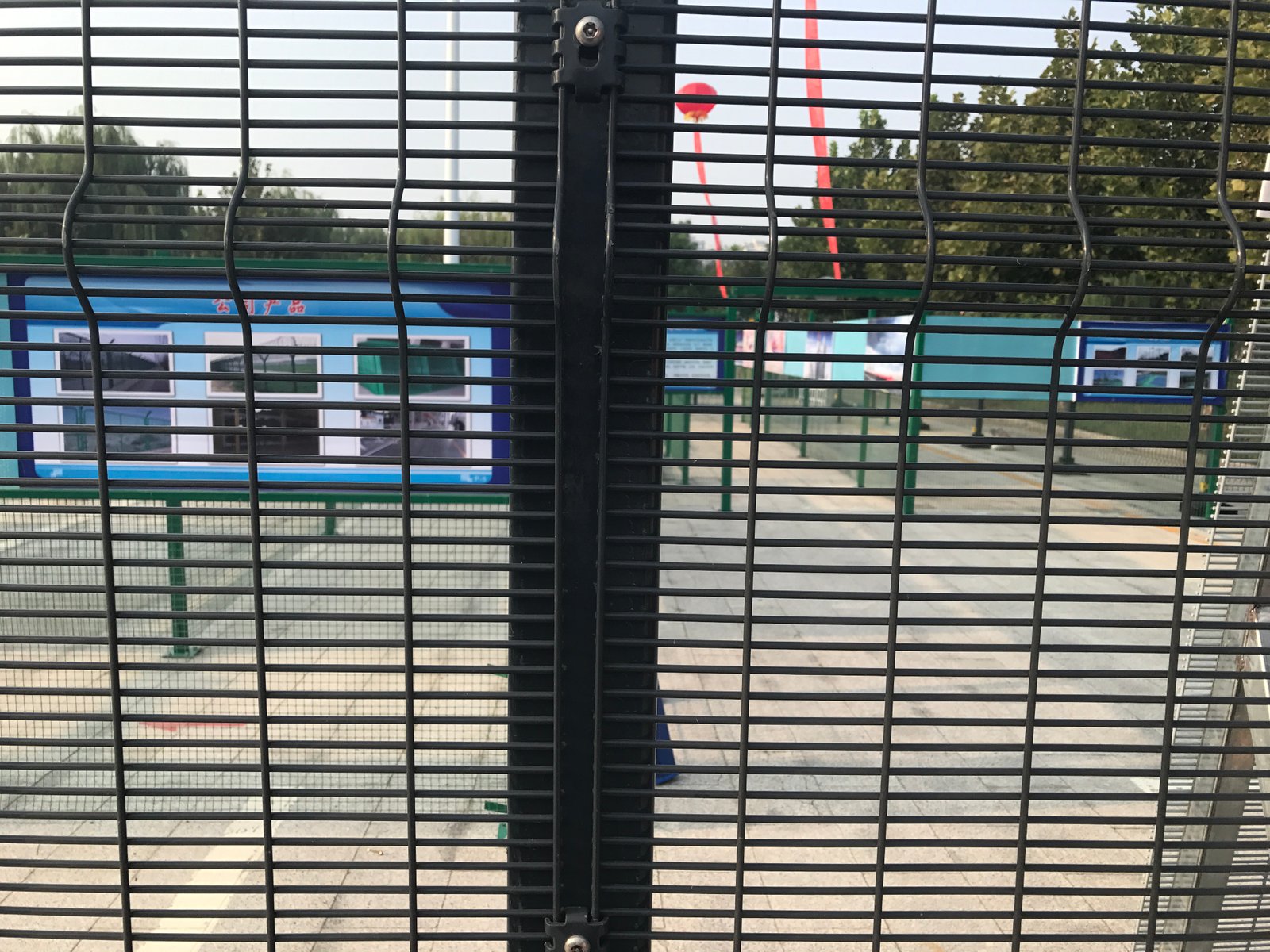
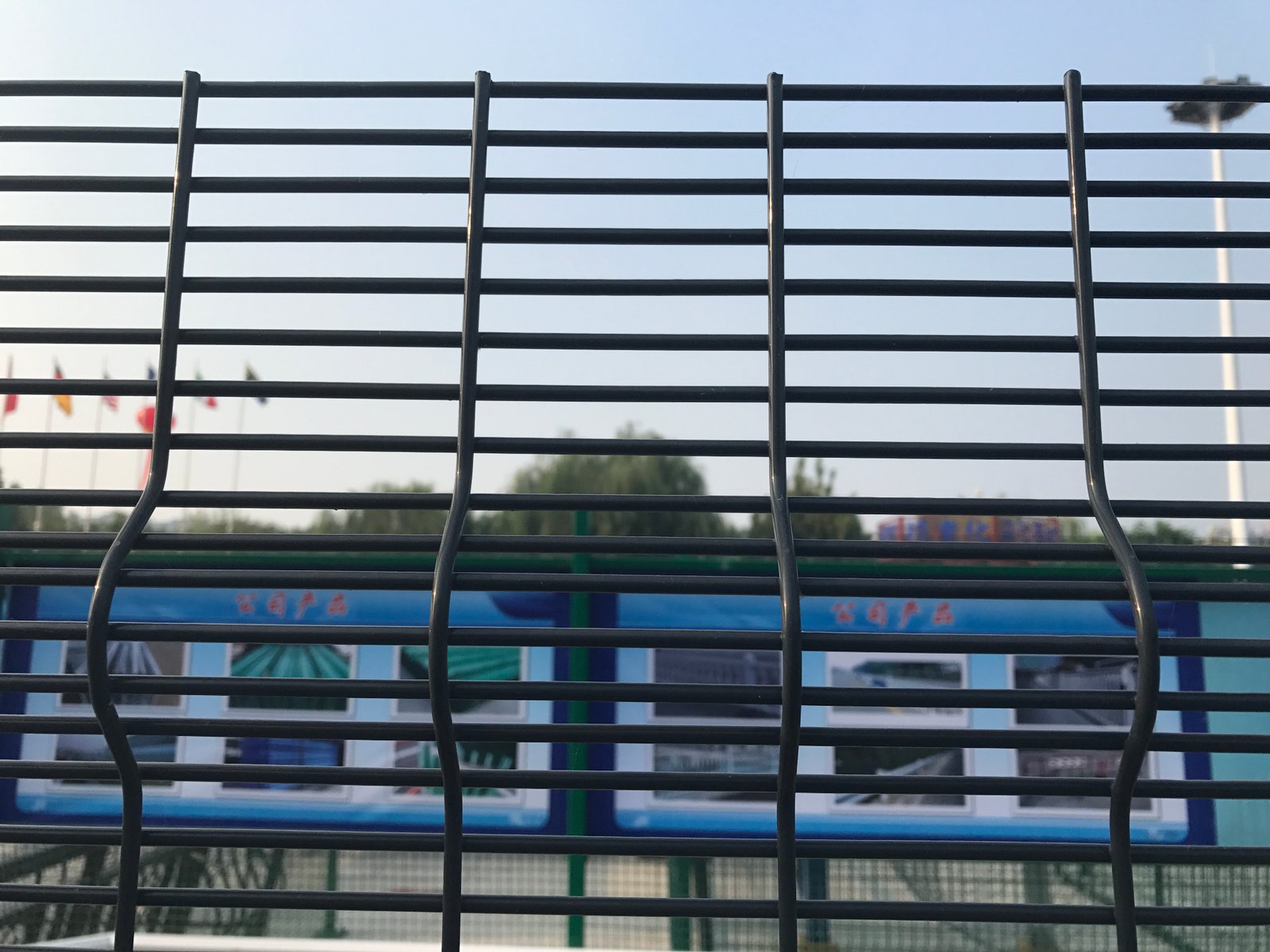
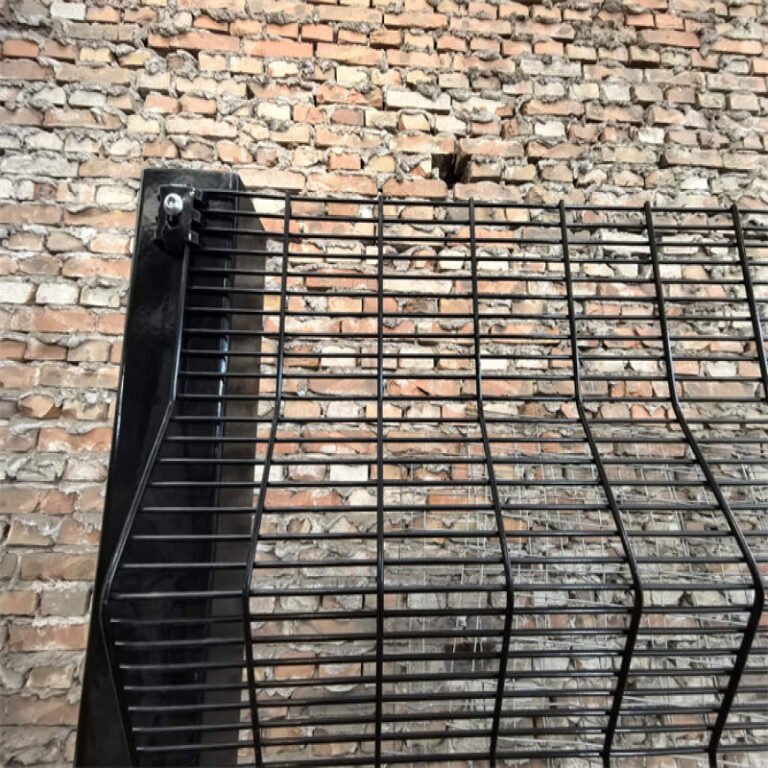
The following images preserve all three original source photographs. Each uses the supplied BMP website address rather than the excluded domain. Their captions describe procurement checks without inventing product measurements.
 |
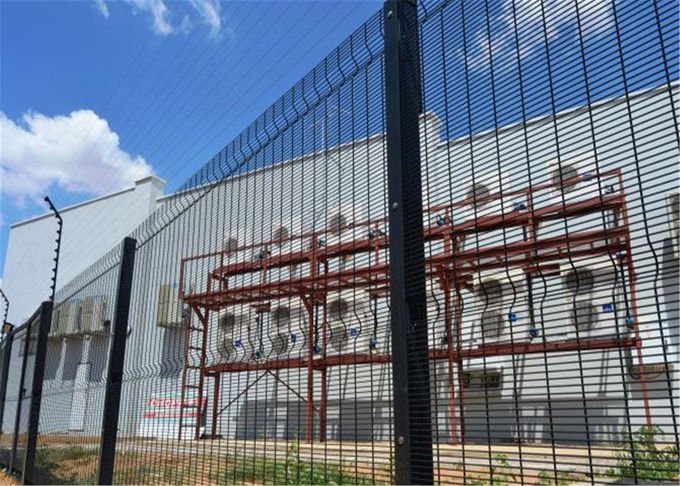 |
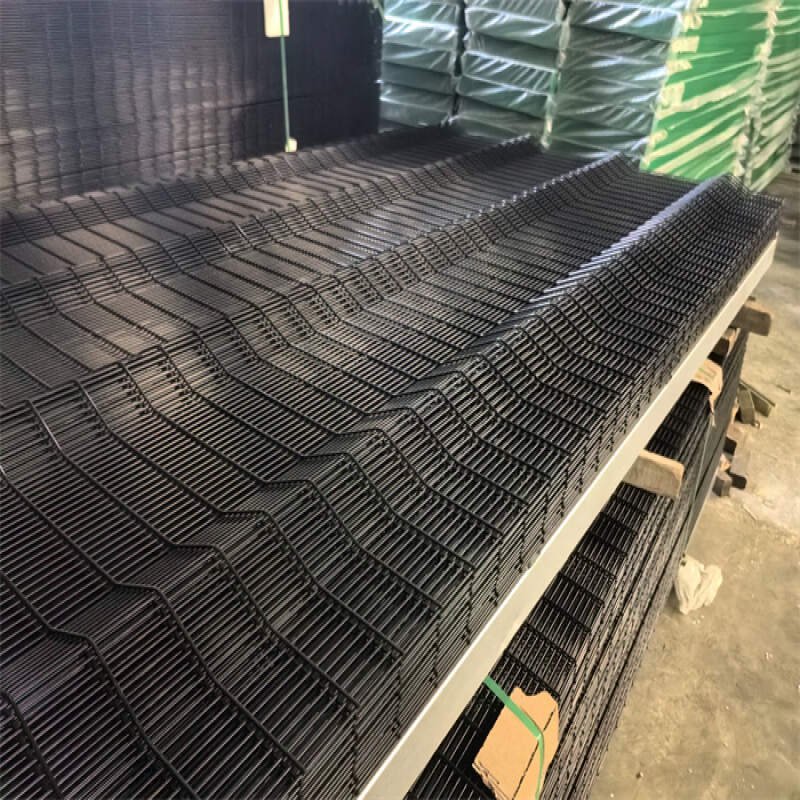
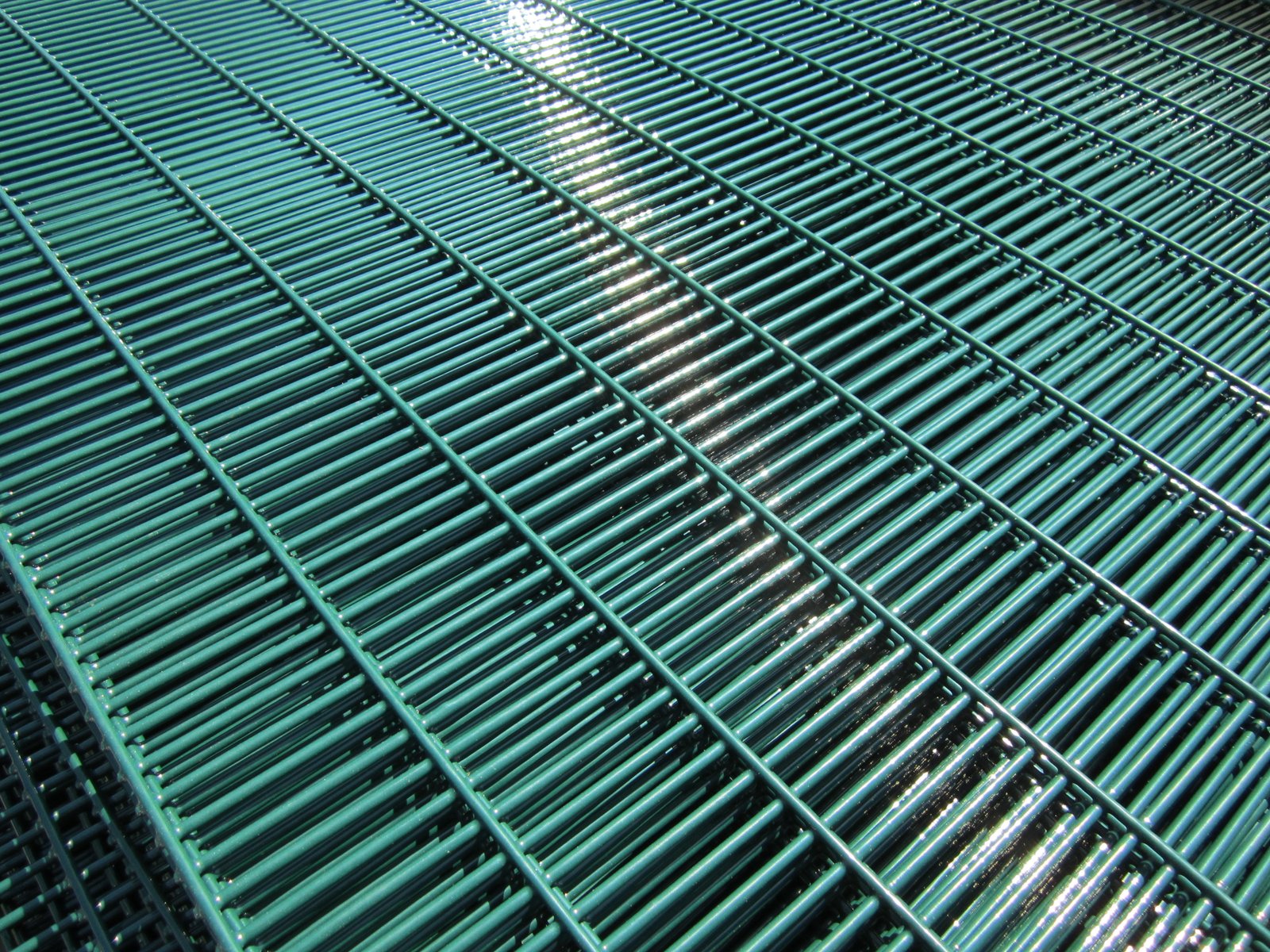
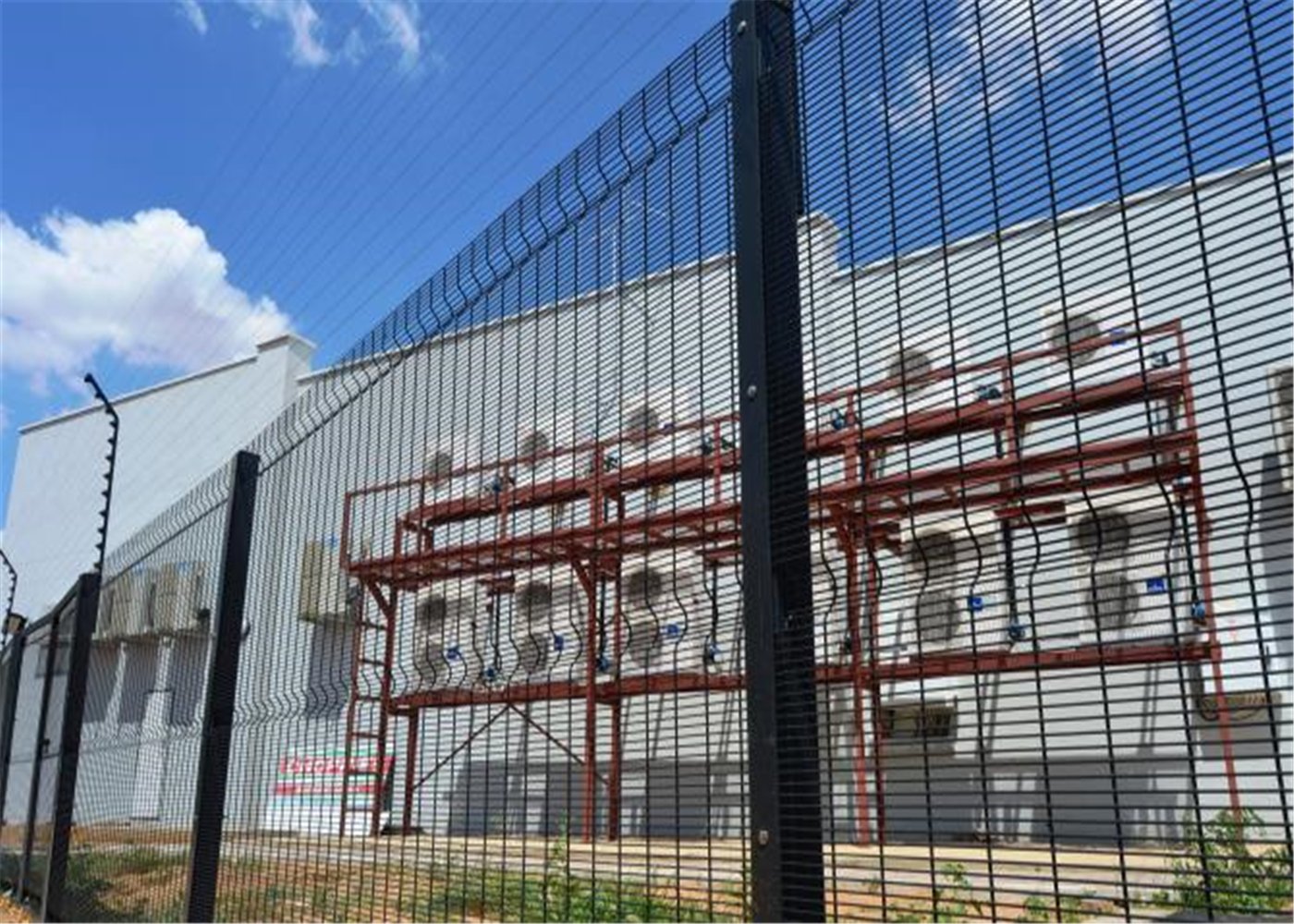
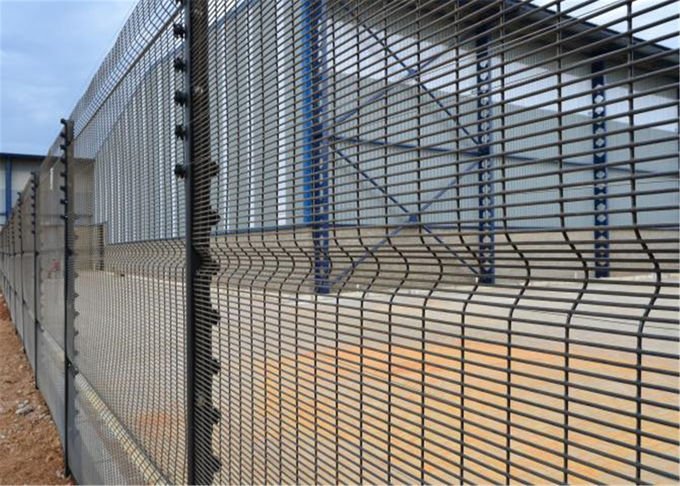
| BMP original photograph 1: compare welded mesh geometry with the specified centre spacing. |
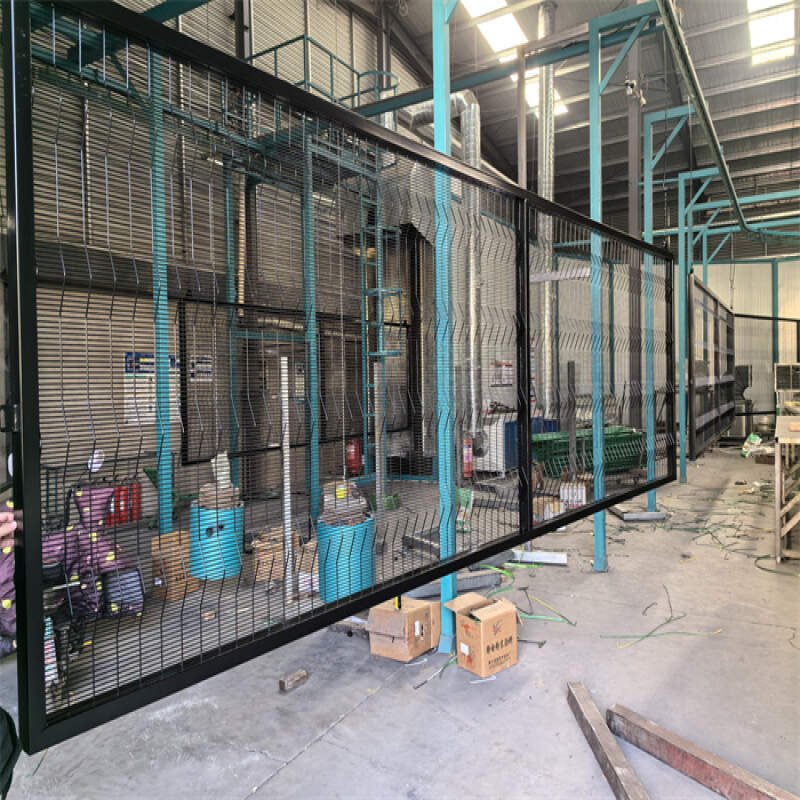
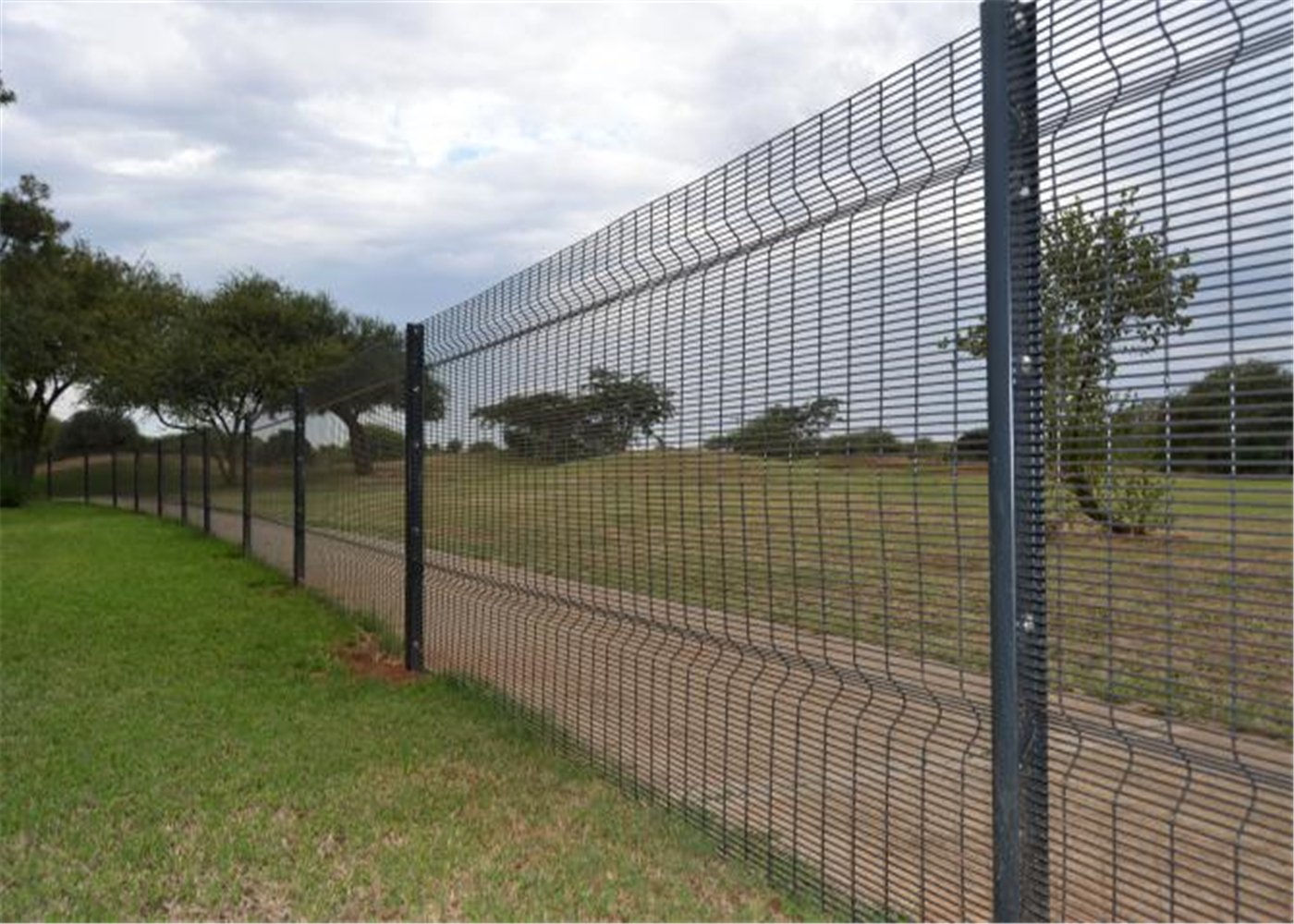
BMP original photograph 2: inspect panel appearance and the intended support arrangement. |
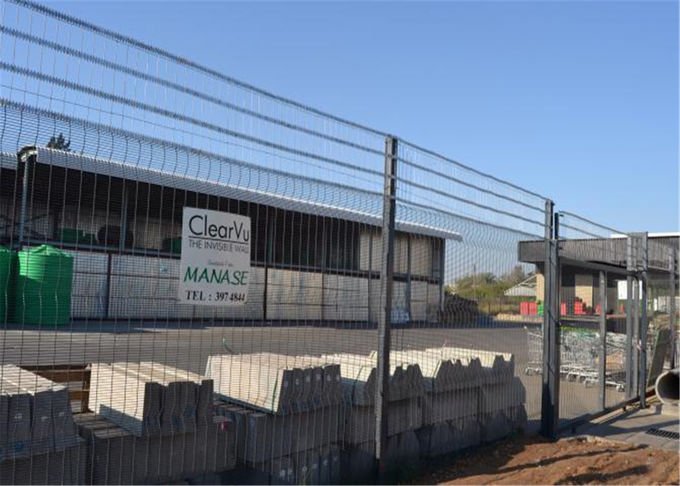 |
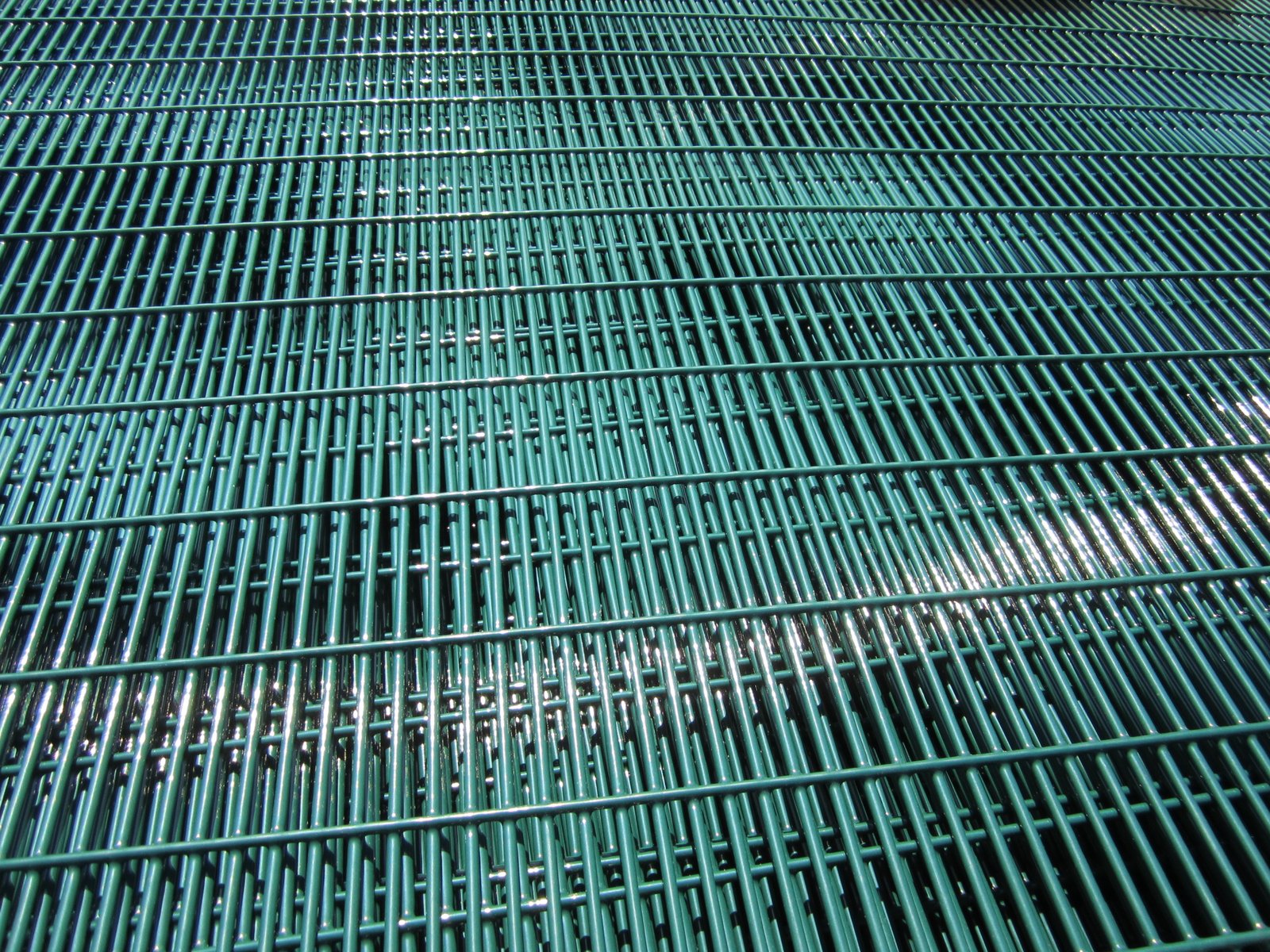
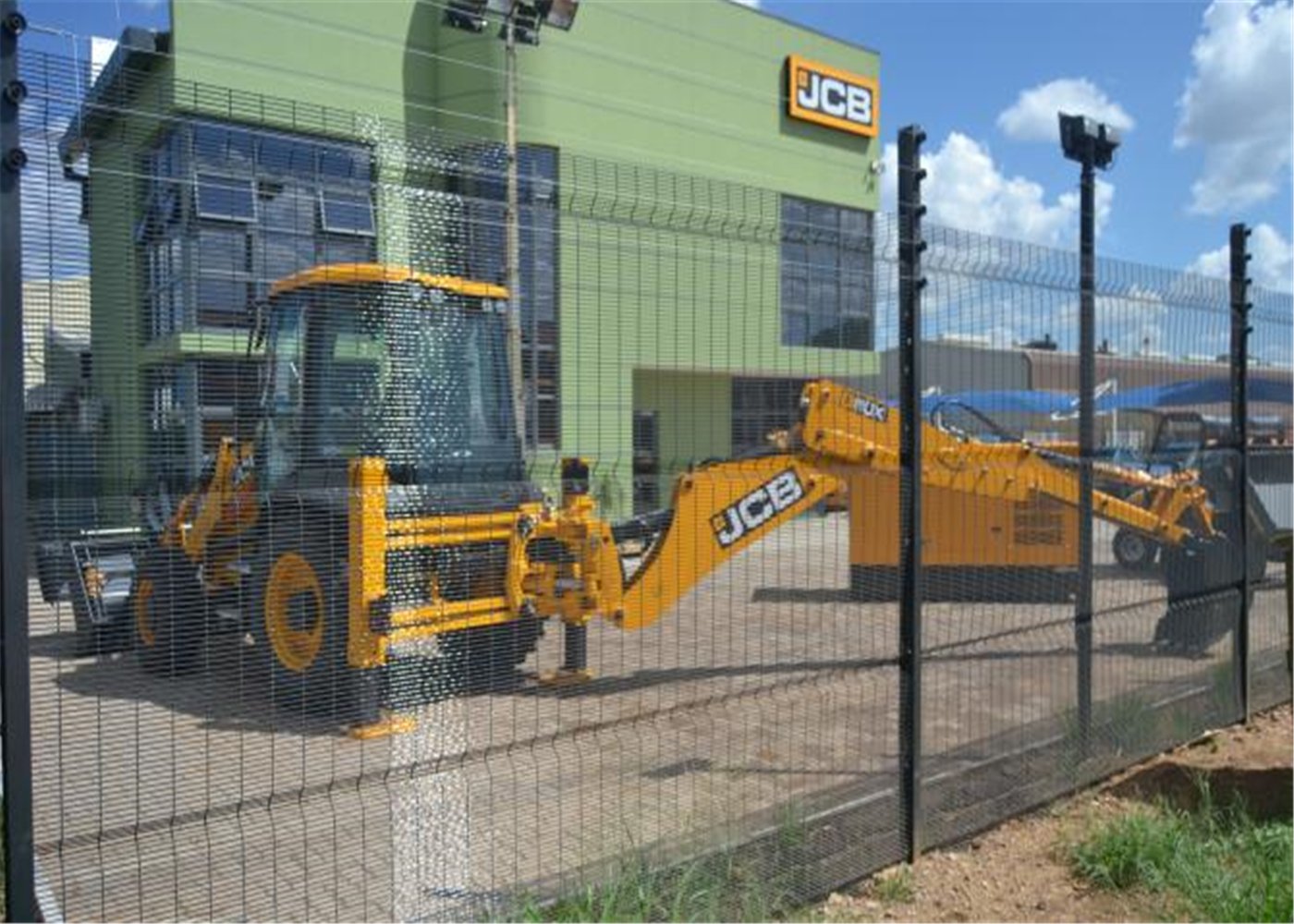
| BMP original photograph 3: review the completed fence against the project drawings and finish requirements. |
Prison Mesh Packing for International Shipping
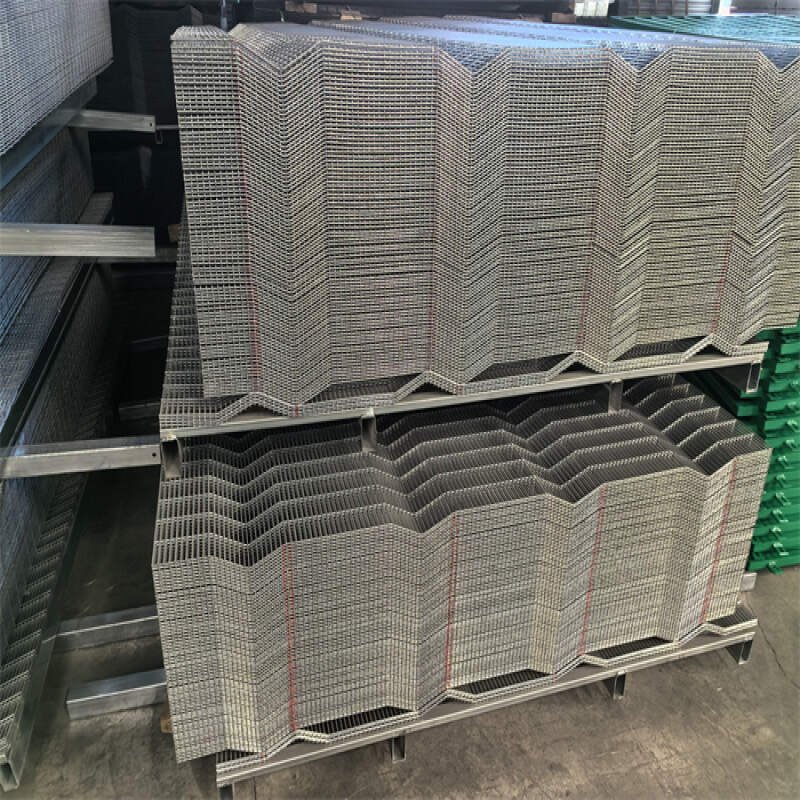
Long welded panels require stable pallet support during forklift movement and transport. The source describes a protective rubber mat beneath the bottom panel. Four metal corners help keep the pallet stack secure.
Additional plates can reduce strap pressure along panel contact points. A wooden top board protects the upper mesh against stacking damage. Final packing must follow actual weights and shipping conditions.
Prison Mesh Packing Components
- Place protective material between the pallet base and the first mesh panel.
- Use suitable corner restraints and protective plates under tensioned straps.
- Protect the top panel with a firm board where the loading plan requires it.
- Wrap posts with suitable film and protect their caps during transport.
- Pack clamps, bolts and small fittings inside clearly identified cartons.
- Record final panel counts, pallet dimensions and verified gross weights.
Export photographs can document visible conditions before container loading. They cannot replace actual weight checks or material inspection. The commercial invoice and packing list should match every shipped component.
Comparing Prison Mesh with Other Barrier Systems
Close welded mesh differs from tubular steel picket fencing and portable worksite panels. Their connection details, foundation requirements and intended security functions vary. A matching colour does not establish equivalent resistance.
Corromesh offers another steel security mesh arrangement with different geometry. Garrison Security Fencing uses vertical pickets and horizontal rails. Selection should follow a project's actual engineering and security requirements.
Prison Mesh Versus Temporary Construction Barriers
Temporary Construction Fencing supports changing worksites through removable frames and portable bases. Permanent security mesh normally uses dedicated posts and engineered foundations. These products cannot substitute for each other without review.
Some construction projects employ portable barriers during foundation preparation. Maintain secure access throughout the transition. Final installation should follow the approved perimeter layout.
Prison Mesh: Frequently Asked Buying Questions
How Do Buyers Order Prison Mesh from BMP?
Start with a boundary drawing, panel schedule and coating requirement. BMP can prepare a proforma invoice after confirming the commercial scope. Verify beneficiary details directly before transferring any deposit.
Production and final payment milestones should follow the agreed contract. Request finished-goods photographs or inspection reports where appropriate. Shipping begins according to the confirmed delivery terms.
Can a 6000 mm Panel Use Standard Posts?
Not automatically. The broad catalogue range does not establish structural suitability for an oversized panel. Special lifting, manufacturing and foundation reviews may be necessary.
Specify the expected wind exposure and post centres first. A qualified engineer should confirm the final support design. Production approval must use the same drawing revision.
Does Prison Mesh Require Razor Wire?
No. Razor wire and other toppings are optional project-specific accessories. Their suitability depends on safety requirements, legal restrictions and site risk.
Public-facing areas may require different edge treatments. Additional toppings can change post loading. Obtain approval before including them in a purchase.
What Warranty Applies to BMP Products?
BMP offers a 15-year manufacturer warranty for its ClearVu and Clearview fencing products under applicable written terms. Coverage depends on the supplied system, installation and maintenance conditions. Buyers should request the written warranty document.
Can Buyers Arrange Door-to-Door Delivery?
Door-to-door transport may be quoted where suitable logistics services exist. The final price depends on destination, shipment details and delivery responsibilities. Import duties and installation must appear clearly in the agreed scope.
For specifications and handling guidance, consult ClearVu Fencing Specifications when preparing the order. Local ClearVu Fence Installation Guide procedures can support assembly planning. Structural drawings still control the actual foundations.
Prison Mesh by BMP: Request a Coordinated Security Fence Package
Boss Metal and Plastic Co., Ltd. manufactures welded security mesh with compatible posts, clamps and matching gates. Every order needs clearly identified dimensions, finishes and accessory quantities. Factory inspection should verify the approved technical schedule.
Regional ClearVu Fence Panels provide additional BMP product references for export comparison. Different panels may require distinct supports and fittings. Send the site drawings, gate openings and destination details for a coordinated quotation.