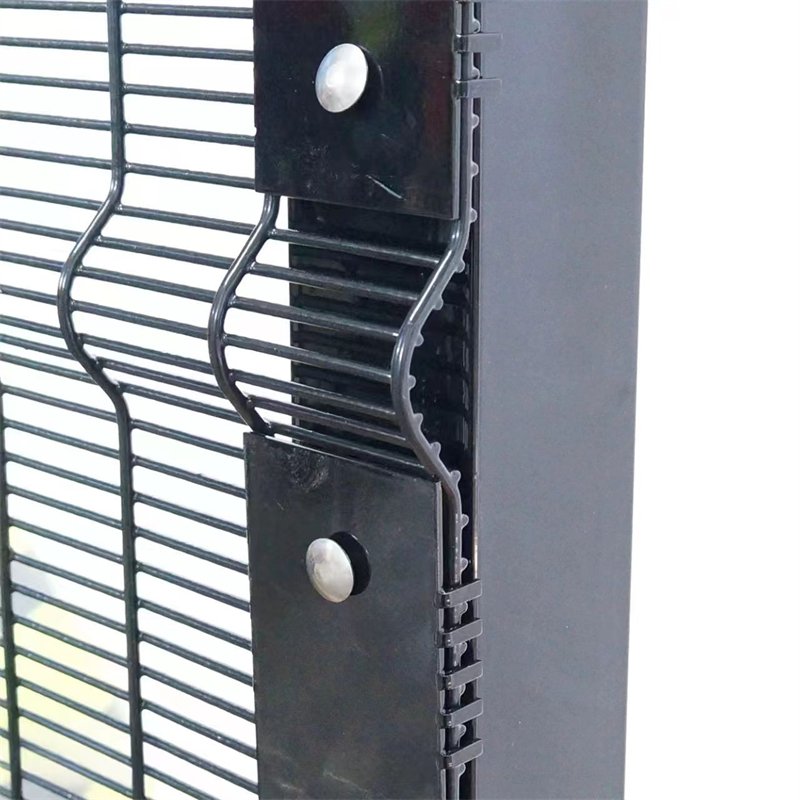
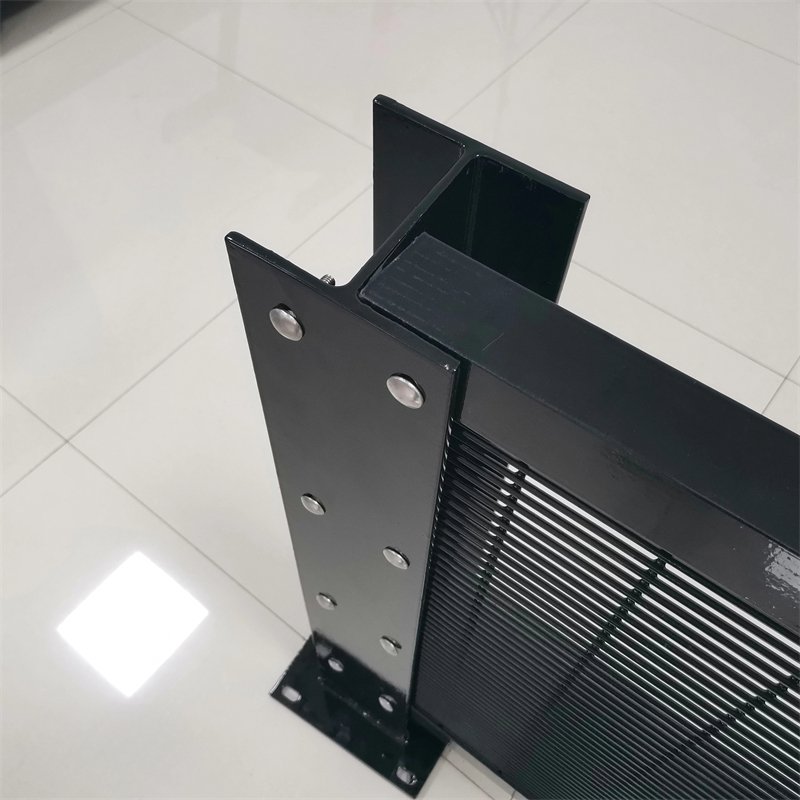
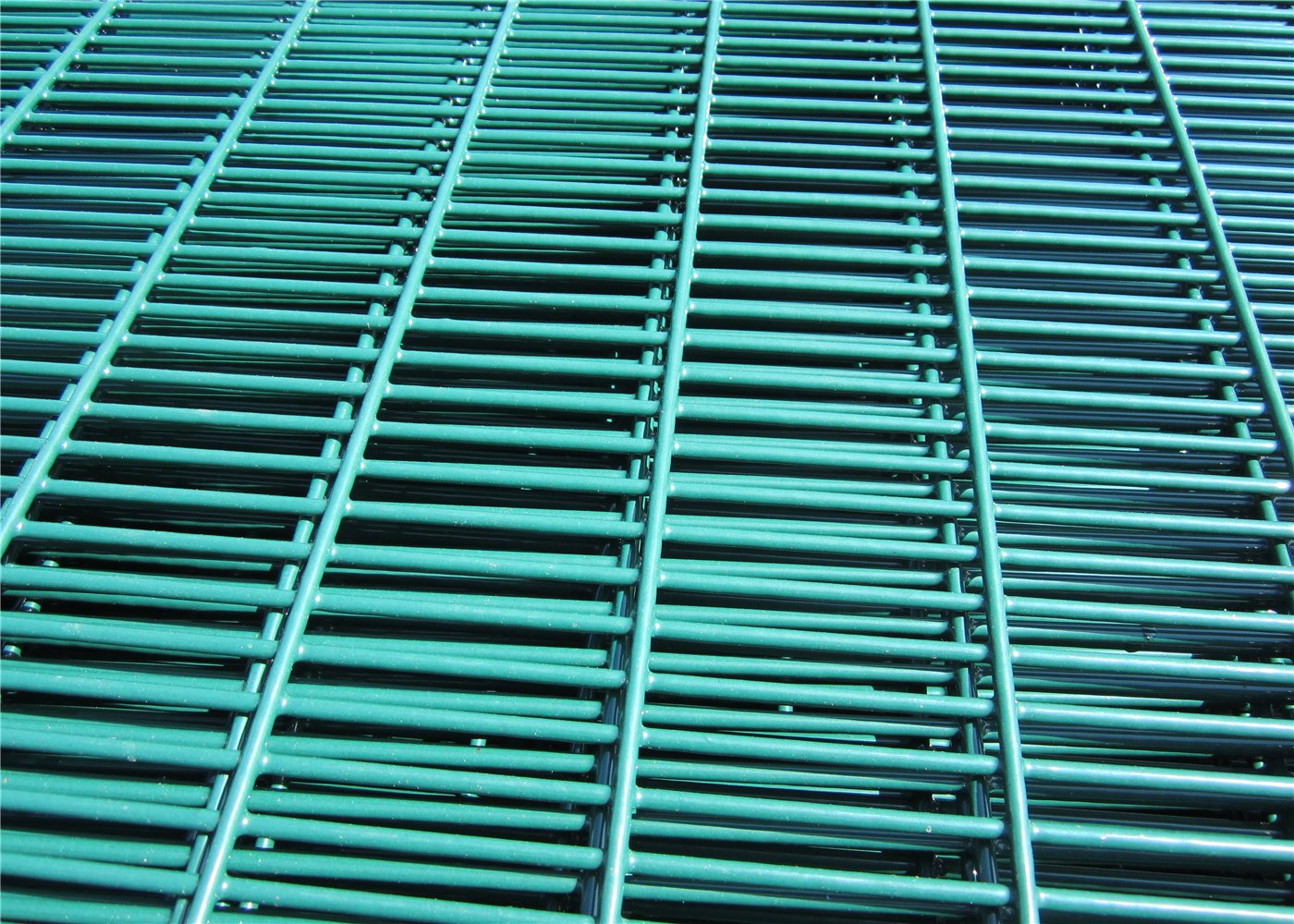
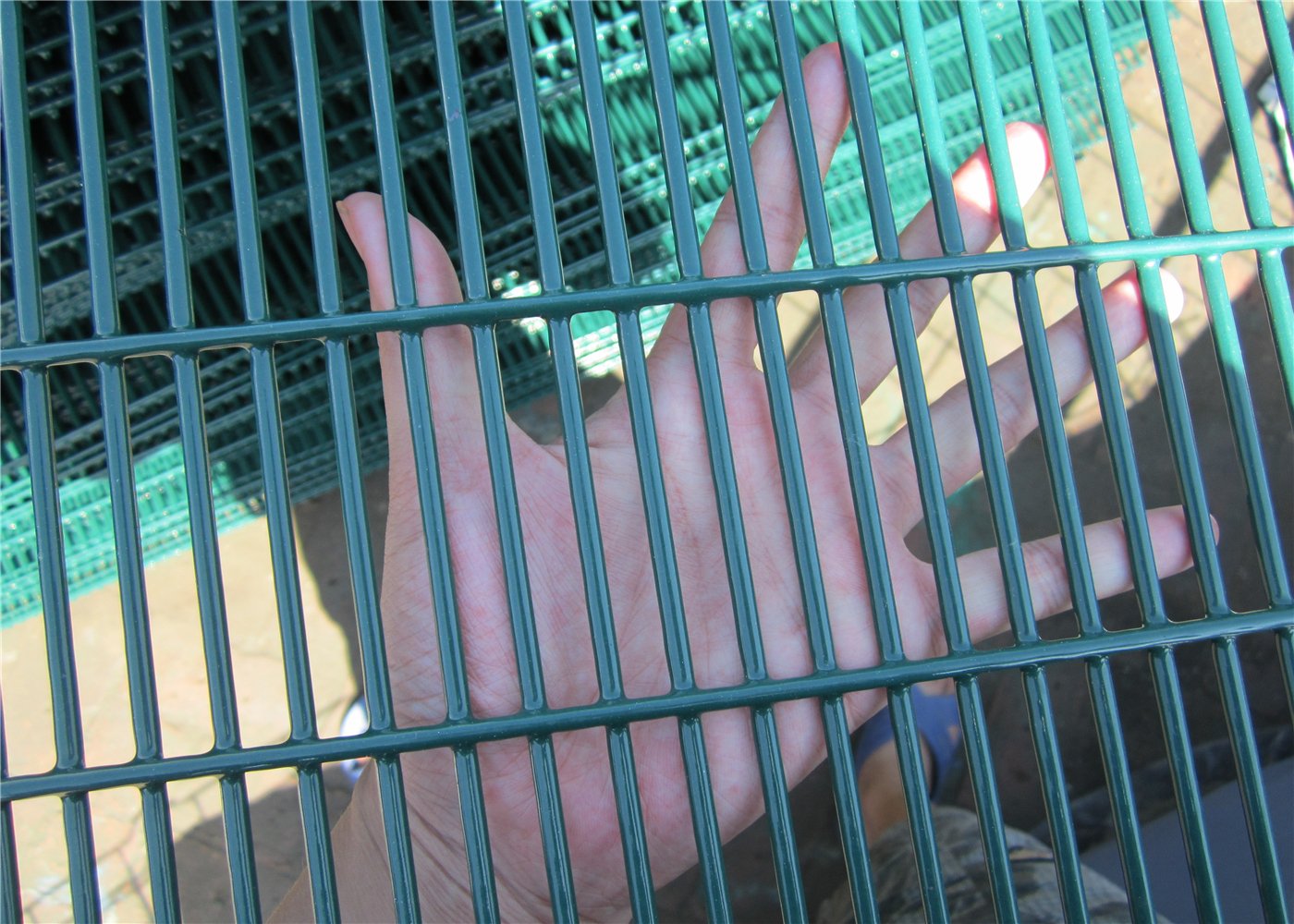
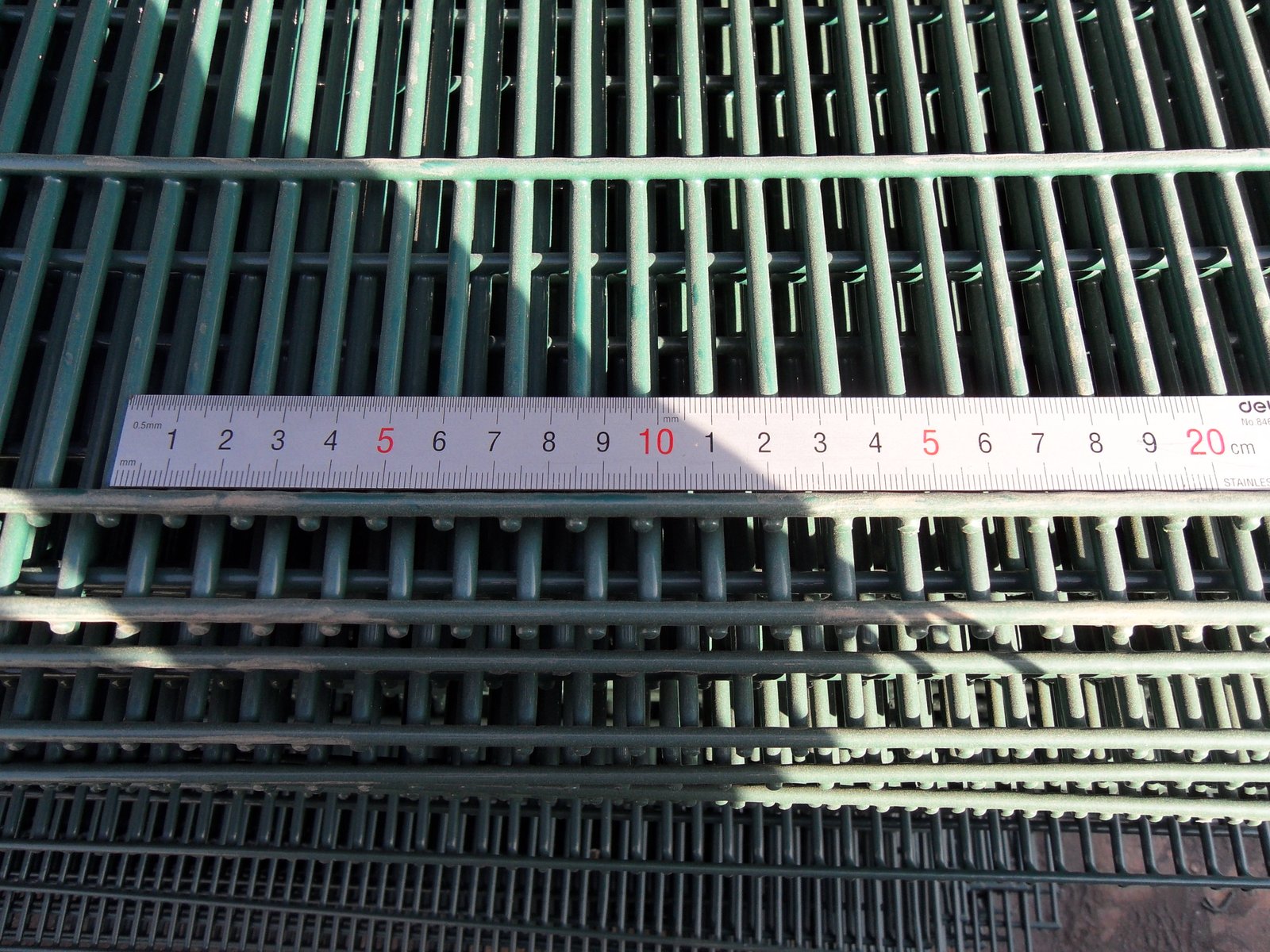
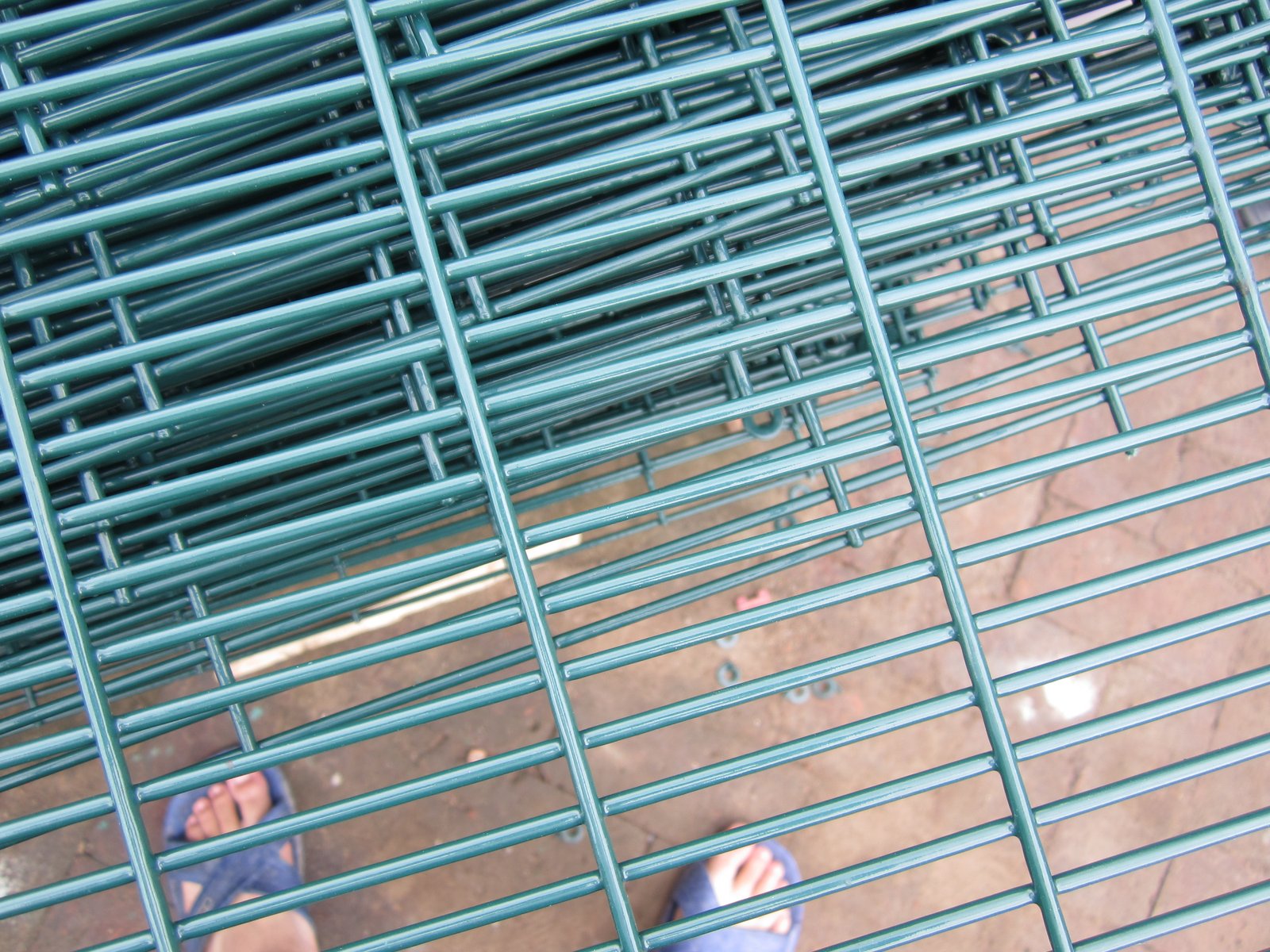
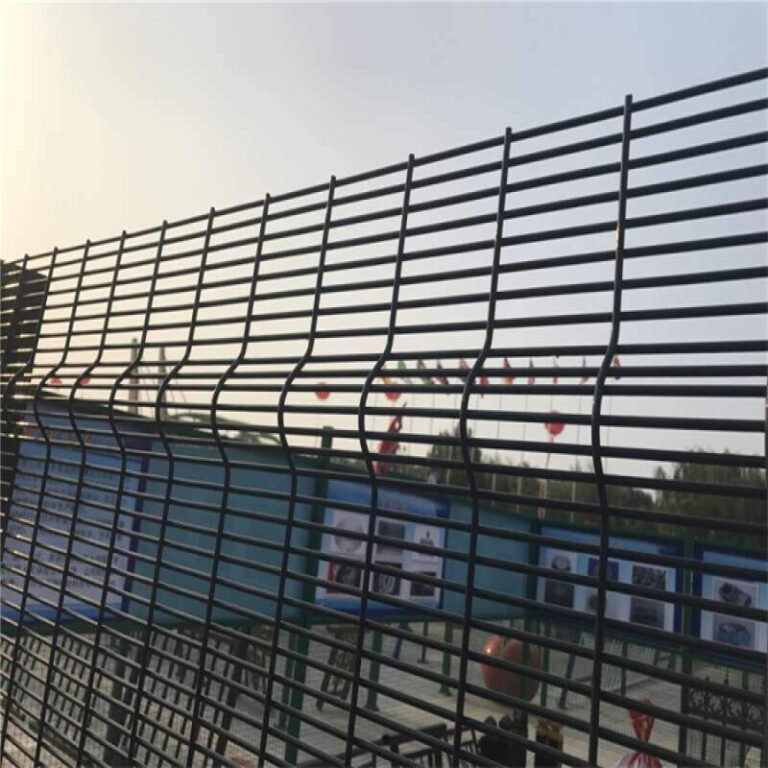
Description 358 security mesh provides a strong perimeter barrier for facilities that require controlled access, clear visibility, and dependable protection. BMP manufactures anti-climb welded panels for commercial properties, correctional facilities, transport infrastructure, and demanding industrial environments. Narrow rectangular openings restrict ordinary climbing attempts without creating an enclosed visual appearance. Strong welded intersections support panel rigidity, while protective coatings help resist outdoor corrosion.
Modern security planning requires more than an ordinary steel boundary. Property managers must consider intrusion risks, surveillance coverage, access control, and ongoing maintenance. A suitable fencing system connects these requirements through coordinated panels, posts, fasteners, and gates. BMP offers different structural configurations to address varying security levels and installation conditions.
Our 358 security mesh combines established prison mesh geometry with flexible manufacturing options. Available configurations include alternative panel heights, several post profiles, and multiple protective finishes. Customers can also request compatible accessories for complete perimeter projects. Understanding these options helps buyers avoid costly specification mistakes.
 |
 |
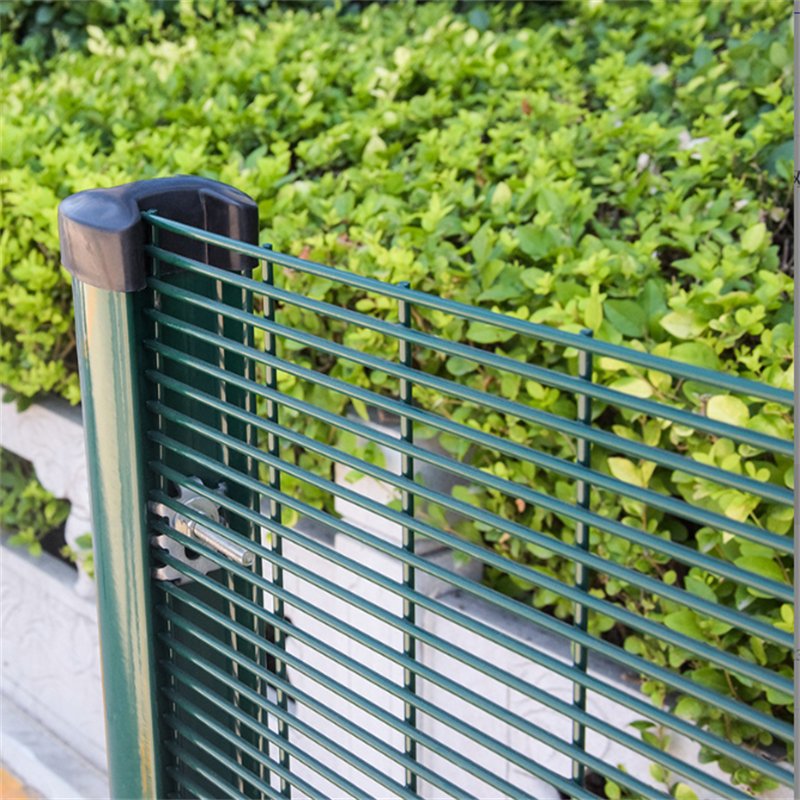
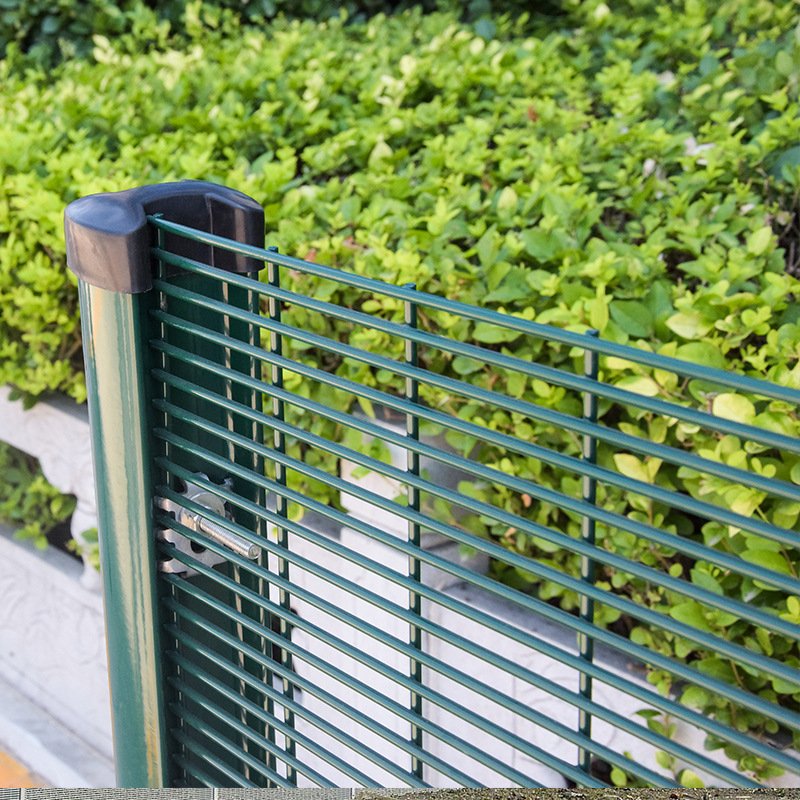
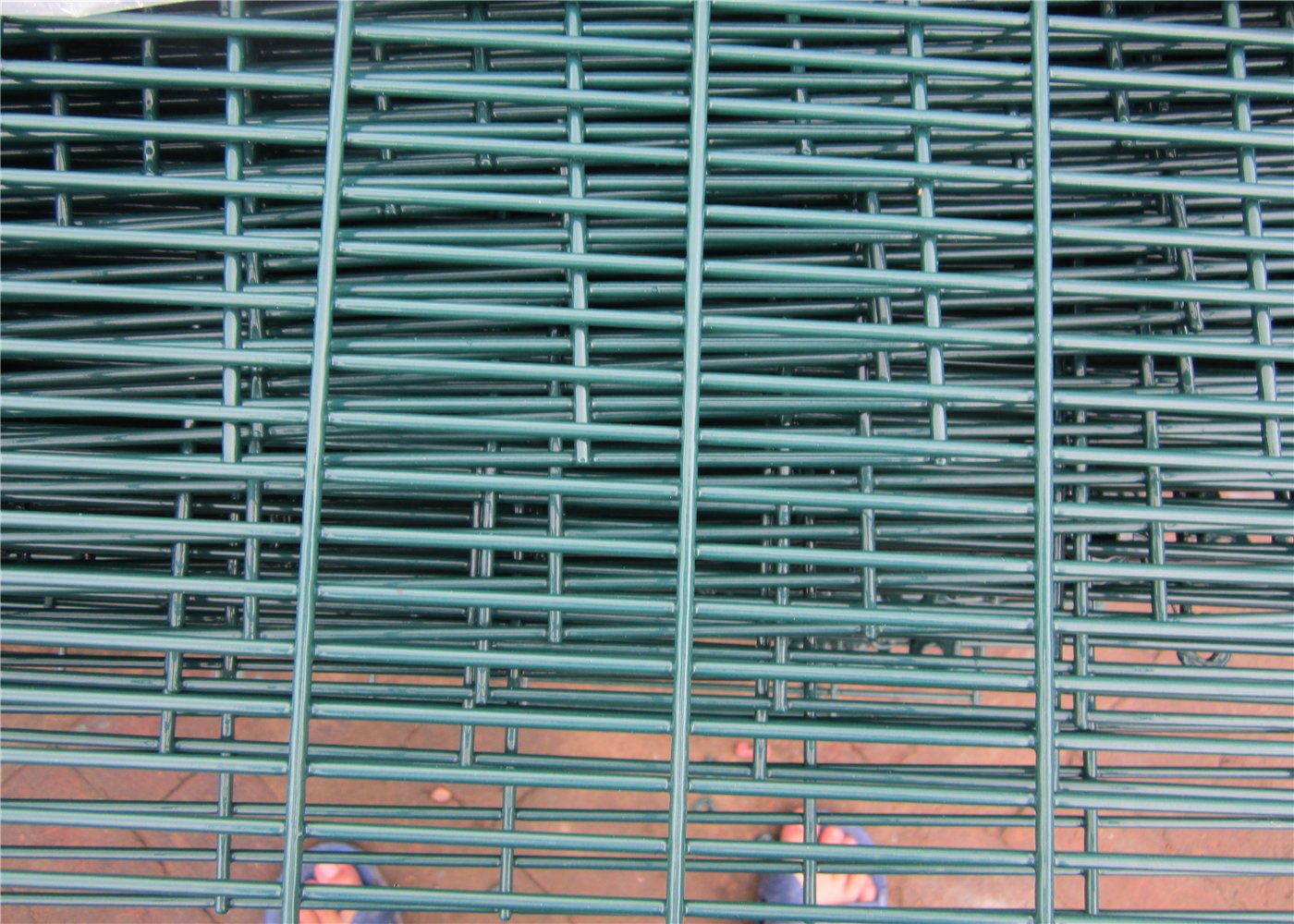
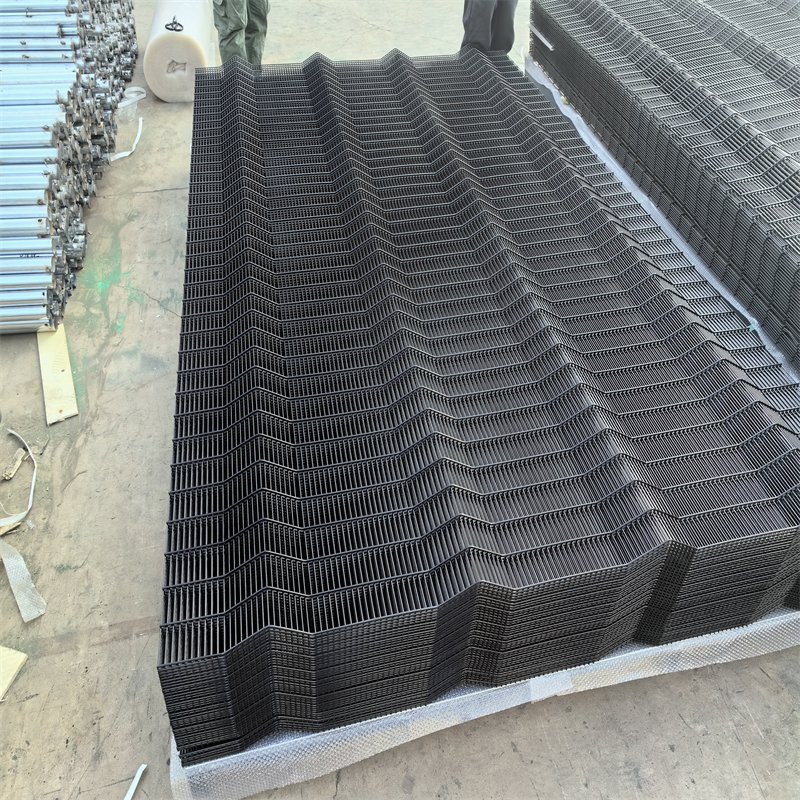
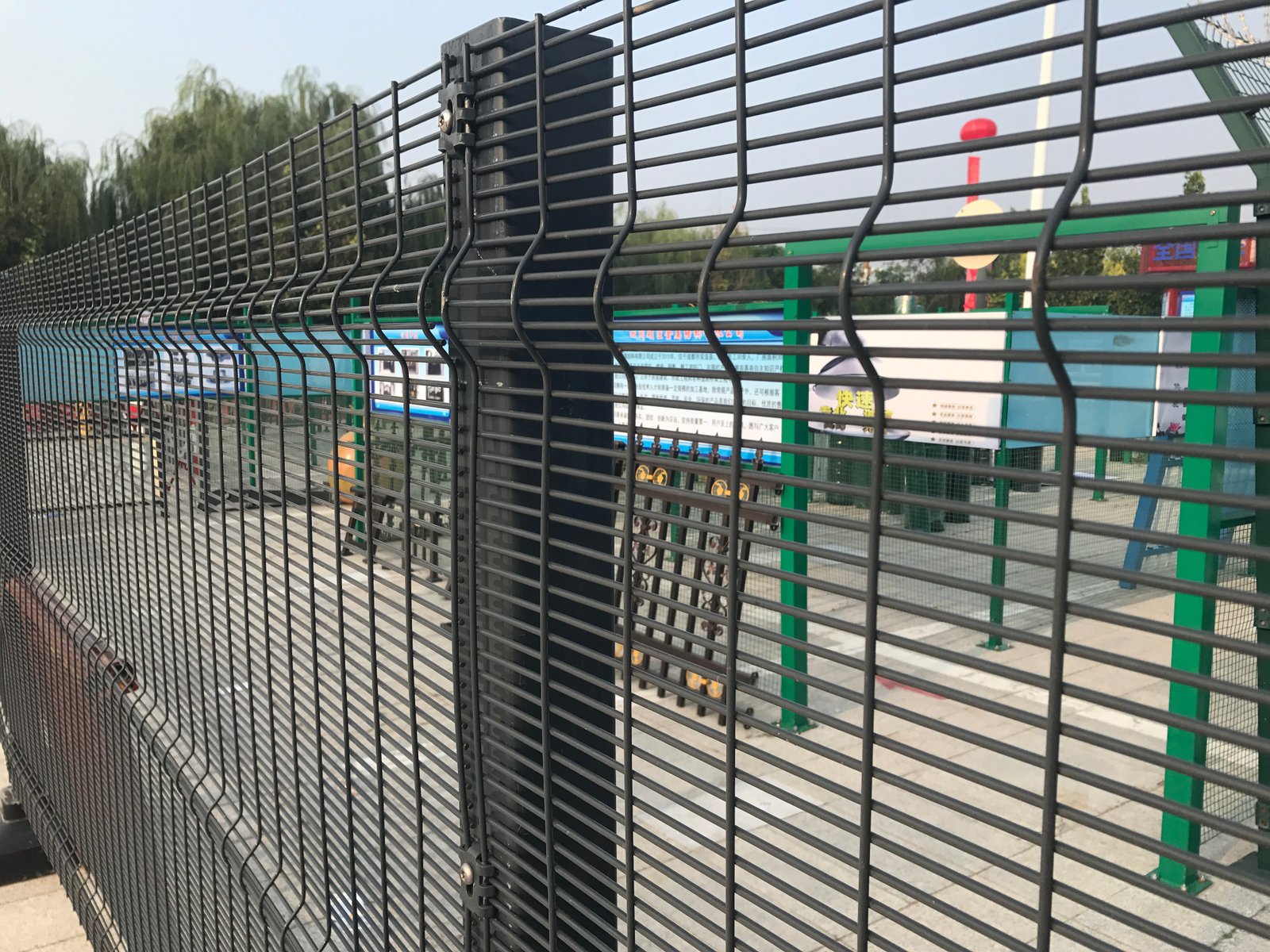
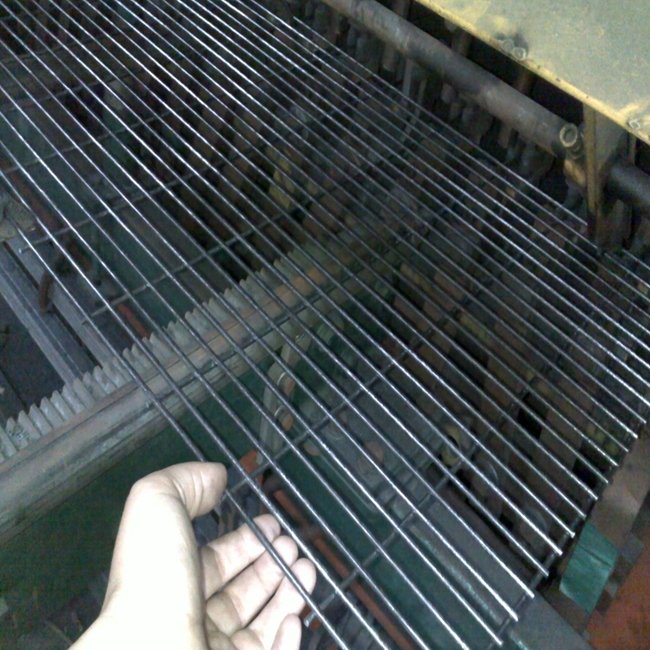
| Heavy-duty welded mesh creates a rigid barrier with narrow openings and clear sightlines. |
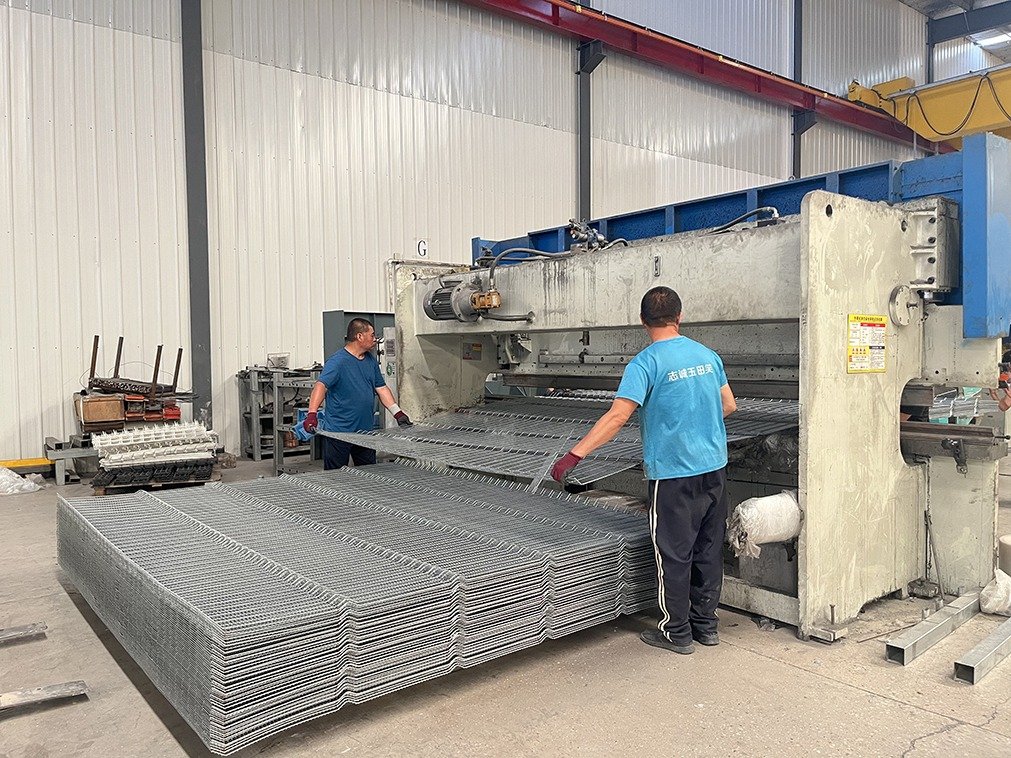
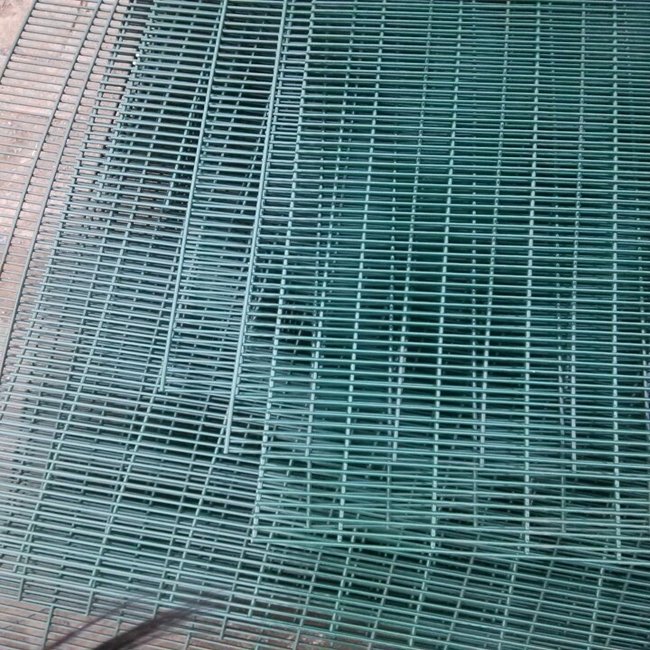
Security panels combine closely spaced wires with a durable perimeter fencing structure. |
What Makes 358 Security Mesh Different?
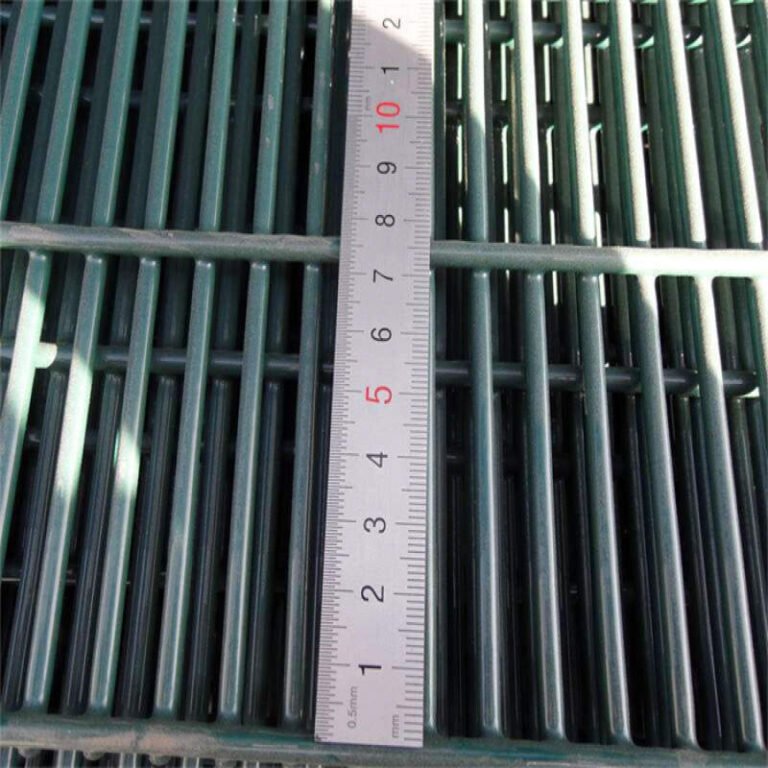
358 security mesh uses welded steel wires arranged in narrow rectangular openings. Its traditional dimensions originate from three inches, half an inch, and eight-gauge wire. These specifications correspond approximately to 76.2 × 12.7 mm spacing and 4 mm wire diameter.
The closely spaced horizontal wires create limited opportunities for fingers and footwear. Ordinary chain-link fencing often provides larger openings that support easier climbing. Dense welded mesh also restricts access for certain conventional cutting tools.
Unlike solid barriers, the open structure supports visual observation throughout the protected boundary. Security guards can monitor activity while maintaining awareness of surrounding conditions. Cameras may also operate effectively when designers account for mesh positioning and focus.
-
-
oplus_10485760
-
-
oplus_2097152
-
-
oplus_10485760
Why 358 Security Mesh Uses Narrow Horizontal Openings
Horizontal spacing plays an important role in climbing resistance. Large openings can accommodate footwear and provide convenient handholds. Narrower spaces make ordinary climbing movements more difficult.
However, mesh geometry represents only one part of perimeter protection. Gate security, post strength, foundation stability, and operational procedures also matter. A determined intruder may still defeat a poorly planned installation.
How Welded Intersections Improve Panel Rigidity
Each intersection connects the crossing steel wires into a continuous structure. Consistent welding helps maintain panel geometry during handling and service. Manufacturers must control welding conditions to achieve dependable joints.
Incorrect welding settings can cause weak connections or unnecessary material damage. Quality inspection should therefore examine both the visible mesh and mechanical joint performance.
358 Security Mesh Technical Specifications
358 security mesh comes in several wire diameters, panel dimensions, and structural configurations. BMP supplies conventional 358 panels alongside selected lighter 3510 alternatives. The following technical information reflects the available reference specifications.
| Specification |
Technical Details |
| Mesh Size |
76.2 × 12.7 mm / 3 × 0.5 inches |
| 358 Wire Diameter |
4.0 mm / Nominal 8 Gauge |
| 3510 Wire Diameter |
3.0 mm / Nominal 10 Gauge |
| Panel Width |
2200 mm / 2500 mm |
| Panel Height |
1800, 2000, 2100, 2200, 2400, 2500, 3000 mm |
| Extended Fence Height Range |
1270–5200 mm, Depending on Configuration |
| Reference Mesh Weight |
29.1–120.4 kg Across Selected Height Configurations |
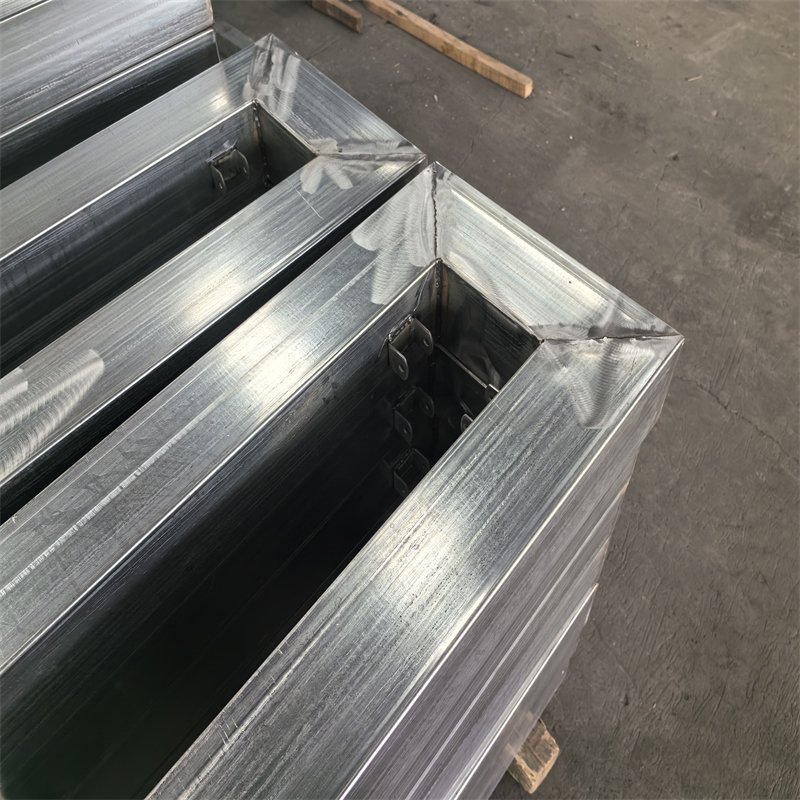
| C-Type Post |
62 × 83 × 3 mm |
| Round Post |
80 mm Outside Diameter × 3 mm |
| Rectangular Post |
60 × 80 × 3 mm / 60 × 120 × 3 mm |
| Other Post Sections |
60 × 60 / 80 × 60 / 80 × 80 / 120 × 60 mm |
| Reference Post Length |
2300–4000 mm, Other Lengths on Request |
| Post Wall Thickness |
2.5 mm / 3.0 mm, Depending on Design |
| Panel Connection |
Minimum 75 mm Overlap Where Specified |
| Connection Hardware |
Slotted Clamp Bars with M8 Security Bolts |
| Metallic Coating |
Galvanized Steel / Hot-Dip Galvanized Finish |
| Reference Zinc Coating |
Minimum 275 g/m² Where Specified |
| Reference Powder Coating |
Minimum 60 Microns Where Specified |
| Surface Finish |
Galvanized / Polyester Powder Coated / PVC Coated |
| Popular Colors |
RAL 6005 Green / RAL 9005 Black |
| Post Caps |
Metal or Compatible Plastic Caps |
Different manufacturing options require separate technical confirmation. The weight range does not apply automatically to every panel width or wire diameter. Final coating requirements should also follow the approved order specification.
358 Security Mesh Versus 3510 Security Fencing
358 security mesh and 3510 fencing share similar design principles but differ in nominal wire thickness. Conventional 358 construction uses approximately 4 mm steel wire. Certain 3510 configurations use approximately 3 mm wire with comparable narrow spacing.
The lighter option reduces steel consumption and may simplify handling. However, lower wire mass can affect stiffness and resistance to mechanical damage. Project engineers should evaluate both alternatives against their actual security requirements.
| Feature |
358 Fencing |
3510 Fencing |
| Nominal Wire Diameter |
4.0 mm |
3.0 mm |
| Nominal Wire Gauge |
8 Gauge |
10 Gauge |
| Reference Mesh Spacing |
76.2 × 12.7 mm |
76.2 × 12.7 mm in BMP's Listed Version |
| Relative Steel Consumption |
Higher |
Lower |
| Panel Handling Weight |
Generally Heavier |
Generally Lighter |
| Application |
Demanding Security Perimeters |
Selected Lower-Weight Security Projects |
Some manufacturers use different mesh spacing conventions for the 3510 designation. Buyers should therefore confirm actual dimensions rather than relying on product names alone.
358 Security Mesh Wire Weight Comparison
Wire diameter directly influences the amount of steel in each panel. A 4 mm solid steel wire weighs approximately 0.0987 kg per metre. By comparison, a 3 mm steel wire weighs approximately 0.0555 kg per metre.
The larger diameter contains approximately 77.8% more steel per equal wire length. However, the complete panel weight also depends on the number of wires and panel dimensions.
Security performance does not increase in direct proportion to steel weight. Welding quality, fastening details, and support conditions remain essential considerations.
How 358 Security Mesh Supports Layered Perimeter Protection
358 security mesh works best within a complete physical security strategy. A boundary fence creates the first visible separation between public and restricted areas. Additional protective measures improve observation, response, and controlled entry.
Physical Delay and Deterrence
Narrow welded openings discourage climbing while sturdy wire construction resists ordinary manipulation. The visible barrier also communicates restricted access. Security personnel should still anticipate deliberate attacks against gates and connections.
Electronic Surveillance
Cameras can monitor activity along straight fence runs and controlled entrances. Proper mounting helps prevent mesh wires from dominating the camera image. Designers should test important viewing angles before final equipment placement.
Controlled Vehicle Access
Vehicle entrances require strong gates and appropriate locking systems. Wider openings may benefit from sliding arrangements where swing clearance is limited. Compatible ClearVu fence sliding gates illustrate related access-control configurations.
Perimeter Lighting
Lighting improves visibility during nighttime patrols and camera monitoring. Excessive glare can reduce image quality, so positioning requires careful planning. Nearby residential properties may also need protection against unwanted light spill.
Intrusion Detection
Electronic sensors can help identify suspicious disturbances along a perimeter. Detection equipment should account for wind, vegetation, and operational vibration. Appropriate calibration reduces unnecessary alarms.
358 Security Mesh Post Profiles and Installation Connections
358 security mesh requires a reliable supporting structure to maintain boundary strength. BMP offers C-type, round, square, and rectangular post configurations. Different profiles serve different fastening and structural requirements.
C-Type Steel Posts
C-type posts provide a shaped profile for selected panel connections. Their geometry may support concealed or specialized fastening arrangements. Designers must confirm the exact post section before preparing installation drawings.
Square Steel Posts
Square hollow sections offer straightforward alignment and convenient flat mounting faces. Common sections include 60 × 60 mm and 80 × 80 mm. Wall thickness depends on approved engineering requirements.
Rectangular Steel Posts
Rectangular profiles can provide different bending properties along their principal axes. Sections such as 60 × 80 mm suit selected mounting arrangements. Engineers should verify orientation and structural loading.
Round Steel Posts
Round posts require fastening components compatible with their curved surfaces. Appropriate brackets help maintain stable panel connections. Installation teams must also control panel alignment carefully.
358 Security Mesh Clamp Bars and M8 Bolts
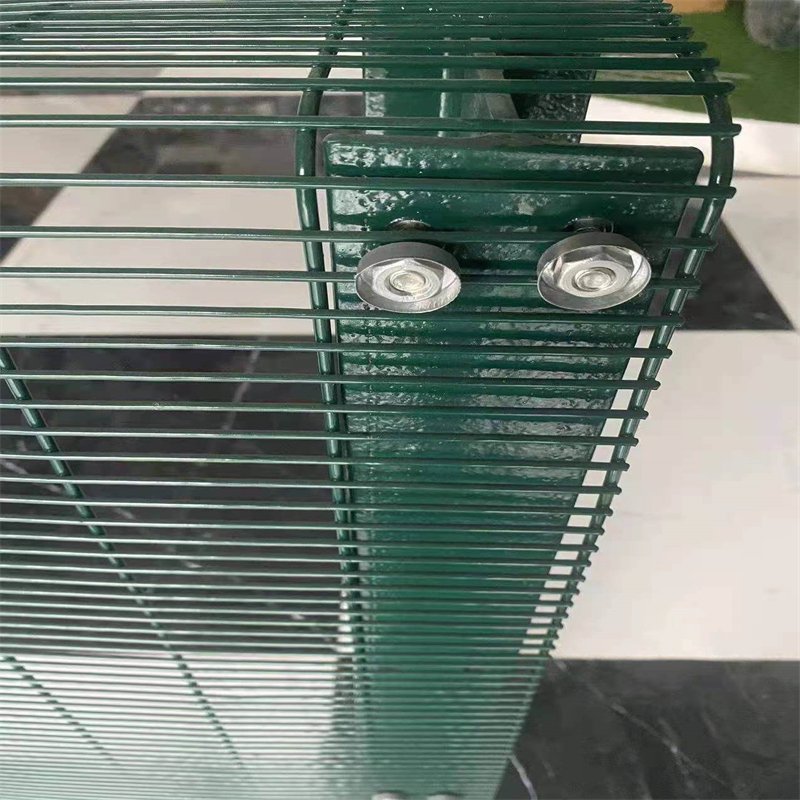
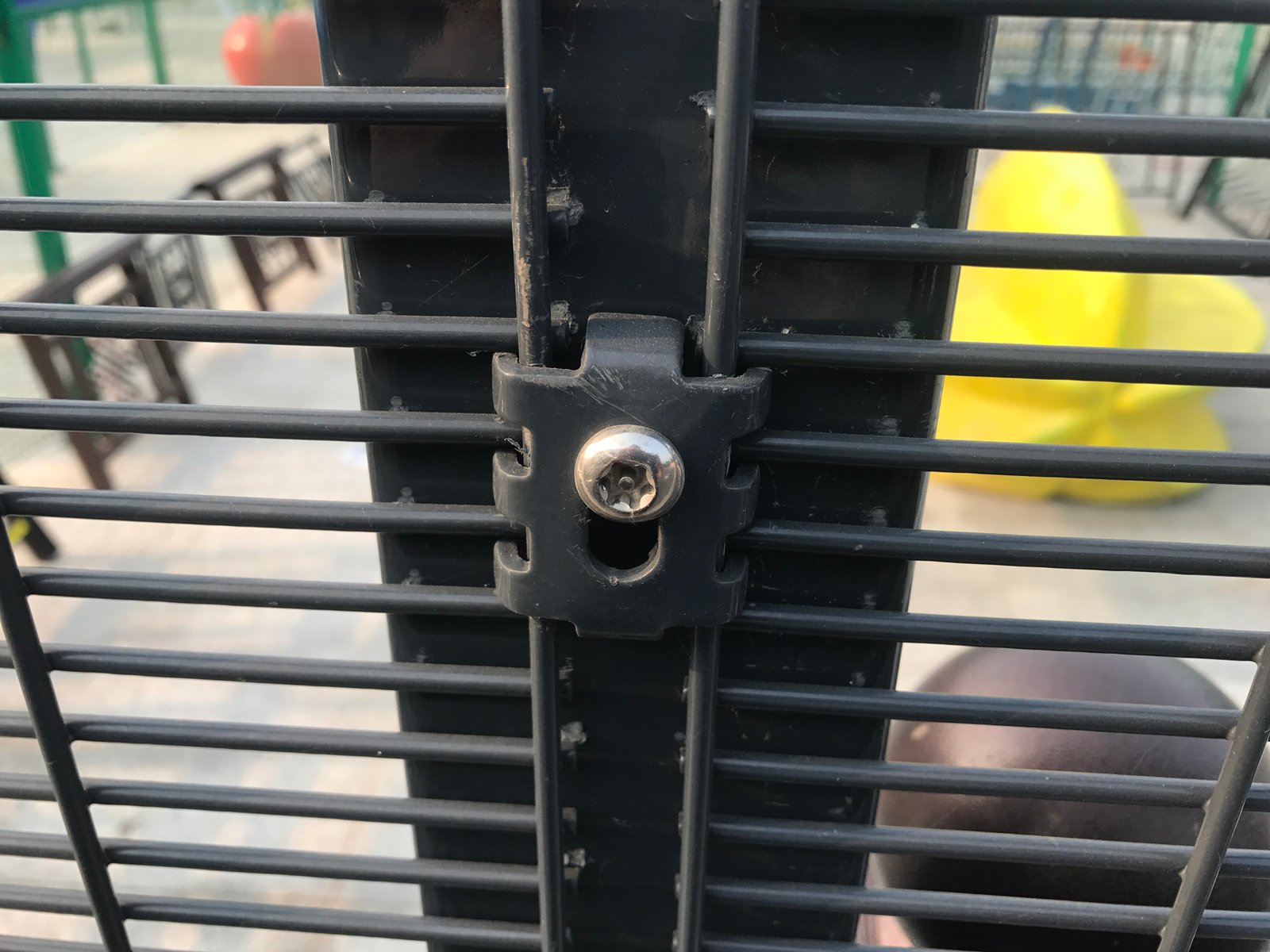
358 security mesh can use slotted steel clamp bars with M8 security fasteners. Certain designs specify at least 75 mm of panel overlap at the post. This arrangement helps secure the panel edge along its supporting structure.
Fastening schedules vary according to fence height and post design. Anti-tamper heads discourage ordinary tool removal. Installers must use compatible hardware and approved tightening procedures.
358 Security Mesh Design for High-Risk Entry Points
358 security mesh forms continuous boundaries, but entrances often require additional planning. Security failures may occur around access points rather than through ordinary fence sections.
Pedestrian Entrances
Pedestrian gates should match surrounding fence heights and security expectations. Reliable hinges and locks help control entry. Emergency evacuation requirements must remain part of the design.
Industrial Vehicle Gates
Vehicle gates experience repeated movement and potentially significant operating loads. Suitable frames, posts, and foundations support consistent operation. Automated systems also require appropriate safety devices.
Service and Maintenance Access
Facilities often need occasional access for maintenance vehicles and contractors. Separate service entrances can reduce interruptions to normal operations. Security procedures should define authorized entry arrangements.
Corner Security
Fence corners create changes in direction and sometimes require specialized connections. Post foundations must accommodate relevant structural forces. Avoid leaving unintended openings near corner assemblies.
358 Security Mesh Applications in South African Cities
358 security mesh serves different purposes across South Africa's coastal, inland, and industrial regions. Local environments influence both coating selection and perimeter design. Security requirements also vary between individual properties and communities.
Durban: Port Logistics and Marine Exposure
Durban's coastal environment combines humidity, maritime activity, and industrial operations. Salt-laden air can accelerate corrosion on inadequately protected steel. Warehouses near transport corridors may also need controlled access around valuable cargo.
Suitable corrosion protection helps maintain fence condition under demanding exposure. Strong mesh panels can support controlled storage boundaries and surveillance visibility. Designers should assess actual exposure rather than applying one coating specification throughout the city.
Johannesburg: Warehouses and Urban Industrial Security
Johannesburg contains extensive commercial storage, manufacturing, and distribution activity. Property owners may face theft, unauthorized entry, and vandalism concerns. Risks differ significantly between neighborhoods and operating environments.
Secure fencing creates a visible boundary around equipment and commercial assets. Clear camera sightlines help personnel monitor important access points. Lighting and gate management remain essential supporting measures.
Cape Town: Wind and Coastal Corrosion
Cape Town presents both marine exposure and locally strong winds. Salt deposits can challenge protective finishes near the coastline. Elevated wind loading may also influence post and foundation design.
Corrosion resistance alone cannot guarantee structural stability. Engineers should evaluate wind conditions, ground properties, and panel configurations together. Maintenance plans should also consider salt accumulation.
Pretoria: Institutional and Commercial Boundaries
Pretoria contains government facilities, commercial properties, educational institutions, and residential developments. Different sites require different levels of security and public accessibility.
Open welded mesh supports observation without creating a solid visual wall. Compatible powder coatings can also complement surrounding architecture. Designers should balance security arrangements with emergency access and pedestrian safety.
Limpopo: Mining and Remote Infrastructure
Mining and industrial operations in Limpopo may require extensive perimeter boundaries. Remote locations can make repairs and maintenance more challenging. Soil conditions, heat, dust, and operational access deserve careful consideration.
Robust structural components and suitable coatings help reduce avoidable maintenance demands. Large projects also benefit from accurate material schedules and clearly identified spare components.
358 Security Mesh in Public and Commercial Facilities
358 security mesh supports many applications beyond prisons and military sites. Each installation should match the site's safety requirements and expected activities.
Schools and Educational Institutions
Educational facilities need boundaries that manage access without creating unnecessary hazards. Narrow mesh can help discourage unauthorized climbing. Gate positioning and emergency access require special attention.
Hospitals and Healthcare Properties
Hospitals manage visitors, deliveries, emergency vehicles, and specialized restricted areas. Fencing can help establish boundaries around service compounds. Security arrangements must respect patient safety and emergency operations.
Recreational Facilities
Sports grounds and recreational spaces may require protection against vandalism and unauthorized entry. Open mesh maintains visibility through the perimeter. Designers should consider safe public interaction with the installed system.
Railway Infrastructure
Railway operators often restrict access around depots and maintenance equipment. Strong boundaries help separate public spaces from operational hazards. Fence placement must follow transport safety requirements.
Airports and Transport Terminals
Airports require controlled perimeters that support security observation. Mesh fencing can provide physical separation around selected operational areas. Project requirements must follow applicable aviation regulations.
Industrial Warehouses
Warehouses may store valuable materials, machinery, and finished products. Security fencing can complement lighting, surveillance, and controlled vehicle entrances. Proper planning should account for loading activity and emergency access.
 |
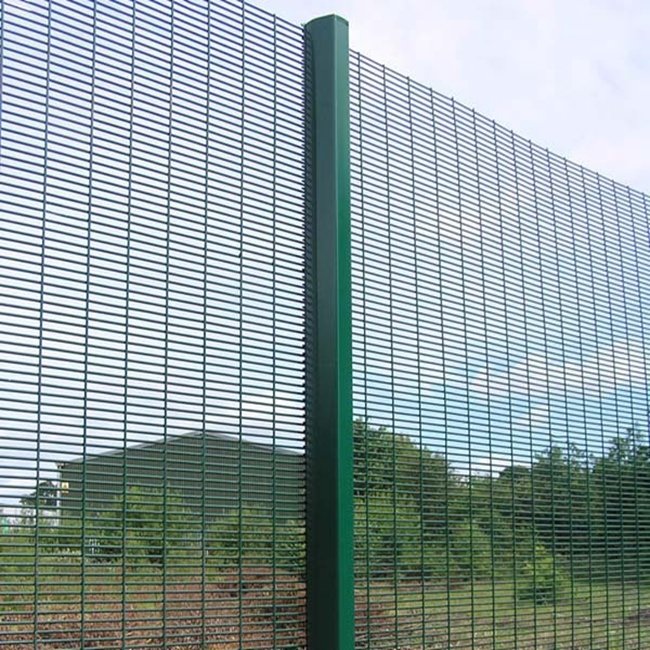 |
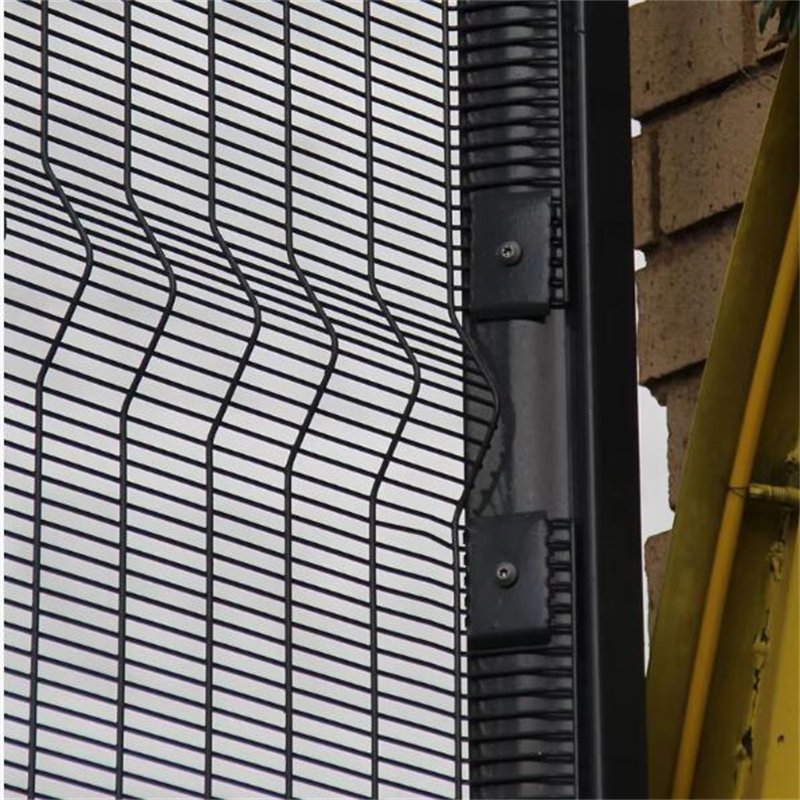
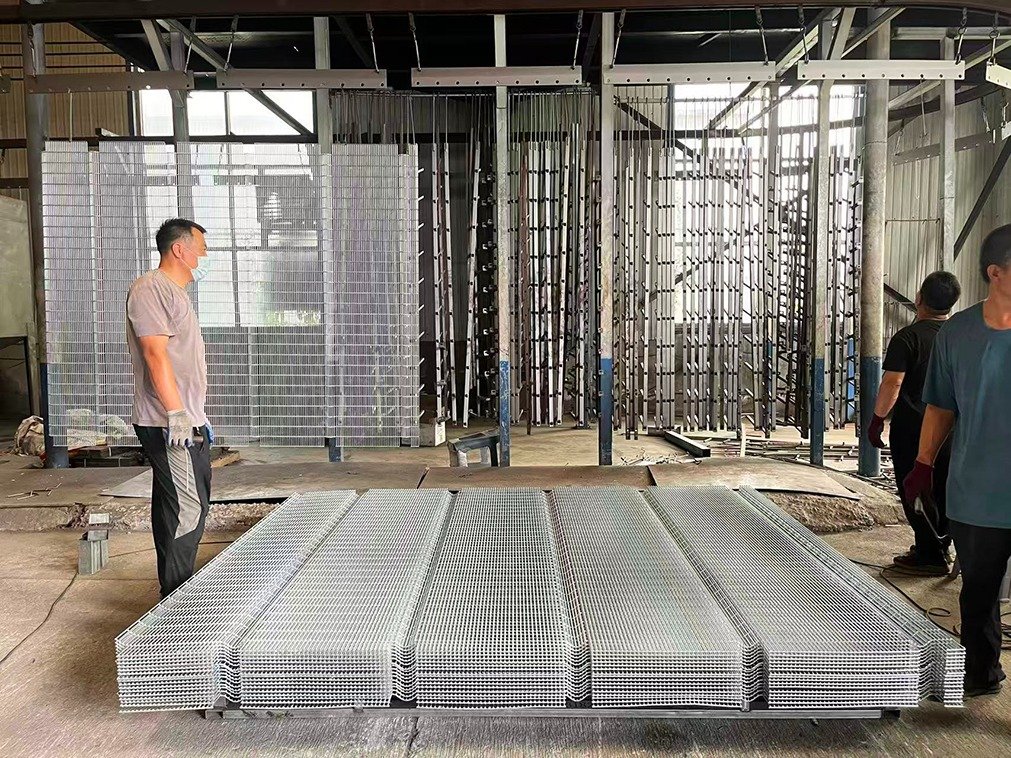
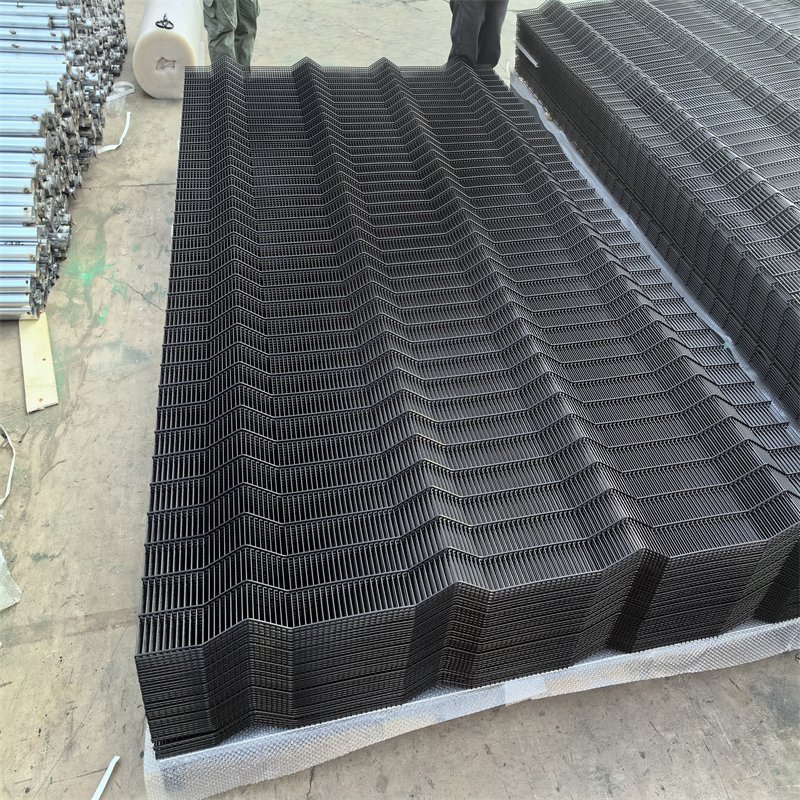
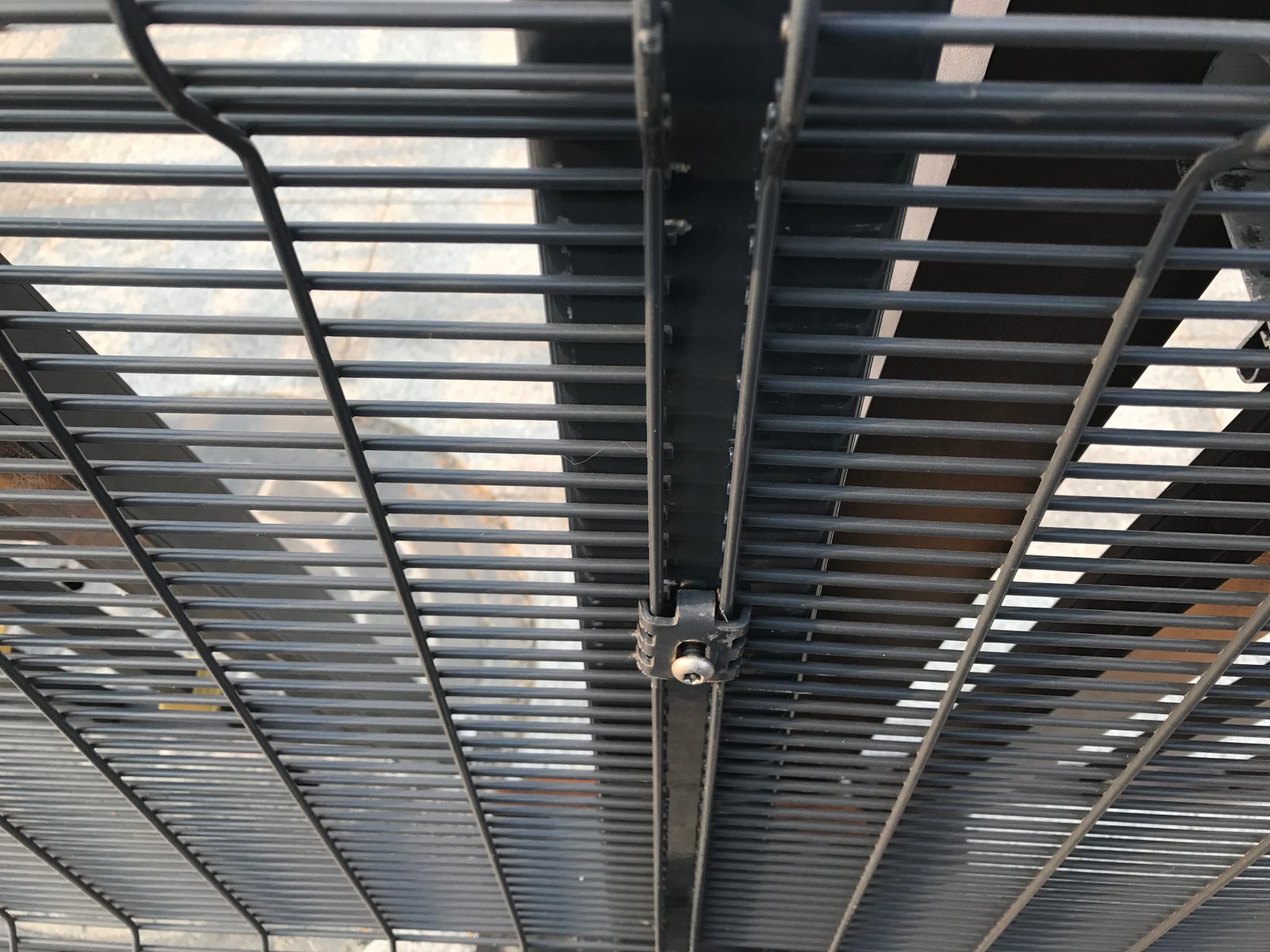
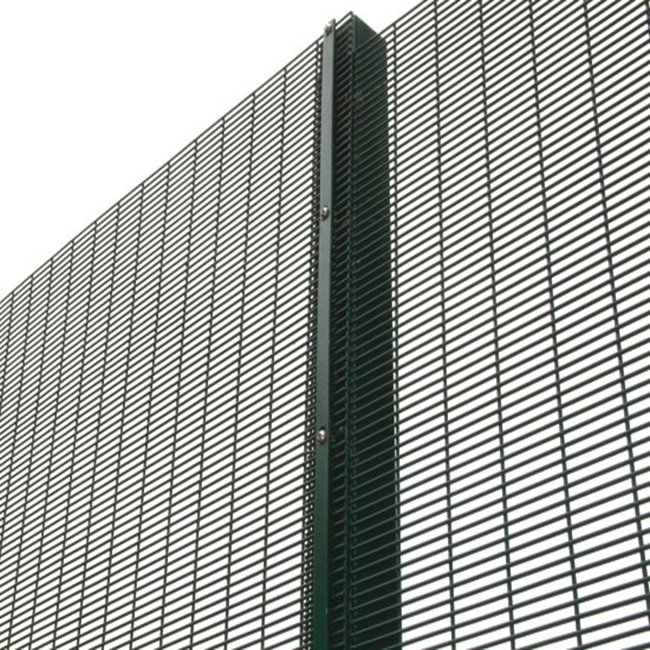
| Industrial fencing uses rigid welded panels to create clear and controlled perimeter boundaries. |
Close wire spacing supports anti-climb performance while maintaining useful visibility. |
358 Security Mesh Galvanizing and Coating Systems
358 security mesh must resist environmental exposure throughout its intended service period. Protective coatings help reduce corrosion and improve appearance. BMP offers several surface treatment options according to project specifications.
Hot-Dip Galvanizing
Hot-dip galvanizing applies protective zinc to suitable steel components. Zinc helps protect underlying steel through barrier and sacrificial effects. Appropriate processing can provide durable protection for outdoor applications.
Coating requirements should identify the applicable process and standard. Different steel products may follow different coating specifications.
Electrostatic Polyester Powder Coating
Polyester powder coating provides decorative color and additional surface protection. Correct pretreatment supports adhesion and coating performance. The substrate condition affects the quality of the finished coating.
Galvanized Steel with Powder Coating
Combining zinc protection with a compatible organic coating creates a duplex protective system. These finishes can perform well when manufacturers control surface preparation. Environmental exposure should guide the final specification.
PVC-Coated Security Panels
PVC coatings offer another protective and decorative option. Buyers should confirm the coating method, substrate preparation, and required thickness. Proper compatibility helps reduce premature surface deterioration.
358 Security Mesh Color Options
358 security mesh can receive finishes in selected RAL colors. Green RAL 6005 suits many industrial and landscaped environments. Black RAL 9005 provides a restrained architectural appearance.
Grey and other colors may also suit selected projects. A physical coating sample can help customers confirm their preferred appearance.
358 Security Mesh Installation Methods and Quality Checks
358 security mesh installation requires careful planning from initial surveying through final inspection. Suitable foundations and accurate post positions help prevent structural problems. Consistent workmanship also protects the finished coating.
1. Establish the Fence Alignment
Survey the proposed boundary and identify gates, corners, drainage features, and underground utilities. Confirm property limits before excavation starts.
2. Mark Post Positions
Determine post centers using approved panel dimensions and connection details. Allow for required overlap and manufacturing tolerances.
3. Prepare Foundations
Excavate foundations according to structural drawings. Consider soil capacity, wind loading, fence height, and surrounding site conditions.
4. Install and Align Posts
Set supporting posts vertically and maintain consistent alignment. Temporary bracing may help during foundation construction.
5. Attach Mesh Panels
Position panels carefully against the supporting posts. Install compatible clamp bars and security fasteners. Avoid scratching protective finishes during lifting.
6. Inspect All Connections
Check fastener security, panel overlap, and alignment. Replace damaged components where necessary. Complete coating repairs using compatible materials.
7. Verify Gates and Access Points
Test gate movement, locking arrangements, and clearance dimensions. Confirm emergency access requirements before final handover.
Related construction guidance appears in the ClearVu fence installation guide. Actual 358 connections must follow their approved technical drawings.
Common 358 Security Mesh Installation Problems
358 security mesh projects can experience avoidable difficulties when installers overlook technical details. Understanding these issues improves material planning and construction quality.
Incorrect Post Spacing
Panel widths do not always equal installed post centers. Clamp geometry and overlap arrangements can change the required spacing.
Insufficient Foundation Design
Weak foundations may allow movement under wind or accidental loading. Soil conditions require suitable engineering consideration.
Damaged Protective Coatings
Careless handling can expose steel surfaces. Repair procedures should match the original finish requirements.
Incompatible Fastening Components
Incorrect bolts or clamp dimensions may prevent proper connections. Buyers should confirm accessory compatibility before shipment.
Ignoring Ground-Level Changes
Uneven terrain can produce inconsistent gaps beneath panels. Site drawings should address slopes and stepped fence arrangements.
Missing Spare Hardware
Large construction projects may encounter lost or damaged fasteners. A controlled spare-parts allowance can reduce installation delays.
358 Security Mesh Project Quantity Calculations
358 security mesh quantity planning starts with an accurate measurement of the proposed boundary. Material schedules should distinguish ordinary panels from gates, corners, and special sections.
Calculate Net Fence Length
Measure the complete boundary and deduct planned gate openings. Divide complex layouts into individual straight sections.
Determine Approved Panel Spacing
Use manufacturer drawings to establish the correct installed bay width. Do not assume nominal panel width equals center-to-center post spacing.
Estimate Required Fence Bays
Divide each straight section by its approved spacing. Review remaining lengths for custom panels or adjusted connections.
Calculate Post Quantities
A single straight fence run usually needs one more post than its number of bays. Shared corners alter the total.
Determine Clamp and Bolt Requirements
Use the approved fastening schedule for the chosen panel height. Taller installations may need additional attachment points.
Include Gates and Special Components
Gate posts, special brackets, and transitions require separate material calculations. Project drawings should identify these items clearly.
358 Security Mesh Weight and Transport Planning
358 security mesh shipment planning must consider actual panel mass, dimensions, and packing methods. Larger panels require careful lifting and suitable support during transport.
Wire diameter affects steel consumption. Panel height increases the number of wire lengths and total material mass. Coatings and accessories also contribute to shipping weight.
Container Loading Considerations
Export teams must respect container payload limits and cargo restraint requirements. Long panels can create loading challenges even when total weight remains acceptable.
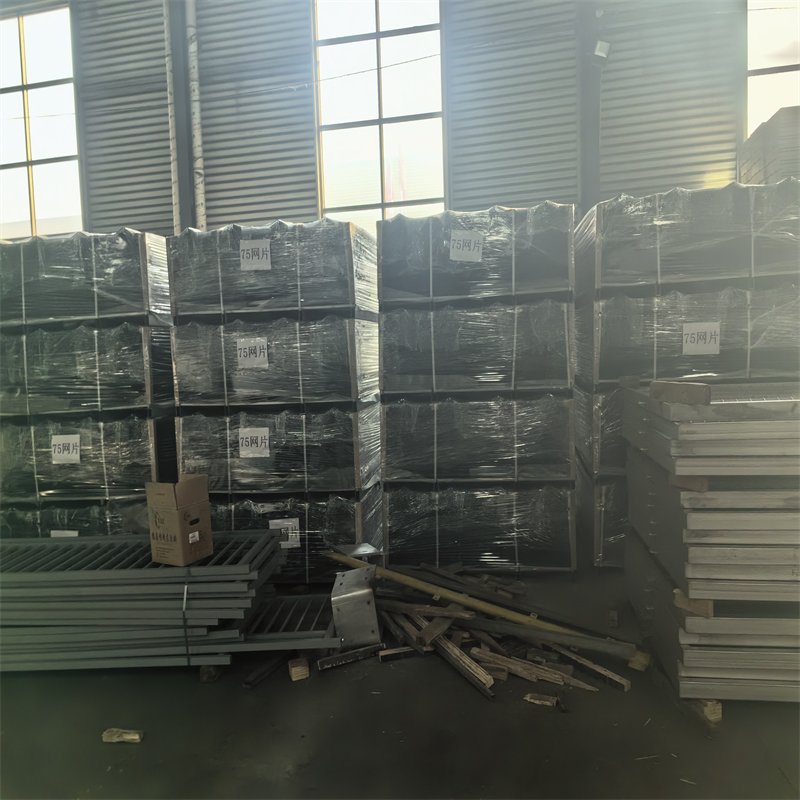
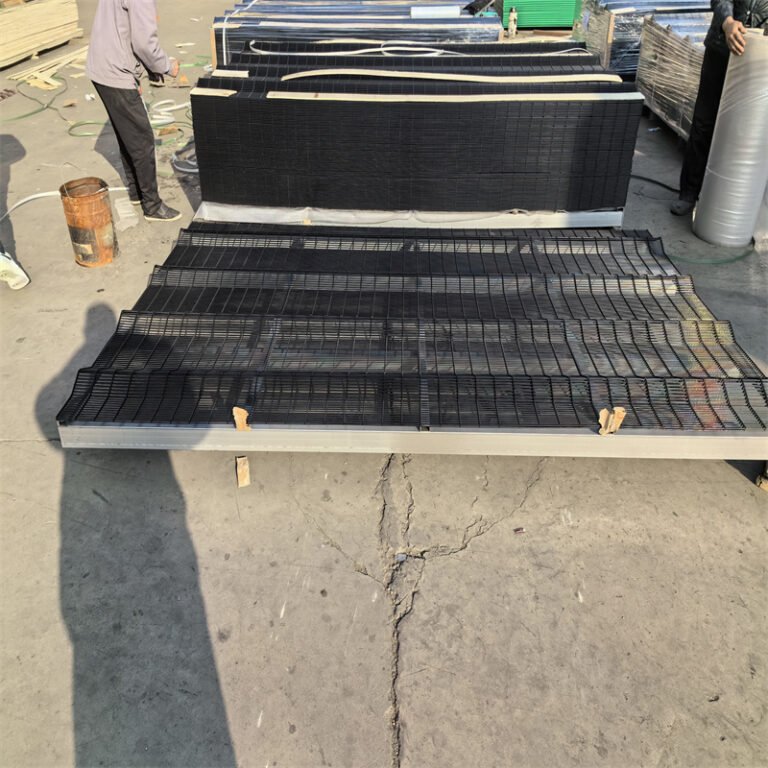
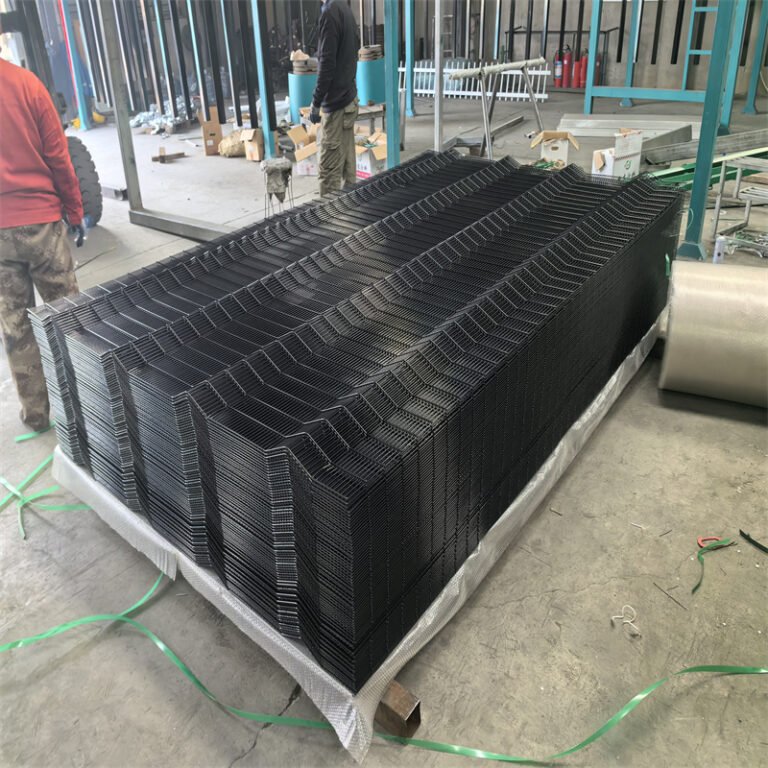
Steel Pallet Packaging
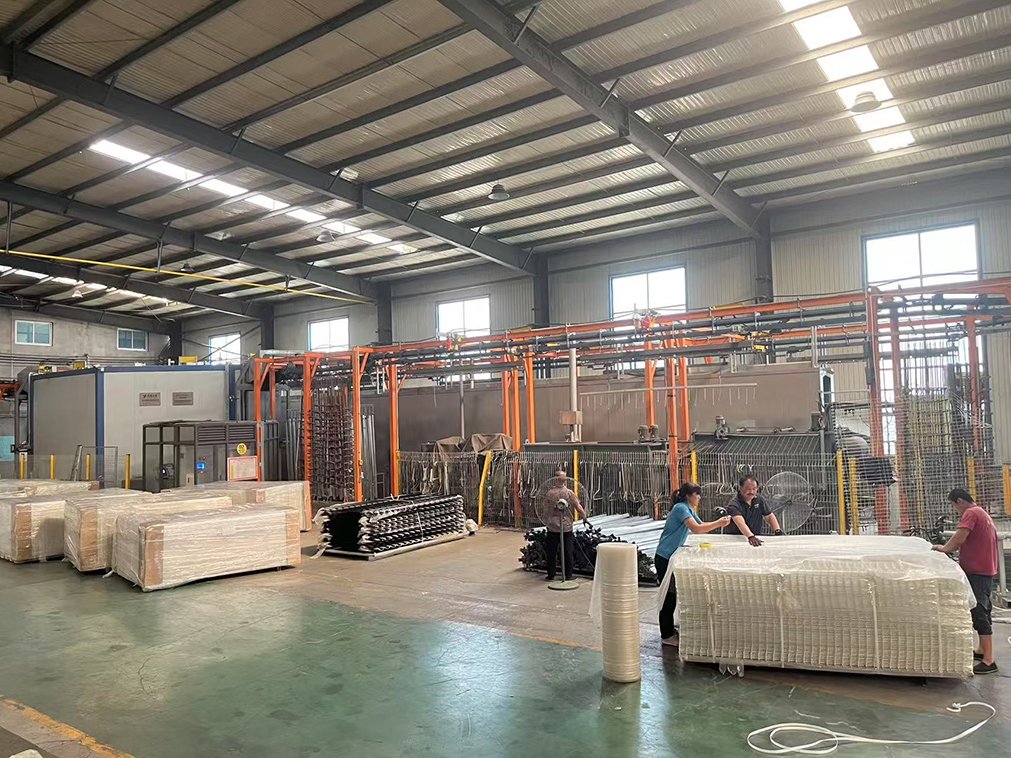
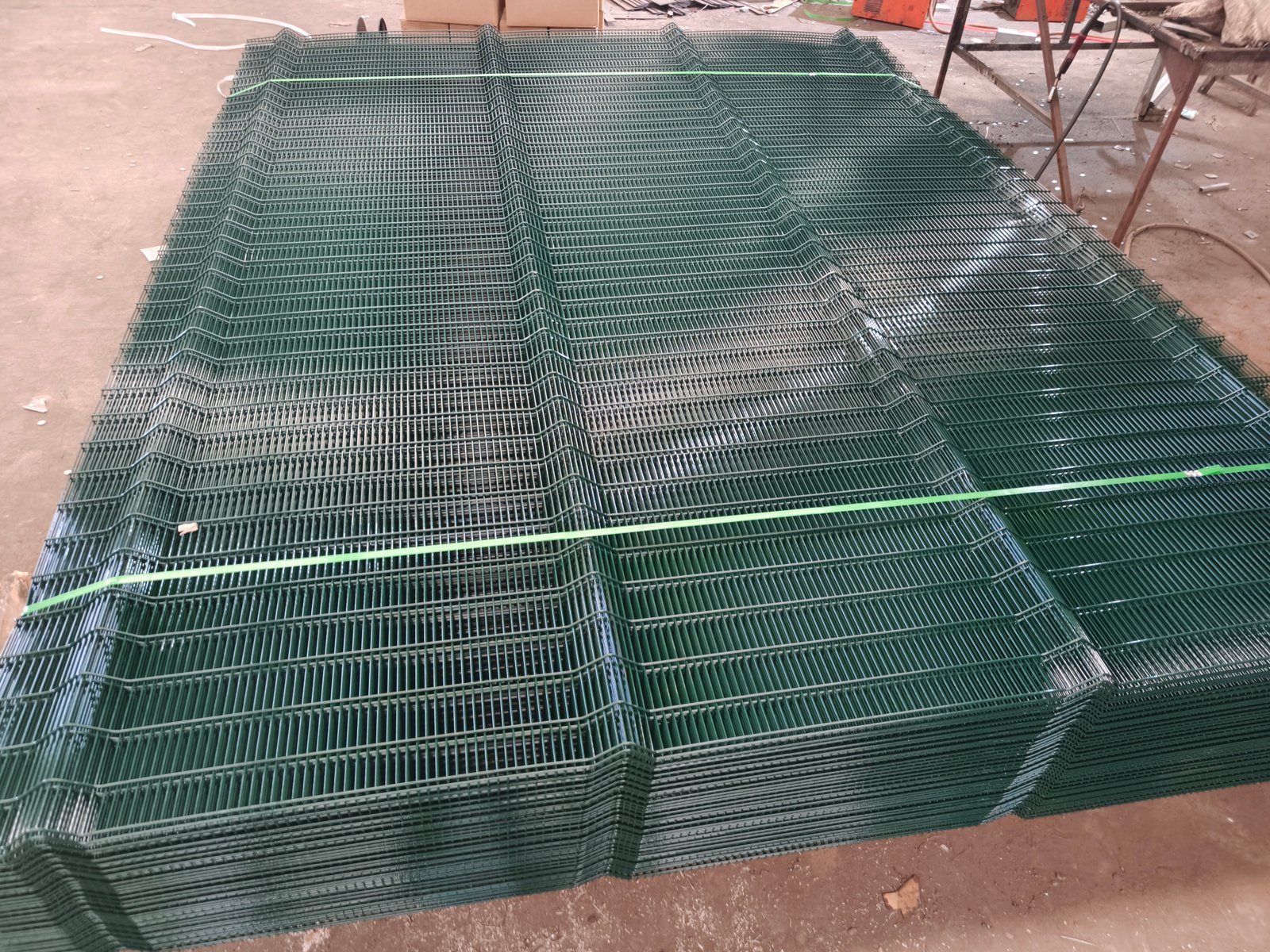
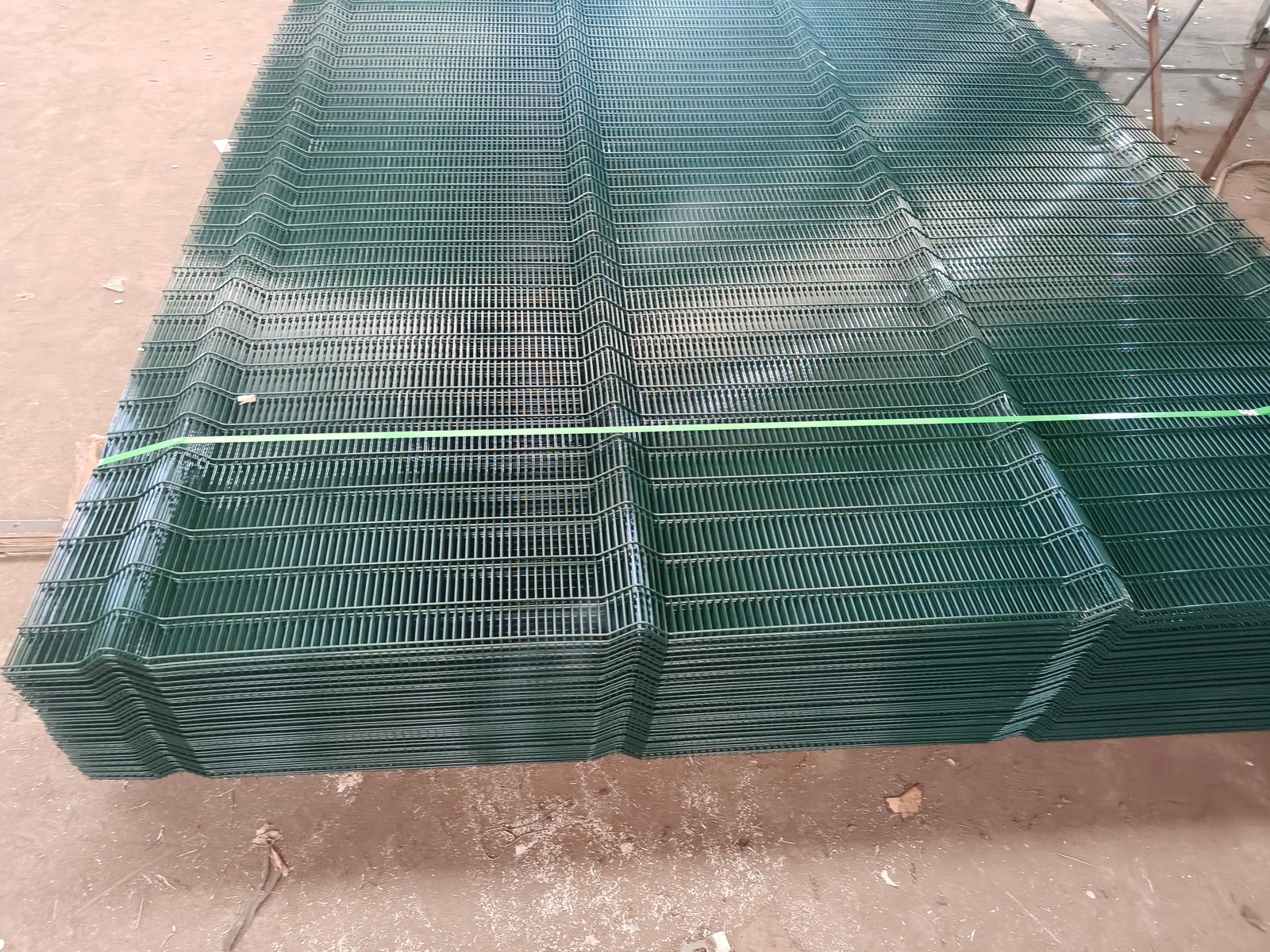
BMP can arrange steel pallet packaging with appropriate protection between panels. Protective materials help reduce surface abrasion and movement.
Accessory Packaging
Clamp bars, bolts, and post caps require clear identification. Packing lists should distinguish these parts from major structural components.
Unloading and Storage
Customers should prepare suitable lifting equipment before cargo arrival. Store panels on stable supports and protect decorative finishes against unnecessary damage.
358 Security Mesh Maintenance and Inspection
358 security mesh needs periodic inspection despite its rigid welded construction. Maintenance helps identify damaged coatings, loose fasteners, and unexpected panel deformation.
Inspect Wire and Weld Condition
Check for damaged intersections, visible corrosion, and mechanical distortion. Investigate any unusual movement before damage progresses.
Examine Clamp Bars and Fasteners
Security connections should remain secure throughout service. Replace missing or damaged hardware with compatible components.
Maintain Protective Coatings
Repair scratches and exposed steel using an approved method. Coastal properties may require more frequent inspections.
Control Surrounding Vegetation
Overgrown vegetation can obstruct cameras and complicate maintenance. Keep inspection routes accessible where operational requirements permit.
Review Gate Operation
Inspect hinges, locks, guides, and automated components. Smooth movement helps reduce premature wear and access-control problems.
358 Security Mesh Purchasing and Quotation Considerations
358 security mesh buyers should compare complete technical specifications rather than selecting the lowest initial price. Material thickness, coating systems, structural posts, and accessories significantly influence total project cost.
Wire Diameter and Steel Consumption
Thicker wires increase material requirements and handling weight. Buyers should compare equivalent configurations when reviewing quotations.
Panel Height and Width
Larger dimensions affect material consumption, manufacturing processes, and transportation arrangements. Custom panels may also require additional production planning.
Surface Treatment
Galvanizing, powder coating, and PVC finishes involve different processes. Environmental conditions should guide the coating choice.
Structural Components
Posts, clamp bars, bolts, and gates influence the complete project budget. Panel-only quotations may exclude essential items.
Shipping and Inland Transport
Freight costs depend on destination, container requirements, and shipment characteristics. Buyers should confirm the agreed delivery terms.
Local Installation Costs
Foundations, labor, unloading equipment, and site preparation add to project expenditure. The complete installed cost may differ considerably from the imported material price.
For broader purchasing comparisons, Clear View fence prices discuss related fencing cost factors. Specific 358 products require individual quotations.
358 Security Mesh Quality Control Before Shipment
358 security mesh manufacturing should follow documented inspection criteria. Buyers can request appropriate quality records before accepting large orders.
| Inspection Category |
Recommended Checks |
| Mesh Geometry |
Verify horizontal and vertical spacing. |
| Wire Diameter |
Check measurements against approved specifications. |
| Weld Quality |
Inspect joints and perform required tests. |
| Panel Dimensions |
Confirm height, width, straightness, and squareness. |
| Post Sections |
Check wall thickness, profile, and length. |
| Coating Quality |
Inspect surface condition and specified coating properties. |
| Fastening Components |
Confirm type, size, compatibility, and quantity. |
| Export Packaging |
Check protection, identification, and secure loading. |
Review Technical Drawings
Approved drawings should identify panel dimensions, posts, connections, and coating requirements. Customers must resolve technical differences before manufacturing.
Confirm Inspection Documents
Purchase agreements should identify any required testing or certificates. Different projects may demand different evidence of compliance.
Check Packing Lists
Final packing records should match the supplied quantities and accessory schedules. Accurate documentation supports customs clearance and destination inventory checks.
358 Security Mesh Frequently Asked Questions
What does 358 security mesh mean?
The designation references three inches, half an inch, and eight-gauge wire. These values correspond approximately to 76.2 × 12.7 mm spacing and 4 mm wire.
Can ordinary tools cut this mesh?
Narrow openings restrict access for many common cutting tools. However, no steel fence guarantees complete resistance against specialized equipment.
What is the difference between 358 and 3510?
BMP's listed 358 specification uses 4 mm wire, while its 3510 alternative uses 3 mm wire. Other manufacturers may apply different conventions.
Which coating suits outdoor installations?
The correct finish depends on humidity, marine exposure, pollution, and maintenance conditions. Galvanizing and compatible powder coatings offer common protective options.
Does BMP offer black security fencing?
Yes, customers can request selected RAL colors, including RAL 9005 black. Final availability depends on the coating specification.
Can panels reach three metres in height?
Yes, BMP lists 3000 mm among available panel height options. Taller configurations require appropriate structural verification.
What fasteners does the system use?
Certain configurations use steel clamp bars and M8 security bolts. Actual hardware depends on the approved post and panel design.
Can this fencing protect warehouses?
Yes, industrial storage sites can use welded security mesh for controlled boundaries. Cameras and access-control systems provide additional protection.
Is the mesh suitable for coastal cities?
Suitable protective coatings can help manage atmospheric corrosion. Coastal installations still require environmental assessment and regular maintenance.
Can BMP manufacture custom dimensions?
Customers can request alternative heights, widths, and post configurations. Manufacturing feasibility requires technical confirmation.
Does BMP offer matching gates?
BMP can discuss compatible pedestrian and vehicle gate options. Gate specifications depend on operational and security requirements.
How should contractors calculate post spacing?
Installers should follow approved drawings and account for panel overlap. Nominal panel width alone cannot establish every post center.
What information does BMP need for pricing?
Provide panel sizes, wire diameter, coating requirements, quantities, accessories, and delivery location. Technical drawings improve quotation accuracy.
Can this fencing work with electronic detection?
Yes, compatible detection systems can supplement rigid perimeter mesh. Equipment selection requires suitable technical evaluation.
How often should the fence receive maintenance?
Inspection frequency depends on exposure, operating conditions, and security requirements. Coastal and high-risk facilities may need more frequent checks.
Why Choose BMP for 358 Security Mesh?
358 security mesh projects demand technical accuracy, dependable materials, and coordinated manufacturing. BMP supplies welded fencing panels with compatible structural components and selected surface finishes.
Our team helps buyers review panel configurations, fastening arrangements, and project requirements. Clear technical communication reduces misunderstandings during production and installation.
Customers comparing alternative welded fencing designs can examine ClearVu fence panels. Different products serve different combinations of security, visibility, and structural requirements.
Projects using related security posts may also consider ClearVu fence posts for compatible applications. Temporary pedestrian management can involve crowd control barriers outside the permanent perimeter.
Conclusion: 358 Security Mesh for Long-Term Perimeter Protection
358 security mesh combines strong welded construction, narrow openings, and clear visibility for demanding perimeter installations. Its design supports climbing resistance while allowing effective observation of surrounding areas.
Reliable protection depends on correct engineering, appropriate coatings, secure fasteners, and professional installation. Property owners should evaluate the complete system rather than individual panels alone.
BMP offers multiple configurations for industrial, commercial, institutional, and infrastructure projects. Our team can review technical drawings, material specifications, export packaging, and delivery requirements.
Contact BMP to discuss your 358 security mesh project and request a quotation based on your approved specifications.