Description
Fence Spikes: A Practical Security Topping Without Rebuilding the Boundary
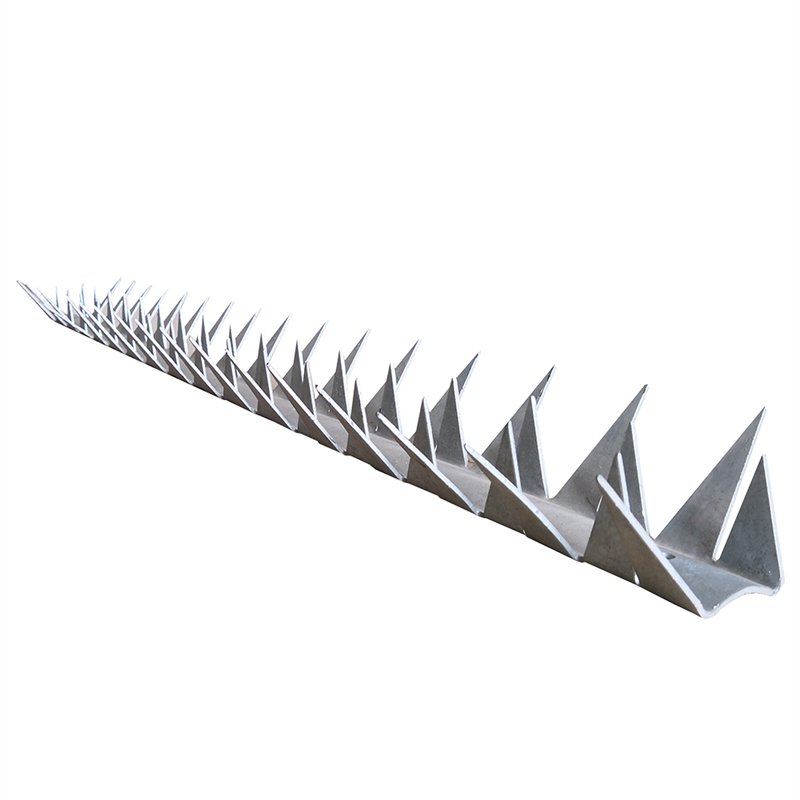
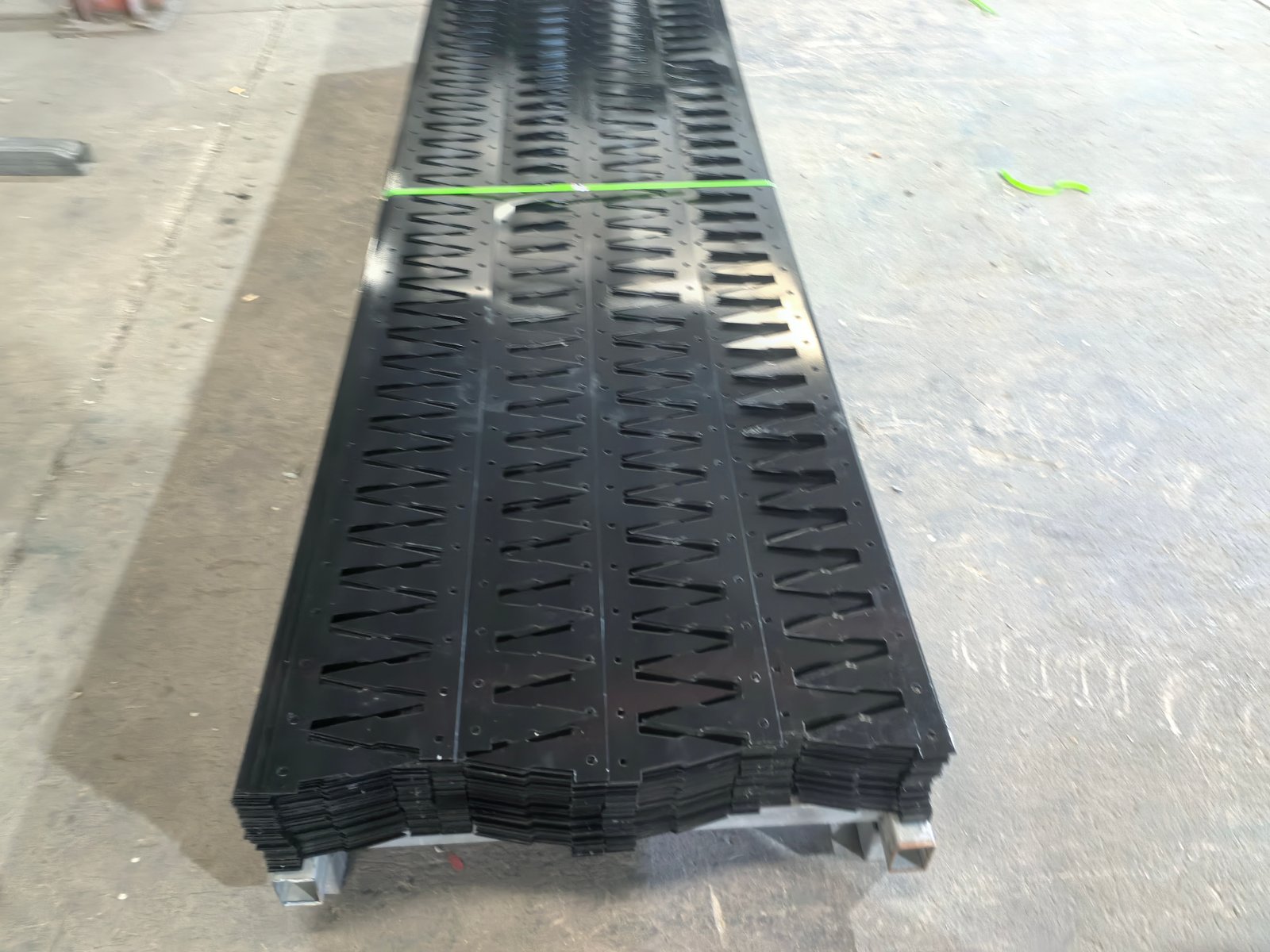
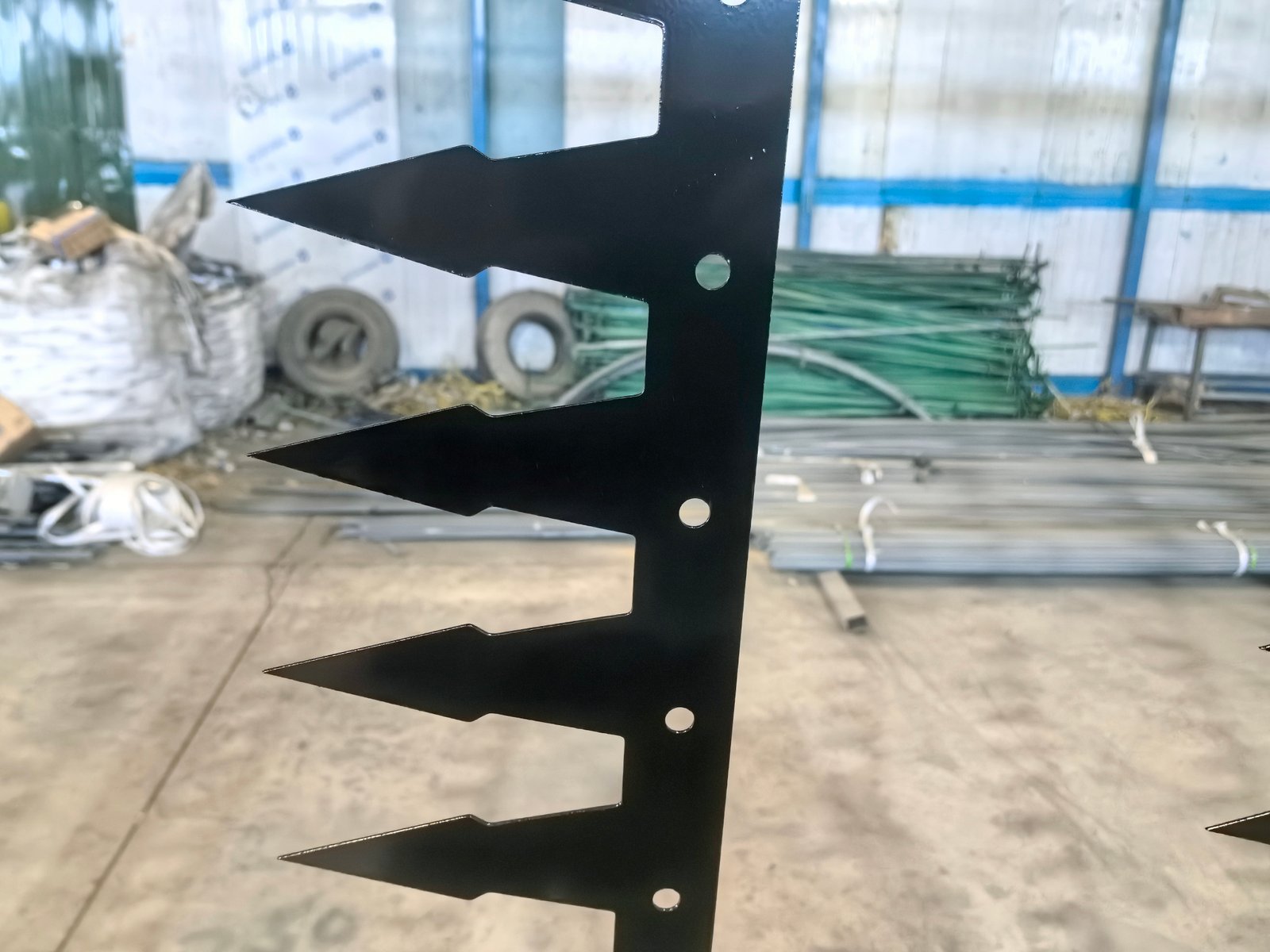
Fence Spikes offer a steel topping option for existing walls, fixed fencing and selected security entrances. BMP manufactures large, medium and small wall-spike strips with different plate thicknesses and barb lengths. Their purpose is to discourage climbing at an exposed boundary top.
A topping cannot replace the security provided by the structure beneath it. Wall condition, mounting strength, surrounding access and local rules determine whether installation makes sense. Property managers should evaluate those factors before choosing a spike profile.
Steel Wall Spikes may complement a retained masonry wall without changing the entire perimeter. However, a cracked wall or weak cap requires repairs before fitting extra hardware. Existing gate openings need their own access plan.
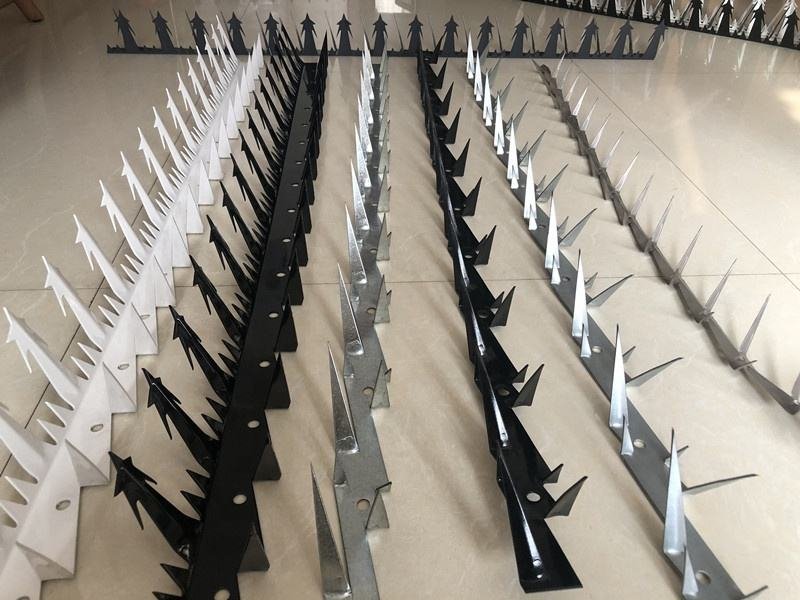 |
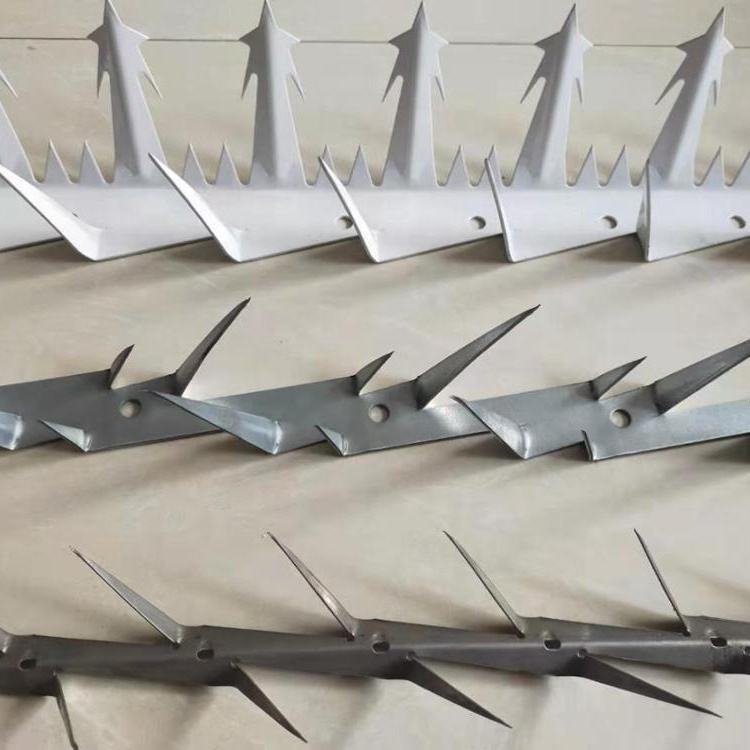 |
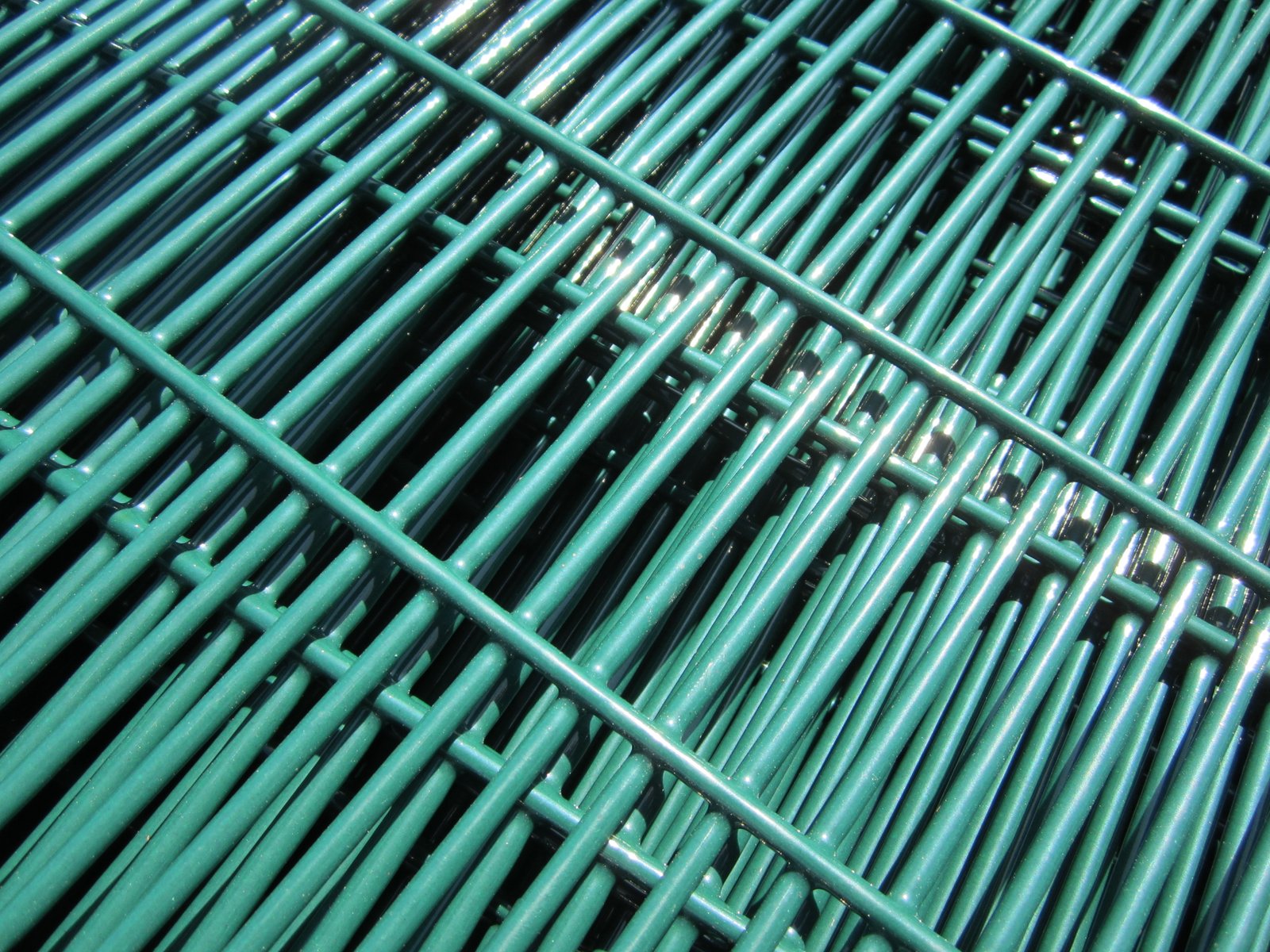
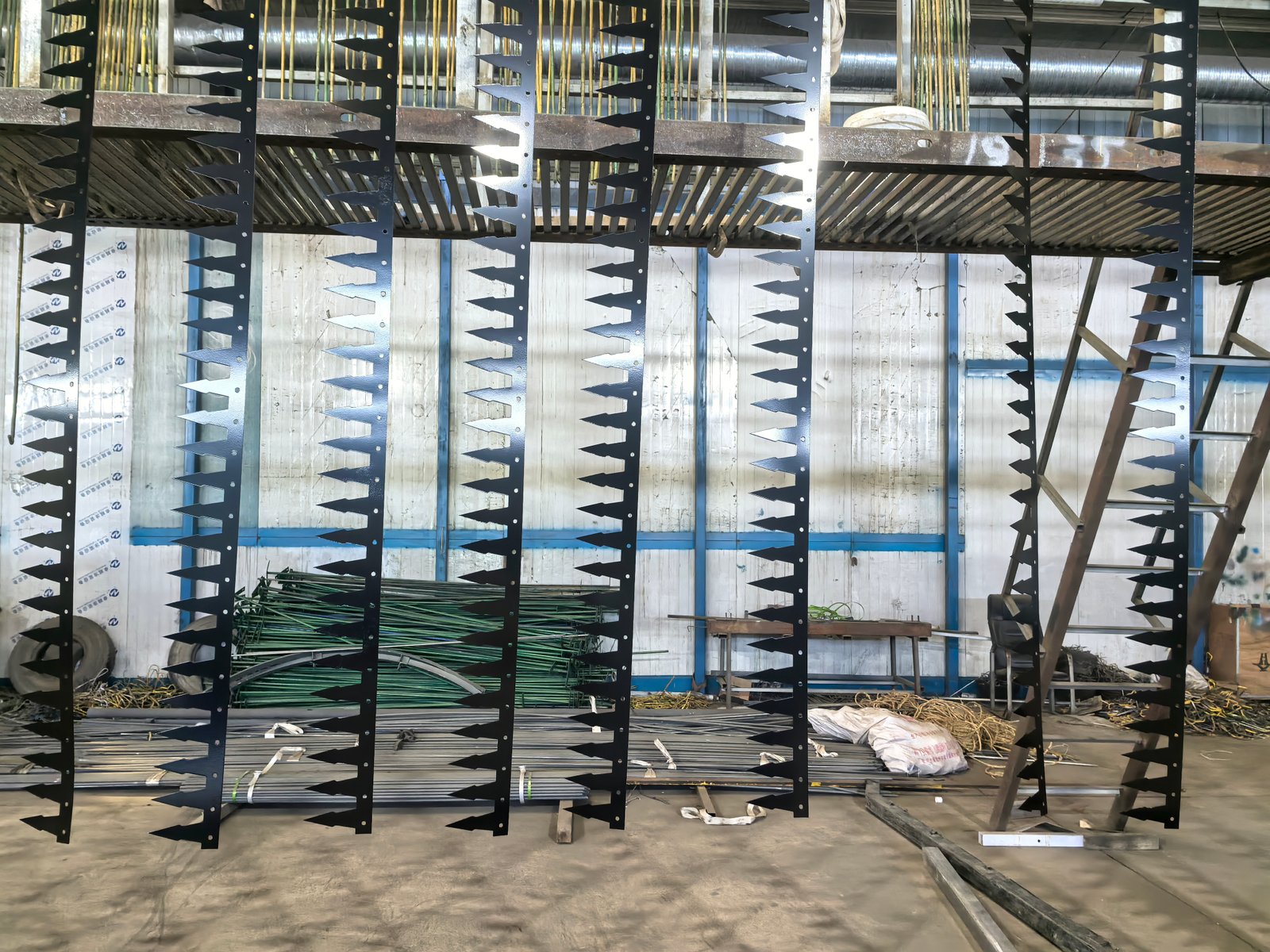
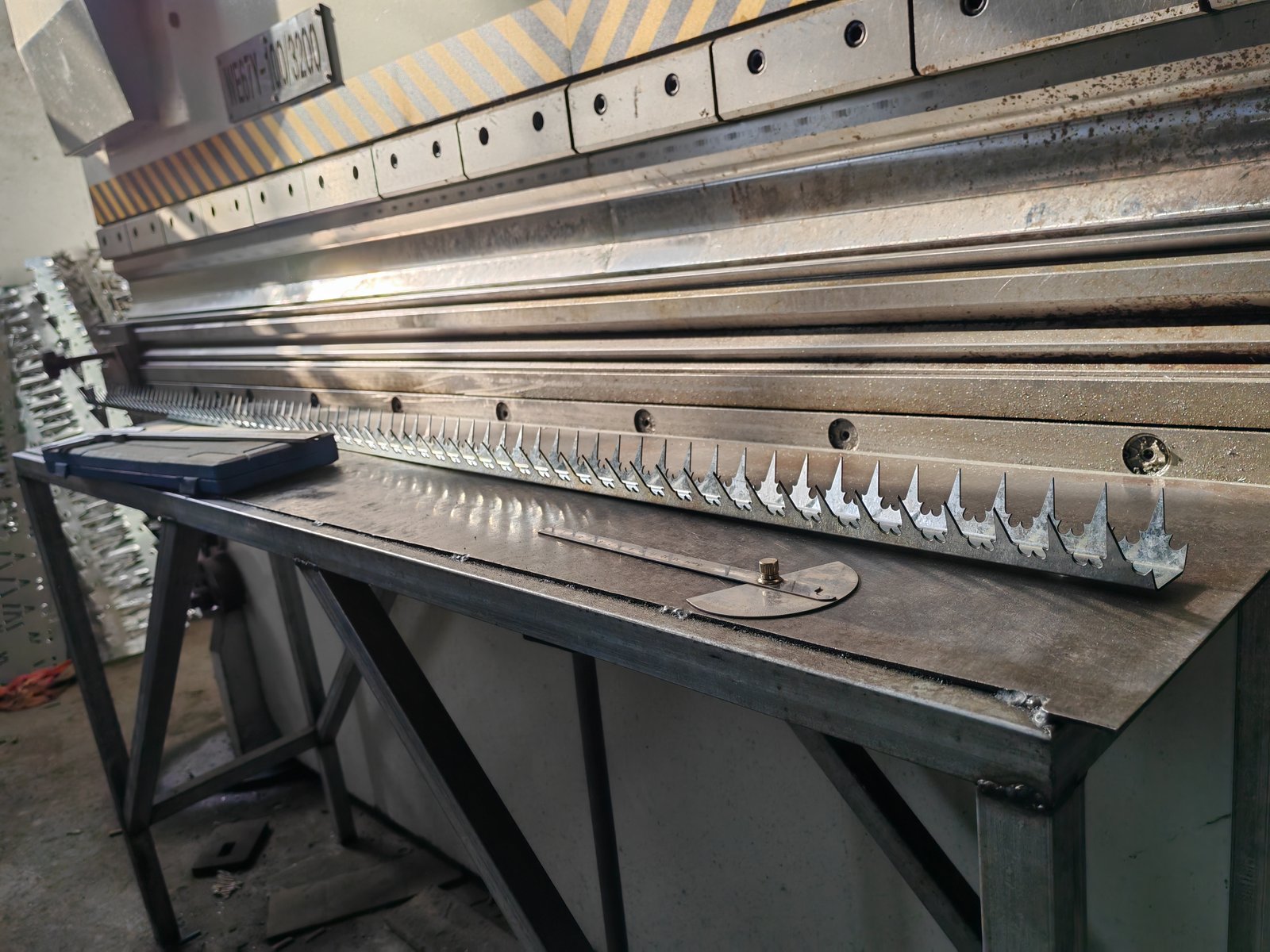
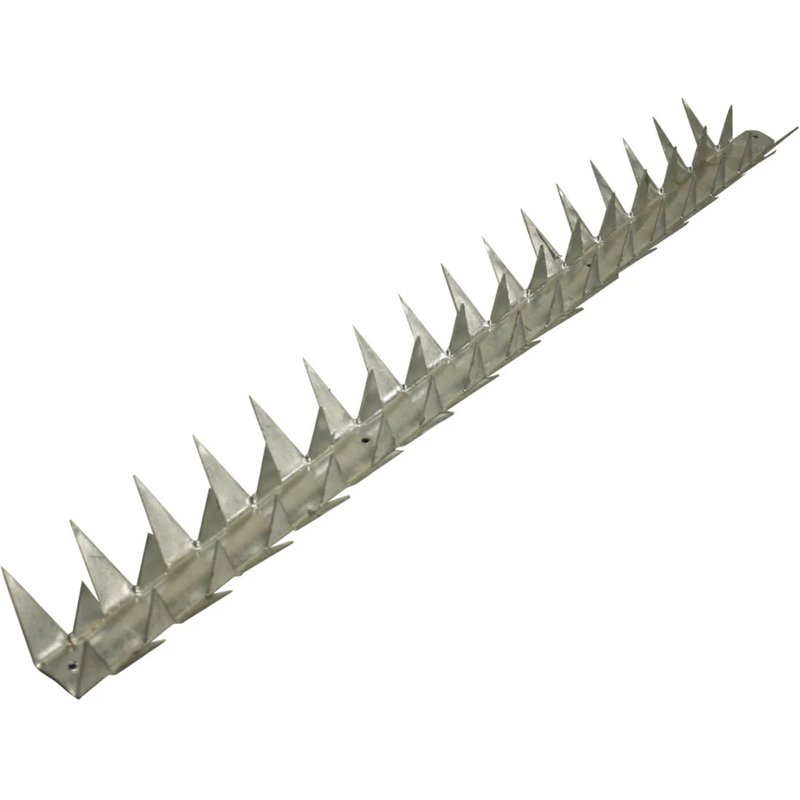
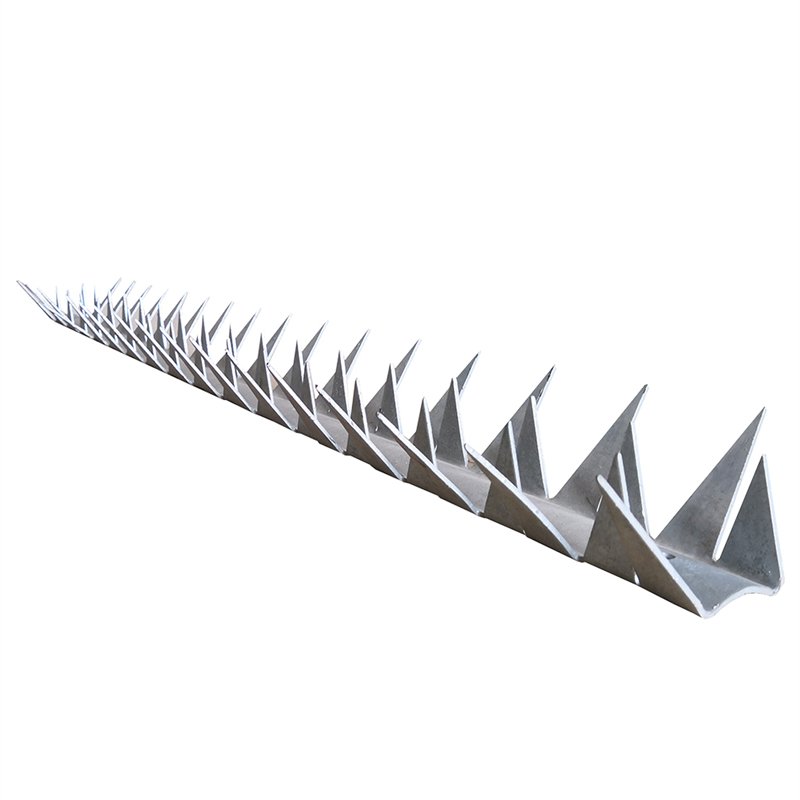
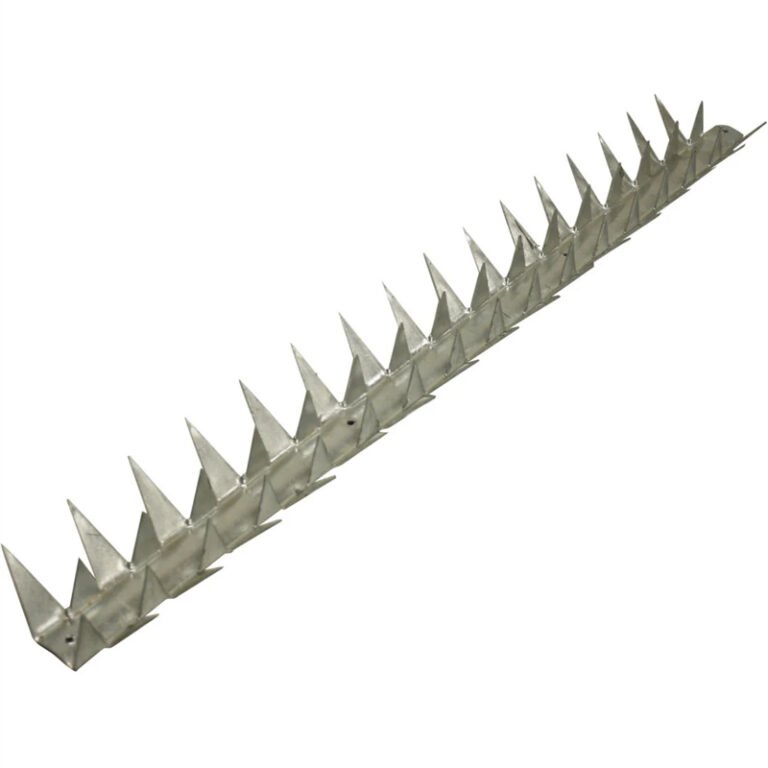
| Original BMP photograph: review overall strip geometry, mounting edge and protective finish. |
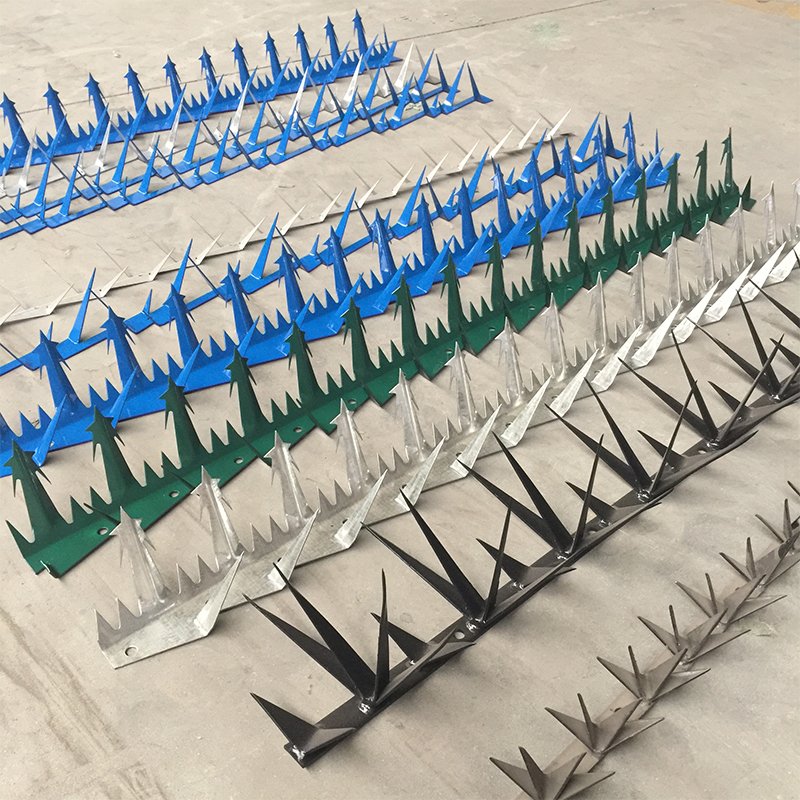
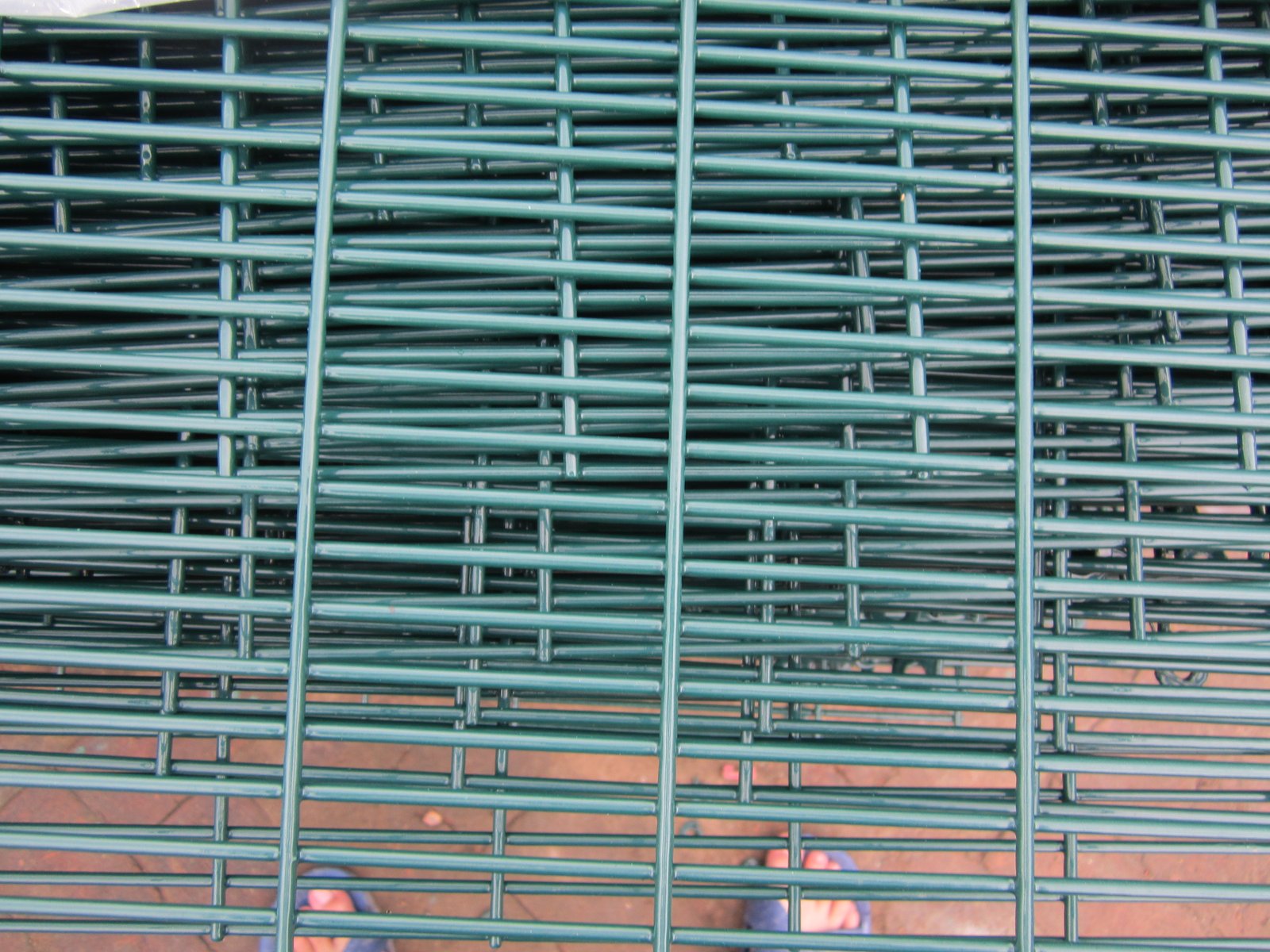
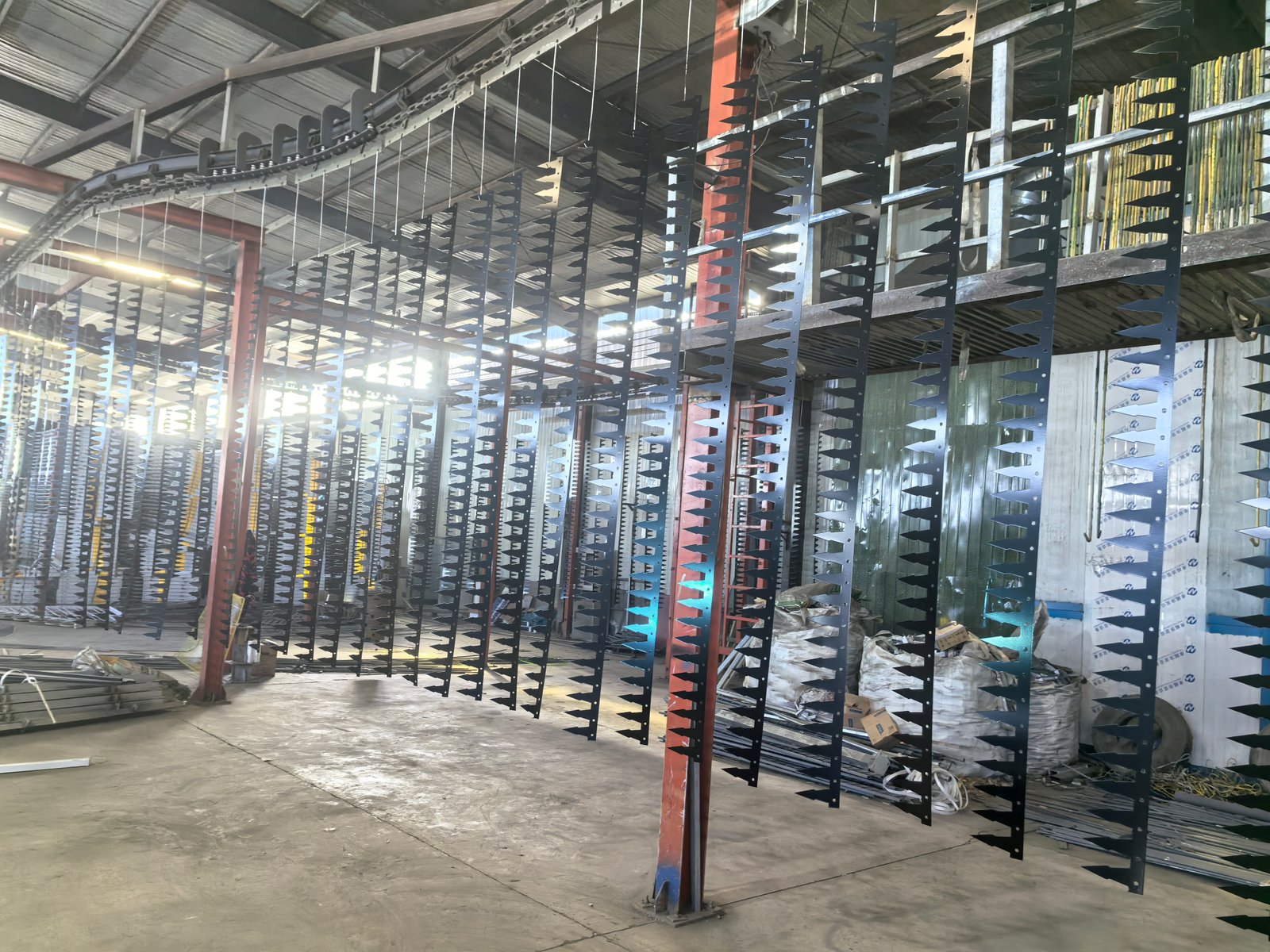
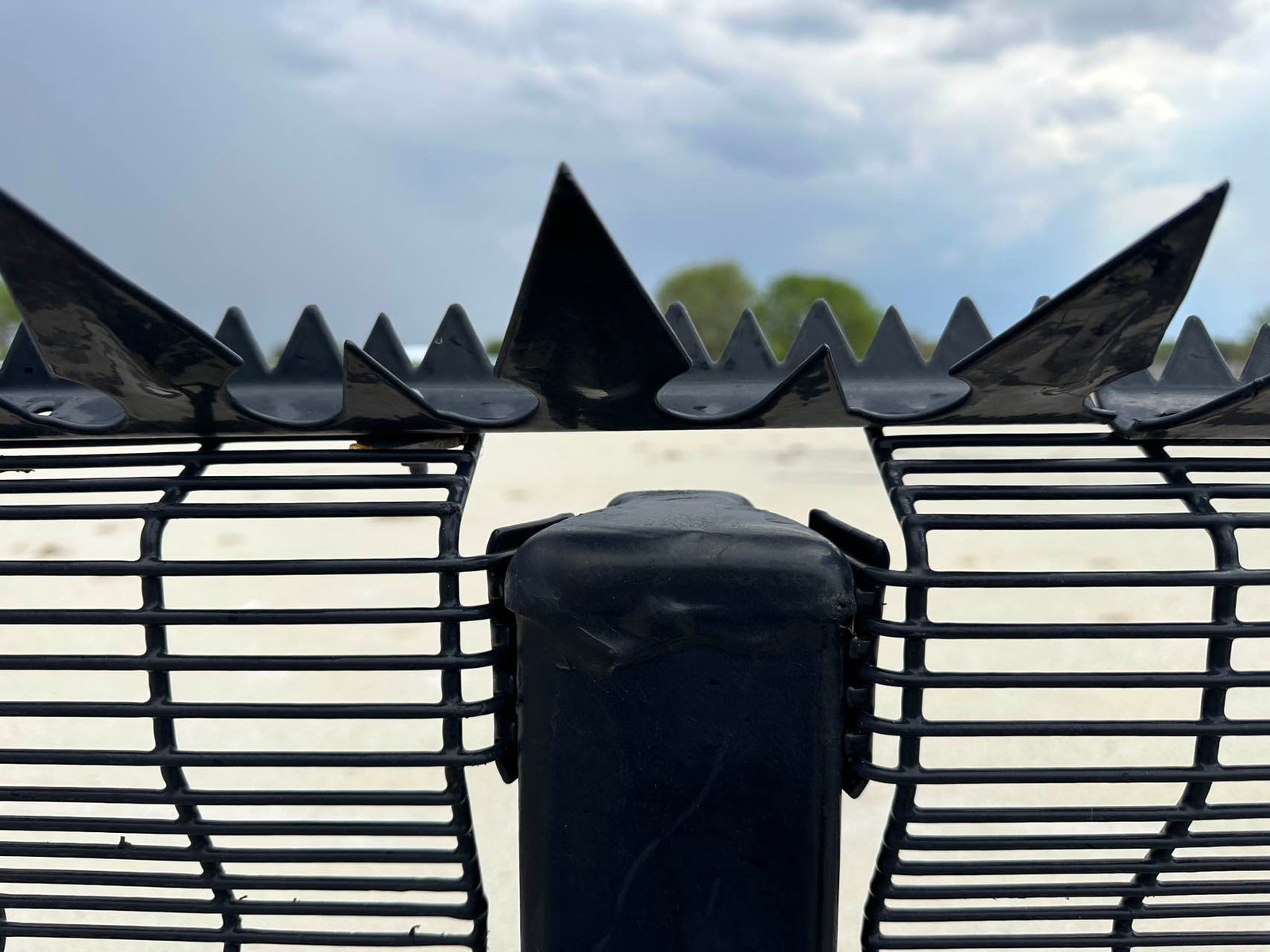
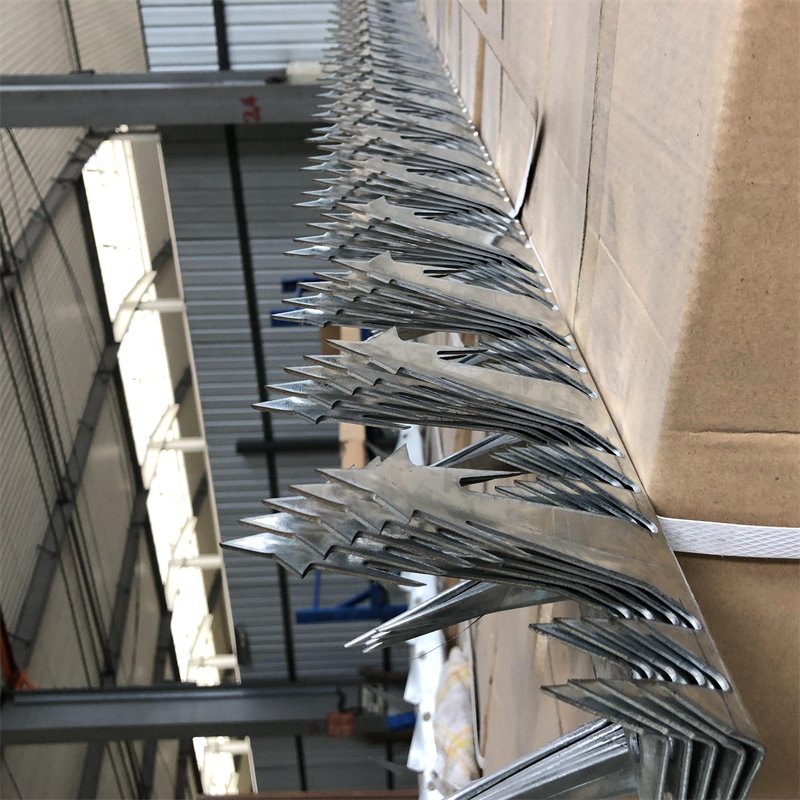
Original BMP photograph: compare the tooth arrangement with the proposed boundary location. |
Retrofitting the Wall or Replacing the Entire Boundary?
An existing wall may already provide satisfactory separation and structural stability. Adding topping strips could address an exposed climbing edge without replacing that wall. The installation must still respect neighbouring land and public access.
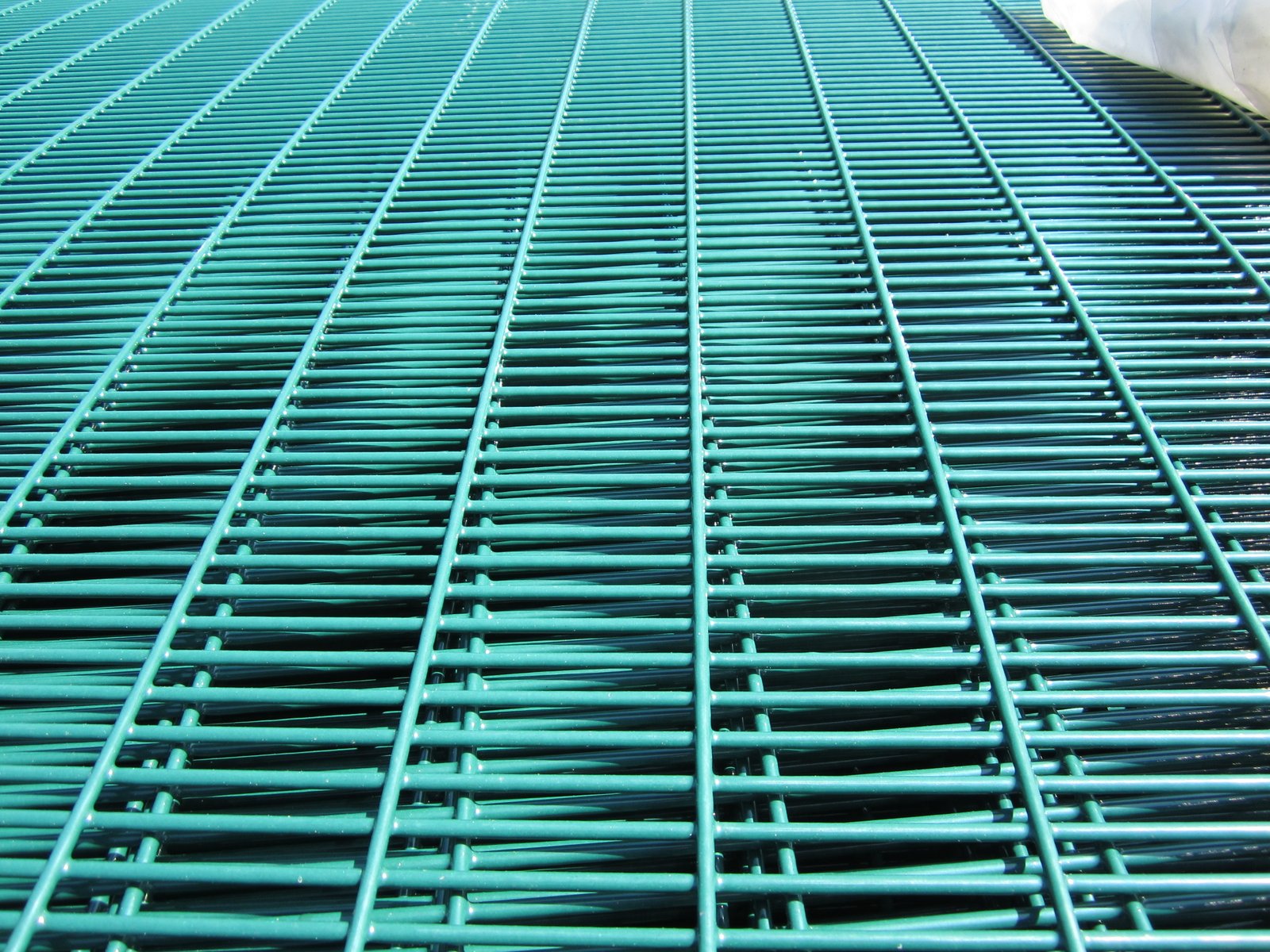
Where the original boundary has failed, replacing its structural components may offer a better solution. New Clear View Fence Panels provide a different route through visible welded security mesh. Choosing between these approaches requires a site survey.
Fence Spikes: Large, Medium and Small Product Families
BMP's supplied catalogue divides wall spikes into three size categories. Each uses a formed strip with pointed barbs and a specified base length. Barb projection and plate thickness differ by model.
These categories describe the original source rather than one universal industry standard. Other BMP product pages list different tooth dimensions and carton quantities. Final orders should follow the exact selected drawing.
| Source Model |
Steel Material |
Barb Length |
Plate Thickness |
Strip Length |
Original Carton Quantity |
| Large |
Hot-dip galvanized steel sheet |
90–120 mm |
2.0 mm |
1000 / 1250 / 1500 mm |
20 pieces |
| Medium |
Hot-dip galvanized steel sheet |
30–100 mm |
2.0 mm |
1000 / 1250 / 1500 mm |
30 pieces |
| Small |
Hot-dip galvanized steel sheet |
60 mm |
1.0 mm |
1000 / 1250 / 1500 mm |
50 pieces |
Large Strips for Robust Boundary Tops
Large strips use the source's thickest sheet category and a 90–120 mm barb projection. Their longer teeth create a prominent visual deterrent along suitable restricted boundaries. However, tooth height alone does not establish a tested security rating.
Higher projections require careful consideration near roof access, maintenance routes and neighbouring properties. The substrate must withstand fixing loads and ordinary environmental movement. Designers should also consider safe maintenance access.
Medium Strips for Variable Tooth Profiles
Medium strips retain a 2.0 mm plate thickness with a broader 30–100 mm barb range. This category offers several manufacturing profiles within one general size family. Confirm the selected tooth drawing rather than relying on the word medium.
Different tooth projections may alter appearance and nearby clearance. Existing coping stones also influence the useful mounting width. The installed base must rest on an approved supporting surface.
Small Strips for Compact Top Edges
Small strips use 1.0 mm material and a 60 mm barb length in the supplied source. Their compact construction can suit certain restricted wall tops with limited fixing room. Structural compatibility still depends on the base and attachment design.
Thin steel requires appropriate handling to prevent distortion during installation. Any coating damage needs repair under the approved finishing procedure. Never assume smaller sharp points are harmless to children or animals.
Original BMP Product Photographs by Size
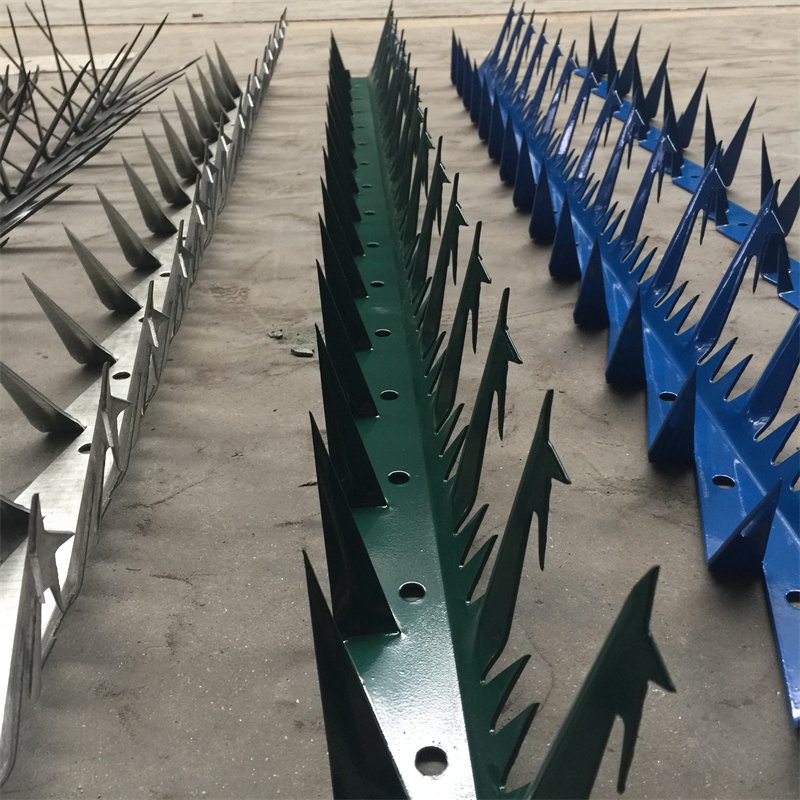
These three photographs preserve the original large, medium and small product references. Each image retains its BMP website address and receives an individual description. Product appearance should support, not replace, measured approval drawings.
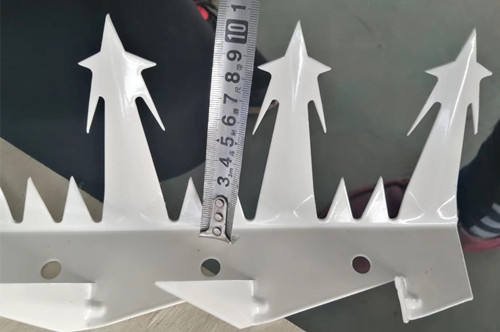 |
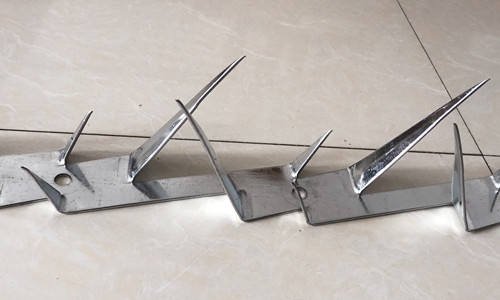 |
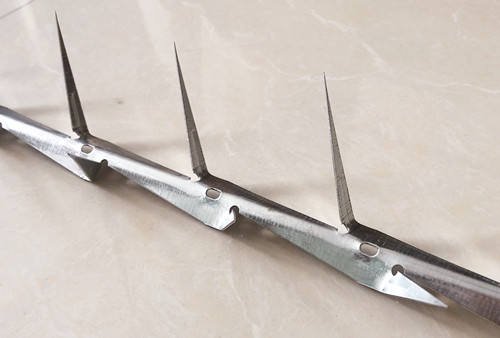 |
| Large: compare barb projection and base width against the planned wall. |
Medium: identify the selected tooth profile before requesting production. |
Small: inspect compact teeth and confirm the 1.0 mm plate requirement. |
Fence Spikes Large-Size Catalogue Specifications
The original large model offers three standard strip lengths and custom fabrication. Its source packing figure uses twenty strips per carton. Buyers should verify carton dimensions and actual shipment weight separately.
| Large Model Parameter |
Original Source Specification |
| Material |
Hot-dip galvanized steel sheet |
| Barb length |
90–120 mm |
| Barb / plate thickness |
2.0 mm |
| Surface treatment |
Hot-dip galvanized or PVC coated |
| Colours |
White / black / blackish green / red / custom |
| Standard strip lengths |
1.0 / 1.25 / 1.5 m |
| Packing |
20 pieces per carton |
| Custom length |
Available subject to confirmation |
Fence Spikes Medium-Size Catalogue Specifications
The medium model uses the same source steel thickness as the large version. Its specified tooth projection varies from 30 to 100 mm. Thirty strips form one carton in this historical packing schedule.
| Medium Model Parameter |
Original Source Specification |
| Material |
Hot-dip galvanized steel sheet |
| Barb length |
30–100 mm |
| Barb / plate thickness |
2.0 mm |
| Antirust treatment |
Hot-dip galvanized or PVC coated |
| Colours |
White / black / blackish green / red / custom |
| Standard strip lengths |
1.0 / 1.25 / 1.5 m |
| Packing |
30 pieces per carton |
| Custom length |
Available subject to confirmation |
Fence Spikes Small-Size Catalogue Specifications
The compact source variant uses a thinner steel sheet and one specified barb projection. It retains the same three strip-length options as the larger models. The original document lists fifty pieces inside each carton.
| Small Model Parameter |
Original Source Specification |
| Material |
Hot-dip galvanized steel sheet |
| Barb length |
60 mm |
| Barb / plate thickness |
1.0 mm |
| Antirust treatment |
Hot-dip galvanized or PVC coated |
| Colours |
White / black / blackish green / red / custom |
| Standard strip lengths |
1.0 / 1.25 / 1.5 m |
| Packing |
50 pieces per carton |
| Custom length |
Available subject to confirmation |
Why BMP Catalogue Versions May Differ
Other BMP Spikes for Walls Security references publish additional sizes and different package counts. Such differences may reflect separate product series or revisions. They should not overwrite the values in this supplied catalogue.
The Wall Spikes range also includes customised steel profiles. Request a model code, dimensioned drawing and current packing confirmation. A clearly identified series prevents mistaken substitutions.
Where Fence Spikes Can Join an Existing Structure
Masonry walls, robust fixed steel fencing and certain gate frames may accept approved topping attachments. Each substrate creates different requirements for drilling and fixing. A weak surface should never carry a security accessory without repair.
For a concrete coping, examine thickness, reinforcement and edge distances before selecting anchors. Steel fence tops need suitable connection plates and compatible coatings. Movement at gates requires additional clearance checks.
Masonry Walls and Concrete Copings
Wall-top strips need a stable, continuous bearing surface. An installer should check loose bricks, cracked caps and damaged mortar before construction. Anchorage must follow the approved fixing design.
Drilling near an unsupported coping edge can damage the substrate. Nearby services and waterproofing also deserve consideration. Specialist advice may be necessary for old or unusually narrow walls.
Fence Spikes Above ClearVu Mesh Boundaries
Close-mesh fencing already limits convenient fingerholds through its wire geometry. Optional topping strips change the completed height and public-facing hazard profile. They should not accompany every ClearVu panel automatically.
A High Security ClearVu Fencing assembly requires the correct top-rail or post extension detail. Adjacent Clear View Fence Post supports must handle the selected accessory. Engineering review should precede drilling or welding.
Toppings on Gates and Moving Entrances
Gate toppings move through a different path from fixed wall sections. Hinges, overhead clearance and motor operation can place sharp points near moving users. The complete gate needs a separate safety assessment.
Matching Clear View Fence Gate systems require suitable frames and locks. Never allow a topping to interfere with emergency egress. Verify any additions against the final entrance drawing.
Fence Spikes Installation and Public Safety Planning
Sharp security toppings can cause severe accidental injuries. Consider their proximity to footpaths, children, maintenance workers, animals and neighbouring property. Accessible low walls may be unsuitable without major redesign.
South African municipal rules vary by jurisdiction and property type. Some local bylaws restrict sharp protrusions on boundary walls or require warning notices. Obtain the applicable municipal requirements before installation.
Public Walkways, Schools and Child Safety
A secure perimeter should not expose passing pedestrians to unnecessary contact with sharp metal. Schools, parks and hospitals need particular consideration around public movement. A non-sharp barrier may better suit a vulnerable site.
Warning signage can form part of the approved protection plan. However, a sign cannot replace adequate separation or compliant construction. Never assume unrestricted installation on every public-facing wall.
Installation Safety Review
- Survey the boundary, neighbouring access and existing structure before specifying a topping.
- Check local bylaws, height restrictions and required warning signs.
- Approve the exact steel-strip profile, base width and fixing arrangement.
- Confirm safe access for installers and future maintenance personnel.
- Inspect coated surfaces after authorized drilling or handling.
- Keep gates, evacuation routes and ordinary pedestrian approaches clear.
- Record photographs and sign off the completed installation.
General mounting arrangements may resemble other ClearVu Fence Installation Guide tasks. Nevertheless, sharp toppings require their own safety instructions. A standard panel installation guide does not authorize spike placement.
Steel Choice and Corrosion Protection for Fence Spikes
The supplied wall-spike series describes hot-dip galvanized sheet and optional PVC finishes. Zinc protects steel through its metallic corrosion behaviour. A compatible polymer layer can add colour and surface protection.
Galvanizing after fabrication differs from forming strips from pre-coated sheet. The approved purchase specification should identify the actual production route. Inspect punched edges and cut ends for suitable protection.
Fence Spikes with Galvanized or Coloured Finishes
White, black, dark green and red appear in the original source colour options. Actual colour selection needs a named coating and approved sample. A visual shade cannot establish the zinc thickness beneath it.
Other Powder Coated Clear View Fence products use their own coating requirements. Wall-top strips may require a different pretreatment or application method. Confirm coating compatibility for each component.
Coastal Exposure versus Inland Industrial Conditions
Durban and Cape Town can expose boundary steel to humid, chloride-bearing coastal air. Scratched edges and fixing holes deserve regular attention near marine environments. Maintenance frequency should reflect the actual site.
Johannesburg and Kimberley usually face different combinations of dust, seasonal rainfall and industrial deposits. Drainage and cleaning still matter in those inland settings. Do not promise identical durability across climates.
A ClearVu Fence Galvanised Epoxy Coating system may use another protective sequence. Match repairs to the specified coating chemistry. Avoid mixing undocumented materials during maintenance.
Comparing Rigid Toppings with Razor Wire and Pickets
Fixed strips create localized pointed projections above a solid supporting surface. Razor coils use flexible blade-bearing strips arranged along additional supports. Picket fences can incorporate shaped steel tops within their original construction.
None of these designs should substitute for another without considering safety and structural requirements. The Razor Wire family uses different components from rigid spike strips. Buyers should order the named product rather than a general sharp topping.
Castle, Shark-Tooth and Rotating Alternatives
Castle and shark-tooth profiles create different visual and mechanical arrangements. Rotating systems introduce moving elements and further maintenance needs. Each style requires suitable approval for the property boundary.
BMP's ClearVu Fencing Specifications describe several optional topping categories. Those alternatives are not all interchangeable. Select components through one coordinated technical schedule.
When a Sharp Topping Is Not Appropriate
Public event routes usually need safe pedestrian guidance rather than sharp security toppings. An additional temporary worksite boundary may also require different equipment. The selected barrier should match its intended duration.
Australian Temporary Construction Fencing uses movable frames and portable supports. Fixed wall spikes do not belong on such barriers without independent approval. Construction managers should prioritize safe separation.
Fence Spikes Compared with Other Permanent Fence Systems
A boundary renovation may require more than an added strip. Owners can compare mesh, picket and wall solutions before committing to sharp accessories. Each system provides different structural and operational characteristics.
Garrison Security Fencing uses tubular pickets and rails, sometimes with shaped picket heads. Another option, Corromesh, relies on welded security mesh. Their designed top edges differ from retrofit strips.
For high-security upgrades, panel spacing and gate arrangements may matter more than adding a sharp topping. The final decision should follow a documented risk assessment. Existing foundations also need review.
Fence Spikes Packing, Handling and Factory Inspection
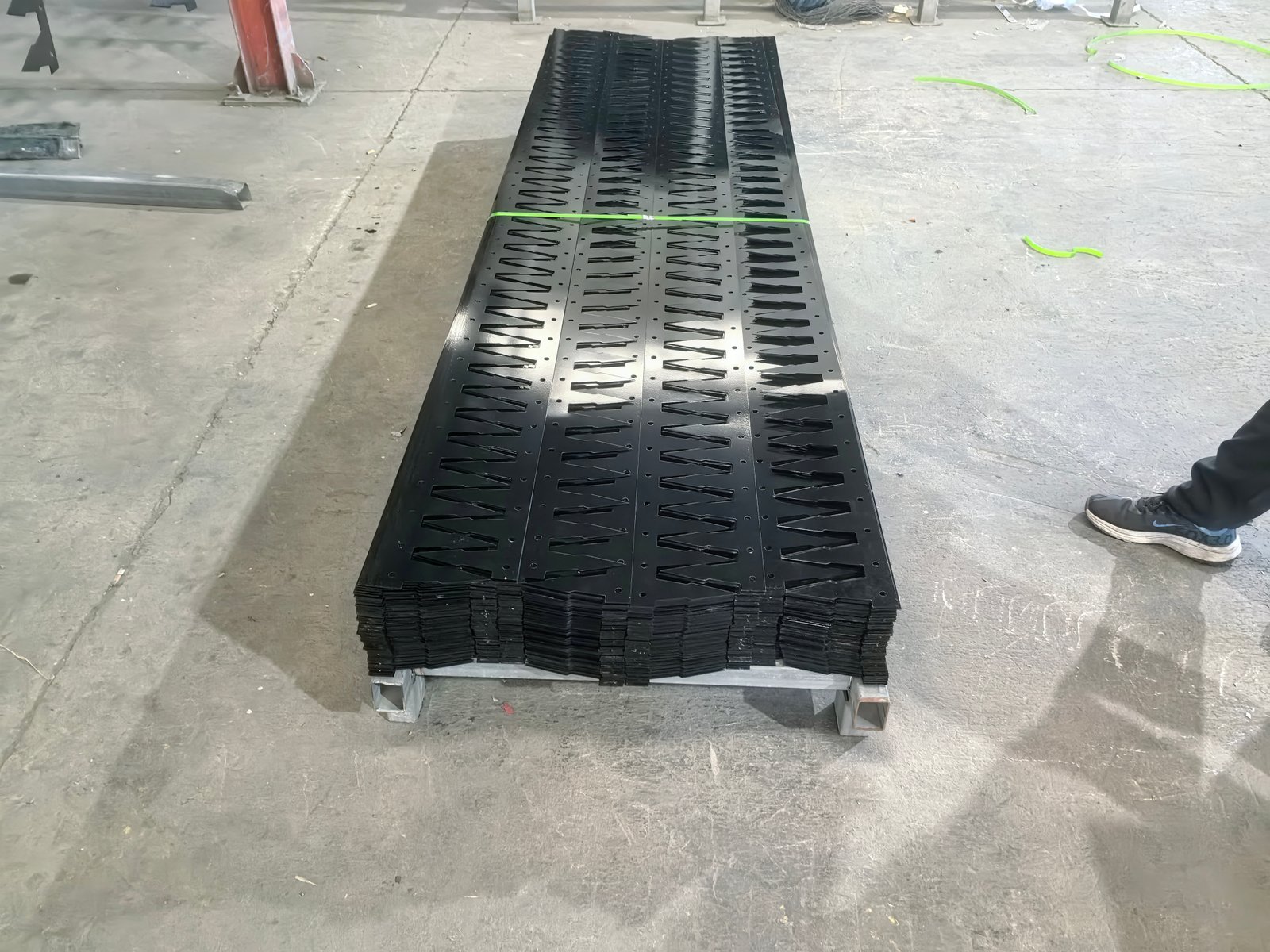
Sharp strips need protective handling during packing, unloading and site storage. The original source uses cartons with quantities varying by size. Labels should show model, strip length, material and carton count.
Large strips carry twenty pieces per carton in this source. Medium cartons contain thirty, while small cartons contain fifty. Special lengths or different profiles may require revised counts.
| Model |
Pieces per Carton |
Length Options |
Handling Check |
| Large |
20 |
1.0 / 1.25 / 1.5 m |
Protect long projecting teeth |
| Medium |
30 |
1.0 / 1.25 / 1.5 m |
Separate mixed barb profiles |
| Small |
50 |
1.0 / 1.25 / 1.5 m |
Prevent bending of thinner steel |
Packaging Photographs from the Original Article
The remaining two original photographs appear below. Both retain their BMP media URLs and descriptive captions. Refer to the actual shipping plan for carton weights and stacking limits.
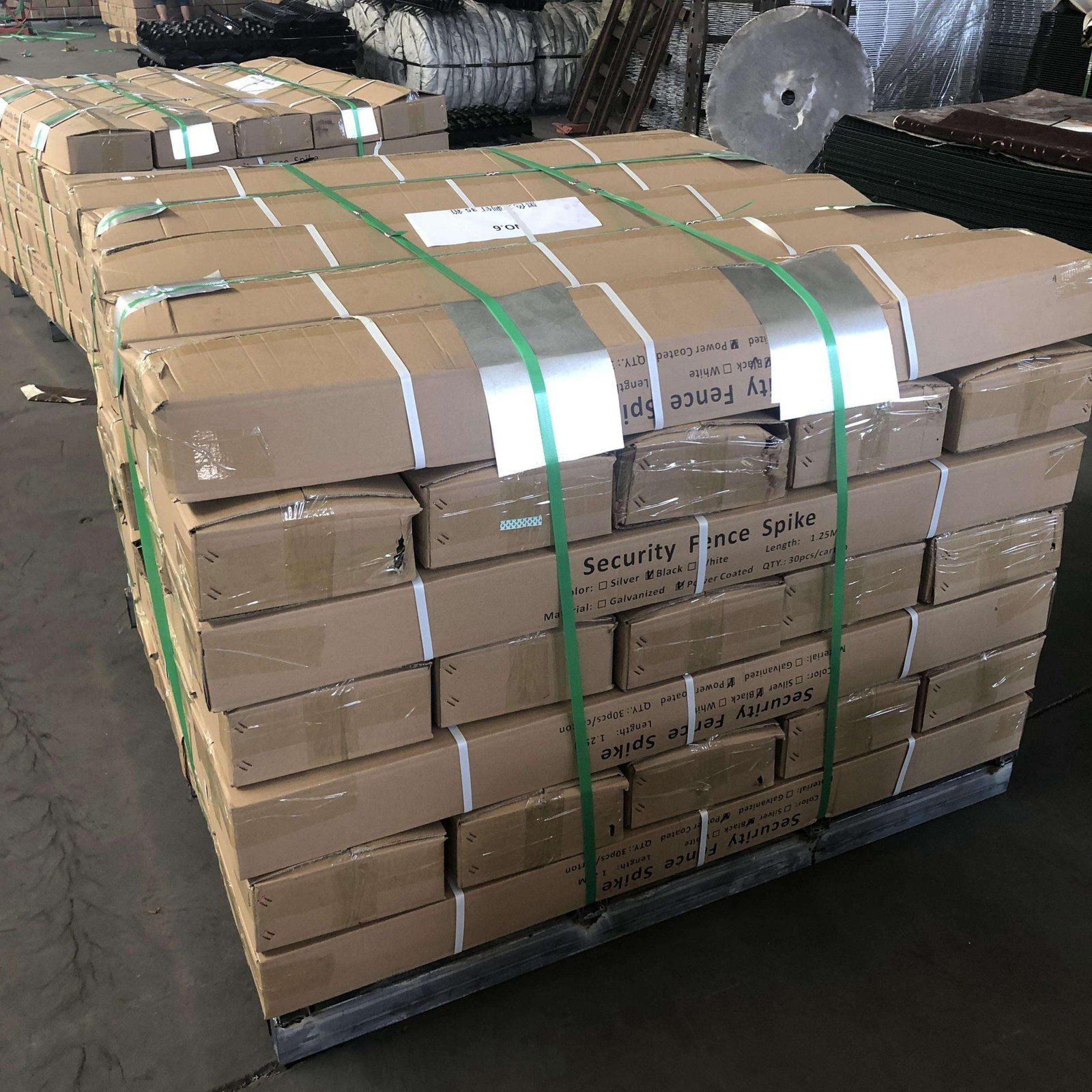 |
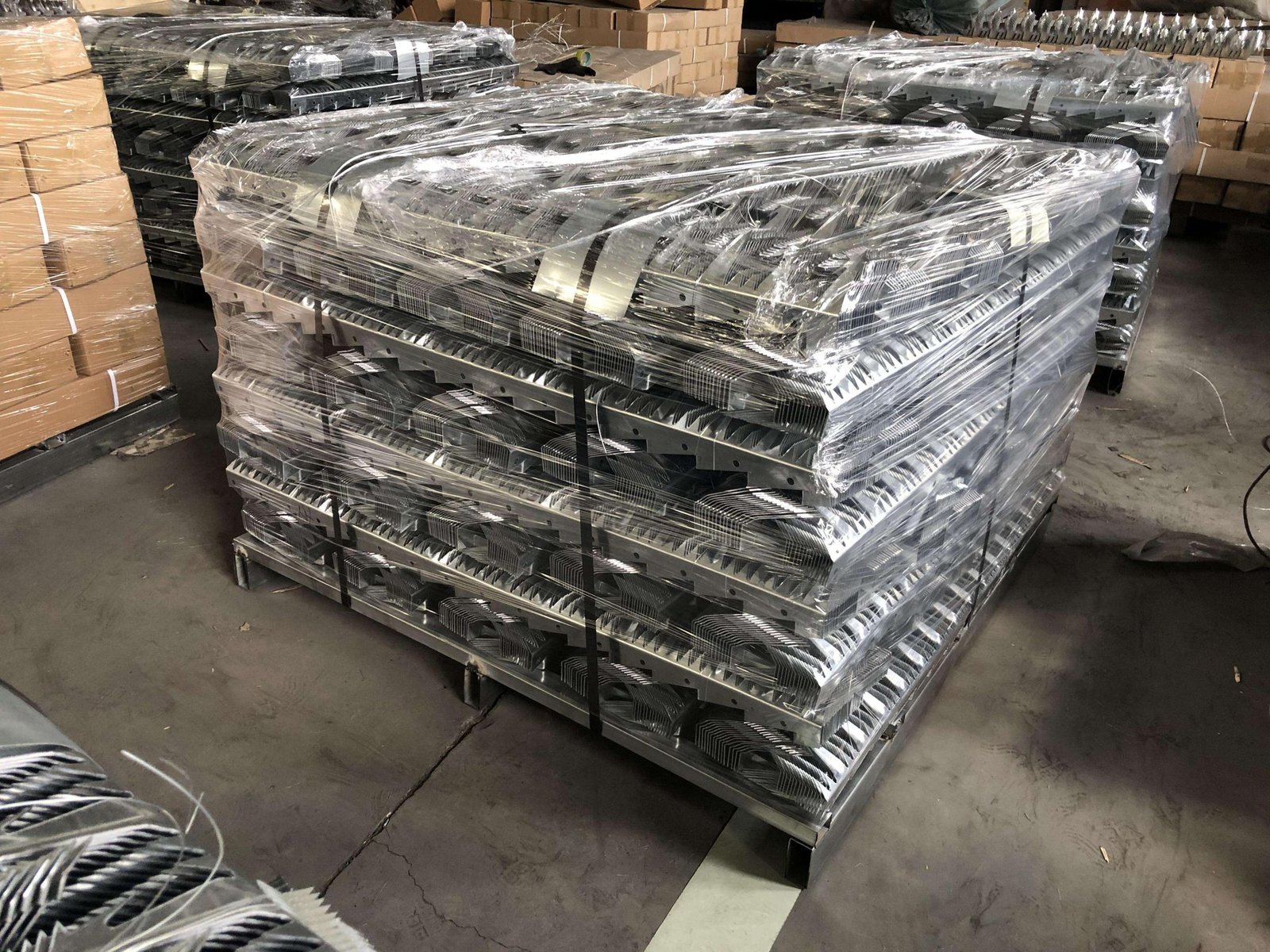 |
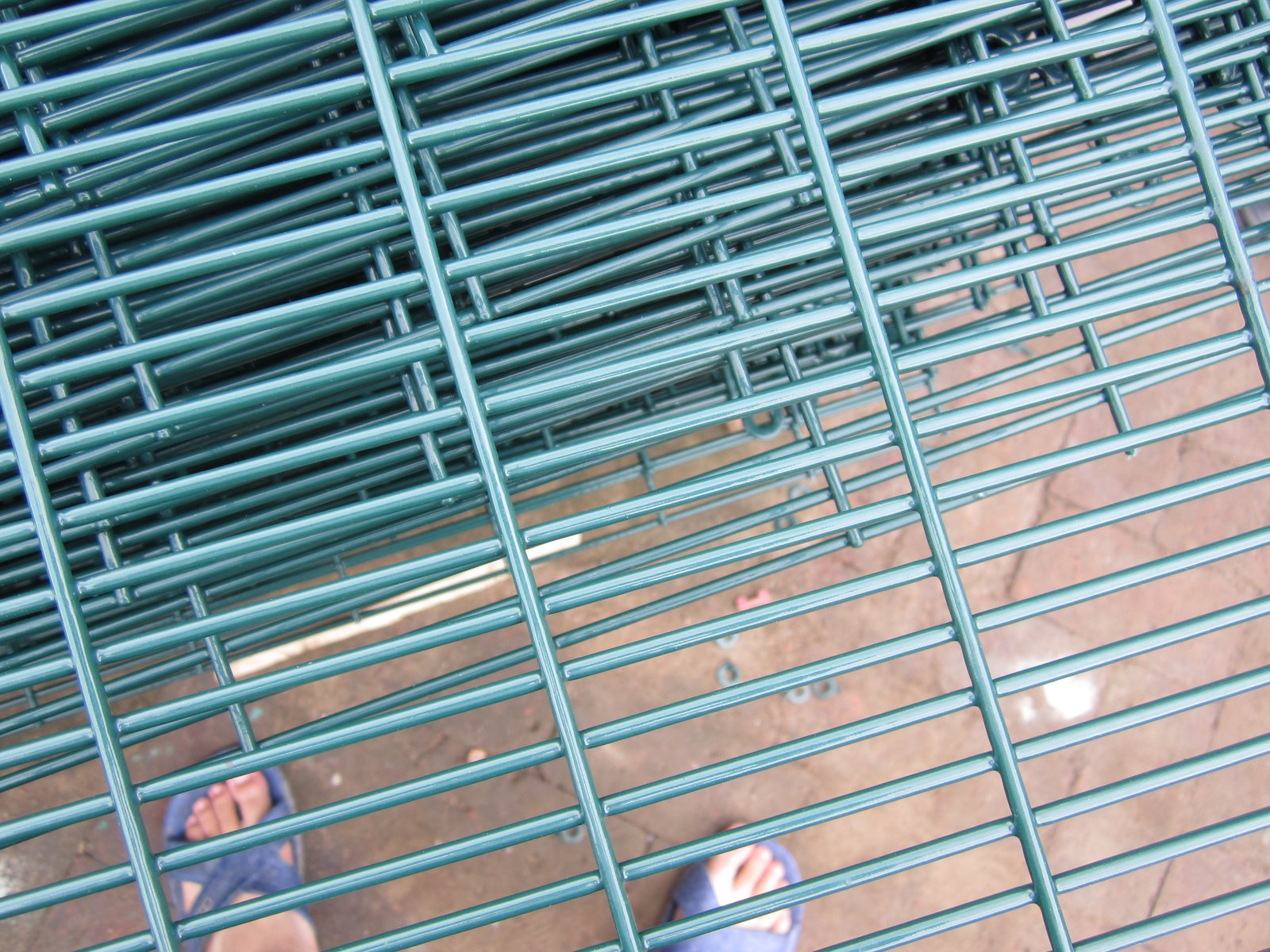
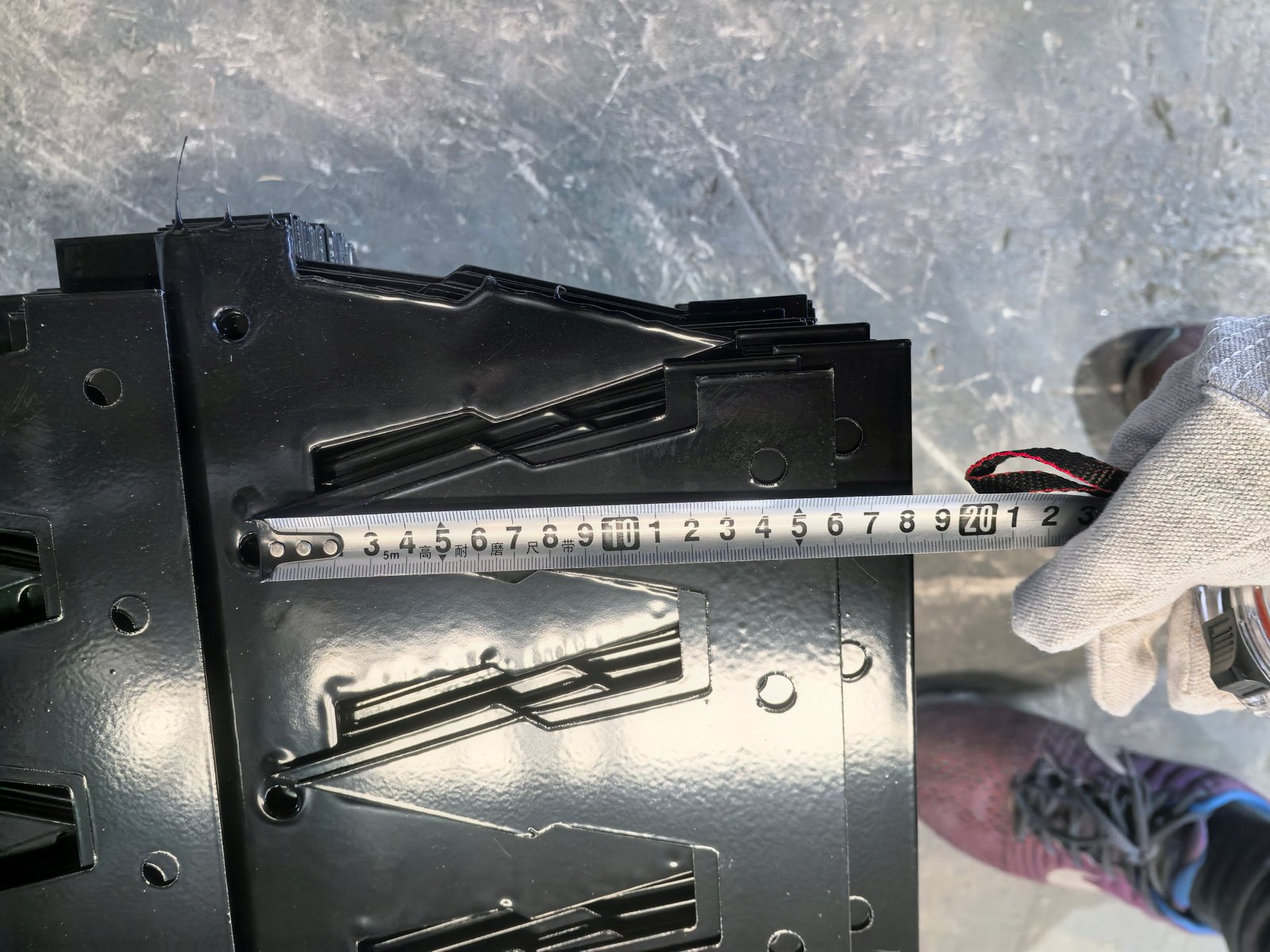
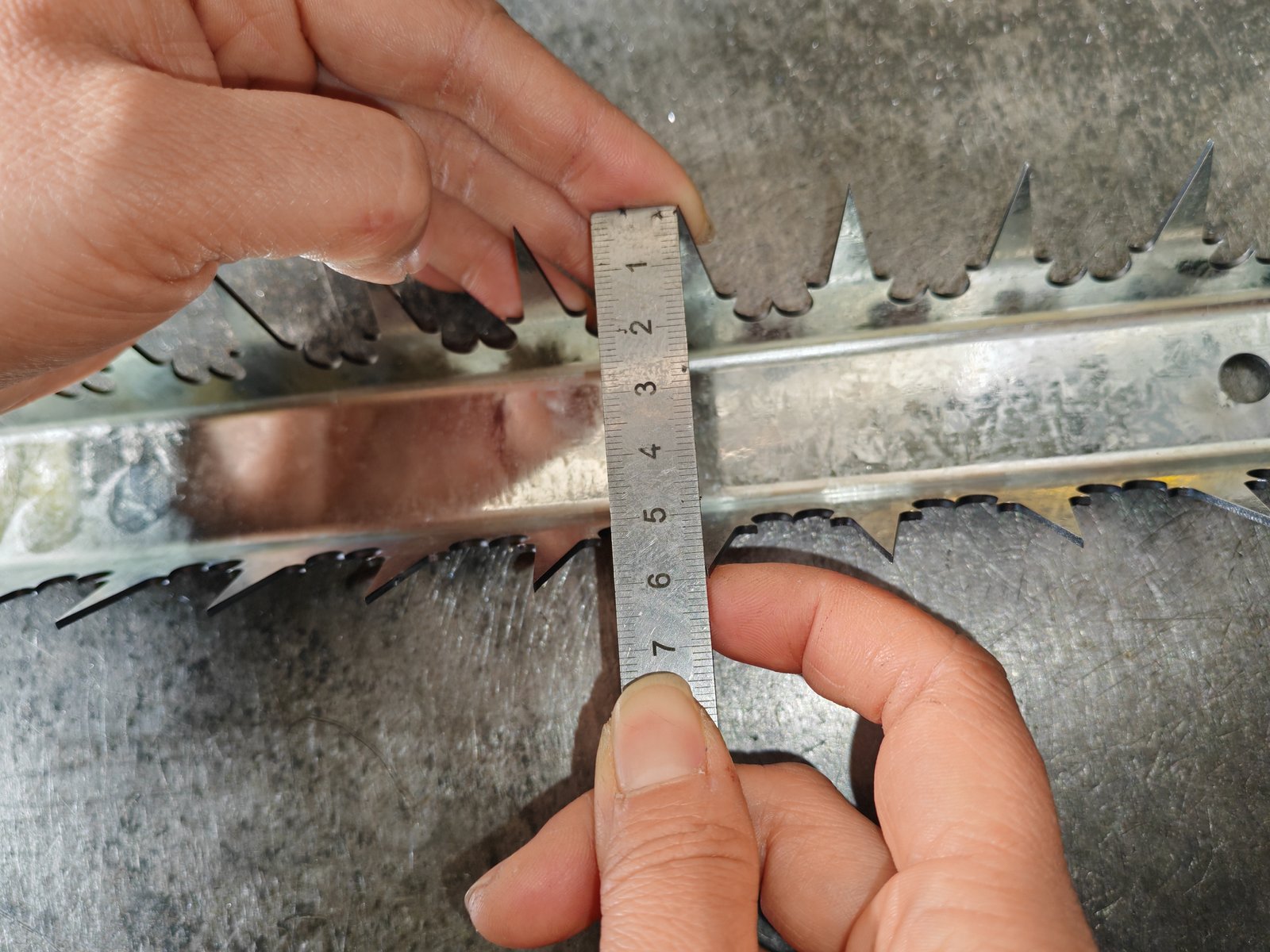
| Original BMP photo 6: check finished tooth geometry and coating before packing. |
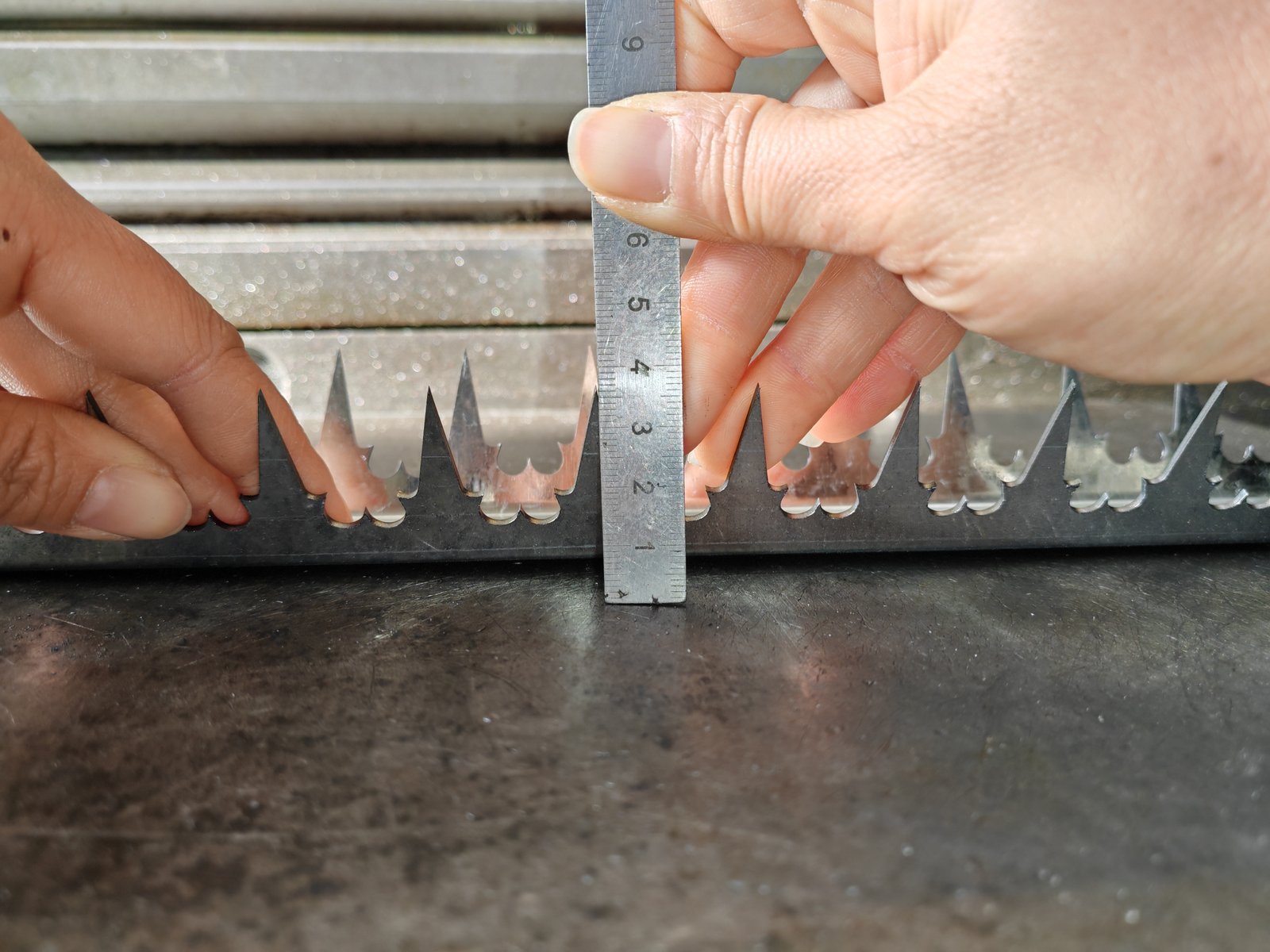
Original BMP photo 7: verify handling protection and carton identification. |
Factory Acceptance Checklist
- Measure steel thickness and the actual barb projection for the selected model.
- Confirm base-strip length, hole positions and custom dimensions.
- Inspect formed points for cracks, burrs and damaged coating.
- Check finish colour against the approved sample.
- Count each size separately before closing its carton.
- Document package weights and safe handling precautions.
Inspection photographs help describe finished goods but cannot replace physical measurements. Production reports should match the signed drawings. Distributors need accurate carton labels for receiving and warehousing.
Estimating Fence Spikes Quantities by Linear Run
Buyers should measure the actual topping length rather than the total property perimeter automatically. Gate openings, interrupted coping and corner details can reduce continuous coverage. Specify each segment separately.
For example, a 30 m straight top uses thirty 1.0 m strips before allowing for joints. The same length uses twenty 1.5 m strips under the same assumption. Real layouts may require cut pieces and additional stock.
| Illustrative Top Length |
Selected Strip Length |
Basic Piece Count |
Cartons at Source Packing Rate |
| 30 m |
1.0 m large |
30 pieces |
2 cartons at 20 pieces per carton |
| 30 m |
1.5 m medium |
20 pieces |
1 carton at 30 pieces per carton |
| 30 m |
1.25 m small |
24 pieces |
1 carton at 50 pieces per carton |
These carton counts assume full-carton purchasing and no special cuts. The final order depends on layout, finish and accessory needs. Always confirm supplier packing quantities.
Fence Spikes: Questions for Project Buyers
Can Fence Spikes Fit an Existing Painted Wall?
Possibly, but the coating and substrate need inspection before any mounting decision. A painted surface may conceal loose coping or moisture damage. Structural soundness matters more than appearance.
Are Fence Spikes Suitable beside a Public Footpath?
Local regulations and practical injury risks control that decision. Some municipalities require height restrictions, warning signs or prior consent. Accessible sharp points may make a particular installation unsuitable.
Do Fence Spikes Keep Wildlife Away Safely?
Sharp security strips can injure birds, pets and other animals. They are not automatically suitable for humane wildlife control. Choose purpose-designed non-injurious exclusion systems where animal welfare is the goal.
Can the Factory Supply Custom Fence Spikes?
The source lists custom lengths across all three steel categories. Manufacturing feasibility depends on the final profile and quantity. Request an approved drawing and a current quotation.
Does the ClearVu Warranty Automatically Cover Fence Spikes?
No automatic coverage should be assumed. BMP offers a 15-year manufacturer warranty for applicable ClearVu fencing under written terms. Wall-spike warranty conditions need their own agreement.
Fence Spikes from BMP: Specify the Complete Topping Package
Boss Metal and Plastic Co., Ltd. supplies steel wall-spike strips alongside fencing panels, posts and accessories. A complete inquiry should identify site conditions, product size, finish, lengths and carton quantities. Safety and local permission need review before installation.
Customers comparing regional Razor Spikes should confirm the actual product profile before ordering. Names differ between catalogue families. A dimensioned drawing helps BMP prepare the correct technical and commercial offer.