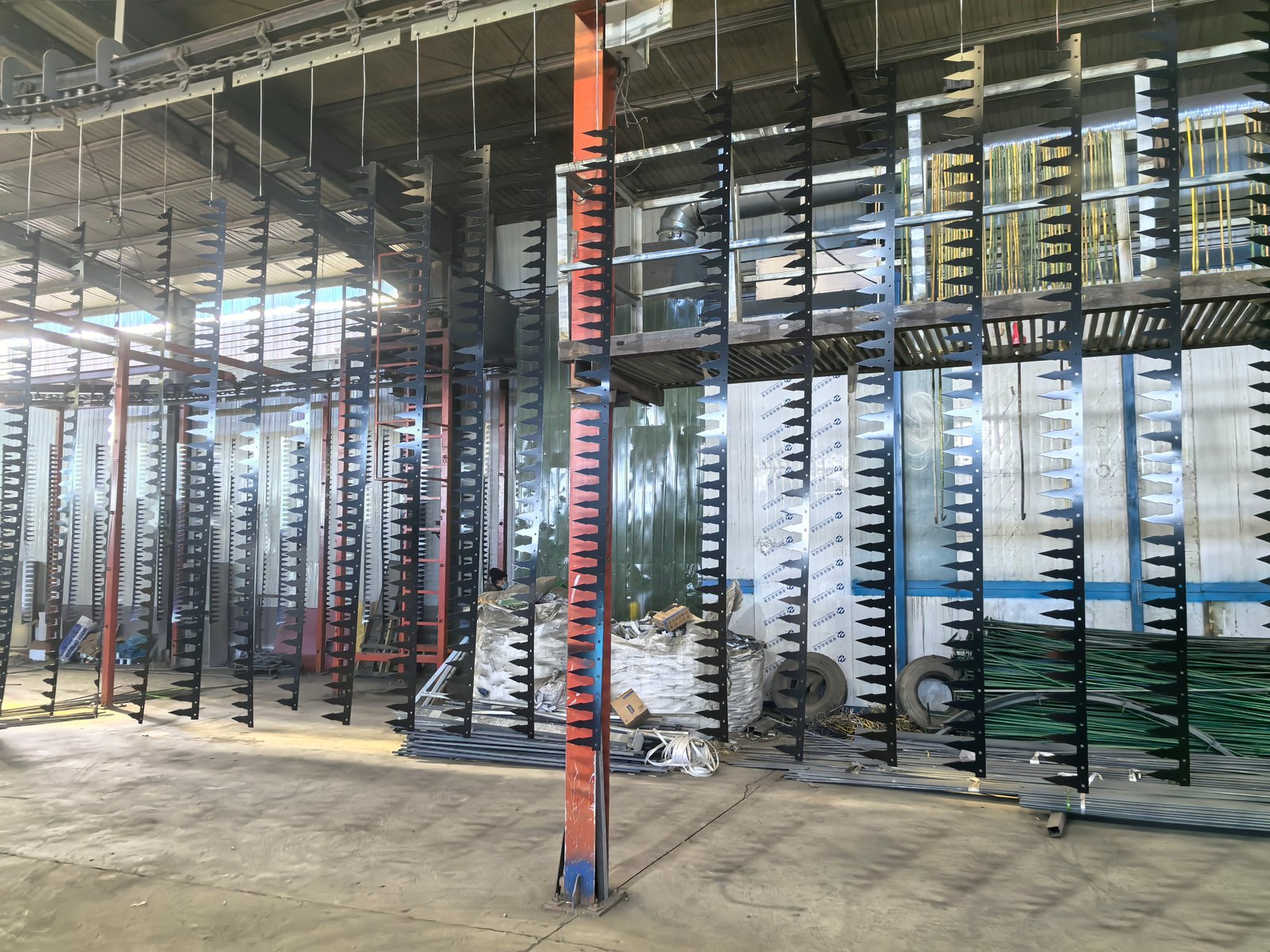
Description Wall Security Spikes: Select the Right Topping for the Existing Boundary
Wall security spikes add a visible climbing deterrent to selected masonry walls, steel fences, and suitable fixed boundaries. BMP supplies formed security strips with different tooth lengths, steel thicknesses, and protective finishes. Every project still needs a sound supporting structure and a safe installation plan.
Sharp toppings can create serious injury risks when people or animals reach them. Property owners should review access routes, local rules, and maintenance requirements before choosing a profile. The purpose is controlled perimeter protection, not indiscriminate installation.
Existing Wall Spikes families include several tooth shapes and construction methods. Their appearance alone cannot establish suitability for a specific wall. Technical drawings should identify the exact product series before manufacturing starts.
 |
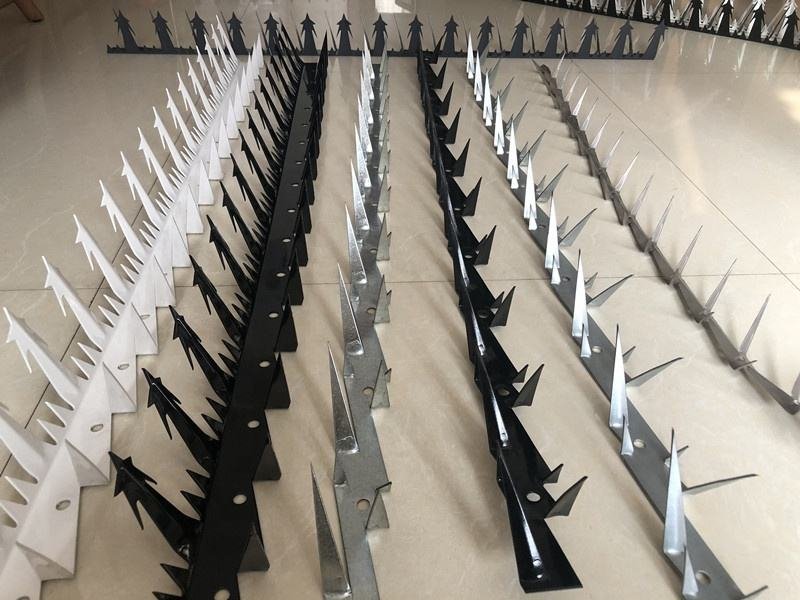 |
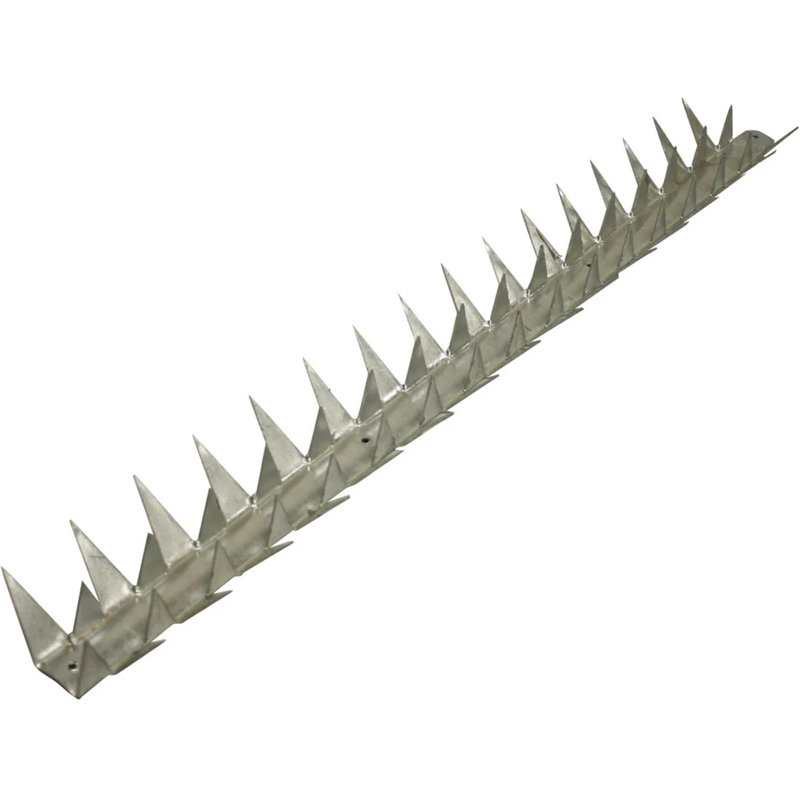
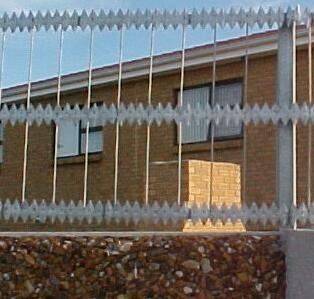
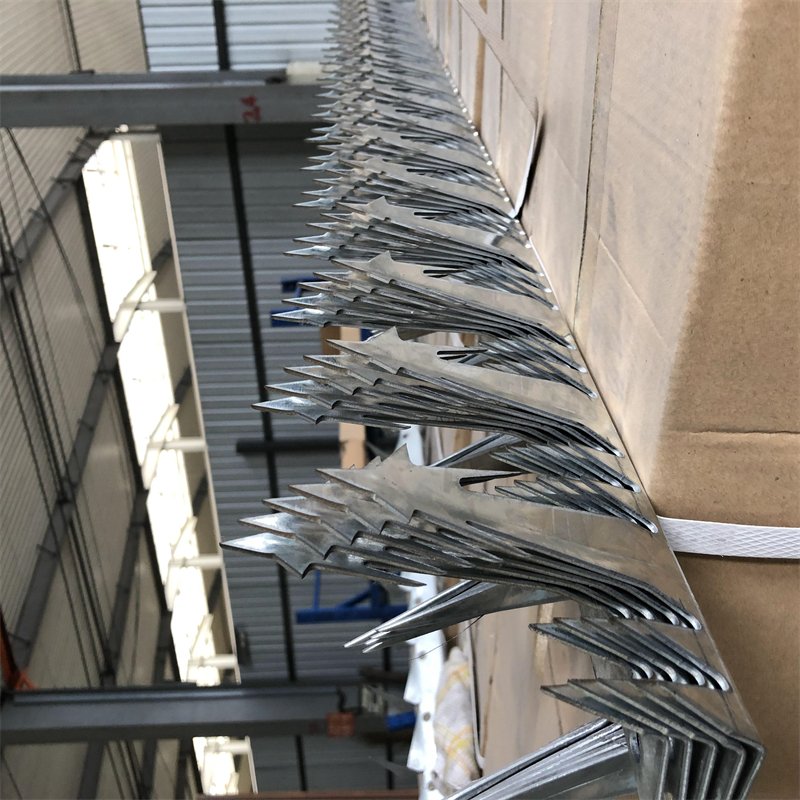
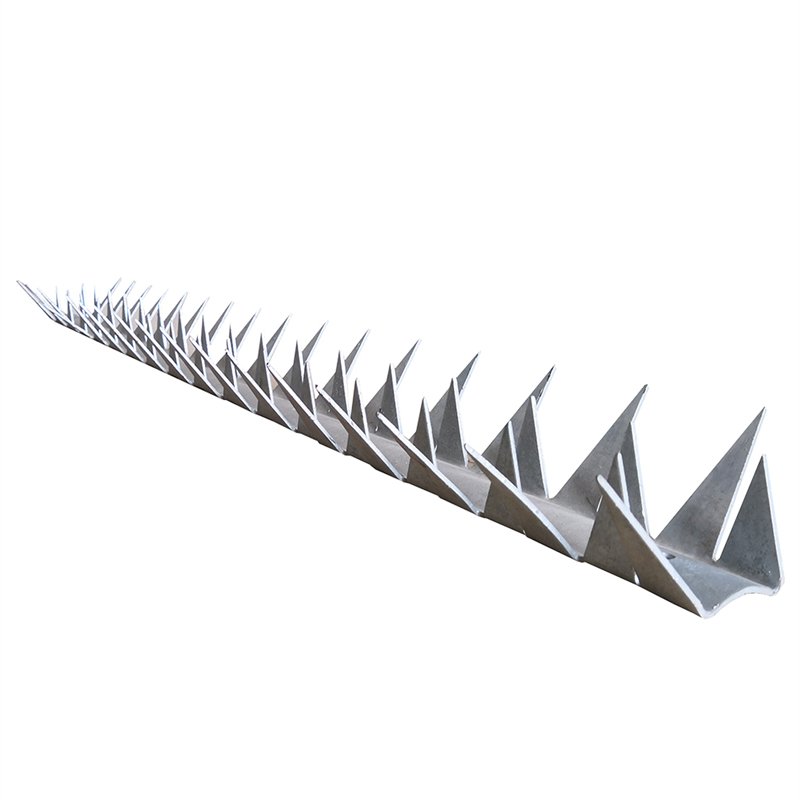
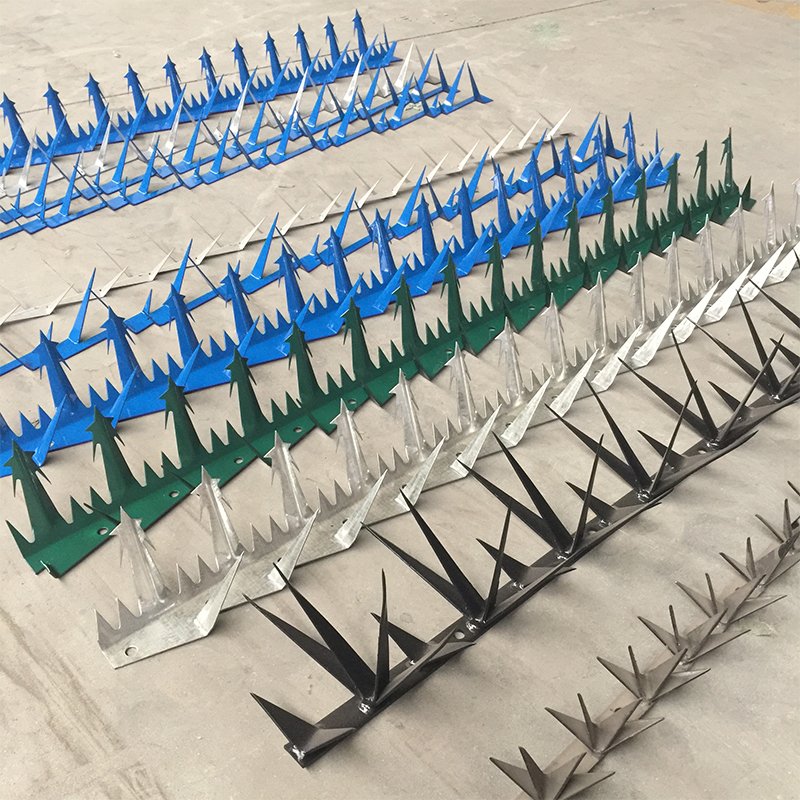
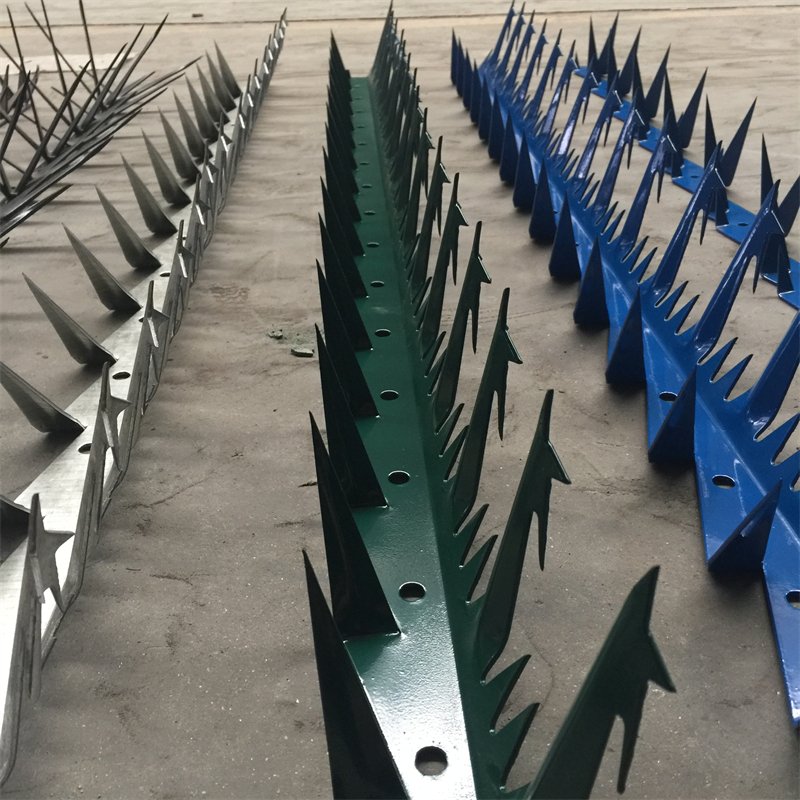
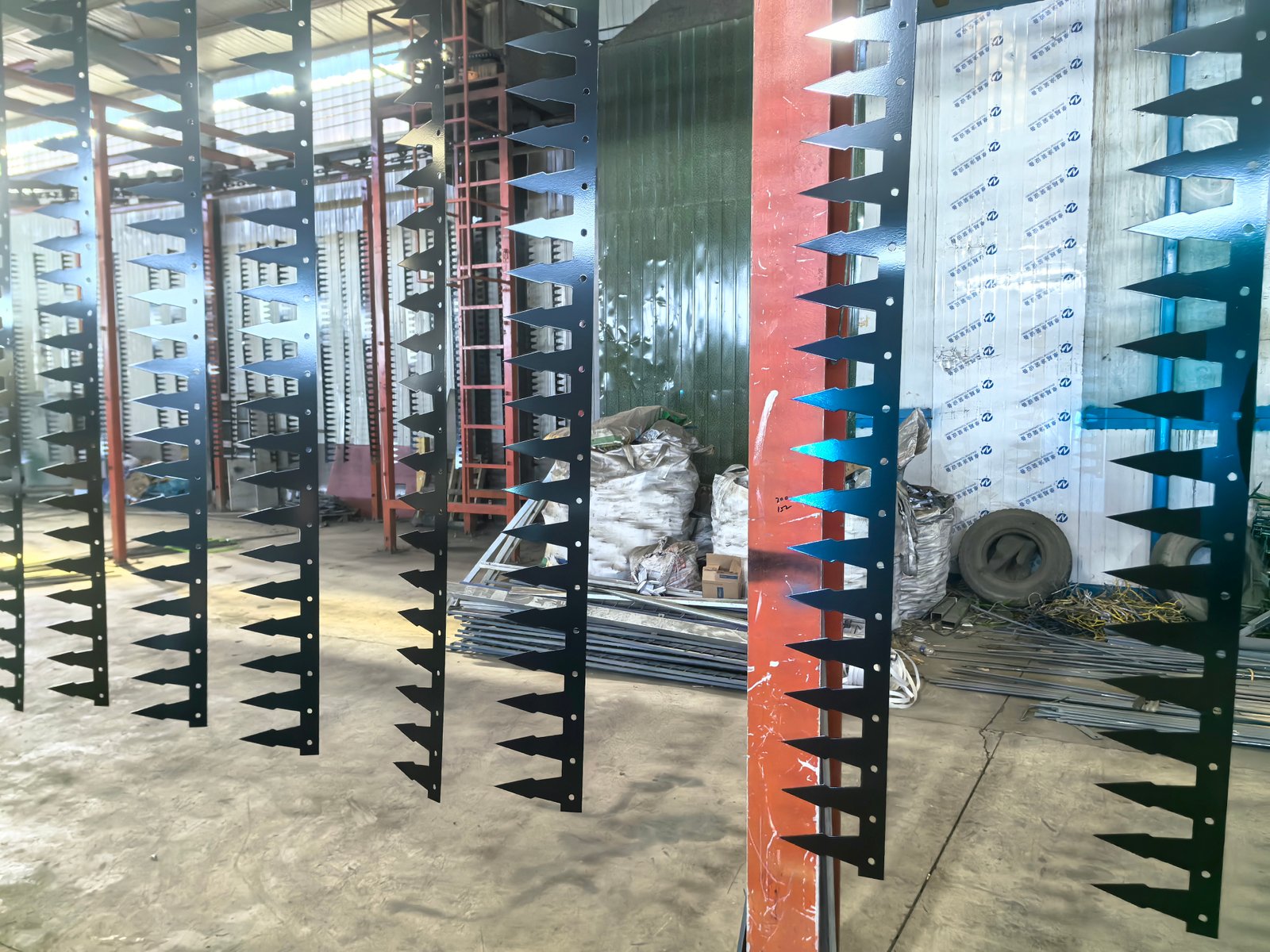
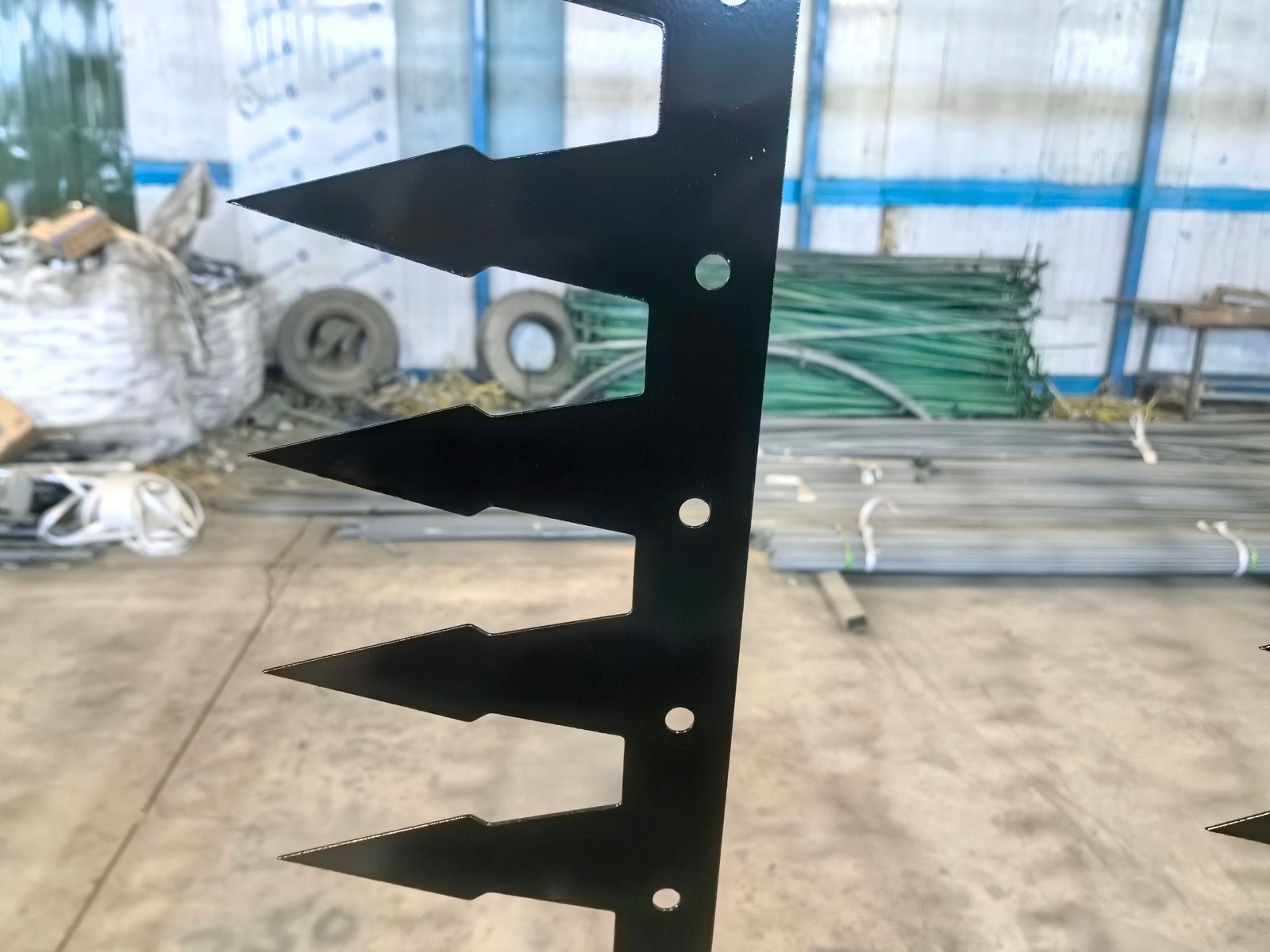
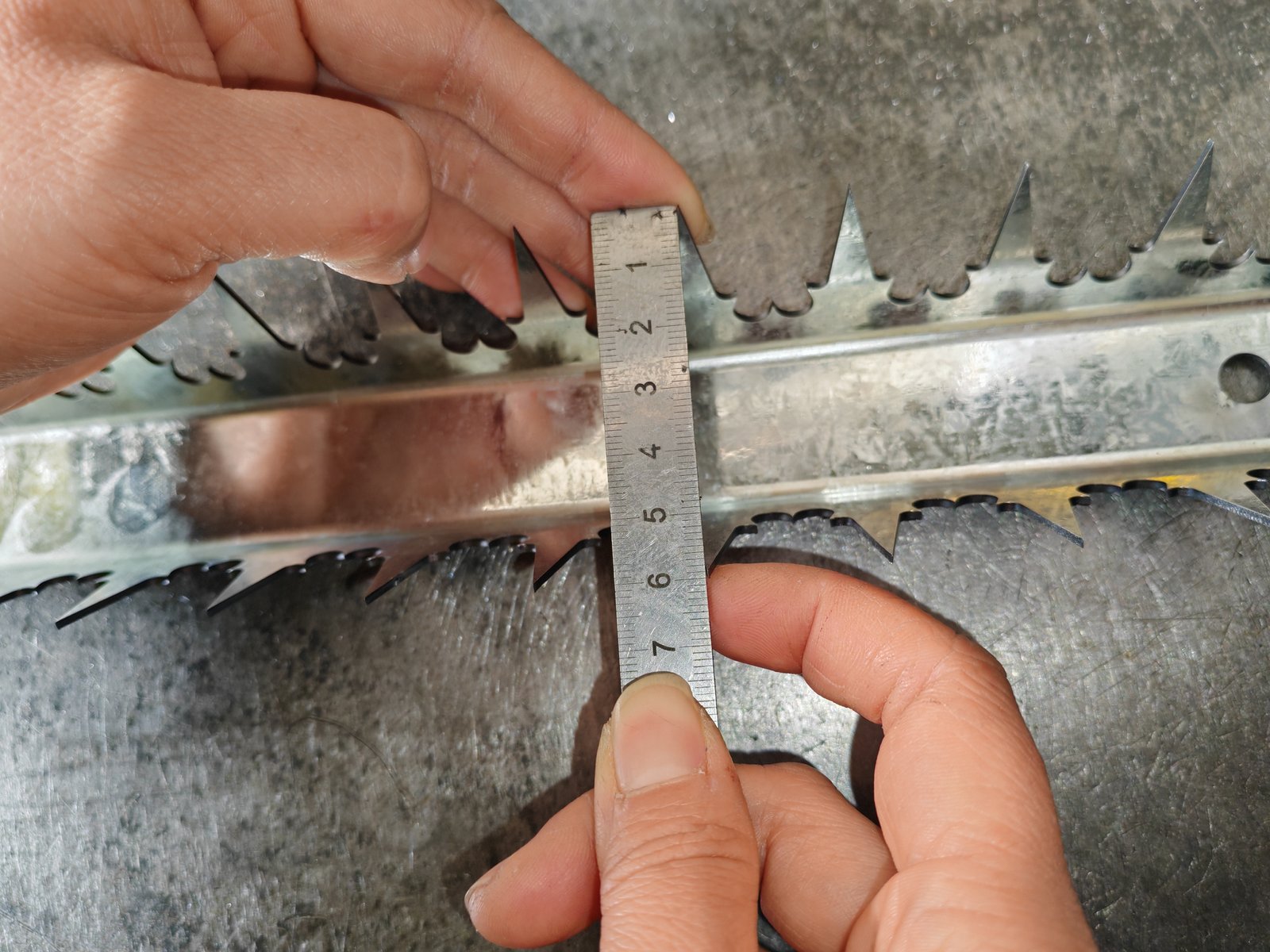
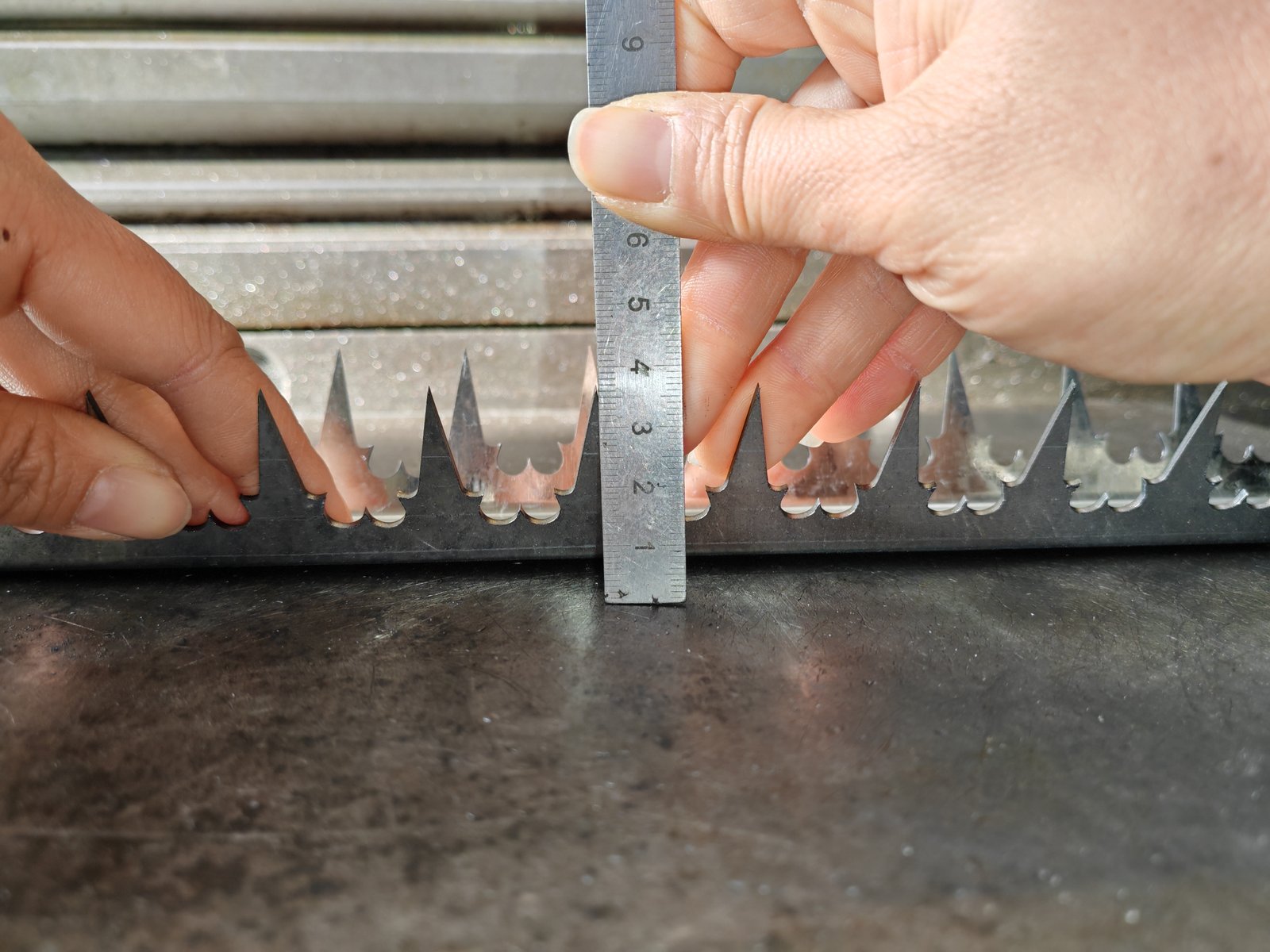
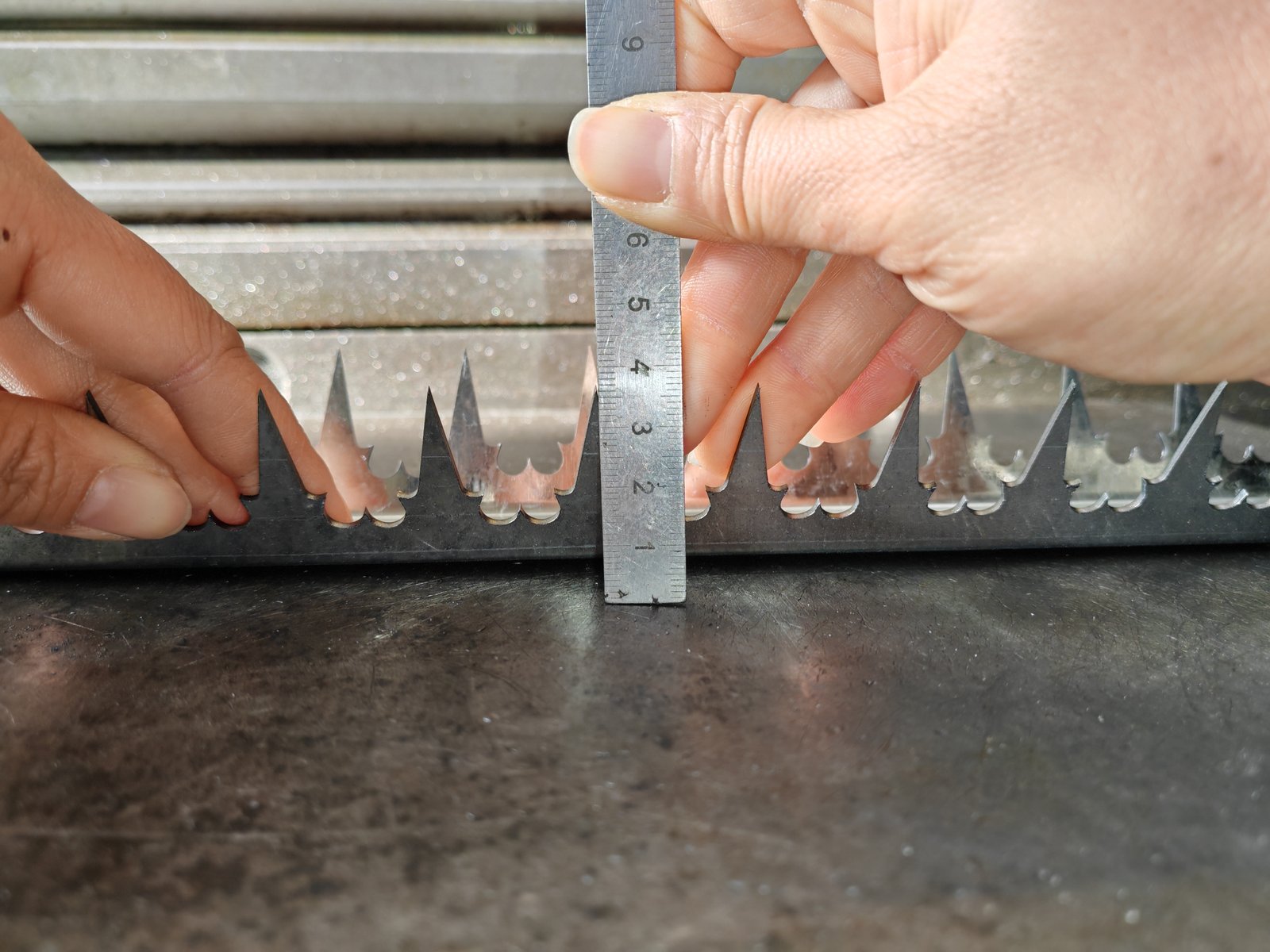
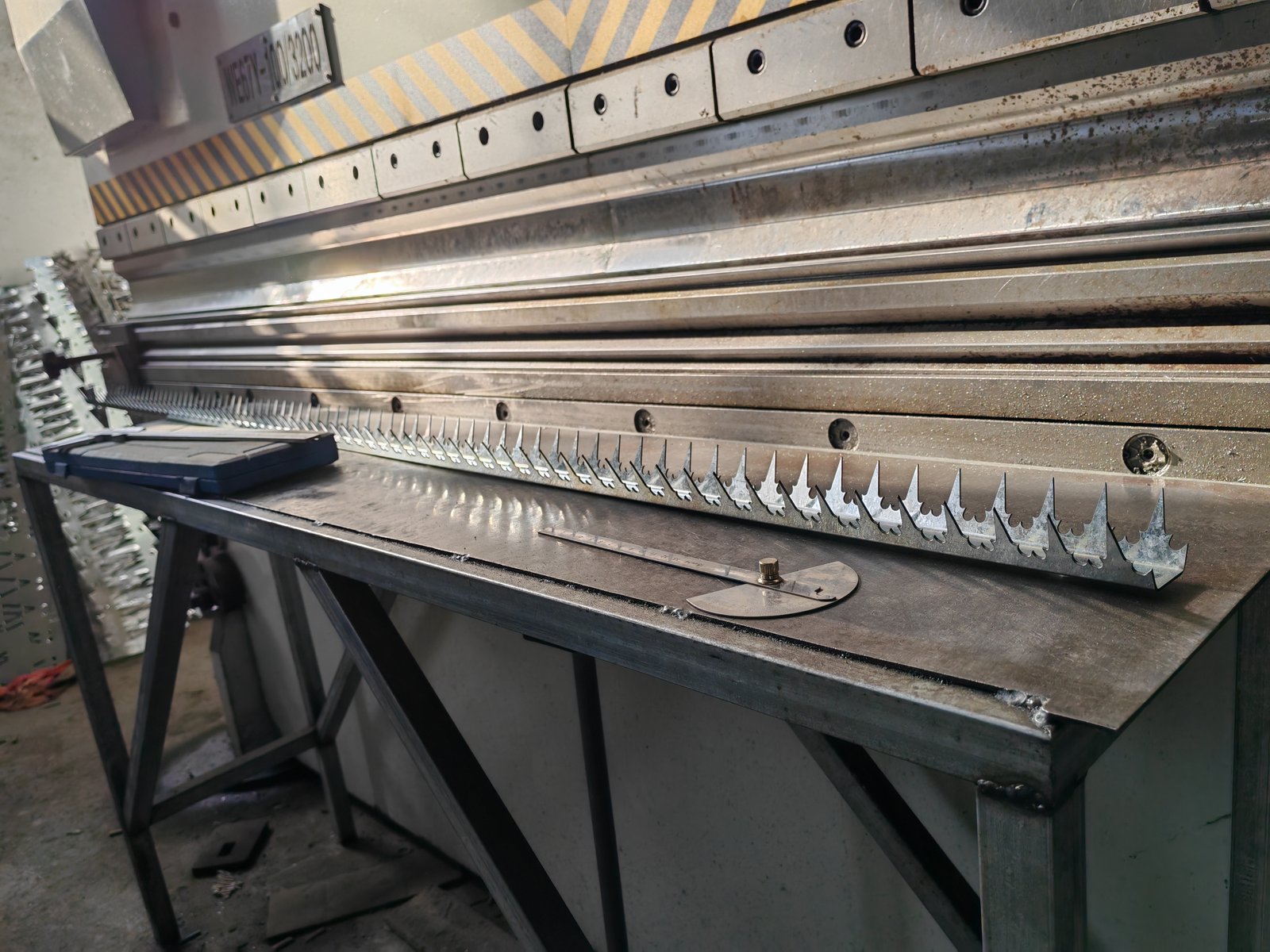
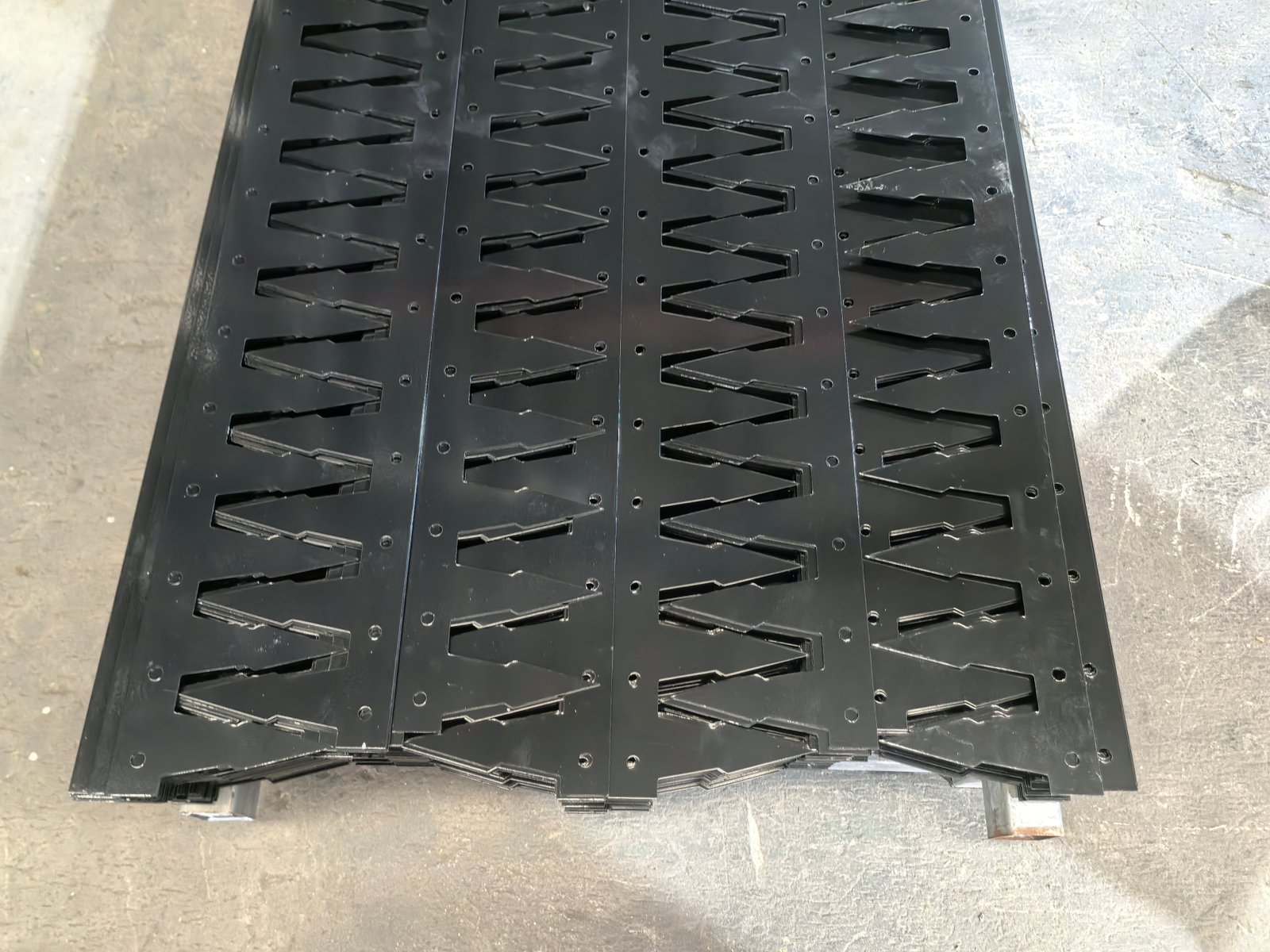
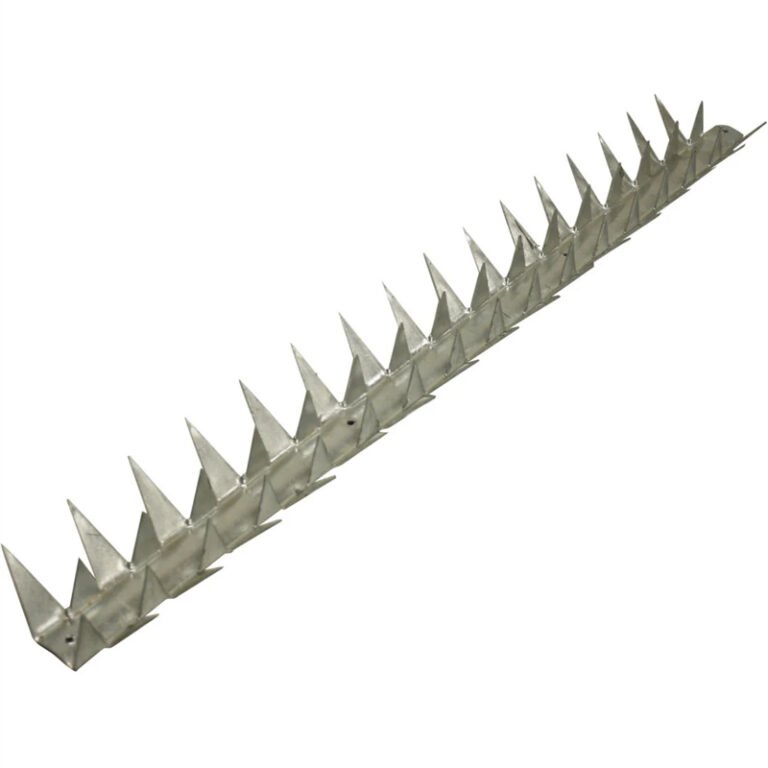
| Original BMP photo 1: compare the tooth arrangement with the proposed wall-top location. |
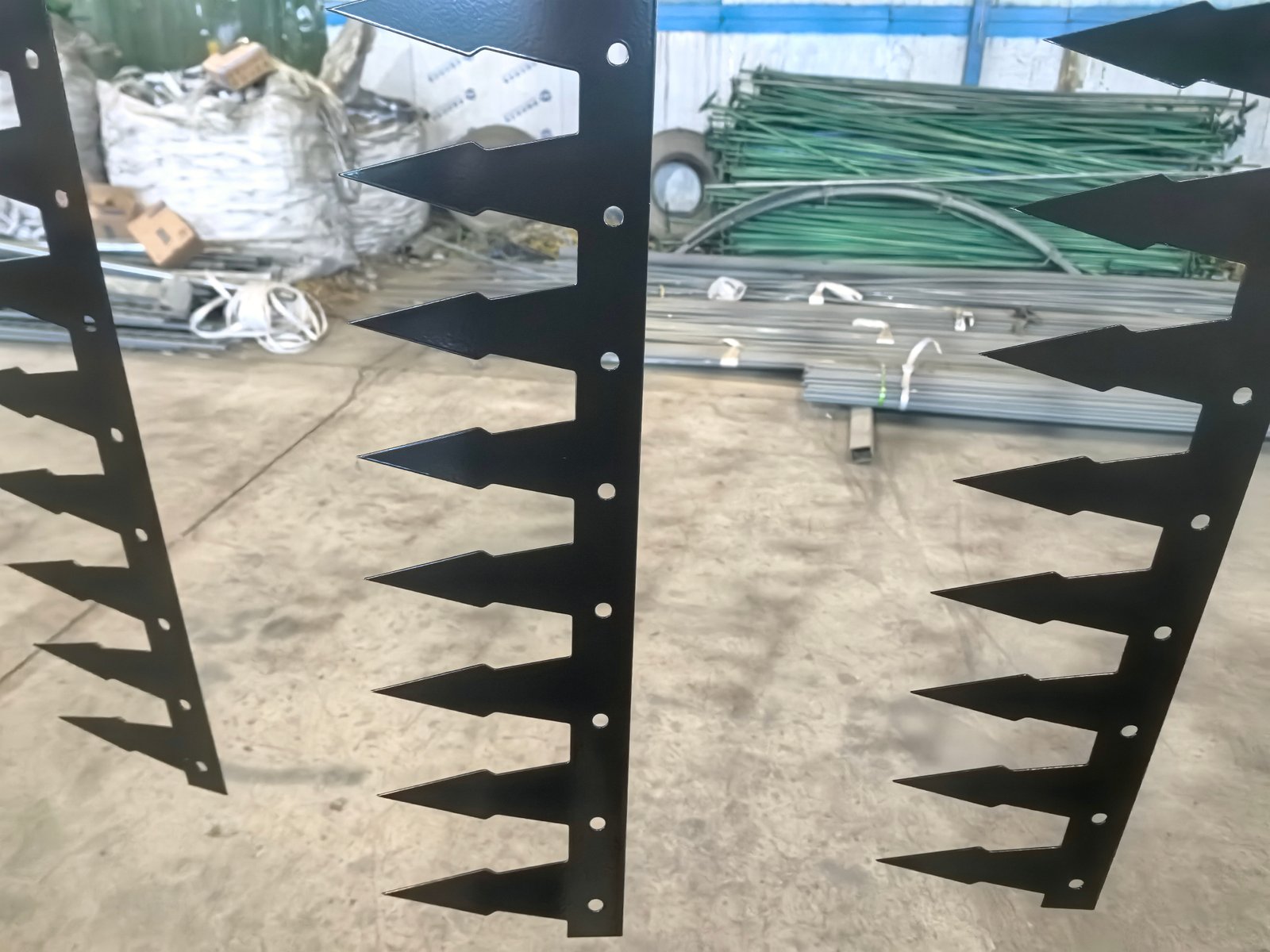
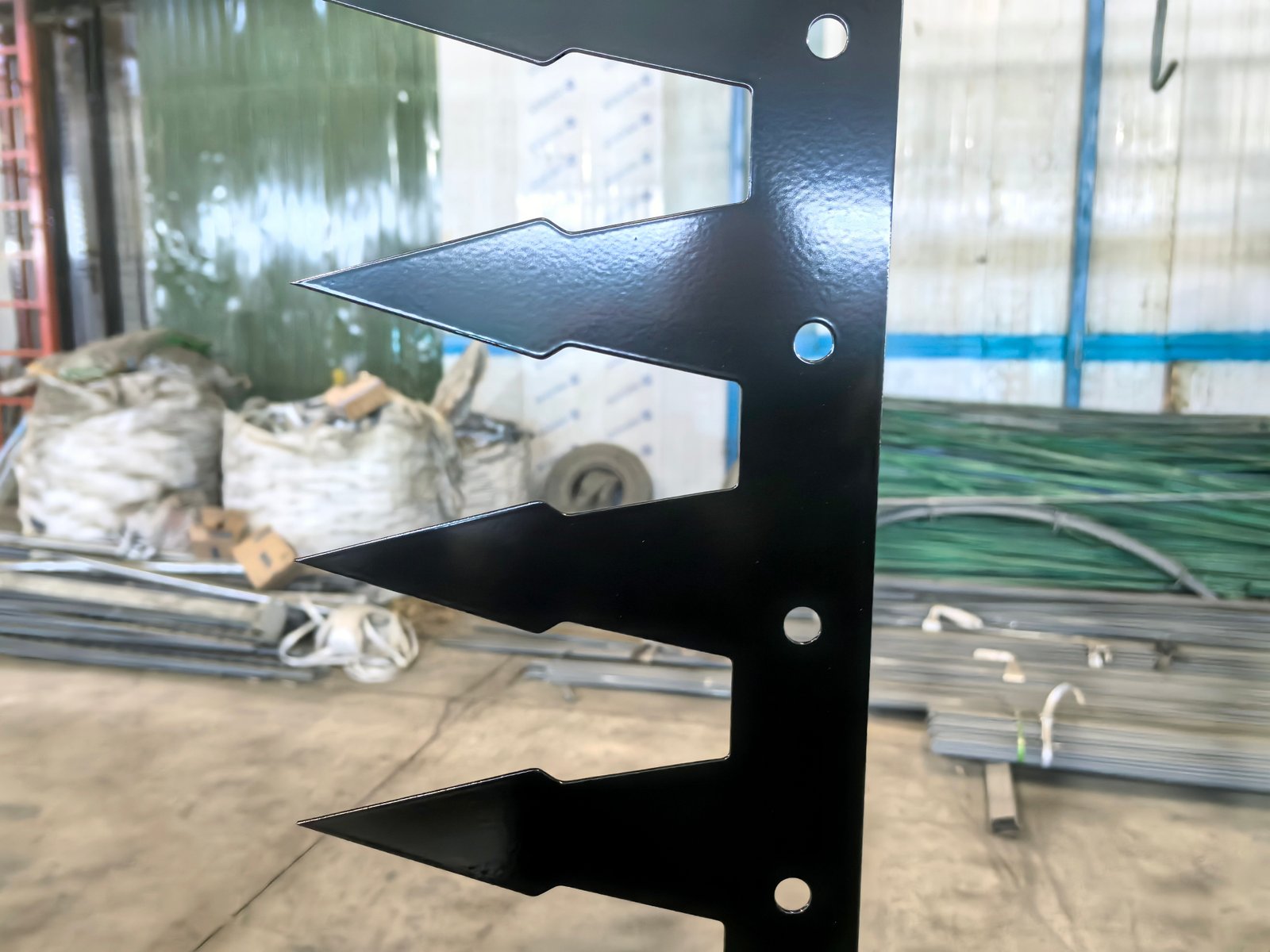
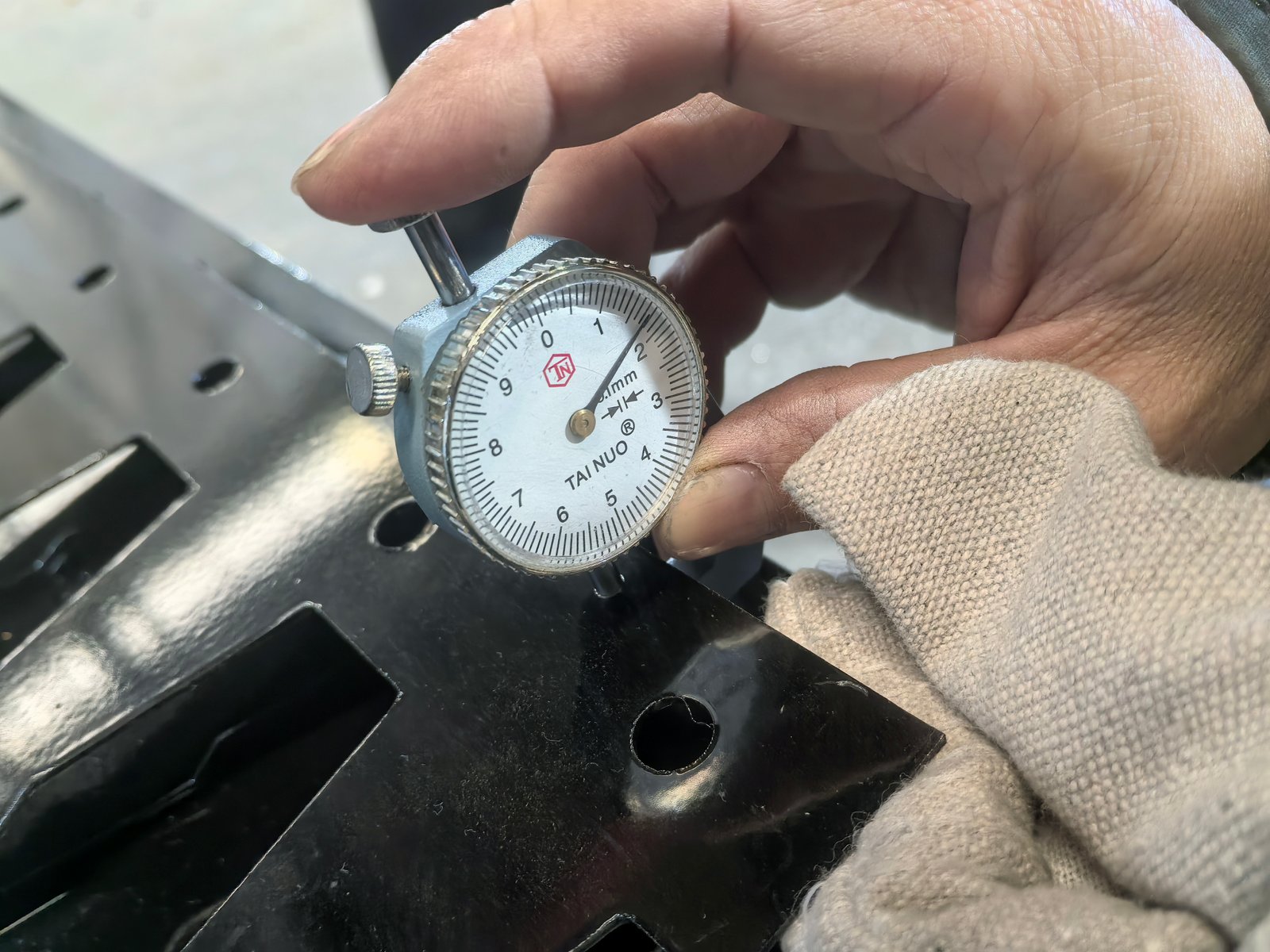
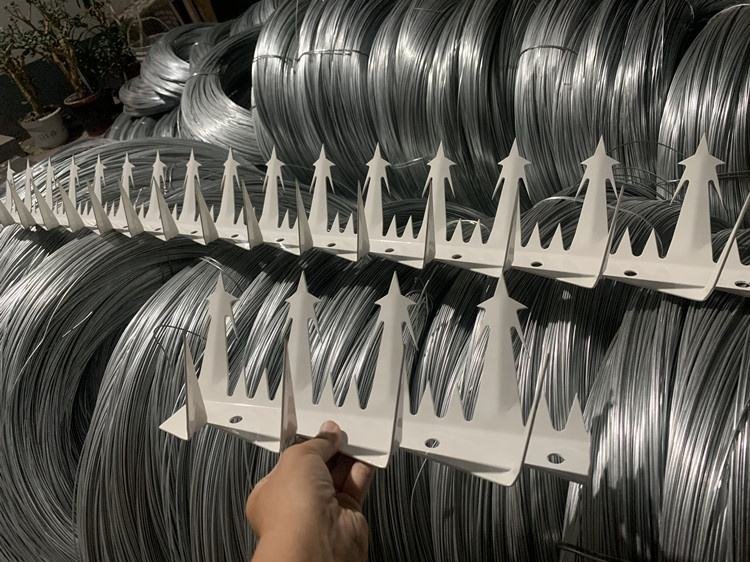
Original BMP photo 2: inspect the base strip and protective finish before selecting fixings. |
Wall Security Spikes Versus a Complete Fence Replacement
A stable boundary wall may only need improvements around exposed access points. However, cracked coping, loose masonry, or unsafe foundations require structural repairs first. New security toppings should never hide an underlying defect.
Where an open boundary better suits observation, Clear View Fence Panels offer another configuration. A mesh replacement and a wall-top accessory involve different engineering decisions. Compare the complete installation, not just individual steel parts.
Wall Security Spikes: Two Different Specification Formats
The original material contains a generic product table and a separate three-model steel-strip schedule. These tables describe different levels of detail. Their dimensions should not be combined into one imaginary standard product.
The general table includes short mounting-base references and several possible material types. By contrast, the model schedule lists continuous strips measuring one to one-and-a-half metres. Final procurement should identify which format the supplier will manufacture.
Original General Wall Security Spikes Specifications
| Source Data |
Original Description |
| Material |
Stainless steel, aluminium, or plastic |
| Spike length |
1.5–3 inches (3.8–7.6 cm) |
| Spike thickness |
0.08–0.12 inches (2–3 mm) |
| Spike spacing |
1–4 inches (2.5–10 cm) |
| Base width |
1–1.5 inches (2.5–3.8 cm) |
| Base length |
2–4 inches (5.1–10.2 cm) |
| Base thickness |
0.04–0.08 inches (1–2 mm) |
| Installation reference |
Screwed or glued to compatible walls, fences, or other surfaces |
| Weather-resistance claim |
Rust, corrosion, and UV resistance, depending on material |
| Colour options |
Silver, black, brown, or custom colours |
| Environmental option |
Recyclable material choices, subject to material verification |
| Safety option |
Rounded-tip variants or alternative safer profiles |
These generic figures are source references rather than specifications for every BMP steel strip. Adhesive mounting particularly needs a manufacturer-approved substrate and verified performance. Avoid assuming glue suits exposed heavy steel security fittings.
Wall Security Spikes: Three-Size BMP Steel Catalogue
The second source specifies small, medium, and large metal strips with precise barb dimensions. All three models list galvanized carbon steel or stainless steel plate. Their different packing quantities are especially important for export orders.
| Specification |
Small Size |
Medium Size |
Large Size |
| Material |
Galvanized carbon steel or stainless steel plate |
Galvanized carbon steel or stainless steel plate |
Galvanized carbon steel or stainless steel plate |
| Barb thickness |
1 mm |
2 mm |
2 mm |
| Barb length |
65 mm |
95 mm |
110 mm |
| Barb spacing |
70 mm |
125 mm |
78.3 mm |
| Base width |
40 mm |
45 mm |
50 mm |
| Finish |
Galvanized / PVC powder-spraying, as described in source |
Galvanized / PVC powder-spraying, as described in source |
Galvanized / PVC powder-spraying, as described in source |
| Strip lengths |
1 / 1.25 / 1.5 m |
1 / 1.25 / 1.5 m |
1 / 1.25 / 1.5 m |
| Carton quantity |
60 pieces |
60 pieces |
30 pieces |
| Original carton size |
1300 × 260 × 110 mm |
1300 × 245 × 150 mm |
1350 × 210 × 135 mm |
The original source lists identical finish terminology across the three sizes. However, PVC coating and conventional powder coating may involve different polymer chemistries. Buyers should request the actual process description and coating requirements.
Choosing Small, Medium and Large Tooth Profiles
Barb length is only one part of a useful comparison. Base width, steel thickness, tooth spacing, and mounting surface also affect the finished installation. Model selection should consider accidental contact and authorized access.
Wall Security Spikes: Small 65 mm Profile
The small model uses 1 mm plate, 65 mm barbs, and 70 mm barb spacing. Its 40 mm base needs a suitable supporting surface. This profile may fit some compact approved locations, but smaller teeth remain hazardous.
Thin plate can deform through careless handling or uneven anchorage. Inspect all strips before installation. Keep sharp parts beyond ordinary pedestrian or animal reach.
Wall Security Spikes: Medium 95 mm Profile
The medium product uses 2 mm steel, a 45 mm base, and 95 mm barbs. Its original tooth spacing measures 125 mm. That wider interval distinguishes this model from the other two catalogue sizes.
Verify the tooth geometry with an approved elevation drawing. Projection near maintenance paths needs particular attention. A stronger strip cannot compensate for weak wall coping.
Wall Security Spikes: Large 110 mm Profile
Large strips use 2 mm plate and a 50 mm mounting base. Their barb projection reaches 110 mm with approximately 78.3 mm spacing. Such conspicuous teeth require strict location and safety review.
More projection does not automatically mean a certified security grade. Structural fixings and surrounding access remain important. Avoid unapproved installation near balconies, public walkways, and vulnerable users.
Wall Security Spikes: Original BMP Photo References
The next five photographs retain the original BMP website URLs. Each image sits inside a WordPress table with descriptive text. The pictures support product inspection without replacing technical measurements.
 |
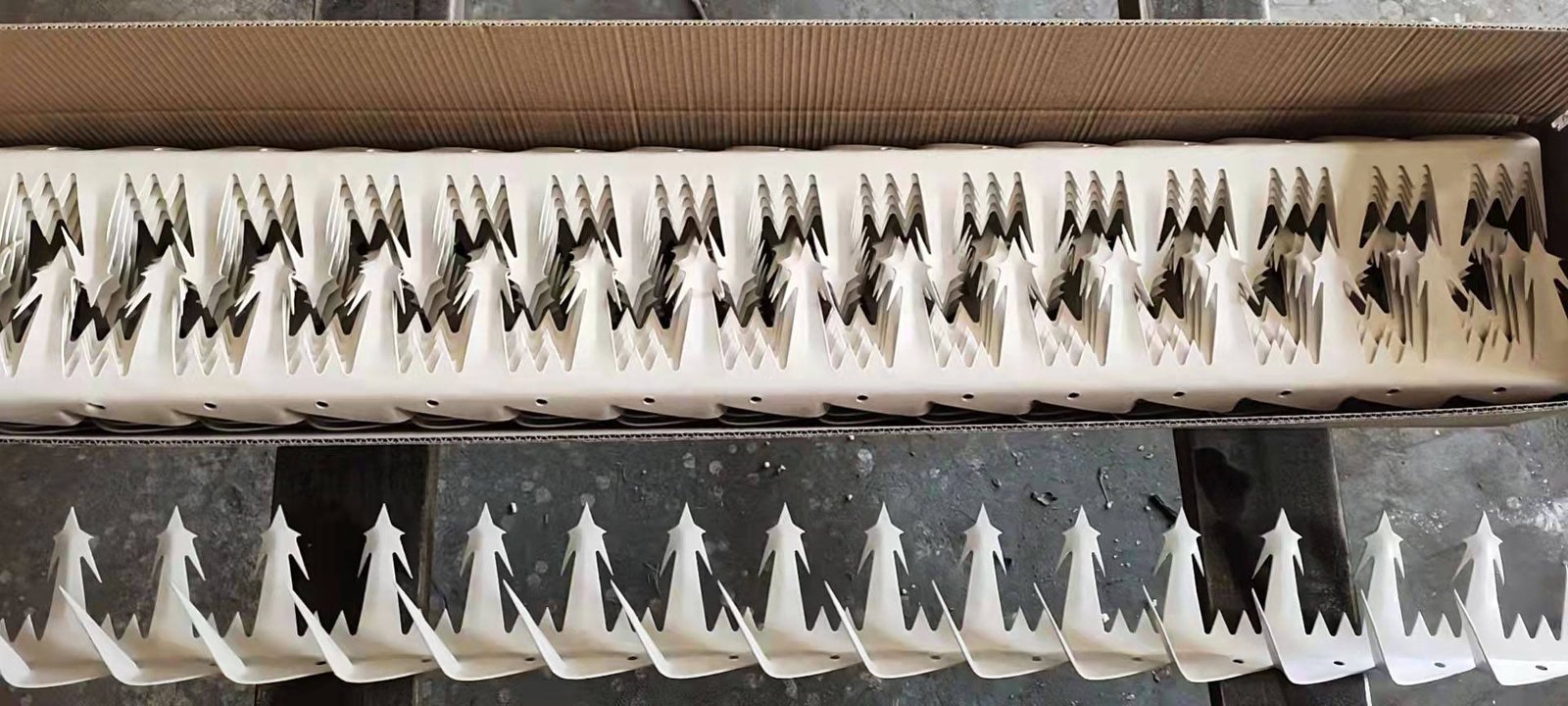 |
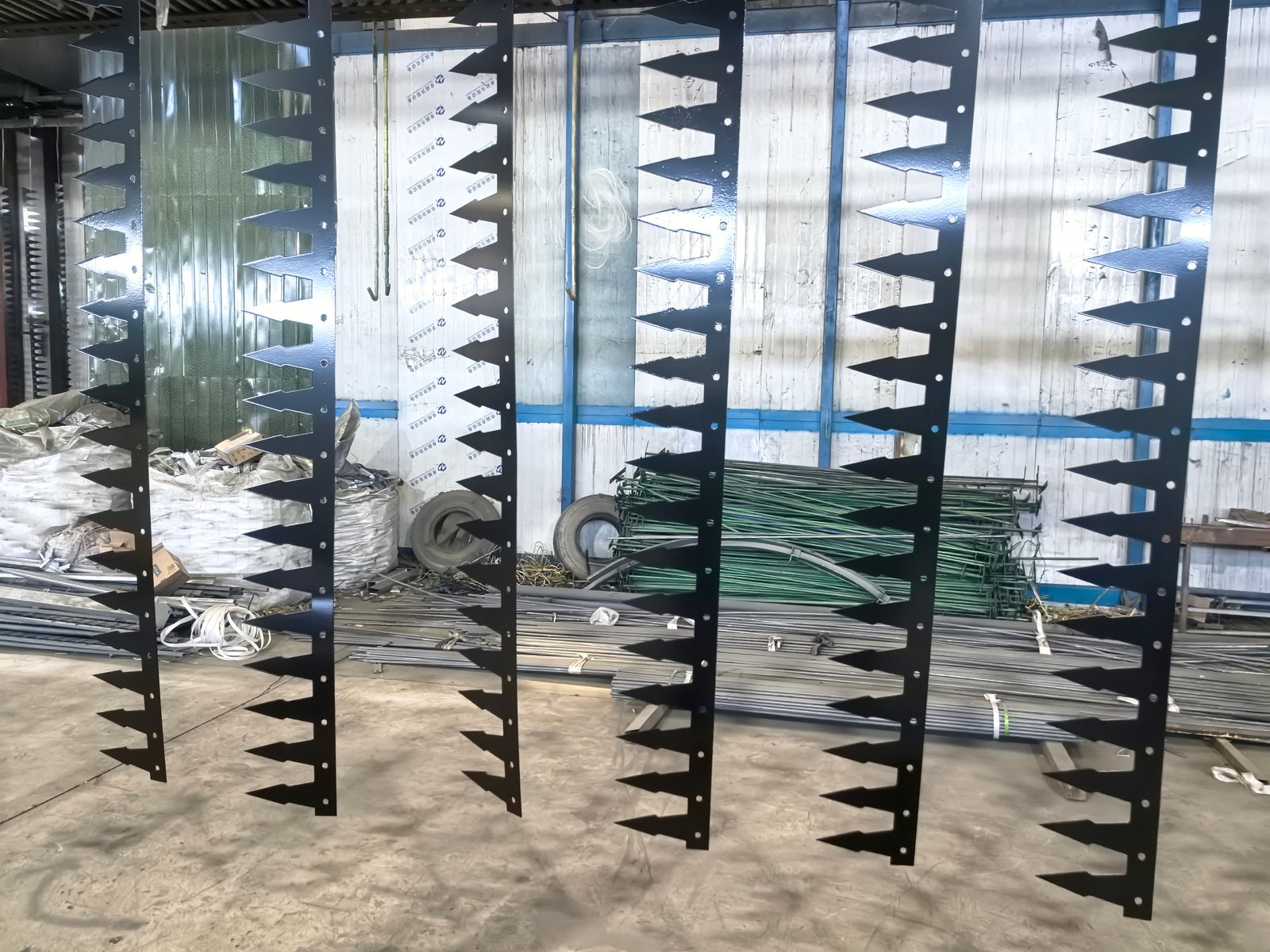
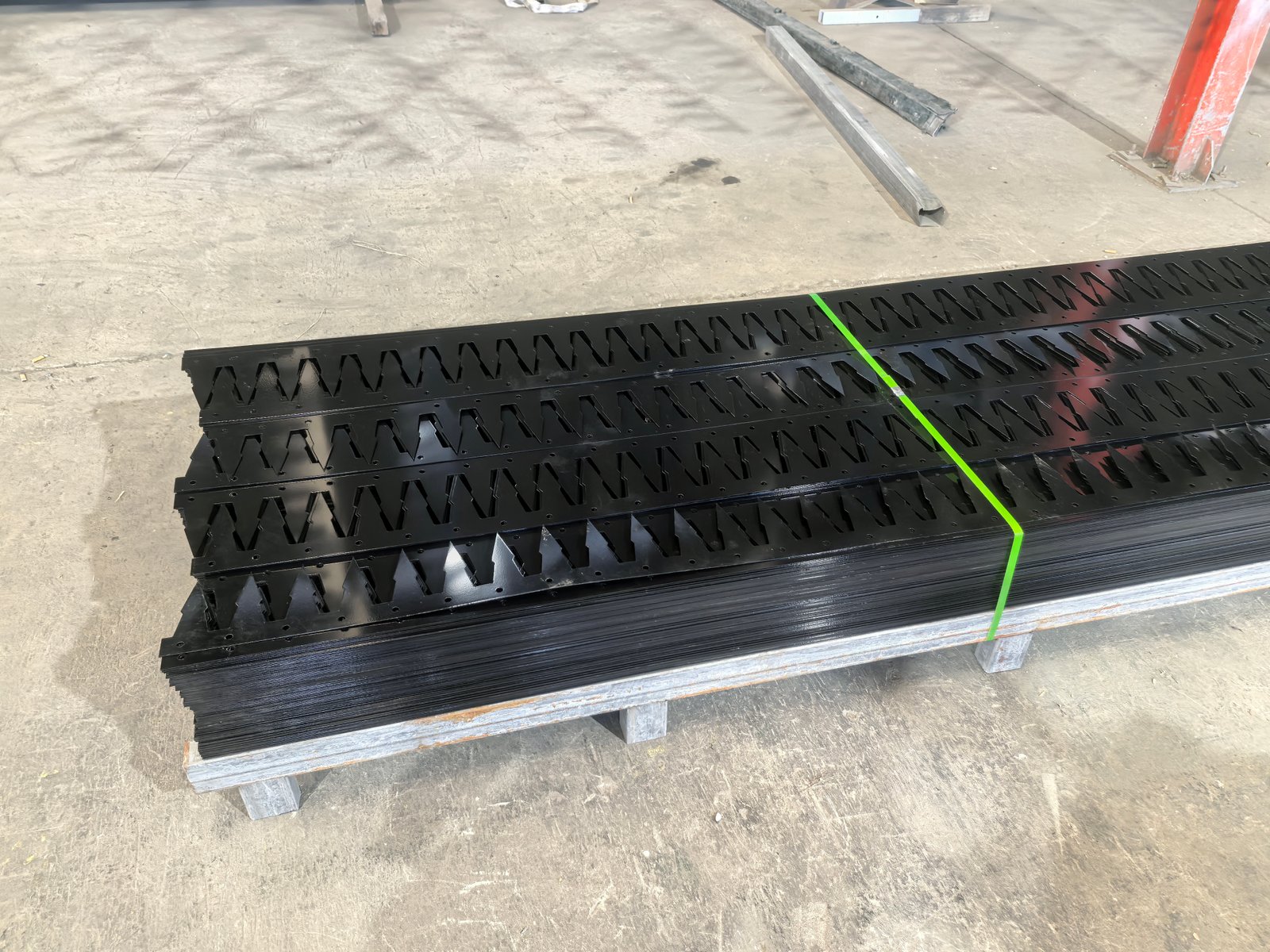
| BMP photo 3: examine visible tooth form and overall strip appearance. |
BMP photo 4: compare tooth spacing against the specified model drawing. |
 |
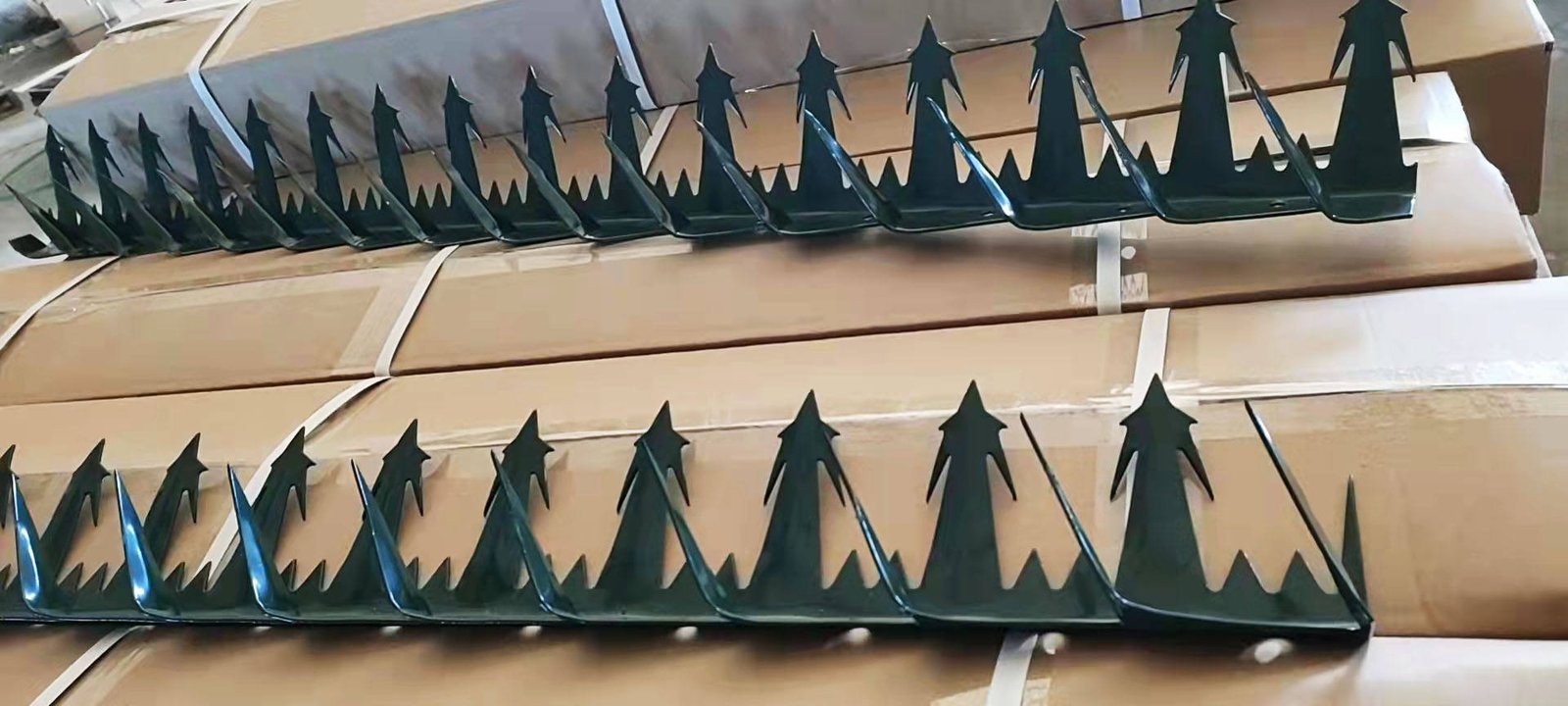 |
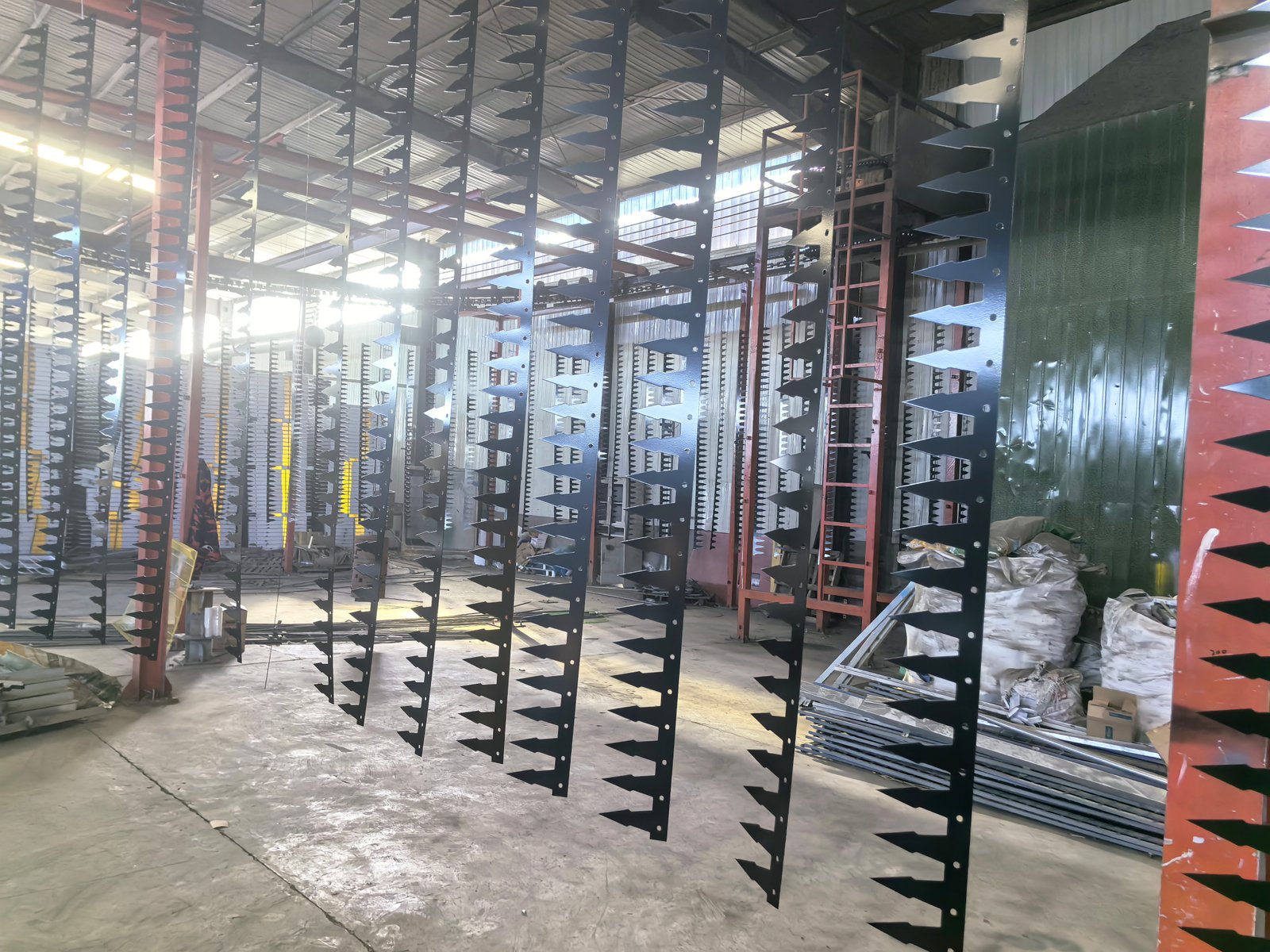
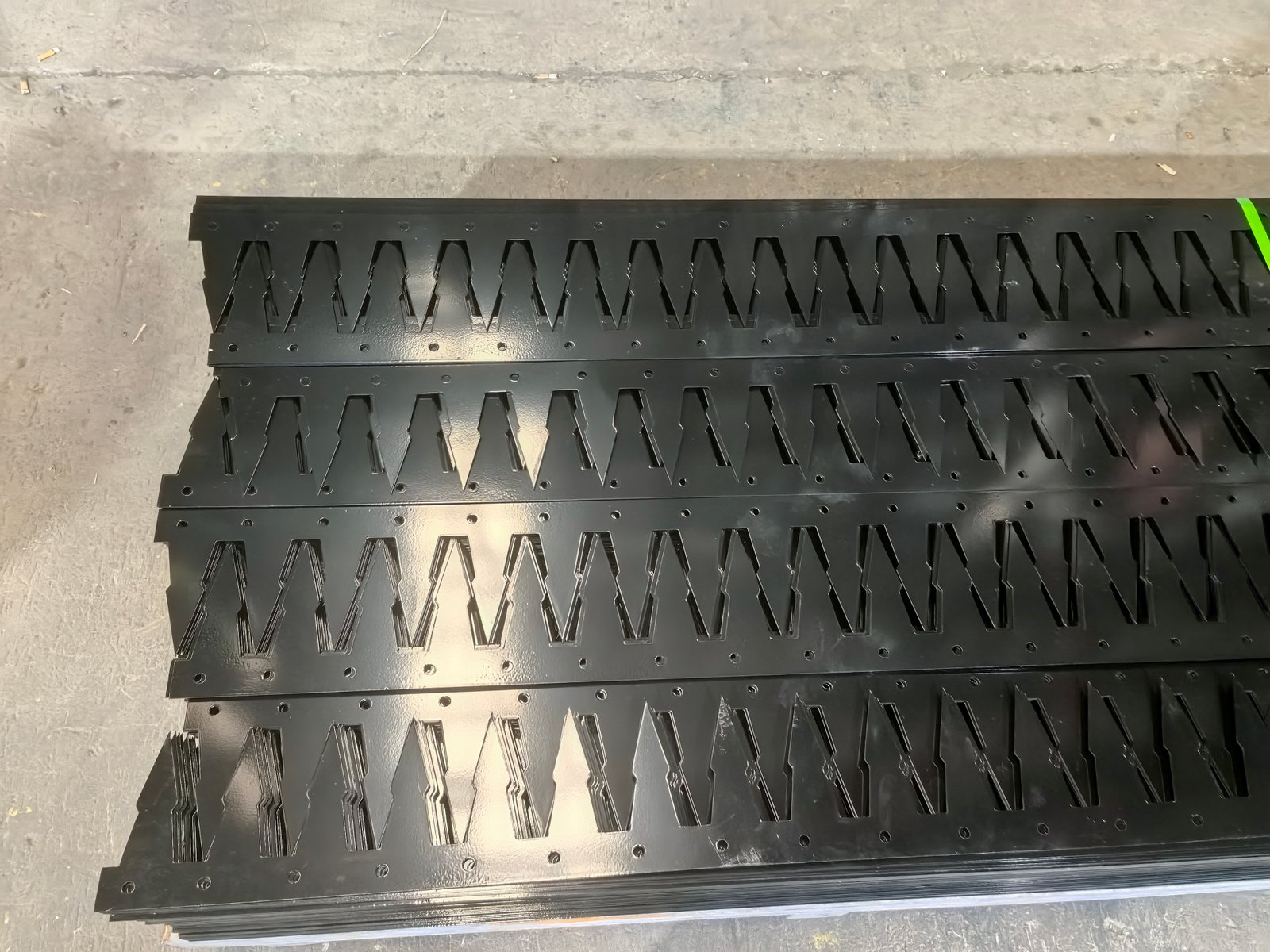
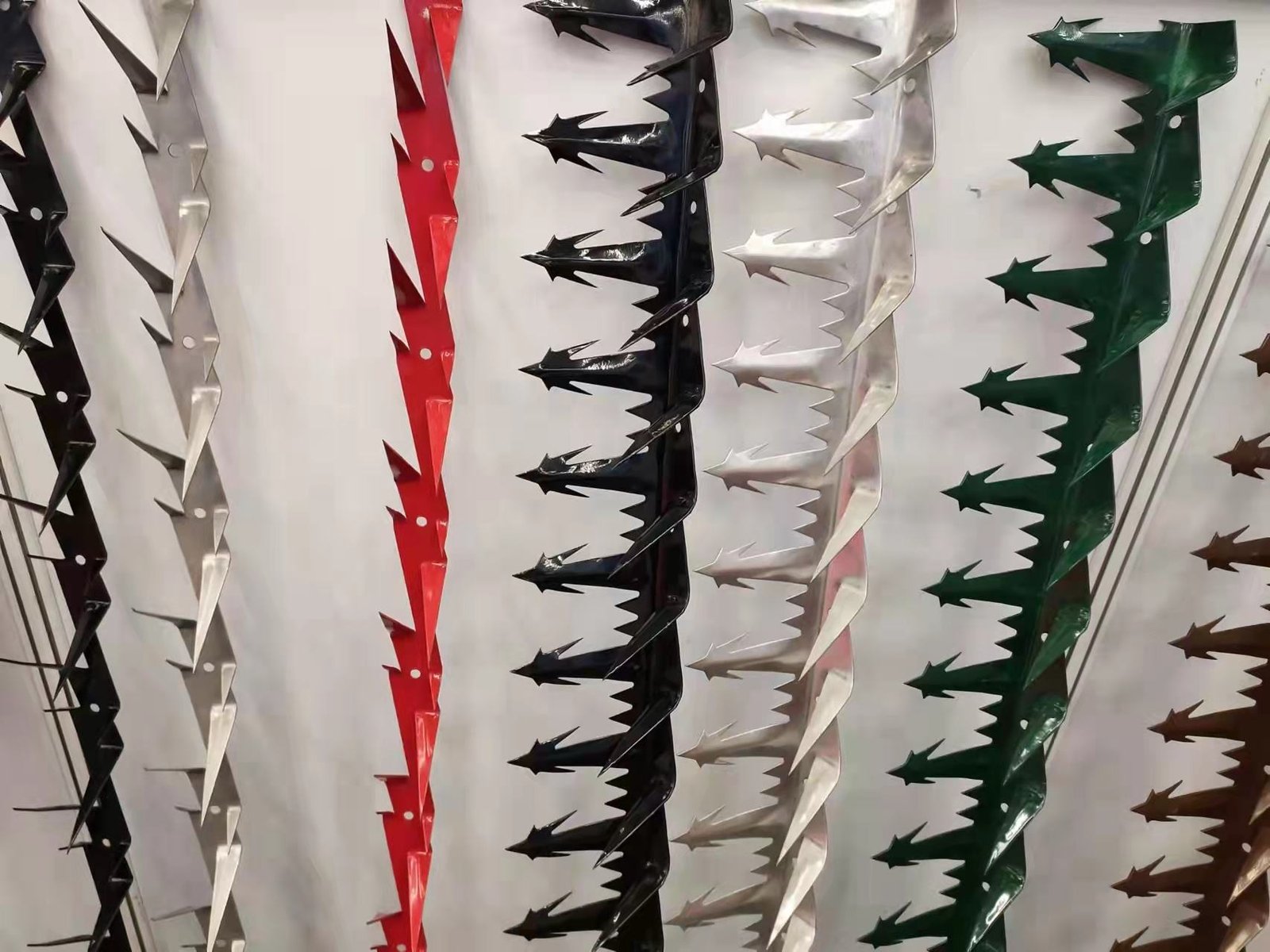
| BMP photo 5: check product form against the selected steel thickness. |
BMP photo 6: review the base edge and protective coating condition. |
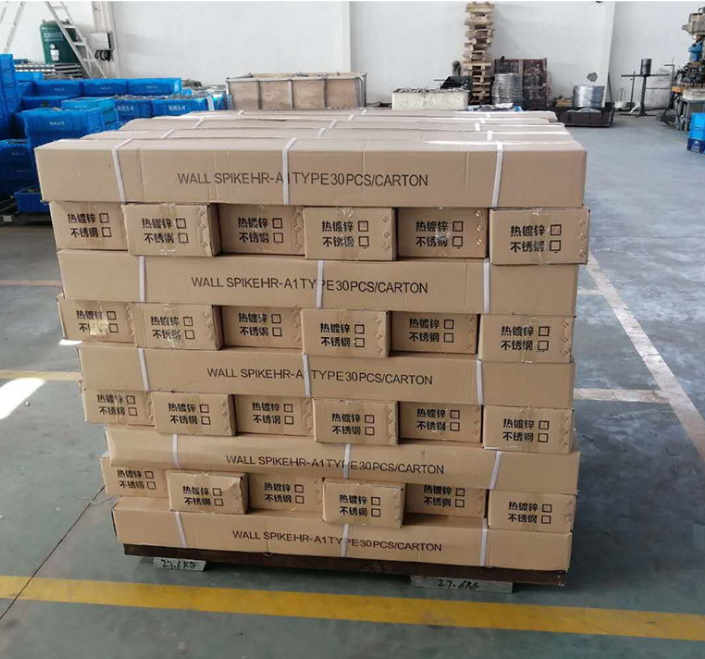 |
| BMP photo 7: retain the original technical visual and confirm details with factory drawings. |
Wall Security Spikes on Masonry, Concrete and Steel
Substrate condition controls the choice of mounting arrangement. Solid concrete, masonry coping, and steel framing use different fixings. An installer should inspect the existing boundary before drilling or altering it.
Loose bricks and deteriorating mortar may create unacceptable anchor performance. A previously painted surface can conceal cracking. Qualified assessment should identify repairs before any sharp topping goes onto the structure.
Wall Security Spikes Above Concrete Coping
Concrete coping can provide a continuous mounting platform when its structural condition permits. Edge distances and embedded reinforcement still matter. Anchor selection must follow the manufacturer's approved loading details.
Waterproofing may need protection during any authorized drilling. Damaged seals can lead to long-term moisture problems. Review the final arrangement with the building owner before work starts.
Wall Security Spikes Along Steel Fence Tops
Steel posts and top rails need adequate capacity for additional accessories. A Clear View Fence Post may require separate top connection details. Never assume a strip fits because its base appears narrow enough.
Compatible ClearVu Fence Clamps serve mesh connections, not necessarily spike-base mounting. Different fasteners may be necessary. Confirm the entire assembly rather than improvising at the site.
Gate Movement and Maintenance Access
Moving gates need safe clearance around overhead and side structures. Adding protruding teeth may create new contact hazards during operation. An approved Clear View Fence Gate plan should address such changes.
Motorized equipment also requires suitable entrapment protection and emergency access. Staff should operate gates without reaching hazardous points. Avoid treating gate toppings like ordinary fixed wall sections.
Wall Security Spikes: Legal and Public-Safety Checks
Local laws can restrict sharp projections along roads, pavements, or public spaces. South African municipalities use different provisions for boundary walls and dangerous fencing. The actual installation address determines which rules apply.
For example, Johannesburg regulates dangerous fencing along public roads. Cape Town also sets boundary-wall and security-device height provisions. Do not apply one city's requirements throughout South Africa.
Wall Security Spikes Near Pedestrians and Children
Accessible points can cause serious injuries to children, pedestrians, and maintenance workers. Schools, healthcare premises, and public parks may need non-sharp alternatives. A warning sign cannot fix an unsafe location.
Observe neighbouring land, pavement levels, and climbing routes during assessment. Sloping ground may reduce effective separation. Verify safety from both sides of the property line.
Wildlife, Pets and Humane Exclusion
Sharp spikes can harm birds, cats, and other animals. They should not become a default wildlife deterrent. Use non-injurious, purpose-designed exclusion where animal control is the main objective.
Property managers should also protect maintenance contractors from unexpected contact. Provide safe access procedures for necessary inspections. Responsible design considers normal users alongside security concerns.
Materials: Galvanized Carbon Steel, Stainless Steel and Plastics
The three-model schedule specifies galvanized carbon steel or stainless steel plates. Its separate general table also mentions aluminium and plastic products. Those material families should not share one assumed strength or corrosion rating.
Galvanized steel offers zinc protection under a documented coating process. Stainless steel requires an appropriate grade for its service environment. Plastic alternatives demand specific UV and mechanical-performance information.
Wall Security Spikes with Galvanized Finishes
Steel preparation and zinc coverage influence corrosion protection. Punching and forming can expose cut edges or damage pre-applied coatings. Inspect those areas before packing the finished strips.
Existing Spikes for Walls Security products include alternative metal configurations. Their dimensions can differ from this particular source. Obtain the current drawing for each quotation.
Wall Security Spikes with Polymer Finishes
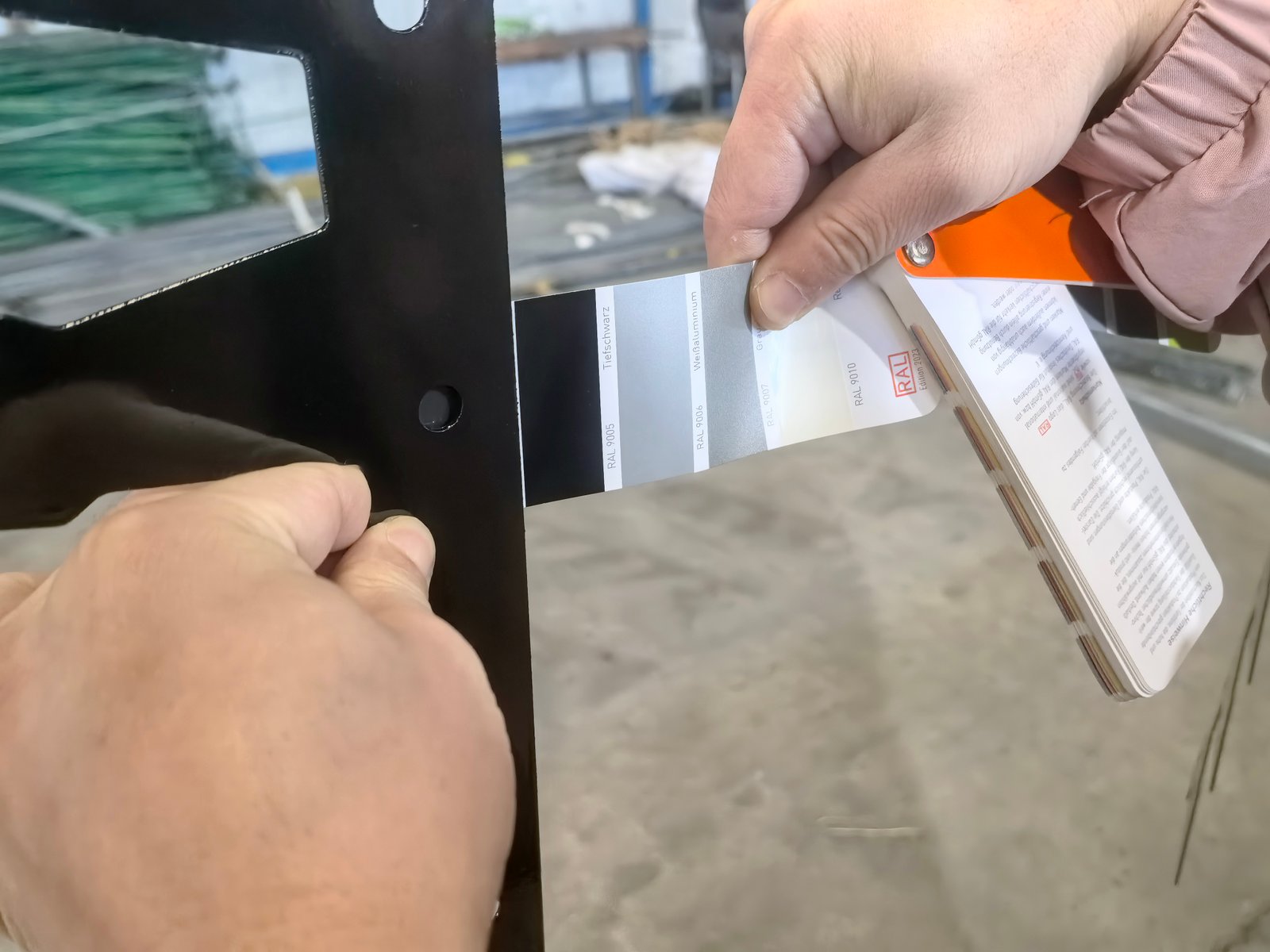
Polymer coatings can add colour and environmental resistance when their chemistry suits the metal substrate. PVC, polyester powder, and other finishes use different application processes. The original expression PVC powder-spraying needs clarification before manufacture.
Nearby Powder Coated Clear View Fence components may use another finishing specification. A matching black colour does not prove coating equivalence. Document zinc treatment and topcoat separately.
Coastal Air, Inland Dust and Maintenance
Durban coastal sites can experience salt-bearing air and frequent moisture. Scratched edges and fixing holes may require more frequent inspection there. Inland facilities face different combinations of dust, pollution, and seasonal rain.
Cleaning and protective repairs remain important in both environments. A ClearVu Fence Galvanised Epoxy Coating specification covers another protective approach. Do not transfer its technical claims to wall-spike strips automatically.
Wall Security Spikes Versus Other Security Toppings
Rigid tooth strips differ from coils, mesh extensions, and shaped picket heads. Each design brings distinct injury risks and structural requirements. Buyers should evaluate the complete boundary instead of selecting products by appearance.
Flexible Razor Wire uses a different support arrangement from a rigid strip. A close-aperture 358 Mesh Fence may already limit easy gripping. Additional toppings should follow the site's security and safety assessment.
Wall Security Spikes and Secure Mesh Systems
Some restricted facilities use High Security ClearVu Fencing with approved integrated accessories. Those systems require coordinated posts, fixings, and gate details. Retrofit spikes should never replace a mandated certified assembly without authorization.
Australian Corromesh uses another close welded-mesh approach. By contrast, Garrison Security Fencing uses tubular pickets and rails. Their original top profiles differ from separate wall strips.
Temporary Worksites Require Different Barriers
Construction zones may rely on Temporary Construction Fencing for portable separation. Sharp fixed toppings are generally unsuitable for casual attachment to movable panels. Temporary equipment needs its own stability and safety approval.
Pedestrian routes must remain clear through every construction phase. Site managers should consider visibility, emergency egress, and public contact. Permanent security upgrades can follow after suitable structural completion.
Wall Security Spikes Carton Dimensions and Export Packing
The supplied model table gives exact carton dimensions for all three sizes. Small and medium models each list sixty strips per carton. Large models list thirty, reflecting a different packing arrangement.
| Model |
Pieces per Carton |
Carton Dimensions |
Checks Before Shipping |
| Small |
60 |
1300 × 260 × 110 mm |
Protect thin plate and sharp tips |
| Medium |
60 |
1300 × 245 × 150 mm |
Confirm tooth arrangement and strip length |
| Large |
30 |
1350 × 210 × 135 mm |
Check projection clearance and secure dividers |
These dimensions come directly from the source, not a fresh packing inspection. They may reflect a particular strip length or carton revision. Confirm actual weights and dimensions before shipping.
Wall Security Spikes: Estimating a Wall-Top Run
Measure usable wall-top length after accounting for entrances, piers, and interruptions. A straight 30 m run needs thirty 1 m strips before allowances. Alternatively, twenty 1.5 m strips provide the same nominal coverage.
Exact piece counts depend on joint design and approved terminations. Corner layouts may require different components. Avoid estimating purchase quantities from property perimeter alone.
Handling and Inspection Before Dispatch
Shipping staff need protective equipment and safe packaging procedures for sharp products. Separators can reduce coating scratches and unintended contact between teeth. Clear carton labels should identify the exact size.
Inspect base width, barb length, spacing, steel thickness, and finishing against signed drawings. Final packing records must match actual carton counts. Freight details should describe the complete cargo.
Choosing Wall Security Spikes for a Commercial Project
Industrial sites may need more than a wall-top deterrent. Lighting, surveillance, controlled gates, and response procedures still matter. No sharp strip guarantees the prevention of intrusion.
Owners should compare the cost and safety of several perimeter upgrades. The Wall Spikes catalogue presents other product sizes. Keep those alternative dimensions separate from this three-model schedule.
Wall Security Spikes Procurement Checklist
- Confirm the permitted installation height and the actual boundary location.
- Inspect wall condition, coping dimensions, and suitable fixing surfaces.
- Choose the exact small, medium, or large model drawing.
- State barb length, spacing, strip thickness, and base width.
- Identify the steel grade, zinc treatment, and polymer finish.
- Review public safety, wildlife hazards, and maintenance access.
- Confirm carton quantity, dimensions, handling precautions, and freight scope.
- Approve sample measurements before manufacturing the full order.
Wall Security Spikes: Frequently Asked Questions
Can Wall Security Spikes Fit Every Existing Wall?
No. Structural condition, surface width, and local approval influence suitability. A weak coping cannot safely support arbitrary new fixtures. Obtain a suitable mounting design before installation.
Are Adhesives Suitable for Steel Wall Spikes?
The original general table mentions glue alongside screws. However, suitability depends on the selected adhesive, substrate, and verified loading requirements. Never assume universal adhesive compatibility.
How Do the Three Catalogue Models Differ?
Small strips have 65 mm barbs, while medium strips have 95 mm teeth. Large strips use 110 mm projections. Base widths and carton quantities also differ.
Can Wall Security Spikes Serve as Animal Deterrents?
Sharp steel teeth can injure animals and are not automatically humane. Wildlife management needs suitable non-injurious measures. Seek specific advice for the animals and setting involved.
Does the BMP ClearVu Warranty Include Wall Security Spikes?
BMP offers a 15-year manufacturer warranty for applicable ClearVu and Clearview products under written terms. Separate spike accessories need their own confirmed warranty conditions. Do not assume automatic coverage.
Wall Security Spikes from BMP: Order Against One Approved Drawing
Boss Metal and Plastic Co., Ltd. supplies security toppings alongside welded fencing, posts, clamps, and gates. A precise order should identify the model, substrate, coating, strip quantity, and safe location. Written approvals reduce avoidable production and installation errors.
Related Razor Spikes may use different product naming or dimensions. Confirm which strip the project actually requires. Send the approved drawings and shipping destination for a coordinated commercial quotation.