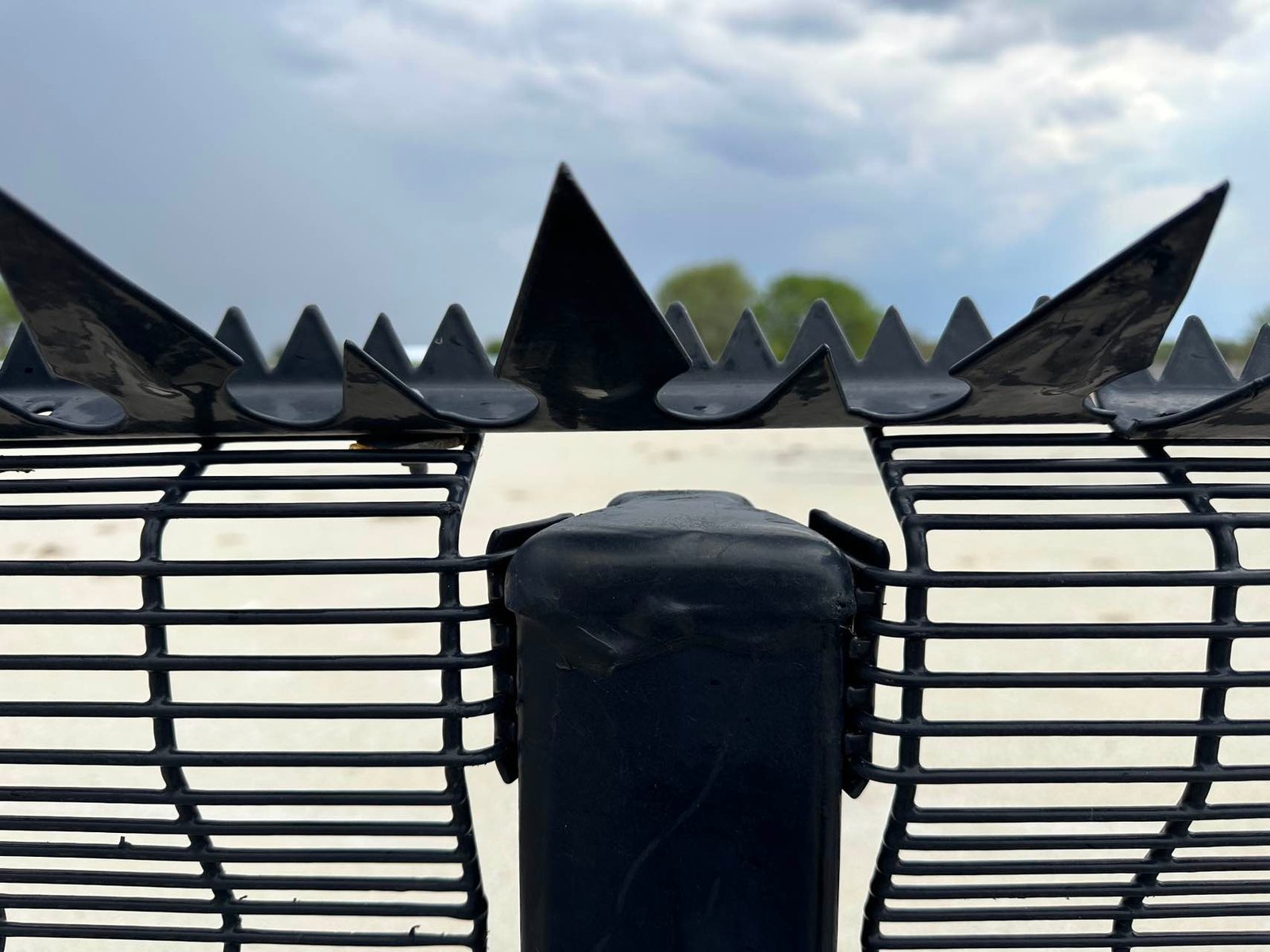
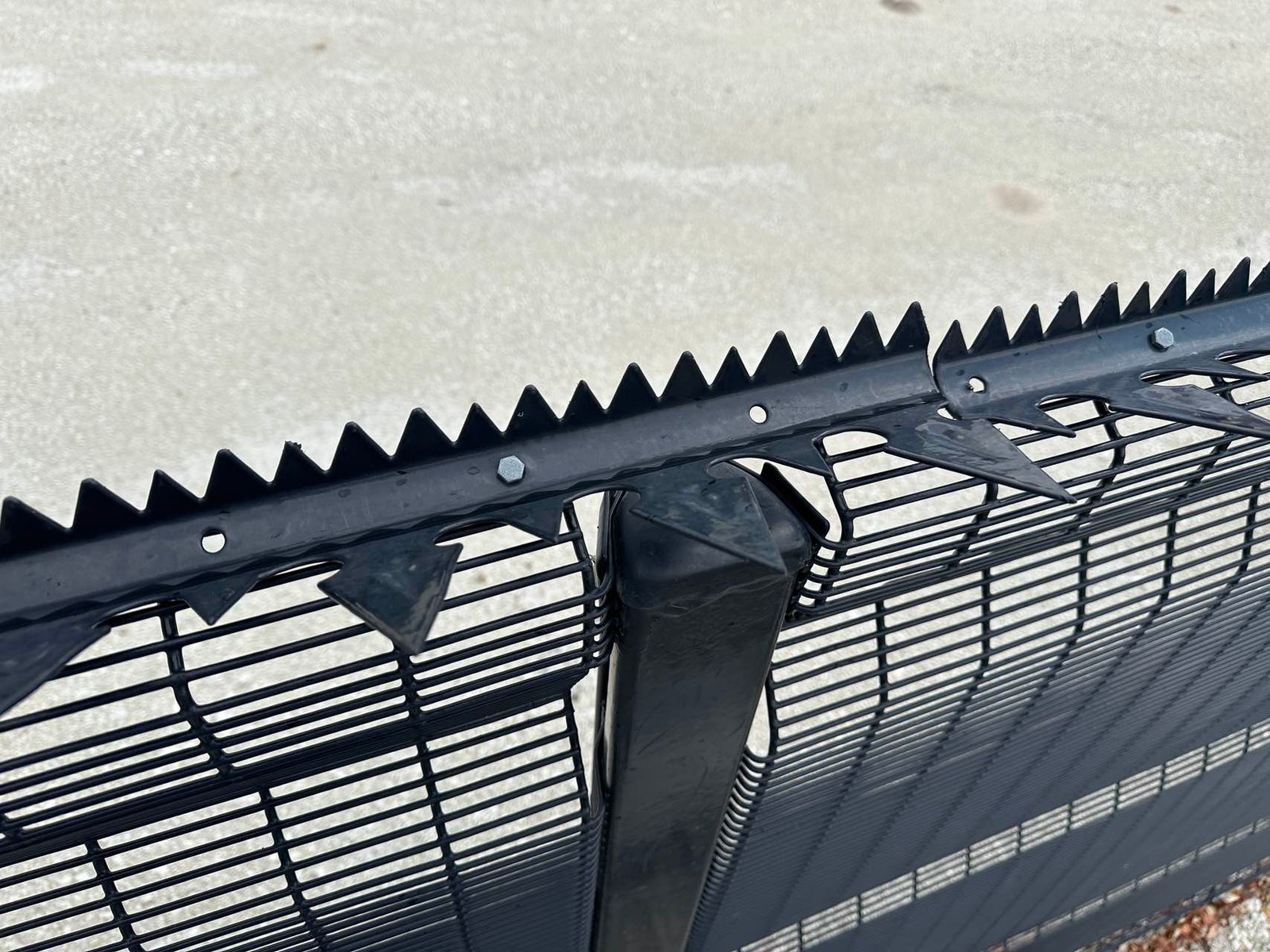
South African properties face different perimeter challenges across residential, industrial, and agricultural environments. Coastal humidity can accelerate corrosion, while inland dust and sunlight affect outdoor finishes. Security planning must also consider wall height, public access, children, pets, and local municipal requirements. Sharp toppings require careful design because poor placement can cause serious injuries.
What Are Wall Spikes?
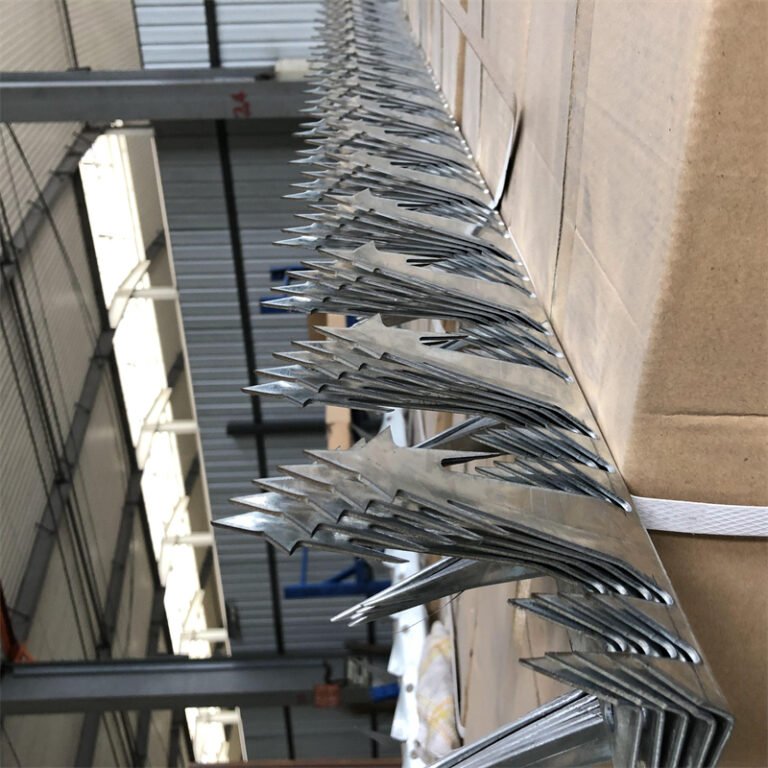
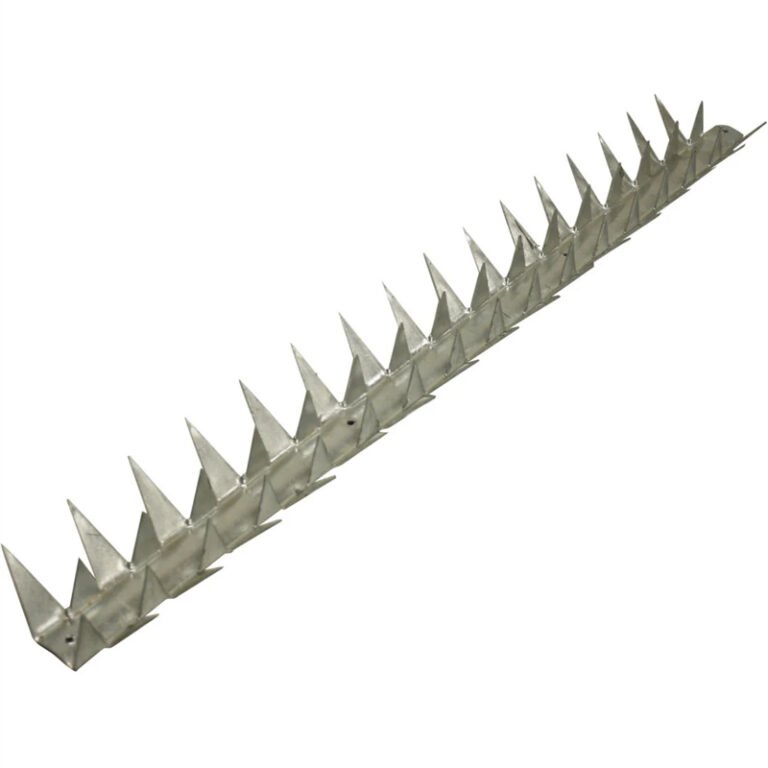
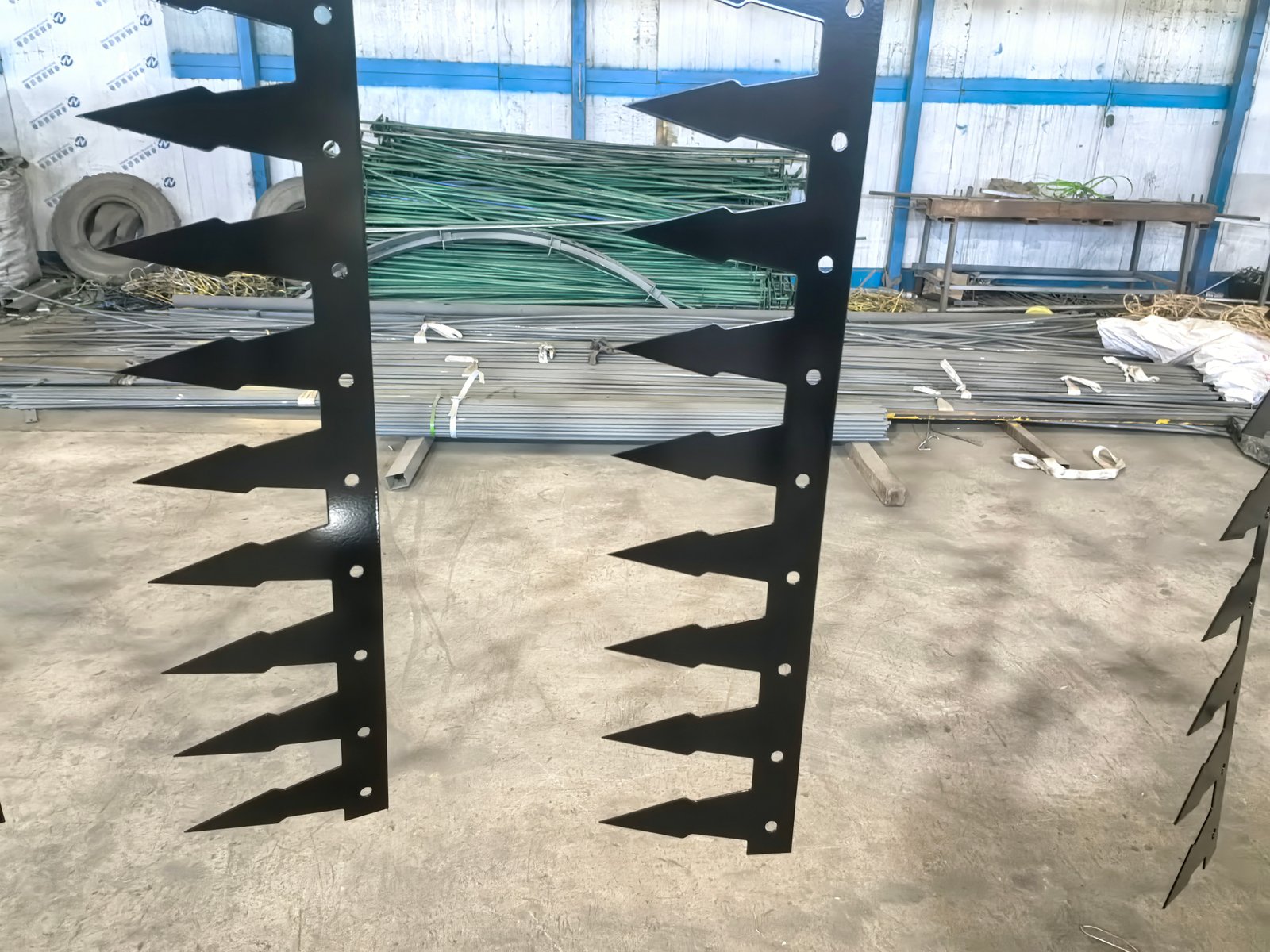
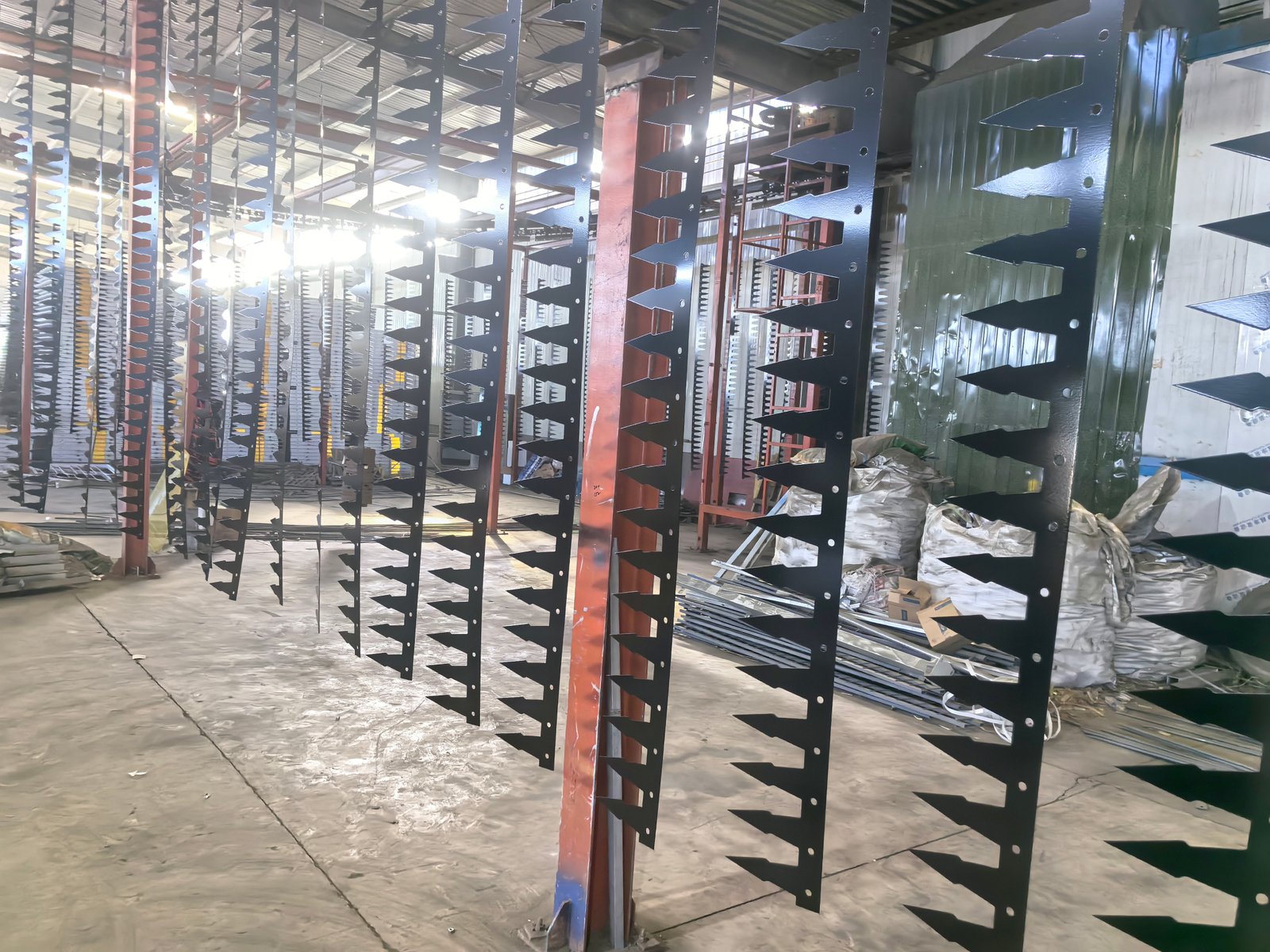
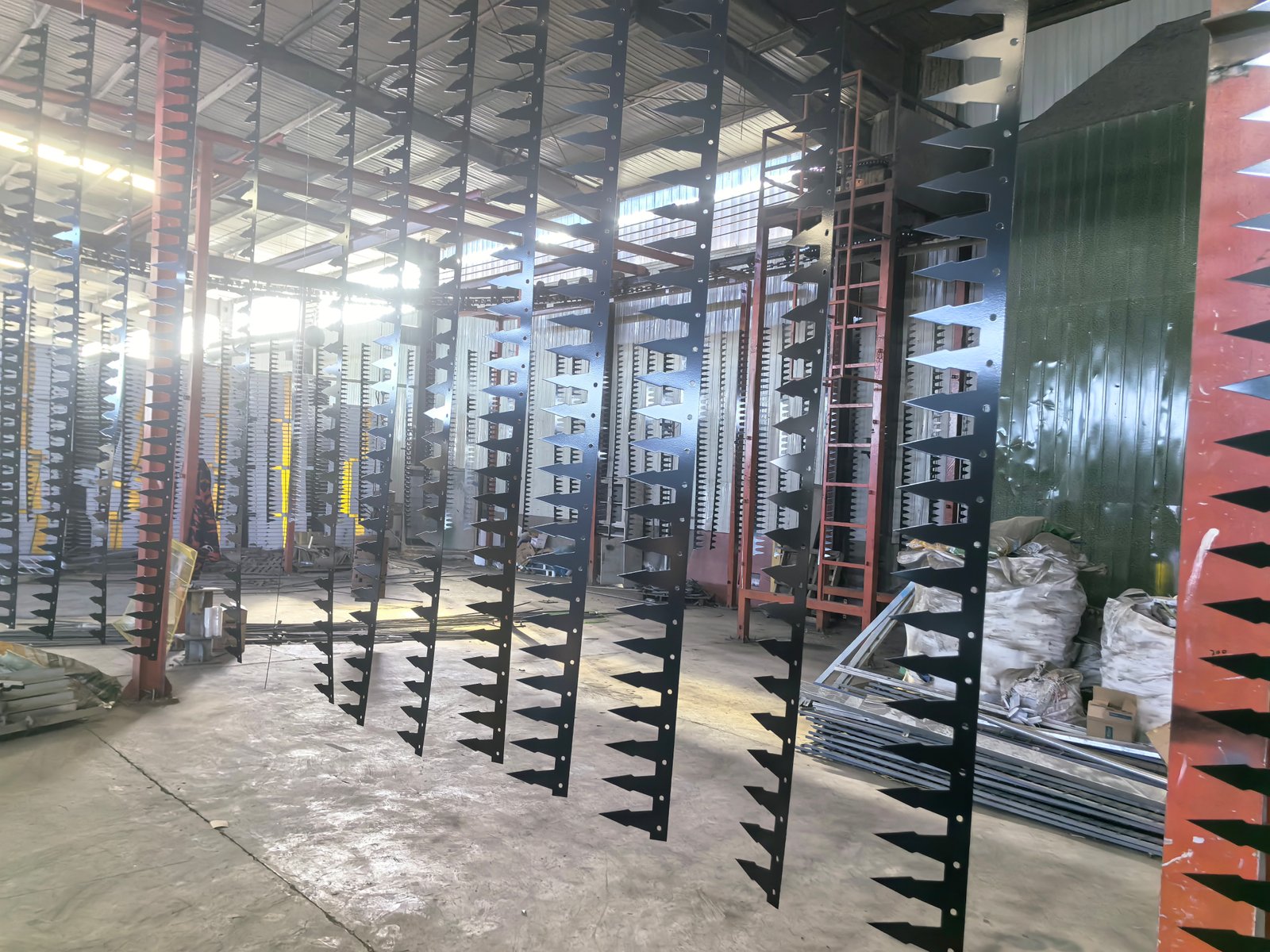
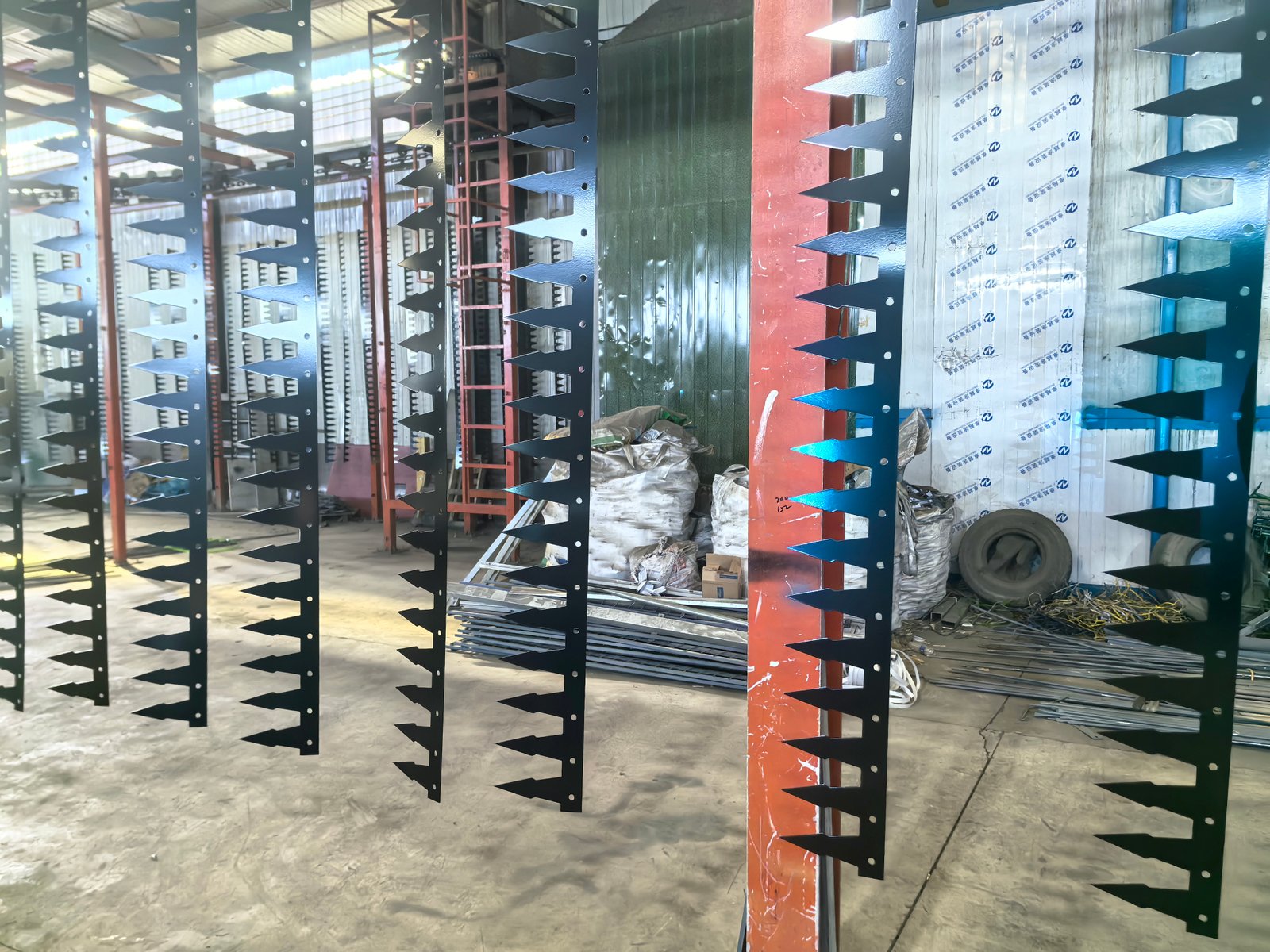
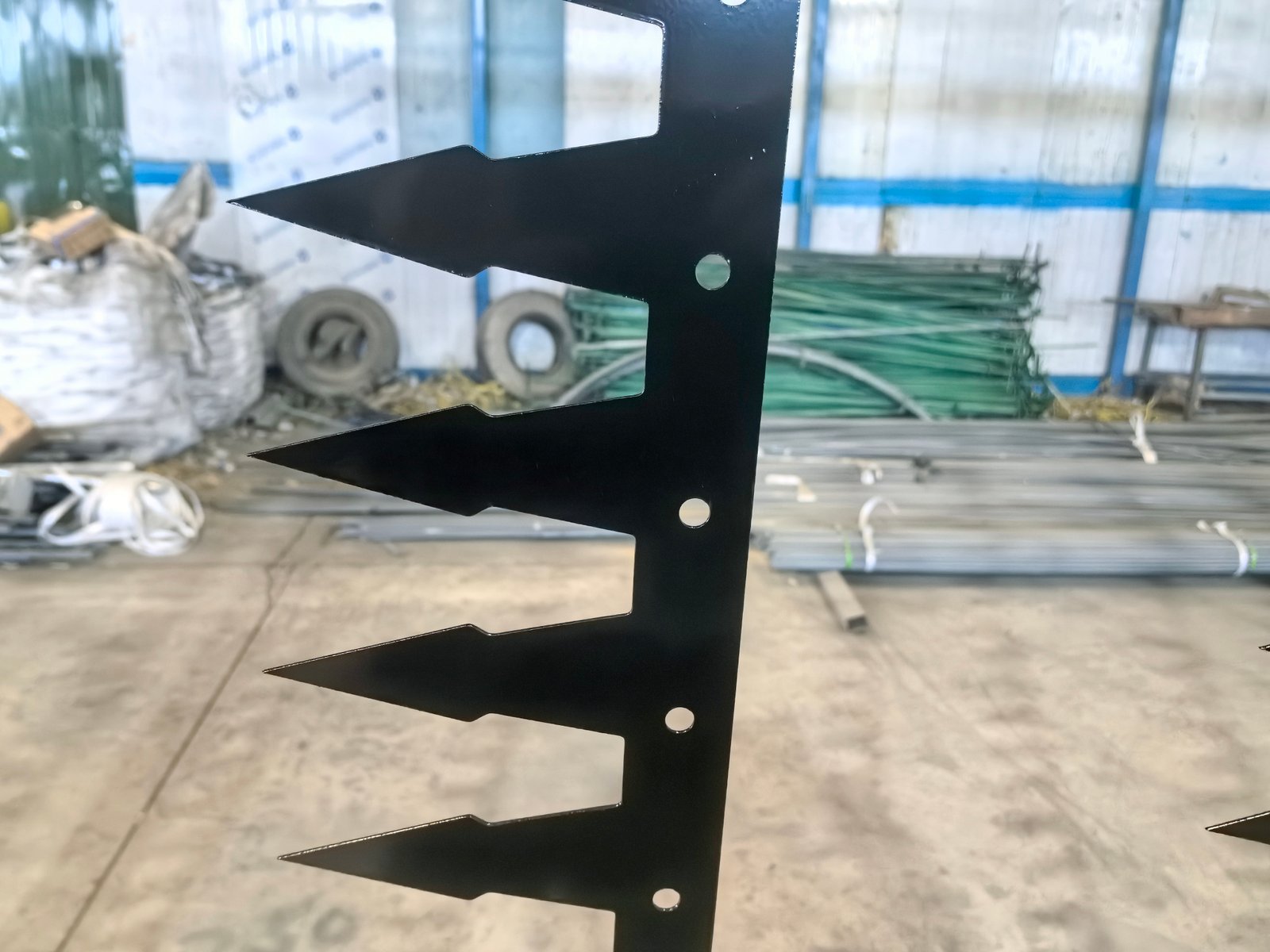
Wall Spikes are metal security toppings with sharp projections along a supporting base. Installers position suitable assemblies on approved boundary structures to discourage climbing. Unlike complete fences, these products reinforce an existing physical barrier. Their effectiveness depends on mounting height, structural strength, accessibility, and surrounding security measures.
BMP offers large, medium, and small configurations. Buyers can select galvanised carbon steel or available stainless steel options. Each model has different dimensions, weight, and mounting requirements.
-
- _cuva
-
- _cuva
-
- _cuva
-
- _cuva
-
- _cuva
-
- _cuva
How Wall Spikes Support Perimeter Security
Pointed projections make crossing a boundary more hazardous and difficult. Visible security toppings may also discourage opportunistic trespassing. However, no individual product guarantees complete intrusion prevention.
Security designers should assess the complete perimeter. Gates, surveillance cameras, lighting, and access procedures remain essential.
Understanding Anti-Climb Security Toppings
Security toppings include metal spikes, razor wire, and other specialised barriers. Each system has different installation and safety considerations. Wall-mounted products need suitable structural support and legal approval where applicable.
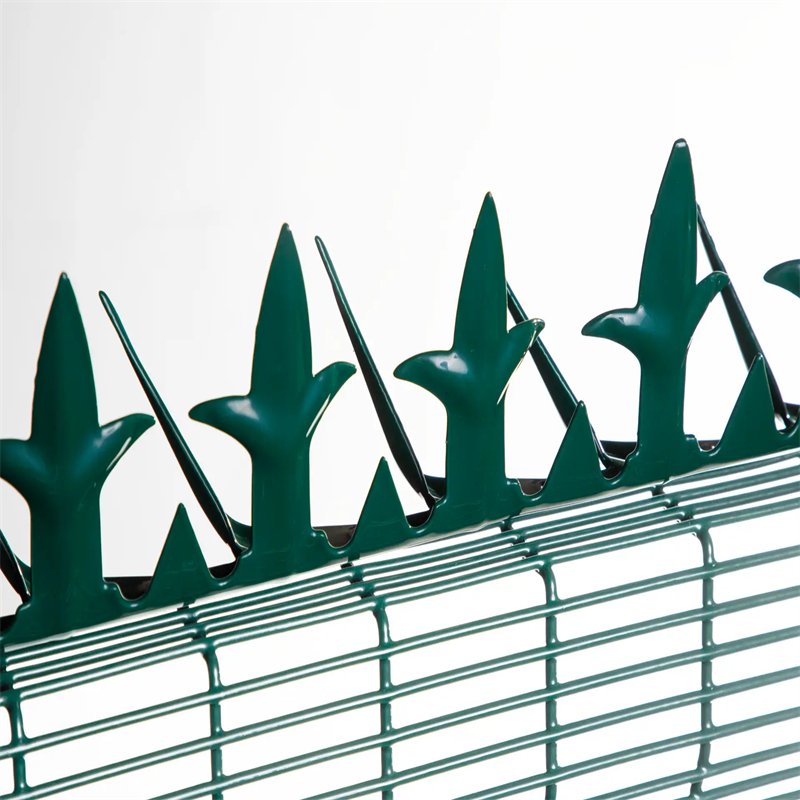
For mesh-based boundaries, Clear Vu Fence can provide the main perimeter structure. Suitable toppings may complement an approved fence design.
Wall Spikes Product Gallery
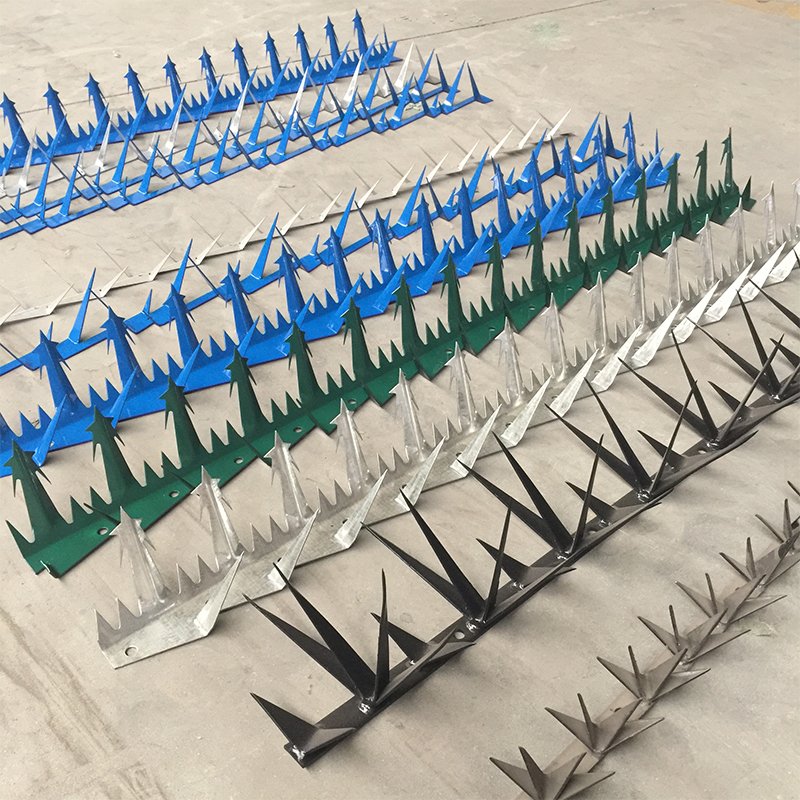
The following seven original BMP photographs show security spike profiles and typical mounting applications. These images provide visual references for product selection.
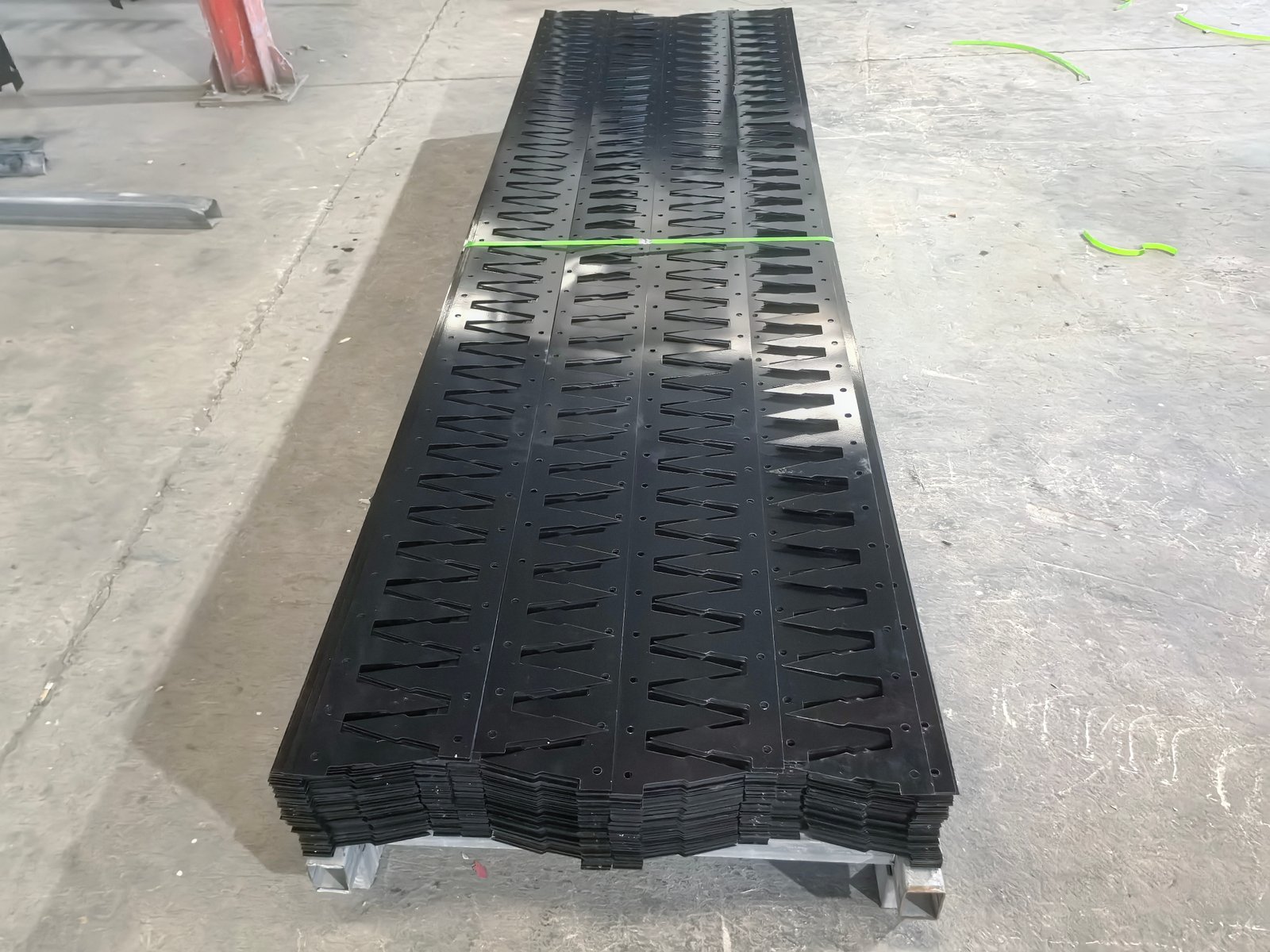
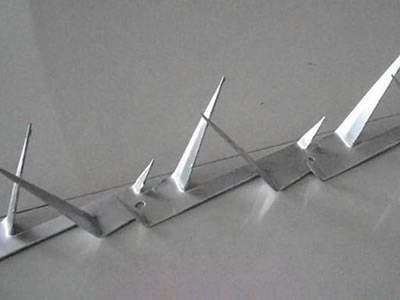 Galvanised steel spike strips before installation. |
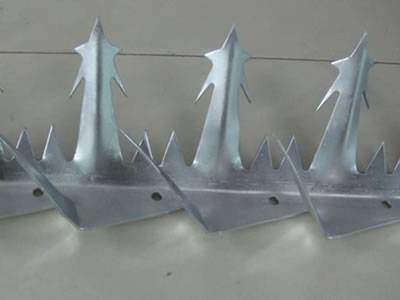 Razor-style projections for perimeter security applications. |
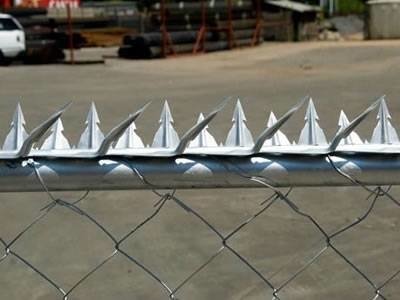 Security spikes installed along the upper section of chain link fencing. |
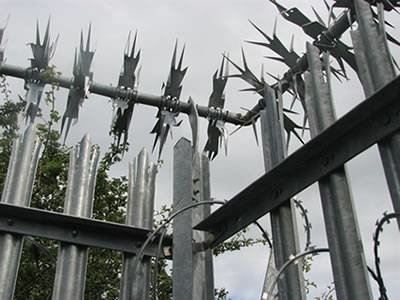 Anti-climb spikes complementing palisade fencing. |
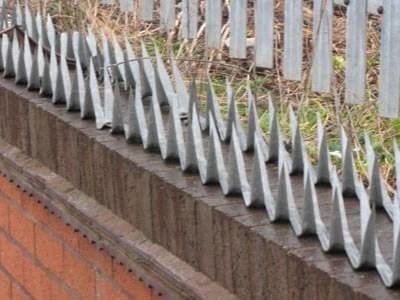 Metal security topping for restricted boundary applications. |
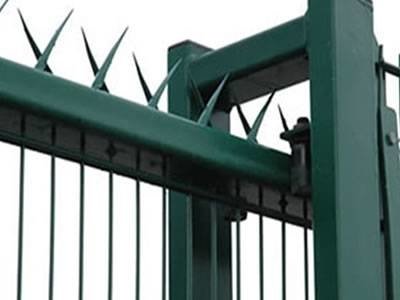 Pointed metal teeth designed to discourage climbing. |
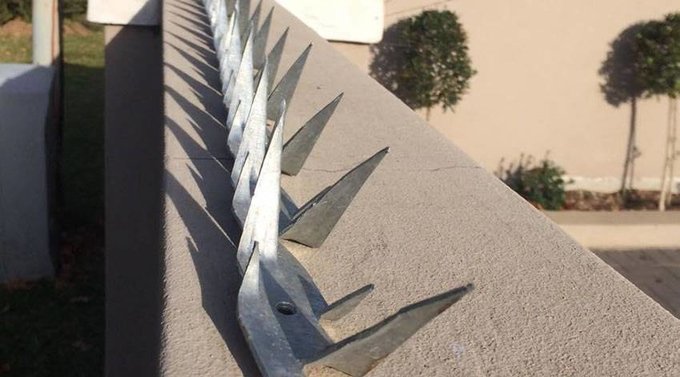 Wall-top security spikes installed along a masonry boundary. |
|
Wall Spikes Specifications: Large, Medium and Small
BMP offers three reference models with different barb dimensions and steel thicknesses. The original product schedule lists 1.25-metre lengths for every model.
| Feature | Large Model | Medium Model | Small Model |
|---|---|---|---|
| Material | Q235 Steel Plate | Q235 Steel Plate / SS304 | Q235 Steel Plate / SS304 |
| Length | 1250 mm | 1250 mm | 1250 mm |
| Thickness | 2.0 mm | 2.0 mm | 1.0 mm |
| Barb Length | 115 mm | 95 mm | 65 mm |
| Barb Spacing | 80 mm | 130 mm | 75 mm |
| Bottom Width | 50 mm | 45 mm | 22 mm |
| Unit Weight | 1.75 kg | 0.80 kg | 0.25 kg |
| Surface Finish | Hot-Dip Galvanised / Powder Coated | Hot-Dip Galvanised / Powder Coated | Hot-Dip Galvanised / Powder Coated |
These values preserve the original BMP specifications. Buyers should confirm final dimensions, material grades, and coating options before production.
Large Wall Spikes for Robust Boundaries
The large model uses a two-millimetre steel base and 115-millimetre barbs. Its reference weight reaches approximately 1.75 kilograms per strip. This heavier configuration requires adequate structural support.
Commercial boundaries may benefit from its prominent visual deterrent. Installation teams must still assess public exposure and local restrictions.
Medium Model for Selected Perimeters
The medium model features 95-millimetre barbs and a 45-millimetre base. Its approximate unit weight reaches 0.80 kilograms. Q235 steel and SS304 appear as material options.
This configuration provides a different balance of dimensions and weight. Buyers should compare mounting compatibility before choosing it.
Small Wall Spikes for Compact Installations
The small model uses one-millimetre steel and 65-millimetre barbs. Its reference weight reaches approximately 0.25 kilograms. A 22-millimetre base requires appropriate attachment planning.
Compact dimensions do not eliminate injury risks. Installers must maintain suitable public separation and approved mounting heights.
Wall Spikes Materials and Steel Selection
Material selection influences corrosion resistance, strength, weight, and manufacturing cost. BMP offers Q235 steel and selected SS304 options.
Q235 Carbon Steel
Q235 steel provides a practical material for fabricated security components. Manufacturers can form the plate into pointed profiles. Outdoor applications require suitable protective finishing.
Galvanising helps protect exposed carbon steel. Powder coating may add colour and further environmental resistance.
Stainless Steel Wall Spikes
SS304 stainless steel offers corrosion resistance for many outdoor environments. However, severe marine exposure may require additional material assessment. Buyers should confirm the actual stainless grade.
Different alloys offer different environmental performance. Material certificates can support procurement verification.
Steel Thickness and Structural Performance
Plate thickness affects rigidity and weight. Heavier models can impose greater loads on mounting structures. Structural suitability matters more than choosing the thickest option automatically.
Contractors should inspect the existing wall or fence. Weak substrates may require repairs before installation.
Wall Spikes for South African Boundary Walls
South African properties range from urban homes to large agricultural and industrial sites. Each environment presents different access and maintenance challenges.
Residential Boundary Applications
Residential security requires a balance between deterrence and public safety. Children, neighbours, delivery personnel, and pets may approach boundary walls. Sharp toppings should remain beyond ordinary accidental contact.
Homeowners should verify local permissions before installation. Boundary height and public-facing restrictions vary between municipalities.
Commercial Wall Spikes
Commercial properties may need additional deterrence above existing masonry walls. Warehouses, workshops, and storage yards often have valuable equipment. Security toppings can complement surveillance and controlled entrances.
However, employers must consider staff safety and emergency access. Site-specific risk assessments remain important.
Industrial Perimeter Applications
Industrial facilities may combine steel fences, concrete walls, and vehicle gates. Security spikes can reinforce selected approved boundary sections. The supporting structure must withstand the proposed attachment system.
For transparent industrial boundaries, High Security Clear View Fence offers welded mesh configurations.
Wall Spikes for Agricultural Properties
Farms may need security around workshops, fuel stores, and machinery compounds. Wall-mounted deterrents can support restricted areas. Livestock and working animals create additional safety considerations.
Installers should avoid locations where animals may contact sharp projections. Agricultural zoning does not automatically remove every legal restriction.
Wall Spikes for Different South African Climates
Environmental exposure influences the service life of outdoor metal security products. Coastal and inland properties need different maintenance approaches.
Coastal Corrosion Protection
Durban, Cape Town, and other coastal areas experience varying marine influences. Salt deposits can accelerate corrosion on vulnerable steel surfaces. Appropriate galvanising and coating selection become important.
Installers should inspect exposed edges and mounting hardware. Damaged finishes need compatible repairs.
Wall Spikes in Gauteng
Gauteng experiences summer thunderstorms and strong seasonal sunlight. Industrial dust may accumulate around exterior fittings. Routine cleaning helps owners inspect coating condition.
Suitable drainage reduces prolonged moisture exposure. Fasteners also need compatible corrosion protection.
Free State and Inland Properties
Interior regions experience temperature variation and dry periods. Dust can collect around mounting strips. Periodic inspections help identify damage and loose fixings.
Cold weather may affect installation schedules. Contractors should follow approved material and fastening procedures.
Wall Spikes Surface Treatment Options
BMP offers hot-dip galvanised and powder-coated finishes. Buyers should confirm the actual coating sequence for each product.
Hot-Dip Galvanising
Hot-dip galvanising creates zinc protection around compatible steel components. Preparation and coating thickness influence performance. Buyers can specify applicable quality standards.
Finished strips require inspection for coating defects. Mounting hardware should offer compatible corrosion resistance.
Powder-Coated Wall Spikes
Powder coating adds a coloured protective finish. Black, green, and other RAL colours may suit project requirements. Exterior performance depends on coating chemistry and preparation.
Buyers should approve colour samples. Handling procedures must protect finished surfaces.
Duplex Protective Finishes
Compatible galvanising and powder coating can provide layered corrosion protection. Manufacturers must prepare galvanised surfaces correctly. Not every coating process suits every substrate automatically.
Related Clearvu Fence Galvanised Epoxy Coating systems illustrate additional finishing considerations.
Wall Spikes Installation and Structural Compatibility
Professional assessment helps prevent unsafe installations. Sharp steel components require secure handling and suitable mounting structures.
Inspecting Existing Boundary Walls
Inspect masonry condition before selecting mounting hardware. Cracked or unstable walls may need structural repairs. Contractors should identify concealed services and weak sections.
Mounting details depend on the substrate. A qualified installer should approve the fixing method.
Wall Spikes on Steel Fencing
Some security fences can support compatible toppings. However, added components may affect post loads and clearances. Manufacturers should confirm structural compatibility.
For narrow mesh systems, Clear View Mesh Fencing provides a potential supporting perimeter.
Gate and Roof Applications
Selected gates and roof boundaries may accommodate security toppings. Moving gates require special clearance checks. Roof installations also need safe maintenance access.
Emergency routes must remain unobstructed. Property owners should obtain appropriate approvals before installation.
Professional Installation Safety
Installers should use appropriate protective equipment and controlled work areas. Sharp components create puncture and laceration hazards. Working at height introduces additional risks.
Professional installation helps manage these concerns. Owners should avoid improvised attachments or unsafe access arrangements.
Wall Spikes and Municipal Safety Requirements
South African municipalities regulate boundary walls and certain security toppings. Requirements can differ by location, zoning, and public exposure.
Checking Local Permissions
Owners should confirm current municipal rules before ordering. Some jurisdictions restrict sharp projections near public areas. Others specify minimum wall heights or approval procedures.
Local rules take precedence over general product recommendations. Written confirmation helps reduce compliance disputes.
Wall Spikes Near Children and Pets
Sharp projections can seriously injure people and animals. Installations should prevent foreseeable accidental contact. Areas near playgrounds and pedestrian routes require particular care.
Never assume a security topping is harmless because it sits above a wall. Site-specific risk assessments remain necessary.
Neighbouring Property Considerations
Shared boundaries can create additional responsibilities. Owners should consider neighbouring access and maintenance activities. Security additions must respect applicable property rights.
Professional advice may help resolve uncertain situations. Safe placement protects both security and community relationships.
Wall Spikes Compared with Other Security Toppings
Different products provide different levels of deterrence and maintenance requirements. Buyers should compare safety, compatibility, and legal suitability.
| Security Product | Primary Function | Key Consideration |
|---|---|---|
| Steel Wall Spikes | Discourage climbing above approved structures | Sharp projections and mounting safety |
| Razor Wire | Provide a sharp perimeter deterrent | Strict handling and public separation |
| Barbed Wire | Supplement selected boundary systems | Local restrictions and injury risks |
| 358 Security Mesh | Form a narrow-opening physical boundary | Complete panel and post design |
| Electronic Detection | Identify potential intrusion events | Power, monitoring, and maintenance |
Wall Spikes and ClearVu Fencing
ClearVu systems provide a complete welded mesh perimeter. Security toppings serve a different supporting role. Compatibility depends on post strength and approved connection details.
Clearvu Fencing for Sale includes panels, posts, gates, and optional security accessories.
Wall Spikes Versus Razor Wire
Metal spike strips use individual pointed projections along a base. Razor wire uses a different cutting-edge configuration. Both products require careful handling and legal review.
Buyers should evaluate safety exposure before choosing either option. No topping substitutes for complete perimeter planning.
Security Mesh Alternatives
Some properties need a new perimeter rather than additional wall toppings. Clear View Fence for Sale provides narrow-mesh security options.
Other projects may prefer Clear View Fence Panels with compatible posts.
Wall Spikes Packing and Export Preparation
Secure packaging protects workers and helps prevent transport damage. Sharp components need appropriate containment and handling instructions.
Original Carton Packing
The original BMP product description specifies ten units per carton. Final carton quantities may vary with model dimensions and packaging requirements. Buyers should confirm the approved packing list.
Each strip measures 1.25 metres. Carton dimensions must accommodate the complete product safely.
Wall Spikes Weight Calculations
Unit weight influences freight planning and manual handling. The original specifications provide three reference weights.
| Model | Unit Weight | 10 Units | 100 Units |
|---|---|---|---|
| Large | 1.75 kg | 17.50 kg | 175.00 kg |
| Medium | 0.80 kg | 8.00 kg | 80.00 kg |
| Small | 0.25 kg | 2.50 kg | 25.00 kg |
These calculations exclude carton and pallet weight. Shipping documents should show actual packed gross weight.
Protective Export Packaging
Manufacturers should secure sharp edges inside suitable packaging. Cartons need adequate strength for the selected model. Palletising can support safer handling.
Clear labels help warehouse teams identify product quantities. Buyers should request packing photographs when necessary.
Wall Spikes for Construction and Industrial Projects
Construction projects often need temporary access control before permanent security systems arrive. Different barriers serve different stages of work.
Temporary Site Separation
Temporary Fencing helps contractors separate work areas from public access. These movable panels differ from permanent wall-mounted spikes.
Projects should not add sharp toppings to temporary barriers without specialist approval. Stability and public safety remain essential.
Construction Site Screening
Temporary Hoarding provides visual separation around selected work areas. Solid panels can reduce direct views into construction activity.
Hoarding and anti-climb toppings perform different functions. Project managers should specify them separately.
Pedestrian Movement Control
Crowd Control Barriers help organise pedestrian routes during construction and events. Their design supports movement management rather than sharp perimeter deterrence.
Keep hazardous security components away from public circulation routes. Clear separation reduces accidental contact risks.
Wall Spikes Wholesale Purchasing Guide
Buyers should compare complete product specifications before ordering. Material, thickness, barb geometry, finish, and packaging influence cost.
Confirming the Correct Model
Start with the existing boundary design. Check structural capacity, mounting location, and public accessibility. Then compare large, medium, and small configurations.
Specify the required steel grade. Confirm whether the project needs galvanising or an additional coloured finish.
Wall Spikes Quantity Planning
Measure the approved installation length. Each original BMP strip covers a nominal 1.25 metres before allowances. Actual quantities depend on the final layout.
For example, 100 metres divided by 1.25 metres equals 80 strips. The final order may require adjustments for corners and approved connections.
Requesting a Complete Quotation
Provide product model, material grade, finish, quantity, and destination. Include drawings when mounting requirements differ from standard configurations.
Ask for packing details and production lead time. Confirm shipping terms before approving the order.
Wall Spikes and Related Security Products
Buyers planning broader projects may also need Clearview Fencing from China for permanent boundaries.
Selected installations can combine Clear View Fencing with separately approved security accessories.
For other African security projects, Clearvu Fence Panels provide additional welded mesh options.
Wall Spikes Quality Inspection Checklist
Consistent manufacturing helps ensure predictable dimensions and coating quality. Buyers should define inspection requirements before production.
Dimensional Inspection
Check overall length, plate thickness, barb spacing, and base width. Compare measurements against approved drawings. Record any deviations.
Consistent dimensions support easier installation. Unexpected variation can create alignment problems.
Wall Spikes Coating Inspection
Inspect finished surfaces for visible defects. Verify the agreed galvanising or powder-coating specification. Pay attention to formed edges and attachment areas.
Buyers may request relevant test records. Coating acceptance should follow agreed criteria.
Packing Inspection
Confirm carton quantities and product labels. Check that sharp components remain secure during handling. Verify the final packing list.
Freight documentation should reflect actual quantities. Proper packing reduces avoidable damage and injury risks.
Wall Spikes Maintenance and Replacement
Routine inspection supports long-term performance. Property owners should examine protective finishes, mounting points, and surrounding structures.
Corrosion Monitoring
Check for coating damage and visible corrosion. Remove accumulated debris where safe access permits. Use compatible repair products when appropriate.
Coastal sites may need more frequent inspections. Exposure conditions should guide maintenance intervals.
Wall Spikes Fastener Inspection
Loose fixings can reduce security and create falling-object hazards. Qualified personnel should inspect attachments safely. Replace damaged hardware promptly.
Never approach sharp projections without appropriate protection. Professional maintenance reduces unnecessary exposure.
Replacing Damaged Sections
Impact or corrosion may require individual strip replacement. Replacement components must match the approved design. Inspect the supporting wall before reinstalling anything.
Document repairs for future maintenance. Structural defects need specialist assessment.
Wall Spikes Frequently Asked Questions
Can Wall Spikes Fit Any Boundary Wall?
No, structural capacity and local regulations determine suitability. A qualified installer should inspect the proposed mounting location.
Are Wall Spikes Safe Around Children?
Sharp projections can cause serious injuries. Installations must prevent foreseeable contact and comply with local requirements.
Which Wall Spikes Model Is Heaviest?
The large model weighs approximately 1.75 kilograms per strip. Medium and small models weigh less.
Do Wall Spikes Require Galvanising?
Outdoor carbon steel needs appropriate corrosion protection. Buyers can specify galvanising or a suitable approved finish.
Can Wall Spikes Complement Mesh Fencing?
Some approved security systems can accommodate compatible toppings. Structural and safety assessments must confirm suitability.
How Many Strips Cover 100 Metres?
Eighty nominal 1.25-metre strips cover 100 metres before installation allowances. Actual requirements depend on the approved layout.
Can BMP Supply Stainless Steel Wall Spikes?
The original catalogue lists SS304 options for medium and small models. Buyers should confirm availability and material certificates.
What Packaging Does BMP Offer?
The original description specifies ten units per carton. Final packaging depends on the approved model and shipment requirements.
Do Wall Spikes Replace Security Cameras?
No, physical deterrents and electronic monitoring perform different functions. A complete perimeter strategy may use both.
How Can I Request a Wall Spikes Quotation?
Send the required model, quantity, finish, destination, and any available drawings. BMP can review the manufacturing requirements.
Wall Spikes for Responsible Perimeter Protection
Wall Spikes provide a visible deterrent for selected boundary walls, fences, gates, and commercial properties. BMP offers three steel models with different dimensions and protective finishes.
Successful projects combine suitable materials with safe placement, structural compatibility, and local legal compliance. Proper packaging and maintenance also support long-term performance.
Boss Metal and Plastic Co., Ltd. supplies security fencing components and related export products.
Contact clearvu@construction-fence.com with your project specifications, quantities, finish requirements, and delivery destination.