Palisade fencing Durban projects need strong steel boundaries, dependable gate access, and finishes suited to local weather. Steel pales offer a visible deterrent for industrial sites, schools, warehouses, and commercial premises. Their open arrangement also supports natural visibility along the perimeter. BMP manufactures configurable palisade fence panels and matching components for South African buyers.
Buyers often compare Palisade Fencing with welded mesh before choosing a boundary design. Both systems offer distinct advantages, but they use different structures. Palisade systems use formed steel pales, horizontal rails, and supporting posts. Their security depends on every component, including foundations and fastening methods.
Palisade Fencing Durban: Steel Perimeter Security
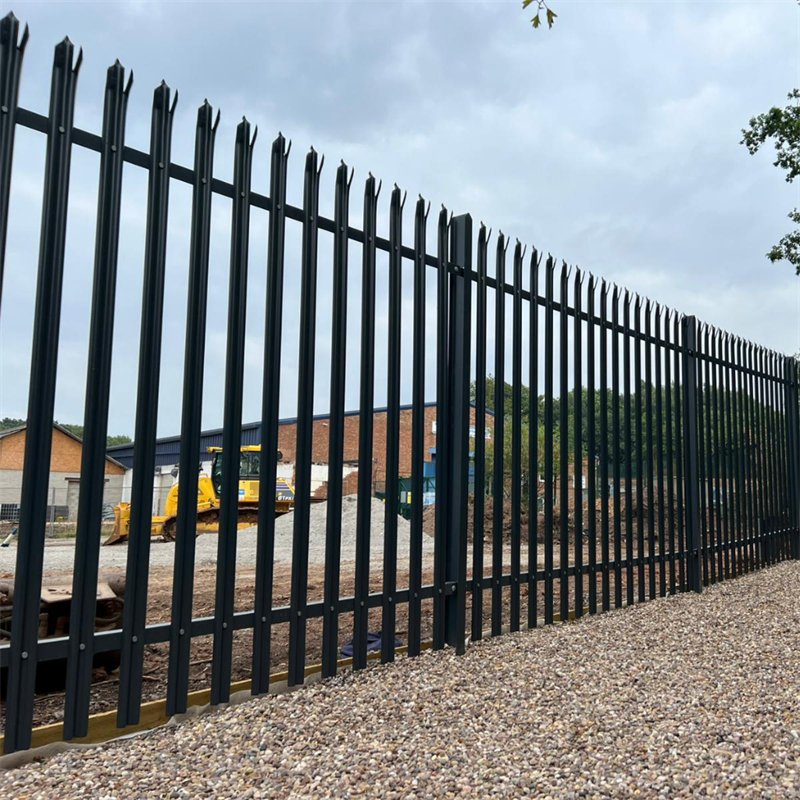
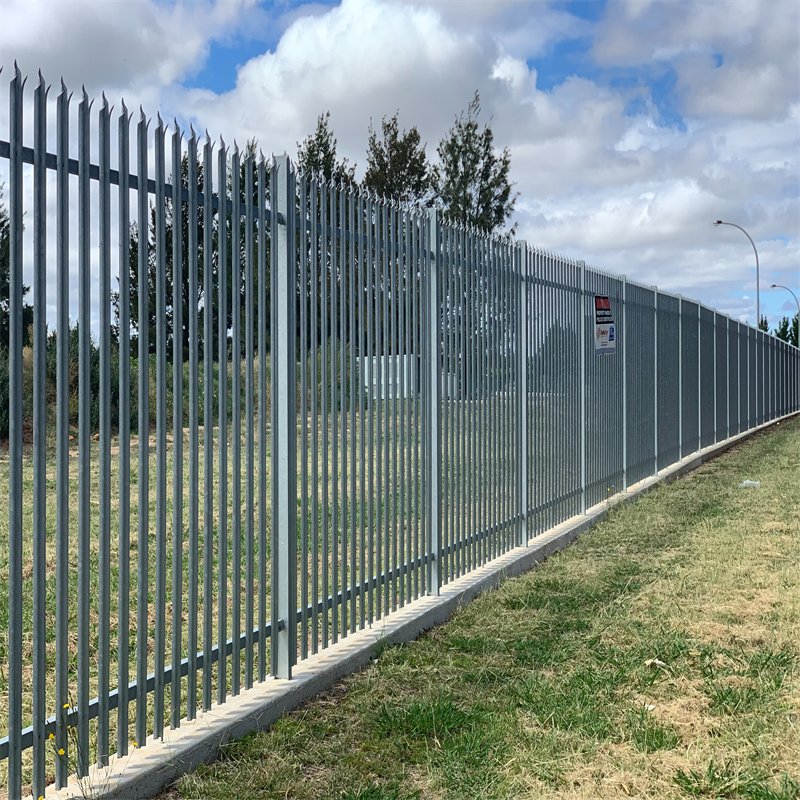
Industrial estates require boundaries that withstand daily exposure and discourage casual intrusion. Palisade fencing provides conspicuous vertical pales and sturdy steel rails. Buyers can select different pale profiles, heights, and head shapes. Durable coatings help protect the steel, while suitable gates maintain controlled access.
Our Steel Fence range includes several approaches for projects with different security requirements. Palisade fencing remains practical when buyers value a strong physical presence. The final design should also consider visibility, pedestrian safety, local rules, and maintenance access.
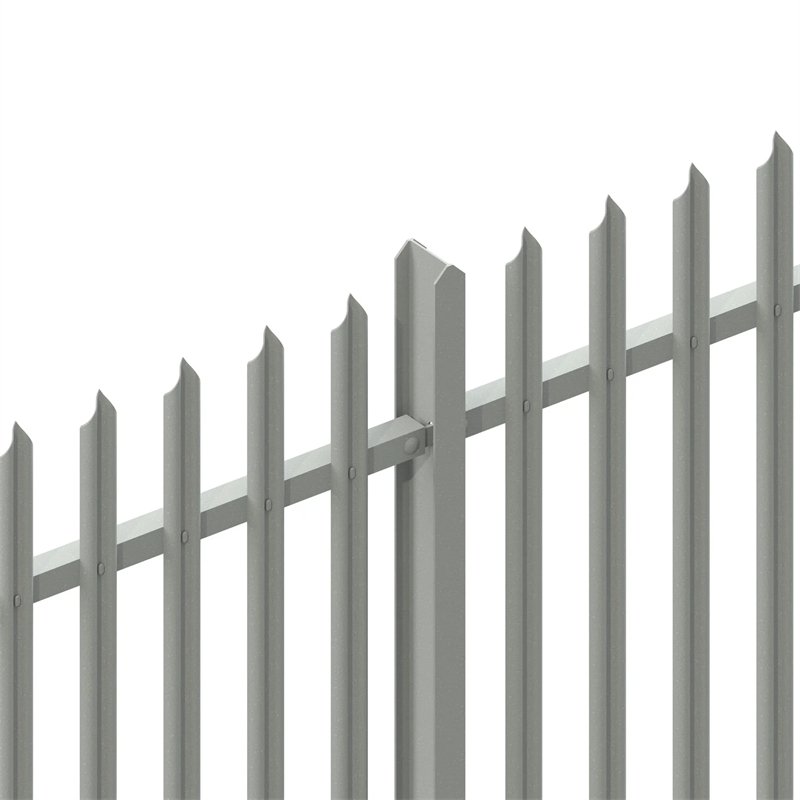
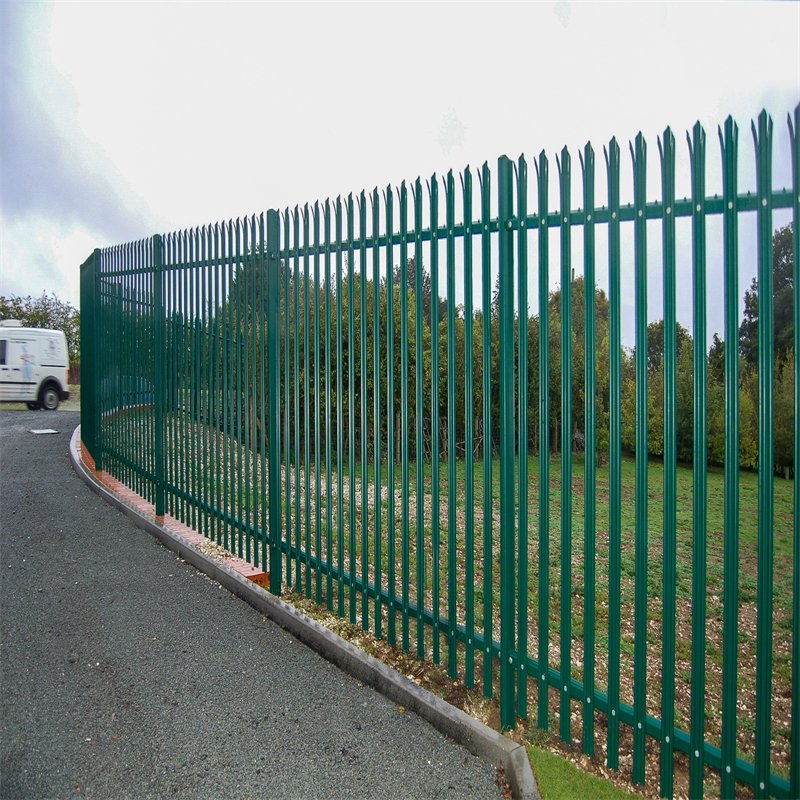
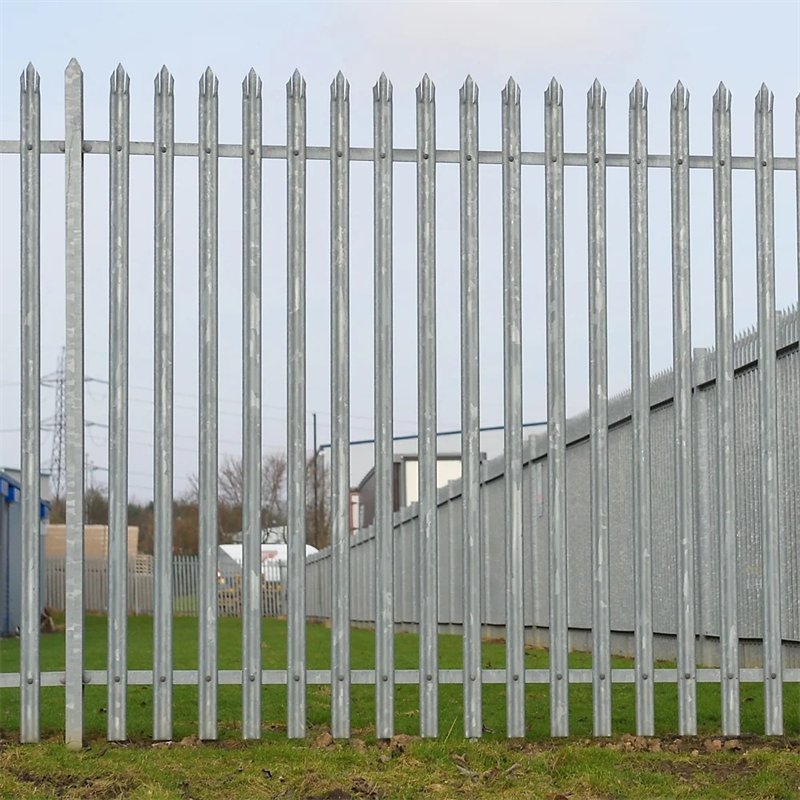
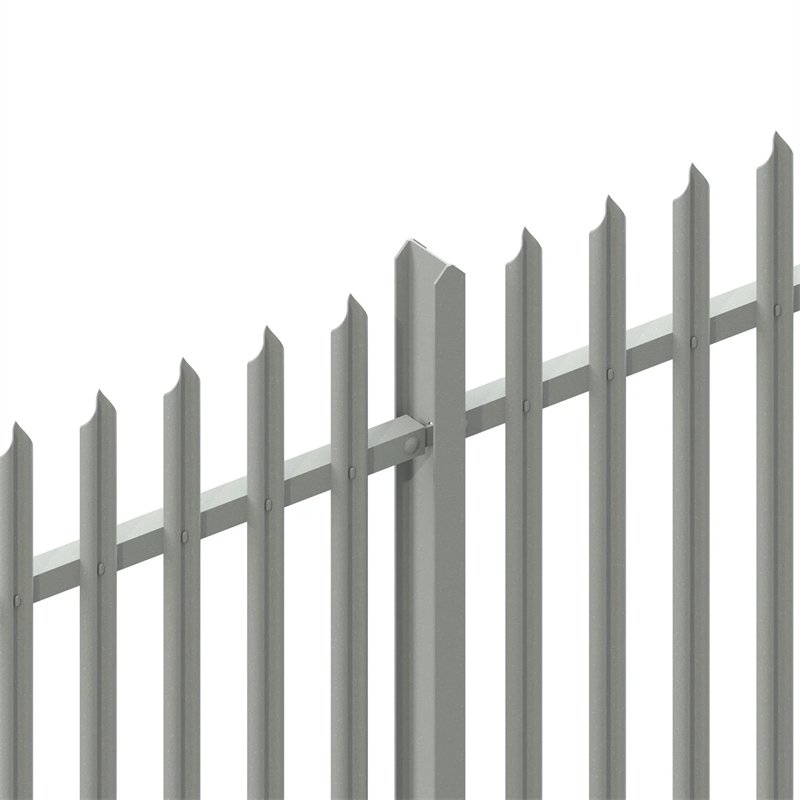
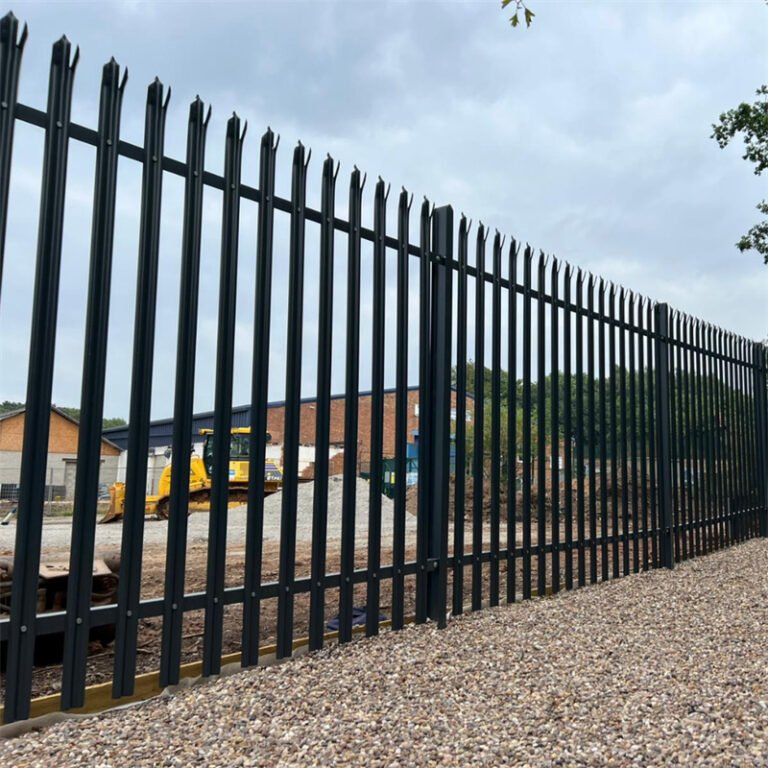
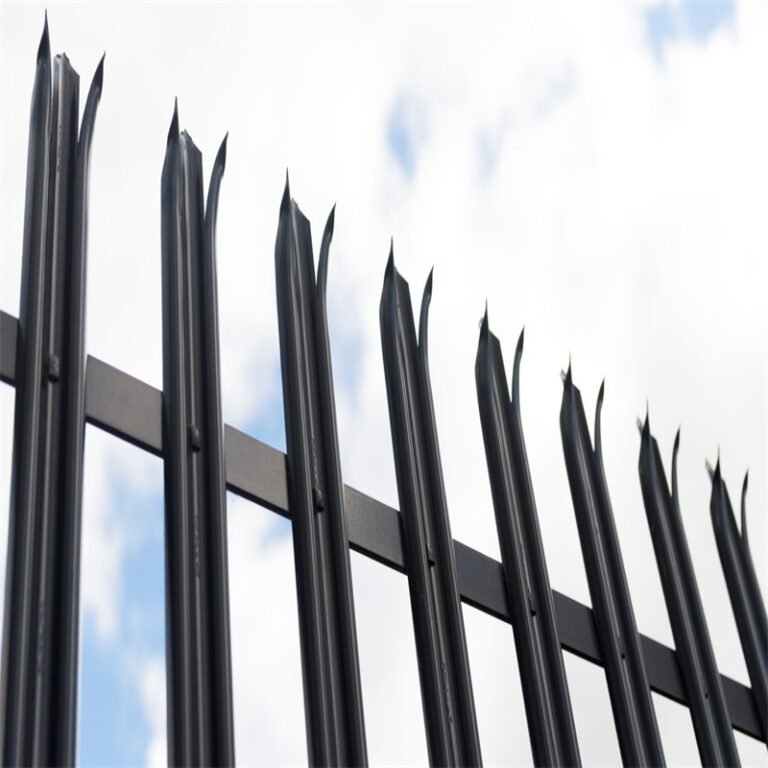
Steel palisade fence panels use shaped pales and cross rails for visible perimeter protection.
How Steel Palisade Systems Work
Each fence bay combines vertical steel pales with horizontal angle rails. Installers secure the rails between steel posts and connect the pales through bolts, rivets, or welding. The pale profile resists straightforward bending better than a flat strip of similar thickness. Proper connections prevent loose parts and unwanted movement during ordinary service.
Some buyers prefer the clean appearance of a Tubular Steel Fence. Palisade pales provide a different visual effect and construction method. Compare loading, head shape, rail strength, and coating before selecting either design. Neither product guarantees protection without effective gates and foundations.
Palisade Fencing Durban for Industrial Properties
Factories often install palisade panels near vehicle yards, workshops, and storage buildings. Warehouses can combine the boundary with monitored entrances and lighting. Schools may prefer rounded tops near accessible public areas. Electrical facilities should review clearance rules before finalizing fence placement.
For a complete project, count corner posts, end posts, gate openings, and changes in ground level. Separate sections may need different post foundations. A precise site survey reduces unexpected cutting and installation adjustments.
W-Section, D-Section, and Angle Pales
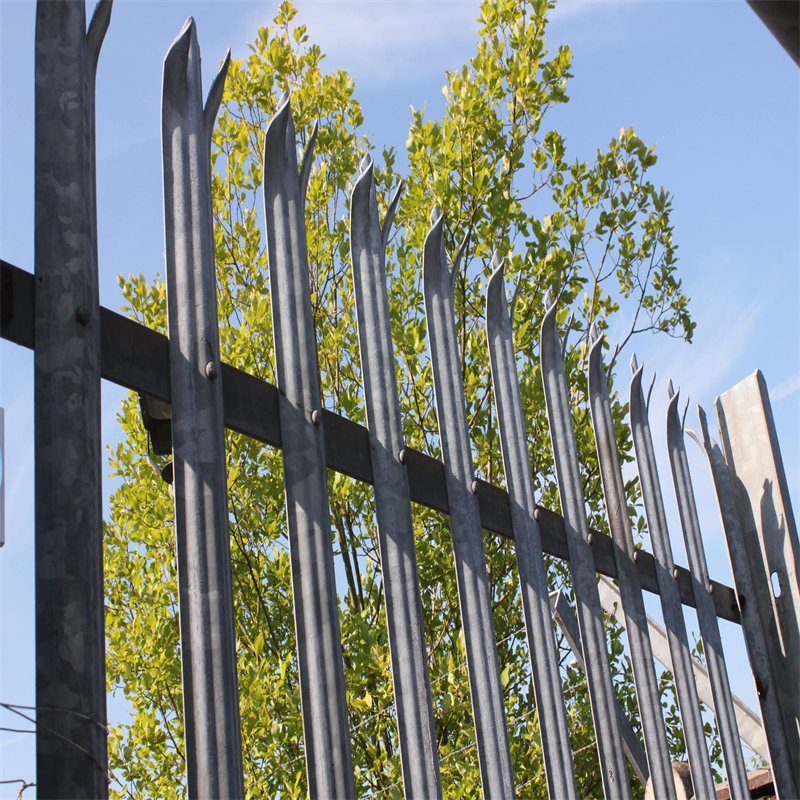
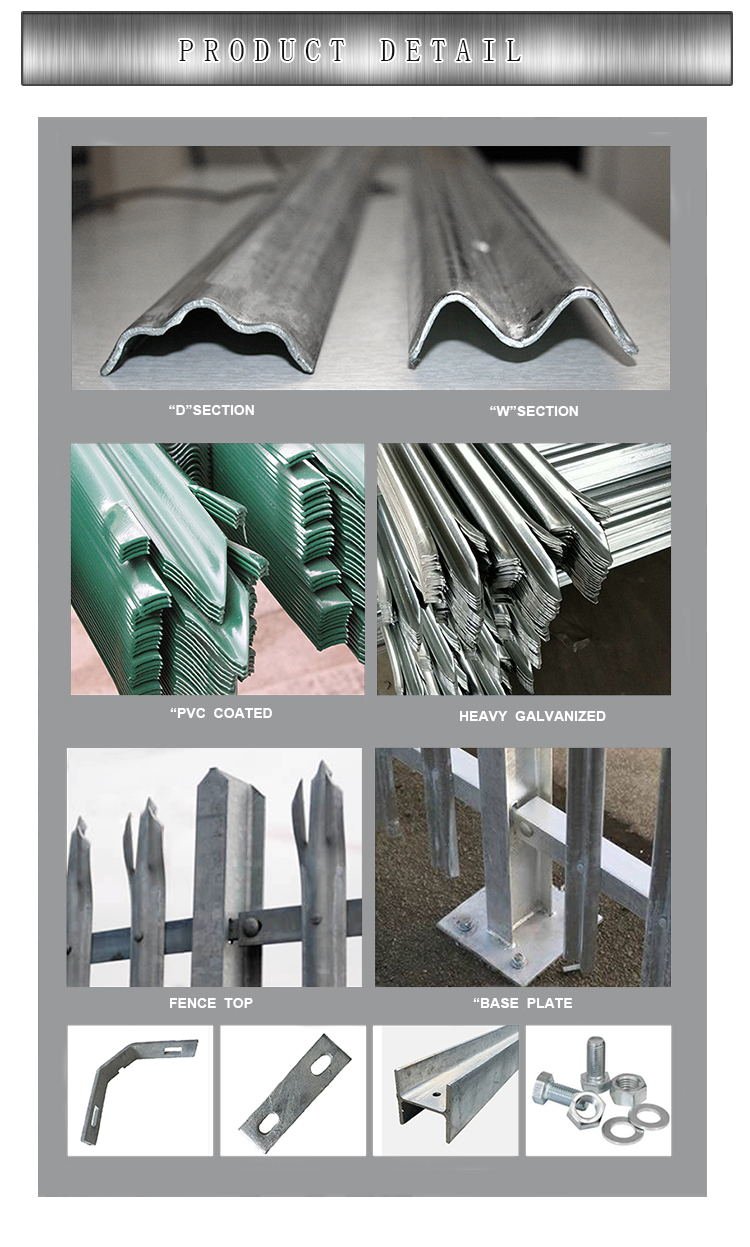
W-section pales have a corrugated profile that helps resist bending and twisting. D-section pales offer a rounded profile with a more restrained appearance. Angle pales provide another option for selected budgets and security levels. Each profile needs compatible fasteners and carefully matched rails.
The standard product family includes Palisade Fence configurations with different pale widths. Buyers should specify their preferred profile before requesting drawings. Do not substitute pale thickness without checking the overall design.
Palisade Fencing Durban Technical Specifications
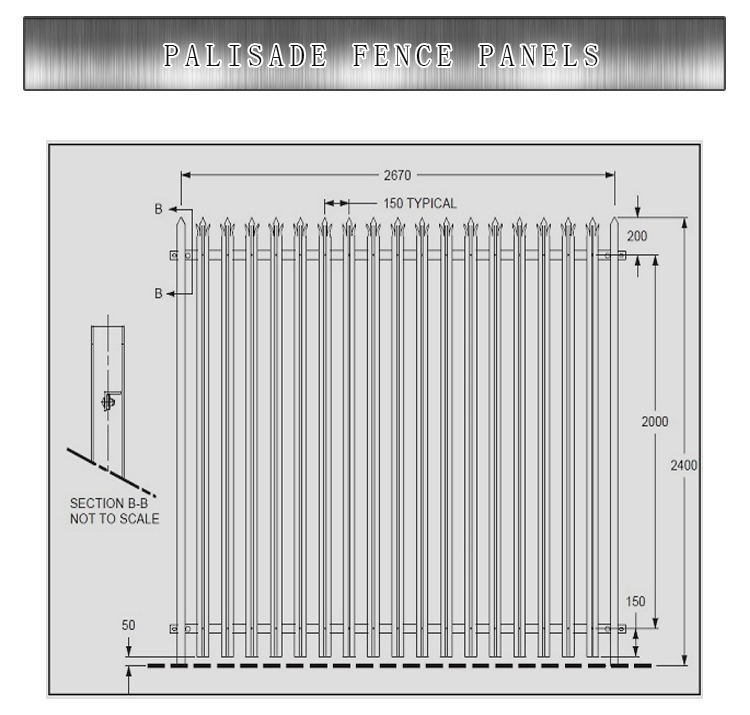
The following reference configurations retain the original panel dimensions and pale quantities. Each listed panel has a nominal width of 2,750 mm and 17 pales. The rail and post options vary across the designs. Confirm final sections, spacing, tolerances, and installation details against approved shop drawings.
Specifications details
Pale profile
Panel height
Panel width
Pale thickness
Pales per panel
Angle rails
Square post
I-post option
W-section, 70 mm
1.8 m
2.75 m
2.0 / 2.5 / 3.0 mm
17
40 × 40 × 4 mm
60 × 60 mm
100 × 55 mm
W-section, 70 mm
2.1 m
2.75 m
2.0 / 2.5 / 3.0 mm
17
50 × 50 × 6 mm
80 × 80 mm
100 × 55 mm
W-section, 70 mm
2.4 m
2.75 m
2.0 / 2.5 / 3.0 mm
17
Confirm per drawing
100 × 100 mm
100 × 55 mm
W-section, 70 mm
3.0 m
2.75 m
2.0 / 2.5 / 3.0 / 3.5 mm
17
Confirm per drawing
Confirm per drawing
100 × 55 mm
W-section, 62 mm
1.8 m
2.75 m
1.5 / 2.0 / 2.5 mm
17
40 × 40 × 4 mm
60 × 60 mm
100 × 55 mm
W-section, 62 mm
2.1 m
2.75 m
1.5 / 2.0 / 2.5 mm
17
50 × 50 × 6 mm
80 × 80 mm
100 × 55 mm
W-section, 62 mm
2.4 m
2.75 m
1.5 / 2.0 / 2.5 mm
17
Confirm per drawing
100 × 100 mm
100 × 55 mm
W-section, 62 mm
3.0 m
2.75 m
1.5 / 2.0 / 2.5 mm
17
Confirm per drawing
Confirm per drawing
100 × 55 mm
D-section, 65 mm
1.8 m
2.75 m
1.5 / 2.0 / 2.5 / 3.0 mm
17
40 × 40 × 4 mm
60 × 60 mm
100 × 55 mm
D-section, 65 mm
2.1 m
2.75 m
1.5 / 2.0 / 2.5 / 3.0 mm
17
50 × 50 × 5 mm
80 × 80 mm
100 × 55 mm
D-section, 65 mm
2.4 m
2.75 m
1.5 / 2.0 / 2.5 / 3.0 mm
17
Confirm per drawing
100 × 100 mm
100 × 55 mm
D-section, 65 mm
3.0 m
2.75 m
1.5 / 2.0 / 2.5 / 3.0 mm
17
Confirm per drawing
Confirm per drawing
100 × 55 mm
All measurements represent reference manufacturing options rather than engineering approval for every site. Post wall thickness, baseplates, embedded length, and fixing schedules require separate confirmation. Higher panels may need larger foundations or reinforced posts.
W-Section 70 mm Pale Options
The 70 mm W-pale range uses 2.0, 2.5, or 3.0 mm steel thickness. The 3.0 m option also lists 3.5 mm steel. Taller panels increase wind exposure and demand more careful structural assessment. Engineers should check rail spans and post resistance for each installation.
Palisade Fencing Durban with 62 mm W-Pales
The 62 mm profile offers thickness options from 1.5 to 2.5 mm. Project teams can select suitable combinations for their intended duty. Thinner pales may suit selected lower-risk boundaries, depending on the complete design. Always compare tested or engineered system performance rather than pale thickness alone.
D-Section Pale Options
The 65 mm D-section range includes 1.5, 2.0, 2.5, and 3.0 mm options. Buyers can request alternative top shapes for different surroundings. Rounded tops can reduce exposure to sharp points near pedestrian routes. Site safety requirements should guide the final choice.
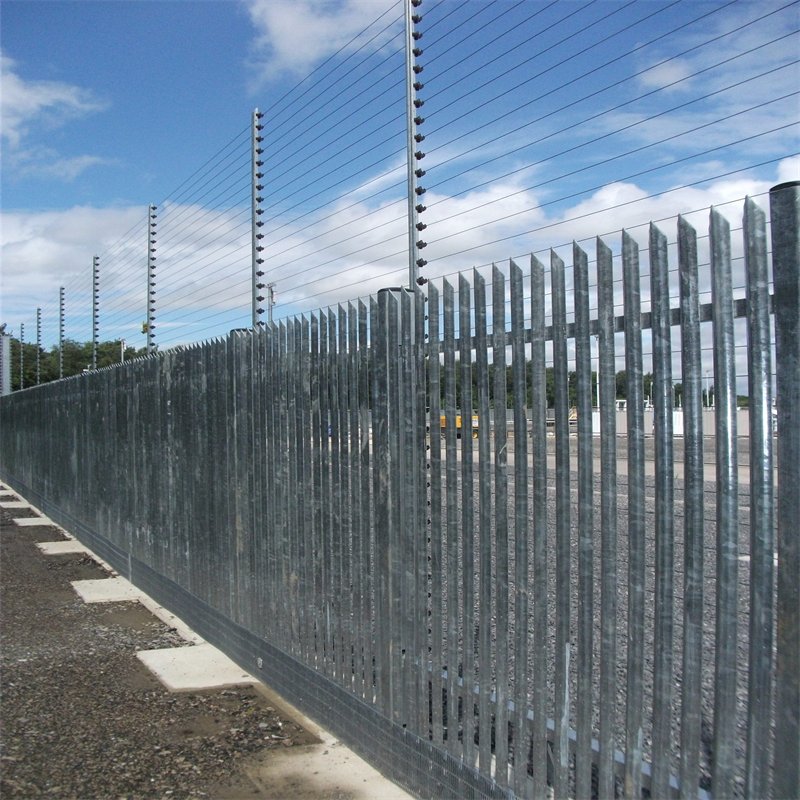
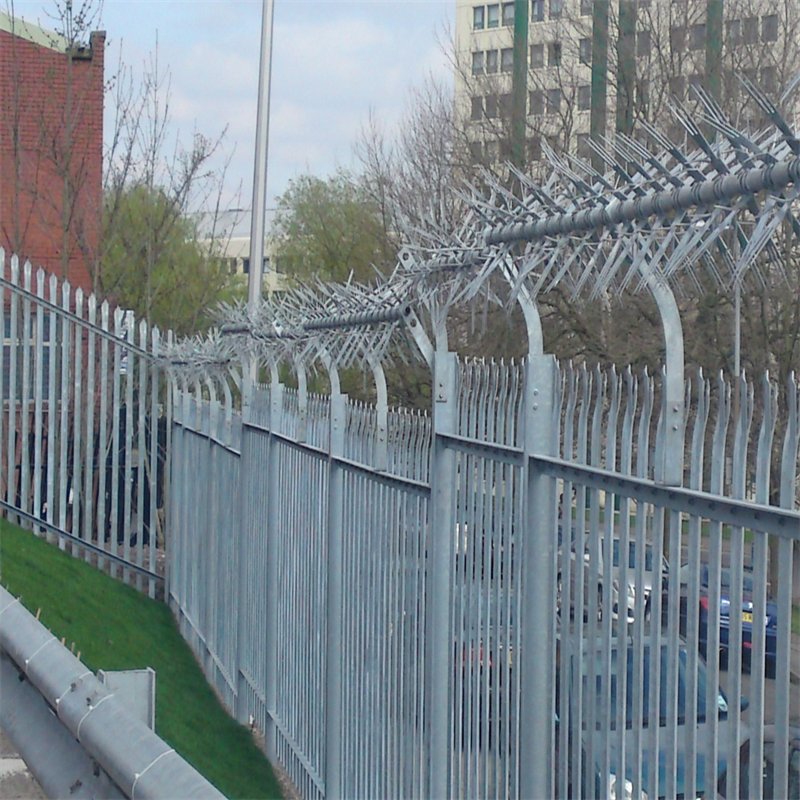
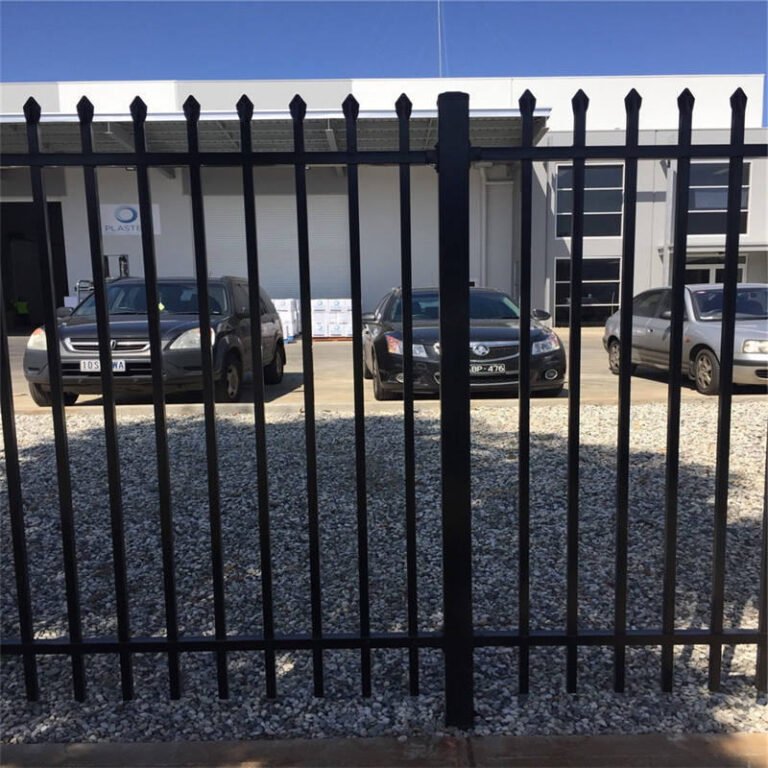
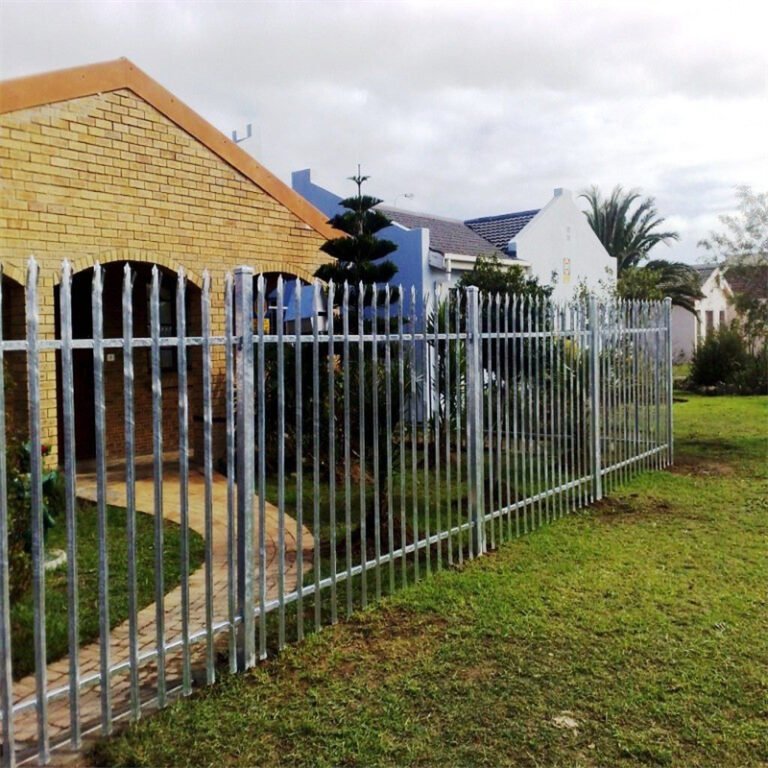
Formed vertical steel pales and supporting rails create a modular fence panel for perimeter installation.
Palisade Fencing Durban Posts and Rails
Posts transfer rail loads into the foundations and hold the fence line in position. Original specifications include square posts from 60 × 60 mm to 100 × 100 mm. A 100 × 55 mm I-post option also appears across the listed designs. Every post option needs a confirmed wall thickness and connection detail.
The Clear View Fence Post range uses alternative mounting approaches for welded mesh systems. Those posts are not automatically interchangeable with palisade posts. Match each post and bracket to the selected fence structure.
Selecting Pale Head Shapes
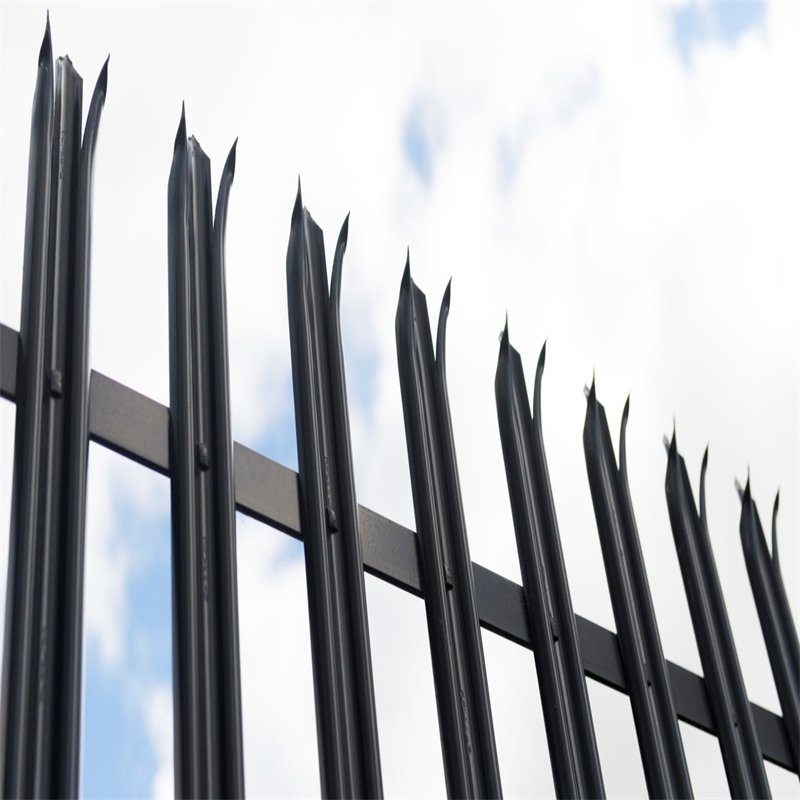
Available pale heads include single points, triple points, square ends, rounded ends, and notched tops. Sharp heads can create additional deterrence in suitable locations. However, pointed components may require additional setbacks and safety checks. Select the head style using the local risk assessment and applicable rules.
Designers can also specify matching gate pales for a consistent boundary. A consistent top line helps reduce visible gaps near entrances. Inspect the clearance above ground after installation, especially on sloping sites.
Palisade Fencing Durban Coating Choices
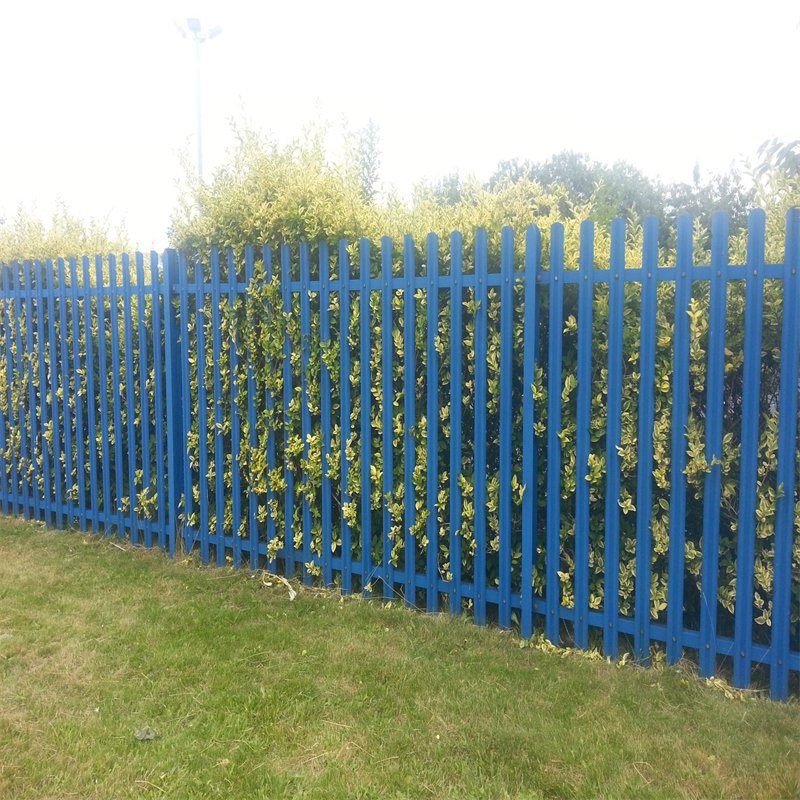
Steel fencing requires corrosion protection, particularly near coastal environments. Hot-dip galvanizing provides a zinc layer that protects accessible steel surfaces. A compatible powder coating adds colour and another protective barrier. Surface preparation and coating quality strongly influence long-term appearance.
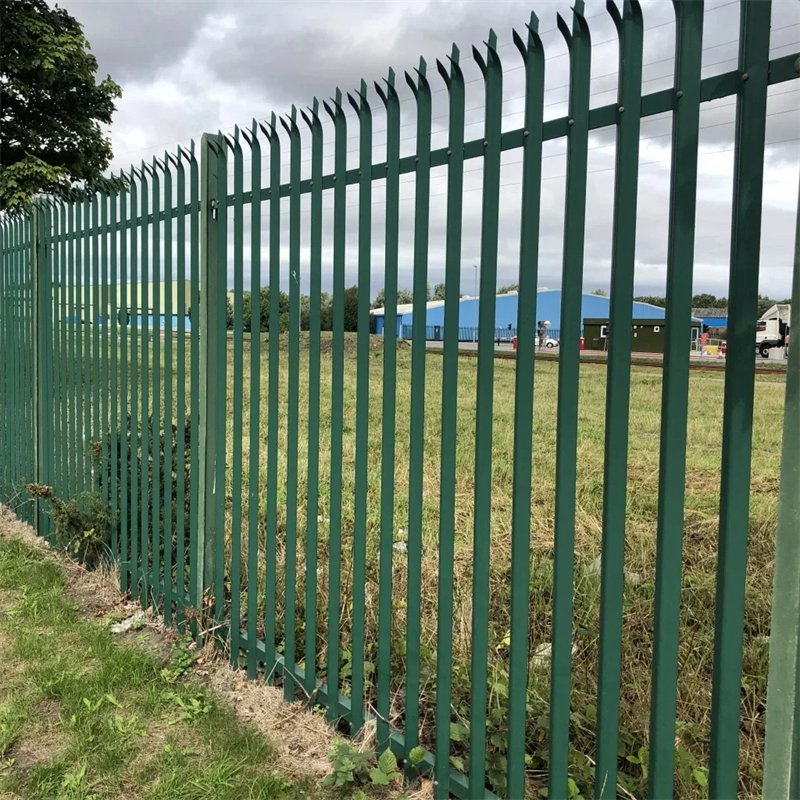
Choose a finish that suits exposure, expected maintenance, and project specifications. Specify inspection methods instead of relying on broad lifespan claims. Request the zinc coating standard, minimum thickness, and colour reference. Many Durban projects use black, green, or grey finishes.
Galvanizing for Coastal Conditions
Salt-bearing air can accelerate corrosion at scratches, cut edges, and joints. Designers should consider post interiors, drainage, fastener coatings, and exposed welds. Hot-dip galvanizing after fabrication can help protect completed assemblies where the process suits the design. Specify relevant corrosion standards and the required inspection records.
Repair damaged coating areas using an approved method during installation. Avoid trapping water within hollow post sections. Keep soil and standing water away from exposed fixing points.
Palisade Fencing Durban Installation Guide
Begin with a site survey and clearly mark the proposed fence line. Identify underground services, boundary corners, gates, and elevation changes. Set post positions using confirmed panel dimensions and mounting details. Check post alignment before fitting the horizontal rails.
Installers can connect pales on-site or erect factory-assembled panels. Use the approved bolt sizes and fastening sequence. Check every pale for firm attachment and suitable clearances. Finish by inspecting the complete fence and opening mechanisms.
Post Foundations and Sloping Ground
Ground conditions determine foundation depth, concrete volume, and fixing design. Sloping installations may use stepped panels or adjusted rails. The original specification describes potential slope adjustment, but actual capability depends on approved geometry. Do not assume every 2.75 m panel follows the same gradient.
For paved yards, suitable engineered baseplates may replace embedded posts. For soil installations, engineers should confirm foundation sizes and resistance to overturning. Gate foundations often need a separate design because gate posts carry concentrated forces.
Palisade Fencing Durban Gates and Entrances
Palisade gates should match the boundary height and security approach. Select pedestrian, double-swing, or sliding arrangements according to available space. Reinforce hinges and gate posts for the expected operating loads. Add suitable locks, stops, and controls to complete the entrance.
Some projects use Clear View Fence Gates beside different boundary materials. Another option includes Clearvu Gates for separate mesh-fenced zones. The Clearvu Sliding Gates range suits facilities considering side-running access. Confirm all interface dimensions when combining different systems.
Bolts, Rivets, and Welding
Bolted panels simplify replacement when maintenance teams need individual components. Rivets may discourage casual tampering, depending on their design. Welding can produce permanent connections where site conditions permit appropriate quality control. Every method needs sound workmanship and suitable corrosion protection.
For nearby mesh-fence zones, Clearvu Fence Clamps secure mesh panels rather than palisade pales. Similar-looking hardware may serve entirely different load paths. Check compatibility before ordering shared accessories.
Palisade Fencing Durban for Schools and Warehouses
Warehouses value durable boundaries around equipment and delivery yards. Schools usually place additional emphasis on pedestrian safety and controlled circulation. Utility compounds need clear service access and protection around sensitive infrastructure. Retail service areas may benefit from sections that preserve visibility.
Designers can combine palisade fencing with lighting, cameras, and monitored gate access. Keep vegetation away from the fence to simplify inspection. Plan emergency routes and maintenance gates before selecting panel quantities.
Palisade Fences Versus Clear View Mesh
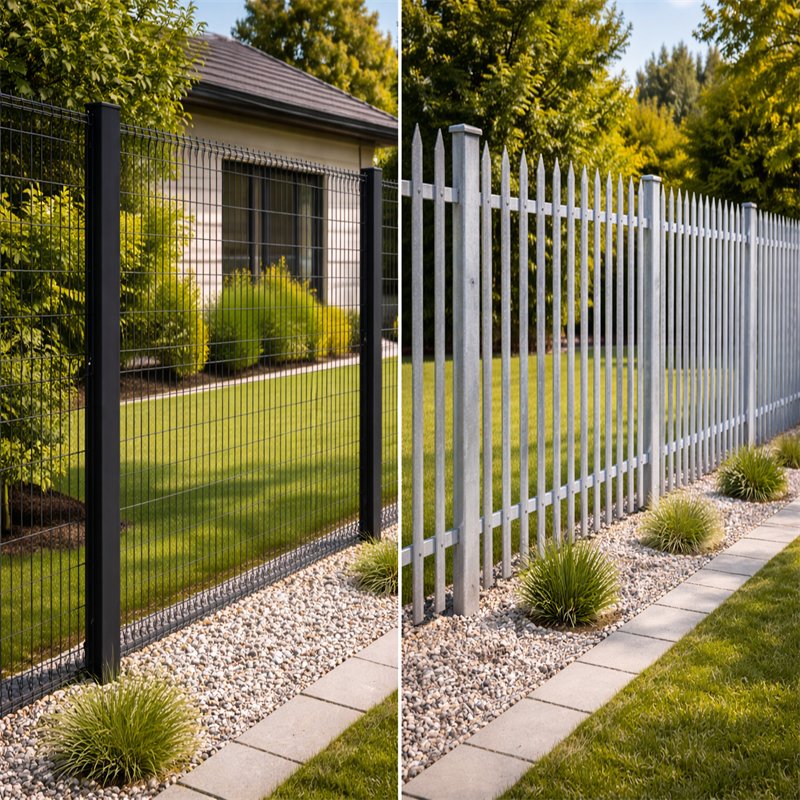
Palisade fencing uses open vertical steel pales with visible tops. Clear View Fencing Durban uses welded mesh panels with smaller openings. The High-Security Clear View Fence range emphasizes restricted handholds and clear surveillance. Different sites may prefer different boundary designs.
Mesh projects can also require Clearvu Fence Panels and matching Clearvu Fence Posts. These parts form a separate product system. Choose either system using the project's actual security, aesthetic, and maintenance needs.
Palisade Fencing Durban Manufacturing and Quality
BMP produces steel fencing products in Hebei, China, with manufacturing and export experience since 2006. Our work includes forming, cutting, fitting, welding, coating, and export preparation. Project drawings help define pale type, rail position, hole spacing, and post connections. Inspect critical dimensions before batch production.
Quality teams should verify pale straightness, rail alignment, weld appearance, and fastener compatibility. Coating checks should cover exposed edges and accessible post surfaces. Protect finished components during stacking and loading. Maintain traceable inspection records where the purchase specification requires them.
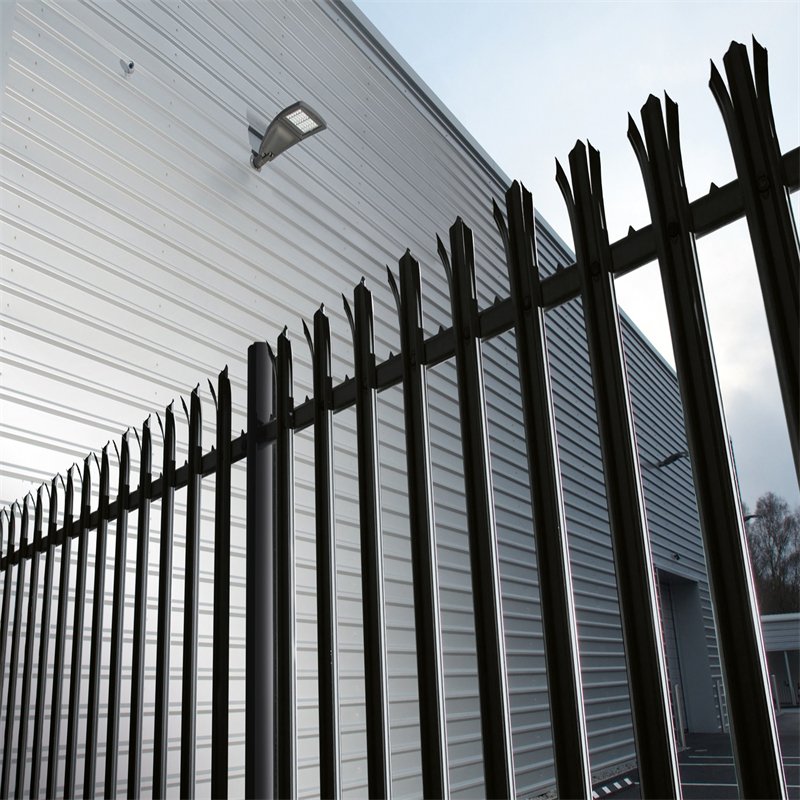
Steel palisade components support different pale profiles, panel heights, and protective finishes.
Export Packing and Shipping
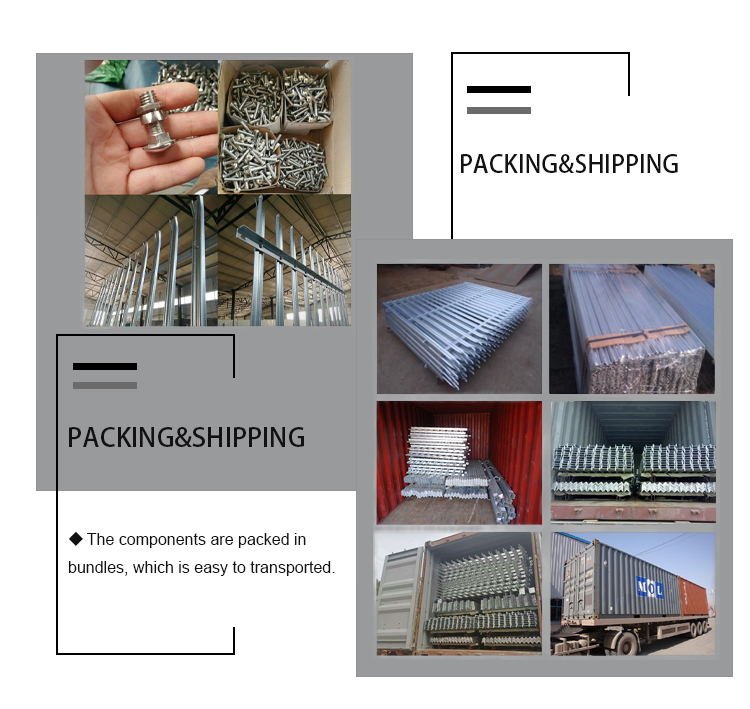
Factory assembly can reduce some site labour, while loose components may improve container space usage. Bundle rails and posts by length and clearly identify matching pale sets. Use protective separators to reduce scratches during transport. Secure pallets against movement and moisture exposure.
Package bolts, rivets, and small accessories in labelled cartons. Confirm shipping marks, packing quantities, and unloading arrangements before dispatch. Provide a clear packing list for easier warehouse receiving. Export schedules depend on production plans and confirmed vessel space.
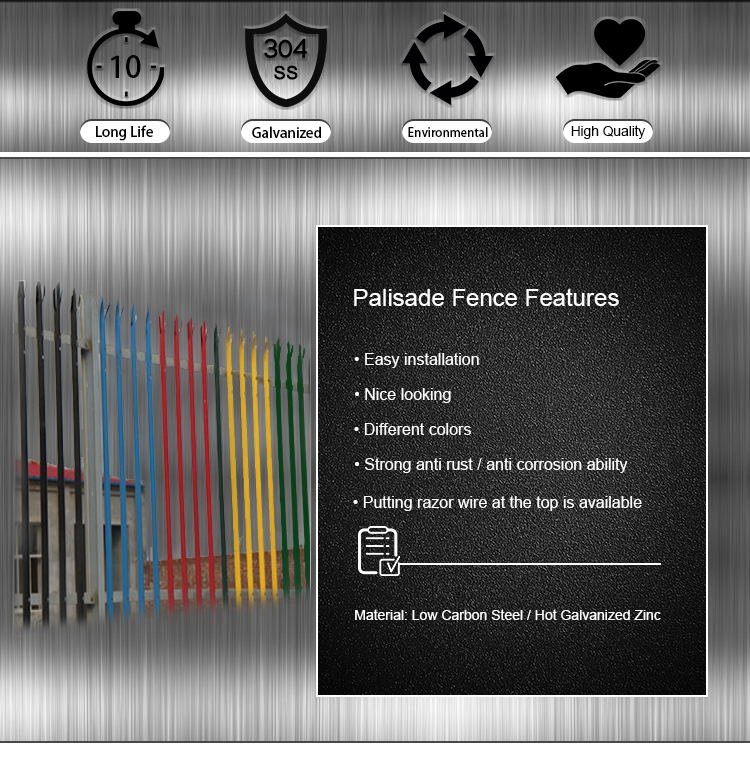
Palisade fence projects may use preassembled panels or separate pales, rails, and posts for site assembly.
Palisade Fencing Durban Maintenance
Inspect posts, rails, and fasteners at regular intervals. Pay attention to low points, ground contact, and coastal corrosion exposure. Remove debris that traps moisture around steel sections. Repair local coating damage before corrosion spreads beneath the finish.
Check gate hinges, locks, and stops after periods of intensive use. Replace damaged pales promptly to preserve the intended boundary. Maintain clear access for emergency services and routine security patrols. Record recurring damage patterns for future design improvements.
Specification Checklist for Buyers
Provide the fence length, required height, panel width, and preferred pale profile. State the required head design, pale thickness, rail size, and post arrangement. Include site location, coastal exposure, ground conditions, and gate requirements. Share drawings and photographs when unusual slopes or existing foundations affect the design.
Some sites combine palisade lines with other perimeter components. Razor Wire or Razor Wire Flat Wrap may appear in separately designed security zones. Verify legal restrictions and safe setbacks before specifying sharp security toppings. For mesh interfaces, consult Clear View Fence Accessories rather than assuming shared palisade hardware.
Palisade Fencing Durban FAQ
How long does production usually take?
Production depends on quantities, coating choices, drawings, and factory workload. The original supplier guidance mentions approximately 20 days after prepayment. Confirm the actual schedule with the order specification before planning delivery. Custom pale tooling and coatings may affect timing.
Buyers can request technical drawings, packing details, and sample arrangements before final approval. BMP can review project dimensions and propose compatible components. Production proceeds according to the agreed specifications and commercial terms.
Ordering and Project Support
Send BMP your preferred W-section or D-section profile, fence height, and total project length. Include gate dimensions and coastal coating requirements. We can prepare a corresponding technical proposal and packing plan. Request engineering review for unusual wind exposure, difficult ground, or high-security installations.
For broader fencing comparisons, ClearVu Fencing Specifications South Africa explains relevant welded-mesh choices. Palisade fencing remains a distinct product family with different components. Choose the design that matches your approved project specification.