Security steel fence systems protect boundaries while keeping entrances, service roads, and surrounding areas visible. BMP supplies two main designs: palisade panels and tubular steel panels. Each design offers different profiles, connections, and finishing options.
Buyers should select fencing according to site risks, public access, terrain, and maintenance needs. Our range covers industrial compounds, warehouses, schools, transport facilities, and commercial properties. The Steel Fence collection includes both shaped-pale and tubular constructions.
Security Steel Fence for Industrial and Commercial Sites
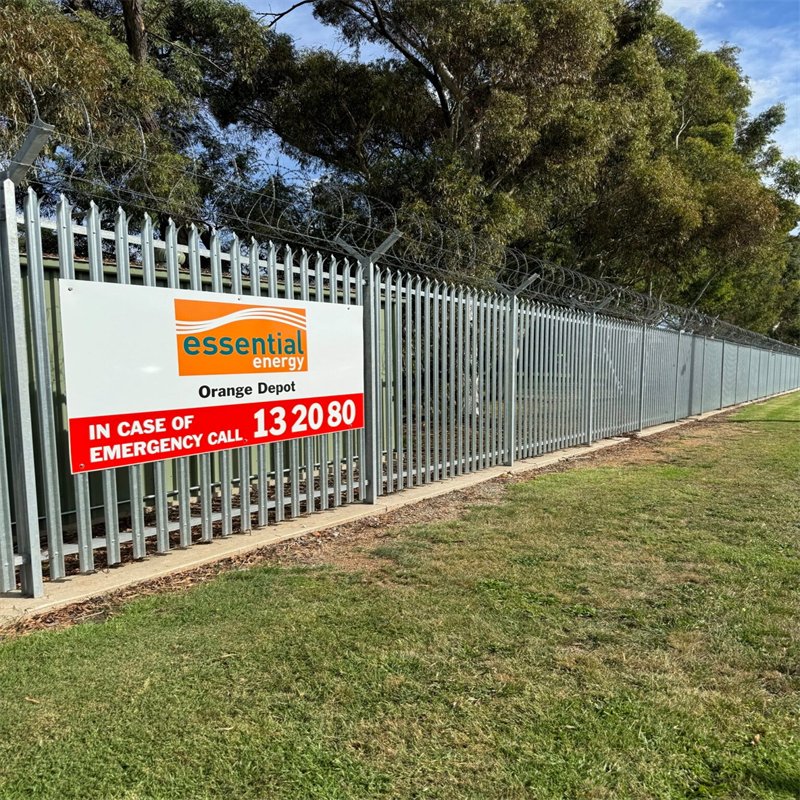
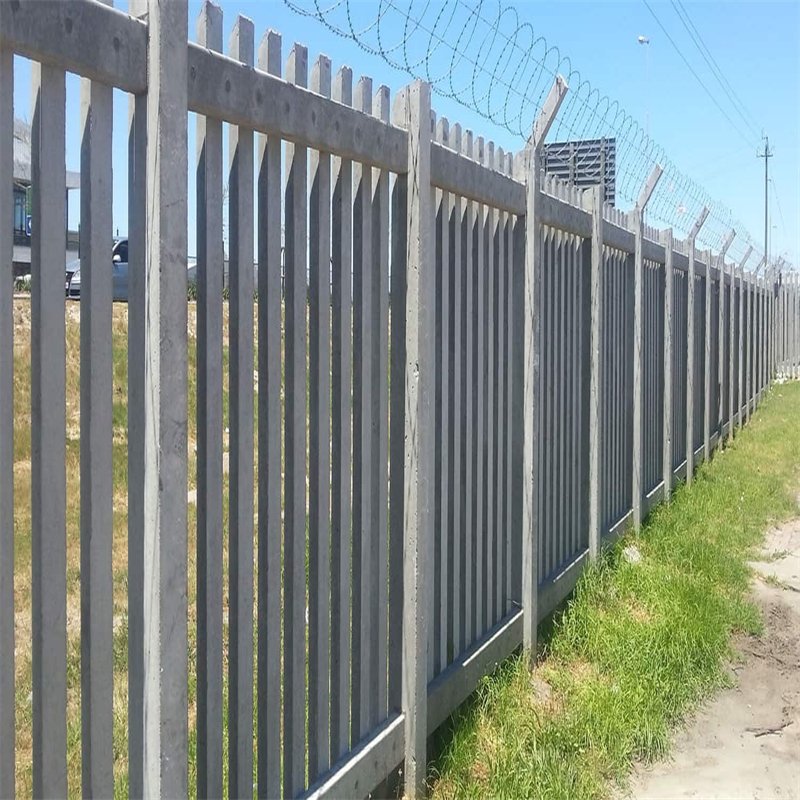
Palisade structures use formed steel pales, steel rails, and supporting posts. Tubular structures use welded rails and hollow pickets. Both create visible physical boundaries without forming solid walls.
A complete fencing design must include suitable foundations, correctly sized posts, secure gates, and reliable connections. Security performance depends on the whole installation. An ordinary fence cannot guarantee protection against every intrusion method.
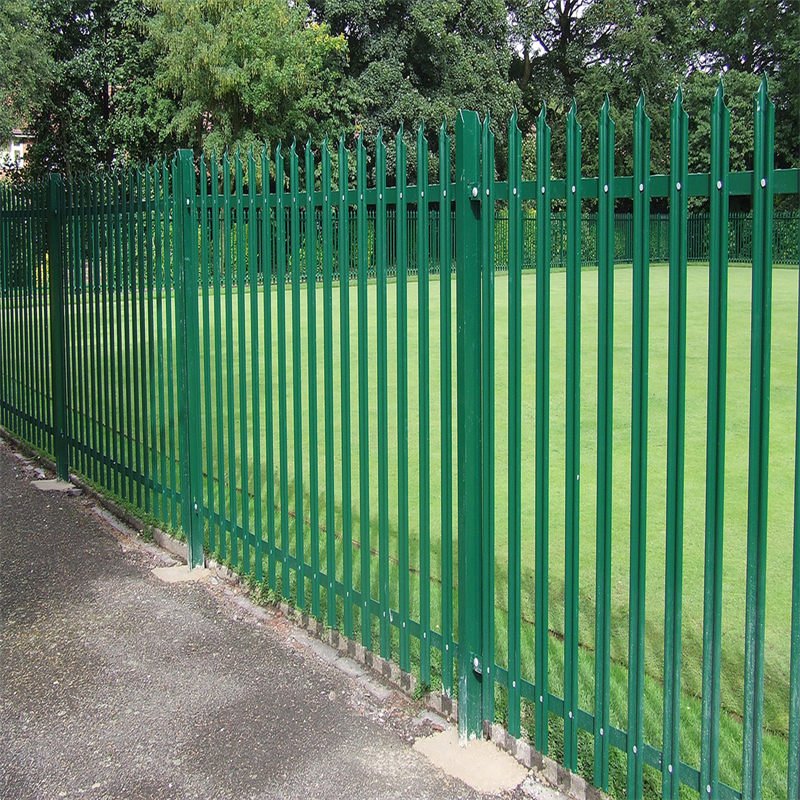
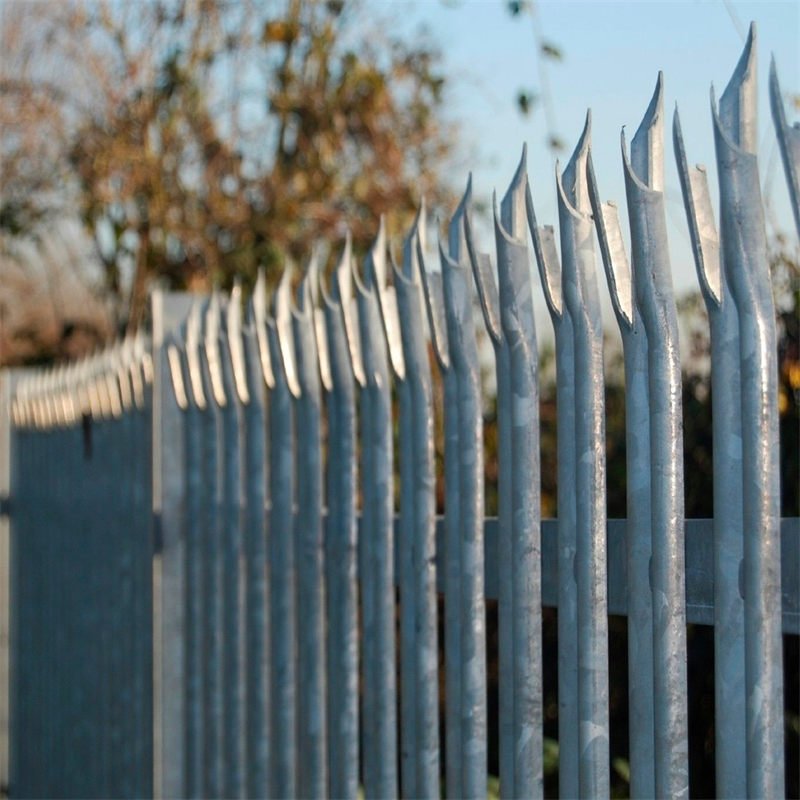
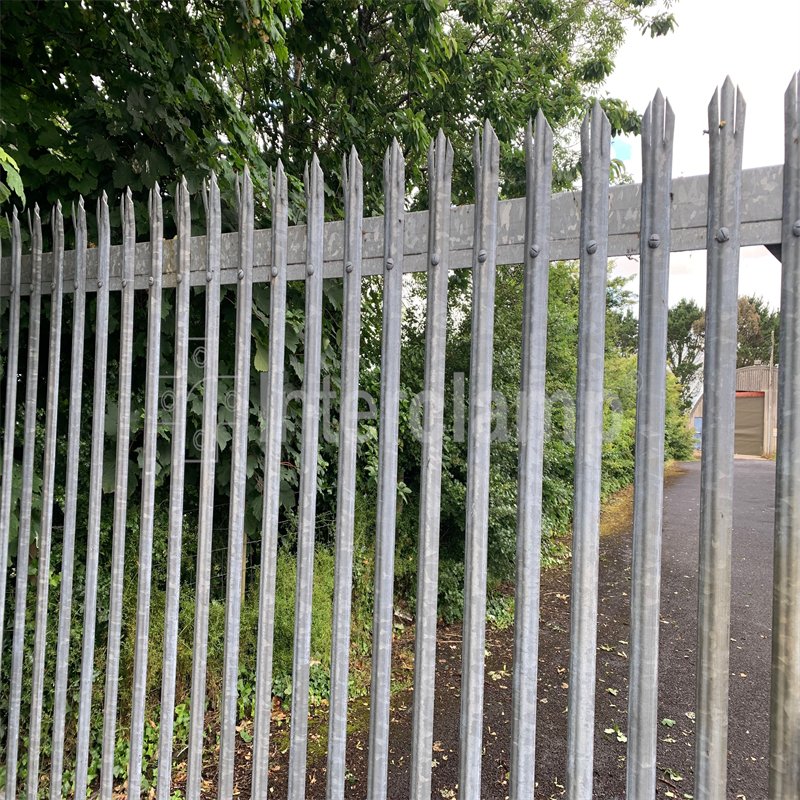
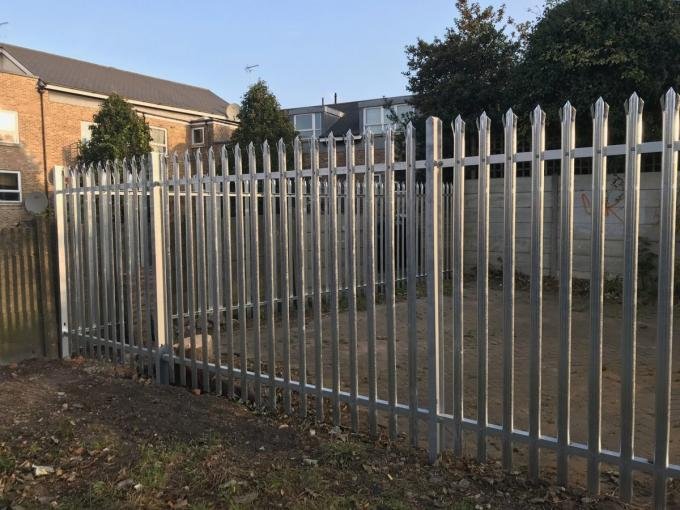
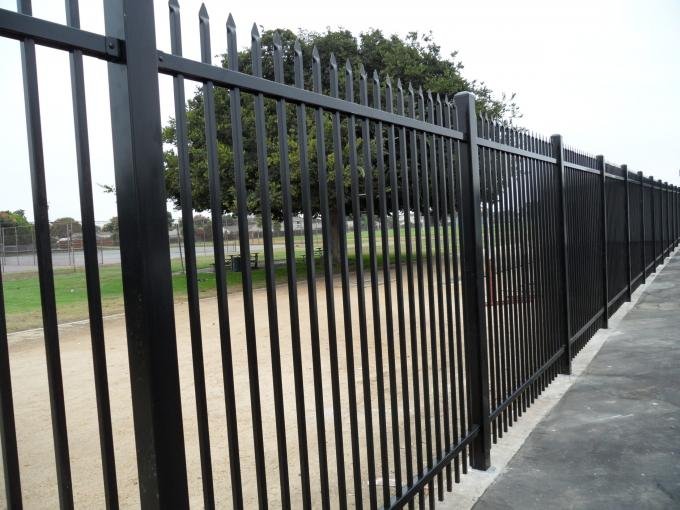
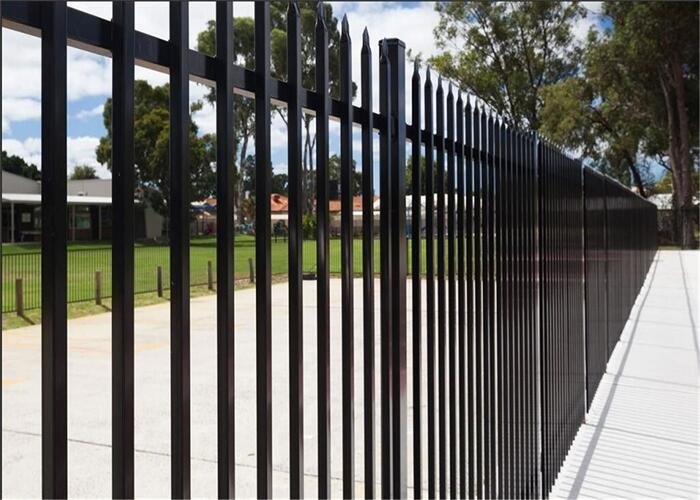
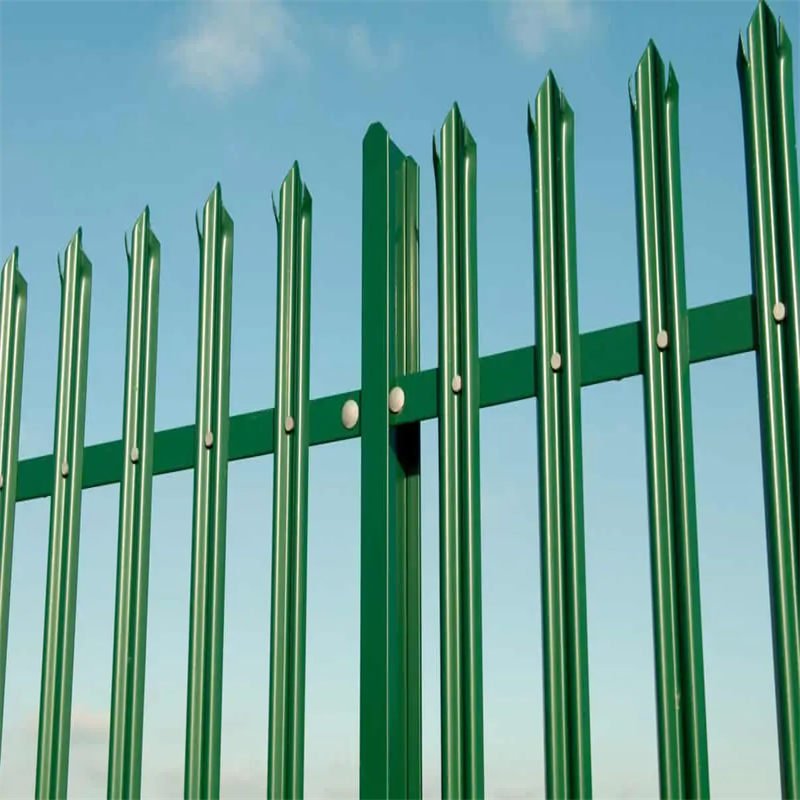
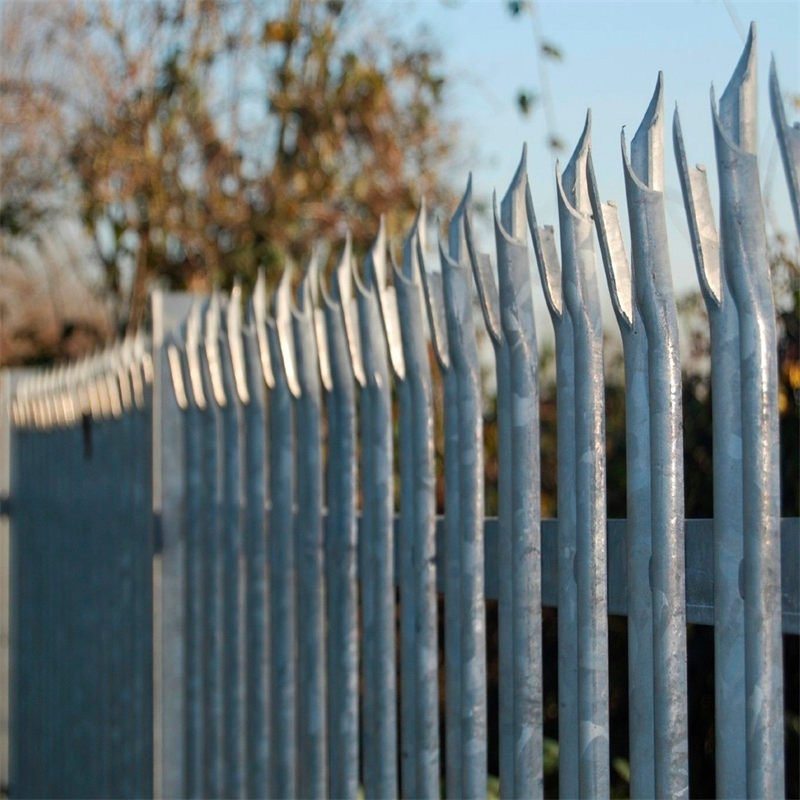
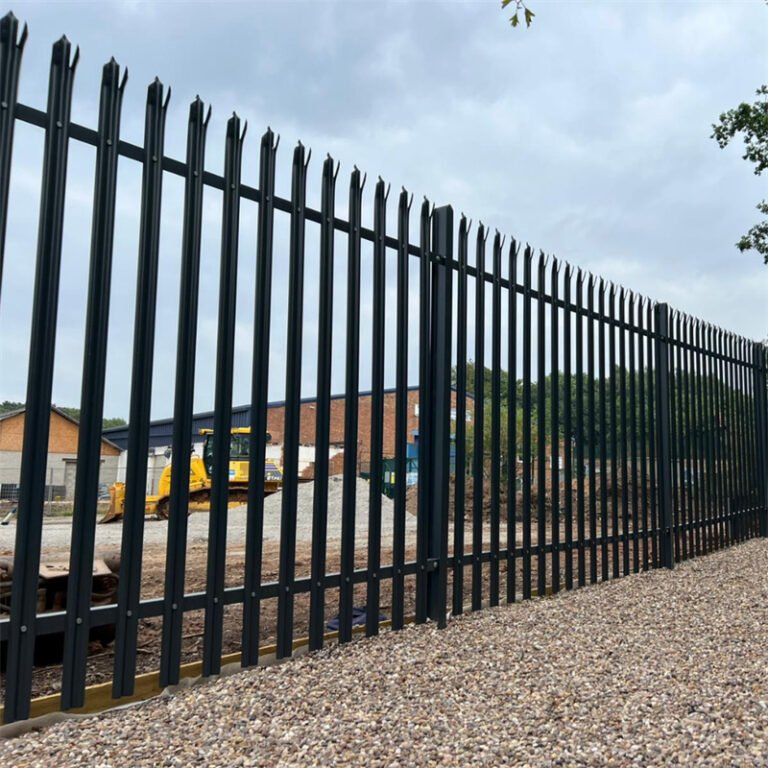
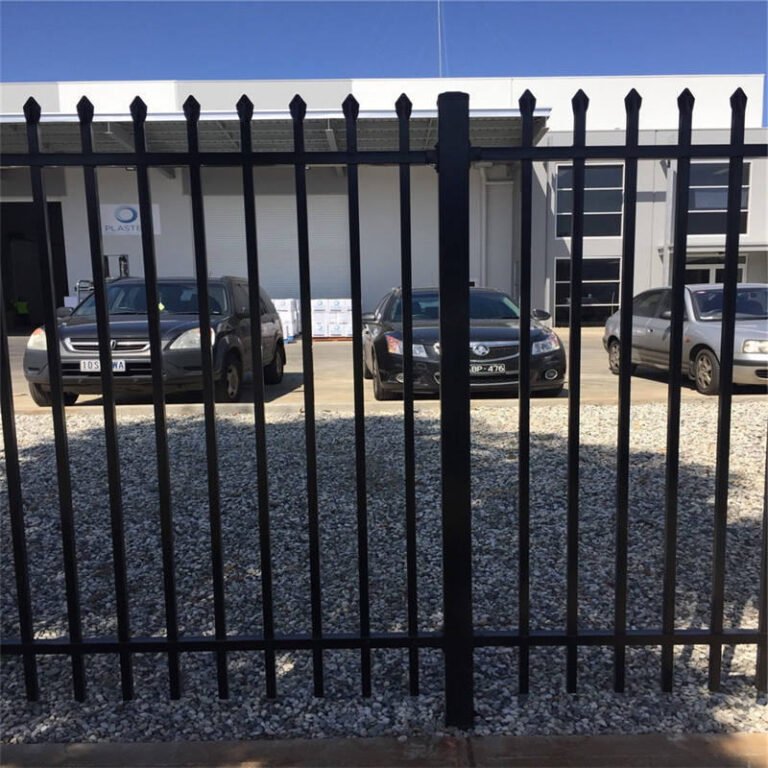
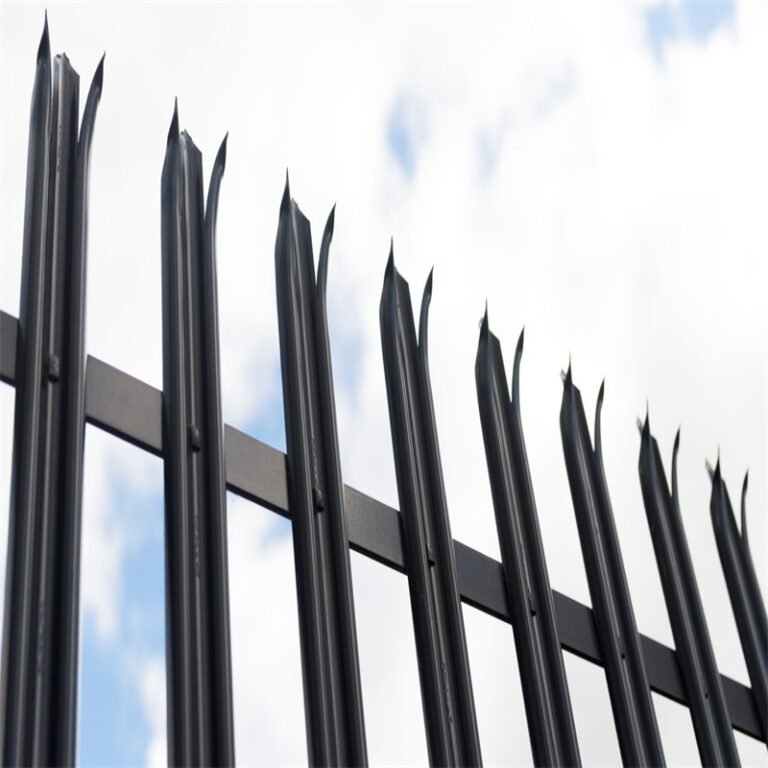
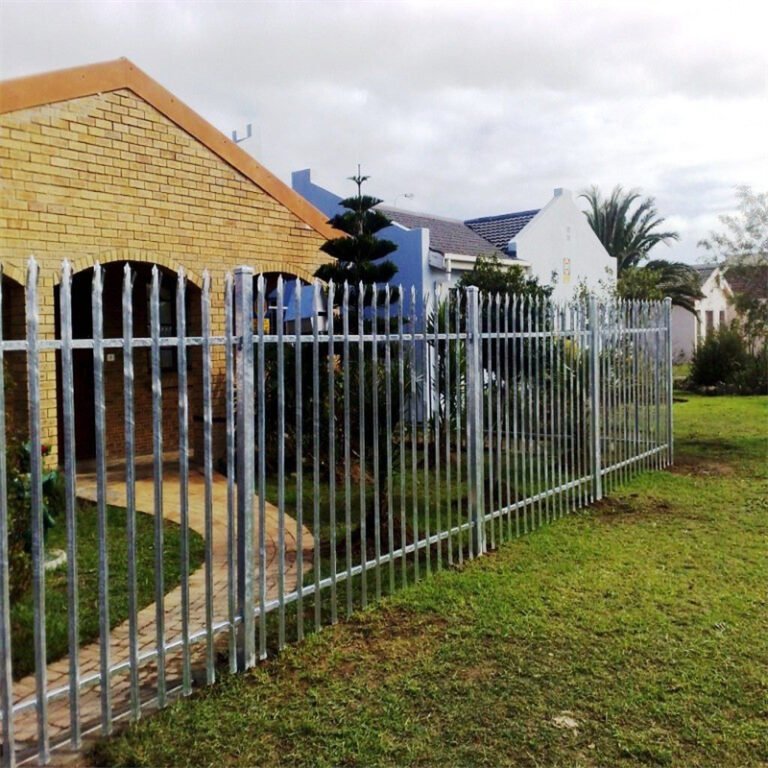
Palisade fencing uses shaped steel pales and substantial supporting rails.Tubular steel fencing offers clear sightlines with welded rails and pickets.
Choosing Between Palisade and Tubular Designs
A Palisade Fencing system suits projects seeking pronounced steel pale profiles and tamper-resistant fixings. A Tubular Steel Fence design supports orderly vertical pickets and several head styles.
Choose pointed pale heads only where regulations and public safety allow them. Rounded or flat tops may suit schools and other public-facing locations. Consider appearance alongside actual access and security requirements.
Security Steel Fence Palisade Construction
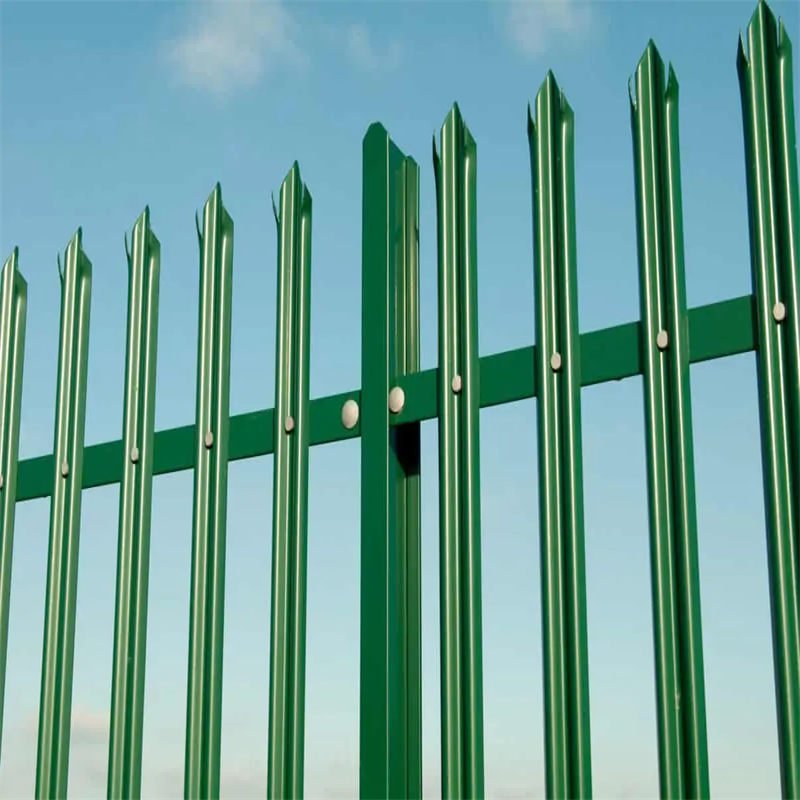
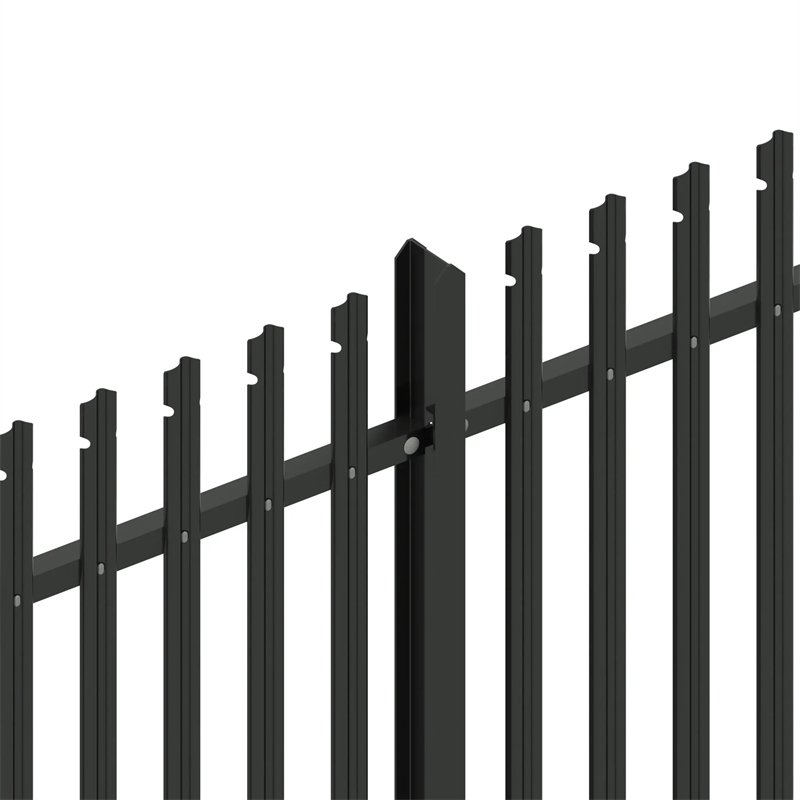
Palisade fencing combines vertical W-section or D-section pales with horizontal steel rails. Posts support each fence bay and transfer loading into foundations. Fabricators can prepare panels or supply individual components for assembly.
The Steel Palisade Fencing range includes alternative pale profiles, thicknesses, and head configurations. Buyers can discuss riveted, bolted, or welded assembly methods. The connection method must follow an agreed drawing.
W-Section and D-Section Pales
W-section pales have a corrugated profile that provides a rigid shape. D-section pales use a different formed profile for the vertical members. Both types allow different heads and protective finishes.
A Palisade Fence layout should identify pale pitch, rail location, and the exposed head shape. Wider gaps can affect site access control. Select pale spacing from the relevant project specification.
Security Steel Fence Palisade Specifications
The following nine configurations reproduce the original product reference data. Post dimensions and rails use millimetres unless the table states otherwise. Final projects need approved drawings and structural checks.
The original list does not define the support-leg arrangement. Confirm this count, post spacing, and foundation details before ordering. Taller systems may require additional engineering or bracing.
Rail Profiles and Support Legs
Rail size increases across several reference heights. The 3.0 m and 3.6 m versions list larger posts and two support legs. Those figures represent source options rather than verified load capacities.
Ask the factory to state steel grade, post spacing, and fastening method. Engineers should review wind exposure, ground conditions, and gate positions. Do not select structural sections using height alone.
Security Steel Fence Tubular Construction
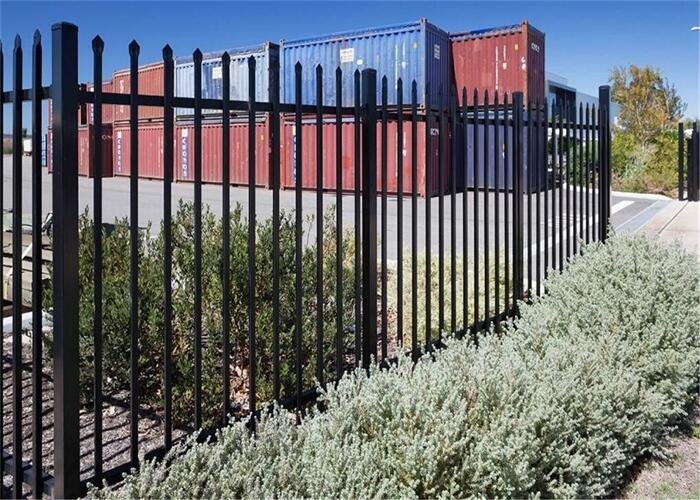
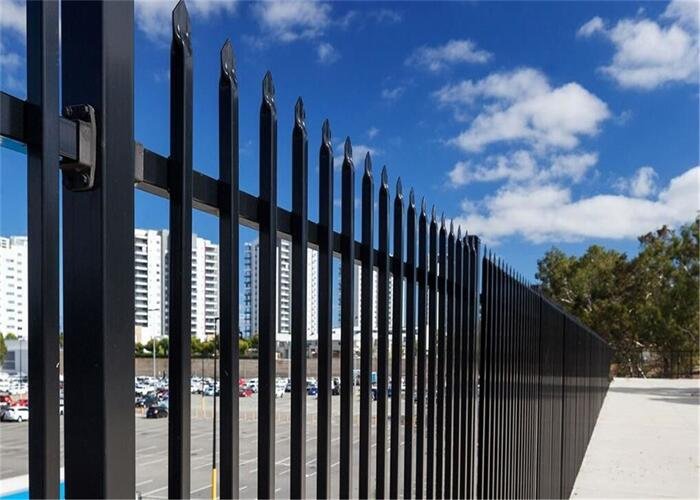
Tubular fencing uses hollow steel pickets within welded horizontal rails. Square or round posts support the panel ends. Fabricators can vary picket tops, tube wall thicknesses, and panel dimensions.
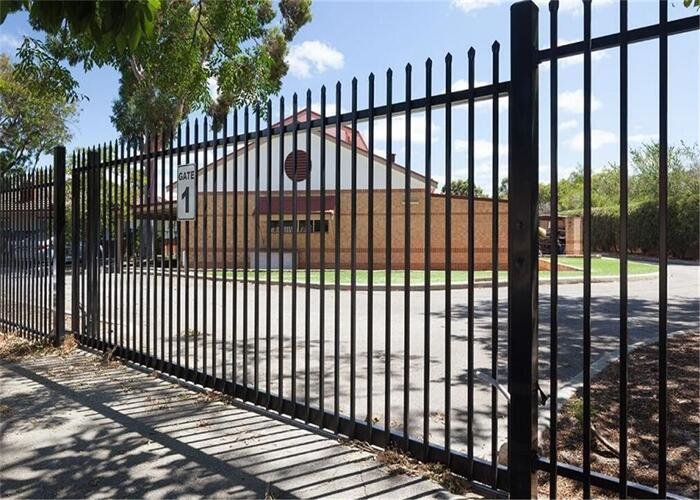
The Steel Fence Panels range shows garrison-style tubular configurations. A flat-top design provides a restrained architectural appearance. Spear-top pickets may discourage casual climbing where local rules permit them.
Tubular security fencing uses welded steel members and compatible posts.
Square and Round Post Profiles
The source lists square posts measuring 40, 50, or 60 mm. It also lists round posts measuring 48, 60, or 75 mm. All dimensions refer to section sizes rather than wall thickness.
The source offers wall thicknesses of 1.5, 1.8, 2.0, and 2.5 mm. Buyers should confirm the correct combination for each panel. Gate posts often require different sections from ordinary fence posts.
Security Steel Fence Tubular Specifications
The table retains the original six size combinations. The source distinguishes base posts from normal posts without defining the fixing assembly. Confirm all heights and mounting details before production.
Tubular steel fence source specifications
Post profile
Available post sections (mm)
Panel height (mm)
Base post (mm)
Normal post (mm)
Square
40 × 40 / 50 × 50 / 60 × 60
830
850
1200
Square
40 × 40 / 50 × 50 / 60 × 60
1030
1050
1400
Square
40 × 40 / 50 × 50 / 60 × 60
1230
1250
1600
Round
Ø48 / Ø60 / Ø75
1530
1550
2000
Round
Ø48 / Ø60 / Ø75
1830
Not specified
2400
Round
Ø48 / Ø60 / Ø75
2030
Not specified
2500
Available reference thicknesses include 1.5, 1.8, 2.0, and 2.5 mm. Finishing options include galvanising and coated galvanised tube. The actual process requires a project-specific specification.
Understanding Base Posts and Embedded Posts
Base-mounted posts normally connect to approved concrete using suitable plates and anchors. Embedded posts extend into foundations and transfer loads through the surrounding concrete. Neither fixing type suits every site.
The original height table does not explain its base-post dimensions. Ask for detailed installation drawings before selecting an option. Review anchor capacity, post length, and available slab depth.
Security Steel Fence Surface Treatments
Corrosion protection influences long-term upkeep and appearance. Common choices include hot-dip galvanising, protective coatings, or compatible combined systems. The correct treatment depends on climate, steel preparation, and intended service conditions.
The source mentions hot-dip galvanised steel and PVC-coated galvanised tube. A coating specification should distinguish metallic zinc from organic surface films. State each target thickness or mass separately.
Galvanising and Powder Coating
Hot-dip galvanising creates a zinc coating that protects the steel substrate. Powder coating adds a coloured outer finish after appropriate preparation. A duplex system can combine both protection methods.
The Powder Coated Clear View Fence product demonstrates powder coating on a different steel fencing system. It does not establish identical coating performance for palisade products. Request test records for the ordered finish.
Security Steel Fence for Coastal Installations
Coastal sites expose steel to salt, moisture, and wind. Buyers should discuss exposure conditions before choosing a zinc coating or topcoat. Poor drainage around posts can also accelerate local corrosion.
Inspect weld areas, cut edges, fasteners, and scratched surfaces throughout the service life. Repair damaged coating promptly using the approved procedure. No single coating lifetime suits every coastline.
Design Choices for Slopes and Corners
Uneven ground can require stepped panels, raked pales, or adjusted post positions. Corner transitions must keep gaps controlled without overstressing connections. Drawings should identify changes in level and fence direction.
Review steep slopes before factory production. Confirm terminal posts, brace requirements, and the relationship between gates and finished ground levels. Avoid relying on general slope claims without specific calculations.
Security Steel Fence Gate Integration
Gates form part of the perimeter security system. Their frames, hinges, latches, and support posts need independent checks. The gate opening must allow safe movement without compromising adjacent fencing.
Small entrances can use Pedestrian Gates. Wider vehicle access may require Double Swing Gates. Facilities with clear travel space may choose Sliding Gates. Check actual compatibility with the steel fence design.
Matching Gates to Traffic Flow
Pedestrian entrances need reliable latches and an accessible route. Vehicle entrances must accommodate turning space, opening direction, and emergency access. Motorised gates also need suitable safety controls.
For mesh-security projects, Clearvu Sliding Gates provide a separate gate concept. Their frame connections differ from typical palisade assemblies. Agree on the entire system before purchasing accessories.
Security Steel Fence Comparison with Mesh Fencing
Palisade and tubular fences differ from welded mesh panels. Steel pales and pickets create vertical barriers with relatively open gaps. Fine mesh systems use small welded apertures to reduce handholds.
A High-Security Clear View Fence offers a separate anti-climb mesh arrangement. Buyers can also evaluate Clear View Fence Panels when camera visibility matters. Neither design automatically replaces a properly specified palisade fence.
For detailed comparisons, Clearvu Fence Panels illustrate mesh options beyond tubular steel. Choose based on site risk, local regulations, maintenance, and the required access controls.
Accessory Compatibility and Toppings
Fasteners and clamps must match their intended fence profiles. Palisade pale bolts do not necessarily fit tubular frames. Similarly, mesh panel clamps require matching posts and engineered connections.
Some restricted sites consider Razor Wire Flat Wrap as a separate perimeter topping. Additional toppings need suitable brackets and legal review. Do not assume every steel fence supports them.
Security Steel Fence Manufacturing Quality
Manufacturing starts with approved drawings and material selection. Workers cut steel sections, position components, and weld joints using appropriate fixtures. They inspect alignment before surface preparation.
BMP can discuss customised panel sizes, pale profiles, gate arrangements, and packing instructions. Product certificates and third-party reports depend on the agreed order. Request documents before claiming any specific certification.
Product details help buyers review fence geometry, finish, and fabrication options.
Inspection Checklist Before Dispatch
A useful inspection plan checks dimensions, section thickness, weld appearance, and finish quality. Inspect the packing configuration before container loading. Record any repair work before approving dispatch.
Check panel length, height, diagonals, and alignment against the approved drawing.
Confirm rail, post, and pale thickness using suitable instruments.
Inspect accessible welds for visible cracking, gaps, and excessive spatter.
Review coating condition at welds, edges, holes, and connection points.
Count posts, fasteners, accessories, and gate hardware against the packing list.
Third-party inspections can support buyer requirements. Their scope, sampling rules, and fees need advance agreement. Quality reports should identify actual inspected goods rather than general factory capability.
Security Steel Fence Export Packaging
Steel fencing needs protection against rubbing, impact, and moisture during transport. Panels can travel on export steel pallets with protective layers. Posts and accessories should remain identifiable during unloading.
Use separators between finished panels where contact could damage the coating.
Protect pallet edges and contact points beneath transport strapping.
Bundle posts securely while protecting base plates and caps.
Pack bolts, brackets, and fitting sets in labelled bags and cartons.
Mark packages clearly to simplify site inventory and staged installation.
Export packing must match the container and destination handling plan. Buyers can request a packing layout before shipment. Confirm crate or pallet materials when customs or unloading requirements differ.
Applications Across Different Sites
Industrial sites often use palisade panels around service yards and restricted storage areas. Schools may prefer tubular fences with safer head profiles. Utilities need suitable clearances around equipment and entrances.
Railways and warehouses may require longer perimeter runs with coordinated gates. Residential communities may prioritise a consistent architectural appearance. Every application benefits from a site-specific risk assessment.
Security Steel Fence Frequently Asked Questions
Can BMP customise panel dimensions? Yes, buyers can submit drawings with preferred heights, sections, and finishes.
Are W-section and D-section pales identical? No, their profiles and typical fixing details differ.
Can we request samples? BMP can review sample availability, manufacturing requirements, and transport arrangements.
Can the factory arrange third-party inspection? Inspection arrangements depend on the purchase agreement and selected inspection agency.
How long does manufacturing take? Timing depends on final specifications, quantity, coating schedule, and production capacity.
Does a steel fence require maintenance? Yes, owners should inspect coatings, joints, posts, and gate hardware periodically.
Requesting Drawings and Technical Confirmation
Send the proposed fence height, site length, profile preference, and installation location. Include a sketch with gates, corners, and slope changes. Specify the coating environment and any special loading conditions.
BMP can review the project details and prepare a product quotation. Confirm the final steel sections, fasteners, and packaging before approval. Clear drawings help reduce production changes and installation problems.