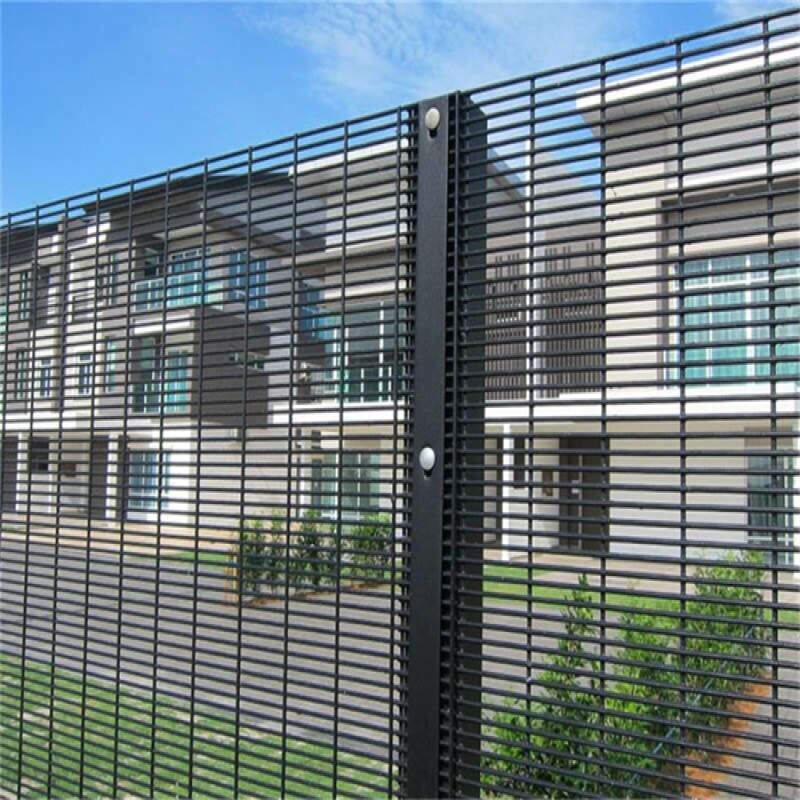
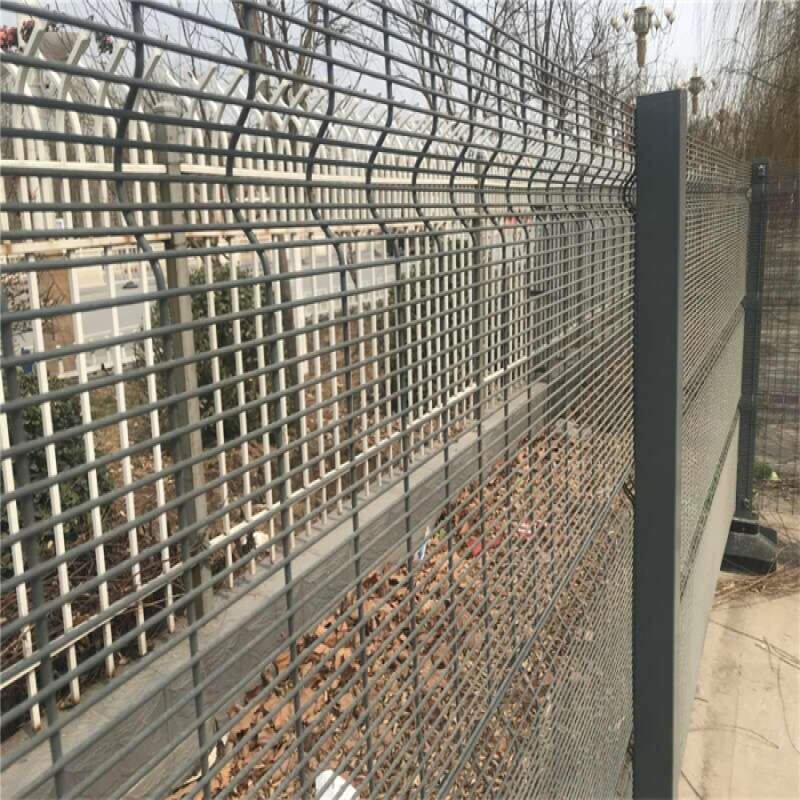
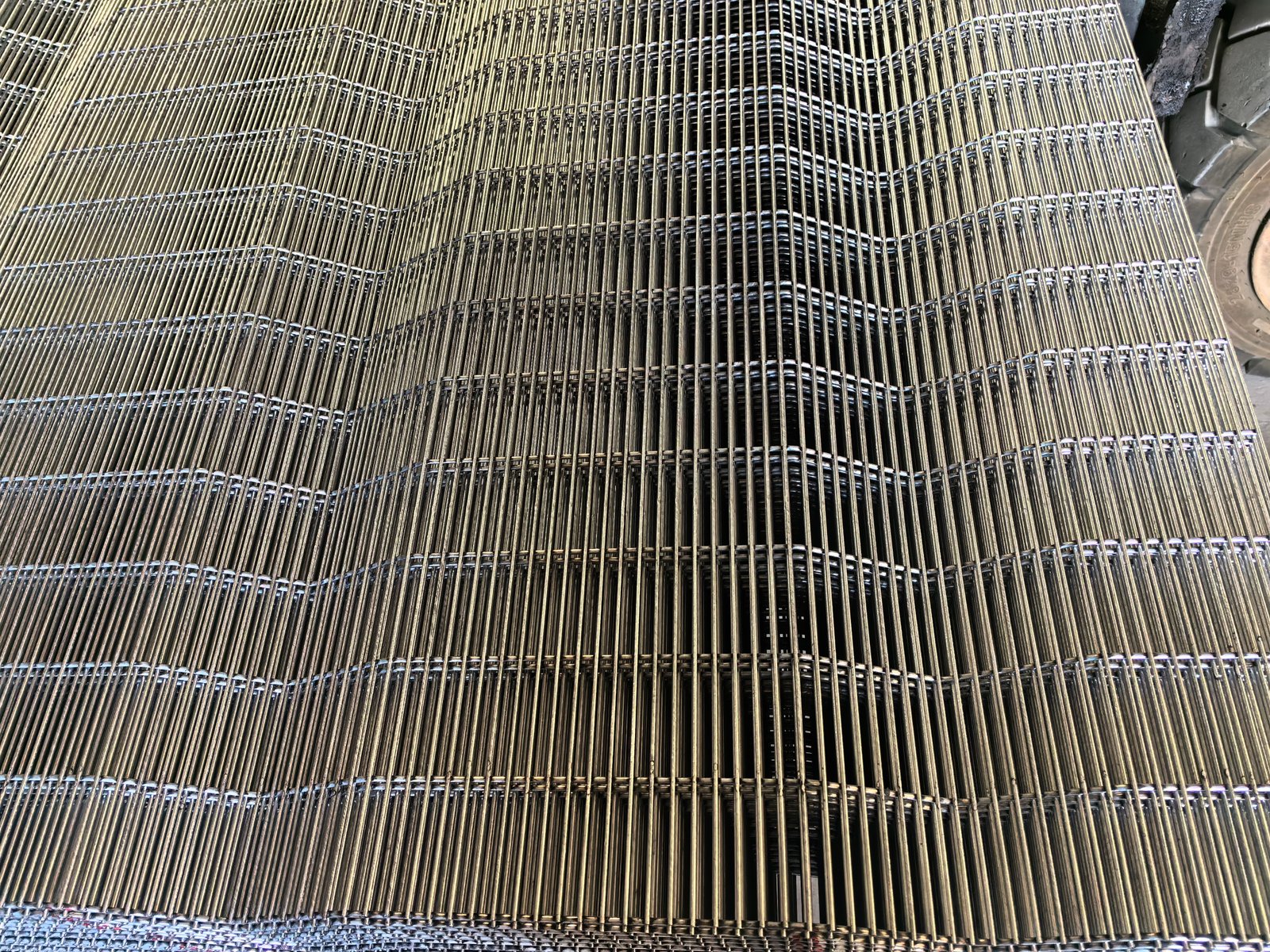
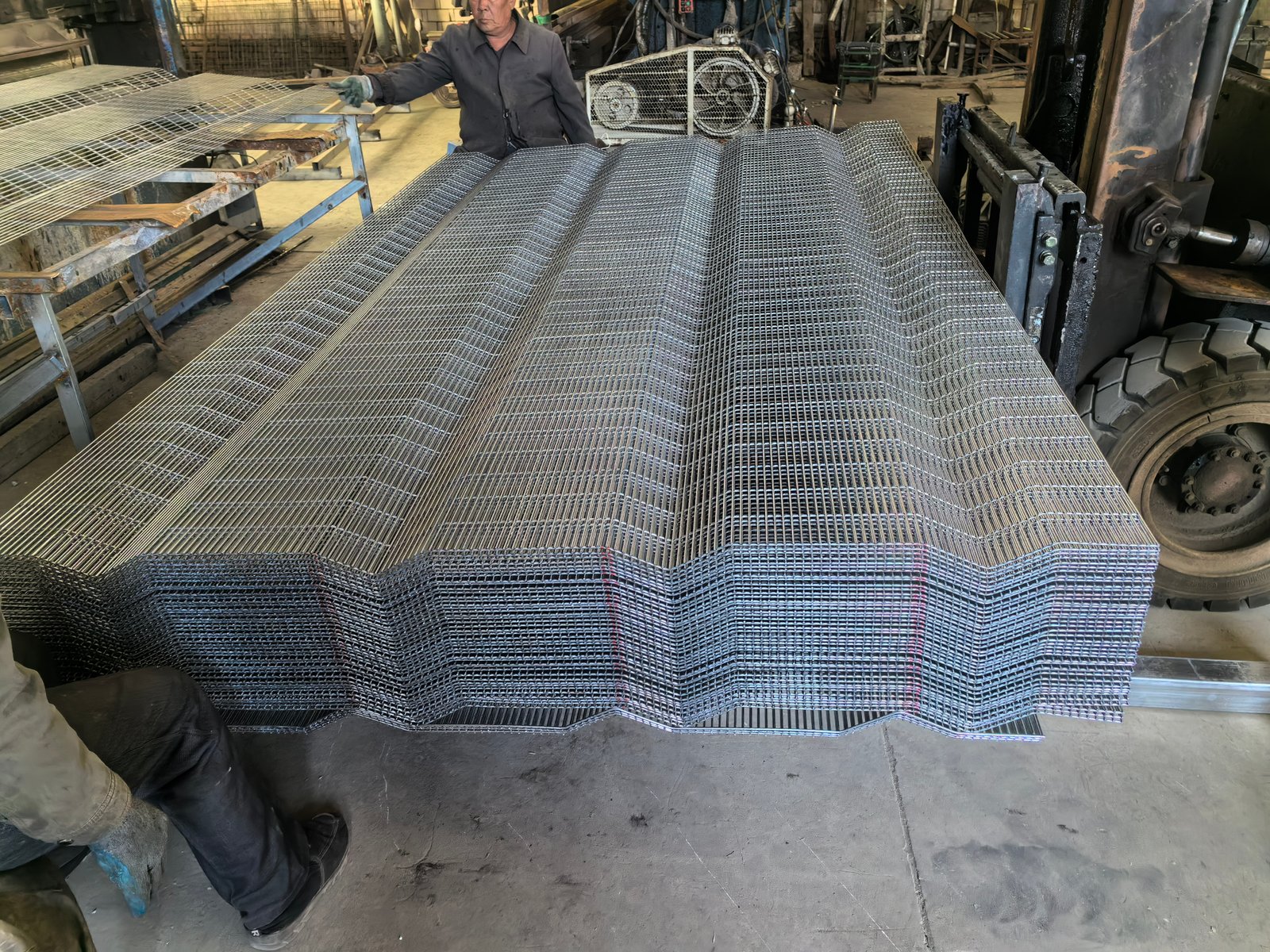
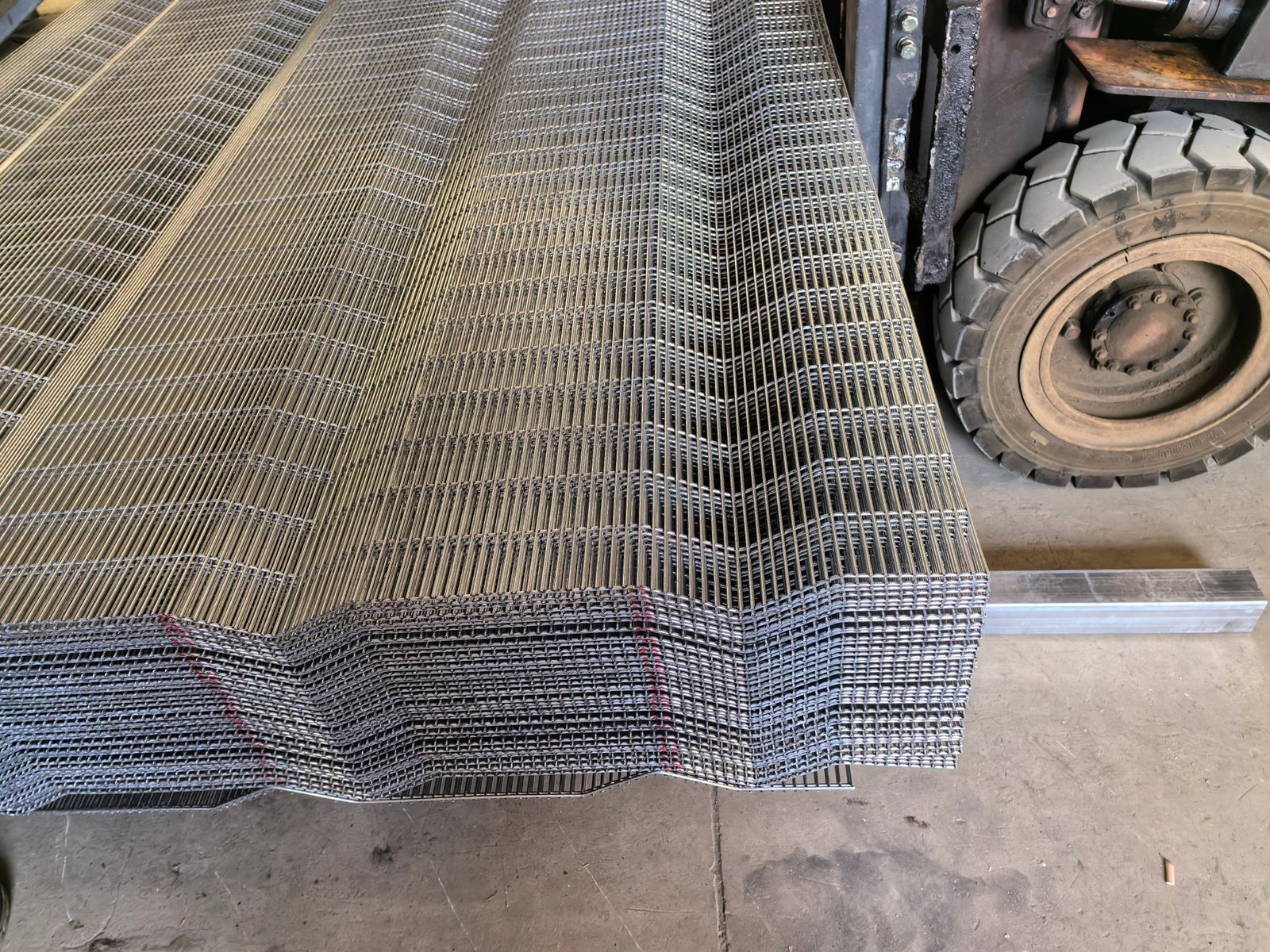
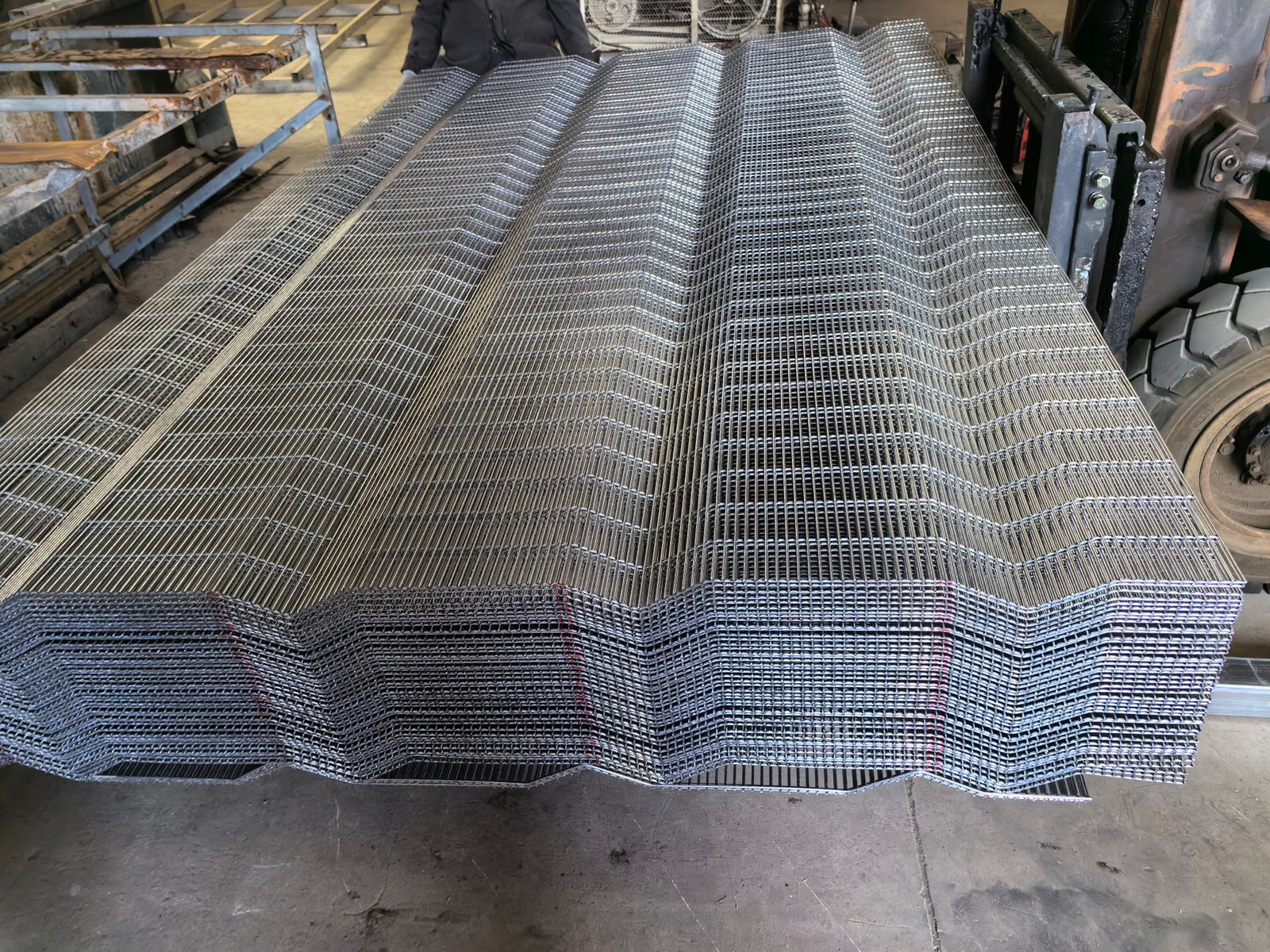
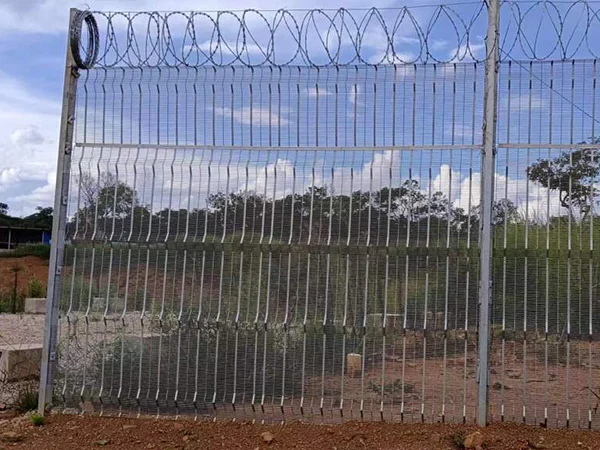
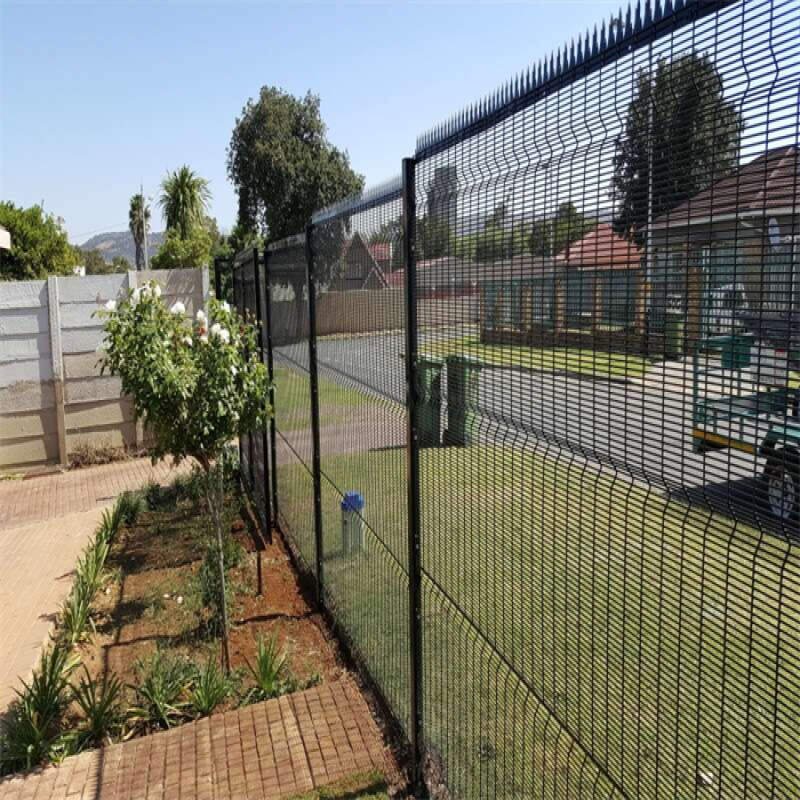
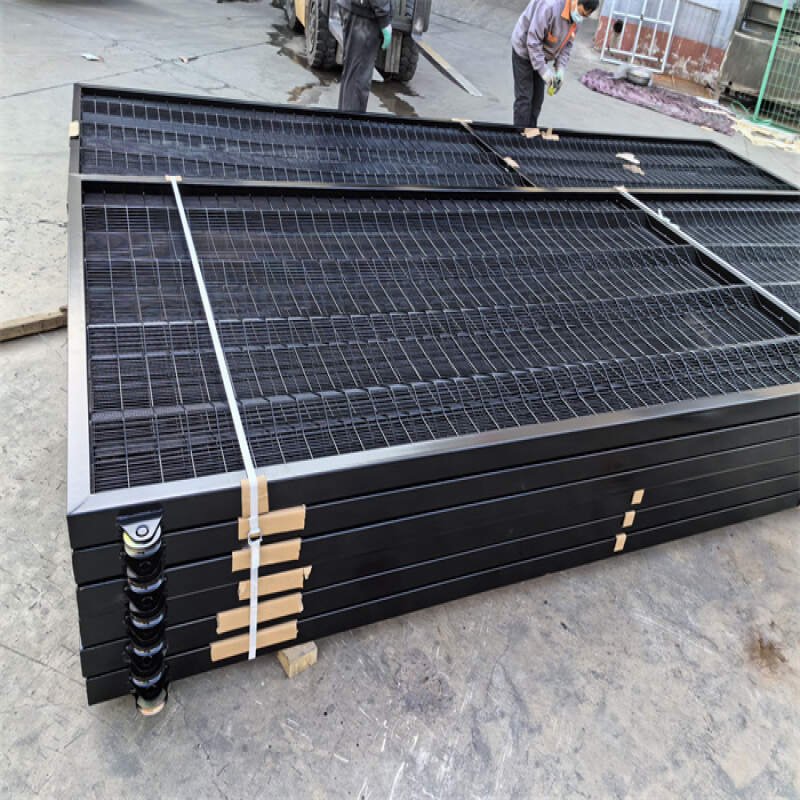
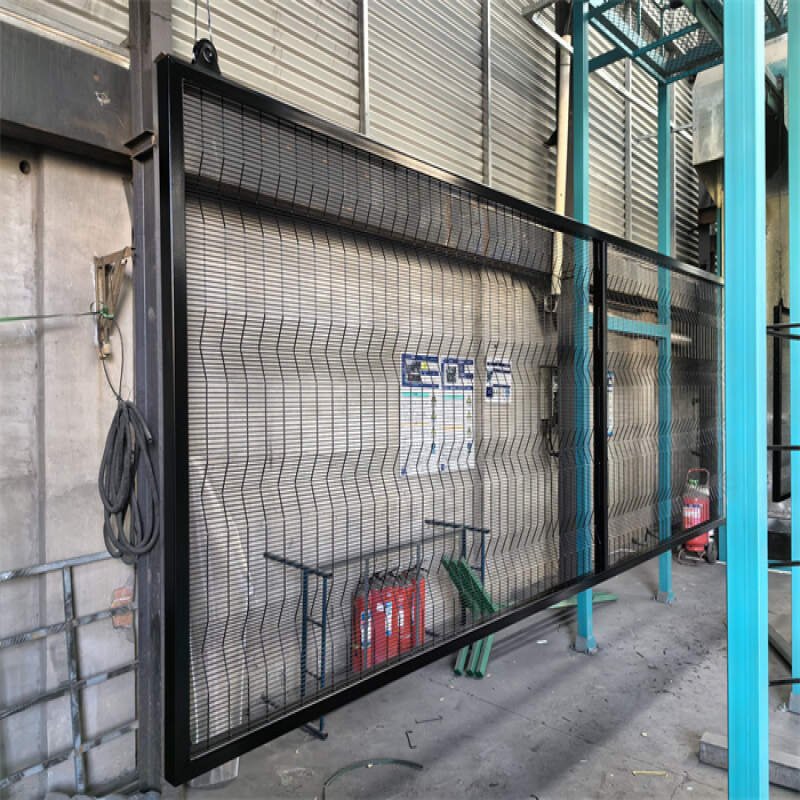
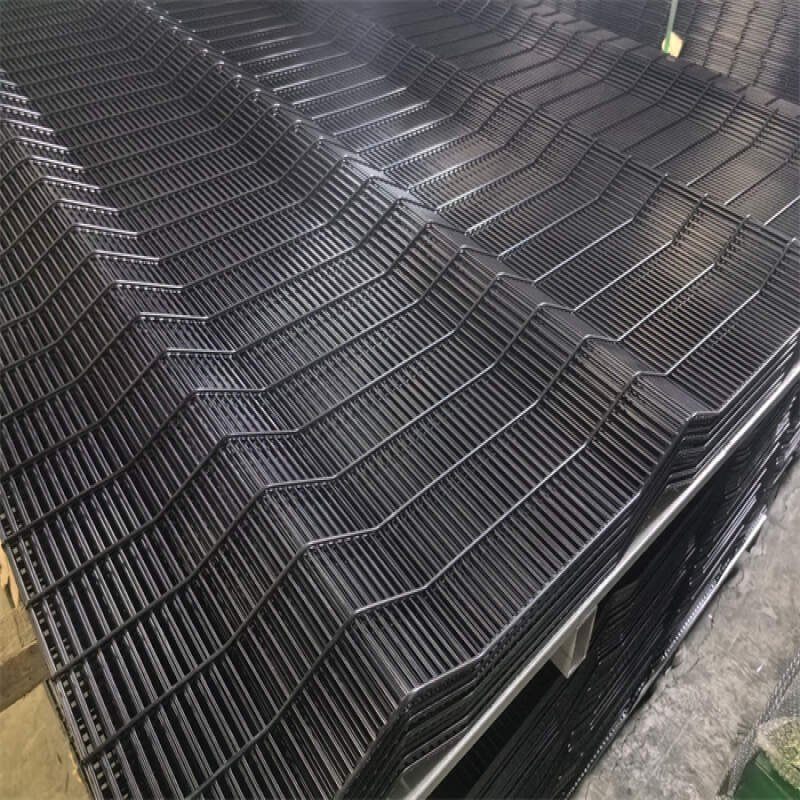
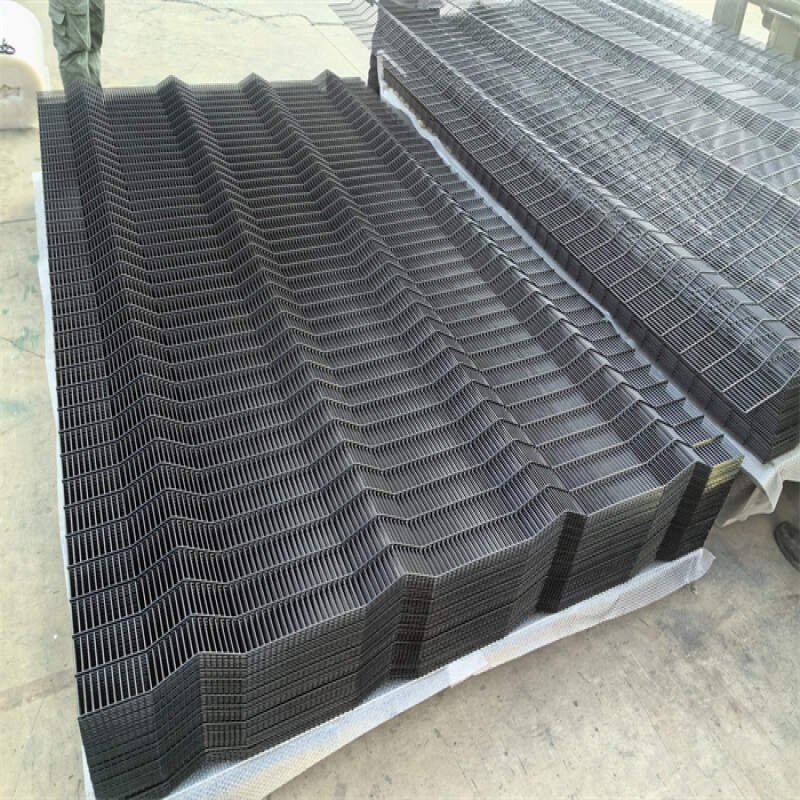
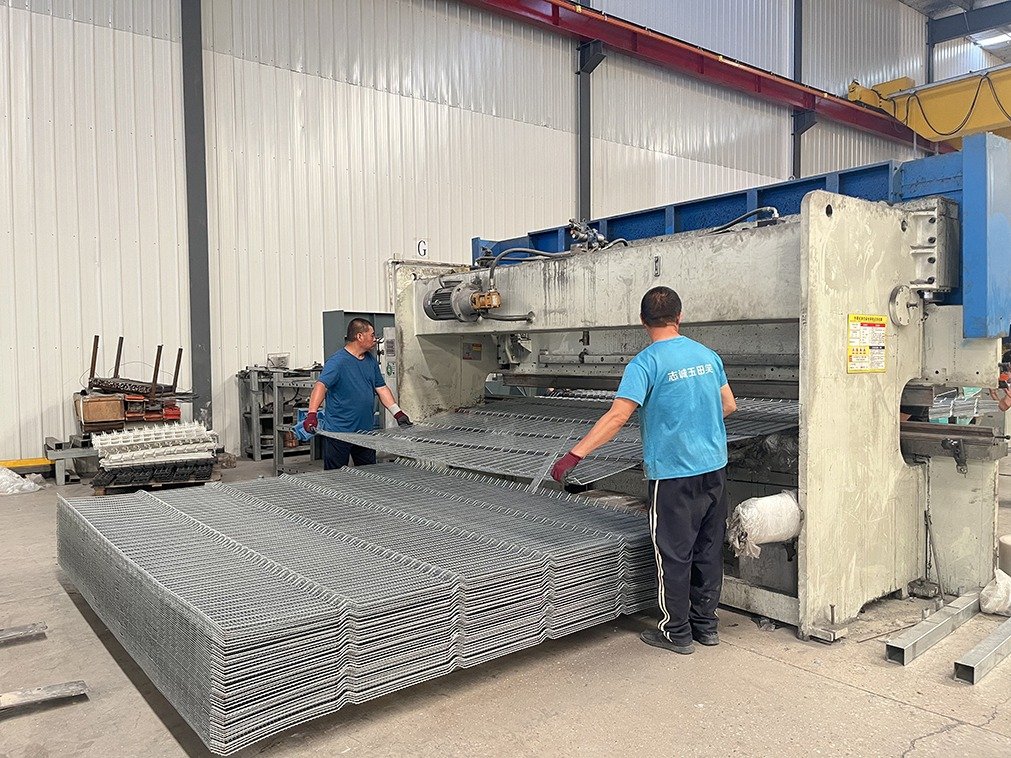
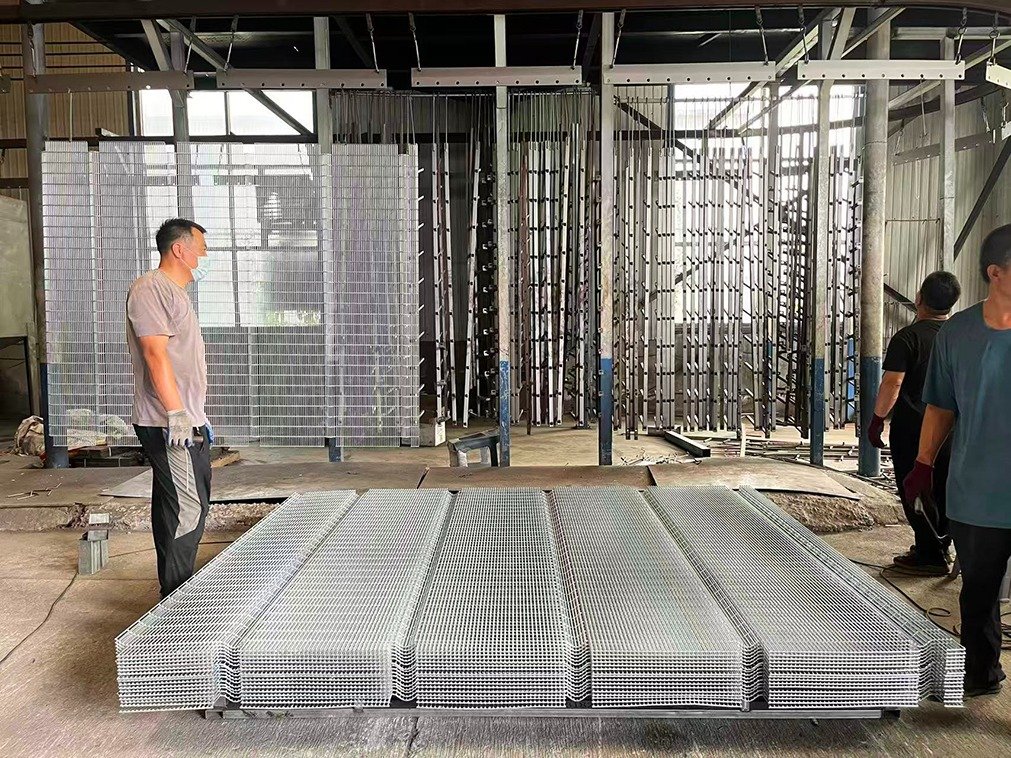
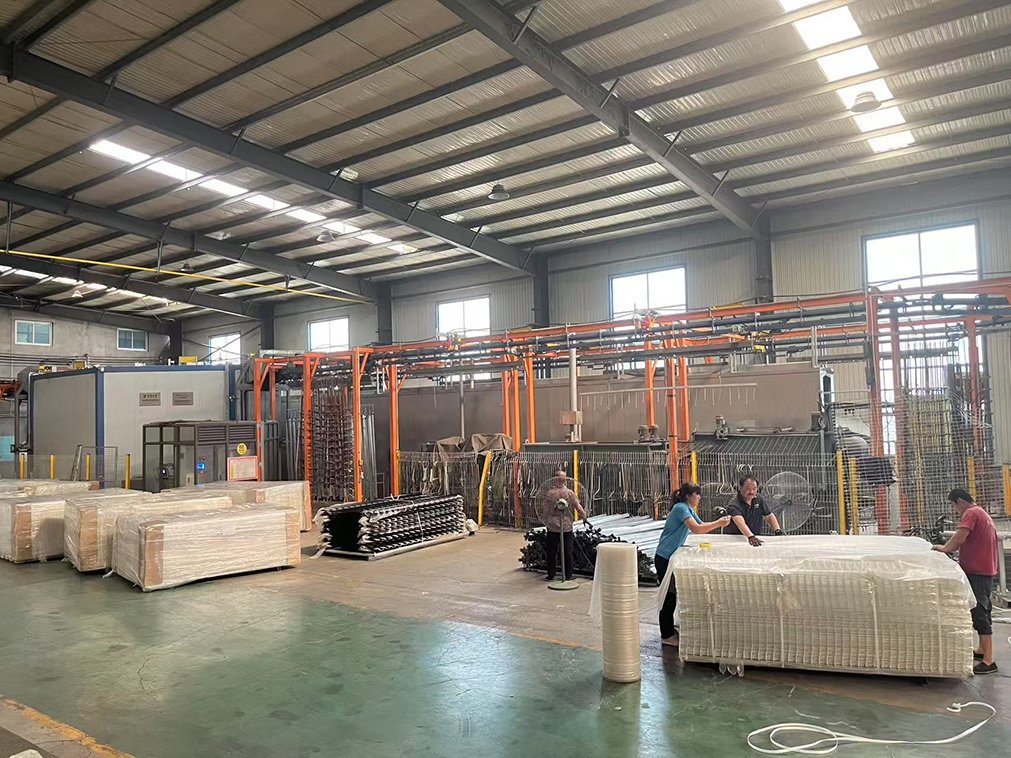
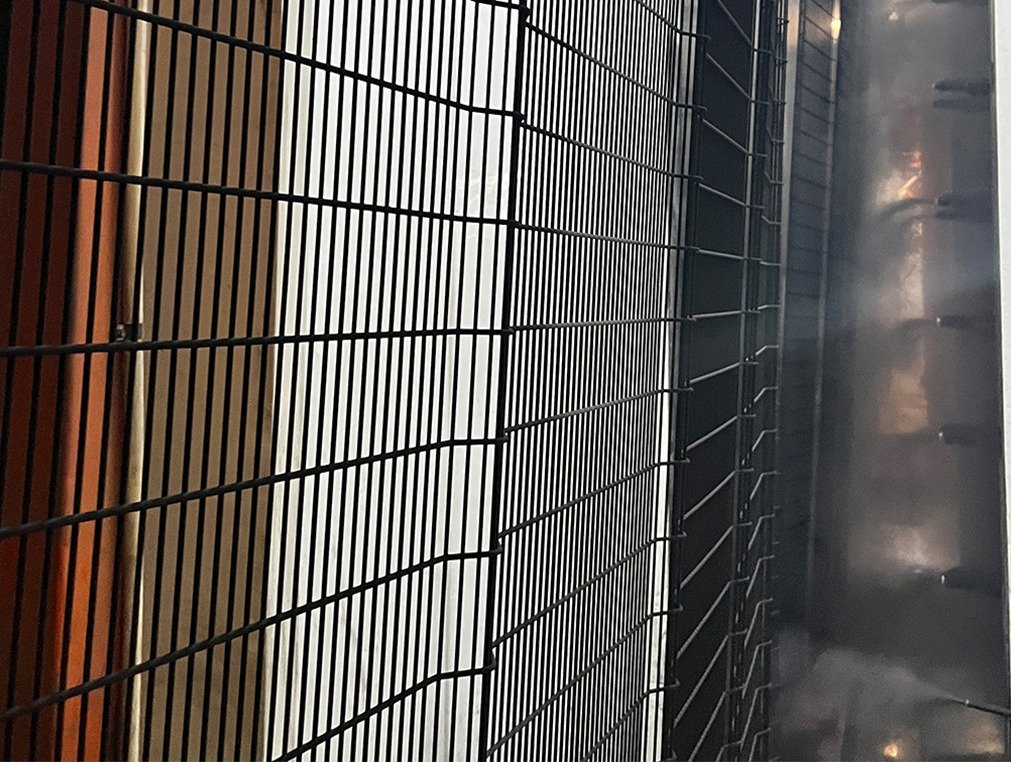
Clearvu fence panels combine welded steel mesh, narrow apertures, and practical perimeter visibility. They help buyers match fence performance to actual site risks. The correct system includes compatible posts, fixings, access gates, and protective coatings. Boss Metal and Plastic Co., Ltd. (BMP) manufactures configurable welded mesh fencing for international projects.
Security starts with the complete assembly, not the mesh alone. A strong panel cannot compensate for weak anchors or exposed gate gaps. BMP offers Clear View Fence Panels for projects requiring consistent panel geometry. Buyers should compare tested components before approving the final drawings.
Clearvu fence panels for different security projects
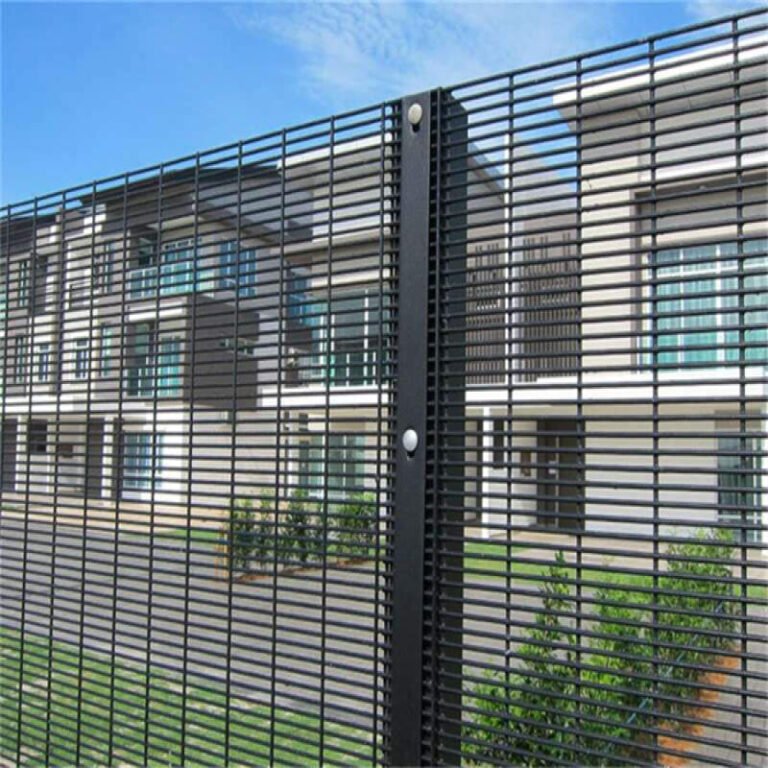
Warehouses, schools, factories, and public utilities face different intrusion risks. Small apertures discourage gripping and limit access for common hand tools. Wider openings suit boundaries that prioritize visibility and controlled access. Some buyers prefer ClearVu Fence Panels for balanced perimeter protection.
Panel height also matters. A taller fence increases the obstacle but adds wind loading. Post selection, anchoring, and ground conditions must follow the same design basis. A project should specify an entire fence system before production begins.
How to select the security grade
Start by identifying what the fence must prevent. A school boundary differs from an equipment compound with restricted access. Choose narrower mesh when climbing resistance forms a central requirement. A larger aperture can suit low-risk separation where maintenance access matters.
For sensitive facilities, review High Security Clear View Fencing alongside site surveillance. For general boundaries, Low Security Clear View Fencing offers a different mesh layout. These descriptions indicate configurations, not independently certified attack ratings.
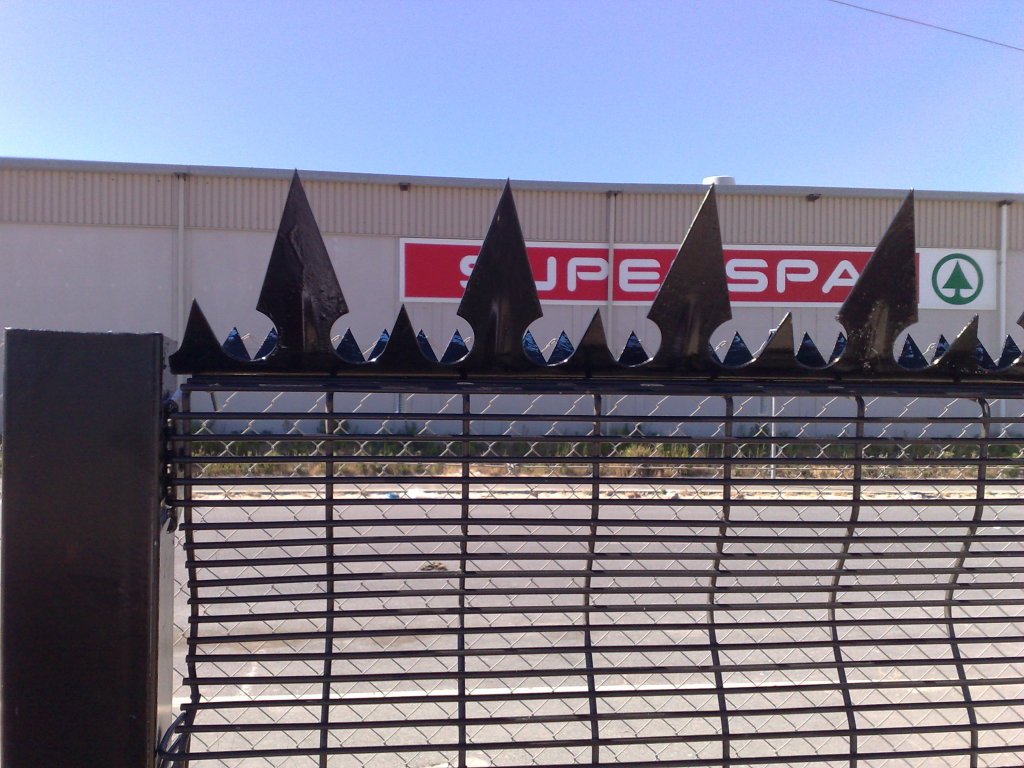
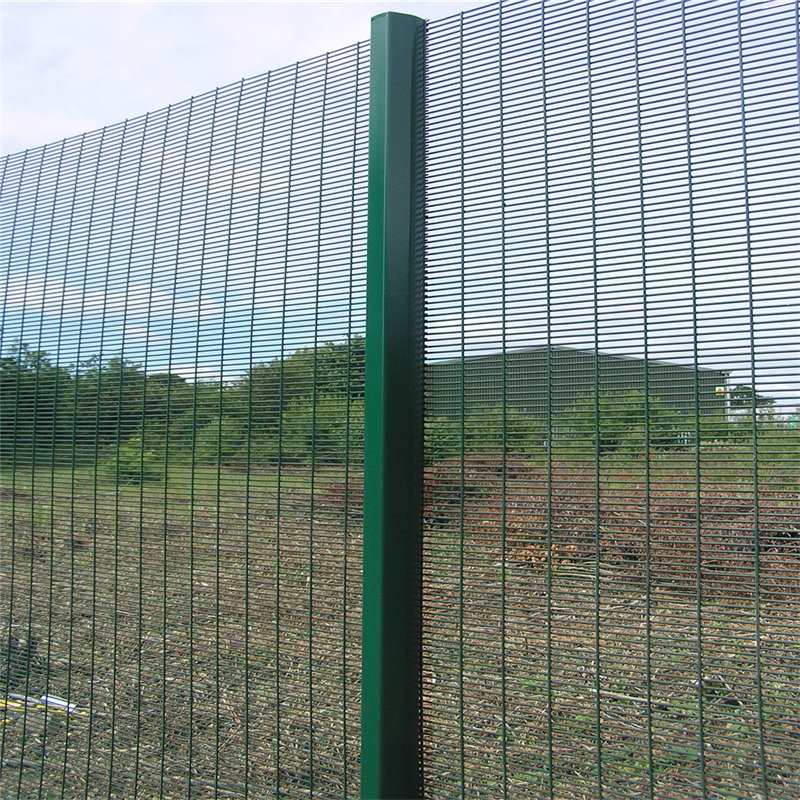
Castle Spikes on ClearVu Fence Spar
Clearvu fence panels mesh apertures explained
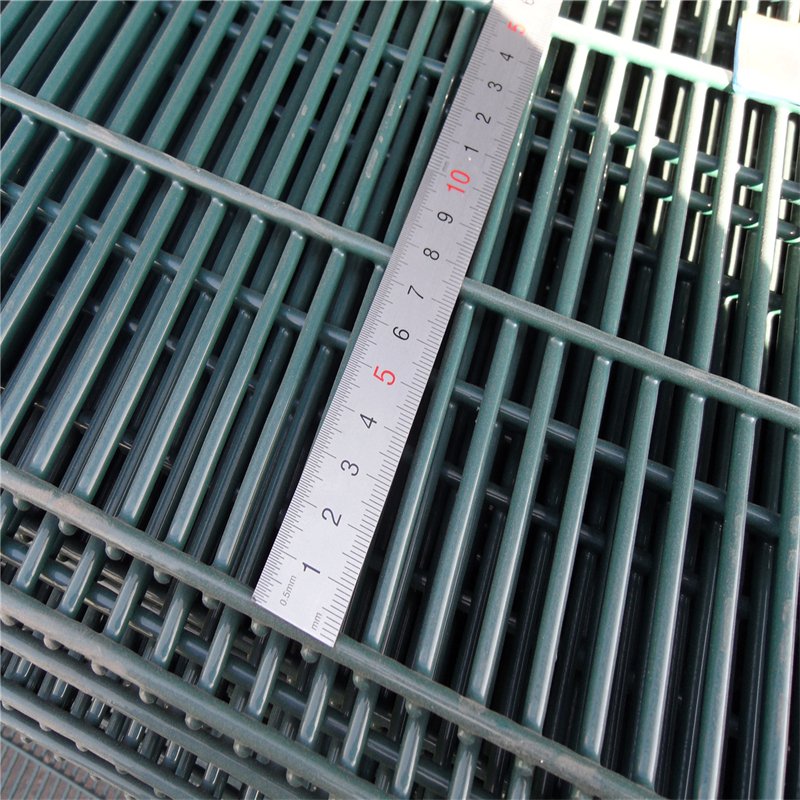
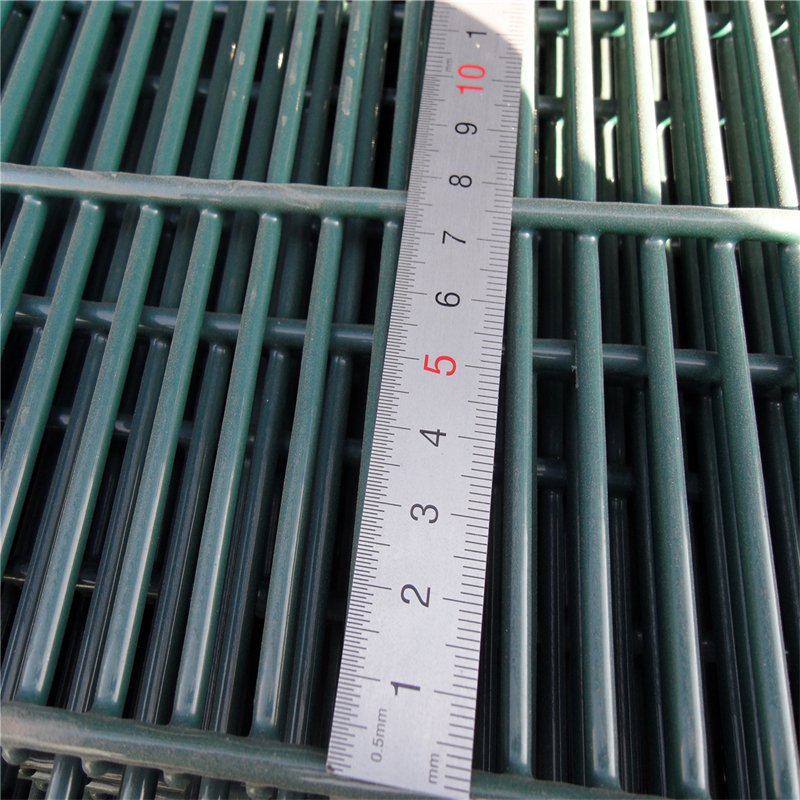
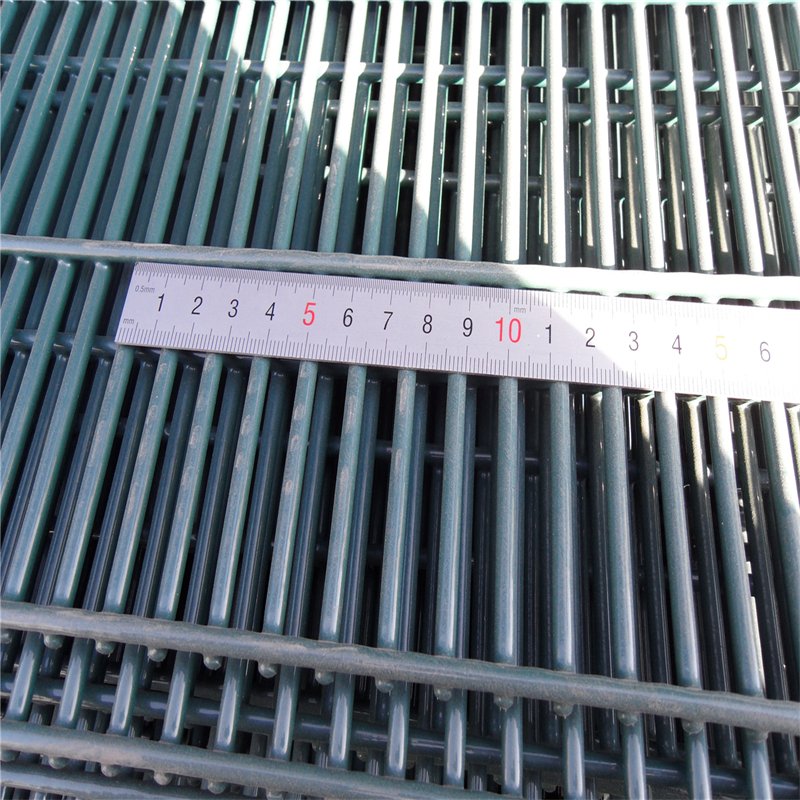
Mesh geometry affects grip, visibility, rigidity, and wire usage. The following options come from the original product reference. Both wire directions need clear identification on production drawings. An aperture dimension alone does not establish a security certification.
Reference high, medium and low security mesh options
Security options
Aperture
Vertical Wire Thickness
Horizontal Thickness
Features
High Security
76 mm × 12.5 mm
4 mm
3 mm
most secure, anti-cut, anti-climb, highly visible
Medium Security
76 mm × 25 mm
4 mm
3 mm
anti-cut, and highly visible
Low Security
76 mm × 50 mm
4 mm
3 mm
anti-cut, highly visible, cost-effective
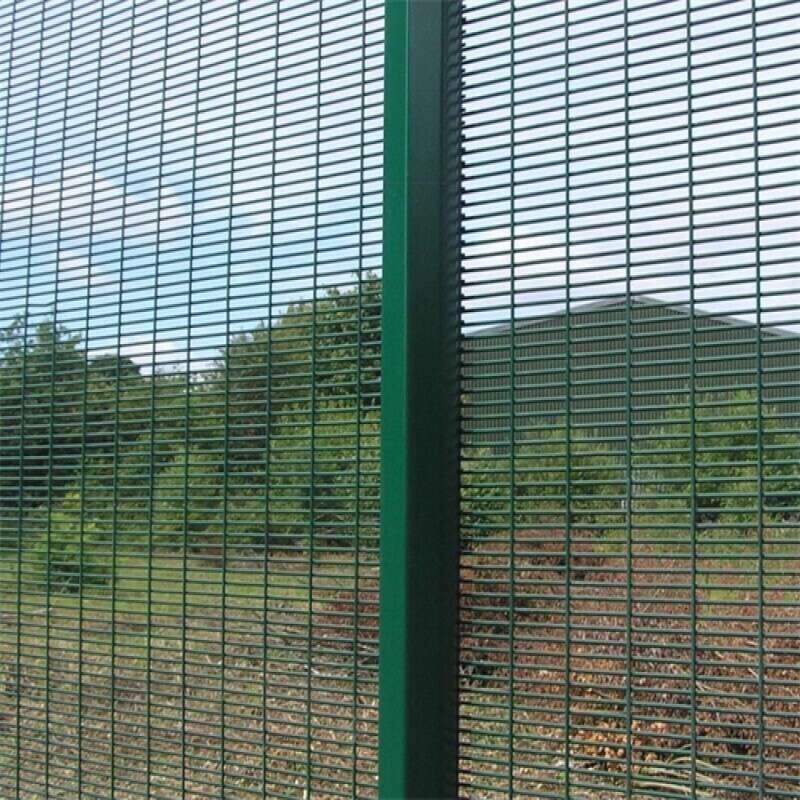
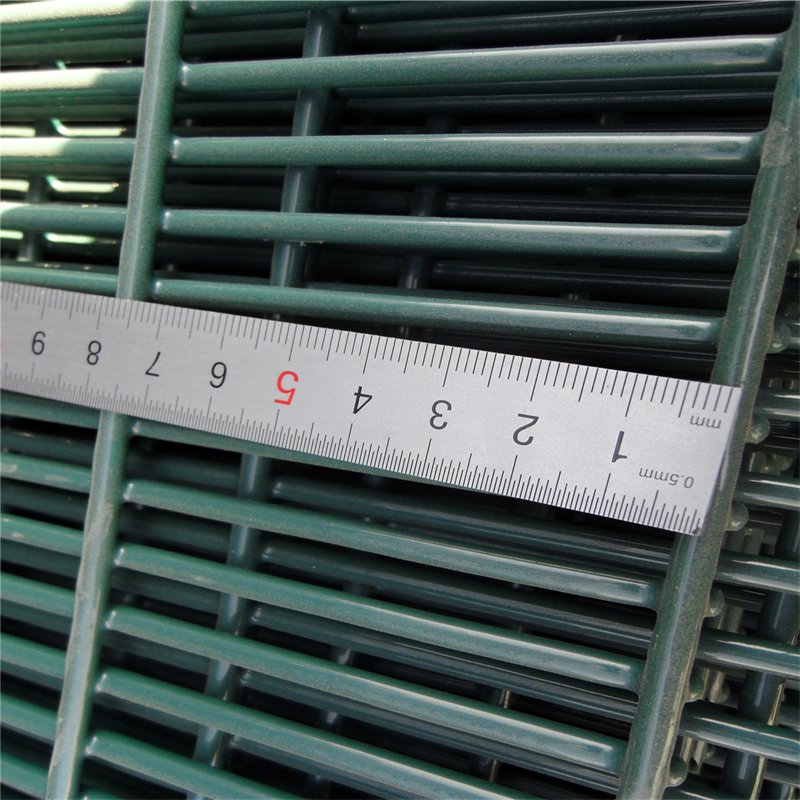
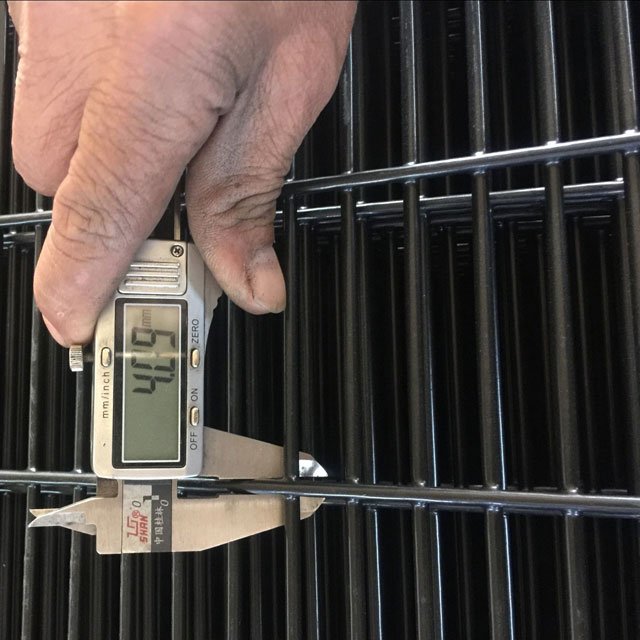
High-security reference mesh uses approximately 76 × 12.5 mm centres. Medium-security mesh widens the smaller opening to 25 mm. Low-security mesh increases that dimension to 50 mm. The source lists 4 mm vertical wires and 3 mm horizontal wires.
The industry uses 358 to describe a 3-inch by 0.5-inch aperture with approximately 8-gauge wire. That usually means 76.2 × 12.7 mm and roughly 4 mm wire. A 3 × 4 mm combination differs from full 4 × 4 mm construction. Confirm both wire directions in the order.
Wire diameter and weld quality
Wire diameter influences the steel mass and bending resistance. Tight spacing makes tool access harder, but no mesh guarantees immunity from cutting. Every weld should hold the grid during handling and site service. Inspect weld consistency, straightness, and coating continuity.
High-density panels also create many crossing points. The welding process needs repeatable current and pressure. A controlled inspection plan should include dimensions, visual checks, and agreed weld tests. Buyers can compare the Clear Vu Fence system before final specification approval.
Clearvu fence panels dimensions and product options
The original article mentions 2515 mm and 2900 mm panel widths. These represent different product schedules. Do not mix post centres from one schedule with another. Confirm finished panel width, overlap, and centre-to-centre distance separately.
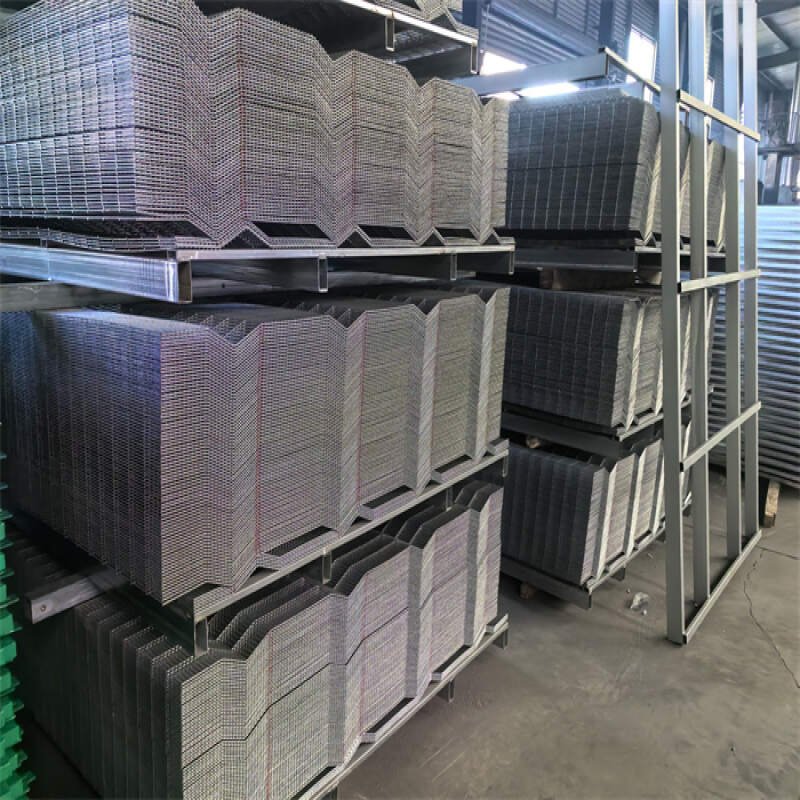
Common referenced heights include 1800, 2000, 2200, 2400, and 3000 mm. The reference product also allows customized dimensions. Panel bends can add stiffness to selected configurations. Some flat panel systems use different reinforcement methods.
For detailed comparisons, use ClearVu Fencing Specifications during product selection. Always let the approved project drawing control final manufacture.
Flat mesh, V-bends, and structural stiffness
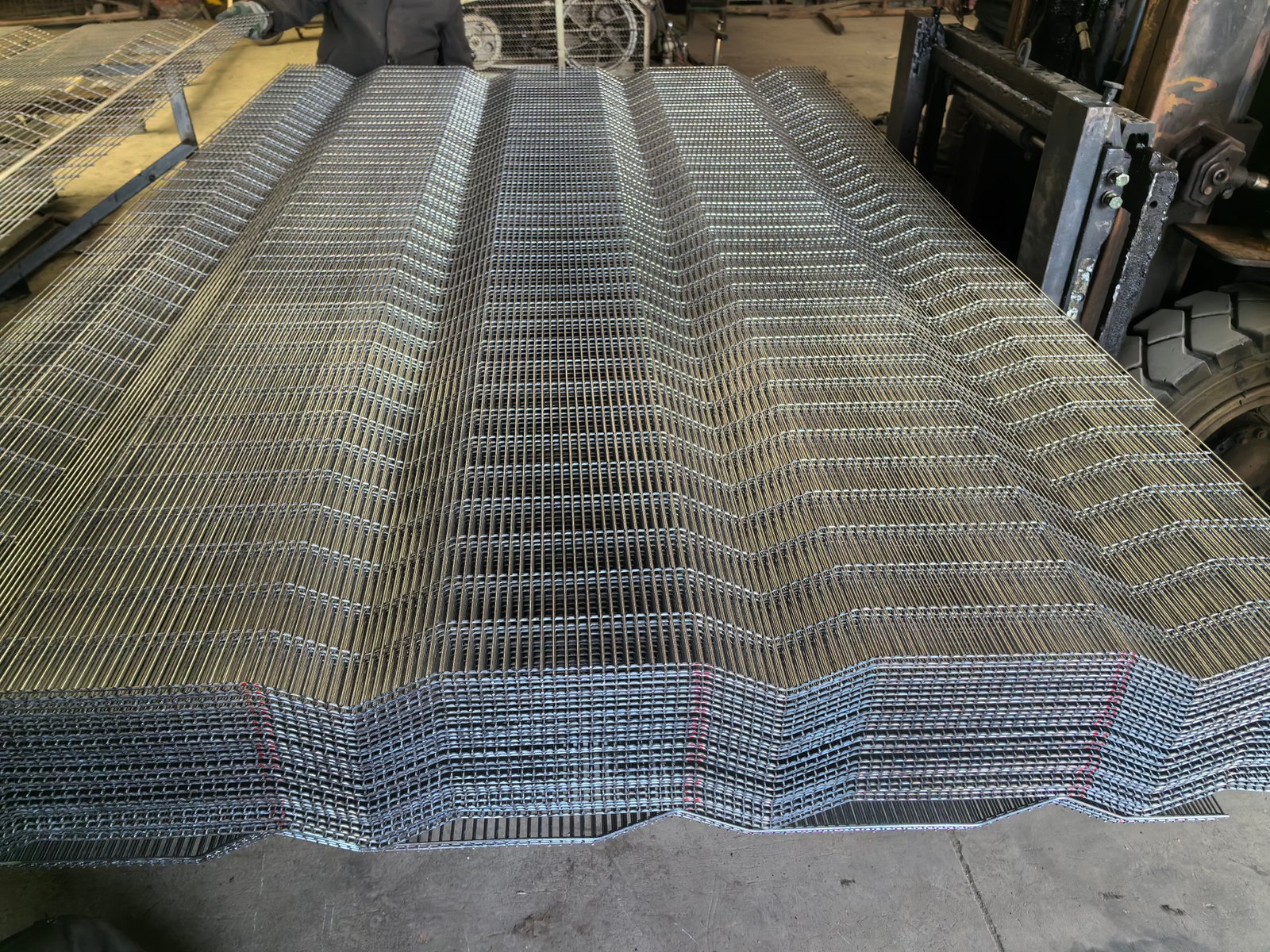
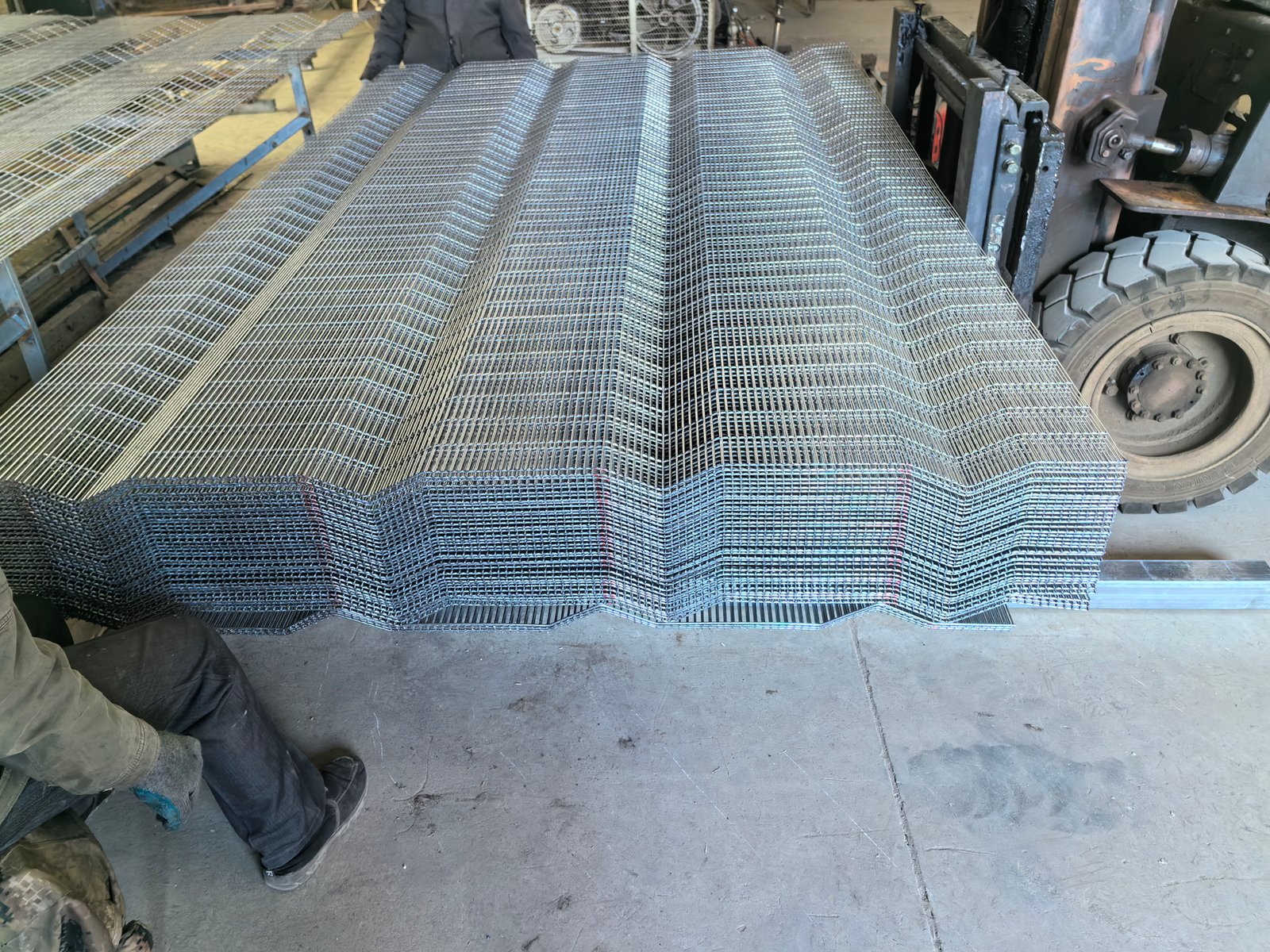
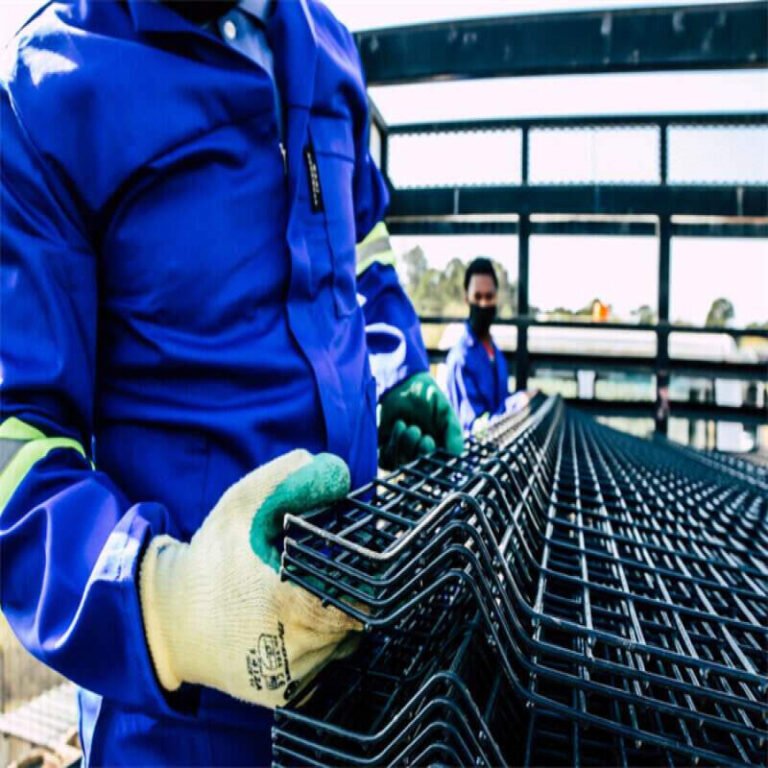
V-bends introduce geometry that helps resist panel movement. The source references 45 mm rigidity bends and four or five folds. Flat mesh creates a cleaner face, but it may require different stiffening measures. Neither profile automatically suits every span.
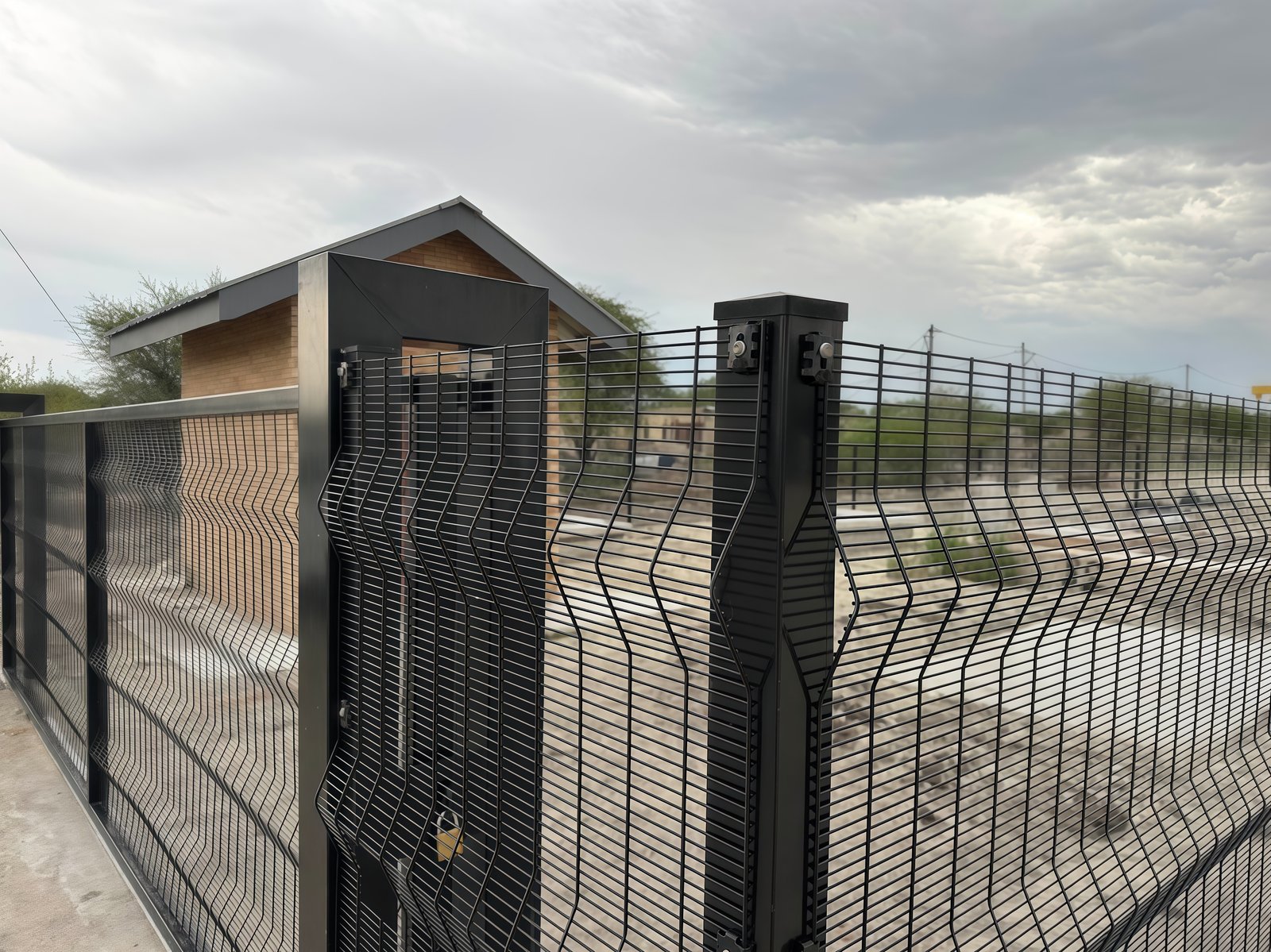
Installers should keep bends aligned across adjoining panels. Misaligned folds can disturb the appearance and clamp locations. For elevated security, review Clearvu Fence Panels with the required post system. Do not assume a panel fits every manufacturer's hardware.
Clearvu fence panels installation dimensions
The original installation schedule uses 2900 mm wide panels. It lists square steel posts and varying clamp quantities. These figures provide an initial materials reference, not a structural calculation. The engineer must confirm post size and embedment.
Original 2900 mm panel, post and clamp schedule
Panel height (mm)
Panel size height x width
Posts section
Post length
No.of bends
No. of clamps
1800 mm
1800 mm x 2900 mm
60 x 60 x 2 mm
2300 mm
4
4
2000 mm
2000 mm x 2900 mm
60 x 60 x 2 mm
2500 mm
4
4
2200 mm
2200 mm x 2900 mm
60 x 60 x 2 mm
2600 mm
4
5
2400 mm
2400 mm x 2900 mm
60 x 60 x 2 mm
2900 mm
4
6
3000 mm
3000 mm x 2900 mm
60 x 60 x 2 mm
3600 mm
5
6
The source lists 60 × 60 × 2 mm posts throughout these five rows. Higher fences may need stronger posts or foundations. Soil bearing, design wind loads, and fence exposure influence this decision. Final quantities depend on endpoints, corners, and gates.
Square posts and foundation planning
The separate source schedule also identifies SHS intermediate and end posts. It supplies four panel sizes using the same profile. Preserve this schedule for comparison with the installation details.
Original intermediate and end square-post reference schedule
Fence height
Width x height
Type
Profile
1800 mm
2900×1800 mm
SHS Post
60×60×2.0 mm
2000 mm
2900×2000 mm
SHS Post
60×60×2.0 mm
2400 mm
2900×2400 mm
SHS Post
60×60×2.0 mm
3000 mm
2900×3000 mm
SHS Post
60×60×2.0 mm
The source leaves some post details unresolved. A 3000 mm exposed fence can demand a different structure. Contractors should verify embedment, foundation dimensions, and post centres through the engineer. Clearvu Fence Posts illustrate the supporting role of compatible posts.
Clearvu fence panels for long-distance boundaries
Long boundaries create a different purchasing decision. Projects often need many repeatable panels and predictable installation output. Larger openings can reduce steel consumption where risk assessments permit. The long-distance schedule below preserves the original dimensions.
Long-distance fence panel and post specifications
Long Distance
Fence height
Width x height
Posts length
Mesh Sizes
Core Wire Diameter
LD 2.9m
1730 mm
2900 x 1730 mm
2200 mm
200 x 50 mm
3.96 mm
LD 2.9m
2030 mm
2900 x 2030 mm
2600 mm
200 x 50 mm
3.96 mm
LD 2.9m
2430 mm
2900 x 2430 mm
3200 mm
200 x 50 mm
3.96 mm
LD Medium
1030 mm
2500 x 1030 mm
1500 mm
100 x 50 mm
3.65 mm
LD Medium
1230 mm
2500 x 1230 mm
1700 mm
100 x 50 mm
3.65 mm
LD Medium
1730 mm
2500 x 1730 mm
2200 mm
100 x 50 mm
3.65 mm
LD Medium
2030 mm
2500 x 2030 mm
2600 mm
100 x 50 mm
3.65 mm
These LD options use 200 × 50 mm or 100 × 50 mm apertures. They differ from the tight 358 opening. They should not carry identical anti-climb performance claims. Align each option with the security requirements of its location.
Comparing cost drivers without compromising performance
Total installed cost includes more than panel steel. Post length, concrete, fixings, gates, freight, and installation affect the project budget. A wider panel may reduce post count but increase structural demand. Freight efficiency also changes with panel height and packaging.
For general project planning, ClearVu Fencing for Sale covers multiple configurations. A ClearVu Fence for Sale package may include different posts and accessories. Request consistent quantities and specifications before comparing suppliers. Avoid comparisons based only on a panel description.
Clearvu fence panels single-layer 358 and 3510
Single-layer mesh avoids certain corrugations and offers a flat visual profile. The original document names SL 358 and SL 3510 variants. Its data also contains one inconsistent height entry. The table preserves that source value for verification.
Original single-layer 358 and 3510 specification schedule
Single Layer
Fence height
Width x height
Intermediate Post
Profile
Core Wire Diameter
SL 358
2400 mm
2900×2385
SHS
60 x 60 x 2mm
3.96mm
SL 358
2400 mm
2900×2985
SHS
60 x 60 x 2mm
3.96mm
SL 3510
2000 mm
2900×1969
SHS
60 x 60 x 2mm
3mm
SL 3510
2400 mm
2900×2385
SHS
60 x 60 x 2mm
3mm
The second SL 358 entry lists a 2400 mm fence beside a 2985 mm panel. Those dimensions cannot describe one standard exposed height without further explanation. Ask the factory to reconcile the approved height and panel drawing. The SL 3510 entries also require confirmation of actual wire gauge.
Matching 358 and 3510 specifications accurately
Both system names refer to compact mesh layouts, but wire sizes differ. Approximately 4 mm wire describes common 358 construction. The source lists 3 mm wire for its SL 3510 reference. Compare mill certificates and finished dimensions rather than relying on names alone.
Check whether the listed diameter includes any coating. A supplier may quote bare wire diameter or finished coated dimensions. Ask for the nominal steel core diameter. This detail affects weight comparisons and panel stiffness.
Clearvu fence panels surface treatment choices
Surface treatment protects steel against moisture and environmental exposure. Buyers can select pre-galvanized wire, finished hot-dip galvanizing, or compatible metallic coatings. Polyester powder coating adds colour and another protective barrier. The correct process depends on the specification.
For coloured systems, Powder Coated Clear View Fence shows one relevant approach. RAL6005 green and RAL9005 black suit many commercial projects. Grey or custom RAL colours can match architectural surroundings.
A coating thickness alone cannot establish service life. Surface preparation, zinc mass, adhesion, drainage, and maintenance also matter. Ask suppliers to identify the actual coating process. Obtain test records when the project requires documented compliance.
Coastal exposure, drainage, and coating repairs
Marine air can accelerate corrosion on exposed steel. Coastal projects should examine joints, cut edges, and fasteners carefully. Industrial pollution and trapped moisture can create additional exposure. Specify corrosion protection against the site's environmental conditions.
Installers should prevent standing water around post bases. Protect coating damage from transportation and field work. Use compatible repair materials for damaged galvanized surfaces. Plan inspections around local exposure and operational risk.
Clearvu fence panels and perimeter protection
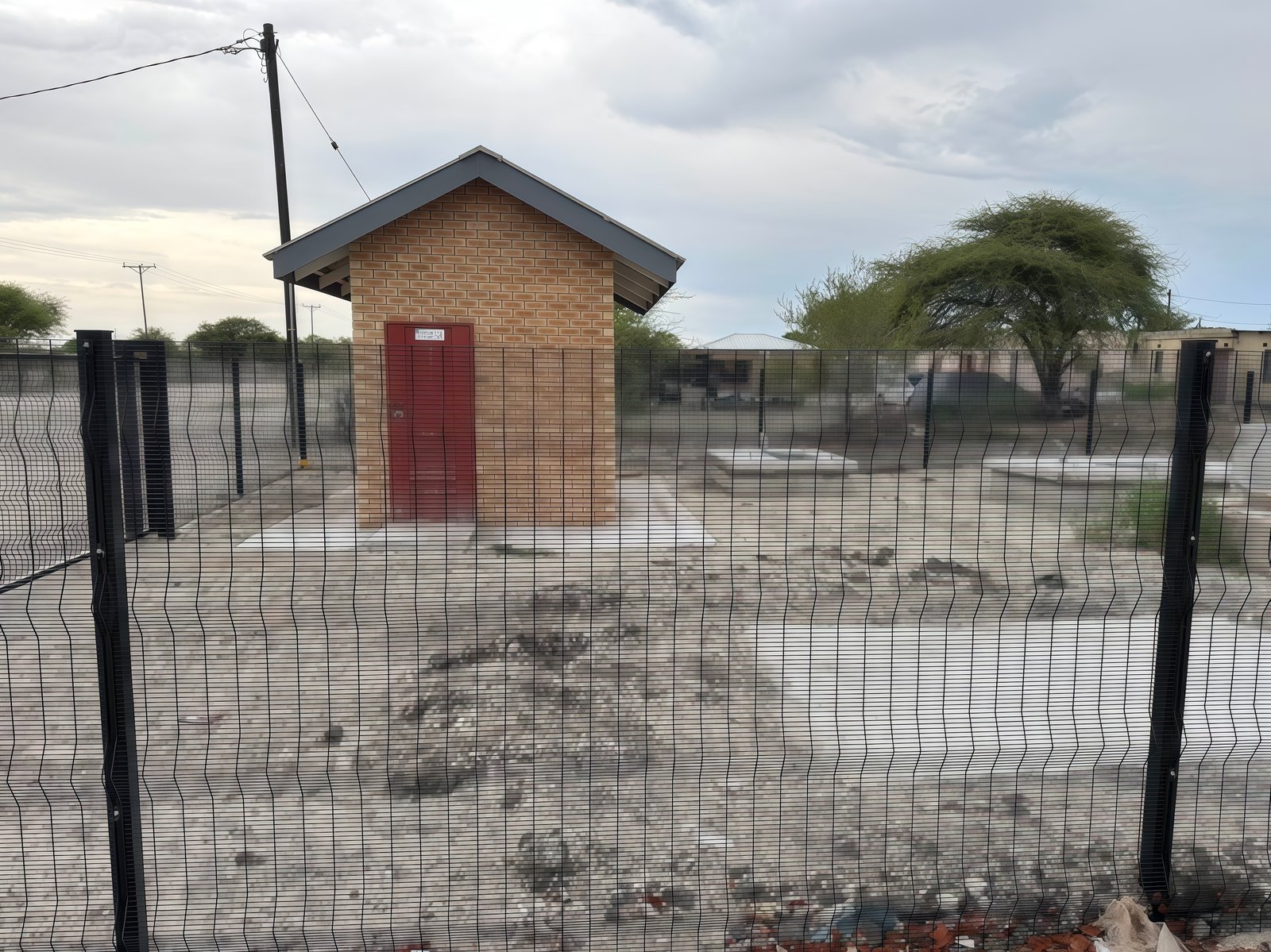
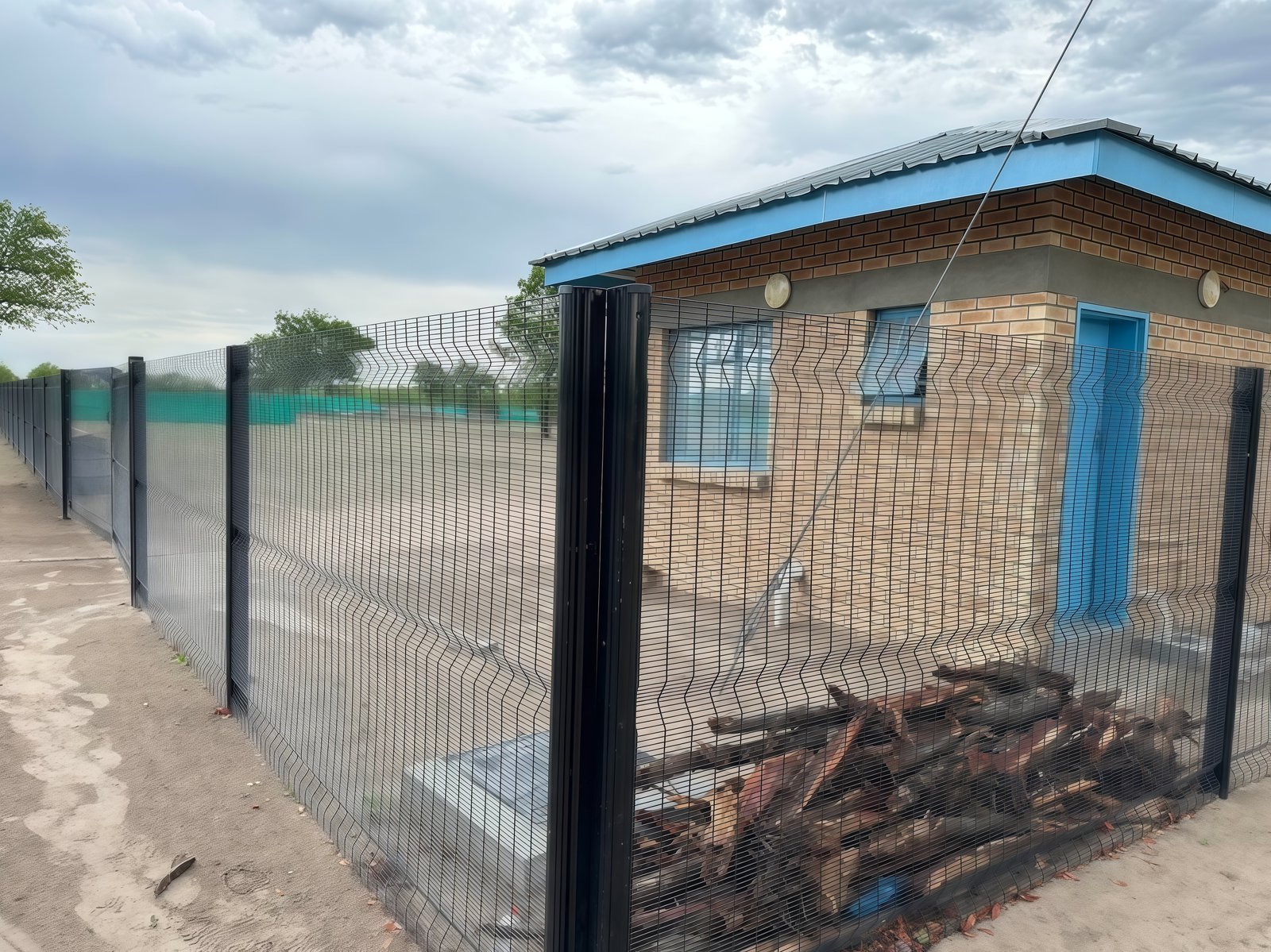
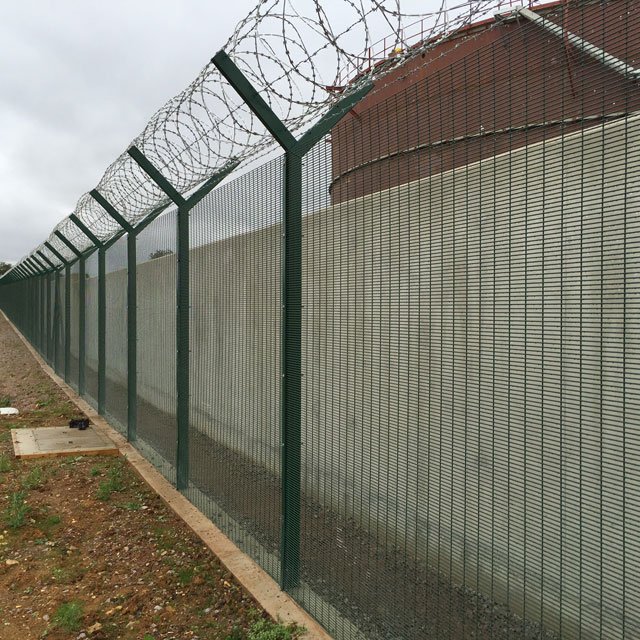
A fence delays intrusion and defines access boundaries. The narrow aperture restricts easy handholds. It also limits access for some common cutting tools. However, overall resistance depends on multiple system elements.
Consider secure termination points, top details, gates, and underground gaps. Attackers may target weak interfaces instead of the panel. Clear View Fencing can support layered site security. The perimeter should complement personnel, procedures, and electronic systems.
Visibility, CCTV, and intrusion detection
Open mesh helps operators observe activity beyond the perimeter. Cameras still require careful height, angle, and lighting selection. Mesh reflections and vegetation can affect video clarity. Test the final camera view after installation.
Detection cables need suitable routing and protection. Avoid placing exposed wiring where maintenance crews can damage it. Choose alarms according to the actual site risk. Security planning must also cover power and communications failures.
Clearvu fence panels with access gates
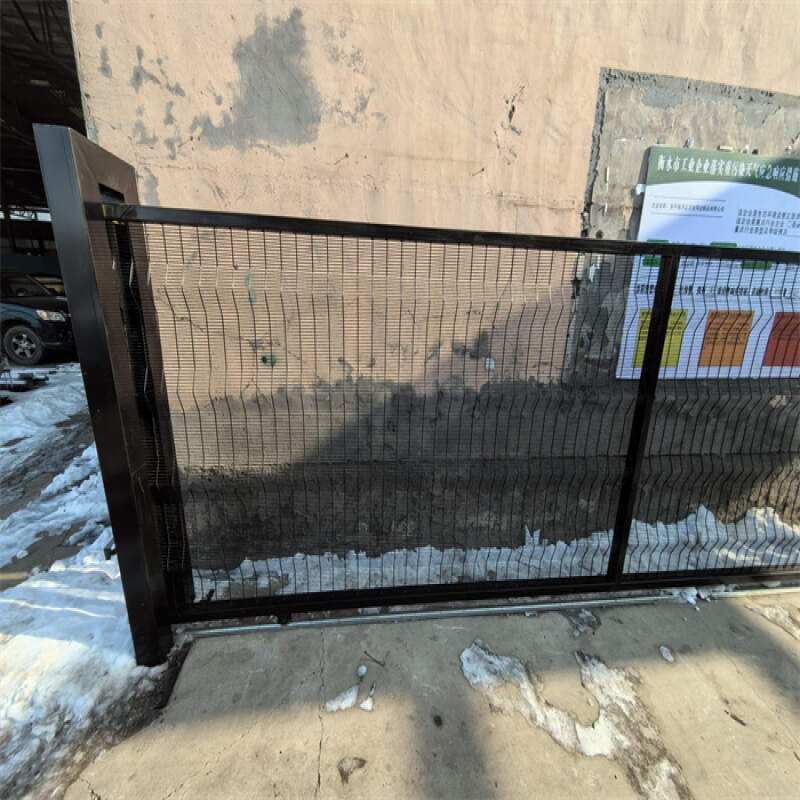
Every controlled perimeter needs suitable access points. Pedestrian gates and vehicle gates must match fence height and mesh appearance. Gate frames need enough rigidity to resist sagging. Hardware selection should reflect the opening frequency.
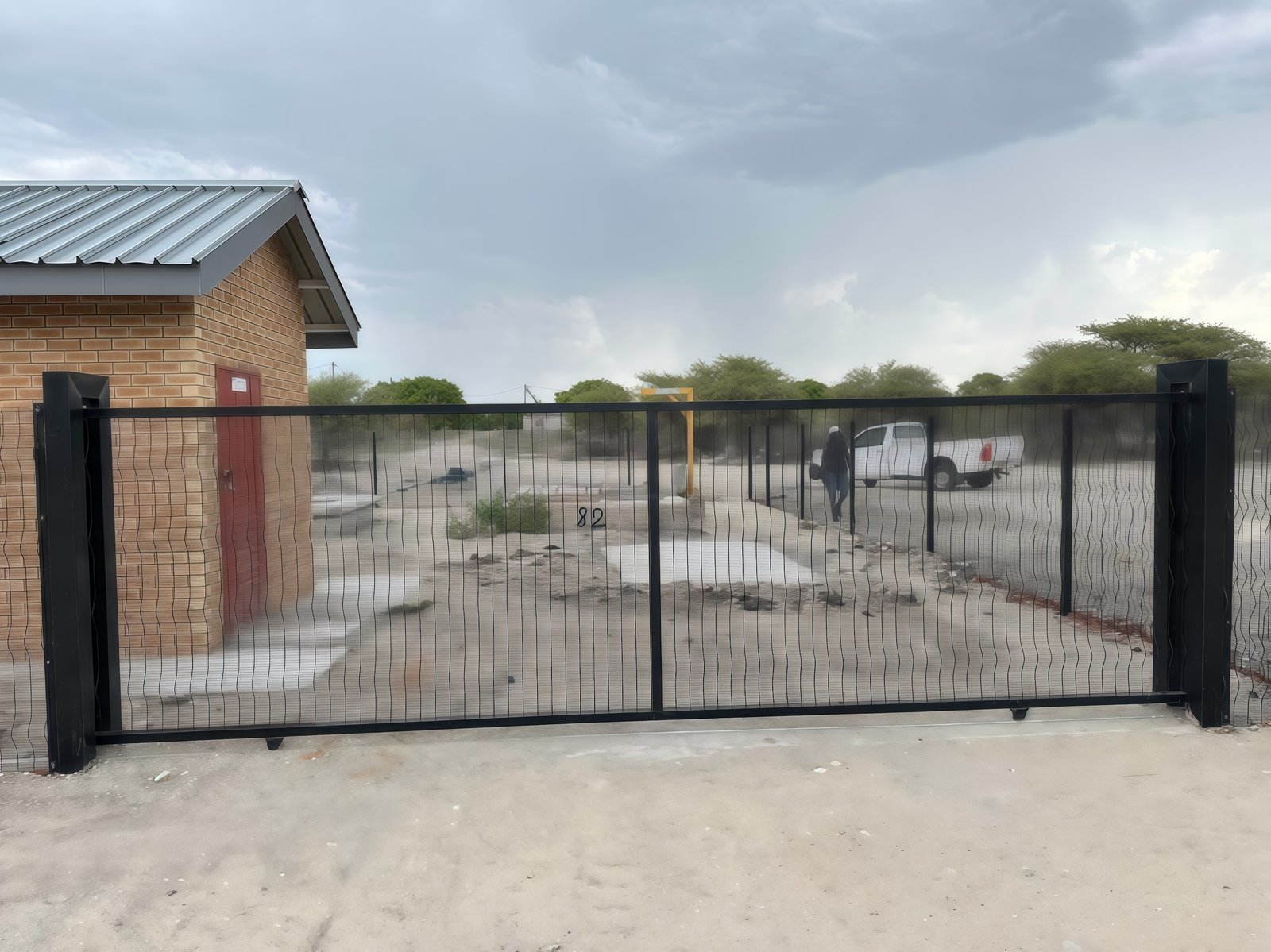
A Clear View Fence Gate can coordinate with adjoining welded mesh. Vehicle access may use swing or sliding operation. Clearvu Sliding Gates provide another configuration for long openings. Confirm clear opening, overall leaf length, and operating space separately.
Gate locks, posts, and accessory compatibility
Gate posts carry different loads from intermediate fence posts. Hinges, latches, and closing forces influence their design. A motorized gate also needs suitable travel limits and safety controls. Never copy fence post sizes directly into a gate design.
For panel connections, Clearvu Fence Clamps illustrate the importance of matching fasteners. Clearvu Fence Clamps offer another reference for compatible panel hardware. The manufacturer should confirm hole spacing and bolt dimensions.
Clearvu fence panels manufacturing quality checks
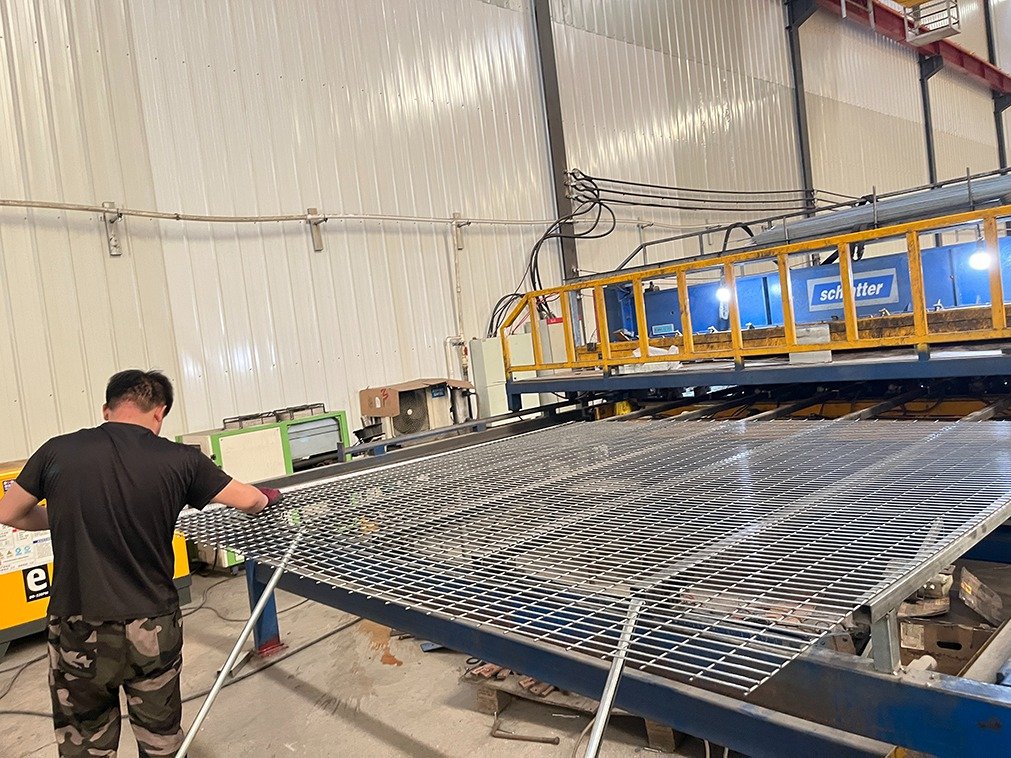
Reliable manufacture begins with consistent raw material. The factory should inspect wire diameter and straightness. Welding operators should control mesh geometry and panel squareness. Bending requires repeatable fold depth and accurate positioning.
After coating, inspectors should check damage, coverage, and finish appearance. Record critical dimensions before packaging. The inspection plan can identify tolerances and sampling frequencies. Keep records against each production batch.
Export packing and component traceability
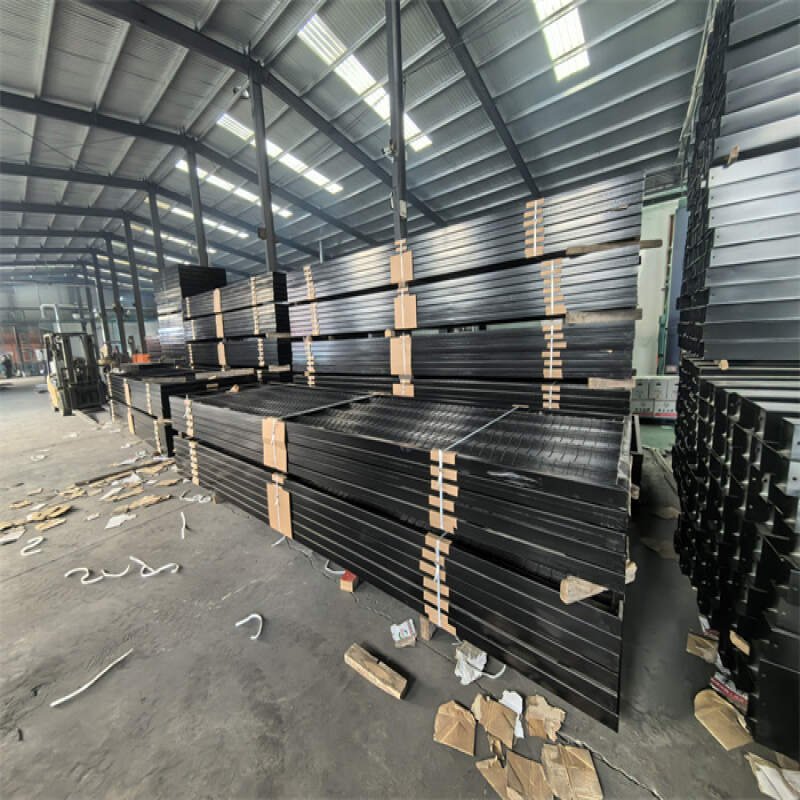
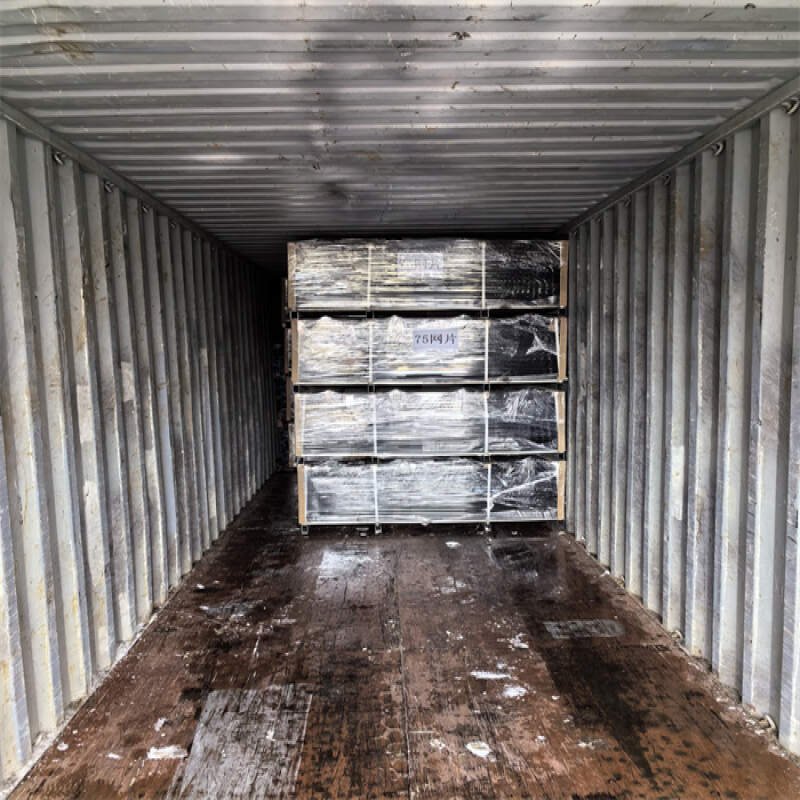
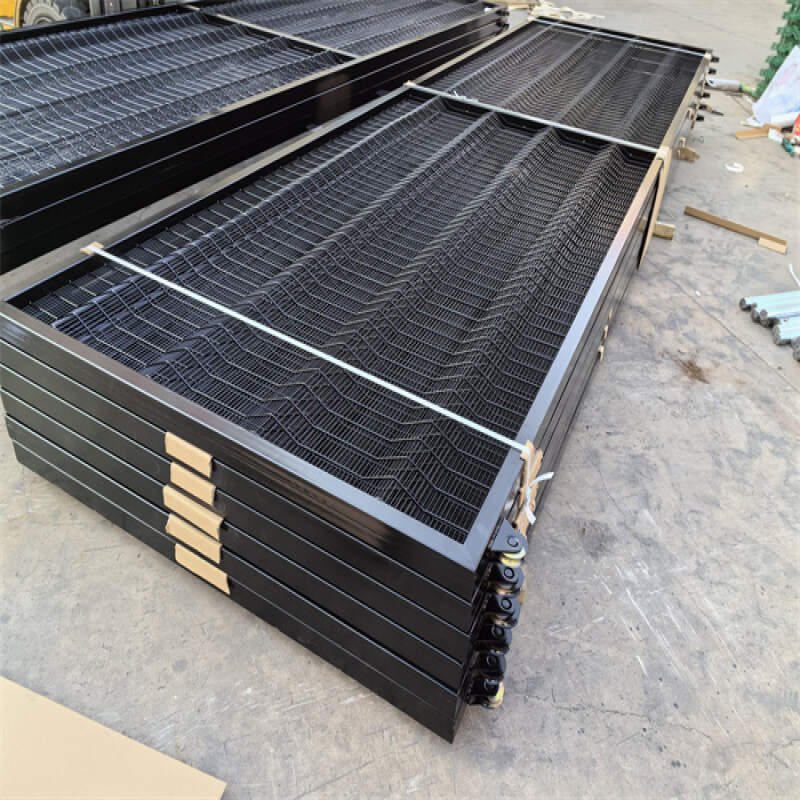
Export pallets should support panels without deforming the mesh. Place protective separators between finished surfaces. Secure posts against rubbing during container movement. Pack clamps, bolts, and caps in labelled cartons.
Each bundle should show project identification and quantity. A packing list should separate panels, posts, and accessories. Buyers should request loading photographs when required. Proper labelling speeds site receiving and installation.
Clearvu fence panels installation sequence
Begin with an accurate site survey and mark the proposed fence line. Identify gates, corners, level changes, and underground services. Confirm post centres against the selected panel width. The fixing design must accommodate the actual panel profile.
Install foundations and posts according to approved construction drawings. Allow concrete to reach the required condition before loading. Fit panels with compatible clamps and tamper-resistant hardware. Inspect alignment, fastener tightening, and ground clearance.
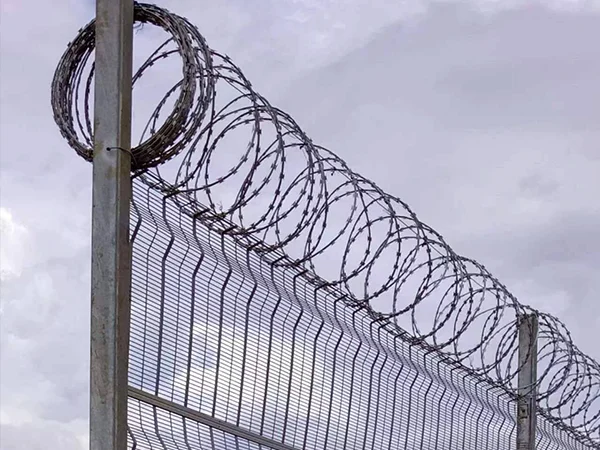
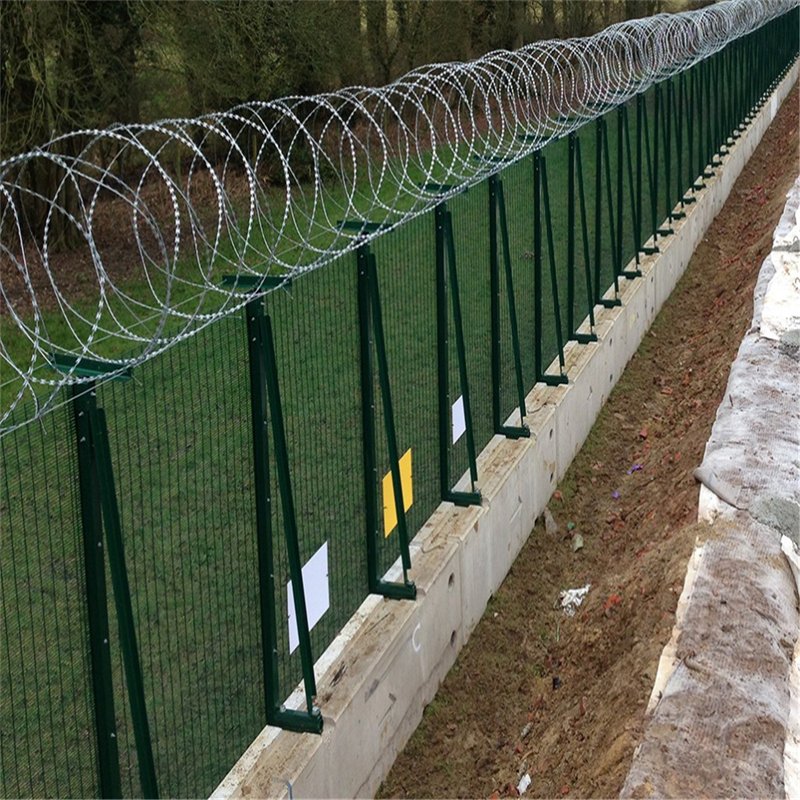
Optional Razor Wire Flat Wrap can add an additional deterrent where permitted. Its supports require separate design and legal review. Keep hazardous toppings away from unauthorized public contact.
Common installation mistakes to avoid
Incorrect post centres can prevent panels from fitting. Mixed clamp designs can create loose connections. Inadequate drainage can damage foundations and coatings. Poor gate alignment can defeat an otherwise secure boundary.
Another mistake involves unsupported performance claims. Check each product's actual aperture, wire diameter, and fixing system. Do not treat a wide-aperture panel as an equivalent 358 barrier. Keep site acceptance criteria measurable.
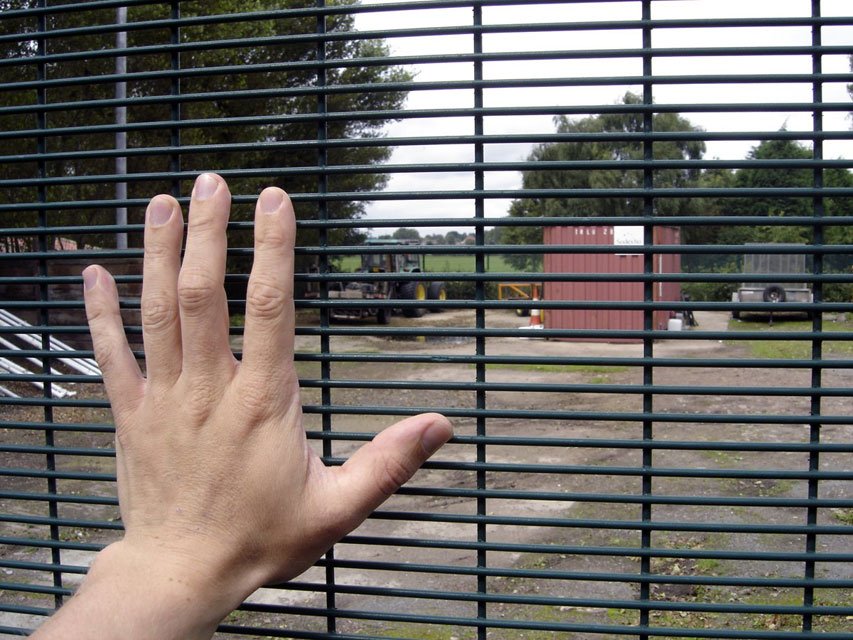
OLYMPUS DIGITAL CAMERA
Clearvu fence panels frequently asked questions
Do all ClearVu panels use 358 mesh? No. The source also lists medium-security and wider-aperture systems. Select aperture and wire diameter together.
Are 2515 mm and 2900 mm panels interchangeable? Not automatically. Post spacing, overlaps, and mounting brackets may differ. Confirm the entire system drawing.
Do V-bends always make a panel more secure? They improve rigidity in many designs. Full security also depends on wire strength, posts, clamps, and foundations.
Can a fence work on sloping ground? Yes, with a suitable stepped or engineered arrangement. Avoid excessive gaps beneath the panels.
Does galvanizing eliminate maintenance? No. Inspect coatings, drainage, and exposed joints regularly. Exposure conditions determine an appropriate schedule.
What to include in a technical enquiry
Provide project location, boundary length, required height, and expected security grade. Include mesh aperture, wire diameter, coating system, and preferred colour. Show gates and local ground conditions on the site drawing.
Ask BMP for a complete quotation with coordinated panels, posts, clamps, and gate hardware. Confirm dimensions and packaging before production. Clear specifications reduce installation changes and improve delivery planning.