Description 358 Welded Wire Mesh Fence: How the Grid Protects an Open Perimeter
A 358 welded wire mesh fence combines narrow steel openings with useful visibility across a protected boundary. BMP supplies welded panels, posts, clamps, and matching gates for coordinated perimeter projects. The system can discourage climbing without blocking the entire view of an industrial site.
Factories, warehouses, and infrastructure operators need more than a strong sheet of mesh. Gate control, camera positions, foundation design, and maintenance influence the completed security arrangement. Buyers should define those requirements before choosing a catalogue panel.
The Clear View Fence Panels range includes different steel grades and installed dimensions. A project specification must identify both wire directions and the fixing arrangement. Similar-looking panels may need different supports.
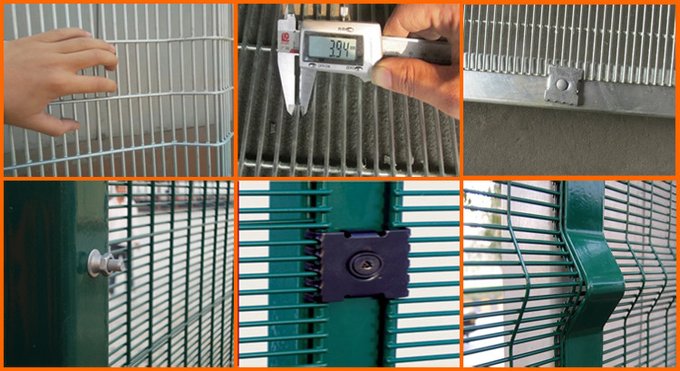 |
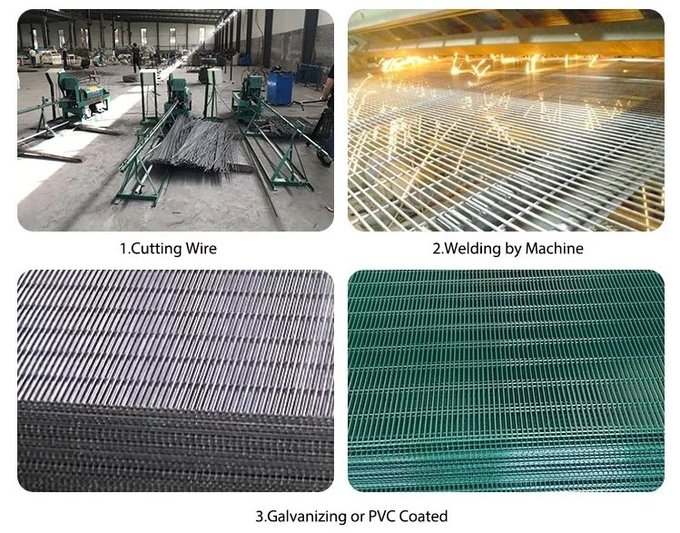 |
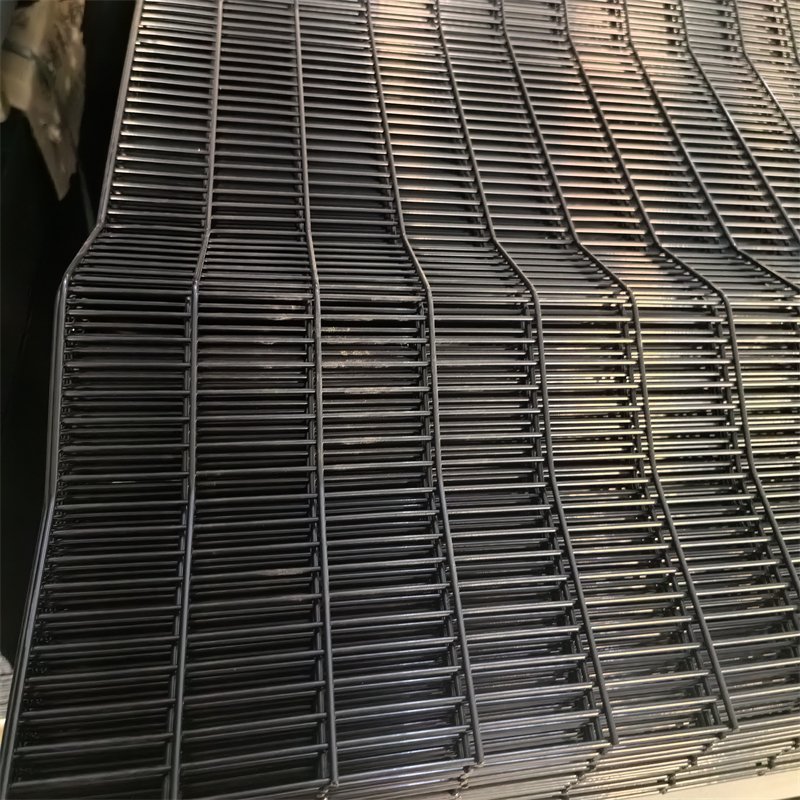
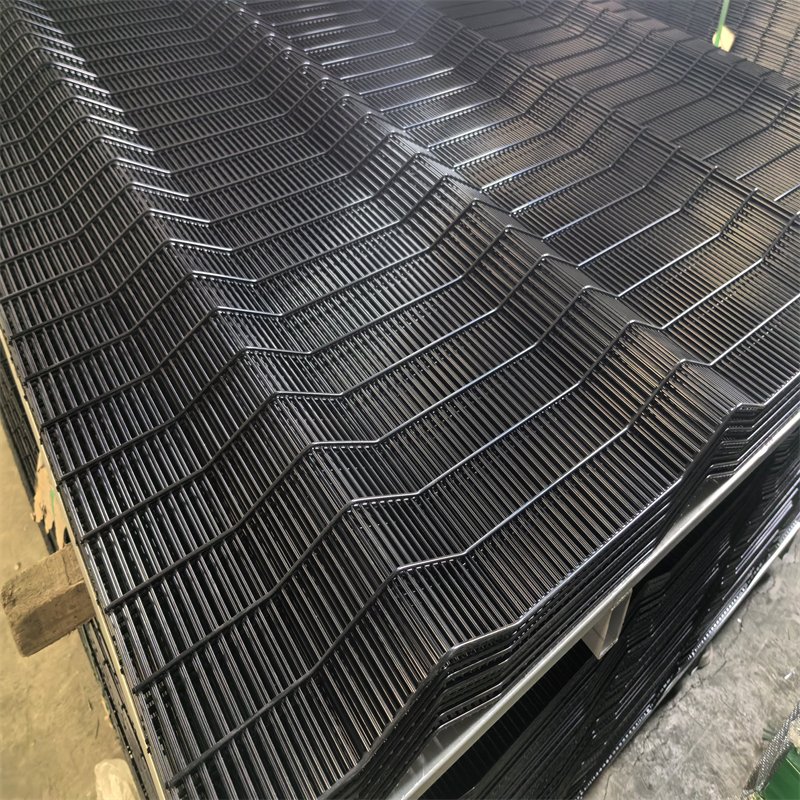
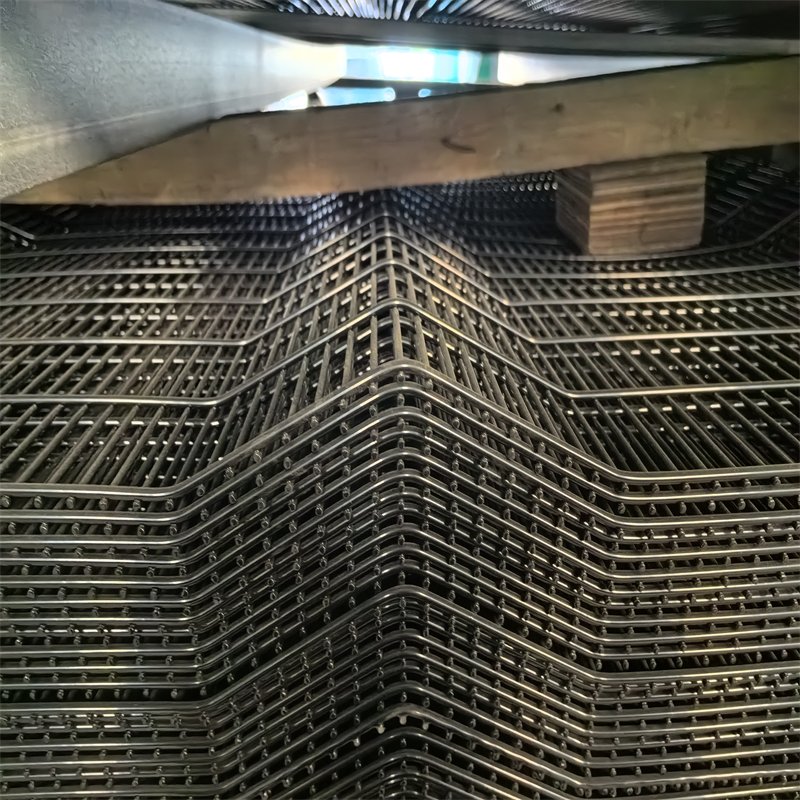
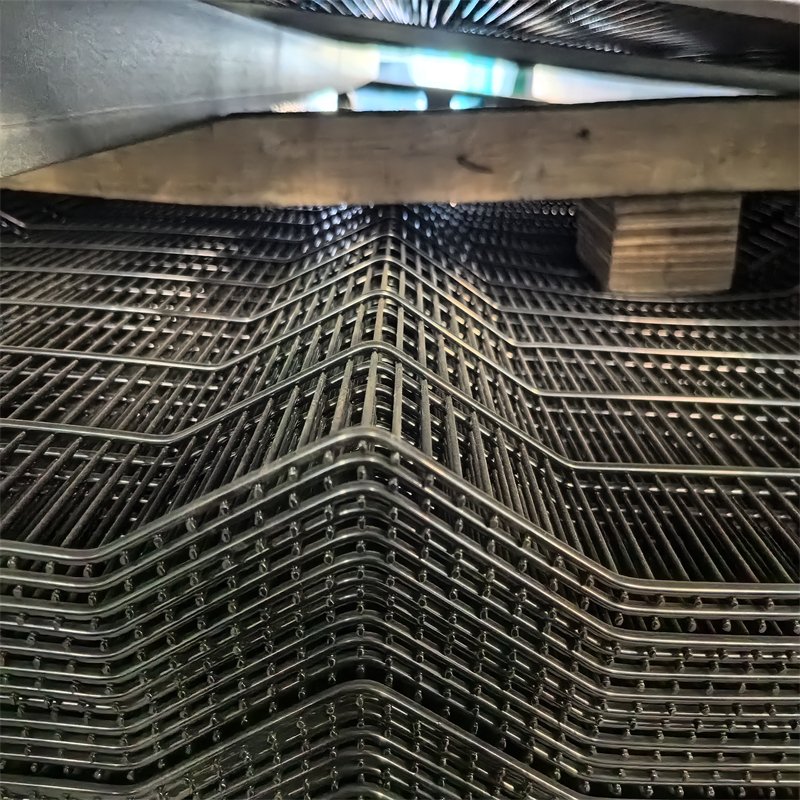
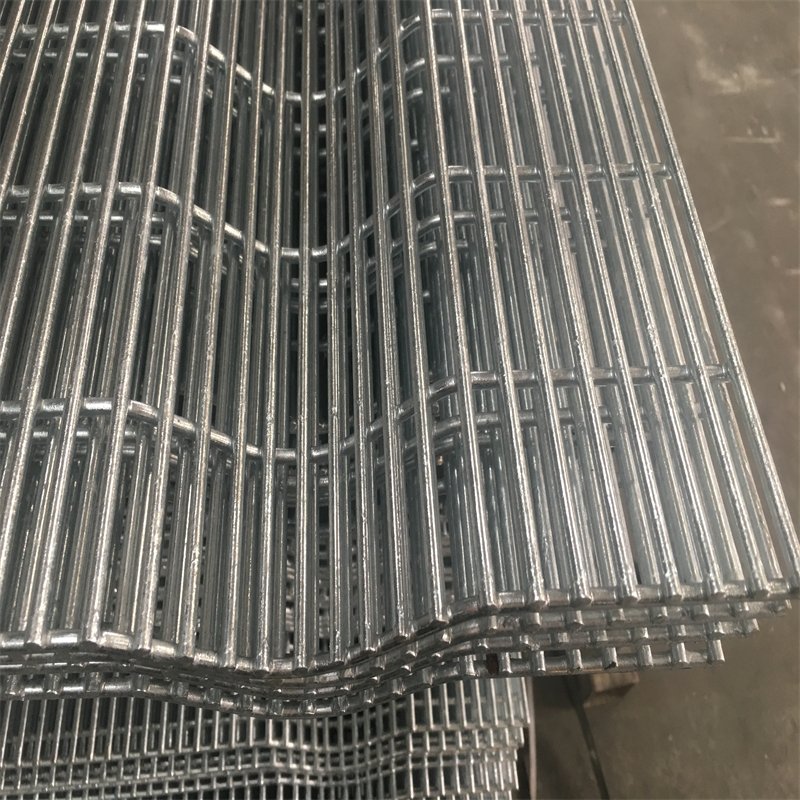
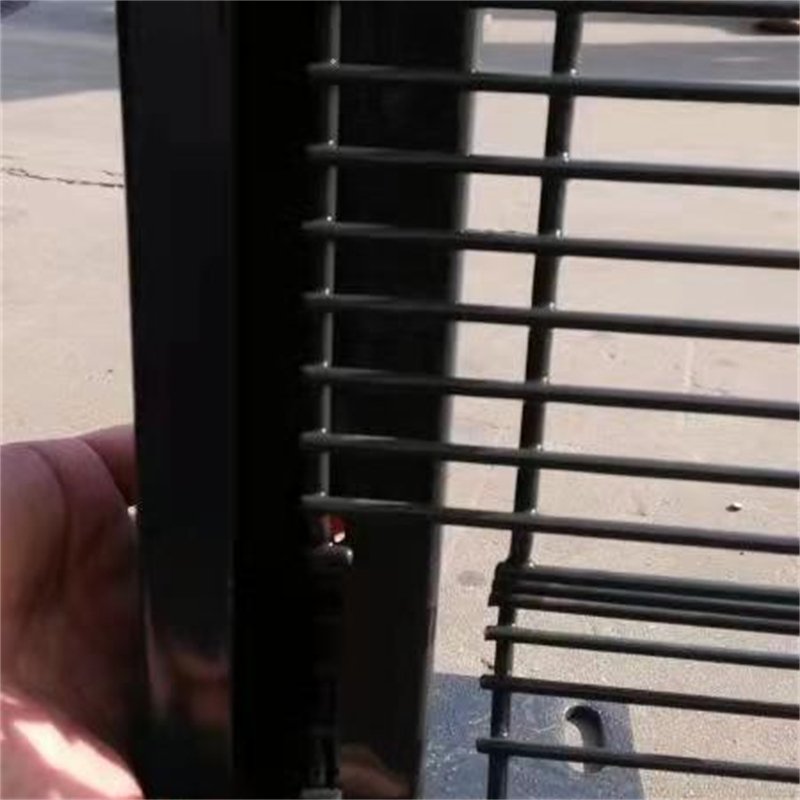
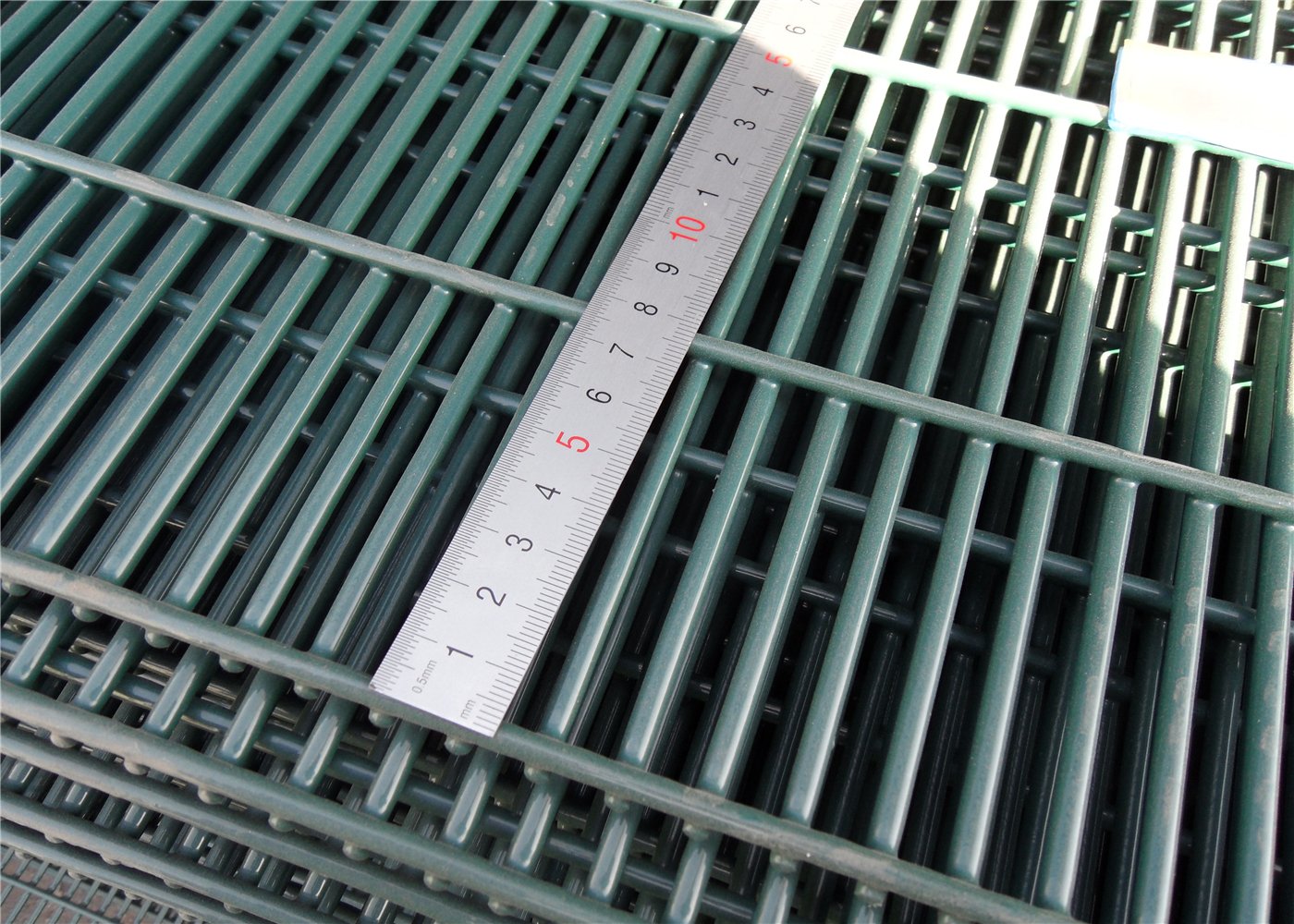
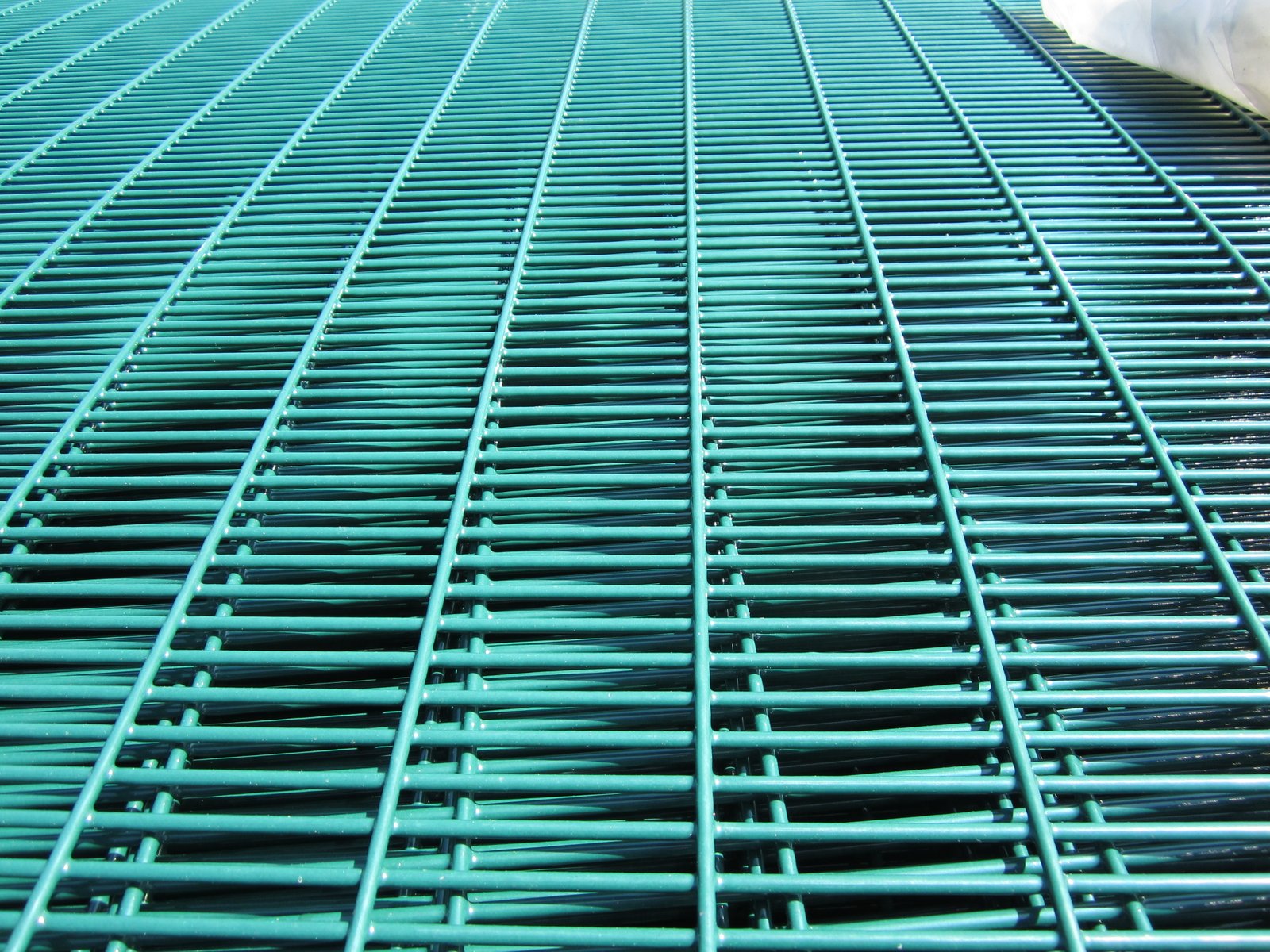
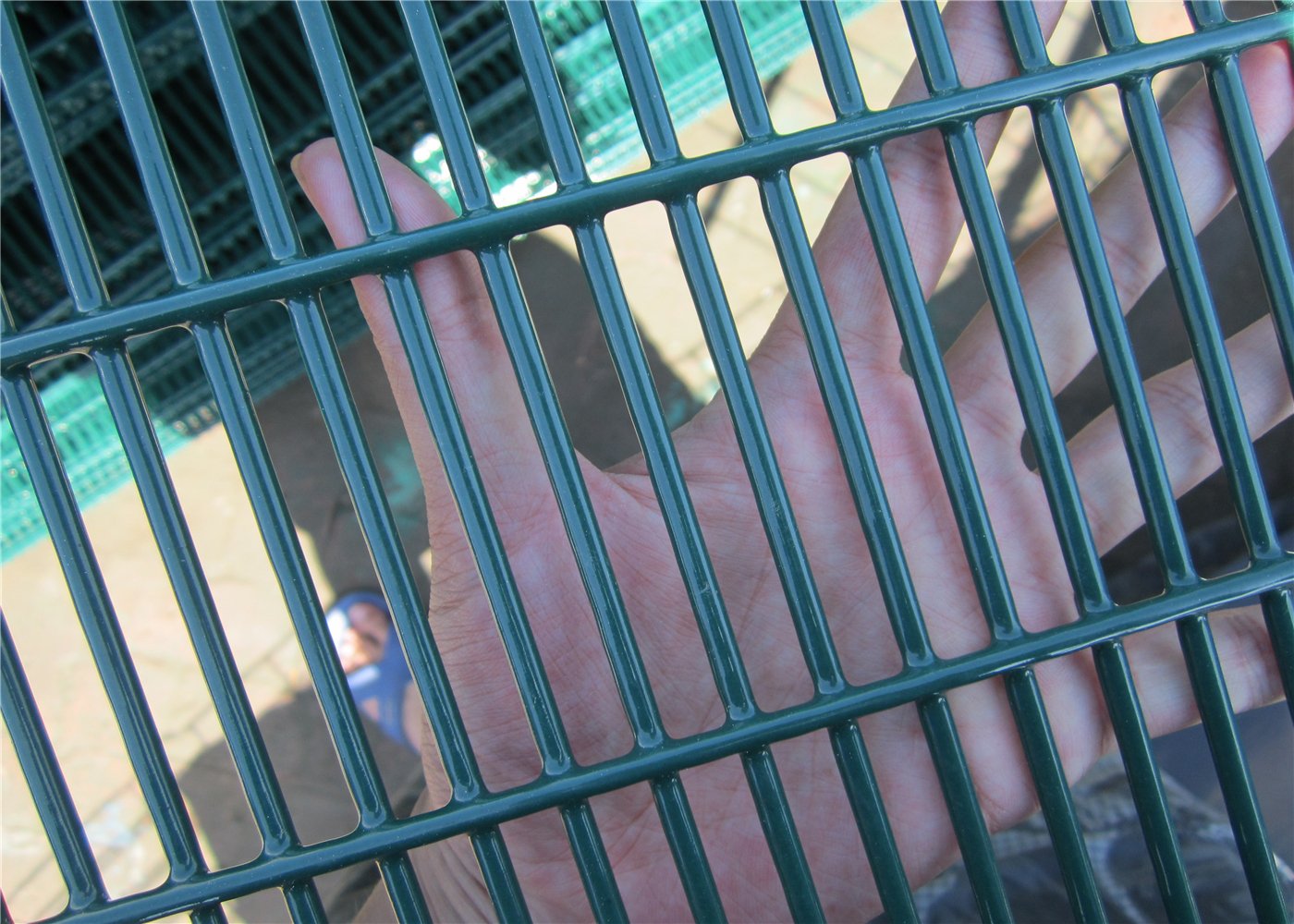
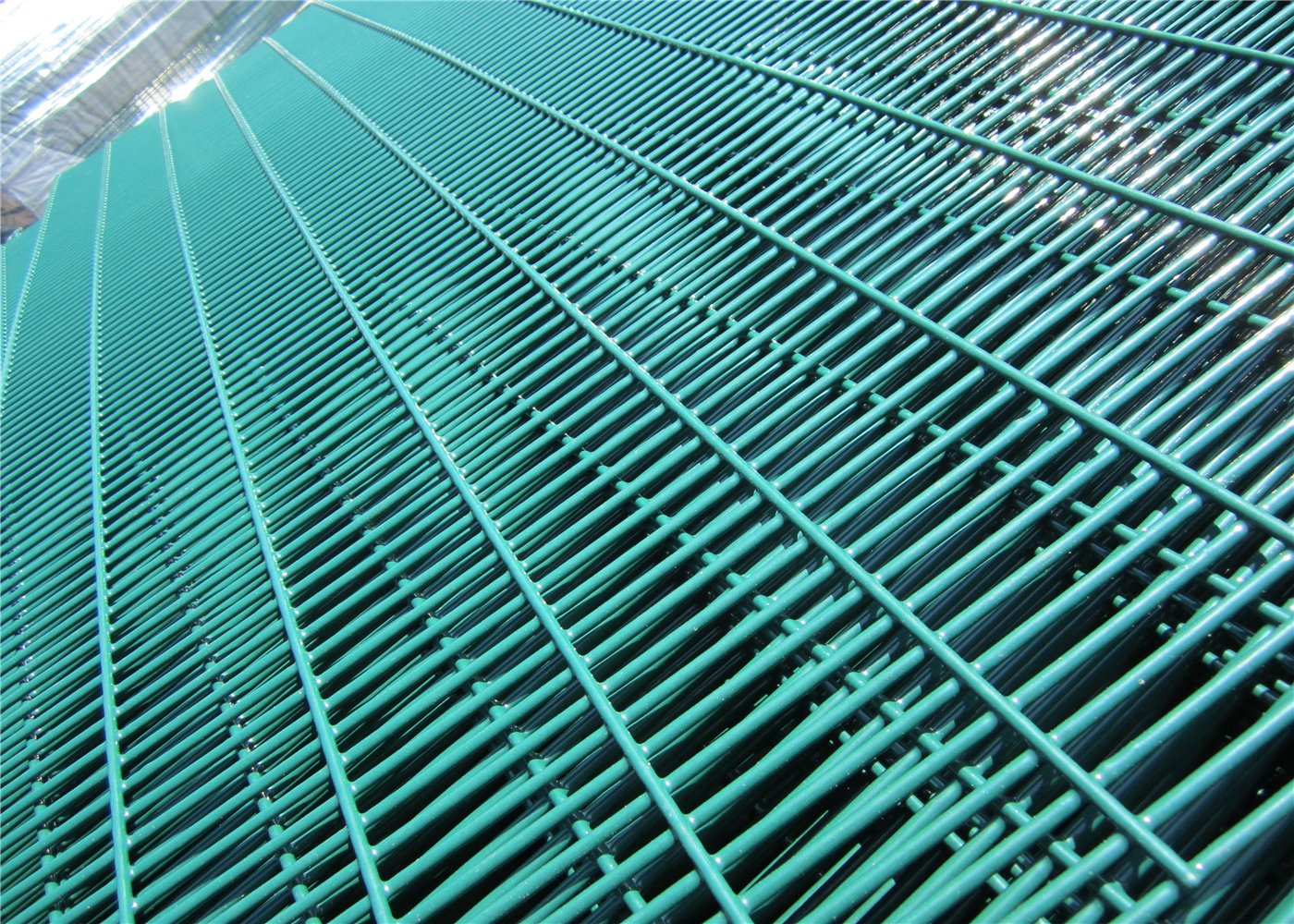
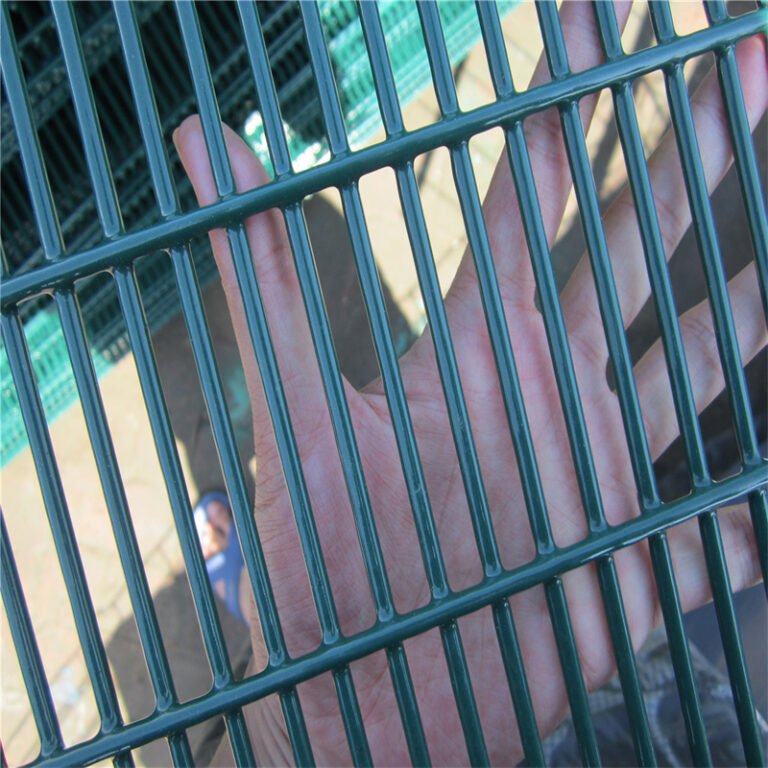
| Original BMP photograph: review the dense welded grid before selecting panel dimensions. |
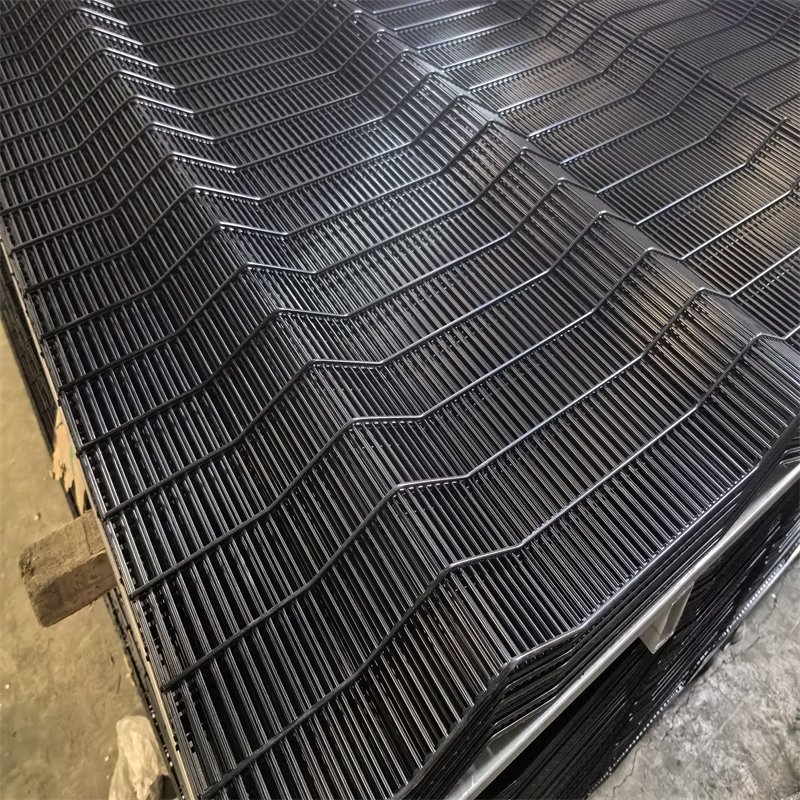
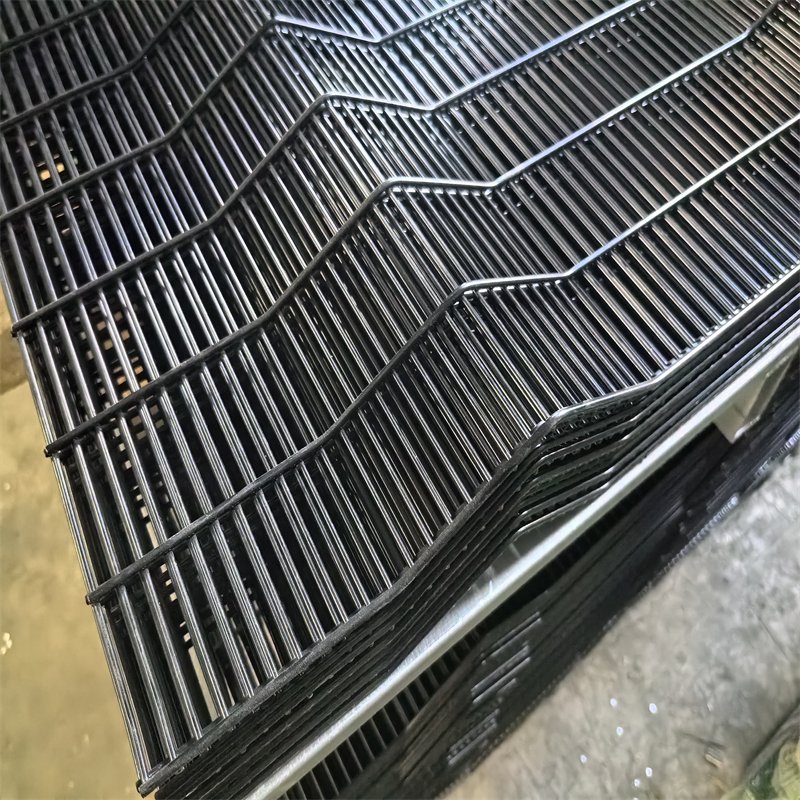
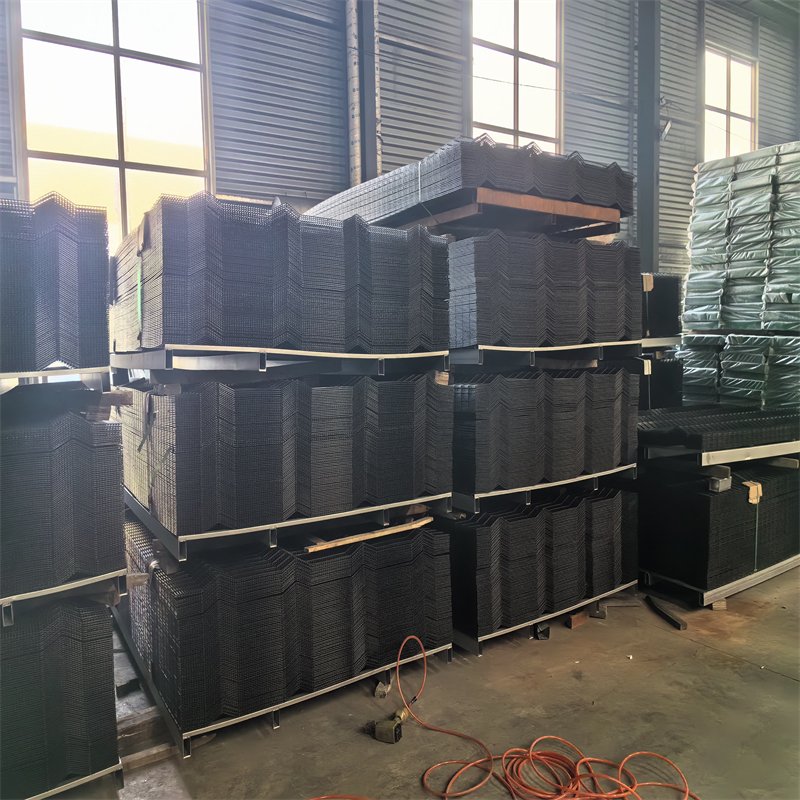
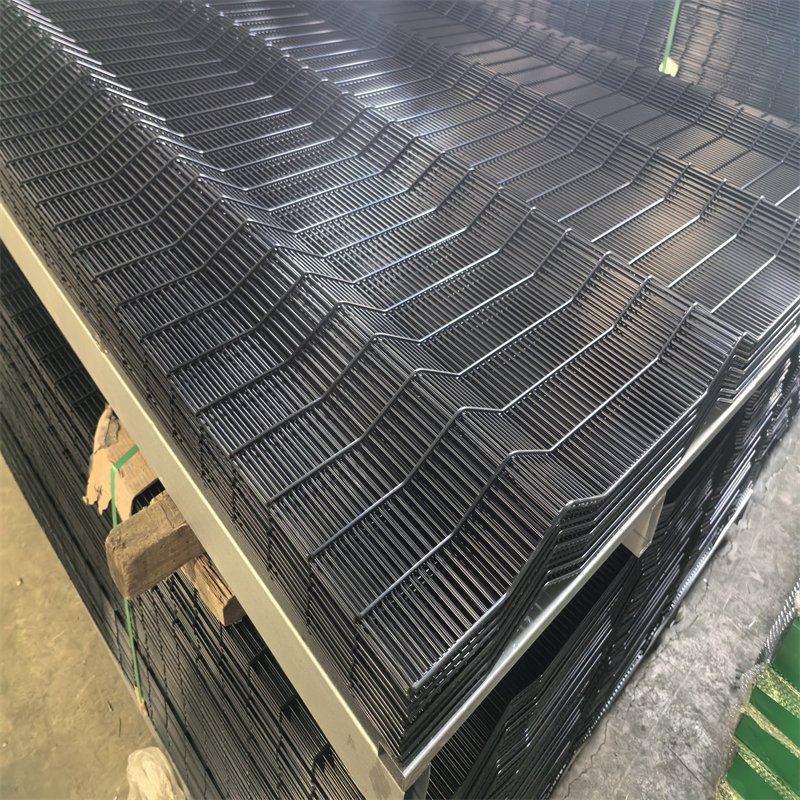
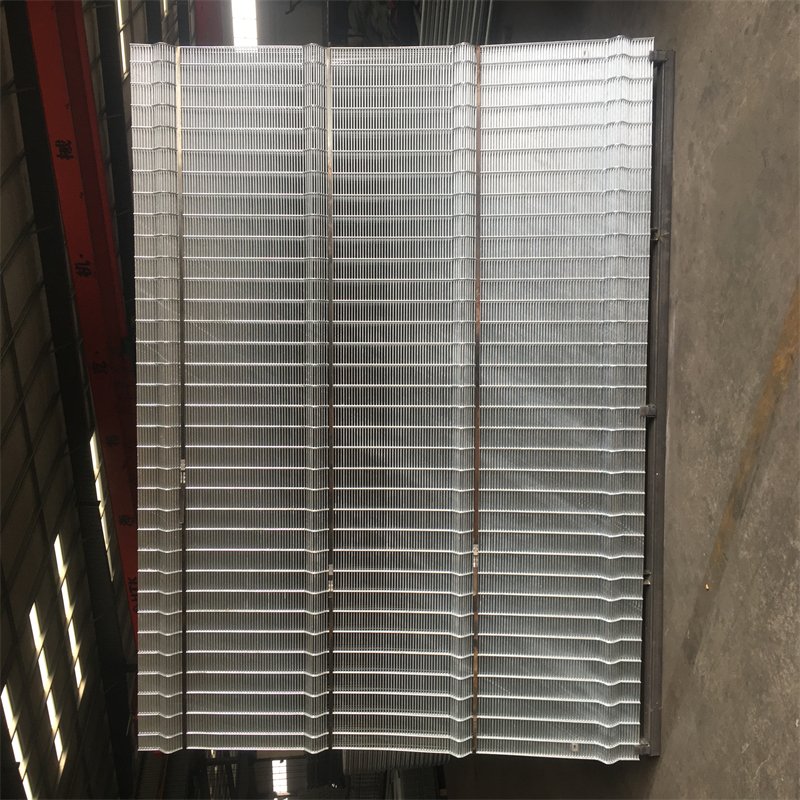
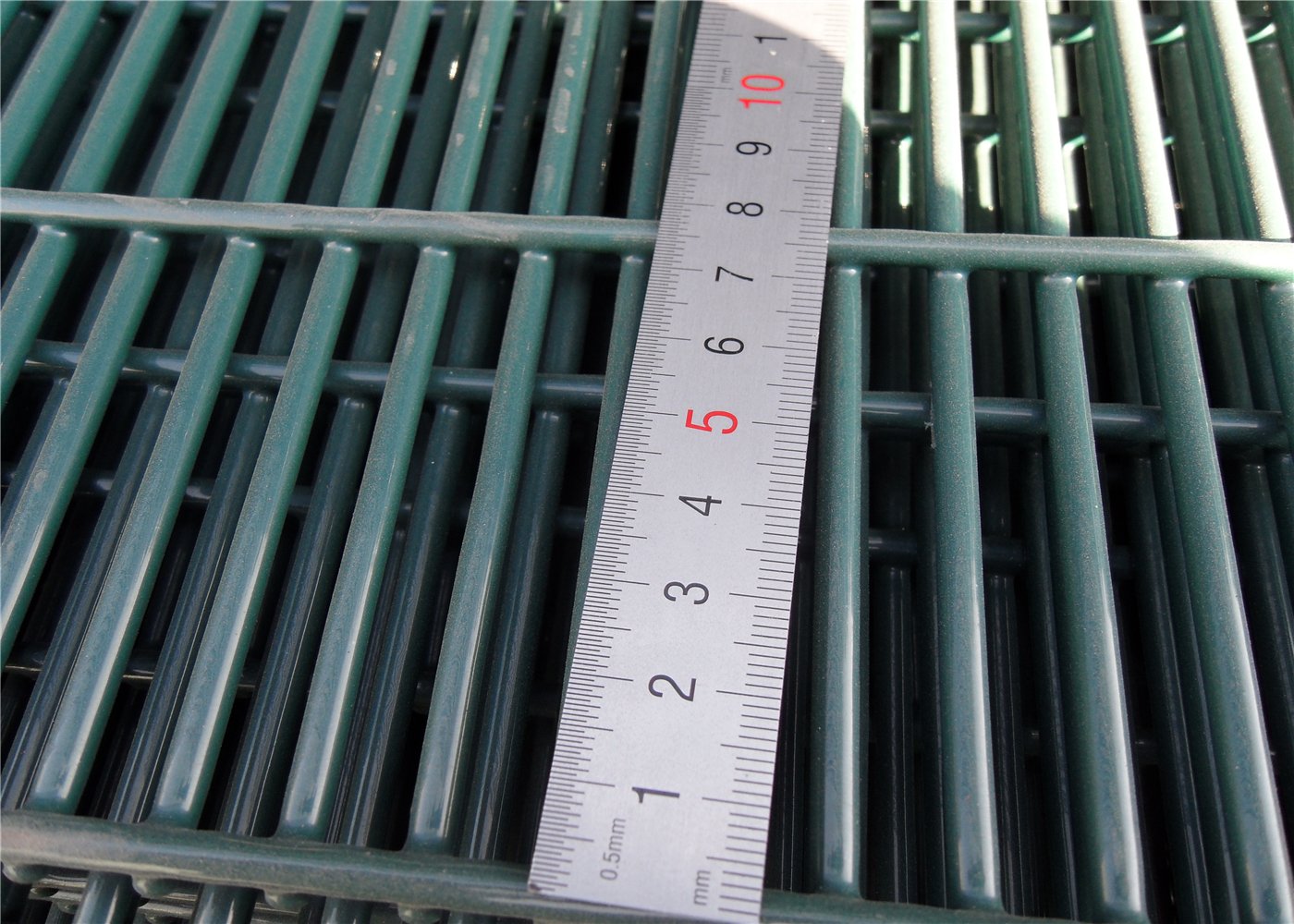
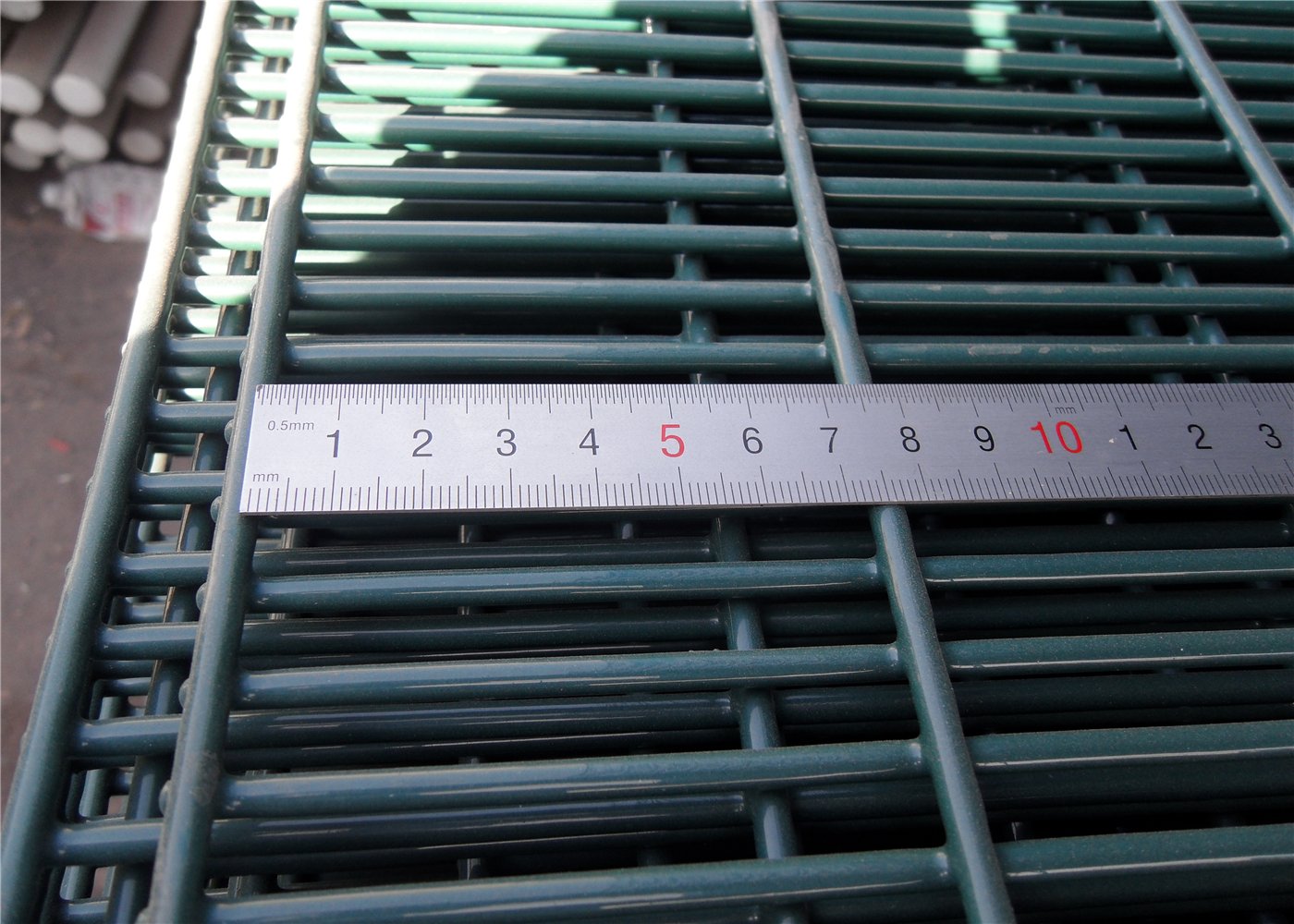
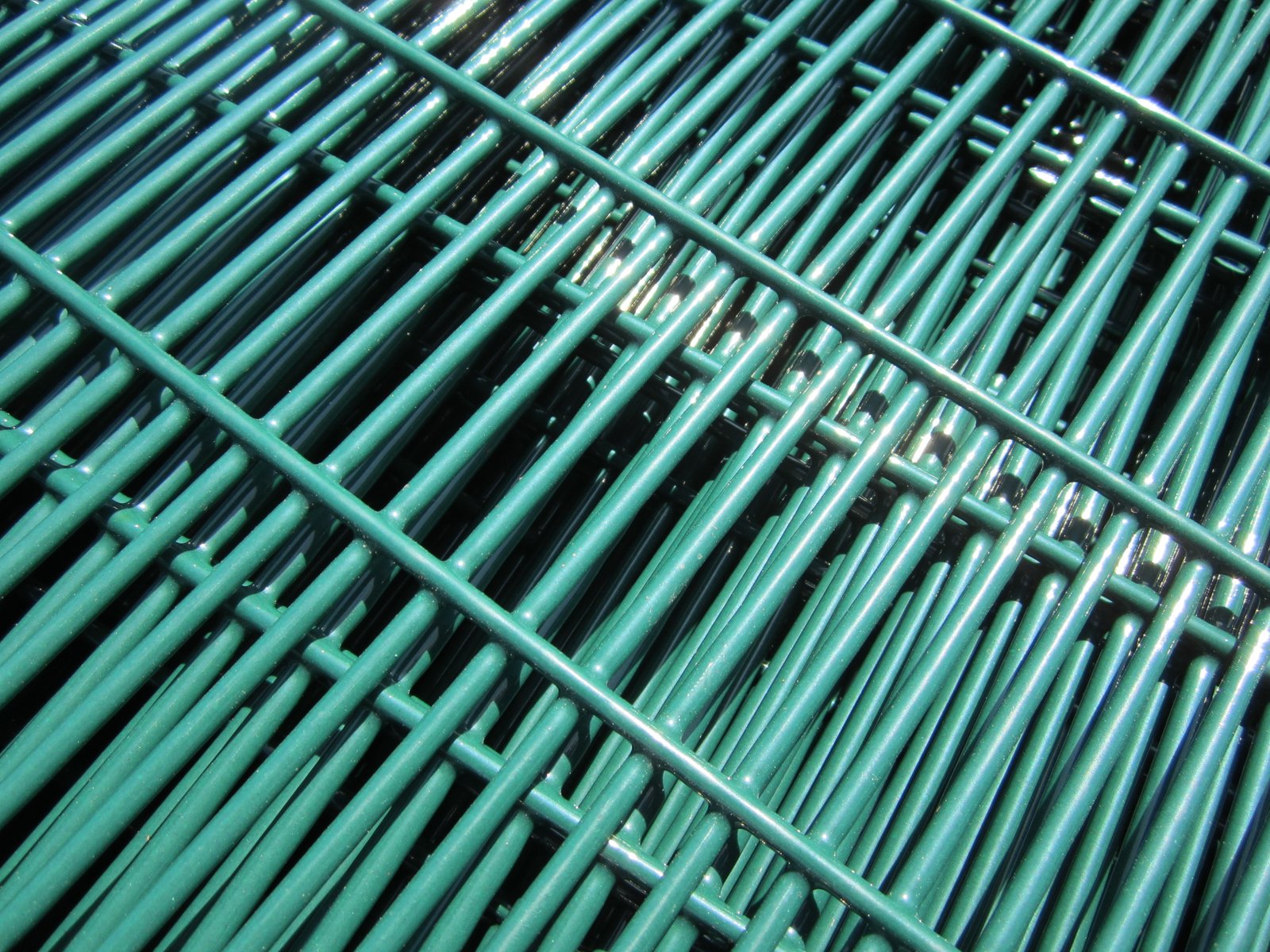
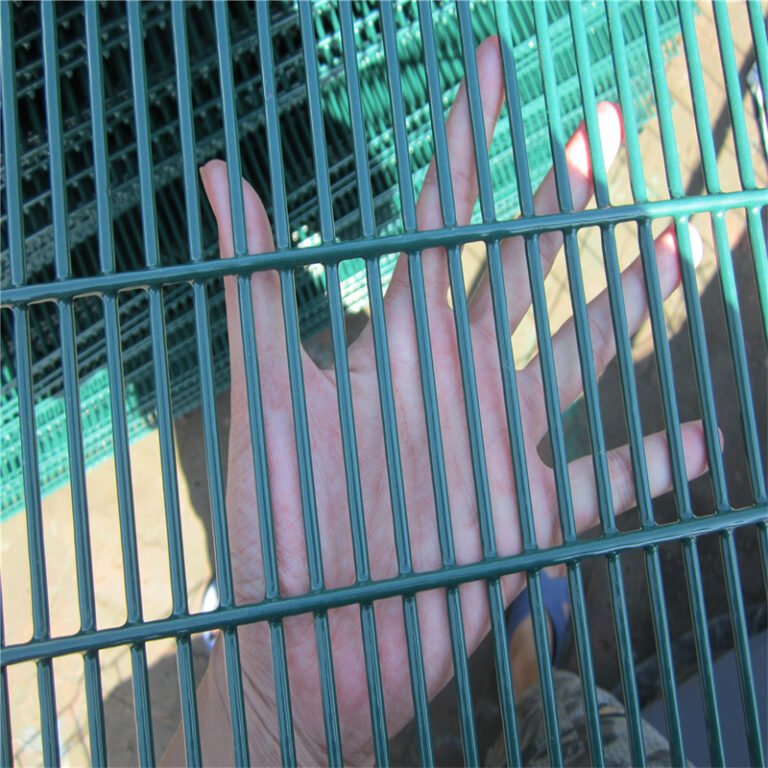
Original product reference: compare visible steel details with the approved drawing. |
358 Welded Wire Mesh Fence and the Meaning of 358
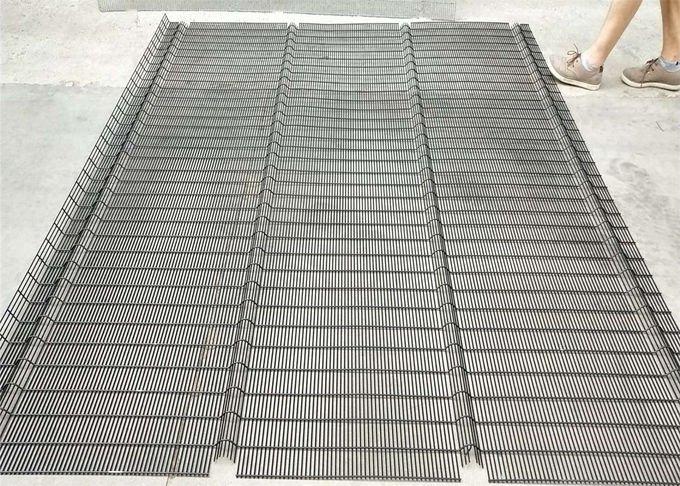
The number 358 traditionally refers to three inches, half an inch, and approximately eight-gauge steel wire. Common metric dimensions use 76.2 × 12.7 mm centres with roughly 4 mm wire. These figures identify a nominal grid, not a tested security rating.
The source catalogue also offers 75 × 12.5 mm centres and a wider 75 × 25 mm option. Wider spacing changes the available handholds and manufacturing schedule. Buyers should not describe both versions as identical 358 products.
Understanding Centre Spacing, Clear Gaps, and Wire Diameter
Mesh pitch measures the distance from one wire centre to the next. The clear space becomes smaller after allowing for each wire's diameter. Protective coating can reduce that space slightly further.
For example, a 12.5 mm centre pitch with a 4 mm crossing wire leaves approximately 8.5 mm. Actual measurements depend on steel tolerance and the applied finish. The longer 75 mm direction also requires its own deduction.
A 358 Mesh Fence purchase should identify the intended aperture and measurement method. Factory drawings need to label horizontal and vertical directions. Clear specifications help avoid receiving disputes.
358 Welded Wire Mesh Fence and Anti-Climb Geometry
Climbing requires reliable handholds and footholds along a vertical surface. Narrow horizontal spacing makes ordinary gripping more difficult than wide-opening welded mesh. Steel wire intersections also help retain the intended geometry.
However, nearby walls, trees, stacked pallets, or lighting columns may create alternative climbing routes. Remove unnecessary aids from the protected fence line. A complete site assessment should consider these surroundings.
Cutting Resistance Is Different from Climbing Resistance
Wire diameter and limited tool access can complicate certain conventional cutting methods. Steel strength, weld quality, and tool selection affect actual penetration resistance. No manufacturer should describe an untested mesh as impossible to cut.
Higher-risk projects may consider High Security Clear View Fence configurations with suitable supporting hardware. A security certification must identify the exact tested assembly. Product names alone cannot establish an attack delay.
358 Welded Wire Mesh Fence: Original BMP Panel Schedule
The supplied catalogue lists ten panel heights, all with a nominal 2400 mm width. Each row specifies 4 mm wire and two alternative narrow mesh pitches. The height options range from 900 mm to 3600 mm.
This table retains the original model names and technical values. Its post-size information appears separately because the source does not pair one post with each height. Final dimensions still require project approval.
| Original Product Reference |
Height (mm) |
Width (mm) |
Vertical Centres (mm) |
Horizontal Centres (mm) |
Wire Diameter (mm) |
| Anti climb-900 |
900 |
2400 |
75 |
12.5 / 25 |
4 |
| Anti climb-1200 |
1200 |
2400 |
75 |
12.5 / 25 |
4 |
| Anti climb-1500 |
1500 |
2400 |
75 |
12.5 / 25 |
4 |
| Anti climb-1800 |
1800 |
2400 |
75 |
12.5 / 25 |
4 |
| Anti climb-2100 |
2100 |
2400 |
75 |
12.5 / 25 |
4 |
| Anti climb-2400 |
2400 |
2400 |
75 |
12.5 / 25 |
4 |
| Anti climb-2700 |
2700 |
2400 |
75 |
12.5 / 25 |
4 |
| Anti climb-3000 |
3000 |
2400 |
75 |
12.5 / 25 |
4 |
| Anti climb-3300 |
3300 |
2400 |
75 |
12.5 / 25 |
4 |
| Anti climb-3600 |
3600 |
2400 |
75 |
12.5 / 25 |
4 |
The 25 mm pitch represents a wider alternative rather than the traditional 12.5 mm close grid. Do not merge both pitches into one certified model. The final order should name the selected row and aperture.
358 Welded Wire Mesh Fence: Selecting Panel Height
Low panels may suit internal separation where the threat assessment permits them. Taller panels can complicate climbing but increase loading and handling demands. A 3600 mm fence needs different structural consideration from a 900 mm barrier.
Post capacity, soil conditions, and wind exposure influence the final engineering design. Do not infer foundation depth from panel height alone. Gate openings require independent supporting calculations.
Why a 2400 mm Panel May Need Custom Closing Bays
Nominal panel width does not automatically equal the installed post-centre distance. Clamp thickness, panel overlap, and end supports affect effective coverage. Survey the boundary before preparing a quantity schedule.
Irregular corners and short final bays often require narrower manufactured panels. Field cutting can damage protective finishes. Factory-prepared closing sheets may reduce that risk.
358 Welded Wire Mesh Fence Post Sizes and Attachment Choices
The original article lists four post sections without assigning them to particular panel heights. Its options include square and rectangular configurations. Wall thickness, steel grade, and overall length need separate confirmation.
| Source Item |
Original Reference |
What to Verify |
| Post option 1 |
50 × 50 mm |
Wall thickness, steel grade, length |
| Post option 2 |
50 × 75 mm |
Orientation, connection face, length |
| Post option 3 |
65 × 65 mm |
Compatible clamp plate and thickness |
| Post option 4 |
60 × 60 mm |
Foundation, fasteners, and end-cap details |
| Additional source figure |
4 (unit and meaning unspecified) |
Request clarification rather than assuming wall thickness |
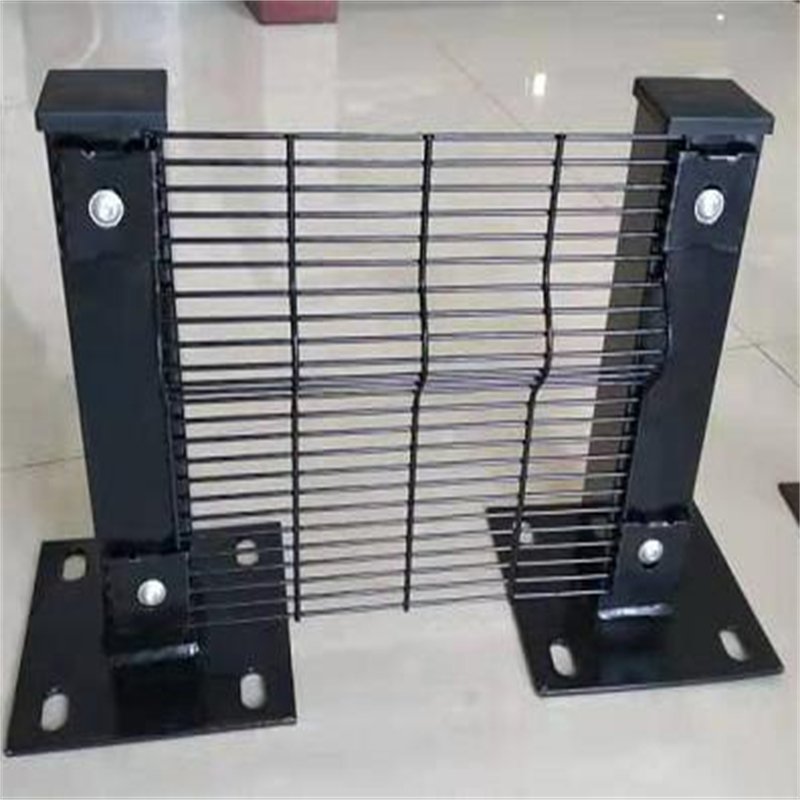
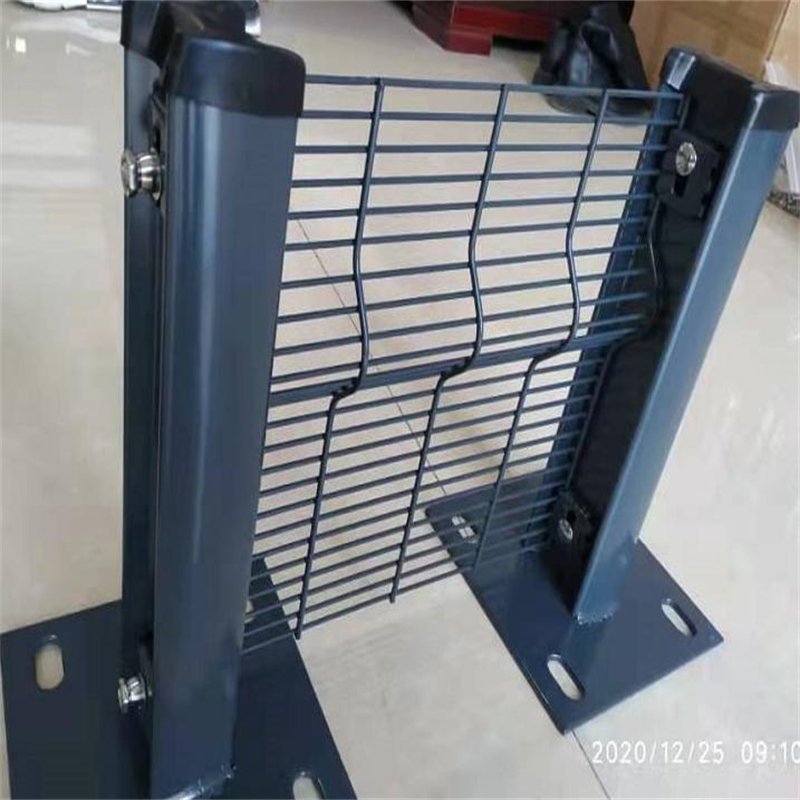
A Clear View Fence Post can use several geometries for different attachments. Square and rectangular hollow supports offer different fixing faces. Engineers should verify each selected section.
Square Posts, Flat Bars, and Security Clamps
Flat bars can distribute fixing pressure along a welded panel edge. Individual clamps create localized connections at designated intervals. Both approaches need compatible bolt spacing and suitable steel sections.
Choose ClearVu Fence Clamps using the actual panel and post drawing. End posts and corners may require different quantities. Confirm security-bolt access during sample assembly.
358 Welded Wire Mesh Fence with IPE or C-Profile Supports
An ClearVu Fencing IPE Post uses flanges and a central web rather than a simple hollow face. C-profile supports use another fixing geometry. Neither profile should replace a specified square post without engineering approval.
Inspect exposed metal edges and post caps before installation. Incorrect hardware can cause coating damage during tightening. Suitable replacement parts should remain available for maintenance.
Where a 358 Welded Wire Mesh Fence Adds Practical Value
Industrial yards benefit from visible boundaries around equipment and loading areas. Schools and hospitals need controlled access without creating unnecessary blind corners. Utilities may require higher security levels and separate electrical safety assessments.
Clear View Mesh Fencing supports different perimeter layouts and wire specifications. The correct mesh grade depends on actual site risks. Not every listed application requires the same fence height.
| Application |
Operational Priority |
Design Consideration |
| Warehouses and workshops |
Define controlled equipment zones |
Truck clearances and vehicle protection |
| Rail and road facilities |
Separate operating areas from access routes |
Visibility, maintenance access, local standards |
| Airports and ports |
Support monitoring and controlled entrances |
Exposure, formal security requirements, gates |
| Schools and hospitals |
Manage visitors and pedestrian movement |
Safe edges and emergency egress |
| Residential estates |
Preserve a visible boundary |
Appearance, lighting, and gate reliability |
| Restricted infrastructure |
Support layered protection |
Security testing and specialist engineering |
358 Welded Wire Mesh Fence at Ports and Logistics Yards
Coastal cargo terminals can encounter salt deposits, moisture, and frequent heavy vehicle movement. A suitable coating system helps protect exposed steel under those conditions. Bollards may also protect posts near turning trucks.
Fence visibility benefits guards only when cameras cover practical approach routes. Stored containers and parked trailers can obstruct surveillance. Review these sightlines during site planning.
Schools, Healthcare, and Public-Safety Interfaces
School entrances need reliable visibility and controlled pedestrian access. Healthcare facilities may prioritize emergency movement and supervised gates. Sharp optional toppings can create unacceptable risks near vulnerable users.
Security plans should account for local regulations and ordinary daily activity. The fence must support safe movement rather than obstruct it. Specialist approval may apply to public-facing boundaries.
358 Welded Wire Mesh Fence and Effective CCTV Placement
Closely welded steel mesh provides clearer views than an opaque perimeter wall. However, no mesh guarantees the absence of camera blind spots. Camera height, lens position, lighting, and vegetation remain important.
Security staff should test each viewing angle before handover. Keep climbing aids and unnecessary storage away from the perimeter. Maintain a clear approach corridor wherever the site permits one.
Integrating Alarm Detection with a Physical Barrier
Fence-mounted vibration sensors can provide early warning of some intrusion attempts. Their settings depend on panel stiffness and local wind conditions. Vegetation and loose objects may create unwanted alarms.
A detection system supplies information but does not physically stop an intrusion. Camera verification and a response process complete that protective layer. Test alarms under representative site conditions.
358 Welded Wire Mesh Fence: Monitoring at Gates and Corners
Gate areas combine frequent movement with interruptions in the fixed boundary. Cameras should observe approaching vehicles, pedestrians, and adjacent panel ends. Lighting needs to support nighttime monitoring.
Corner posts may interrupt some viewing angles. Provide overlapping coverage where the risk assessment requires it. A measured site layout helps identify gaps.
Manufacturing a Consistent Welded Security Panel
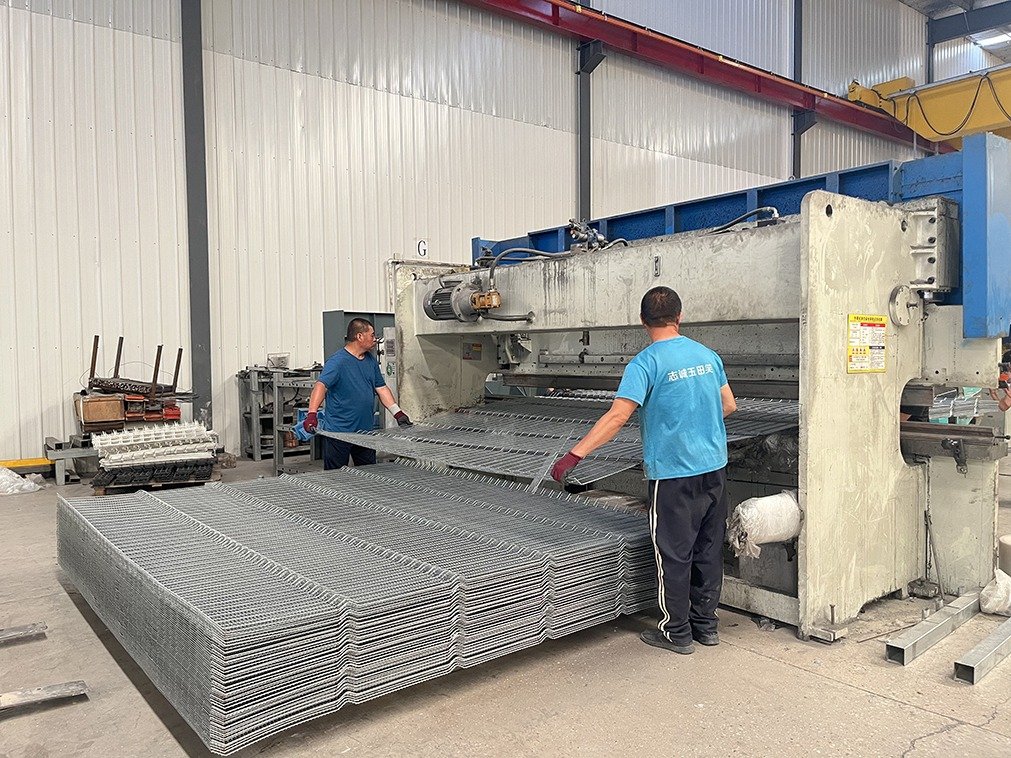
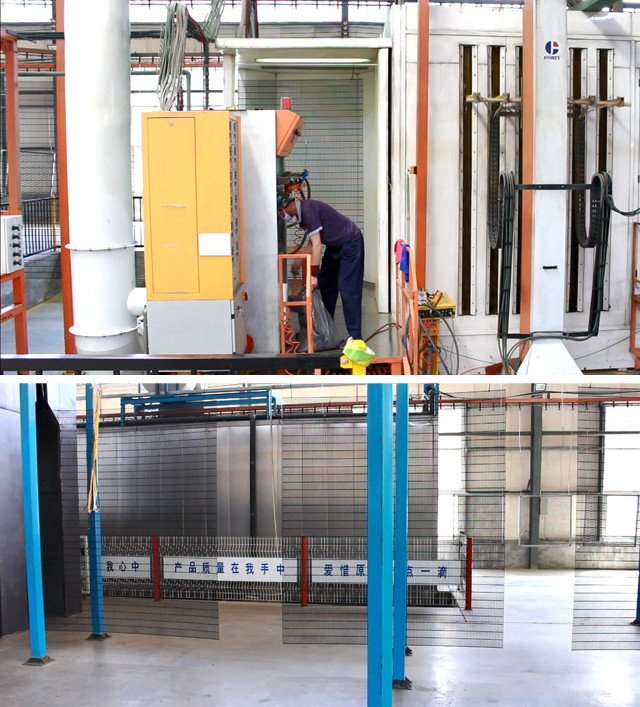
The supplied process begins with material preparation, wire straightening, cutting, and welding. An approved zinc treatment and compatible polymer coating may follow. Manufacturing order matters because galvanized wire and post-weld galvanizing use different routes.
BMP's source describes a historical capacity reference of 7,000 panels per month. Current available capacity depends on the product mix and production schedule. Confirm lead times in the commercial offer.
358 Welded Wire Mesh Fence Welding Quality Control
Operators should check straightness before resistance welding begins. Weld settings influence joint quality and distortion across the panel. Inspectors can measure pitch, diagonals, and wire diameters afterward.
Broken intersections and irregular edge projections require correction before finishing. An attractive coating cannot conceal an unacceptable structural defect. Test records should identify the sampled batch.
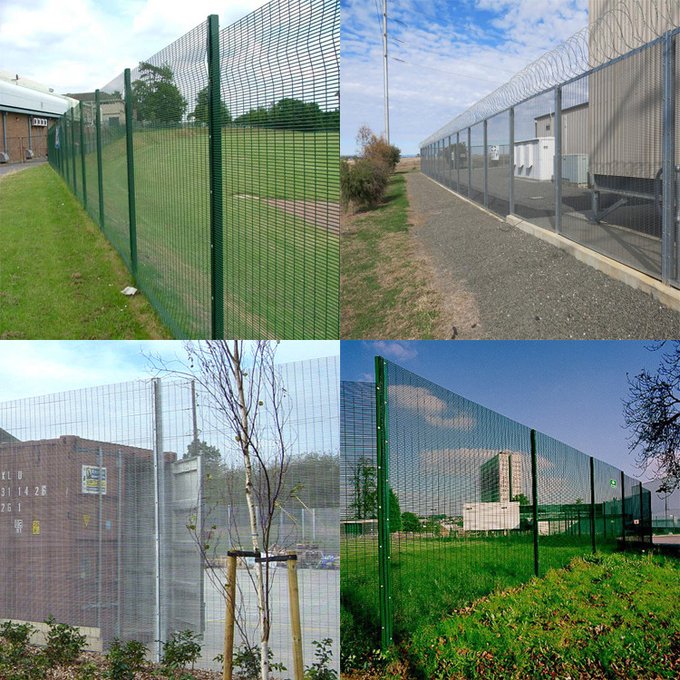 |
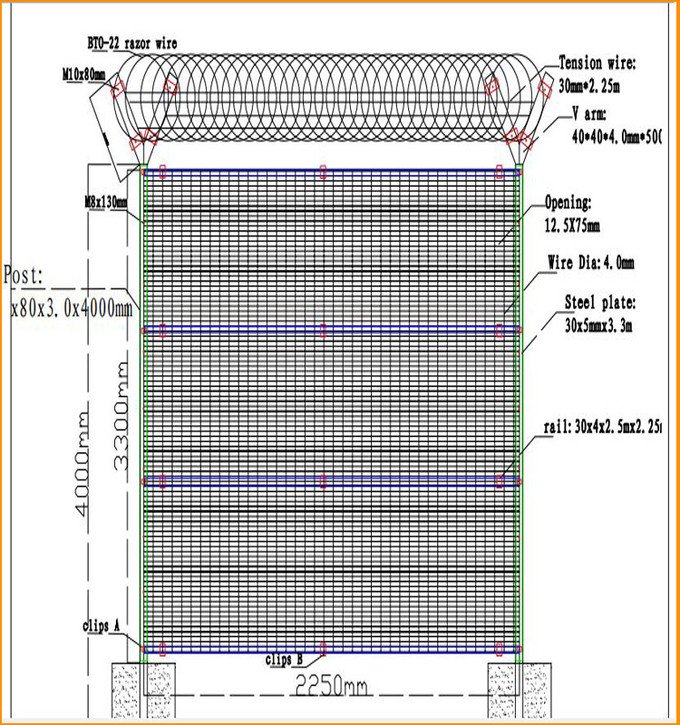 |
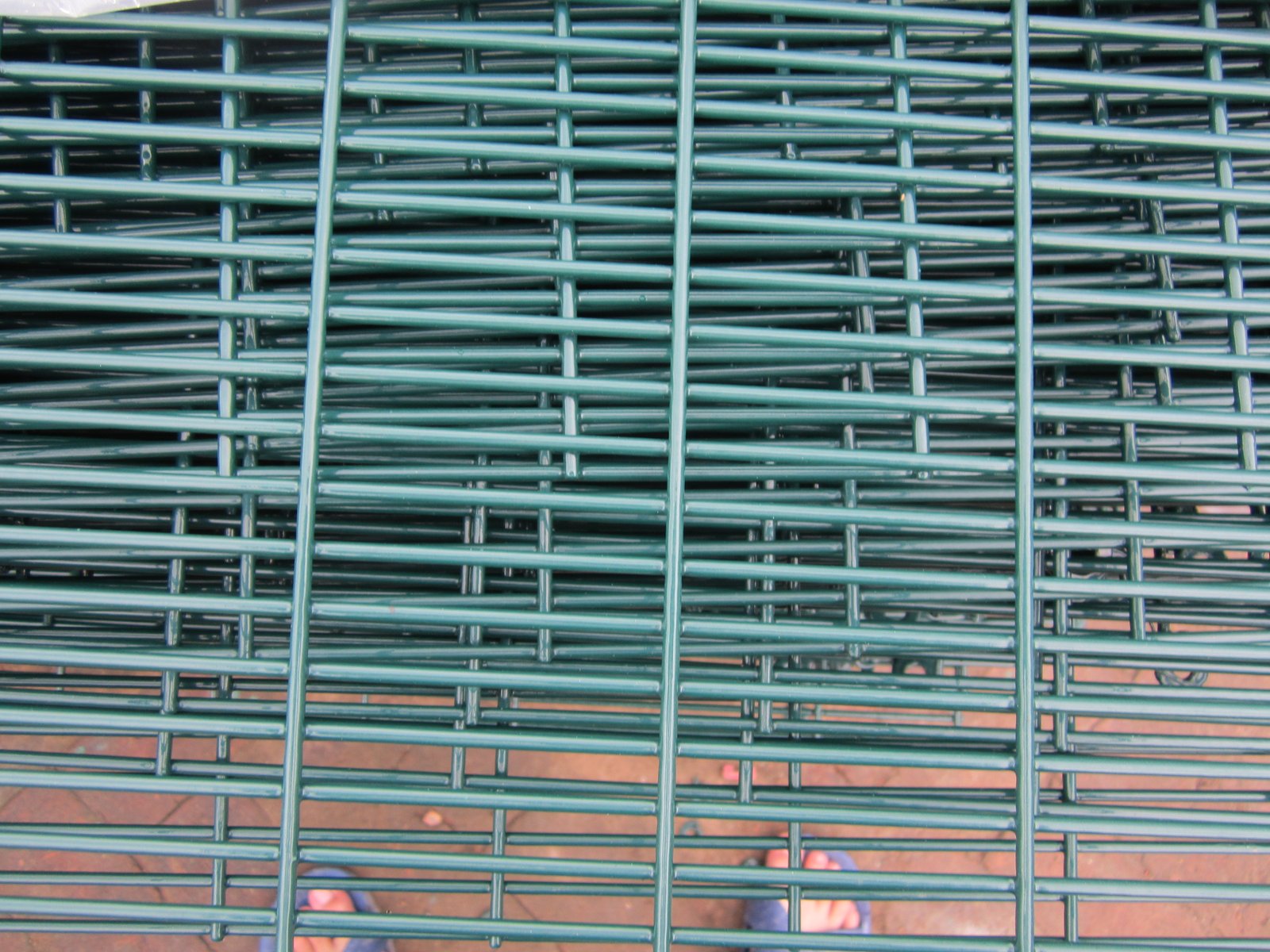
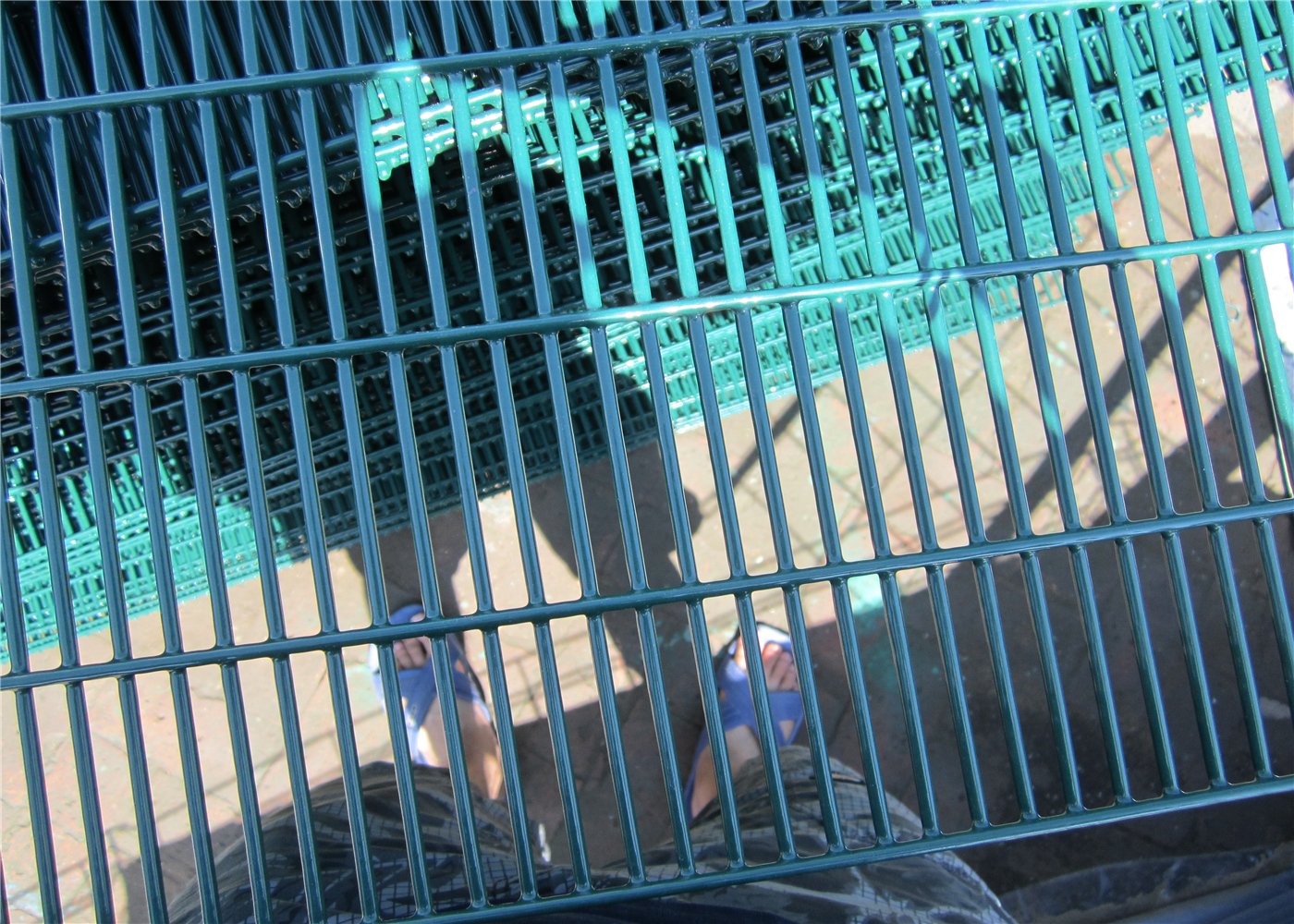
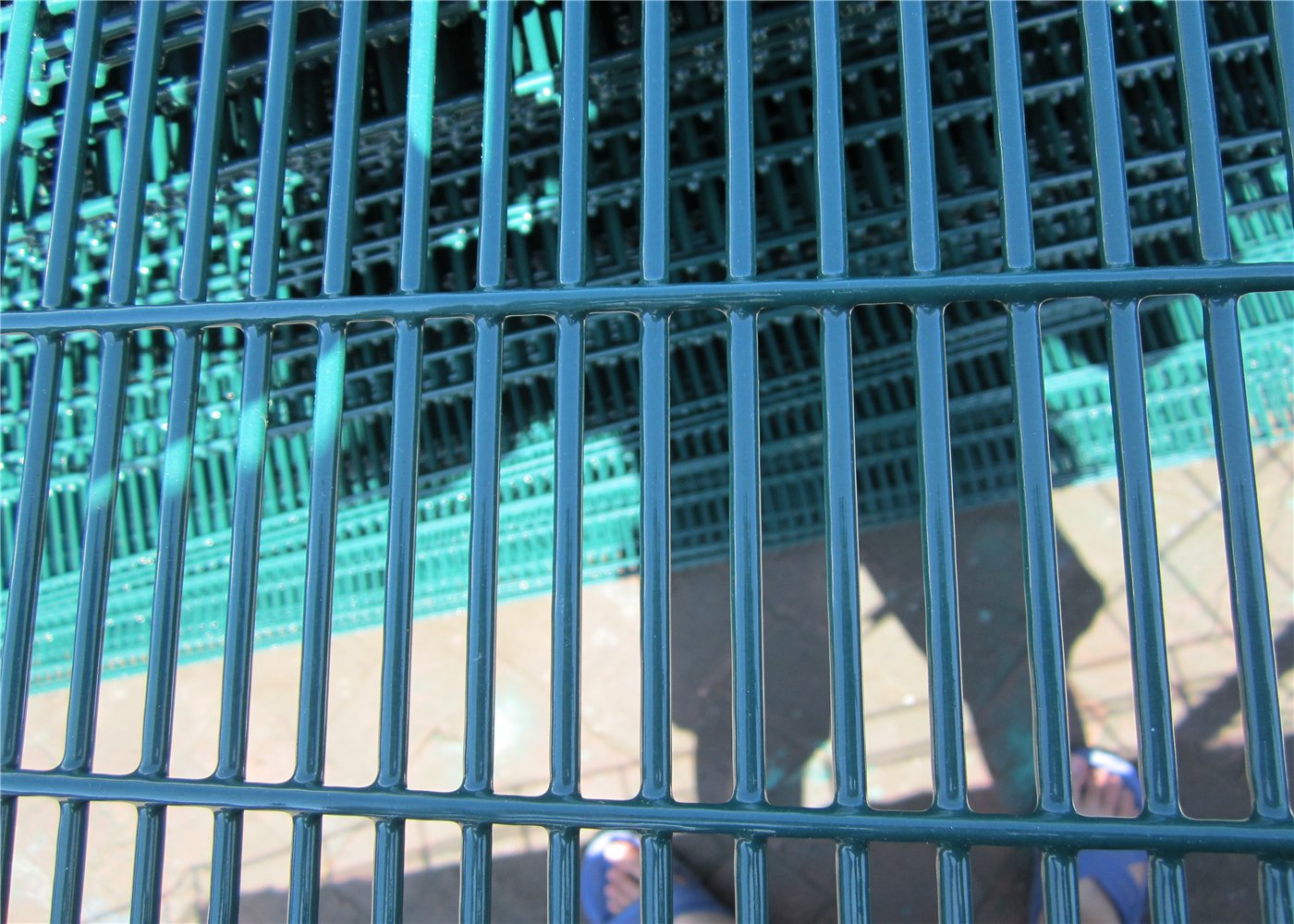
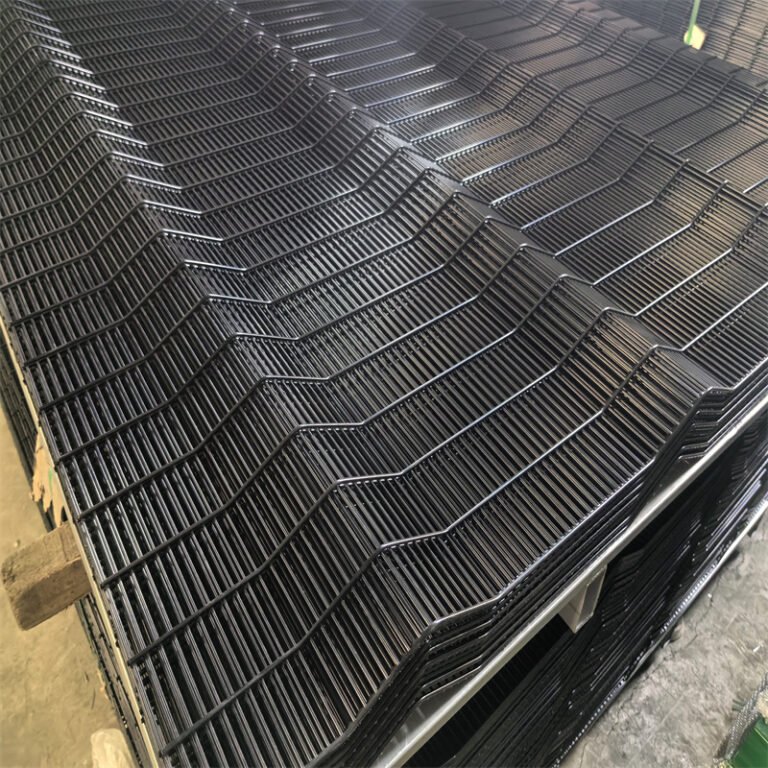
| BMP source image: inspect the completed welded mesh design and its application context. |
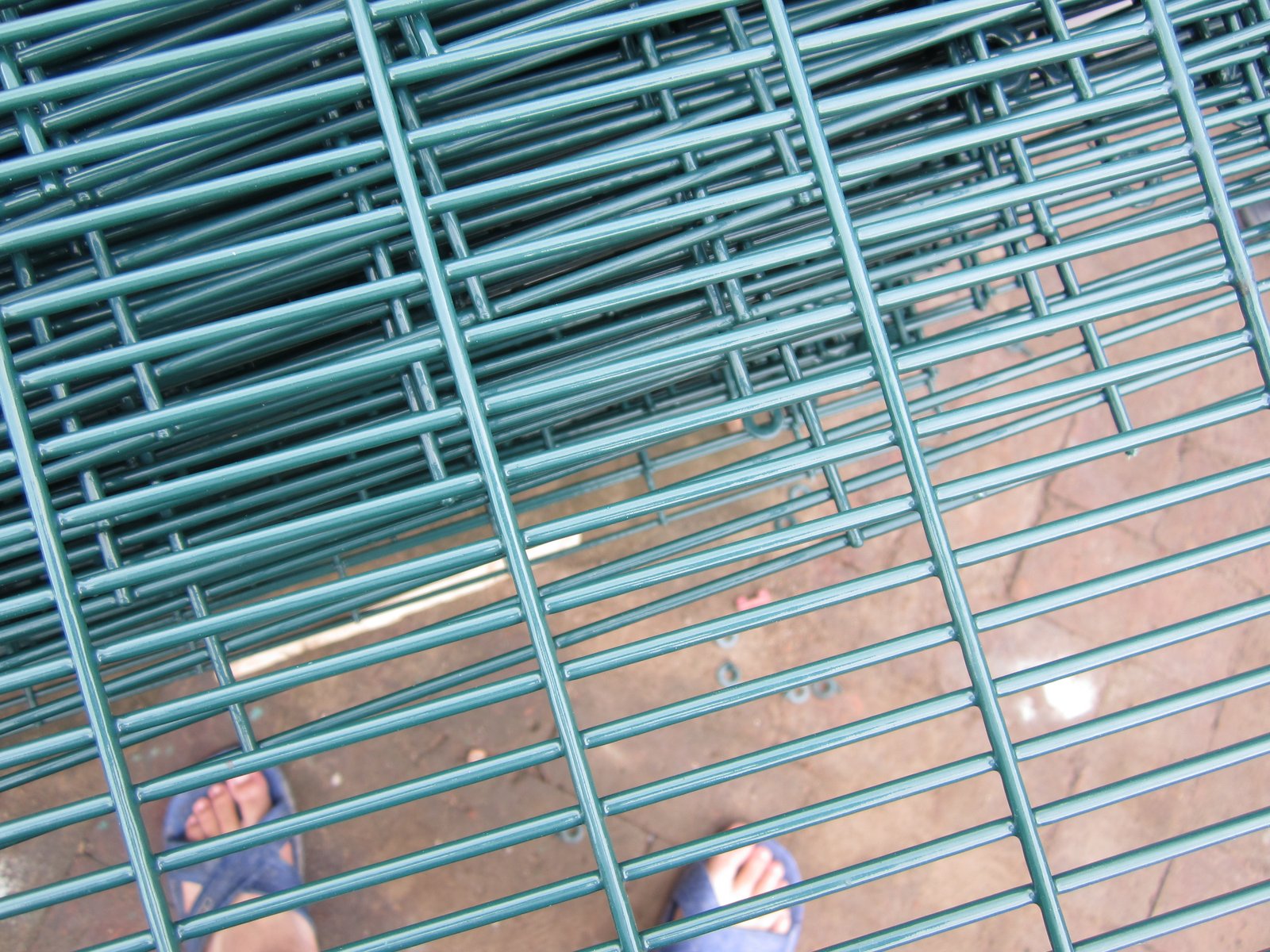
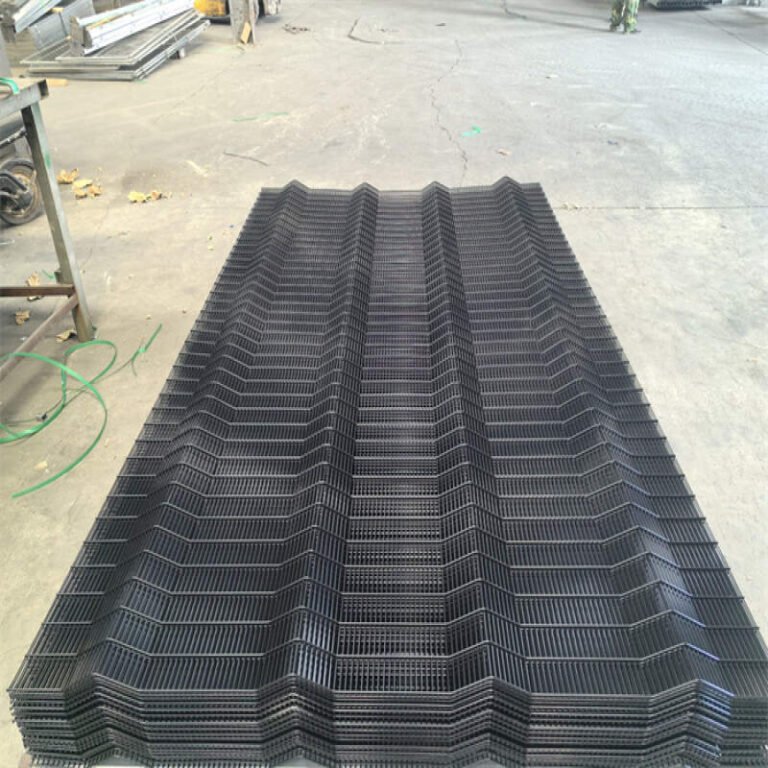
Original technical drawing: confirm dimensions against the final manufacturing revision. |
Surface Preparation Before Polymer Coating
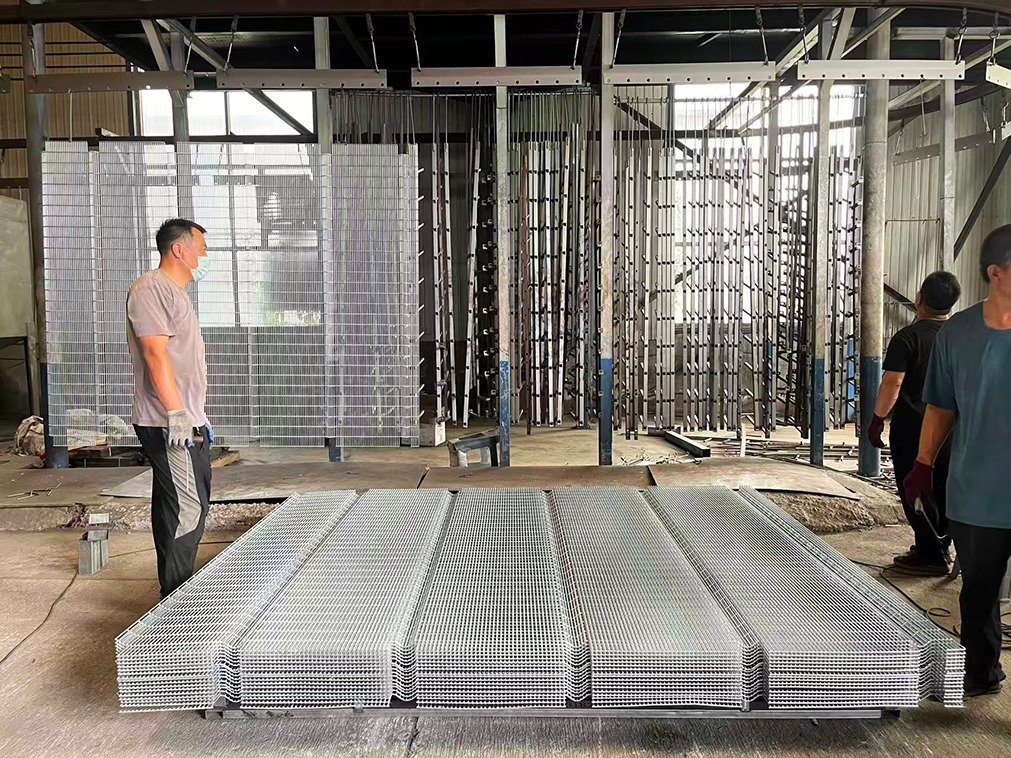
Galvanized surfaces can carry residues that reduce the adhesion of later finishes. Cleaning and suitable pretreatment therefore require controlled procedures. Excessive abrasion may damage the protective zinc layer.
The original process mentions sanding after galvanizing. Any mechanical preparation must follow the coating manufacturer's zinc-compatible guidance. The final route should avoid unnecessary surface damage.
358 Welded Wire Mesh Fence Corrosion Protection Options
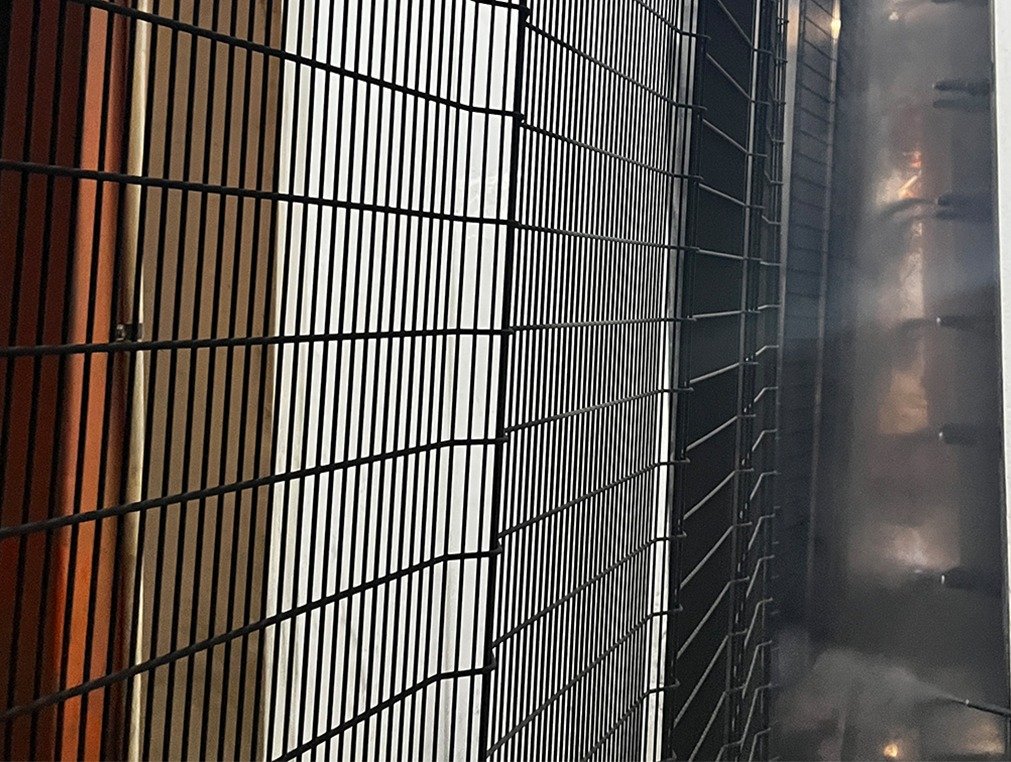
Hot-dip zinc protection and electrogalvanizing use different production methods. Compatible powder coating can add colour and another environmental barrier. Actual corrosion performance depends on coating specification and maintenance.
A Powder Coated Clear View Fence may use pre-galvanized or post-fabrication zinc protection. The purchase order should identify the chosen process clearly. Coating tests must match the supplied component.
| Finishing Route |
What Happens |
Buyer Inspection |
| Galvanized wire before welding |
Factory welds pre-coated wire into panels |
Check zinc specification and weld-area protection |
| Hot-dip galvanizing after welding |
Suitable welded steel assembly enters molten zinc |
Check process suitability and coating thickness |
| Electrogalvanizing |
An electrolytic process applies zinc |
Check coverage and approved zinc mass |
| Galvanized plus polyester |
Compatible exterior polymer follows proper preparation |
Check pretreatment, adhesion, colour, and film thickness |
358 Welded Wire Mesh Fence in Marine Environments
Durban and Cape Town waterfront sites can experience salt-bearing air and persistent moisture. Protective specifications need to consider actual coastal exposure. Inspect clamps, welded intersections, and post bases during maintenance.
Marine-grade terminology alone does not define an acceptable coating. Request a named material, test method, and film requirement. The contract should state the intended service environment.
Colours, RAL Codes, and Finished Appearance
Dark green and black are common choices for visible security boundaries. White or other RAL finishes may suit architectural requirements. The approved colour sample should match the chosen polymer system.
A fresh appearance does not prove zinc mass or adhesion. Quality checks need suitable instruments and records. Inspect contact damage before wrapping panels for export.
Gates, Emergency Access, and Optional Toppings
Matching steel gates need suitable frames, hinges, locks, and independent supports. Their movement places different forces on the structure than fixed panels. Emergency access also needs practical arrangements.
Clear View Fence Gate products include compatible pedestrian and vehicle options. Larger entrances may use ClearVu Fence Sliding Gates with appropriate space. Powered equipment requires separate safety checks.
358 Welded Wire Mesh Fence with Optional Razor Wire
The original catalogue offers razor wire toppings upon customer request. Those accessories require additional support calculations and suitable legal review. Sharp materials may be inappropriate near ordinary public routes.
Fence height, signage, and emergency access rules can influence the final design. Never attach a topping without considering public safety. A documented risk assessment should govern the choice.
Installing Fence Panels on Flat and Sloping Ground
Survey teams should identify property lines, underground utilities, slopes, and gates. Installers then mark approved post centres before foundation work. Incorrect spacing can prevent completed panels from fitting.
The ClearVu Fence Installation Guide outlines practical assembly stages. Local engineers should approve actual foundation dimensions and structural loads. Generic footing values cannot suit every location.
358 Welded Wire Mesh Fence on Uneven Terrain
Stepped panels can follow some changes in ground level. Their lower edges may create unwanted gaps across the slope. Custom closing panels can address selected locations.
Stormwater must drain away from post bases and gate tracks. Poorly planned foundations may block existing water paths. Survey and civil drawings should resolve those conflicts.
Final Clamp and Alignment Checks
Fasteners need the correct bolt engagement and approved tightening method. A visual alignment check should cover corners and terminal panels. Inspect ground clearance before the installation team leaves.
Any drilling or cutting damage needs compatible coating repair. Loose fittings should receive immediate attention. Handover documents should include an accurate final layout.
358 Welded Wire Mesh Fence: Packing and Shipping
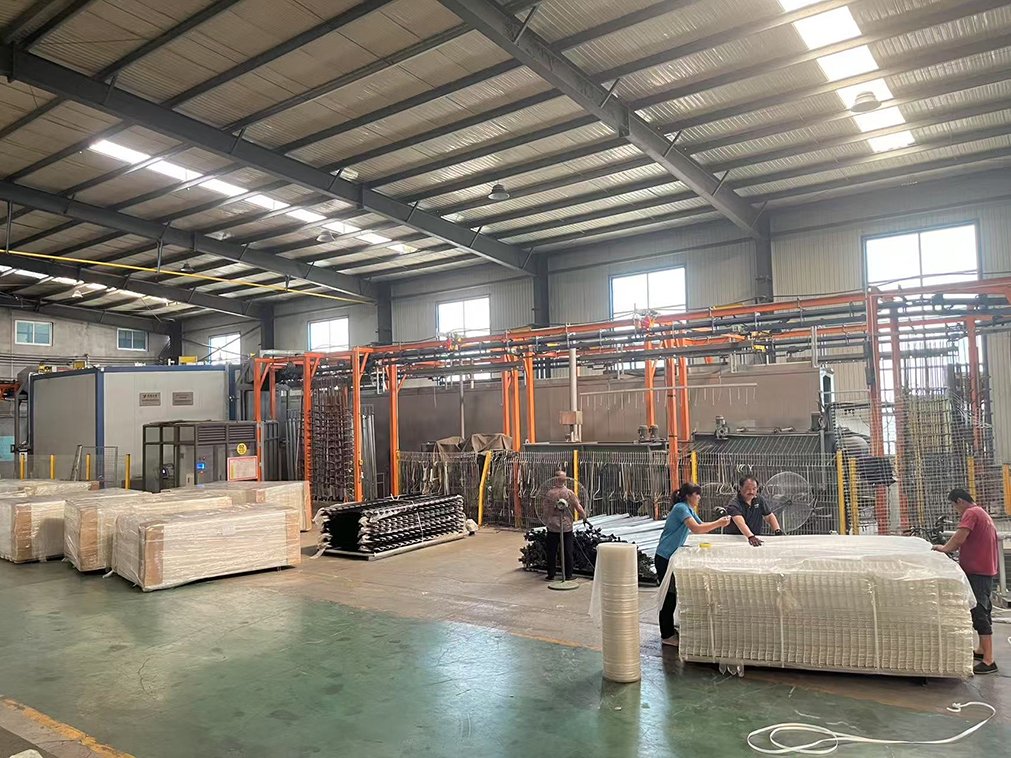
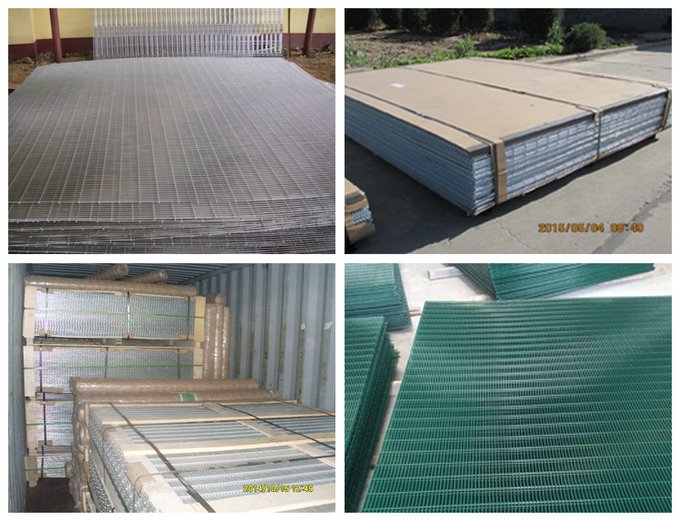
The source specifies metal pallets with cardboard protection and plastic film for panels. Steel posts receive protective wrapping and pallet support. Cartons hold accessories such as clips, bolts, and nuts.
Its accessory packing example uses five clip sets per plastic bag and twelve bags per carton. Final package quantities should match the signed packing list. Heavy panels require suitable restraints for container transport.
 |
| Original BMP source photograph: review product condition before wrapping and dispatch. |
Pre-Shipment Measurements and Container Records
Inspectors should verify panel counts, post sections, accessory totals, and finished dimensions. Photographs can record pallet protection before loading. Weighing documents should identify gross shipping quantities accurately.
An invoice must agree with the final product schedule. Customs paperwork should reflect the actual shipment. Keep inspection records for receiving teams and future replacements.
 |
 |
| BMP shipping reference: confirm pallet protection and bundle identification. |
Export image: verify the finished shipment against the packing list. |
358 Welded Wire Mesh Fence Compared with Other Barriers
Close welded mesh differs from steel picket systems and portable temporary fences. Their security functions, connection hardware, and foundation designs vary. Buyers should compare the complete installed systems.
Corromesh uses related high-security mesh geometry with separate technical configurations. Garrison Security Fencing instead features tubular steel pickets and rails. Neither design should replace another without approval.
Temporary Construction Fencing serves changing worksite boundaries with movable supports. Its portable feet cannot substitute for engineered permanent foundations. Construction plans may include both barrier types at different stages.
358 Welded Wire Mesh Fence and Total Project Cost
Panel-only quotations may exclude posts, security clamps, gates, packing, or transportation. Compare each offer against one complete bill of materials. Site installation and maintenance may also affect long-term expenditure.
Different Clear View Fence for Sale arrangements can use different widths and fitting systems. Request clear exclusions before accepting a quotation. An accurate schedule prevents avoidable disputes.
Frequently Asked Questions About 358 Mesh
Does a 358 Welded Wire Mesh Fence Have Zero CCTV Blind Spots?
No. The mesh supports visibility, but cameras still need suitable positions and adequate lighting. Corners, stored goods, and vegetation can obstruct views. Operators should test the full perimeter.
Can the 25 mm Option Replace the Standard Close Mesh?
Only a project-approved alternative should replace the specified aperture. Wider openings change the gripping geometry and possibly the intended security performance. Obtain written acceptance before substitution.
Are All Post Sizes Suitable for a 3600 mm Panel?
No. The source lists post options without structural matching calculations. Wind, soil, and mounting details determine safe capacity. Qualified engineers should approve tall fencing.
What Warranty Does BMP Provide?
BMP offers a 15-year manufacturer warranty for its ClearVu and Clearview products under applicable written terms. Coverage depends on the selected product, environment, and installation conditions. Keep maintenance and purchase records.
358 Welded Wire Mesh Fence from BMP: Request a Complete Specification
Boss Metal and Plastic Co., Ltd. manufactures welded mesh, compatible steel supports, clamps, and related gates. A consistent order needs one approved panel drawing and finish specification. Factory inspections should verify the actual production batch.
Regional ClearVu Fence Panels offer additional BMP reference configurations for export buyers. Confirm their dimensions before selecting substitutes. Send the boundary plan, quantities, gates, and delivery destination for a coordinated quotation.