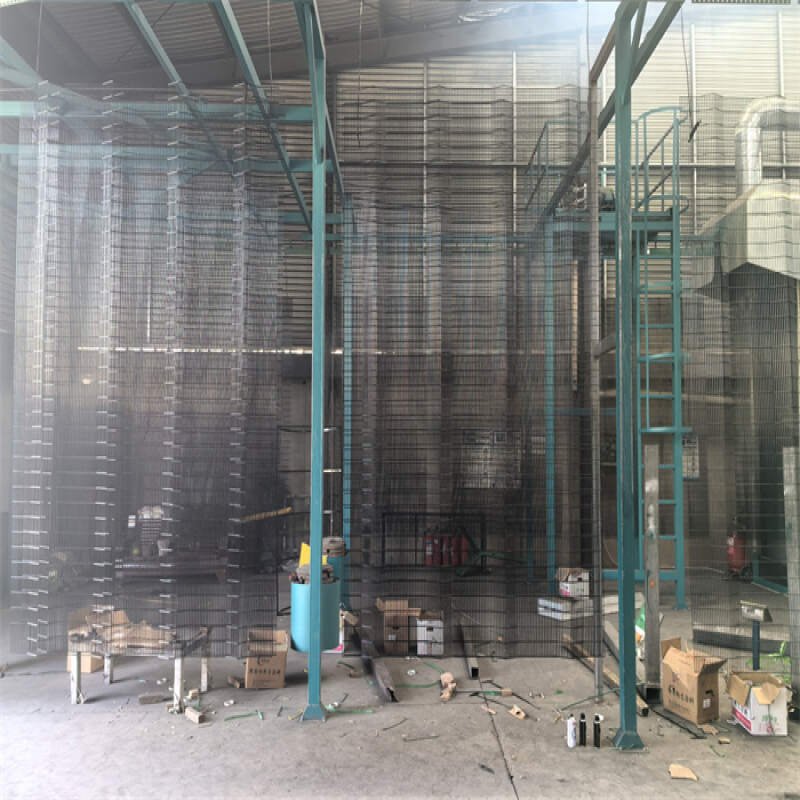
What Makes Clear Fence Different from Conventional Fencing?
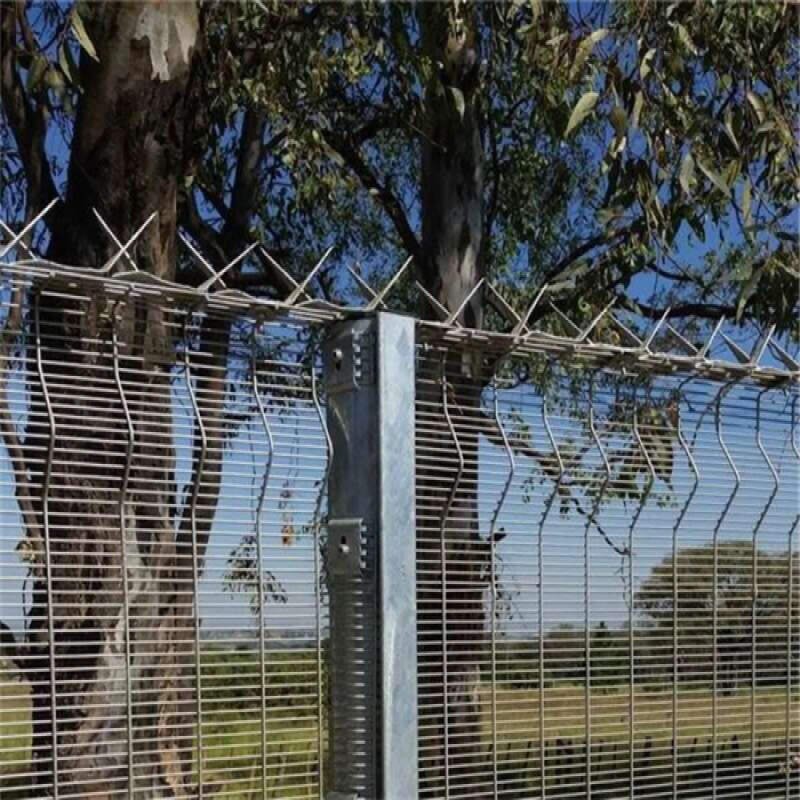
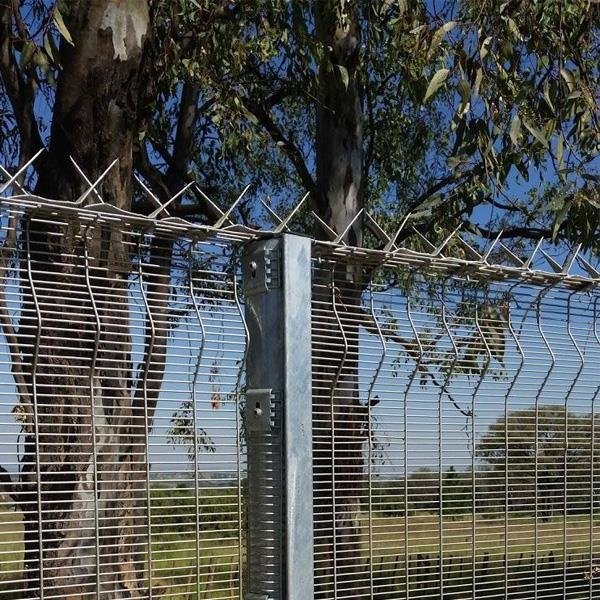
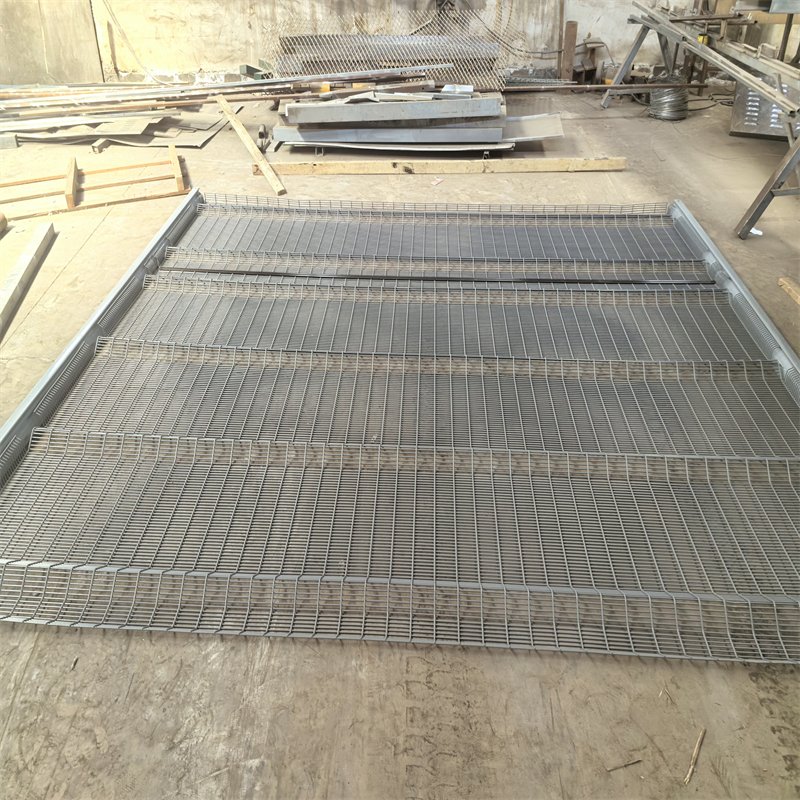
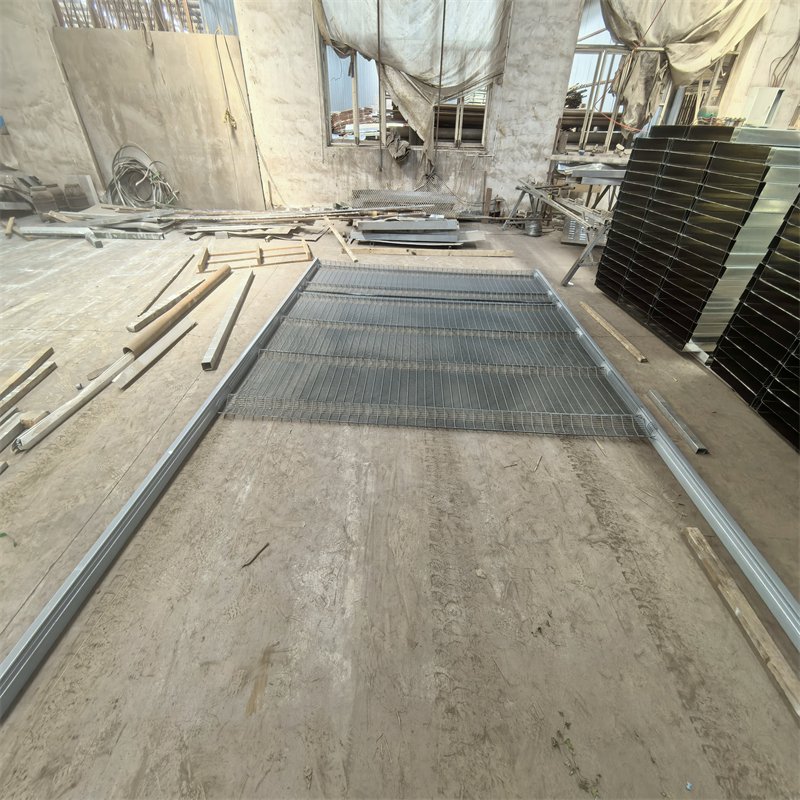
Conventional fences often prioritise basic boundary separation. A Clear Fence system addresses additional concerns through narrow openings and compatible security hardware. Its welded construction creates a rigid panel with consistent mesh geometry.
Visibility remains an important advantage. Security teams can observe activity beyond the perimeter without relying on a solid wall.
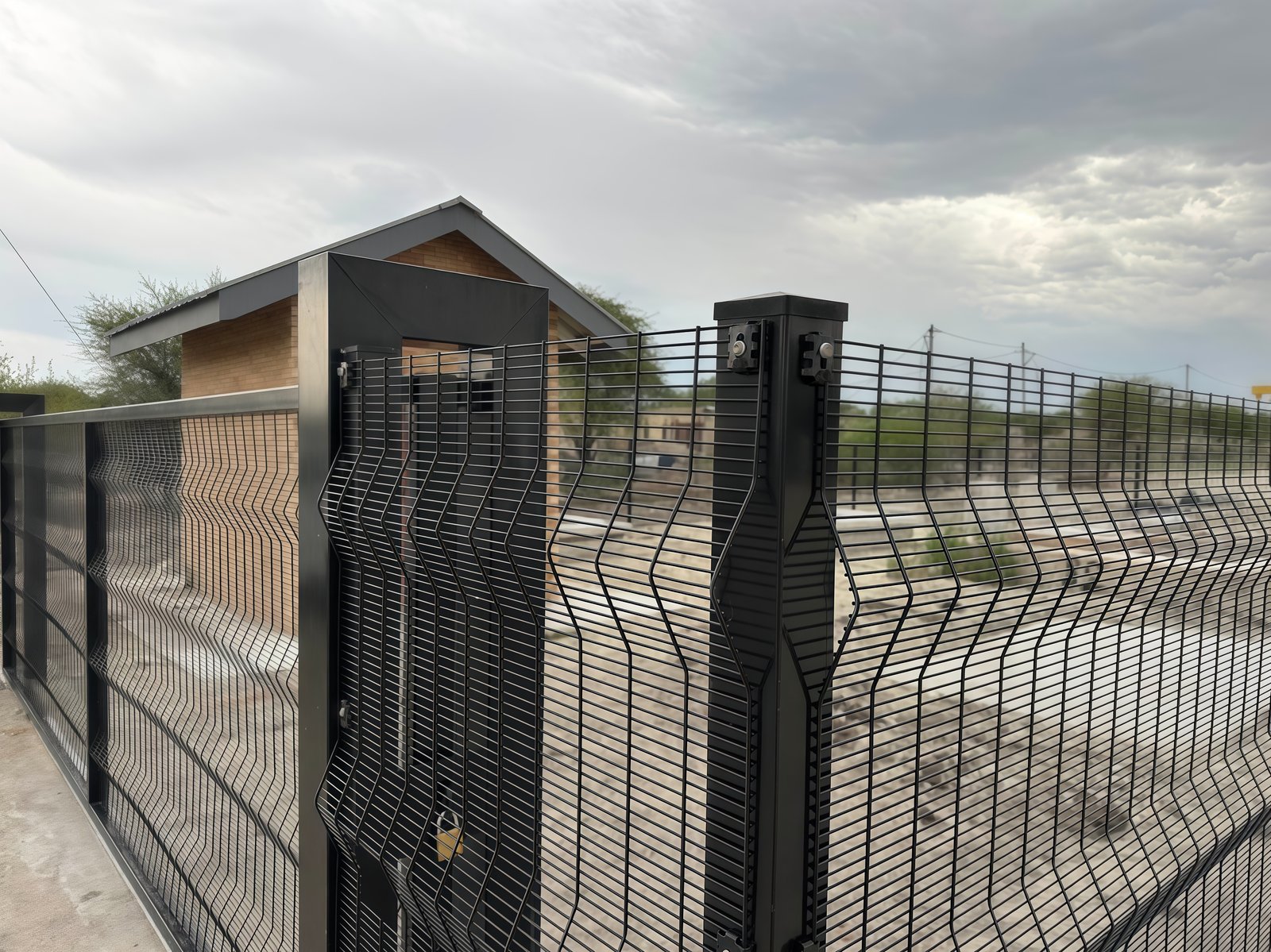
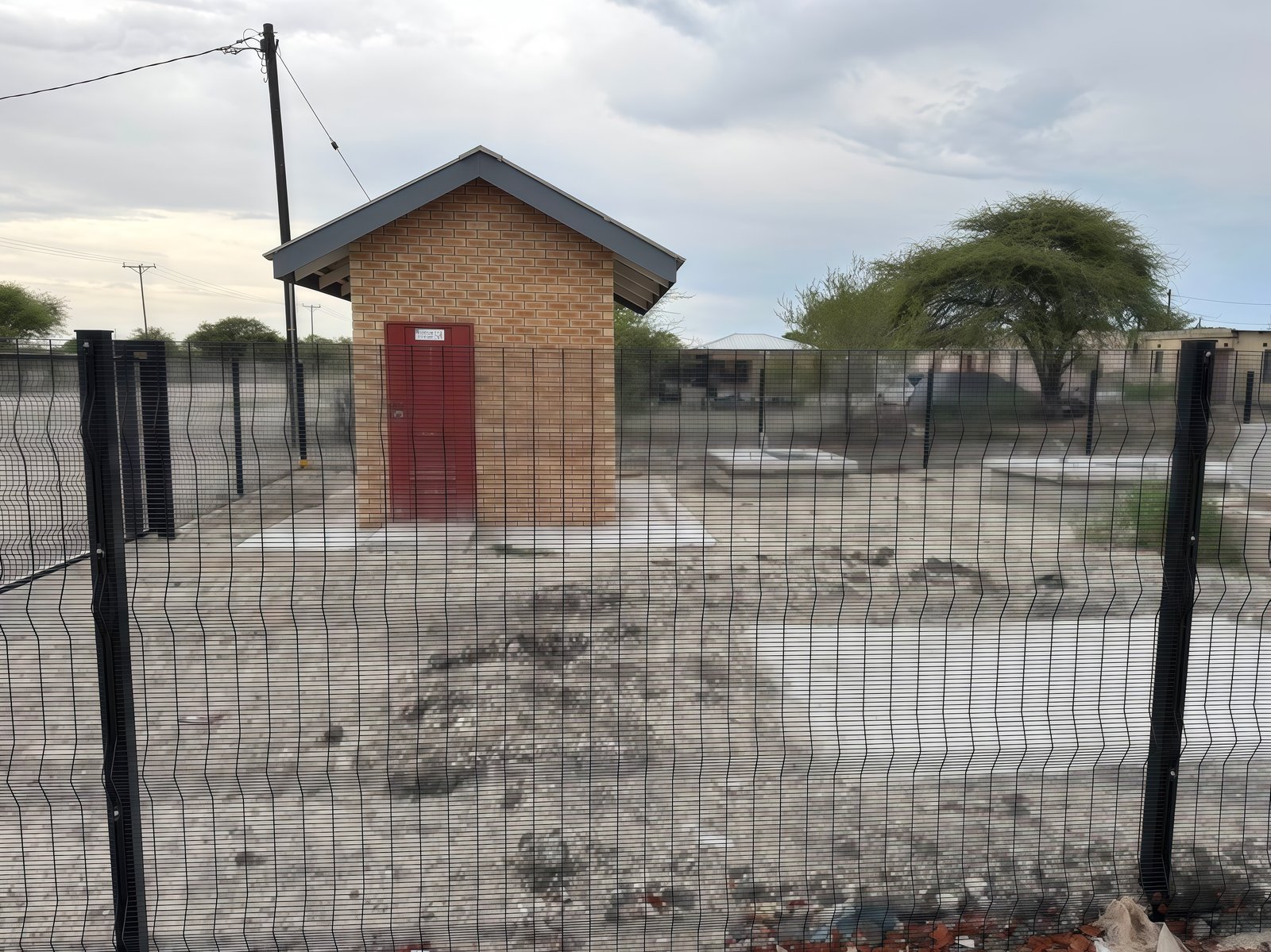
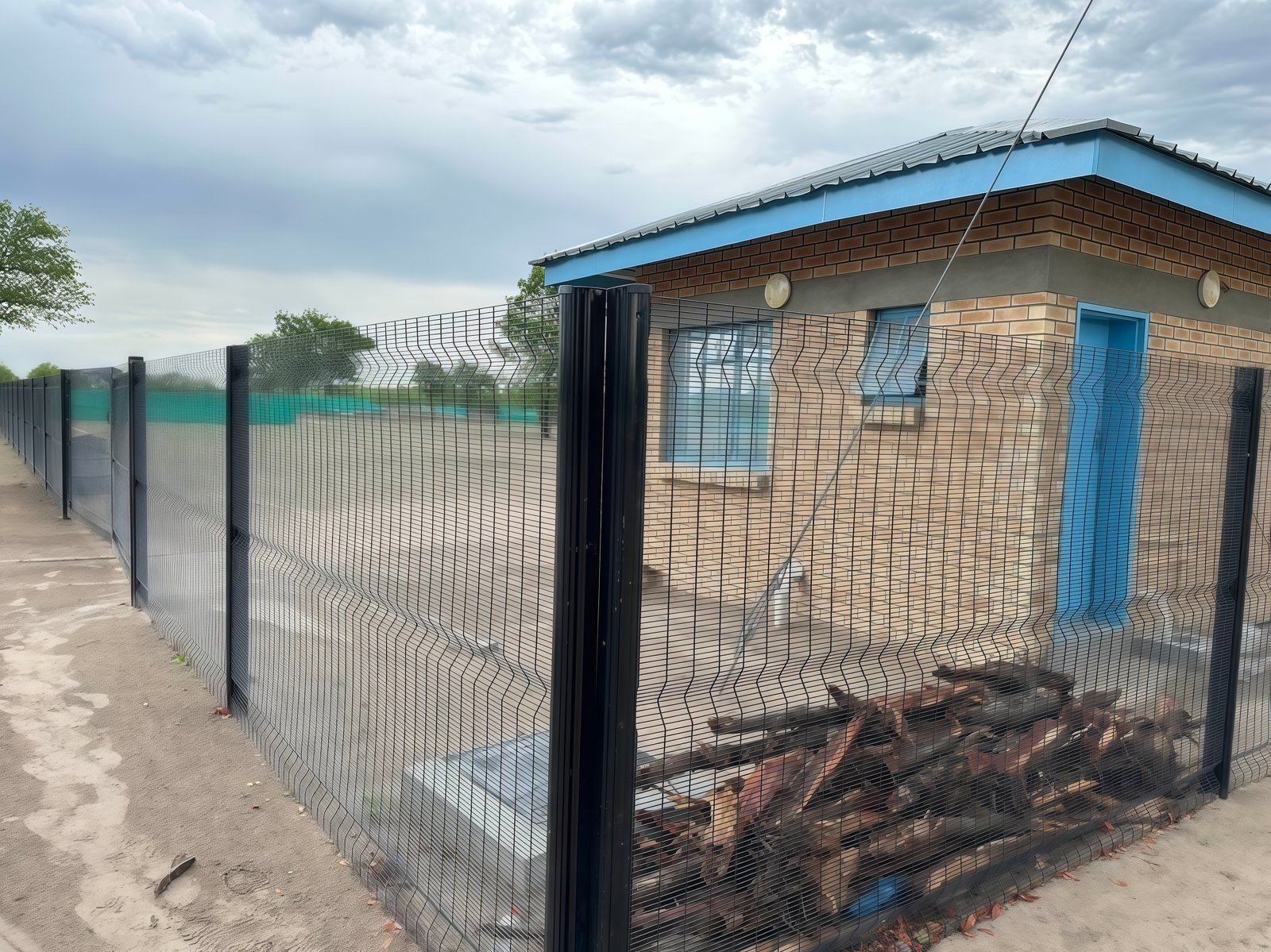
Clear Fence and the 358 Mesh Principle
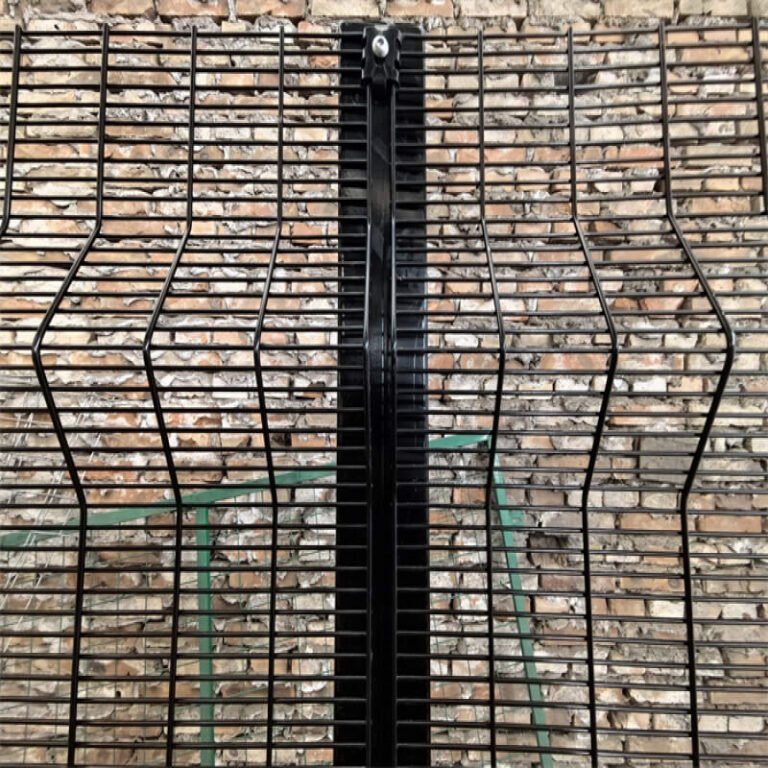
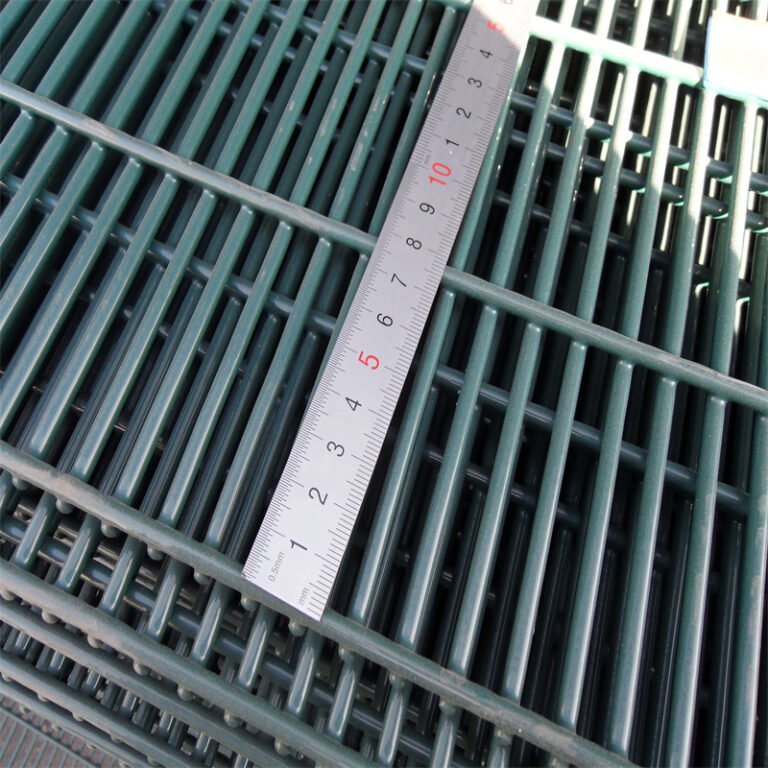
The name 358 comes from three inches, half an inch, and approximately eight-gauge steel wire. Standard metric dimensions commonly measure 76.2 × 12.7 mm between wire centres.
These measurements do not describe the actual clear openings. Wire diameter reduces the available space between adjacent steel wires.
For example, 4 mm wire leaves approximately 8.7 mm clear space across a 12.7 mm pitch. Narrow openings discourage casual climbing because fingers and toes have limited gripping space.
How Welded Intersections Improve Panel Rigidity
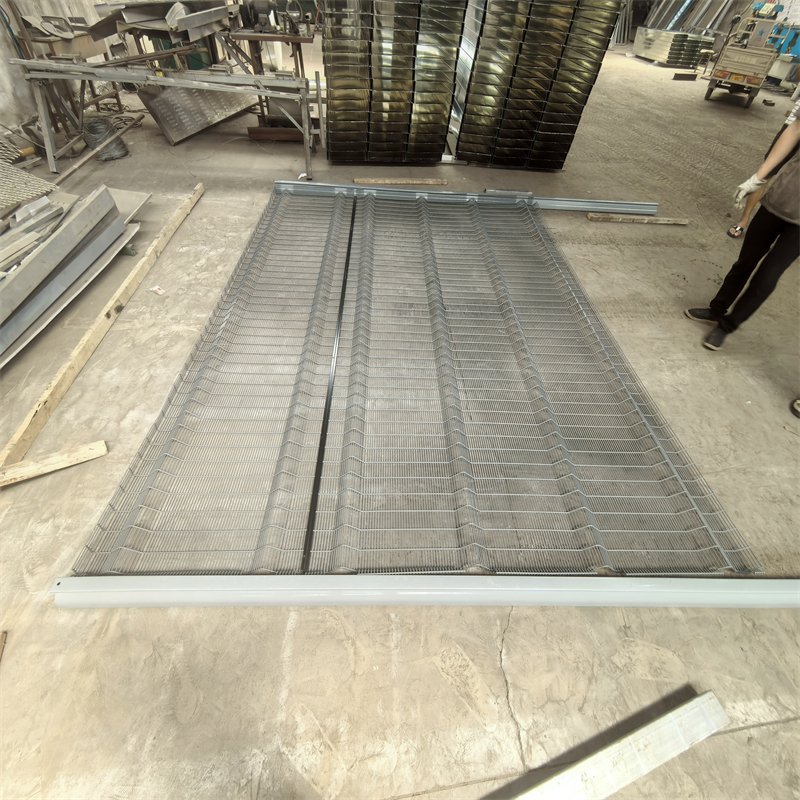
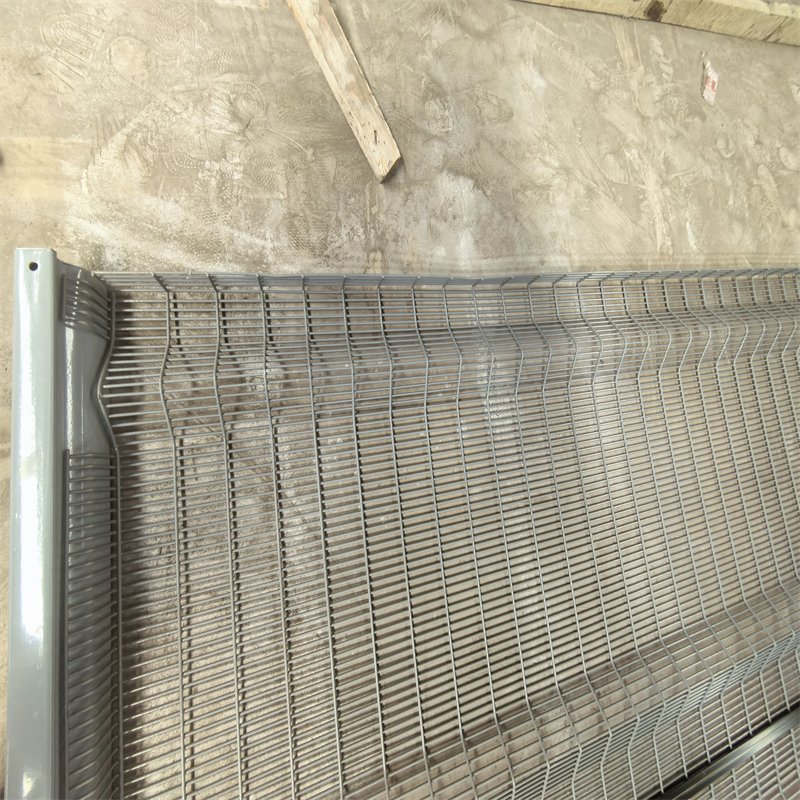
Resistance welding joins crossing wires at regular intervals. Consistent weld quality helps panels maintain their shape during handling and installation.
Steel grade, wire diameter, and panel geometry also influence performance. No welded fence can guarantee resistance against every cutting tool.
Clear Fence Versus Standard Welded Mesh
| Feature | 358 Security Mesh | Conventional Welded Mesh |
|---|---|---|
| Mesh Geometry | Narrow rectangular openings | Various square or rectangular openings |
| Typical Wire Diameter | 4.0 mm, with other options | Depends on product |
| Climbing Resistance | Limited convenient footholds | Depends on opening dimensions |
| Visibility | Open welded construction | Open welded construction |
| Common Applications | Higher-security perimeters | General and specialist boundaries |
| Installation Hardware | Security clamps and steel posts | Varies by fence system |
Project designers should select fencing according to actual security risks. The complete perimeter system matters more than one material characteristic.
Clear Fence Product Gallery: Original 358 Mesh Photographs
The following gallery retains all six original product photographs. Each image includes descriptive alternative text and a short caption.
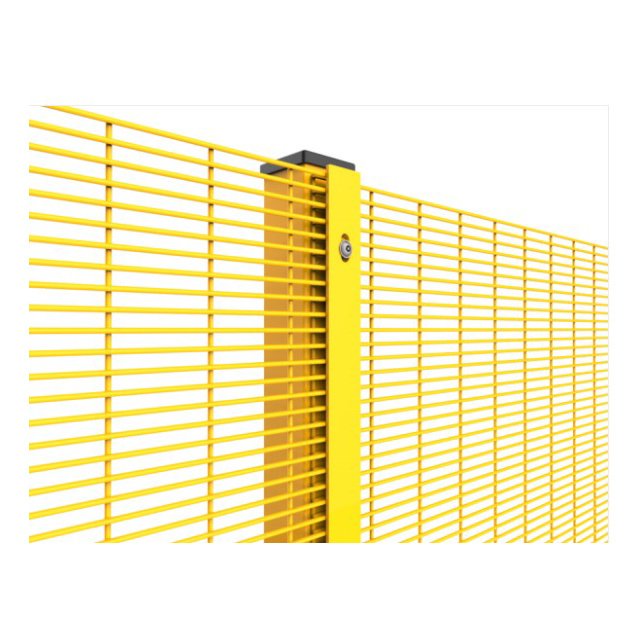 Original 358 security mesh product reference. |
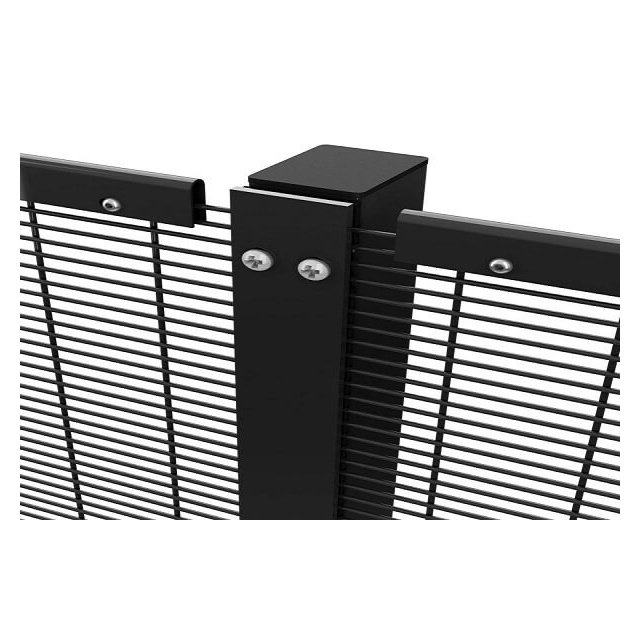 Additional welded security panel photograph. |
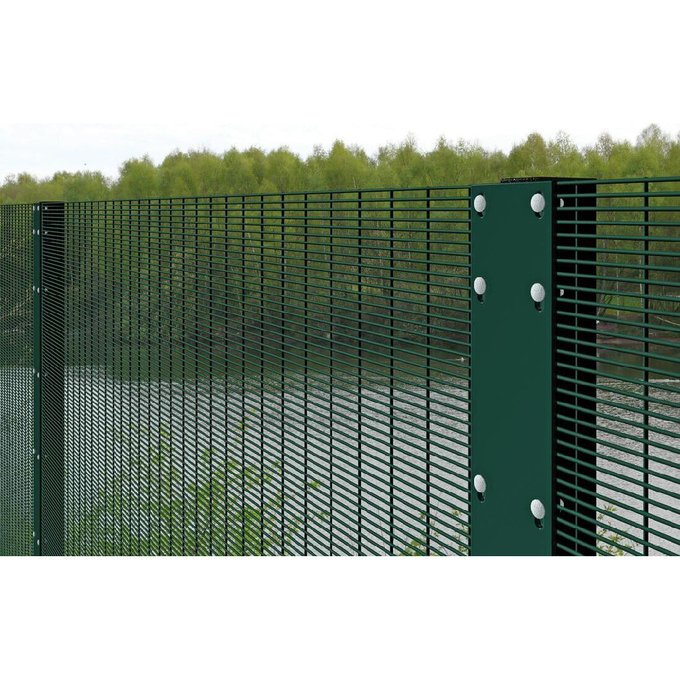 Original anti-climb mesh fencing reference. |
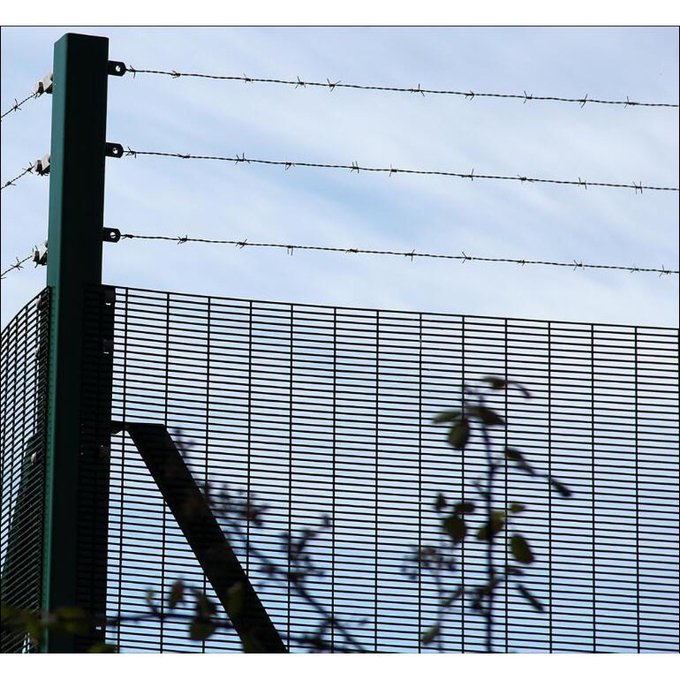 Welded steel fencing product photograph. |
 Original high-security fence panel image. |
 Final original 358 welded mesh photograph. |
Clear Fence Materials and Wire Diameter Options
BMP produces welded security mesh using low-carbon steel wire. Buyers can specify 4 mm or 5 mm wire for suitable product configurations.
Wire selection affects panel weight, rigidity, manufacturing cost, and handling. Engineers should evaluate the entire structure before approving heavier mesh.
Clear Fence with 4mm Steel Wire
Four-millimetre wire represents a common 358 security mesh configuration. It provides a useful balance between material weight and rigidity.
Its narrow pitch limits convenient climbing opportunities. Weld quality and fixing strength remain essential.
Related High Security 358 Mesh Fencing products use similar geometric principles.
5mm Wire for Heavier-Duty Applications
Five-millimetre wire increases the steel cross-section compared with 4 mm wire. Theoretical cross-sectional area increases by approximately 56.25%.
This difference does not guarantee an equivalent increase in complete fence strength. Welds, posts, clamps, and foundations influence system performance.
Heavier panels also increase transport and installation demands. Buyers should request confirmed unit weights.
Clear Fence Mesh Opening Alternatives
The standard reference uses 76.2 × 12.7 mm centres. Some projects specify 75 × 13 mm instead.
These alternatives are not geometrically identical. Buyers should approve exact wire-centre dimensions before manufacturing.
Other 358 No Climb Fence Panels provide additional system references.
Clear Fence Panel Dimensions and Configuration
Common security projects use panel heights around 2400 mm and 3000 mm. Higher options can serve specialist applications.
Reference widths include 2515 mm, while selected designs support alternative widths. Custom dimensions require separate manufacturing confirmation.
Clear Fence with 2.4m Panels
A 2.4m fence can support industrial and commercial perimeter protection. Suitable posts and foundations must match the installation conditions.
Corner locations need particular attention. Wind loads and connection details may differ from straight runs.
3.0m Security Panels
Three-metre panels provide additional height for selected restricted areas. Taller fencing creates greater demands on supporting structures.
Engineers should assess wind exposure, soil conditions, and fixing loads. Catalogue dimensions alone cannot establish structural compliance.
Clear Fence for Extended Heights
Specialist projects may require panels above 3.0m. BMP's reference range includes configurations reaching approximately 5.2m.
These assemblies need project-specific engineering. Taller posts, stronger foundations, and suitable handling equipment may become necessary.
Clear Fence Panel and Post Specifications
The following table preserves all nine original reference configurations. It separates intermediate and corner fixing quantities for clearer interpretation.
| Fence Height | Panel Height × Width (mm) | Post Section (mm) | Post Length (mm) | Intermediate Fixings | Corner Fixings |
|---|---|---|---|---|---|
| 2.0m | 2007 × 2515 | 60 × 60 × 2.5 | 2700 | 7 | 14 |
| 2.4m | 2400 × 2515 | 60 × 60 × 2.5 | 3100 | 9 | 18 |
| 3.0m | 2997 × 2515 | 80 × 80 × 2.5 | 3800 | 11 | 22 |
| 3.3m | 3302 × 2515 | 80 × 80 × 2.5 | 4200 | 12 | 24 |
| 3.6m | 3607 × 2515 | 100 × 60 × 3.0 | 4500 | 13 | 26 |
| 3.6m | 3607 × 2515 | 100 × 100 × 3.0 | 4500 | 13 | 26 |
| 4.2m | 4204 × 2515 | 100 × 100 × 4.0 | 5200 | 15 | 30 |
| 4.5m | 4496 × 2515 | 100 × 100 × 5.0 | 5500 | 16 | 32 |
| 5.2m | 5207 × 2515 | 120 × 120 × 5.0 | 6200 | 18 | 36 |
These figures describe catalogue reference assemblies. Final drawings must define post spacing, clamp arrangement, foundations, and connection loads.
Clear Fence Post Length Versus Visible Height
Overall post length exceeds the visible fence height in many installations. The additional length may accommodate ground embedment.
Actual embedment depends on approved foundation design. Base-plate installations require different calculations.
Intermediate and Corner Fixings
Intermediate posts connect panels along straight fence runs. Corner posts may require additional fixing positions.
The table shows reference fastener quantities, not universal rules. Approved connection drawings control installation.
Clear Fence Steel Posts and Clamp Systems
Steel posts transfer fence loads into the supporting foundations. Their dimensions influence stiffness, alignment, and installation methods.
Square hollow sections provide practical mounting surfaces. Rectangular profiles can support selected configurations.
Clear Fence Square Hollow Section Posts
Reference sections include 60 × 60 mm and 80 × 80 mm profiles. Taller assemblies may use larger sections.
Wall thickness also affects structural capacity. Buyers should verify steel grade and section tolerances.
Security Clamp Bars
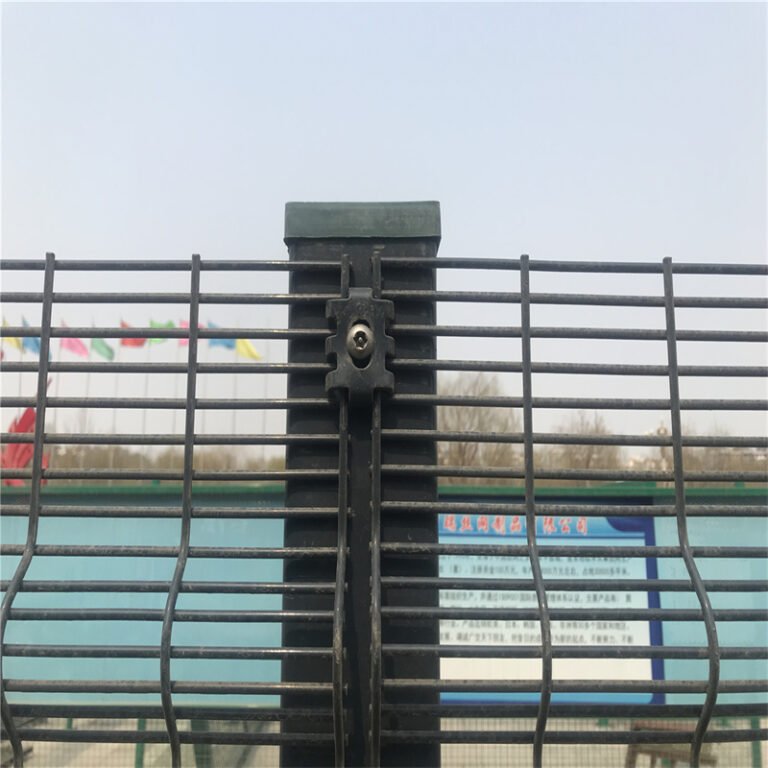
Continuous clamp bars can secure mesh edges against supporting posts. Other systems use individual brackets and bolts.
Different arrangements require different hole positions. Manufacturers should supply connection drawings before production.
Related Clearvu Fence Galvanised Epoxy Coating details cover protective finishes around fittings.
Clear Fence Anti-Tamper Fasteners
Security bolts discourage casual dismantling. Their effectiveness depends on the complete fixing arrangement.
Installers should use compatible tools and tightening procedures. Excessive tightening may damage protective coatings.
Clear Fence Corrosion Protection and Surface Finishes
Outdoor steel fencing needs suitable corrosion protection. Environmental exposure influences the appropriate finishing system.
Common options include hot-dip galvanising, galvanising with powder coating, and PVC coating. Each system offers different characteristics.
Clear Fence with Hot-Dip Galvanising
Hot-dip galvanising creates a protective zinc coating on steel. Proper processing supports long-term corrosion resistance.
Coating requirements should reference an appropriate standard. Buyers should distinguish galvanising after fabrication from pre-galvanised wire construction.
Galvanised and Powder-Coated Finish
Powder coating provides colour and an additional protective barrier. Suitable surface preparation supports coating adhesion.
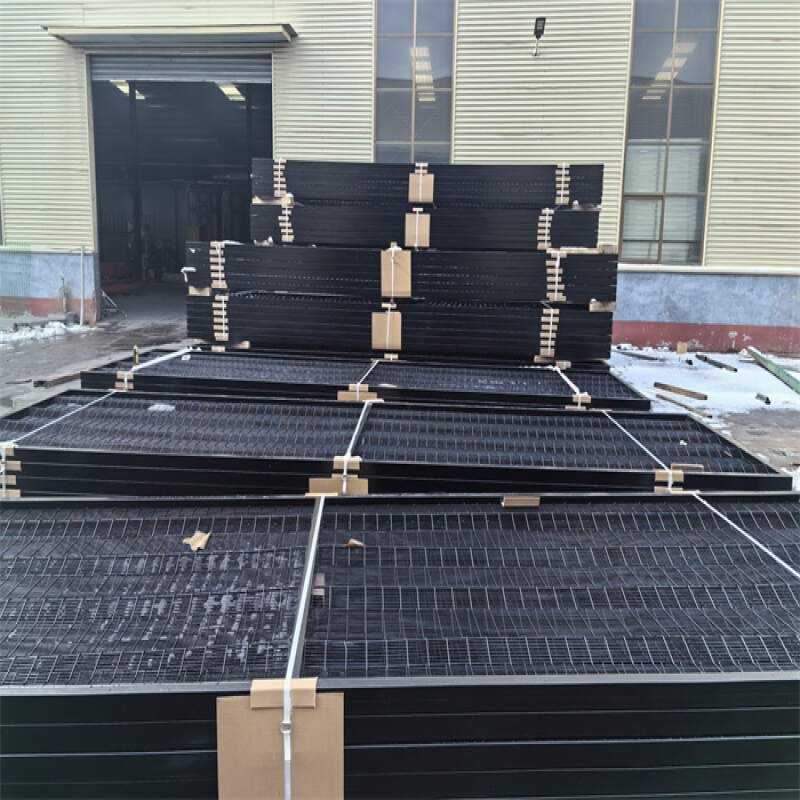
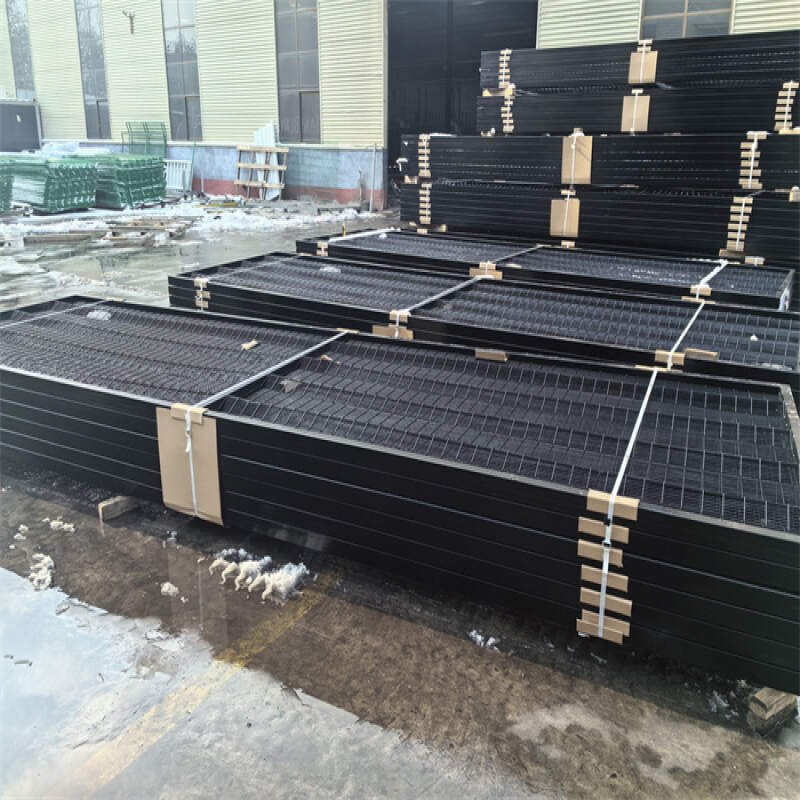
Common colours include RAL 6005 green and RAL 9005 black. Other colours may suit architectural projects.
Buyers can compare Clear Vu Fence finish options when preparing specifications.
Clear Fence with PVC Coating
PVC coating creates a polymer layer around the steel substrate. Its performance depends on material quality and application.
Damaged areas require attention. Buyers should confirm the underlying zinc protection and coating requirements.
Coastal and Industrial Exposure
Coastal sites face airborne salts and frequent moisture. Industrial environments may introduce chemical pollutants and abrasive dust.
These conditions can accelerate corrosion around damaged finishes. Project specifications should reflect the actual exposure category.
Clear Fence for Commercial and Industrial Security
Commercial properties need dependable boundaries around stock, equipment, and buildings. Transparent security mesh supports observation without completely blocking views.
Industrial sites also require controlled entrances. Gate design should accommodate vehicles and operational movements.
Clear Fence Around Warehouses
Warehouses often contain valuable goods and equipment. Narrow welded mesh can discourage casual intrusion around exposed storage areas.
Security staff need reliable observation routes. Cameras and lighting should cover vulnerable entrances.
Manufacturing Facilities
Factories may operate across multiple shifts. Perimeter security should support authorised access during different working hours.
Internal safety zones need separate assessment. External security fencing does not replace machinery guarding.
Clear Fence for Business Parks
Business parks often combine offices, parking areas, and service entrances. Transparent fencing can preserve an open appearance.
Vehicle gates require sufficient clearance. Pedestrian access should remain convenient for authorised users.
Clear Fence for Government and Critical Infrastructure
Some government properties require stronger perimeter protection. Security requirements depend on facility operations and assessed risks.
Welded mesh can form one layer within a broader security system. Detection, surveillance, and controlled access remain important.
Clear Fence Around Utility Facilities
Electrical and water infrastructure may require restricted access. Fence design should account for maintenance vehicles and emergency procedures.
Site owners must define electrical clearances and safety requirements. Qualified engineers should approve relevant details.
Correctional and Restricted Facilities
Correctional facilities may use specialist anti-climb fencing. However, security performance depends on certified system design and installation.
Mesh geometry alone does not establish correctional compliance. Buyers should specify the required testing and approval criteria.
Clear Fence for Airports and Transport Infrastructure
Transport facilities need controlled boundaries and reliable access management. Fence height and detection systems depend on operational requirements.
Airport installations must satisfy applicable authority specifications. Ordinary catalogue panels cannot automatically meet every aviation security requirement.
Clear Fence for Residential and Educational Properties
Residential projects often balance security with appearance. Transparent welded mesh preserves useful views across gardens and shared areas.
Schools need suitable perimeter controls and safe entrances. Security measures should support normal movement and emergency access.
Clear Fence for Residential Estates
Residential estates may prefer black or green powder-coated finishes. Matching gates can maintain a consistent appearance.
Landscaping should not conceal security-critical areas. Maintenance teams need access to posts and fittings.
School and Campus Boundaries
Educational facilities require clear pedestrian routes. Appropriate gates can separate authorised entrances from restricted areas.
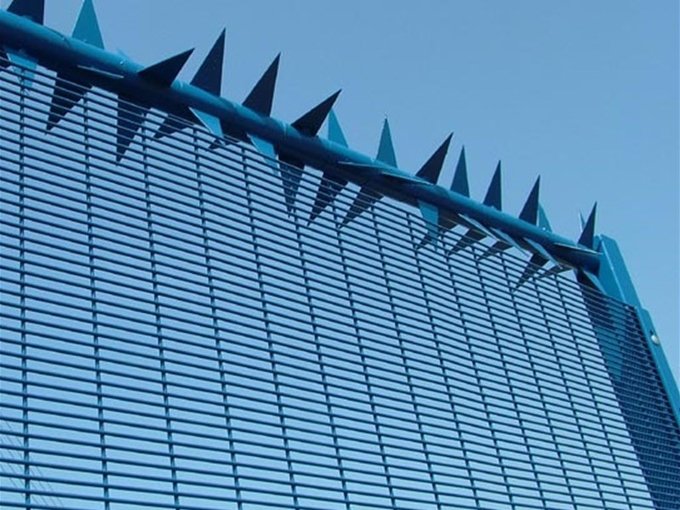
Sharp security toppings may create additional safety risks. Designers should assess vulnerable users before selecting accessories.
Clear Fence Around Hospitals
Hospitals require accessible entrances for patients, visitors, and emergency vehicles. Security fencing should support those operational needs.
Emergency access must remain reliable. Facility managers should coordinate gate controls with emergency procedures.
Clear Fence Gates and Access Control
Gates form critical parts of the perimeter. Their frames, hinges, locks, and support posts require independent consideration.
Pedestrian and vehicle gates serve different traffic requirements. Buyers should specify each entrance separately.
Clear Fence Pedestrian Gates
Pedestrian gates can match the surrounding welded mesh. Suitable locks help manage authorised access.
Hinges must accommodate expected usage. Frame alignment supports reliable closing.
Vehicle Swing Gates
Double swing gates provide wide openings where space permits. Gate leaves require suitable hinges and support posts.
Wind loading may affect larger leaves. Designers should check gate operation and structural stability.
Clear Fence Sliding Gates
Sliding gates can serve sites with limited swing space. Their design requires suitable tracks or cantilever hardware.
Motorised versions need appropriate safety devices. Qualified technicians should handle electrical installation.
Matching Clear View Fence Gates can support complete perimeter planning.
Clear Fence Installation: From Survey to Handover
Installation quality influences fence performance. Contractors should follow approved drawings and inspect every connection.
Clear Fence Boundary Survey
Measure the perimeter and identify corners. Record slopes, gates, drainage channels, and underground services.
Confirm property boundaries before excavation. Accurate measurements reduce material waste.
Foundation Construction
Foundation dimensions depend on soil conditions and structural loads. Taller fences may need stronger support.
Engineers should approve demanding installations. Universal footing dimensions cannot suit every site.
Clear Fence Post Alignment
Position posts according to the approved spacing. Check vertical alignment before securing them.
Allow concrete to develop the required strength. Avoid premature loading.
Panel and Clamp Installation
Handle mesh panels carefully to protect their coatings. Install compatible clamps and security fasteners.
Check panel alignment and ground clearance. Repair any coating damage promptly.
Clear Fence Final Inspection
Inspect posts, panels, clamps, and foundations. Test every gate and locking mechanism.
Complete the handover records. Provide maintenance guidance to the property owner.
Clear Fence Versus Temporary Site Barriers
Permanent security fencing uses fixed structural supports. Temporary barriers serve construction projects, maintenance areas, and short-term operations.
Construction teams may use Temporary Fencing before installing permanent boundaries. Portable panels support changing work zones.
Projects needing privacy may select Temporary Hoarding around exposed construction areas. Solid panels provide visual screening.
Public events often require Crowd Control Barriers for pedestrian guidance. These portable barriers do not replace permanent security fencing.
Clear Fence Manufacturing and Quality Inspection
BMP manufactures welded mesh panels, steel posts, clamps, and matching gates in China. Buyers can specify different product configurations.
Manufacturing control begins with material selection. Wire dimensions and welding consistency influence finished panel quality.
Clear Fence Wire and Mesh Inspection
Inspectors should measure wire diameters and mesh centres. Both dimensions must match the approved drawings.
Panel height and width require separate checks. Tolerances should follow the purchase specification.
Weld Quality Verification
Welded intersections should show consistent joining quality. Inspection methods depend on the project requirements.
Buyers may request relevant test documentation. Visual appearance alone cannot establish mechanical performance.
Clear Fence Coating Inspection
Coating checks help identify scratches, incomplete coverage, and surface defects. Buyers should specify applicable inspection standards.
Galvanising and powder coating require different verification methods. The purchase order should define acceptance criteria.
Pre-Shipment Documentation
Manufacturers can prepare packing lists, invoices, and product inspection records. Buyers may also request loading photographs.
Complete documentation supports shipment checks. Destination requirements should guide the final document package.
Clear Fence Export Packaging and Container Loading
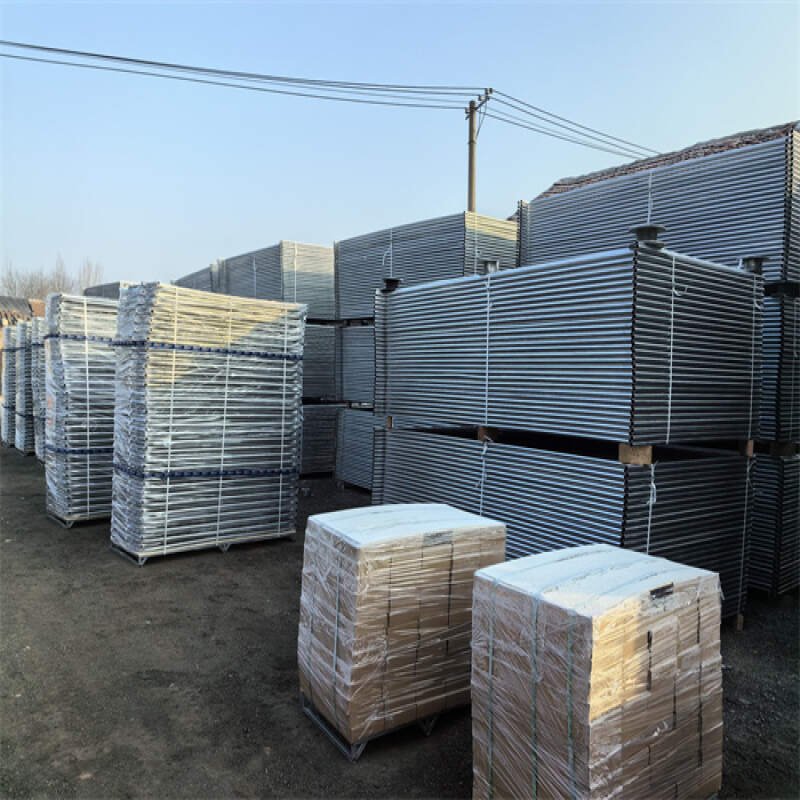
Export packaging protects products during handling and transport. Heavy steel mesh requires suitable support and restraint.
Clear Fence Steel Pallet Packaging
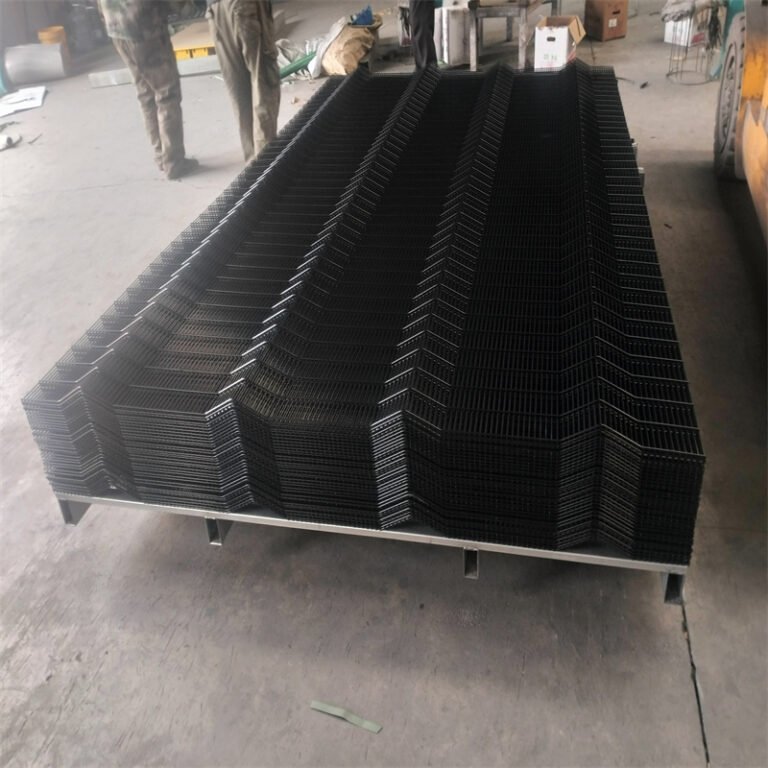
Steel pallets help support stacked panels. Protective film can reduce contact damage.
Corner protection may prevent abrasion. Load stability remains essential.
Post and Accessory Packaging
Posts can travel in protective bundles. Clamps and bolts require suitable cartons.
Clear labels help identify components. Packing lists should match the actual quantities.
Clear Fence Shipping Planning
Container loading depends on panel dimensions and total weight. Larger panels may require different stacking arrangements.
Buyers should confirm transport limits and destination handling equipment. Accurate gross weights support freight planning.
Importers can compare Clearview Fencing from China for related procurement considerations.
Clear Fence Procurement: What Buyers Should Specify
Incomplete quotations can create unexpected costs. Buyers should request a complete component breakdown.
| Component | Required Information | Why It Matters |
|---|---|---|
| Mesh Panels | Height, width, pitch, wire diameter | Controls product geometry |
| Steel Posts | Profile, wall thickness, length | Supports structural design |
| Clamps | Type, dimensions, quantity | Ensures connection compatibility |
| Fasteners | Size, finish, security head | Supports secure installation |
| Gates | Type, opening width, hardware | Controls access |
| Surface Treatment | Galvanising, coating, colour | Addresses environmental exposure |
| Packaging | Pallet type, protection, labels | Reduces transport damage |
| Delivery | Destination, Incoterms, schedule | Defines shipping responsibilities |
Clear Fence Panel Quantity Planning
Panel quantity depends on the measured perimeter and actual post spacing. Nominal panel width alone cannot determine the final count.
Gates and corners change the layout. Installers should prepare a complete installation drawing.
Comparing Complete Fence Systems
Low panel prices can conceal missing components. Buyers should compare posts, clamps, gates, packaging, and delivery terms.
Suitable Clearview Fencing Durban configurations provide another complete-system reference.
Clear Fence Maintenance and Long-Term Performance
Regular maintenance supports coating durability and structural reliability. Owners should inspect exposed areas after severe weather.
Clear Fence Routine Inspection
Check panels for deformation and coating damage. Inspect clamps for looseness.
Gate hardware needs periodic servicing. Damaged fittings should receive prompt attention.
Corrosion Repair
Scratches can expose steel beneath protective coatings. Suitable repair materials help reduce corrosion risk.
Coating repairs should follow the manufacturer's guidance. Different finishes may require different procedures.
Clear Fence Manufacturer Warranty
BMP offers a 15-year manufacturer warranty for its ClearVu and Clearview fencing products, subject to written terms.
Buyers should review the applicable conditions. Proper installation and maintenance remain important.
Clear Fence Frequently Asked Questions
Is Clear Fence Completely Climb-Proof?
No fence can guarantee absolute protection. Narrow 358 mesh makes casual climbing more difficult.
Clear Fence: Should I Choose 4mm or 5mm Wire?
Both options suit different requirements. Five-millimetre wire increases material weight and cross-sectional area.
Engineers should assess the complete system. Wire diameter alone cannot establish overall security performance.
Does 358 Mesh Provide Privacy?
Its open construction preserves visibility. Solid screening may suit projects requiring greater privacy.
Clear Fence: Which Coating Works Outdoors?
Galvanising and compatible polymer coatings provide corrosion protection. The correct specification depends on environmental exposure.
Can Clear Fence Include Matching Gates?
Yes, matching pedestrian, swing, and sliding gates are available. Buyers should specify opening dimensions and hardware.
Clear Fence: Are Custom Panel Sizes Available?
Manufacturers can consider custom dimensions. Production feasibility depends on equipment, drawings, and order requirements.
Can Buyers Request Product Inspection Reports?
Yes, buyers may request suitable inspection documentation. Required tests should appear in the purchase agreement.
Clear Fence: Final Recommendations
Clear Fence provides a configurable welded security mesh system for industrial, commercial, residential, and institutional projects. Its narrow 358 openings discourage climbing while maintaining useful sightlines.
Reliable performance depends on more than wire diameter. Posts, clamps, gates, foundations, coatings, and installation quality all matter.
Buyers can compare 358 Fence Manufacturers, 358 Anti-Climb Fence, and High Security Clear View Fence for related configurations.
Other options include Clear Vu Fence and All View Fencing systems.
Regional buyers can also review Clearvu Fence for another African market.
Boss Metal and Plastic Co., Ltd. supplies welded security panels, posts, clamps, gates, and accessories for international projects.
Contact clearvu@construction-fence.com with your drawings, quantities, and destination details for an itemised quotation.