Description
clear view fencing factory: How BMP Builds a Complete Security Fence
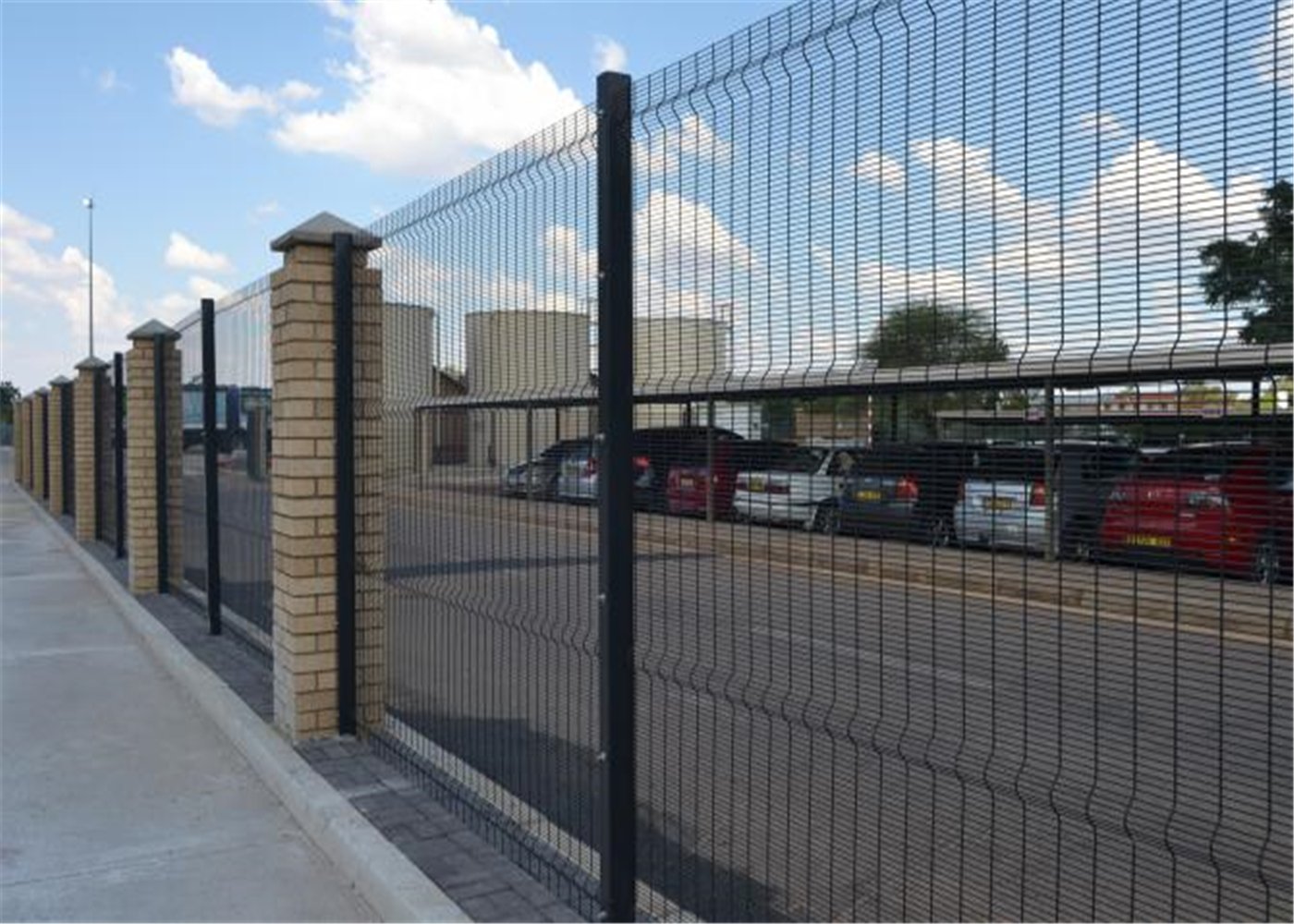
A clear view fencing factory must deliver more than attractive welded steel panels. BMP coordinates mesh production, supporting posts, coating choices, security fittings, and export packing for international buyers. Each stage affects whether the delivered components fit together at the installation site.
Security mesh attracts attention because narrow openings discourage convenient climbing holds while retaining useful sightlines. However, the factory also needs reliable dimensions, compatible connections, and documented inspection. A strong-looking photograph cannot prove the finished fence meets every contract requirement.
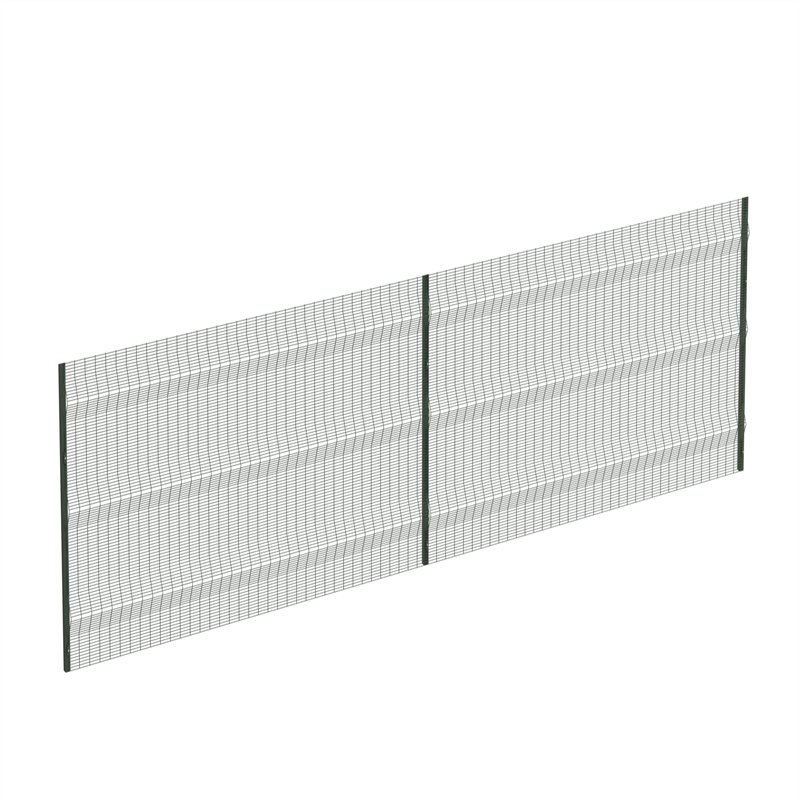
Buyers comparing Clear View Fence Panels should begin with a single approved technical schedule. That document identifies wire orientation, panel sizes, support posts, finish, and fastening quantities. Production teams can then coordinate fabrication without mixing incompatible catalogue designs.
What Makes a clear view fencing factory Different from a Catalogue Supplier?
A product listing shows available sizes, but a production order needs traceable manufacturing decisions. Incoming materials, weld settings, surface preparation, and final inspection all influence the delivered assembly. Good procurement separates source illustrations from verified batch records.
BMP works with clients on panels, clamps, posts, and gates rather than isolated mesh sheets. Factory-direct sourcing can simplify technical coordination across these components. The buyer should still confirm capacity, dates, and certification claims in writing.
358 Mesh Geometry Comes Before Steel Fabrication
Historically, the 358 designation references three inches, half an inch, and approximately eight-gauge wire. Metric descriptions commonly show 76.2 × 12.7 mm centres with approximately 4 mm wire. Those dimensions identify nominal pitch, not the remaining empty opening.
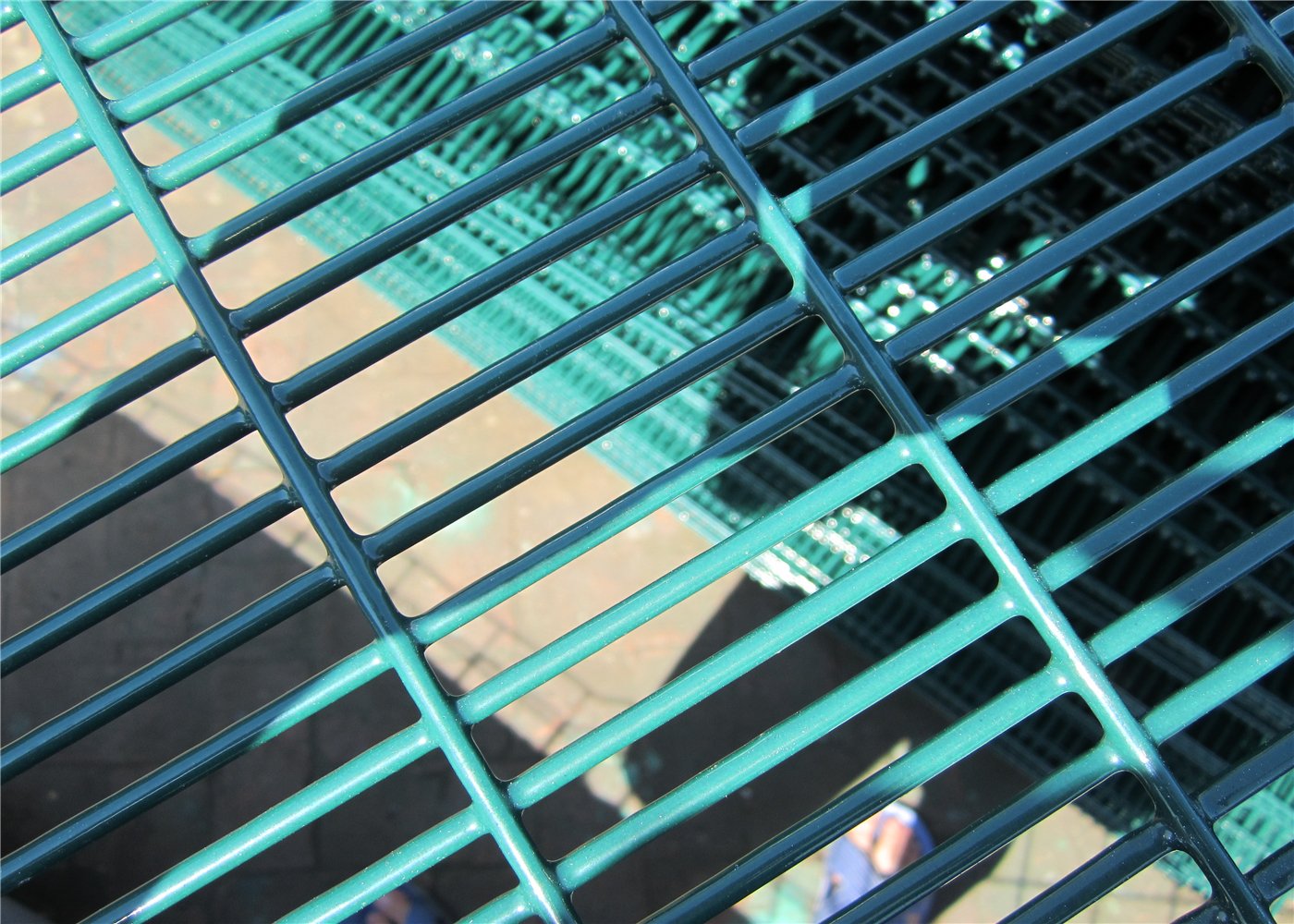
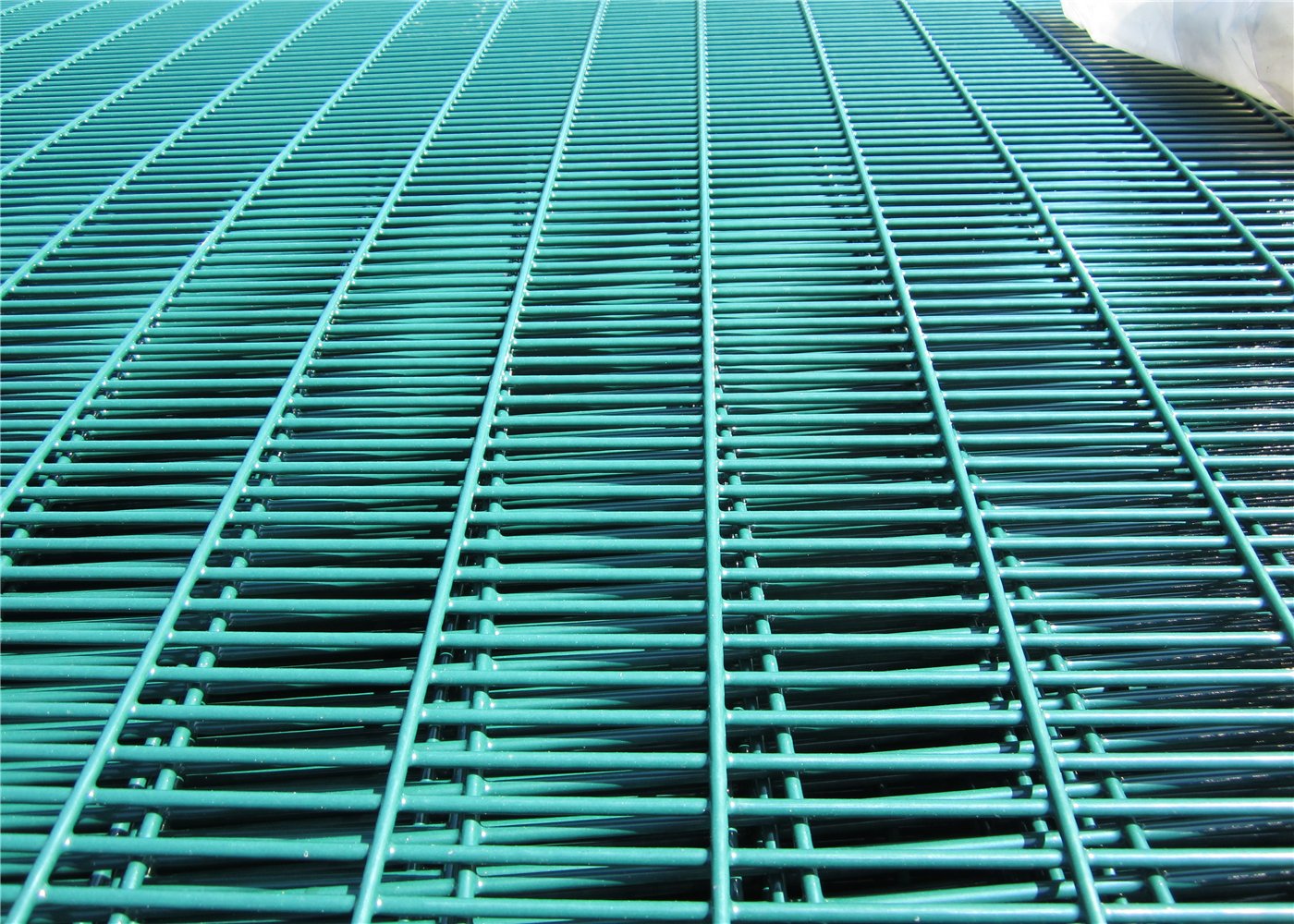
Traditional 358 Mesh Fence products use closely spaced horizontal lines to restrict ordinary fingerholds. Some variants also combine different wire diameters or formed bends. The project drawing must identify the exact steel orientation.
clear view fencing factory Measurements: Centre Pitch Versus Clear Gap
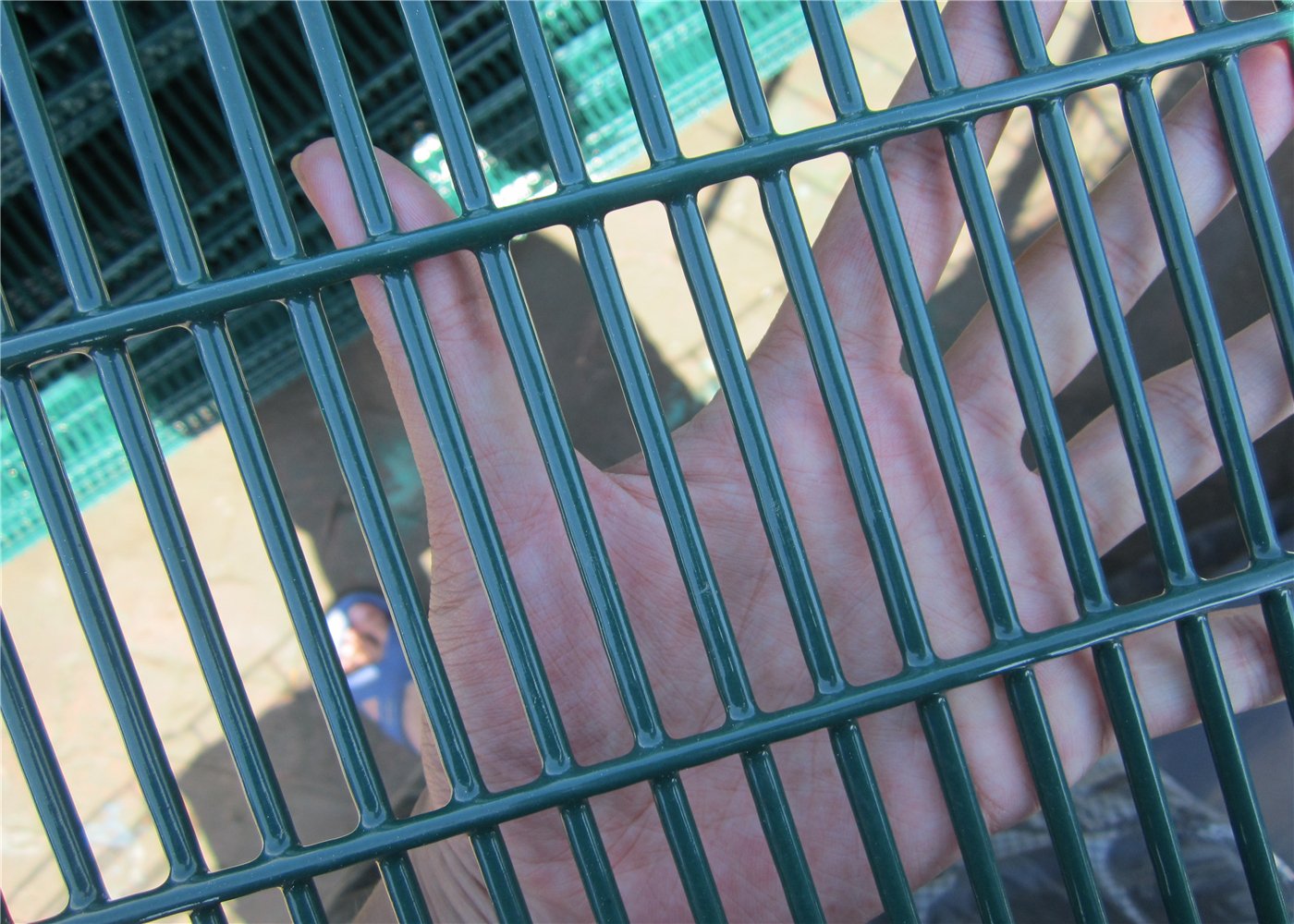
Centre pitch measures the distance between neighbouring wire centres. Finished clear gaps become smaller after subtracting the intersecting wire diameter. Powder or thermoplastic coatings can narrow that opening further.
For example, a 12.7 mm pitch crossing 4 mm steel leaves approximately 8.7 mm before coating. The longer pitch requires a separate calculation. Inspectors should record both directions rather than one general aperture number.
Why Flat Mesh and V-Bend Mesh Need Different Drawings
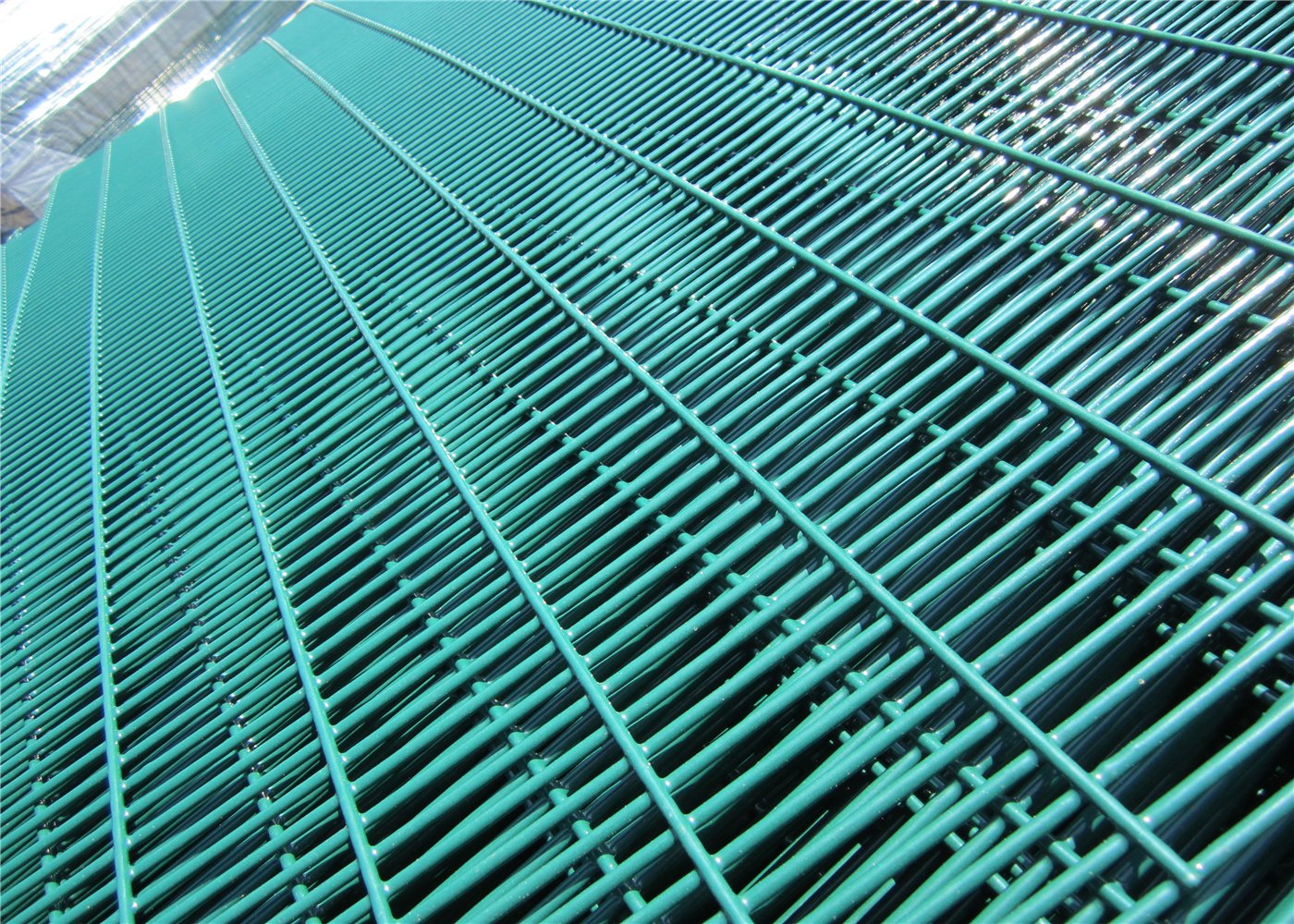
Flat panels present a regular face that can suit continuous fixing bars. Formed V-bends add geometric stiffness but change attachment positions and pallet stacking depth. Their number and location require independent approval.
Some High Security ClearVu Fencing models differ from traditional flat 358 designs. An assembly drawing should identify whether bends form part of the order. Avoid transferring clamp positions between unrelated models.
clear view fencing factory: Original Seven-Model Panel Specifications
The supplied BMP source includes seven close-mesh panel models with different heights and wire combinations. Every row states 76.2 × 12.7 mm pitch alongside its post length and bracket count. All original figures remain below as catalogue references.
| Mesh Centres (mm) |
Panel Height (mm) |
Panel Width (mm) |
Line × Cross Wire (mm) |
Post Length (mm) |
Brackets per Source |
| 76.2 × 12.7 |
2100 |
2500 / 2750 / 3000 |
3.0 × 4.0 |
2700 |
7 |
| 76.2 × 12.7 |
2200 |
2500 / 2750 / 3000 |
4.0 × 4.0 |
2800 |
8 |
| 76.2 × 12.7 |
2400 |
2500 / 2750 / 3000 |
4.0 × 6.0 |
3000 |
9 |
| 76.2 × 12.7 |
2700 |
2200 / 2300 |
3.0 × 4.0 |
3700 |
10 |
| 76.2 × 12.7 |
3000 |
2200 / 2300 |
4.0 × 4.0 |
4000 |
11 |
| 76.2 × 12.7 |
3600 |
2200 / 2300 |
4.0 × 6.0 |
4800 |
12 |
| 76.2 × 12.7 |
4000 |
2200 / 2300 |
4.0 × 6.0 |
5200 |
14 |
The original bracket column does not define whether quantities apply per panel edge, post, or installed bay. Consequently, buyers should not multiply those figures without an approved connection drawing. Taller models also require independent wind and foundation calculations.
clear view fencing factory Planning for Extra-Tall Models
Panels above ordinary commercial heights create additional welding, handling, and transportation challenges. Their corresponding posts also grow longer and potentially heavier. Engineers should confirm lifting methods and structural capacity before production.
Factory capability does not guarantee that every listed height suits every building site. Soil, wind exposure, and gate interfaces can alter the final design. Special dimensions should remain subject to written confirmation.
Brackets, Ends and Corners Require Their Own Counts
Intermediate posts, end posts, and corners may use different fittings. A drawing should distinguish single connections from double arrangements. This detail prevents shortages during onsite assembly.
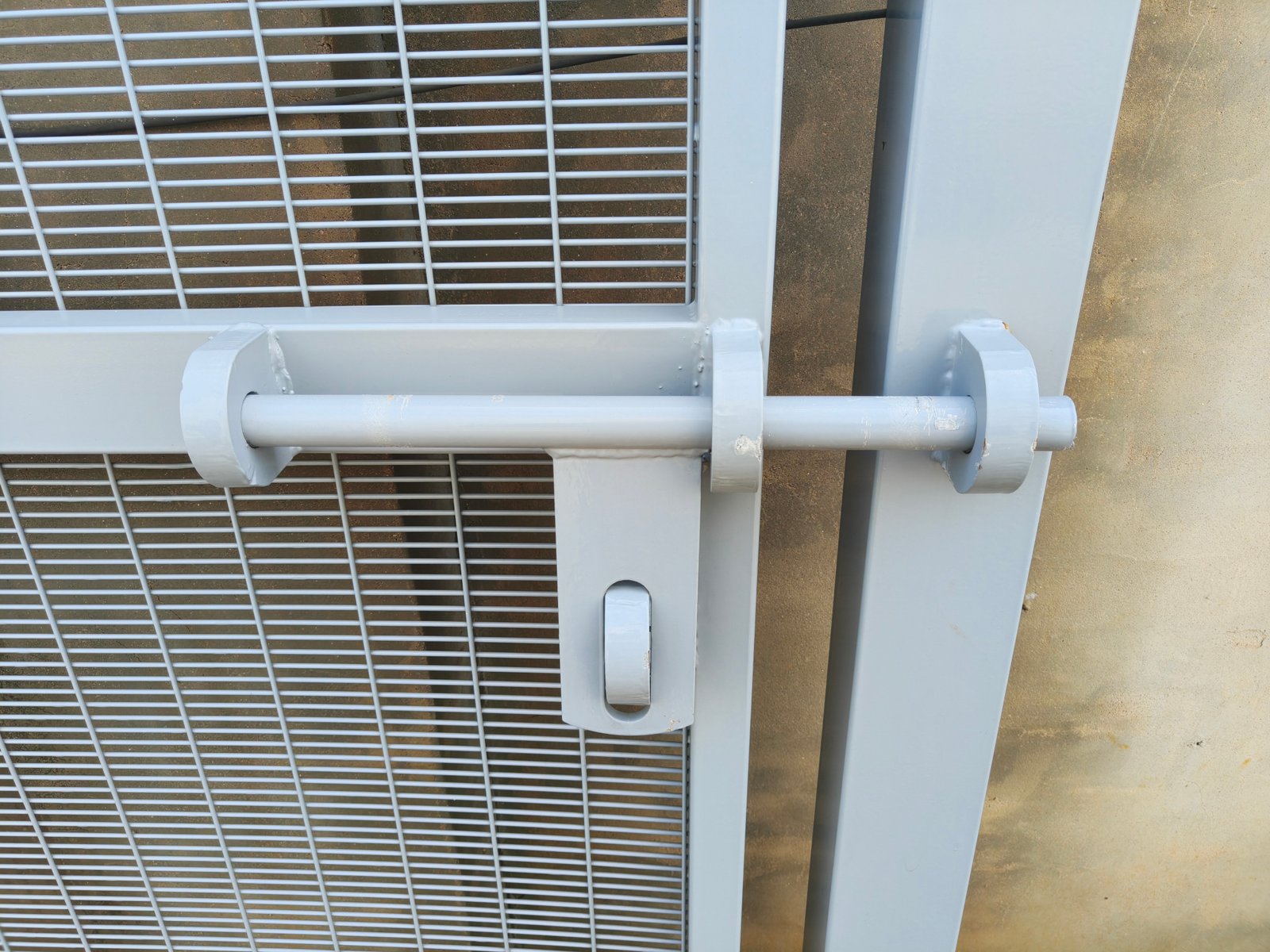
Compatible ClearVu Fence Clamps illustrate how plate dimensions and bolt patterns vary. Count every approved connection instead of relying on generic carton quantities. Security-head screws also need matching installation tools.
clear view fencing factory: Four Original Steel Post Families
Mesh stability depends on the supporting posts and their connection to the ground. The source identifies square, I-shaped, rectangular, and C-profile systems. These families cannot share one universal attachment drawing.
| Source Post Type |
Size A (mm) |
Size B (mm) |
Size C (mm) |
Original Thickness Reference (mm) |
| Square (P1-SHS) |
60 × 60 |
80 × 80 |
100 × 100 |
1.2–1.5 |
| IPE (P2-IPE) |
100 × 55 |
100 × 68 |
120 × 74 |
1.2–2.0 |
| Rectangle (P3-RHS) |
60 × 80 |
80 × 100 |
100 × 150 |
2.5–5.0 |
| C + Flat Bar (P4-C+F) |
60 × 80 |
80 × 100 |
100 × 150 |
2.0–5.0 |
Such wall-thickness ranges reproduce the original source without asserting suitability for every panel height. In particular, tall fencing may require thicker engineered supports. A post specification must name steel grade, section, overall length, and fixing details.
Square, Rectangular and Tapered Steel Support Options
Square hollow sections present uniform faces for many clamp arrangements. Rectangular sections have different directional properties and mounting orientations. Tapered posts introduce another interface that needs compatible mesh edges.
A Clear View Fence Post should match the selected panel and foundation design. Factory drilling must follow the approved bolt centres. Caps and drainage provisions also deserve attention.
clear view fencing factory: IPE and C-Profile Fabrication
I-shaped supports contain a central web and separate flanges. C-profile posts may work with continuous clamping bars. Each geometry needs its own hole locations and accessory dimensions.
The ClearVu Fencing IPE Post design demonstrates why orientation matters. Fit-test the chosen profile before fabricating the complete order. Incorrect holes can damage finishes during onsite adjustments.
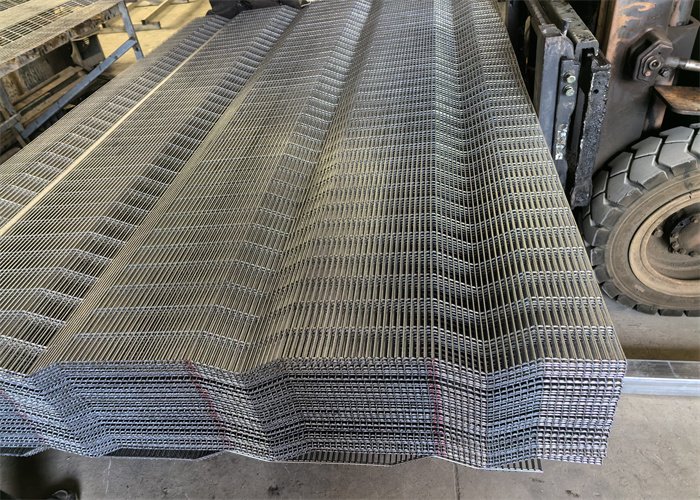
Original BMP Manufacturing and Product Photographs
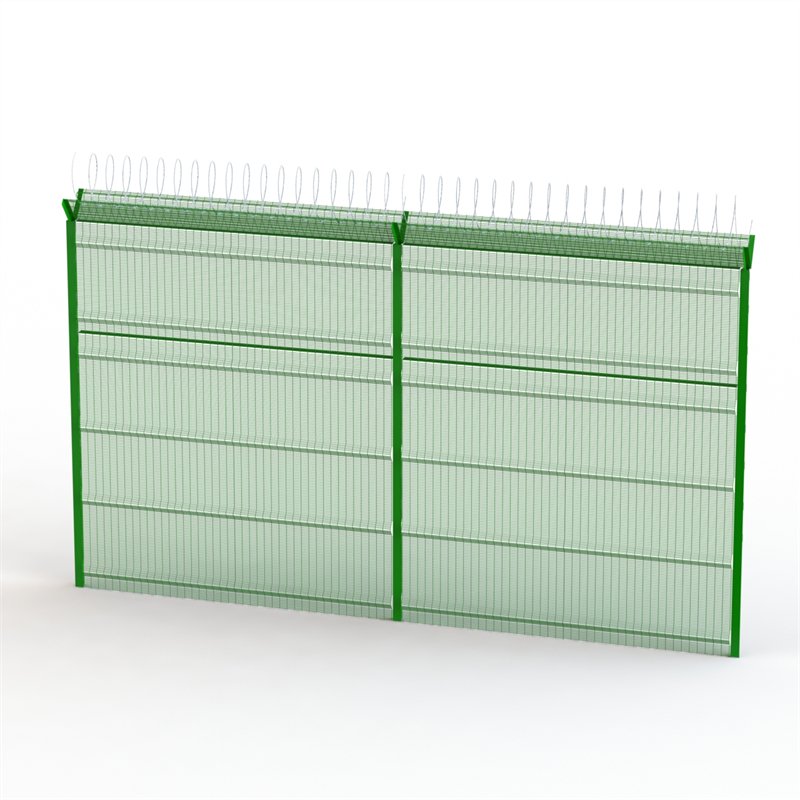
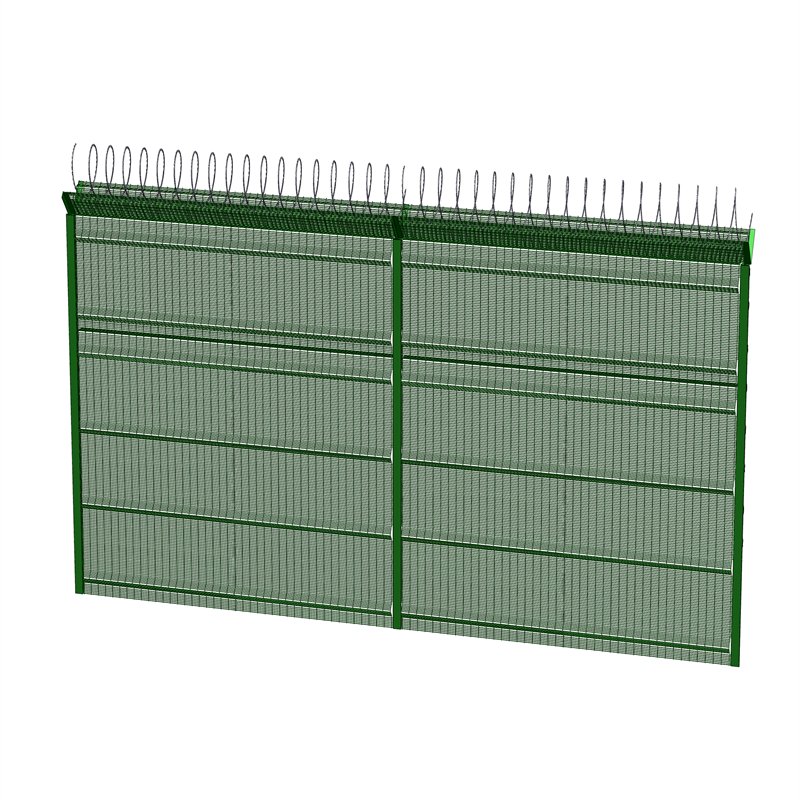
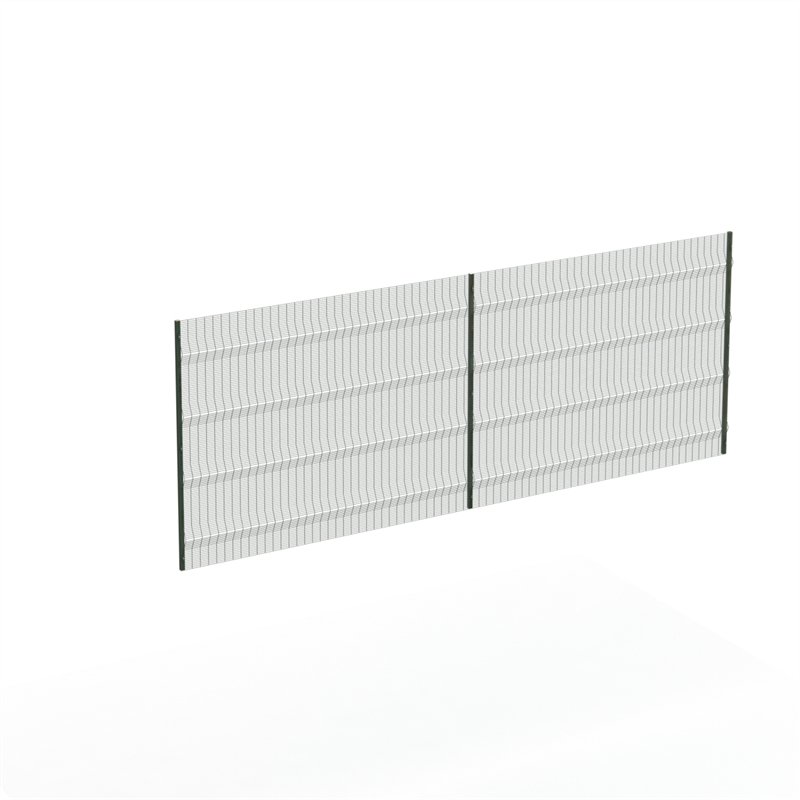
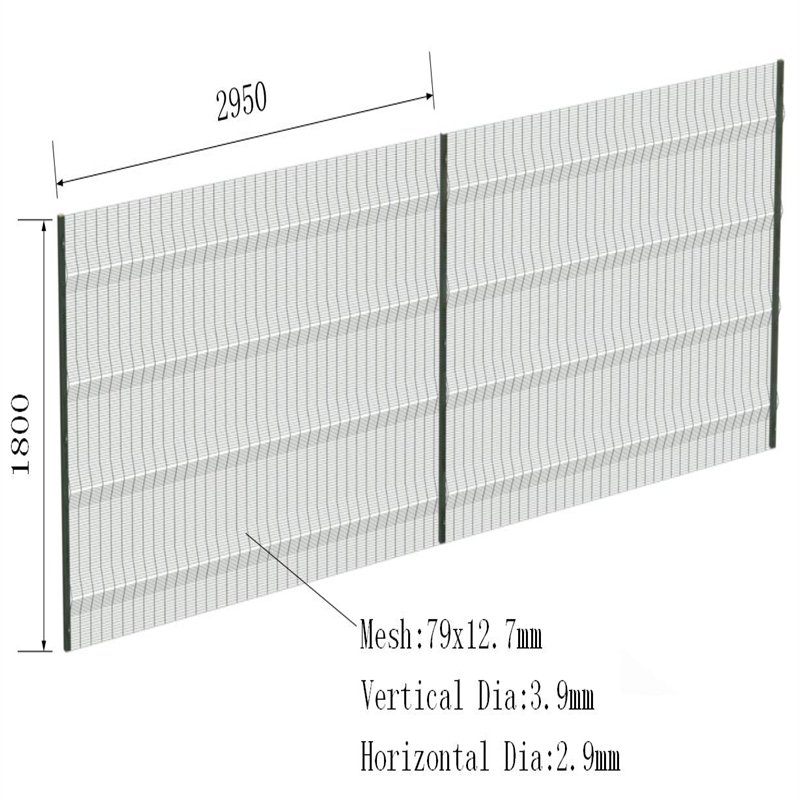
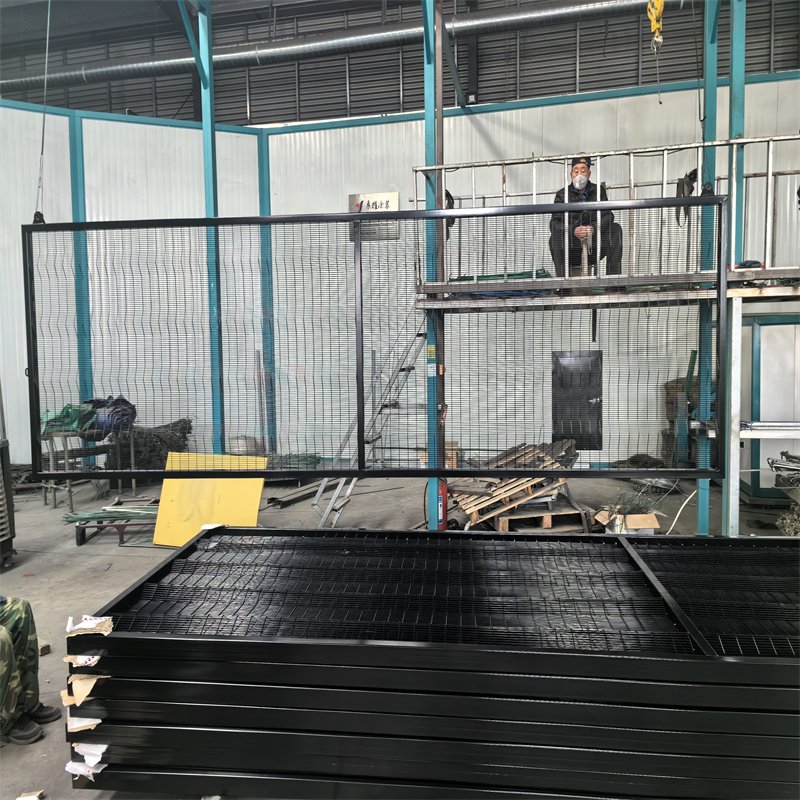
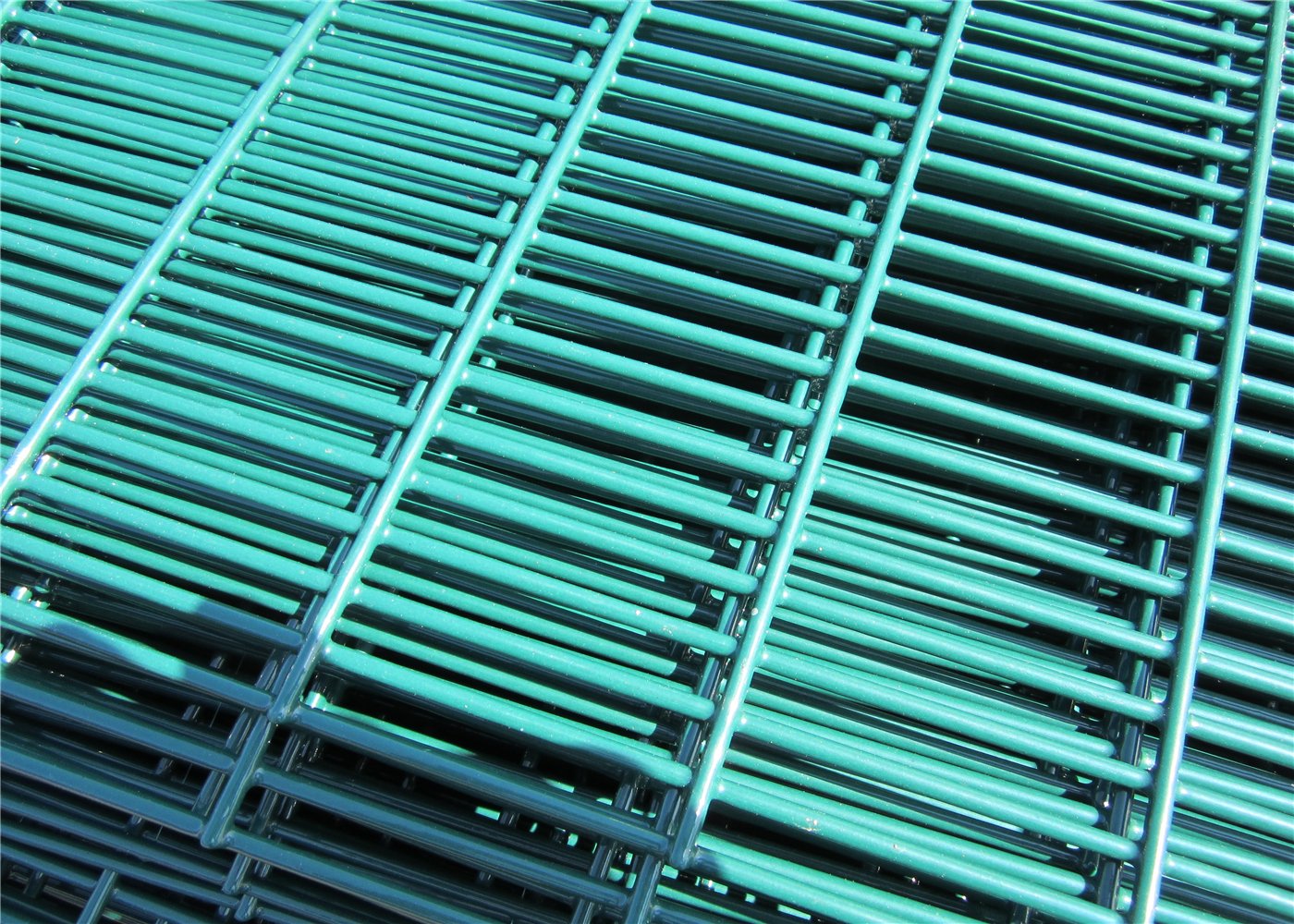
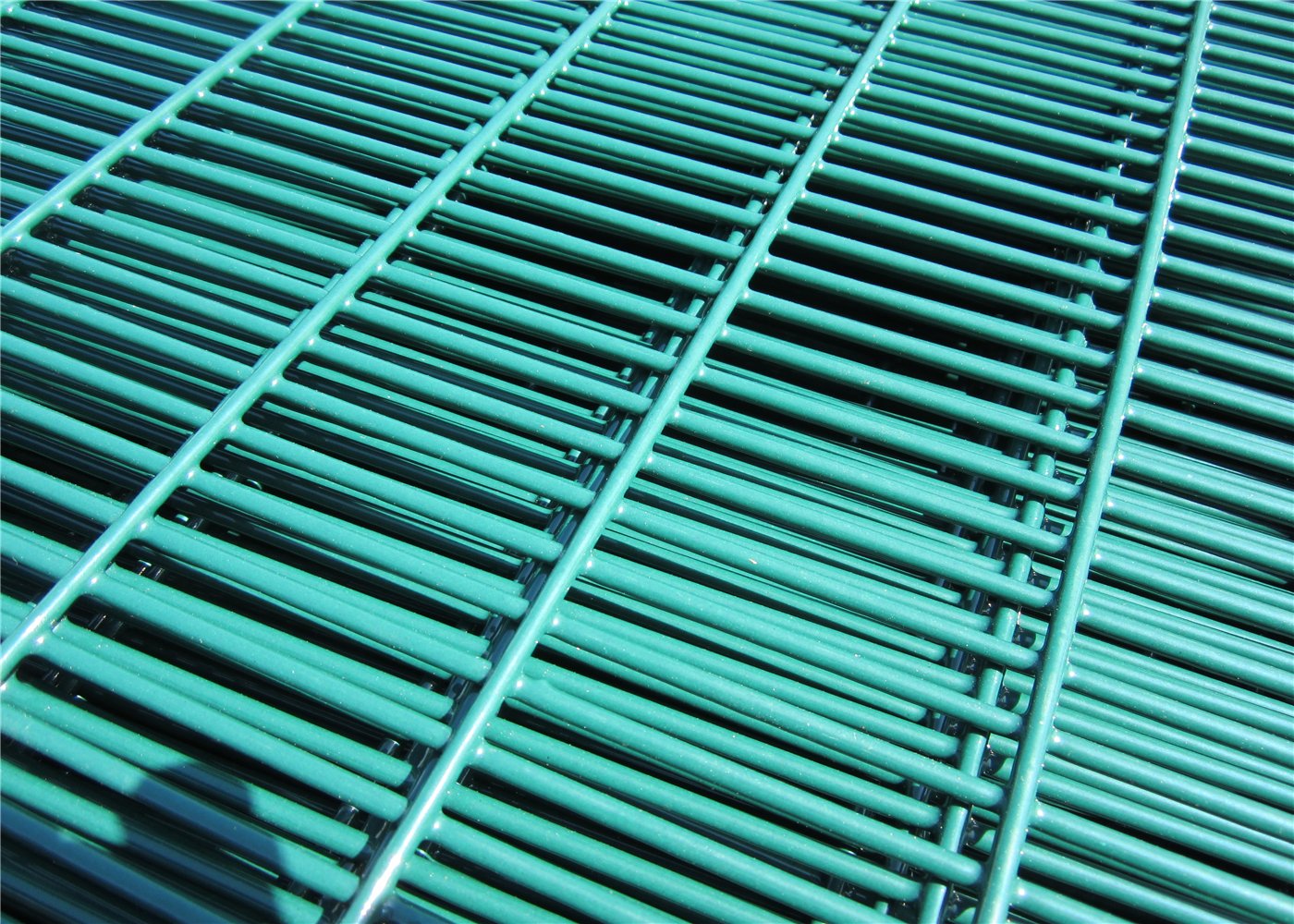
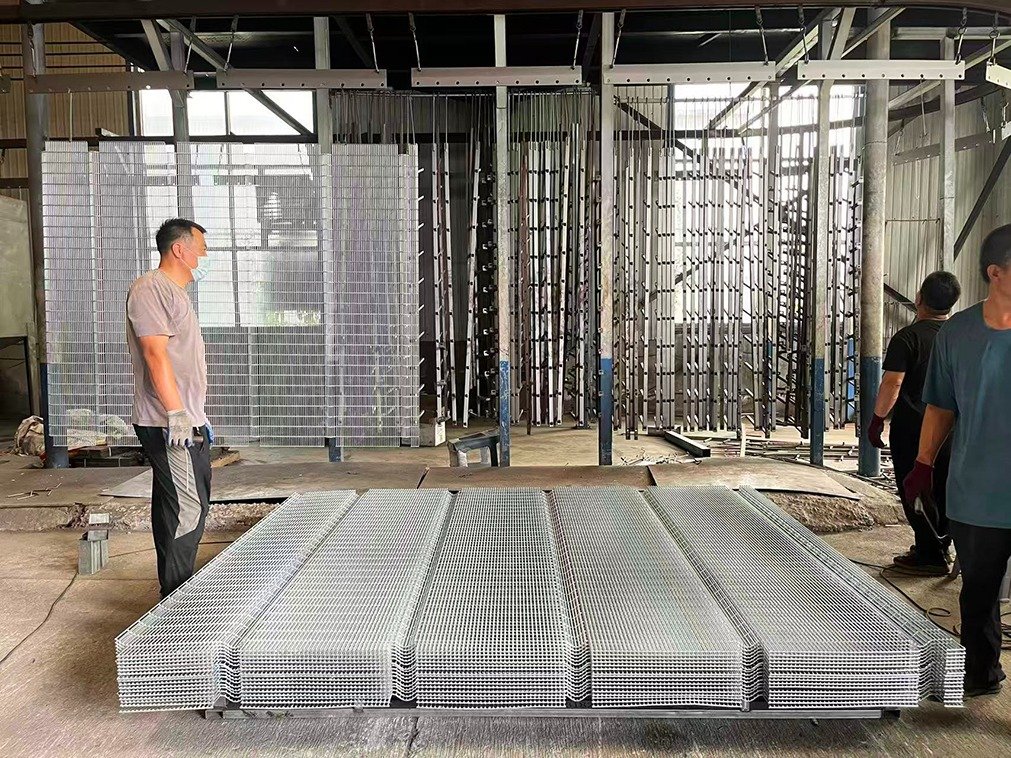
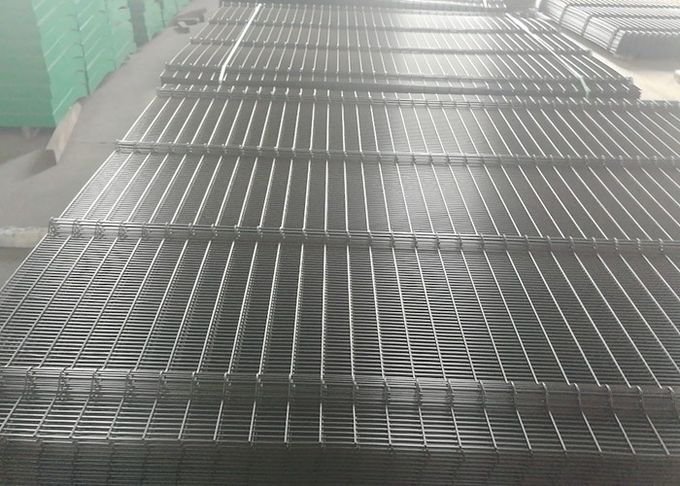
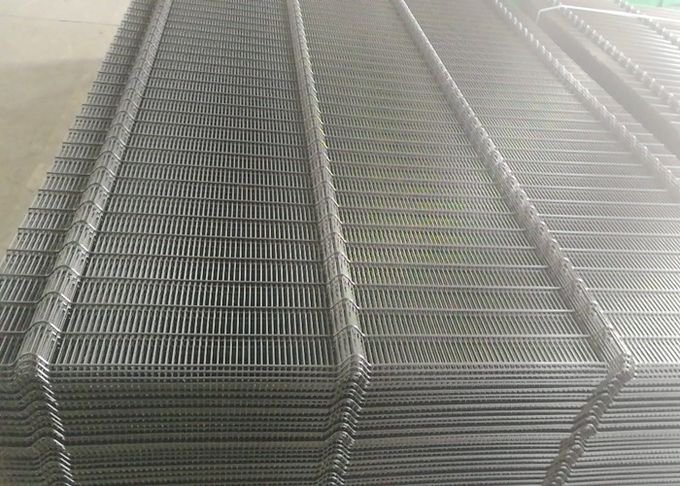
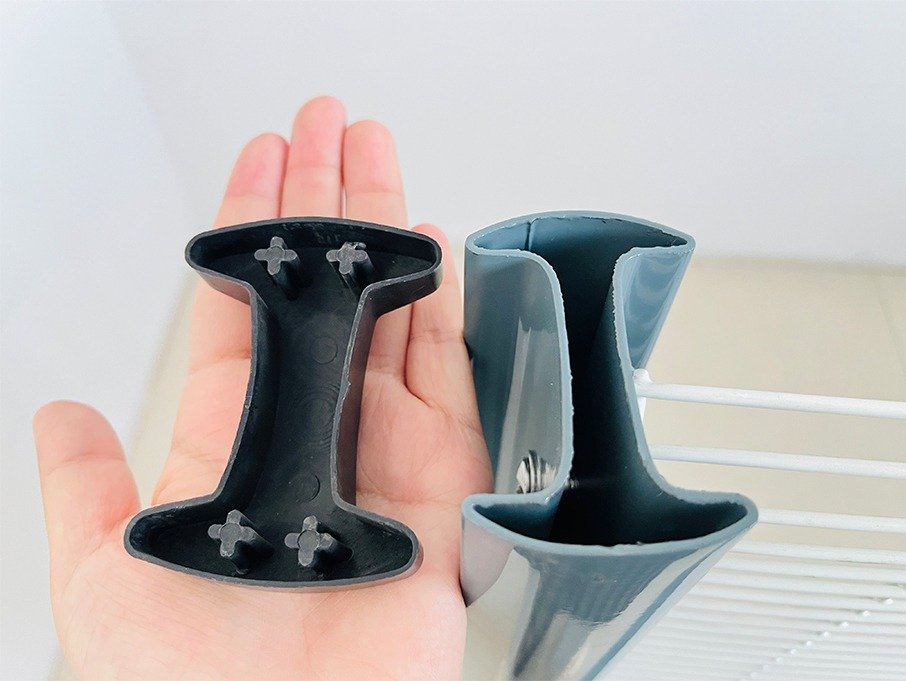
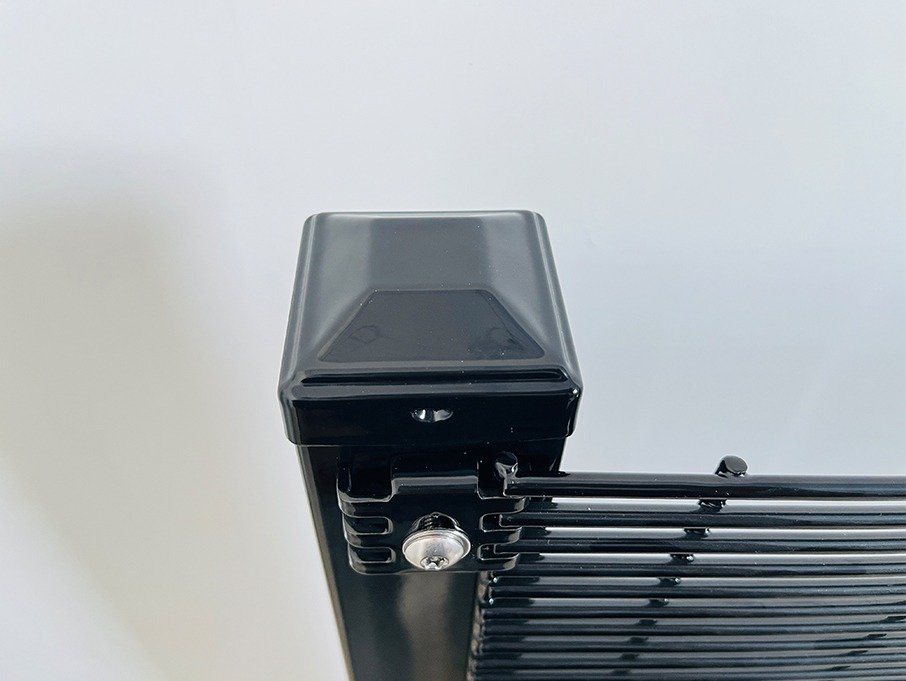
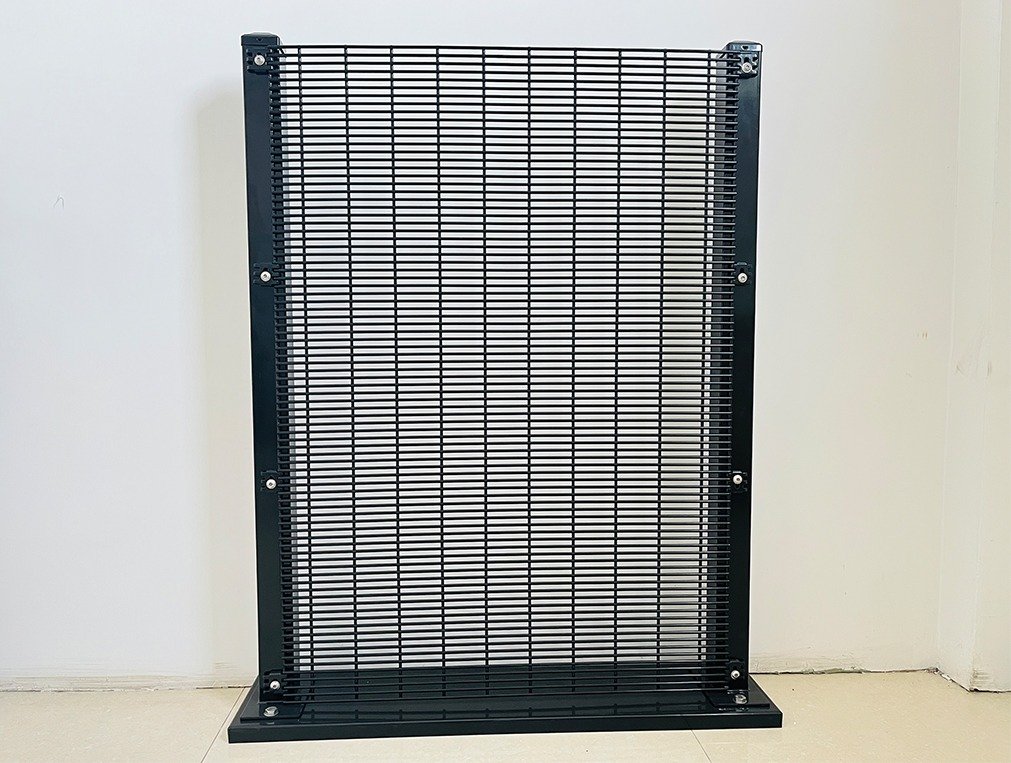
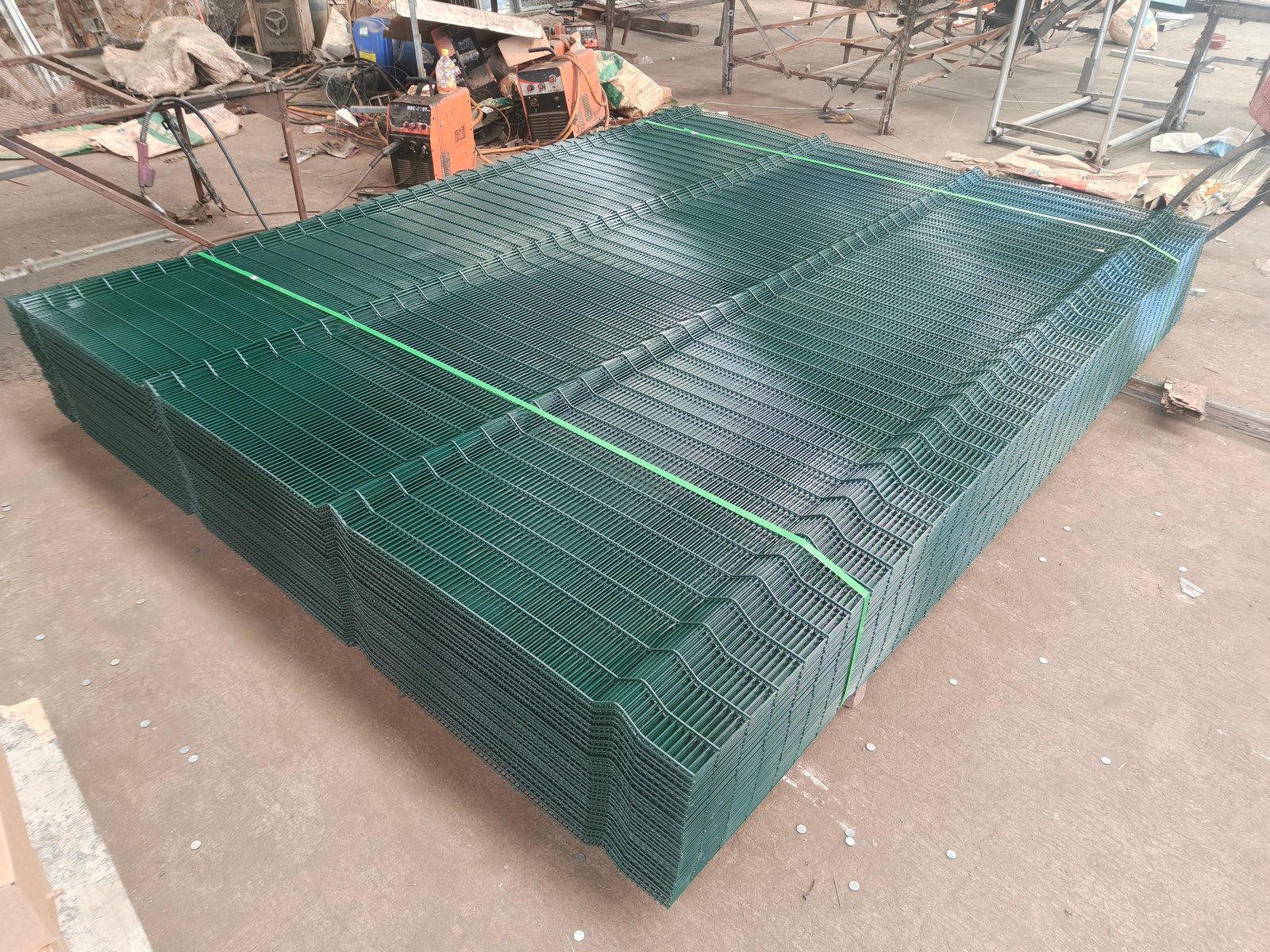
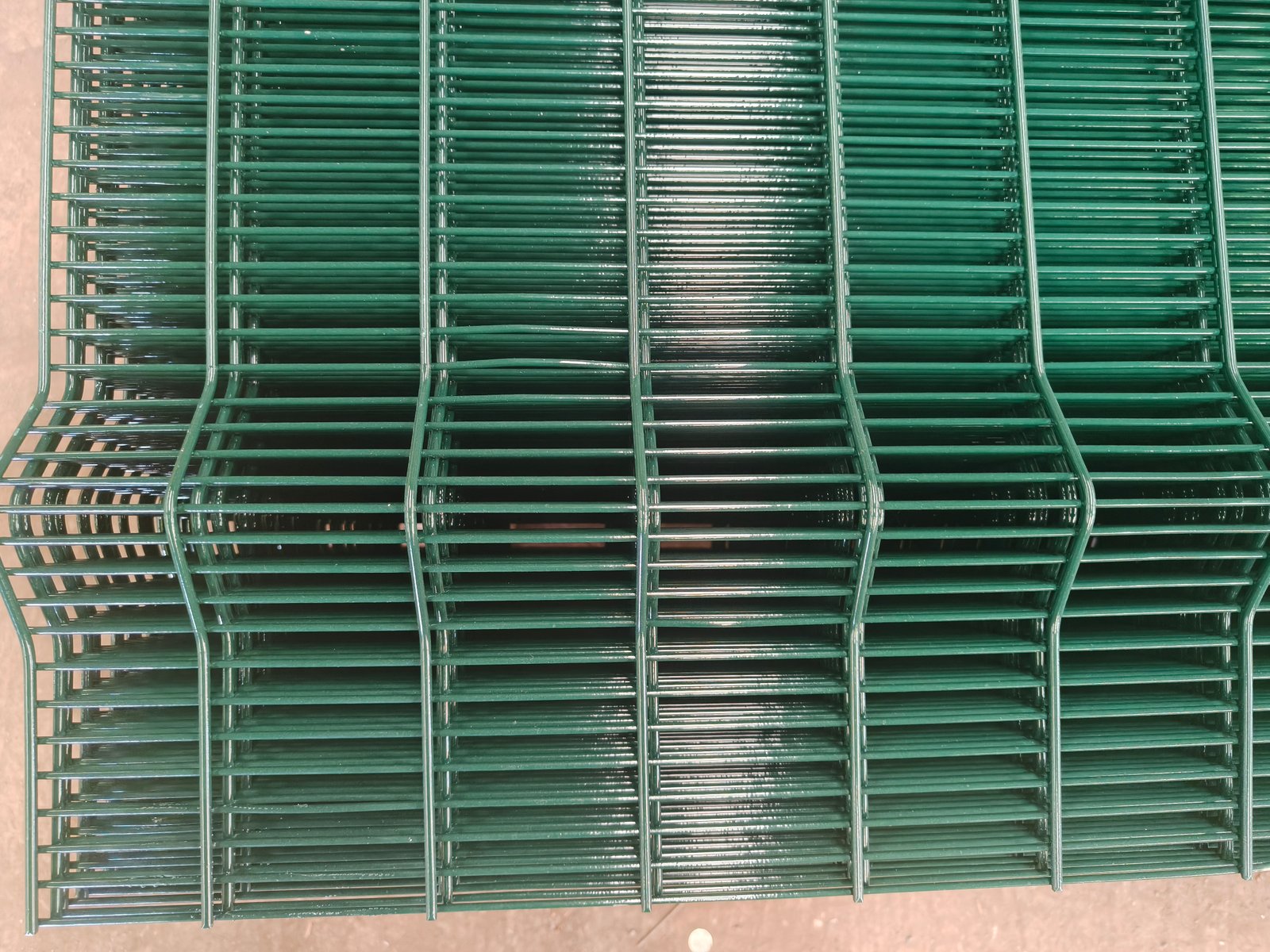
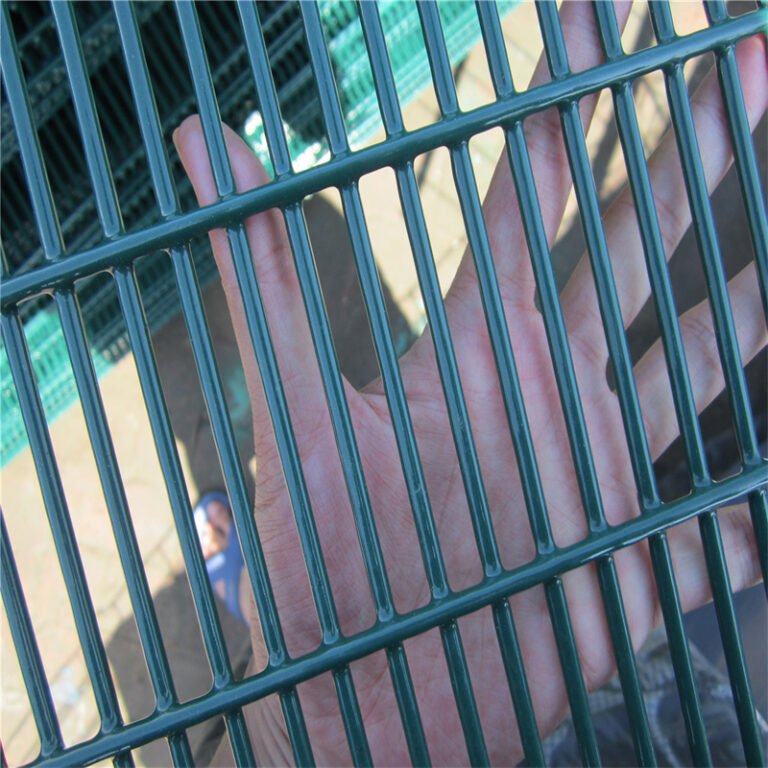
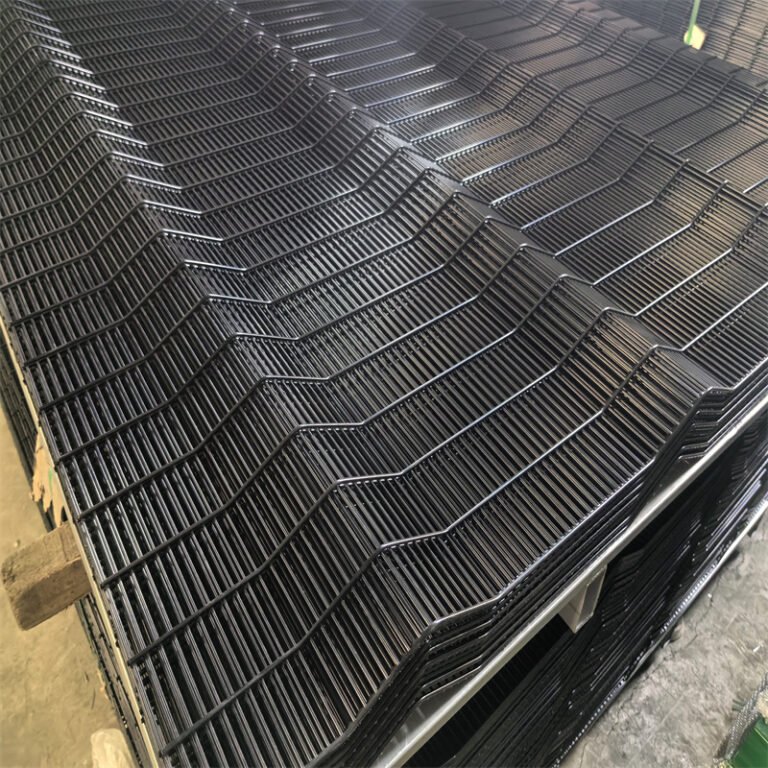
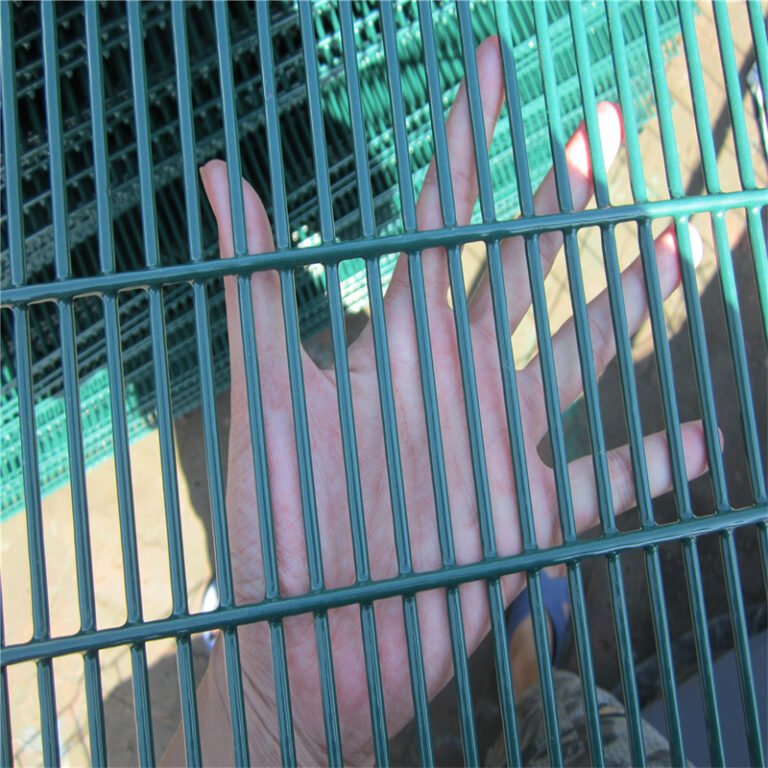
These three images preserve the original BMP source files. Their captions identify factory-review tasks rather than inventing measurements from photographs. Engineering acceptance still requires drawings and recorded tests.
 |
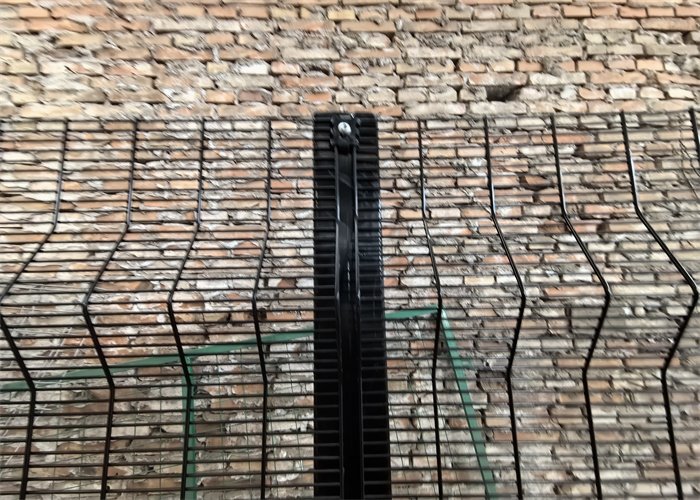 |
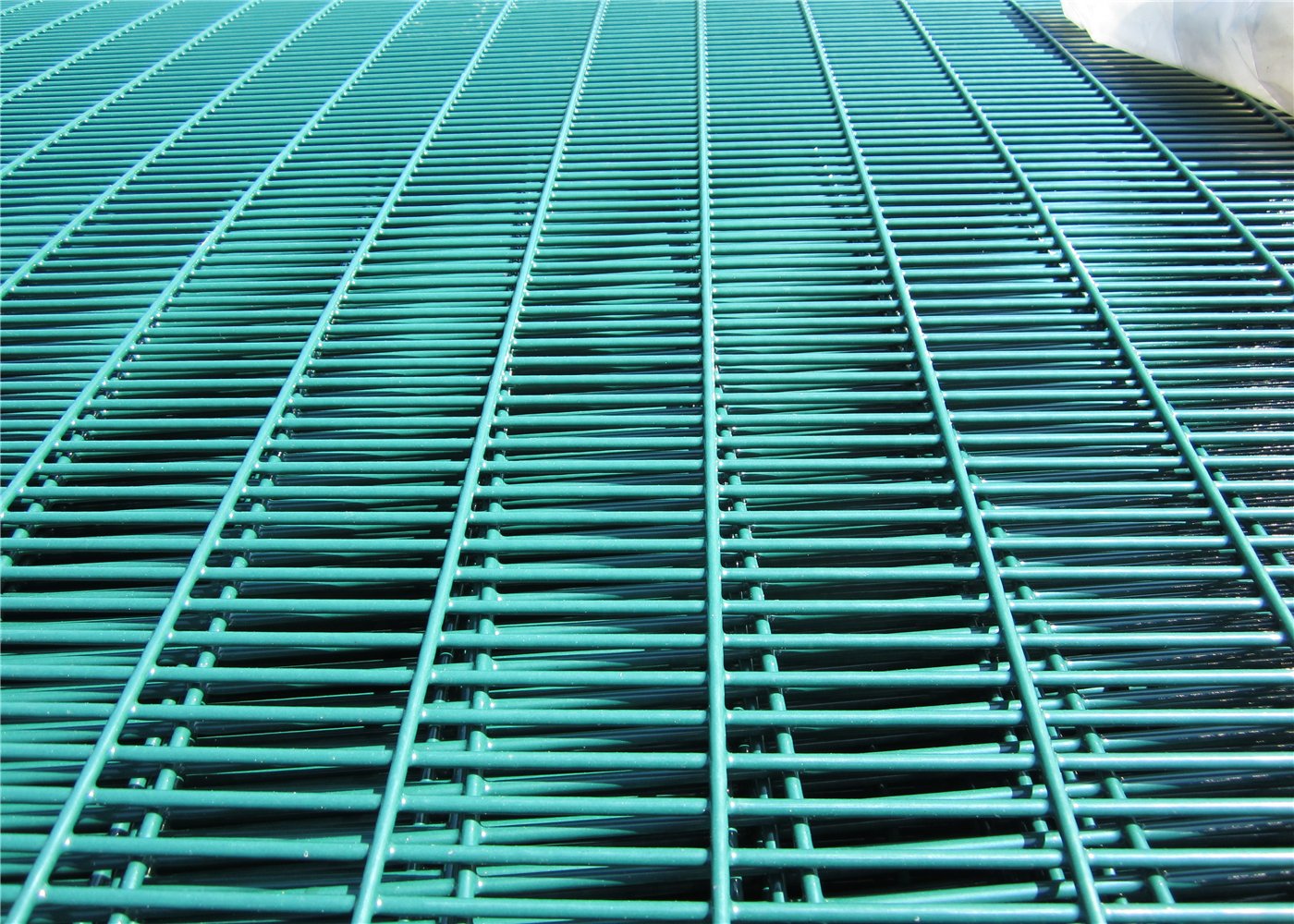
| Original BMP image 1: compare the finished security mesh appearance with the approved order. |
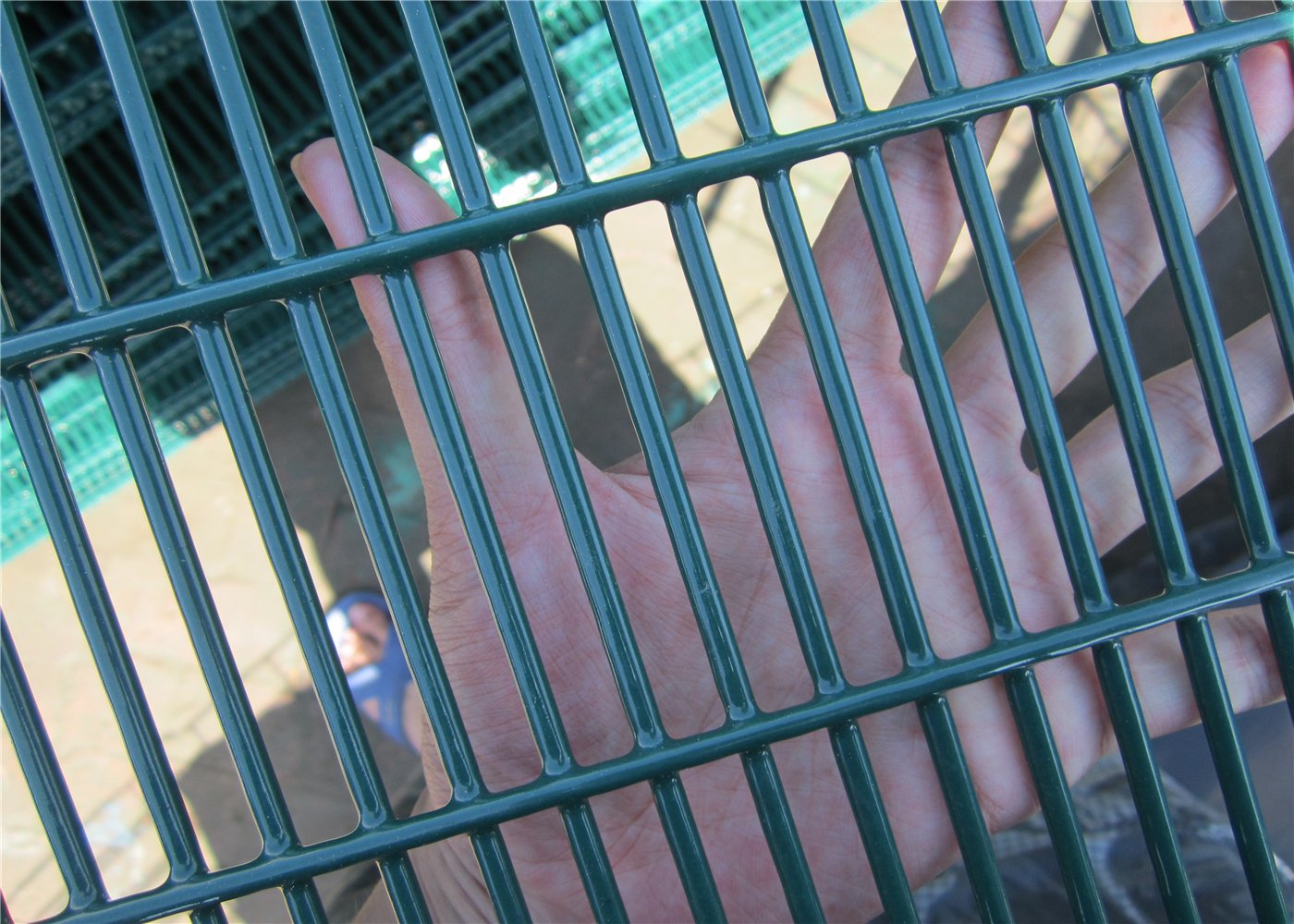
Original BMP image 2: review steel panel details and intended finishing requirements. |
 |
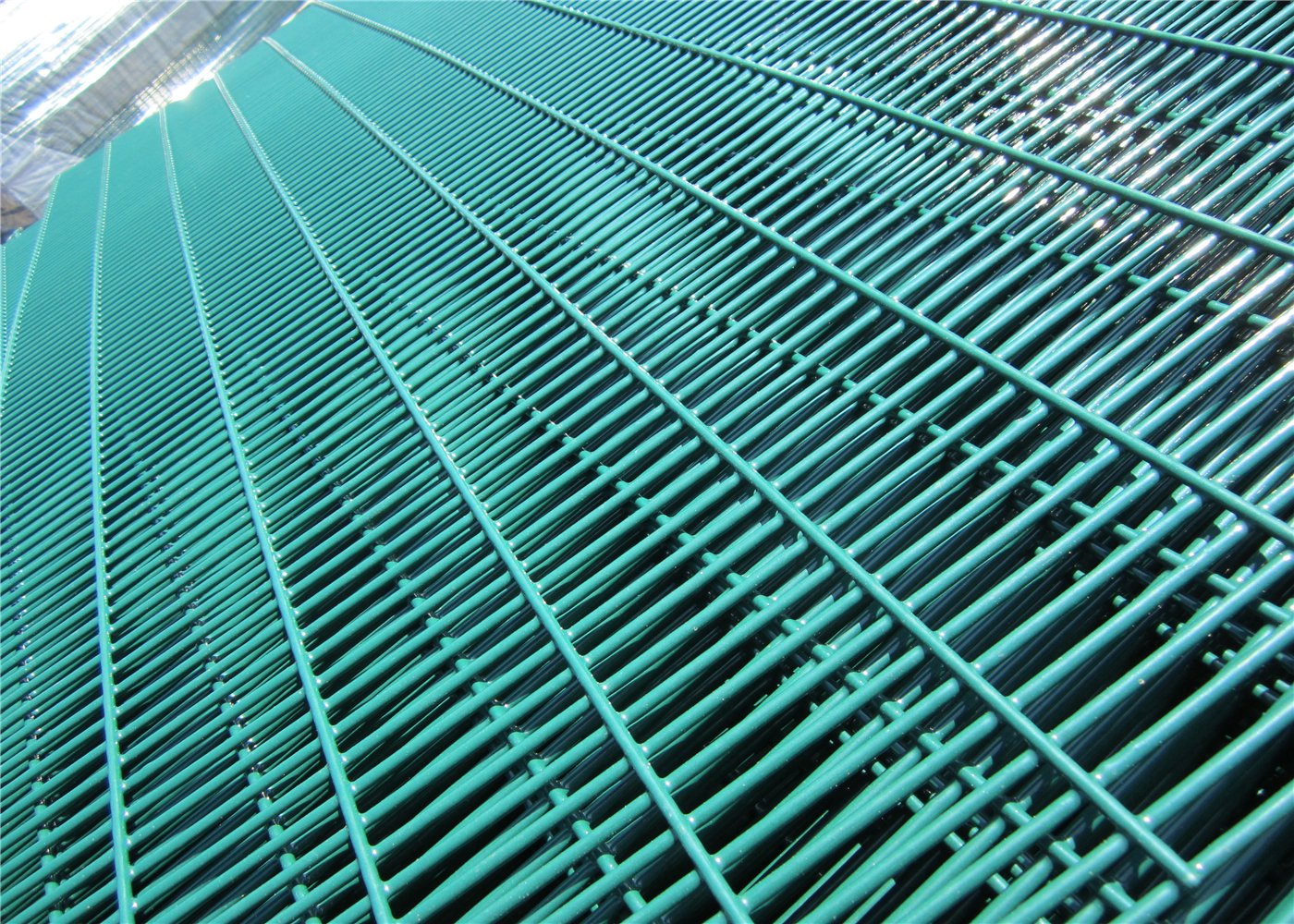
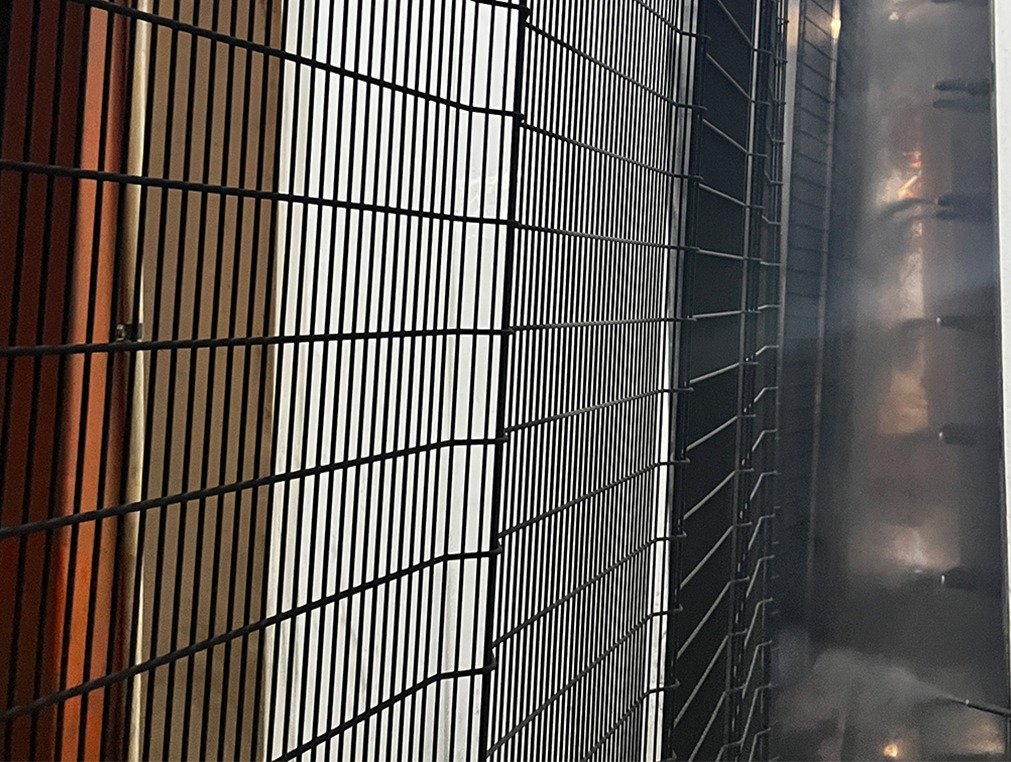
| Original BMP image 3: identify visible construction features for factory review. |
clear view fencing factory: From Purchase Order to Controlled Production
Manufacturing should begin with one approved specification, not an informal photograph or incomplete quotation. The buyer supplies panel quantities, posts, gates, coating systems, and packing requirements. BMP can then confirm the production scope and commercial terms.
Relevant ClearVu Fencing Specifications help describe related mesh and hardware options. Nevertheless, catalogue examples are not substitutes for the accepted project drawing. A revision register keeps changes visible to procurement and production staff.
clear view fencing factory Order Freeze Checklist
- Approve mesh centres, horizontal wire, vertical wire, and finished panel dimensions.
- Specify post sections, wall thickness, lengths, caps, and mounting methods.
- Identify each bracket type, bolt size, and fixing location.
- Confirm galvanizing route, polymer chemistry, coating thickness, and RAL colour.
- Separate pedestrian gates, sliding gates, and swing-gate drawings.
- Document inspection points, pallet protection, and export shipping terms.
clear view fencing factory: Incoming Wire and Tube Inspection
Quality control begins before a welding machine operates. Workers should identify incoming wire coils and inspect the specified diameter. Material grades require supplier records or appropriate testing when contractual acceptance depends on them.
Steel tubes need their own measurements for section geometry and wall thickness. Storage conditions can also influence surface cleanliness before coating. Traceable lot identification simplifies later inspections and replacements.
Wire Straightening and Accurate Cutting
Coiled wire typically passes through straightening equipment before cutting. Straight strands help maintain grid alignment in the welding fixture. Operators then cut lengths to match the approved panel pattern.
Dimension checks should include end projection and finished edge geometry. Excessive distortion can interfere with automatic welding or later clamp installation. Good setup work reduces rework after the mesh cools.
clear view fencing factory Weld Fixture Setup
Welding fixtures hold horizontal and vertical strands at the intended pitch. The machine joins crossing wires through controlled electrical resistance and pressure. Equipment settings need suitable qualification for the steel and wire combination.
A close 358 pitch demands consistent wire positioning across the entire panel. Inspectors should sample centre spacing near edges and the middle. Repeated drift can create installation and inspection problems.
Resistance Welding and Joint Acceptance
Welded intersections give the mesh its regular grid shape. However, visually neat joints do not guarantee specific mechanical strength. Appropriate sampling and test methods should establish contractual acceptance.
EN 10223-7 addresses steel welded fencing panels, including general characteristics, testing, and recommended coating requirements. Buyers can reference the standard where the project calls for it. Actual compliance must follow documented inspection, not general sales descriptions.
clear view fencing factory Weld Inspection Records
Inspectors should examine missing welds, distortion, cracked joints, and damaged edge wires. Selected samples may also undergo an agreed weld-strength test. Record sampling locations and results against the production batch.
Wire tensile strength and joint performance measure different properties. One cannot prove the other without testing. Keep reports with the final acceptance documents.
Why Anti-Climb Does Not Mean Unbreakable
Narrow openings provide fewer practical handholds than ordinary wide mesh. A strong weld can support the intended panel shape under service loads. Neither property makes a fence immune to every tool or attack.
Security outcomes also depend on posts, gates, terrain, and site response. Formal classifications require independent evidence where specified. Marketing language should not replace an identified test rating.
clear view fencing factory: Bending, Trimming and Post Preparation
Some mesh designs require V-forming after welding. Forming tools shape the steel along designated lines while limiting unintended deformation. The final outline should remain compatible with the post arrangement.
Other panels remain flat and need no forming operation. Manufacturing travellers should identify which route applies to each model. Inspectors must verify bend positions before finishing begins.
Drilling and Cutting Support Posts
Tube fabrication includes cutting, deburring, and preparing specified fixing positions. Terminal supports may need different hole layouts from intermediate posts. Gate supports also carry independent loading requirements.
Protective caps must fit the section accurately. Finished drilling after powder coating should remain an exception requiring repair approval. A trial installation can reveal alignment problems early.
Galvanizing Routes Need Separate Technical Specifications
Zinc protects steel by providing a sacrificial metallic coating under suitable conditions. Different galvanizing methods create different products and applicable standards. The manufacturing route should appear clearly in the contract.
ISO 1461:2022 covers hot-dip coatings on suitable fabricated iron and steel articles. It excludes continuously galvanized wire and welded mesh products. Use the appropriate wire or product standard for those other processes.
clear view fencing factory: Zinc Before Welding or After Fabrication?
Pre-galvanized steel wire already carries zinc before the welding operation. Welded regions may therefore need specific protection and inspection. Post-fabrication batch galvanizing follows a different process for suitable assemblies.
Coating thickness and appearance criteria depend on the selected route. A purchase order should not mix unrelated acceptance methods. Project requirements may also call for zinc-aluminium alloy wire.
Powder Coating over a Prepared Metal Surface
Polyester powder can add colour and another protective barrier after suitable preparation. The factory must select compatible pretreatment for the substrate. Film thickness, adhesion, and surface appearance need inspection.
A Powder Coated Clear View Fence may use a different zinc system from uncoated galvanized products. Specify the process instead of only naming the final RAL colour. Green and black remain common architectural choices.
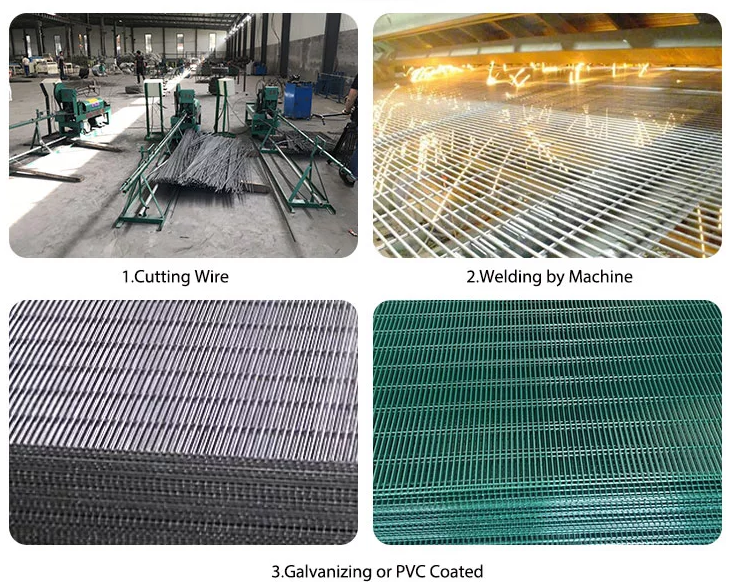
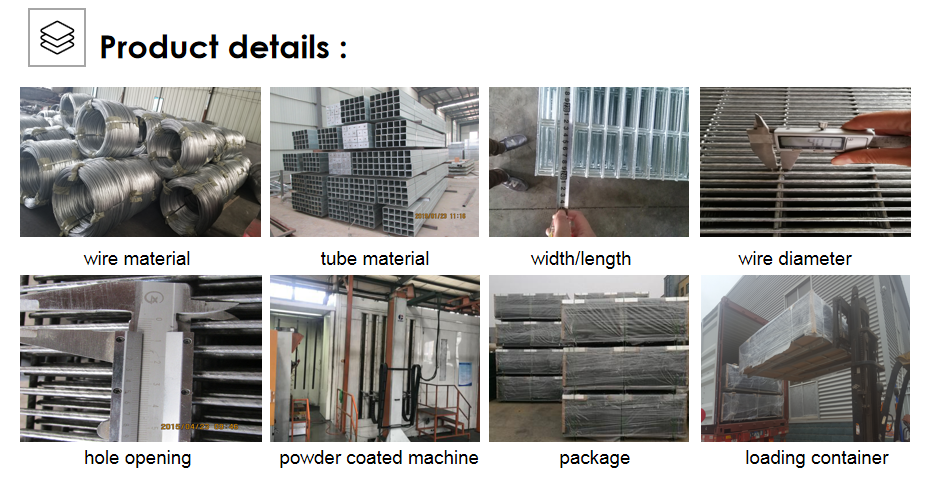
Factory Finishing Images and Production Traceability
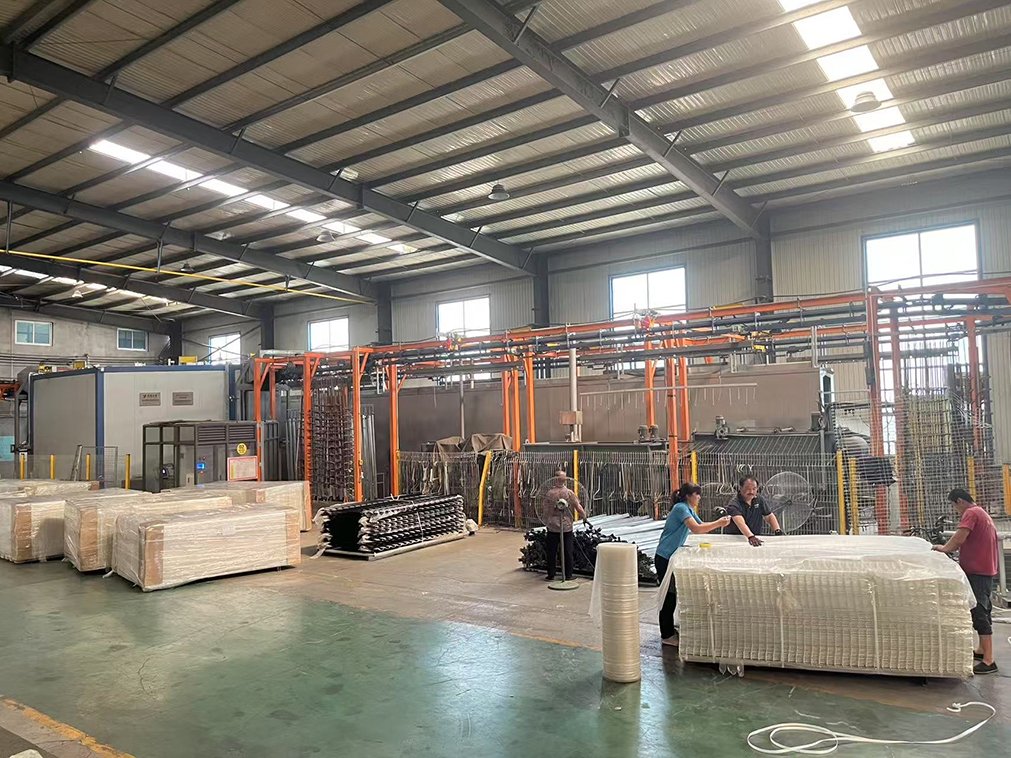
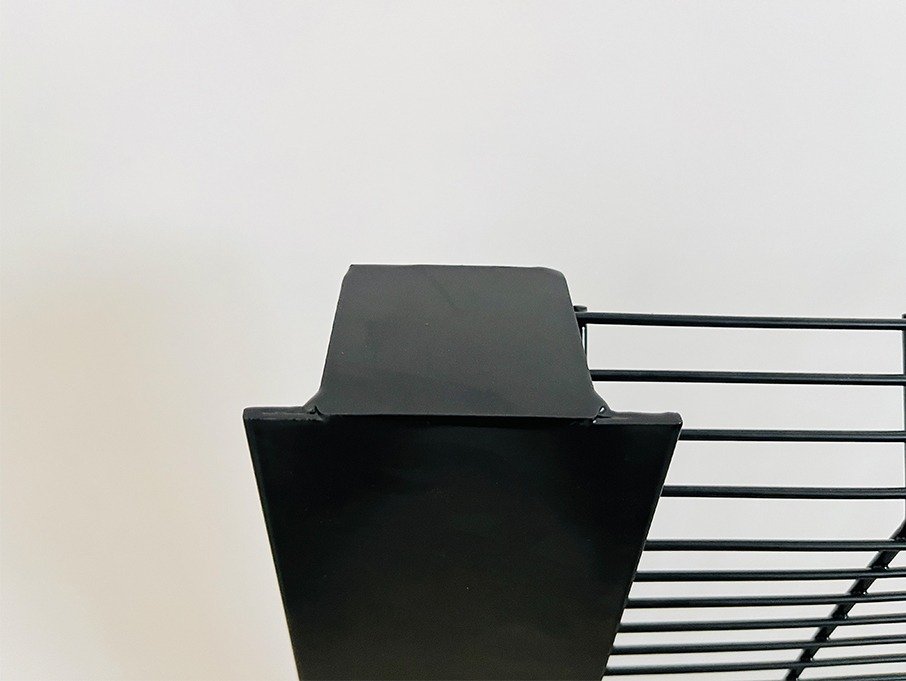
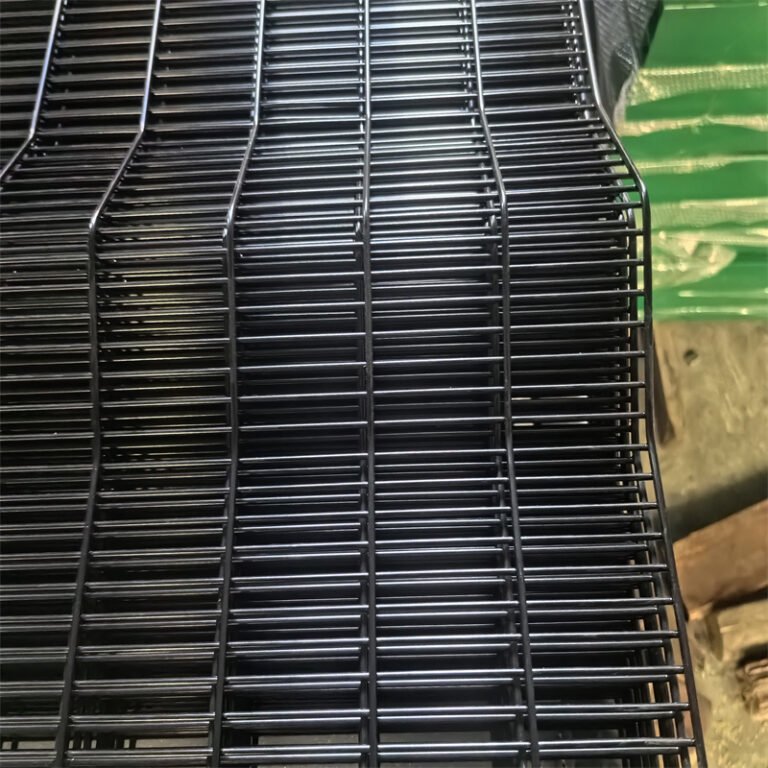
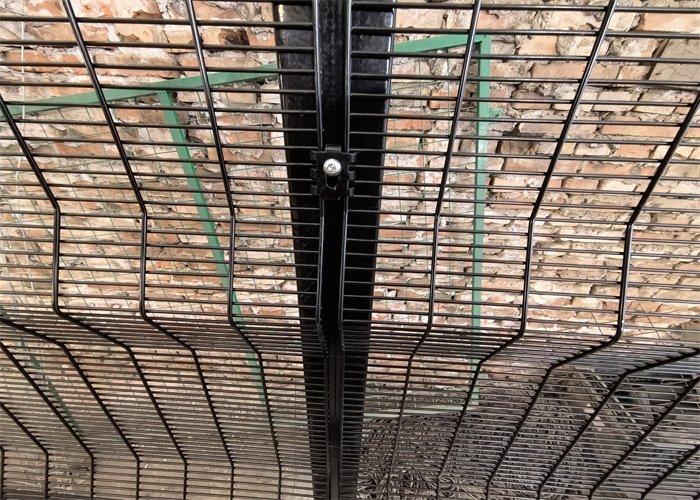
The remaining two BMP images come from the original production section. Their captions highlight inspection and handling requirements. Photographs cannot establish that every visible machine belongs to a particular certified process.
 |
 |
| Original BMP image 4: confirm post and product details using the approved drawings. |
Original BMP image 5: relate the manufacturing stage to its inspection record. |
clear view fencing factory Quality-Control Matrix
Factory acceptance should follow identifiable checkpoints from raw material through final packing. Inspectors need measurable criteria rather than broad claims about strength or appearance. Each test should identify its method and sampling basis.
| Production Stage |
Inspection Item |
Evidence to Request |
| Wire receipt |
Diameter, grade, surface condition |
Material record and measured samples |
| Welded panel |
Pitch, squareness, weld quality |
Dimensional and weld inspection |
| Post fabrication |
Section, length, holes, end caps |
Post checklist and sample fitting |
| Zinc treatment |
Applicable process, coverage, coating values |
Route-specific coating report |
| Polymer finish |
Colour, appearance, thickness, adhesion |
Finish inspection and approved sample |
| Accessories |
Clamp geometry, bolts, compatibility |
Assembled trial bay |
| Shipment |
Counts, packaging, gross weights |
Packing list and loading report |
clear view fencing factory Nonconformance and Rework
Products outside agreed dimensions need a documented disposition before shipment. Unapproved drilling or cutting can create coating and fit problems. Rework should restore the specified function and finish.
Segregate questionable material from accepted batches. Record any approved deviation with the customer's authorization. This prevents accidental mixing during pallet assembly.
Factory Trial Assembly Before Export Packing
A sample bay connects a finished panel with its actual steel post and clamps. Installers can check hole alignment, overlap, and bolt engagement. Gate frames should undergo separate interface checks.
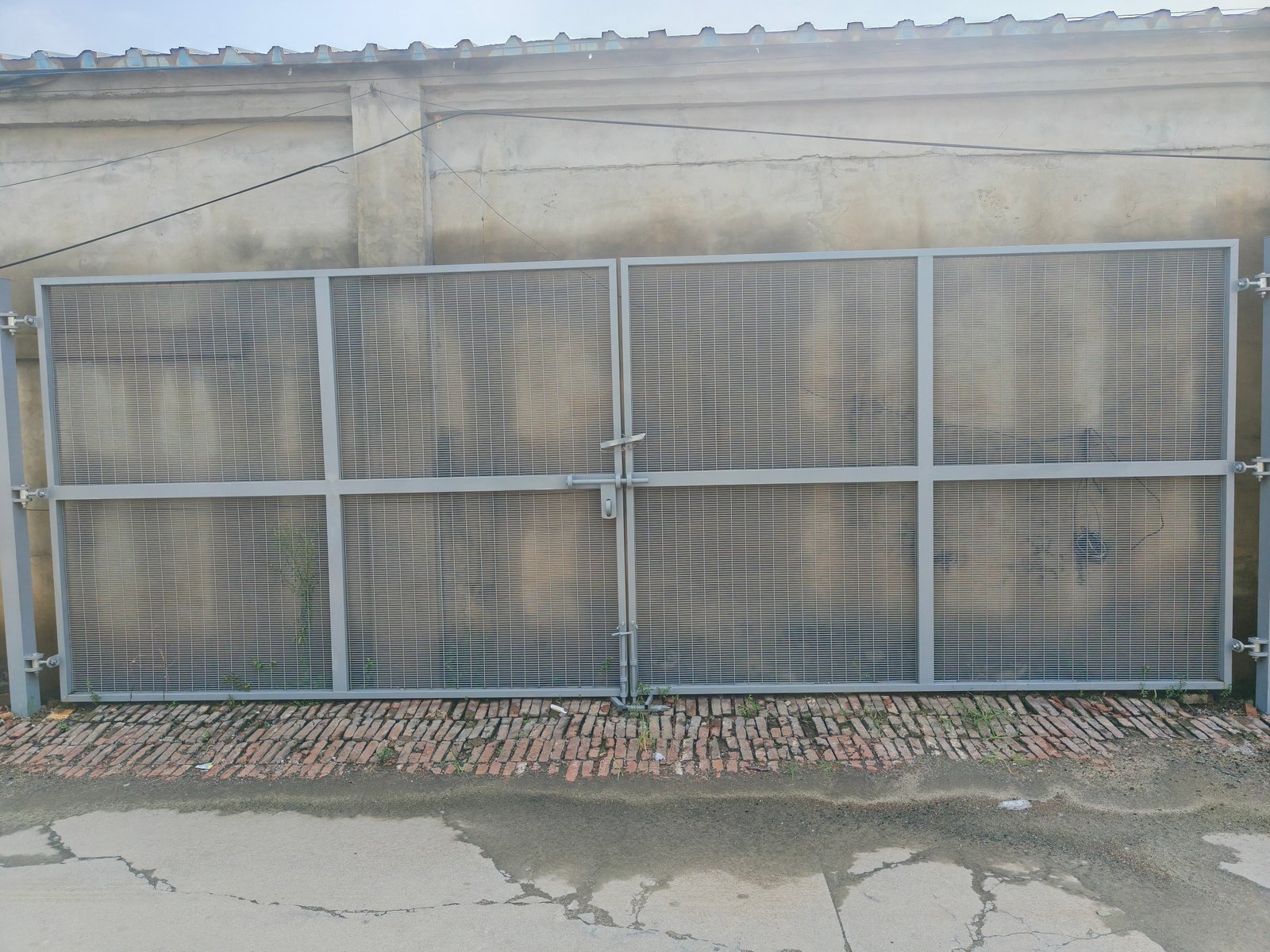
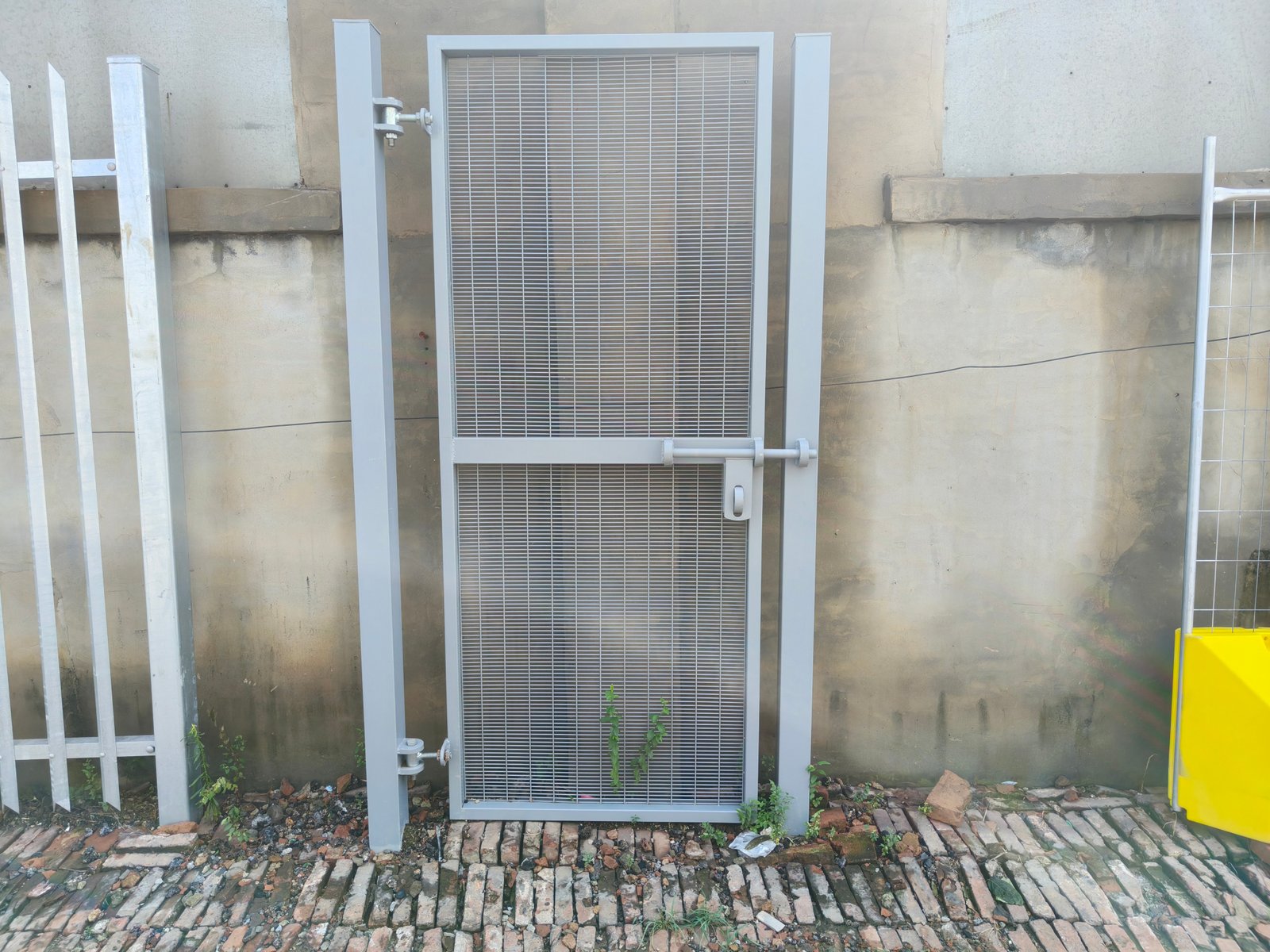
Related Clear View Fence Gate configurations include pedestrian and vehicle openings. Sliding assemblies require adequate guide clearance and support. Site safety checks still belong to the finished installation.
clear view fencing factory Export Packing and Container Loading
Protective steel pallets help keep rigid welded panels stable through lifting and transport. Plastic separators can reduce rubbing between coated surfaces. Corner guards also limit concentrated strap pressure.
Post bundles need suitable caps, protective wrapping, and clear identification labels. Pack bolts, clips, and nuts in separate marked cartons. Export records must identify actual package counts and verified gross weights.
Pallet Planning for Finished Coatings
The lowest panel may contact a steel pallet during handling without adequate protection. A suitable separator prevents direct abrasion at that surface. Top boards can protect the highest sheet from neighbouring cargo.
Loading crews should secure stillages against movement inside the container. Forklift capacity and centre of gravity must suit each package. Photograph every completed load for shipment documentation.
clear view fencing factory Shipping Documentation
A commercial invoice should match the accepted bill of materials. Packing lists need accurate pallet, carton, and accessory quantities. Freight responsibility follows the agreed shipping terms.
Receiving teams should inspect visible transit damage before installation. Keep repair materials and replacement accessories identifiable. Clear records simplify future service work.
Why Factory Coordination Includes Installation Planning
Panel quality alone cannot correct inaccurate post spacing or unsuitable foundations. Survey data should establish corners, slopes, and gate openings before construction. A coordinated supply package reduces the risk of incompatible components.
Following a ClearVu Fencing Specifications schedule can help resolve product choices. The finished installation still requires site-specific engineering. Wind, soil, and vehicle traffic influence structural design.
clear view fencing factory and Sliding Gate Coordination
Long gate openings need adequate travel space and strong guide supports. Gate motors require suitable safety measures and emergency release arrangements. The fixed mesh should align with the moving leaf.
Some ClearVu Fence Sliding Gates use matching welded infill for a consistent perimeter appearance. Their hinges, rollers, or tracks need independent checks. Never copy an ordinary fence post directly into a gate support design.
Different Export Markets Need Different Finishing Decisions
South African buyers may face very different climates between Durban and the inland Highveld. Coastal air can carry chlorides that accelerate corrosion near damaged steel edges. Inland industrial sites may experience dust and seasonal rainfall instead.
Australian sites also vary between marine, urban, and rural exposure conditions. Specify a suitable coating for the actual installation address. A factory should not promise identical service life in every climate.
Comparing Manufacturing Methods Across Barrier Types
For example, Corromesh uses a related security mesh architecture with its own forming and fixing details. By contrast, Garrison Security Fencing uses tubular pickets and rails. Their fabrication drawings and inspection points differ.
Movable Temporary Construction Fencing relies on portable frames and removable bases. It serves changing worksites rather than permanent engineered boundaries. Factory comparisons should account for those different functions.
clear view fencing factory: Questions Buyers Should Ask
Can a Factory Claim Every Panel Is Certified?
Not without evidence for the exact product and applicable certification scope. Material, welding, and coating records support different claims. Buyers should request current documents before approving statements about compliance.
Does a 358 Mesh Panel Guarantee Zero CCTV Blind Spots?
No. The open grid supports visibility but cannot establish camera coverage. Trees, gates, buildings, and stored materials can obstruct observation. Test sightlines after installation.
Which Documents Matter Before Paying a Deposit?
An approved quotation should identify dimensions, quantities, coating, packing, delivery terms, and payment milestones. A signed proforma invoice records the agreed commercial scope. Verify bank details through a trusted channel before remittance.
clear view fencing factory: What Warranty Applies?
BMP offers a 15-year manufacturer warranty for applicable ClearVu and Clearview fencing products under written terms. Coverage depends on the supplied system, installation, environment, and maintenance conditions. Obtain the actual warranty document for the order.
Can Buyers Request Photos Before Shipment?
Factory photographs can document completed batches, coating appearance, and packed goods. They do not replace an agreed physical inspection. Request measured records where dimensions or test values are contractual requirements.
clear view fencing factory: Build a Verifiable BMP Export Order
Boss Metal and Plastic Co., Ltd. supplies welded security panels alongside suitable posts, clamps, and gate components. A dependable project begins with precise drawings and clear inspection criteria. Manufacturing records and export packaging complete that process.
Buyers can compare Clear View Fencing For Sale configurations when preparing a product schedule. Regional ClearVu Fence Panels provide additional BMP export references. Send the project drawings, destination, and material requirements for a coordinated quotation.