Description
Welded Wire Mesh Fencing: Three Panel Designs, Three Different Jobs
Welded wire mesh fencing uses steel wires joined at their intersections to form stable rectangular grids. BMP supplies 3D panels, reinforced twin-wire systems, and close-aperture 358 security mesh. Each design solves a different problem in perimeter construction.
Garden boundaries often favour formed lightweight panels, while busy facilities may require stronger reinforcement. Restricted areas can benefit from narrower Clear View Fence Panels and compatible security fittings. Start by choosing the fence architecture before comparing individual wire diameters.
Project drawings should define actual panel dimensions, post centres, coating requirements, and gate openings. A visually similar fence might need entirely different anchors and accessories. Factory production should follow one approved material schedule.
Welded Wire Mesh Fencing Compared at a Glance
| Panel Family |
Recognizable Geometry |
Typical Project Use |
Technical Priority |
| 3D V-bend |
Single wires with horizontal formed folds |
Gardens, schools, business parks |
Bend count, post spacing, handling weight |
| 656 / 868 twin wire |
Two horizontal wires around each vertical wire |
Sports grounds, factories, busy boundaries |
Correct 6/5/6 or 8/6/8 arrangement |
| 358 security mesh |
Closely spaced welded rectangular openings |
Controlled access and higher-risk perimeters |
Aperture, clamp bars, complete-system protection |
Welded Wire Mesh Fencing with 3D V-Bend Panels
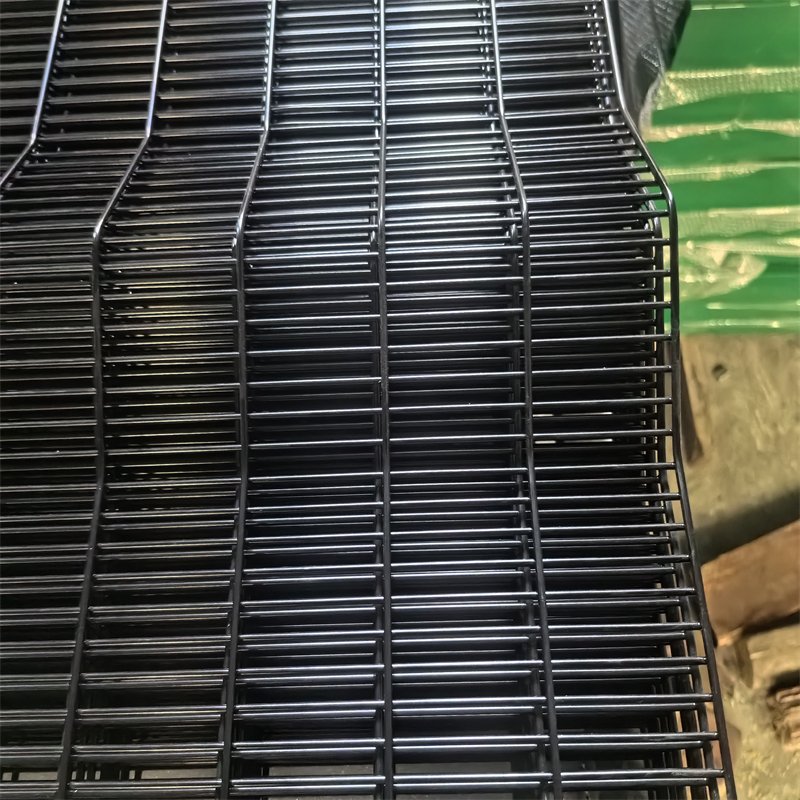
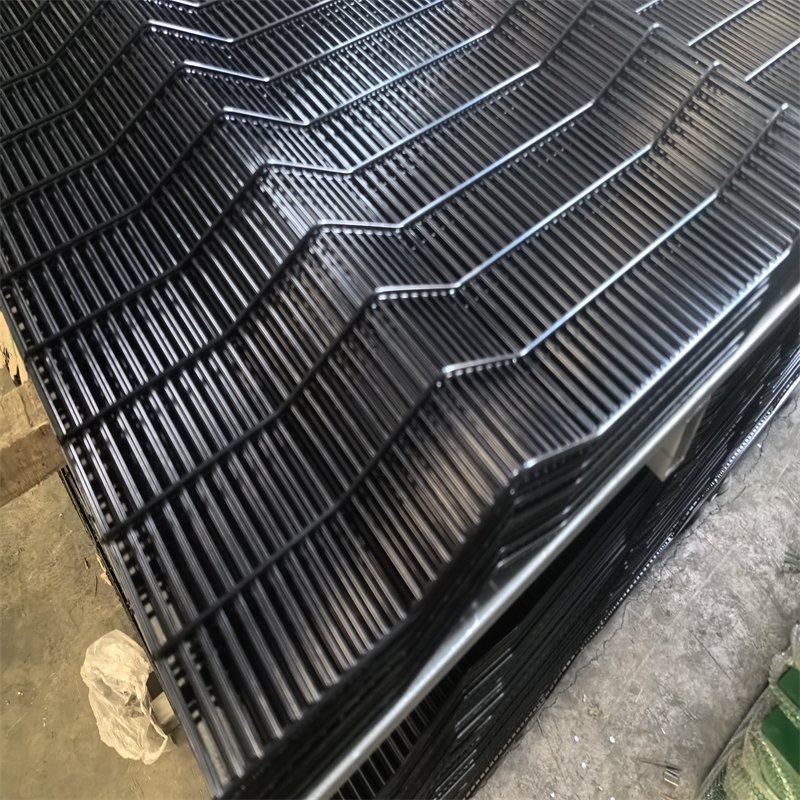
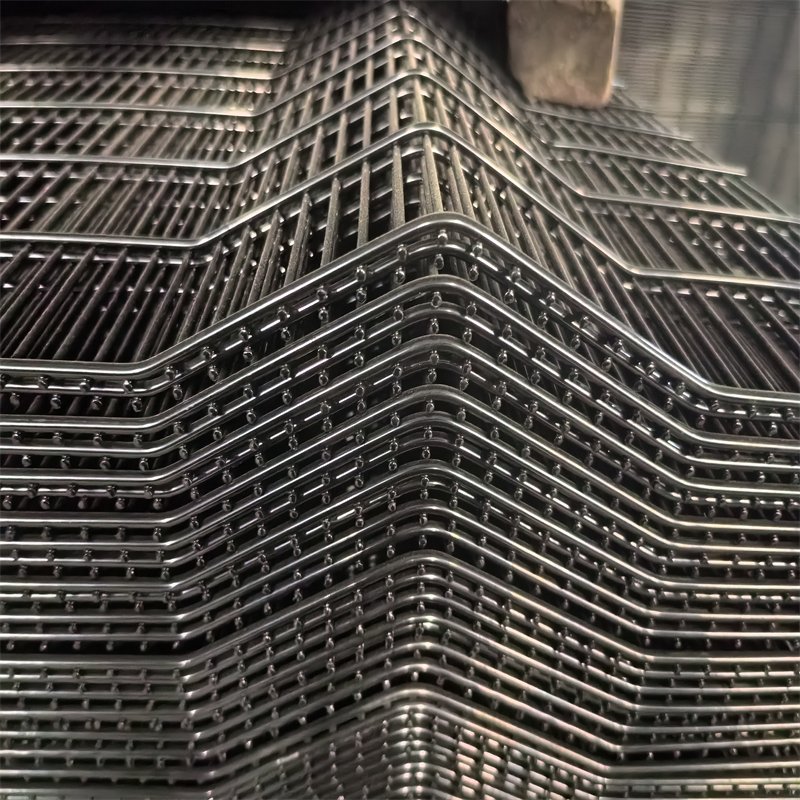
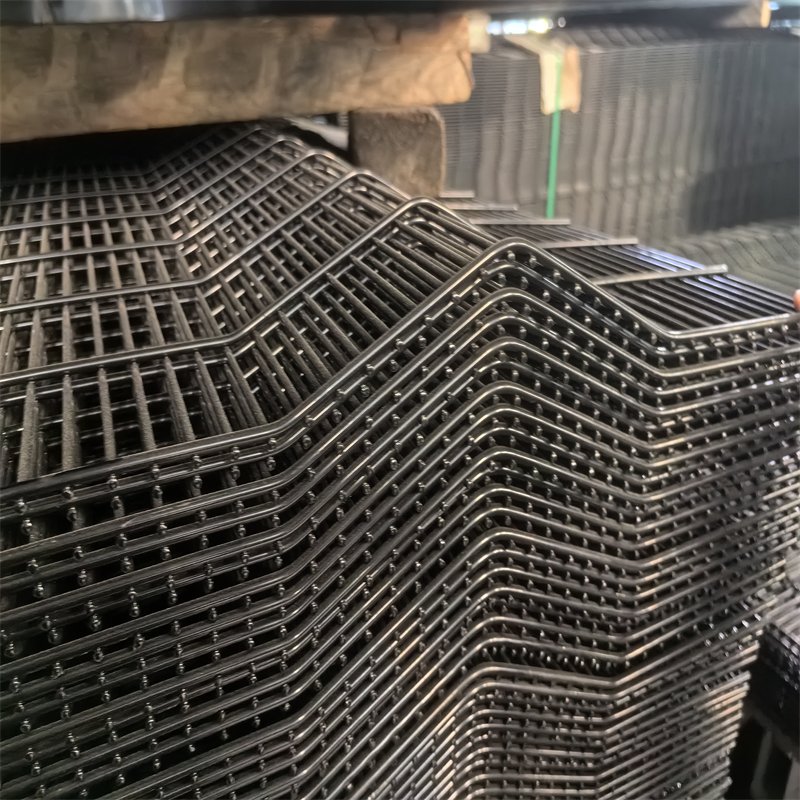
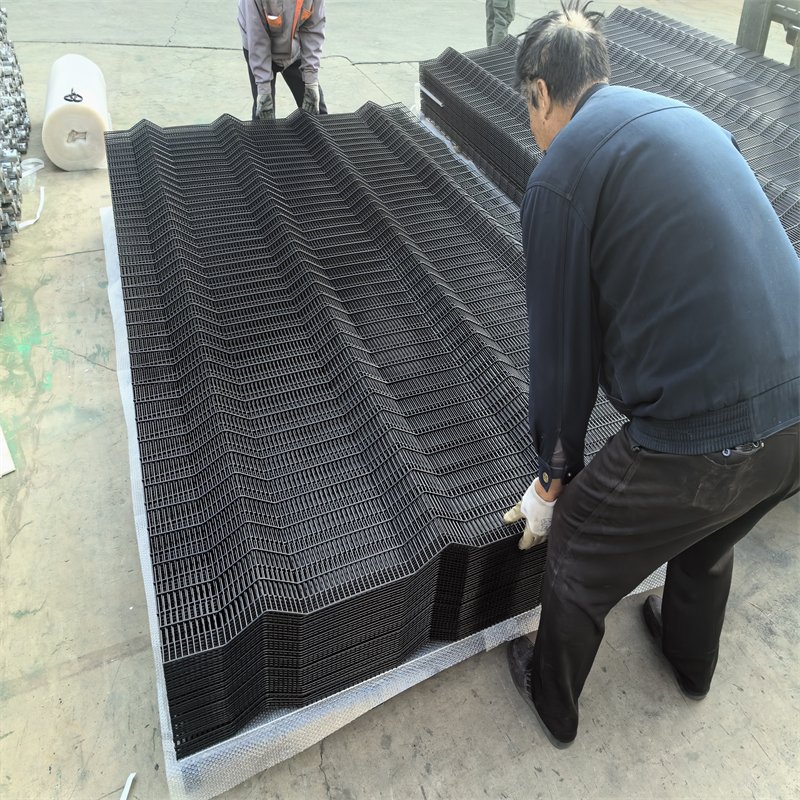
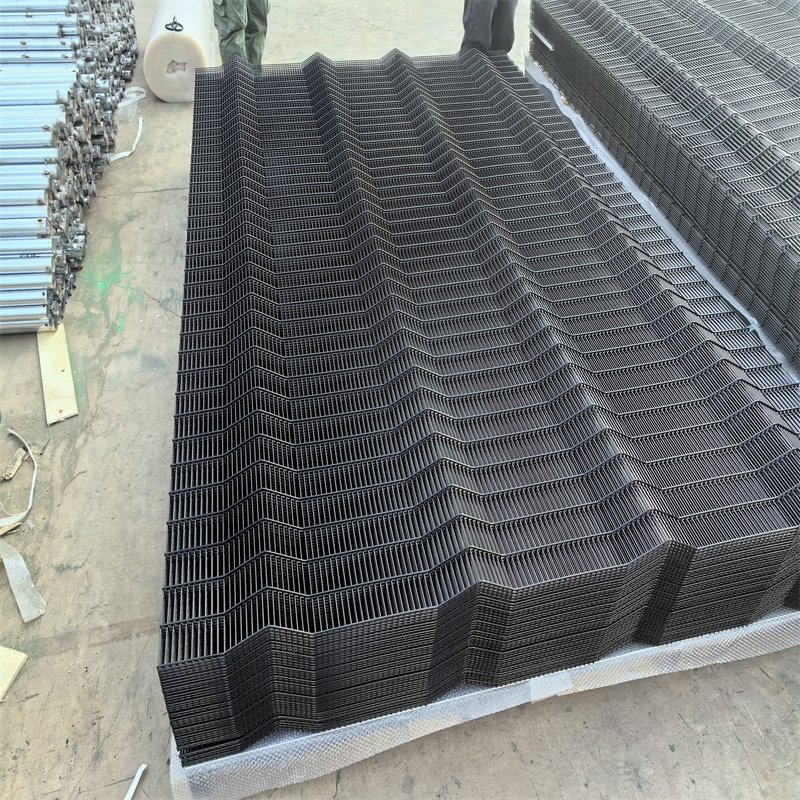
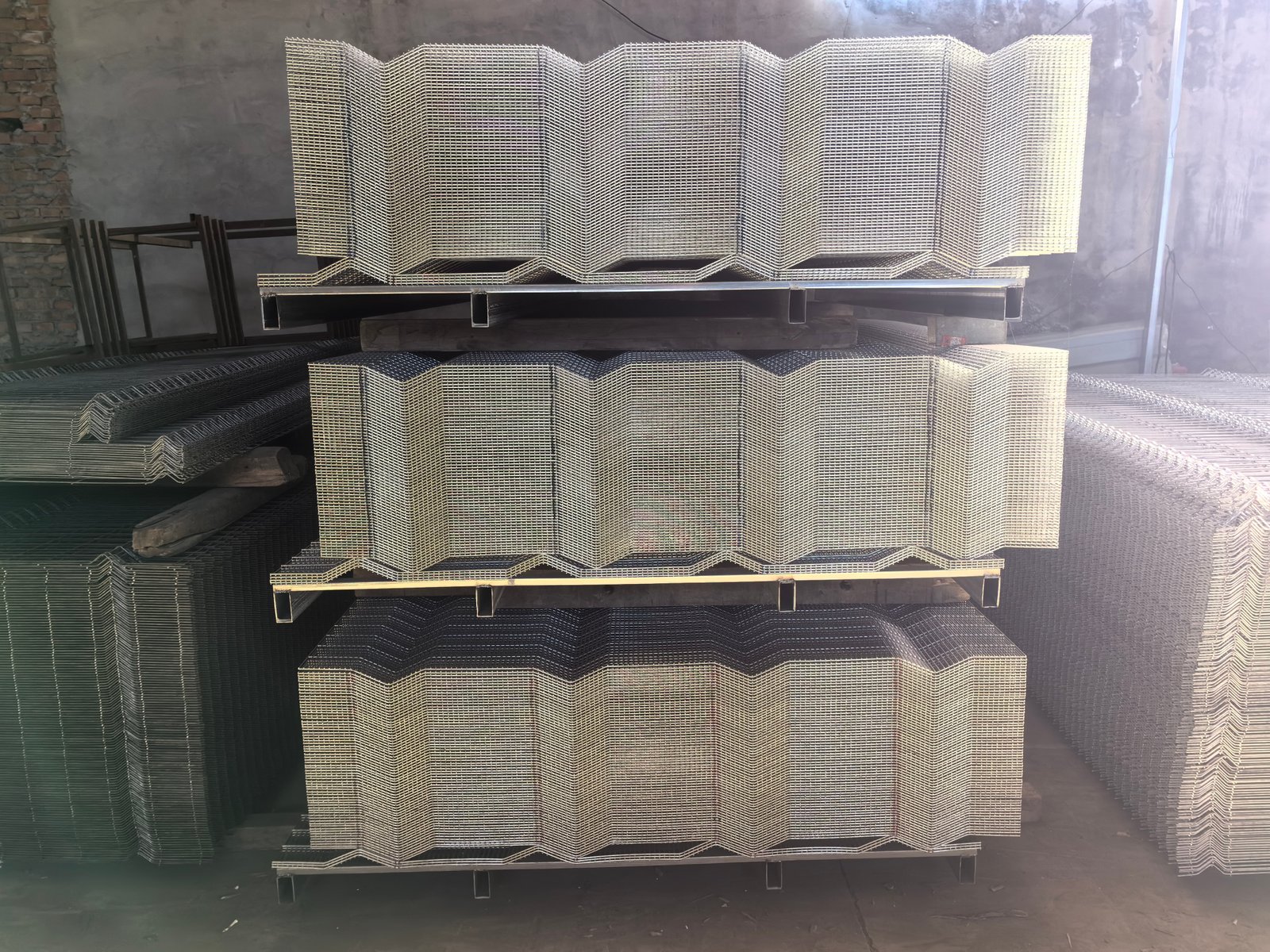
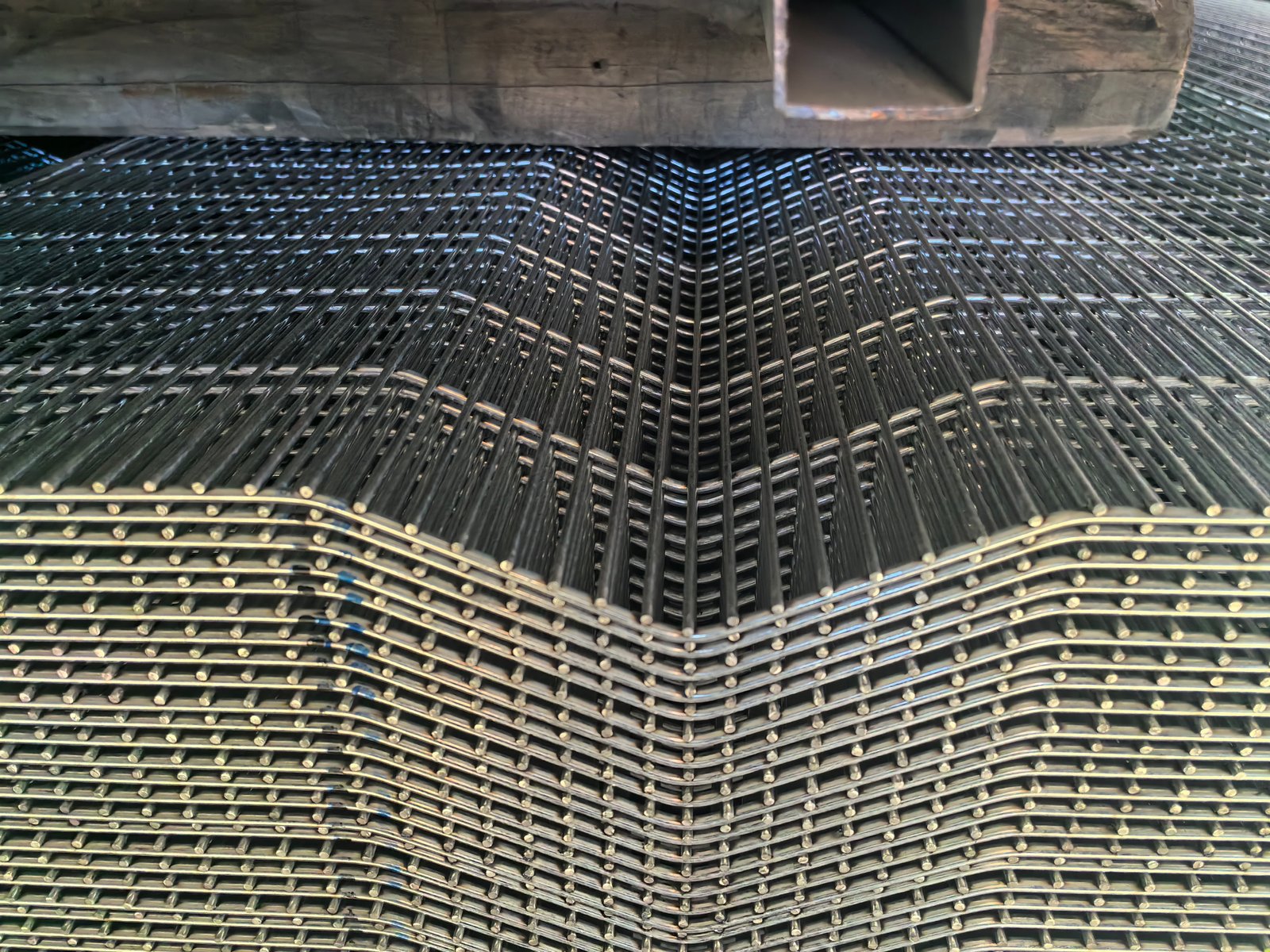
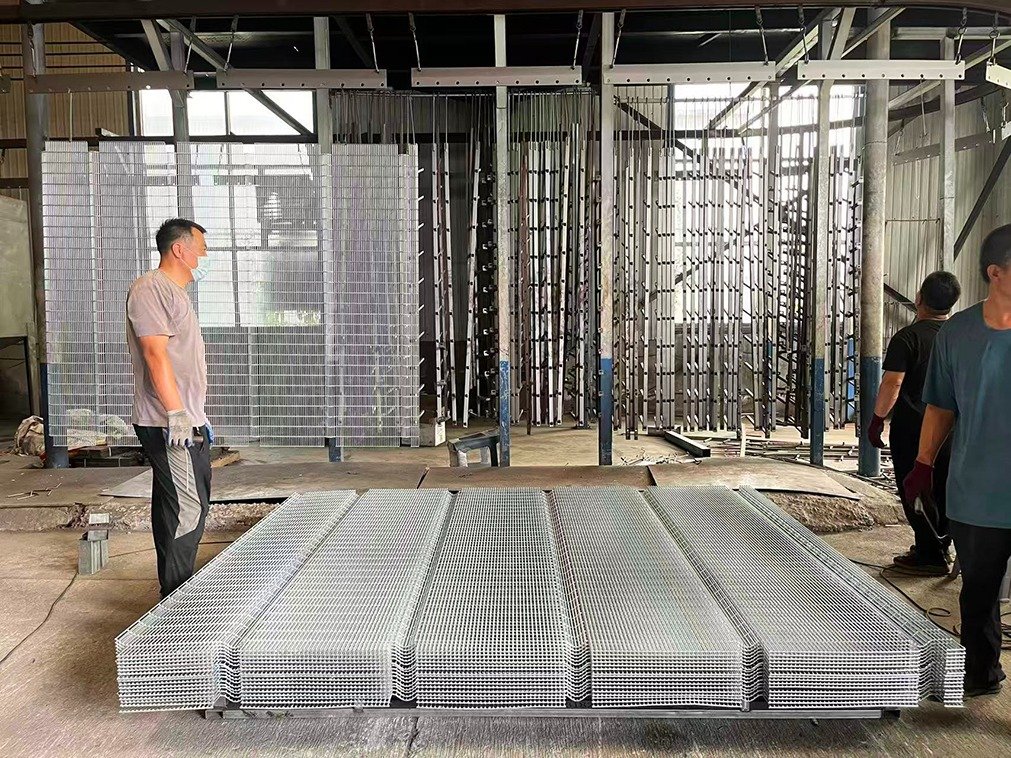
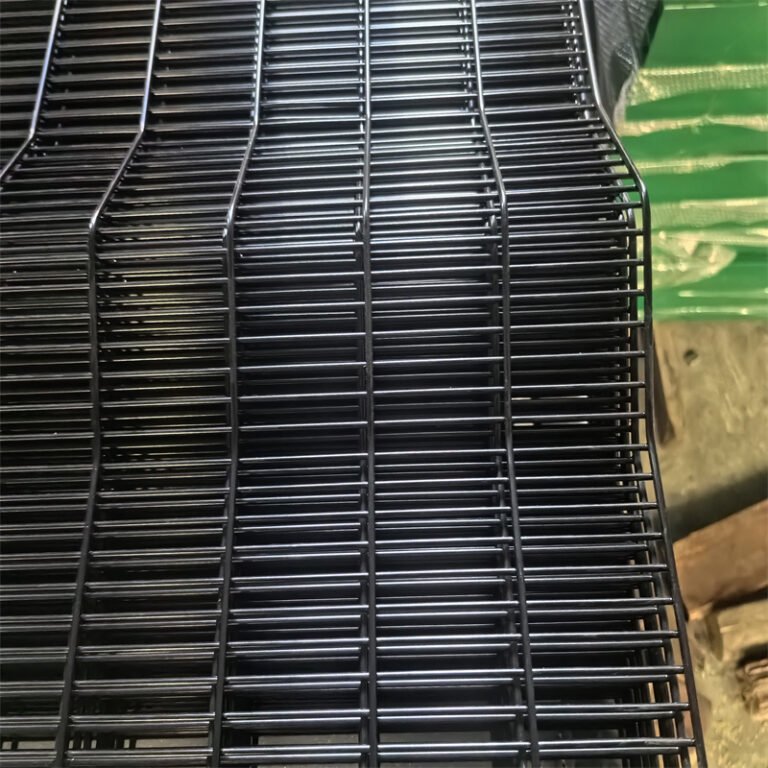
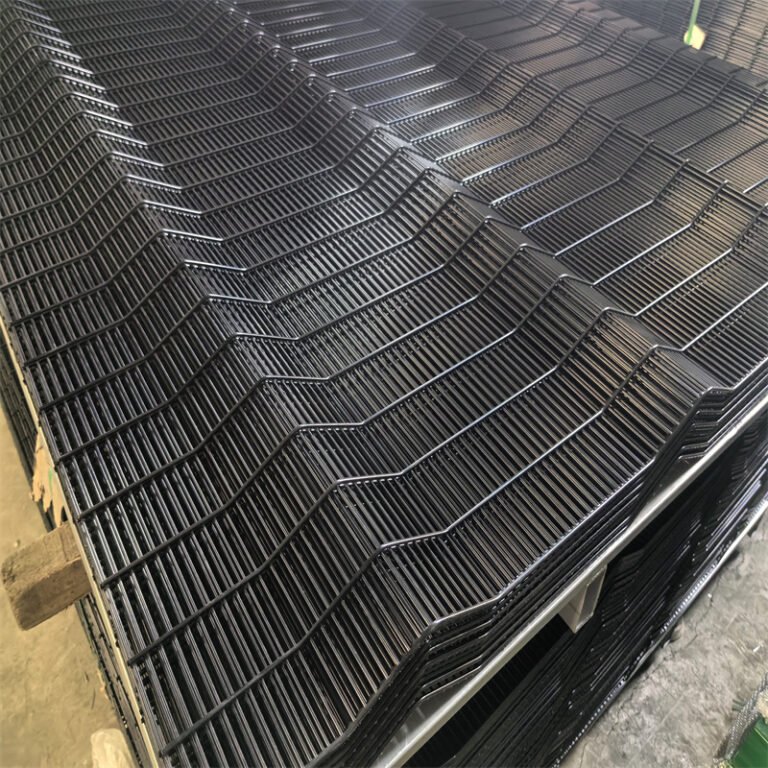
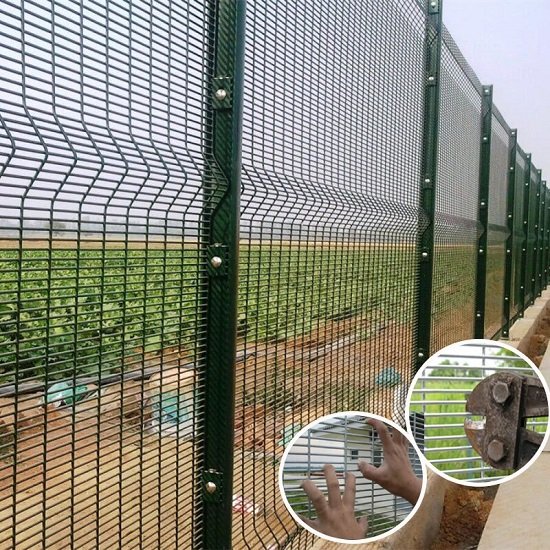
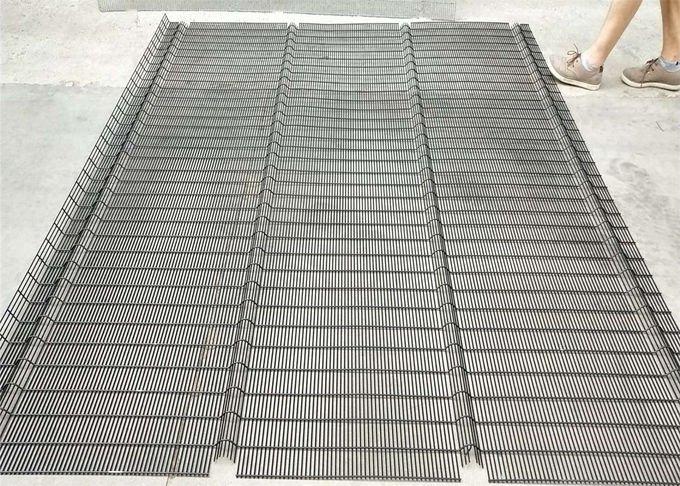
3D panels gain additional stiffness from formed horizontal folds in a welded wire sheet. Many gardens and commercial sites prefer their open appearance and straightforward construction. The folds also change packing depth and clamp placement.
Common 3D Fence Panels use relatively open grid patterns and compatible metal posts. Their V-bends should align with the approved panel elevation. A shorter fence may need fewer folds than a taller version.
The original catalogue mentions Q195 low-carbon wire with corrosion-resistant finishing options. Steel grade still needs purchase-order confirmation. Do not treat an attractive coating as proof of a particular material strength.
3D Folds, Wire Pitch and Panel Rigidity
Three-dimensional bends add geometric stiffness without enclosing the boundary behind solid steel. Actual performance depends on wire diameter, weld quality, and the supporting posts. Wind exposure and site use determine a suitable panel.
The historical source suggests two folds for lower heights and additional folds for taller panels. These are design references rather than a universal rule. Production drawings must identify each fold position and depth.
 |
 |
| 3D fence installation: compare formed ribs, post alignment, and access clearance. |
Factory panel reference: inspect V-bend count and welded grid before finishing. |
Welded Wire Mesh Fencing: Original 3D Specification Options
The original specification records nine mesh-opening alternatives, plus common panel and post dimensions. These figures provide a starting point for product selection. Final tolerances and manufacturing availability require written approval.
| Original 3D Data Field |
Catalogue Options |
| Mesh opening |
50 × 100 / 50 × 150 / 50 × 200 / 55 × 200 / 75 × 150 mm |
| Wire diameter |
3.0 / 3.5 / 4.0 / 4.5 / 5.0 mm |
| Panel heights |
630 / 830 / 1030 / 1230 / 1530 / 1730 / 1830 / 2230 / 2430 mm |
| Panel widths |
2000 / 2500 / 2900 mm |
| Source bend guidance |
Below 1.5 m: 2; above 1.8 m: 3; 2.0–2.4 m: 4, subject to drawings |
| Round post |
Ø48 / Ø60 × 1.5 or 2.0 mm |
| Square post |
50 × 50 / 60 × 60 / 80 × 80 × 1.5 or 2.0 mm |
| Peach post |
50 × 70 / 70 × 100 × 1.0 or 1.2 mm |
| Colours |
Green / grey / white / black / custom RAL |
| Source finish choices |
Hot-dip galvanized / galvanized + powder / PVC / painted |
| Customization |
Subject to approved drawings and practical production quantities |
One original row combines several heights with approximate bend-count rules. Those rules do not define precise rib locations. An approved drawing should resolve heights between the stated ranges.
Which 3D Fence Post Works with the Mesh?
Square and round steel sections support many 3D systems. Peach posts offer another formed profile with matching attachment clips. Post wall thickness must suit the panel and environmental loads.
A Clear View Fence Post may use different clamp geometry from a standard 3D assembly. Verify mounting holes before ordering both components. Substituting a post because its width looks similar can cause installation delays.
Welded Wire Mesh Fencing with 656 and 868 Twin Wire
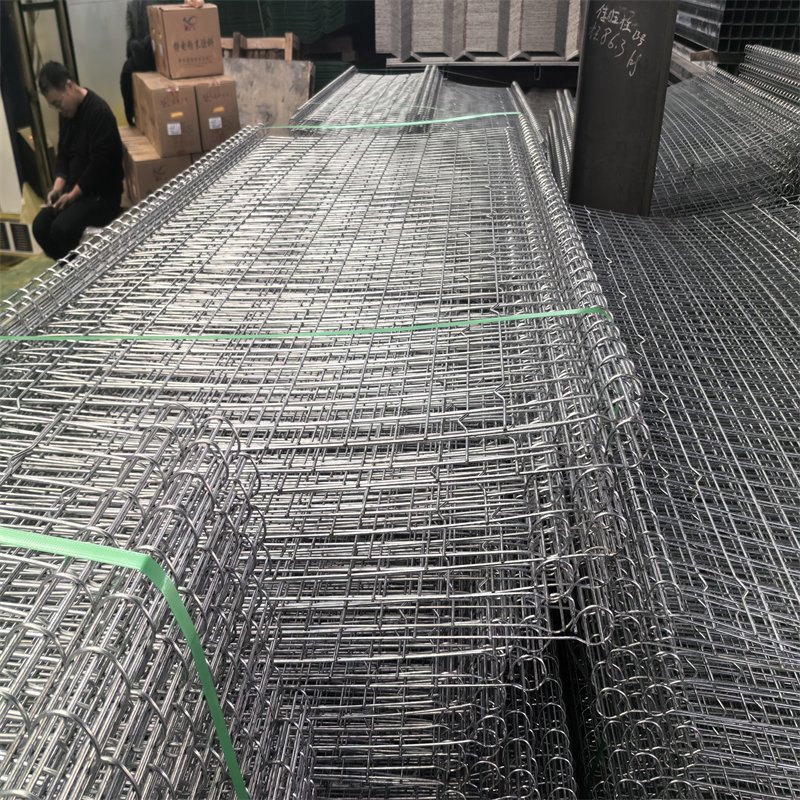
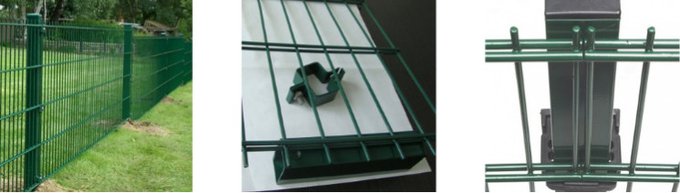
Twin-wire panels reinforce each vertical strand with two horizontal wires. Those paired wires increase steel content and resist everyday panel deformation. Many standard twin-wire designs remain flat rather than using V-bends.
The Double Wire Fence family includes recognizable 656 and 868 constructions. Their names describe wire arrangements rather than complete security ratings. Frame stiffness still depends on supports, connections, and foundations.
Welded Wire Mesh Fencing: Correct 656 and 868 Wire Definitions
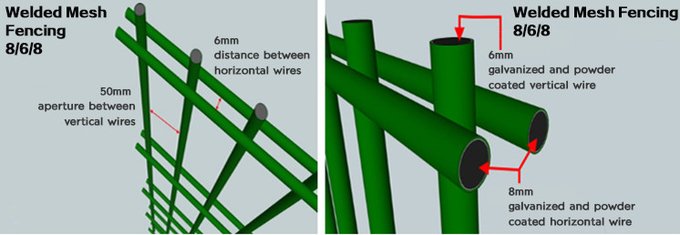
Standard 656 uses two 6 mm horizontal wires and one 5 mm vertical wire. Meanwhile, 868 uses two 8 mm horizontal wires and one 6 mm vertical wire. The original wording mistakenly reverses these dimensions.
Another variant uses two 6 mm horizontal strands with a 4 mm vertical strand. That configuration is not standard 656. Keep each alternative separate on the quotation and manufacturing drawings.
| Model |
Horizontal Wires |
Vertical Wire |
Source or Verification Note |
| 656 / 6-5-6 |
2 × 6 mm |
5 mm |
Commonly recognized twin-wire specification |
| 868 / 8-6-8 |
2 × 8 mm |
6 mm |
Heavier twin-wire specification |
| 6-4-6 alternative |
2 × 6 mm |
4 mm |
Separate variant requiring approval |
 |
 |
| Twin-wire panel reference: observe the paired horizontal reinforcement and steel fittings. |
868 construction diagram: distinguish the 8 mm horizontal strands from the 6 mm vertical wire. |
Original Eleven-Height Twin-Wire Catalogue Schedule
Original Twin-Wire Catalogue Specifications
The following three tables preserve the original panel heights, fold references, width options, and mesh dimensions. Standard flat twin-wire panels may not contain V-bends.
Table 1: 830–1230 mm
| Panel Height (mm) |
V-Bends |
Panel Width Options |
Mesh Size (mm) |
| 830 |
2 |
2000 / 2500 / 3000 / Custom |
50 × 200 / 55 × 200 / 50 × 150 / 55 × 100 / 65 × 200 / Custom |
| 1030 |
2 |
2000 / 2500 / 3000 / Custom |
50 × 200 / 55 × 200 / 50 × 150 / 55 × 100 / 65 × 200 / Custom |
| 1230 |
2 |
2000 / 2500 / 3000 / Custom |
50 × 200 / 55 × 200 / 50 × 150 / 55 × 100 / 65 × 200 / Custom |
Table 2: 1430–1730 mm
| Panel Height (mm) |
V-Bends |
Panel Width Options |
Mesh Size (mm) |
| 1430 |
3 |
2000 / 2500 / 3000 / Custom |
50 × 200 / 55 × 200 / 50 × 150 / 55 × 100 / 65 × 200 / Custom |
| 1530 |
3 |
2000 / 2500 / 3000 / Custom |
50 × 200 / 55 × 200 / 50 × 150 / 55 × 100 / 65 × 200 / Custom |
| 1630 |
3 |
2000 / 2500 / 3000 / Custom |
50 × 200 / 55 × 200 / 50 × 150 / 55 × 100 / 65 × 200 / Custom |
| 1730 |
3 |
2000 / 2500 / 3000 / Custom |
50 × 200 / 55 × 200 / 50 × 150 / 55 × 100 / 65 × 200 / Custom |
Table 3: 1830–2430 mm
| Panel Height (mm) |
V-Bends |
Panel Width Options |
Mesh Size (mm) |
| 1830 |
3 / 4 |
2000 / 2500 / 3000 / Custom |
50 × 200 / 55 × 200 / 50 × 150 / 55 × 100 / 65 × 200 / Custom |
| 2030 |
4 |
2000 / 2500 / 3000 / Custom |
50 × 200 / 55 × 200 / 50 × 150 / 55 × 100 / 65 × 200 / Custom |
| 2230 |
4 |
2000 / 2500 / 3000 / Custom |
50 × 200 / 55 × 200 / 50 × 150 / 55 × 100 / 65 × 200 / Custom |
| 2430 |
4 |
2000 / 2500 / 3000 / Custom |
50 × 200 / 55 × 200 / 50 × 150 / 55 × 100 / 65 × 200 / Custom |
Available post styles include square, rectangular, round, peach, I-shaped, and D-shaped profiles. Installation options include buried posts and flanged base plates. Surface finishes include hot-dip galvanizing, PVC coating, and powder coating.
Source post styles include square, rectangular, round, peach, I-shaped, and D-shaped options. Its installation choices include buried posts and flanged base plates. The original table also offers galvanized, PVC-coated, and powder-coated finishes.
Welded Wire Mesh Fencing for Sports and Industrial Traffic
Twin-wire panels suit sites expecting routine contact with balls, equipment, or nearby pedestrian traffic. More steel does not automatically establish an independently tested impact rating. Assess the intended load and post spacing.
Sports courts may require smaller apertures to contain particular balls. Factory yards also need protection around forklift routes. Independent barriers can protect exposed posts from vehicle impacts.
358 Security Mesh: Narrow Openings for Restricted Sites
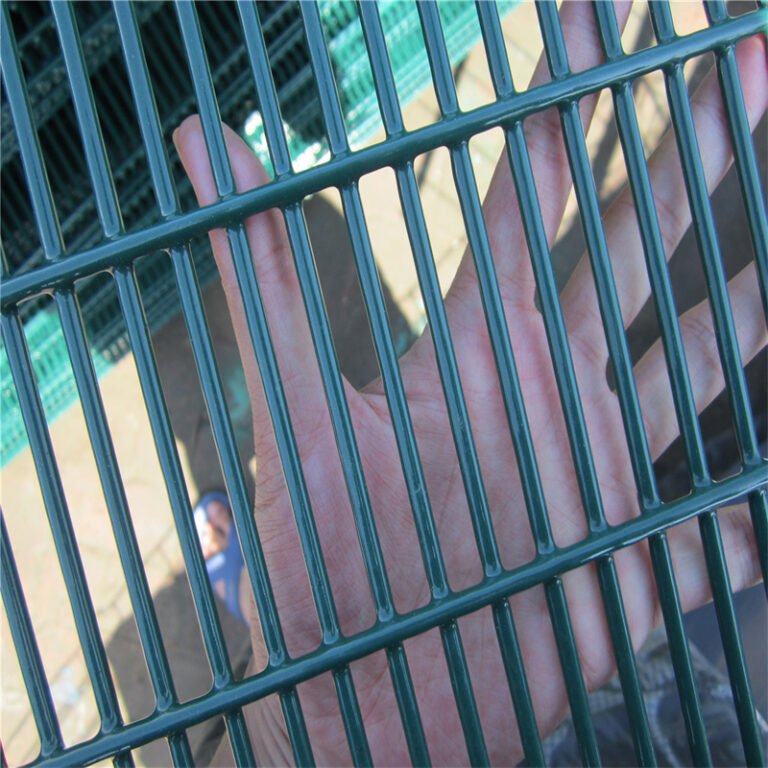
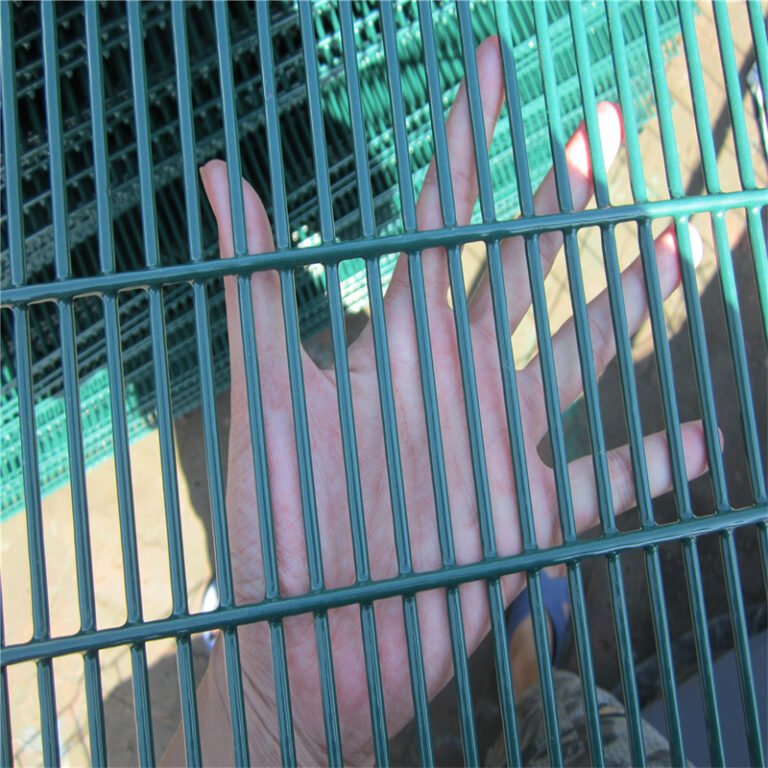
The name 358 refers to three-inch by half-inch spacing with approximately eight-gauge wire. Metric references commonly use 76.2 × 12.7 mm centres and roughly 4 mm steel. These figures define a grid rather than a certified security level.
A 358 Mesh Fence restricts convenient handholds through closely spaced horizontal wires. Guards retain useful sightlines through much of the boundary. Actual attack resistance depends on welds, supports, tools, and access points.
Welded Wire Mesh Fencing: 358 Source Specification Table
| 358 Reference Item |
Original Catalogue Value |
| Mesh spacing |
12.7 × 76.2 mm; confirm centre-to-centre orientation |
| Wire diameter |
3.0 / 3.5 / 4.0 mm |
| Catalogue height |
1200–6000 mm; common 2000 / 2400 / 3000 mm |
| Catalogue width |
2000–3000 mm; common 2000 / 2200 / 3000 mm |
| SHS post |
60 × 60 / 80 × 80 mm; wall 2.0 / 2.5 / 3.0 mm |
| RHS post |
40 × 60 / 40 × 80 / 60 × 80 / 80 × 100 mm; wall 2.0 / 2.5 / 3.0 mm |
| Finish |
Hot-dip galvanized / galvanized + powder / galvanized + PVC |
| Colours |
RAL 6005 green / RAL 7016 grey / custom RAL |
| Special sizes |
Subject to engineering, drawings and manufacturing confirmation |
The source gives a broad upper height of 6000 mm. Such oversized panels need engineering, handling, and transport review. Do not interpret that catalogue maximum as ordinary stocked material.
Welded Wire Mesh Fencing for Security Without Solid Walls
Close-mesh panels suit controlled sites needing a visible boundary. Cameras still require proper angles, lighting, and unobstructed approaches. Nearby containers or trees can create blind spots despite the open grid.
The Anti Climb Fence format can discourage climbing, but no fence guarantees absolute protection. Buyers considering High Security Clearvu Fencing should request tested assembly evidence. Gates, foundations, and response procedures remain important.
Welded Wire Mesh Fencing: Factory Processes and Weld Quality
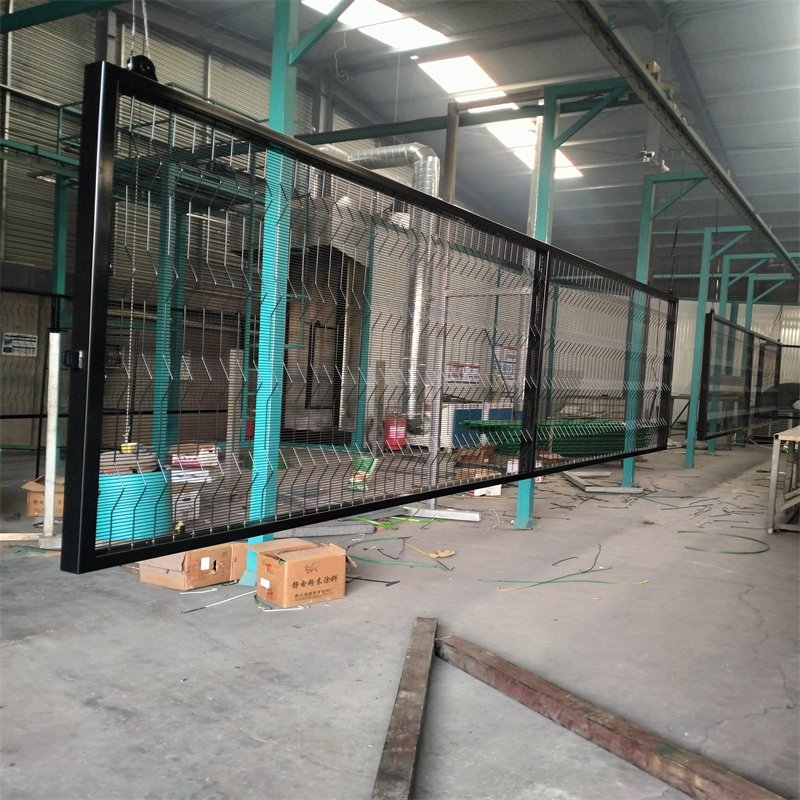
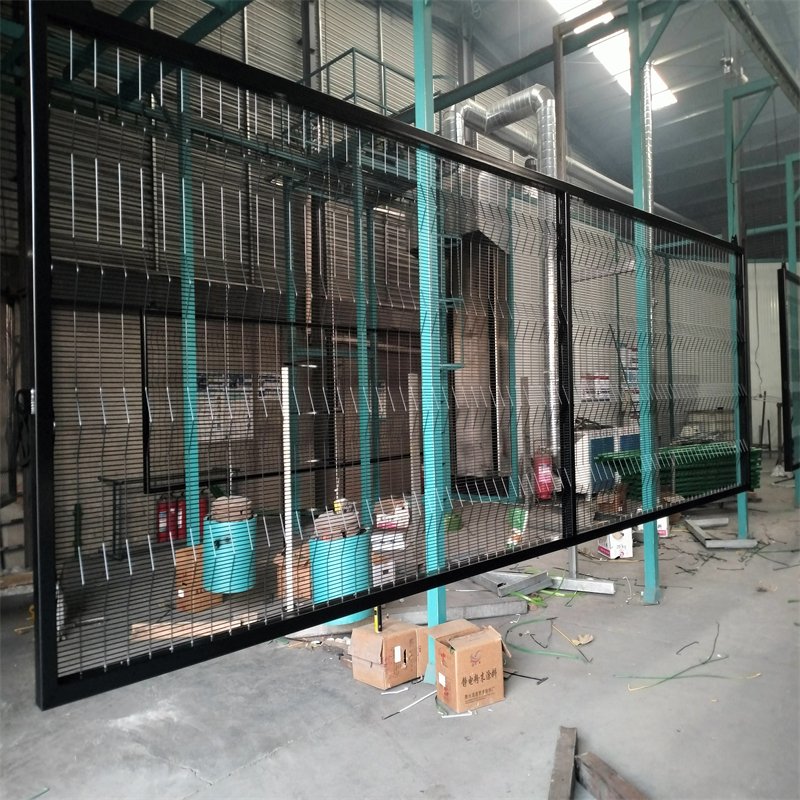
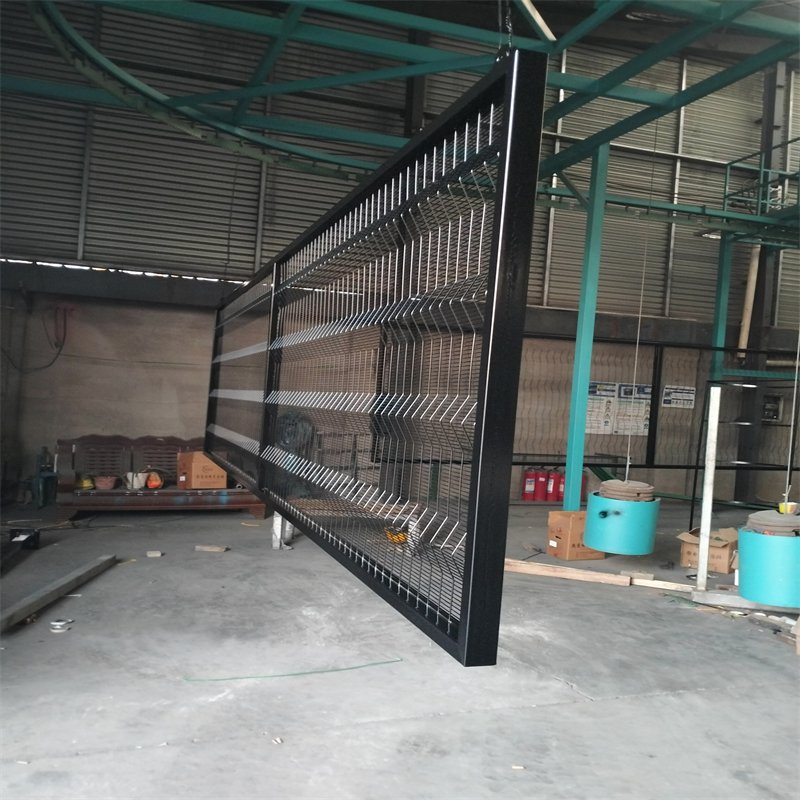
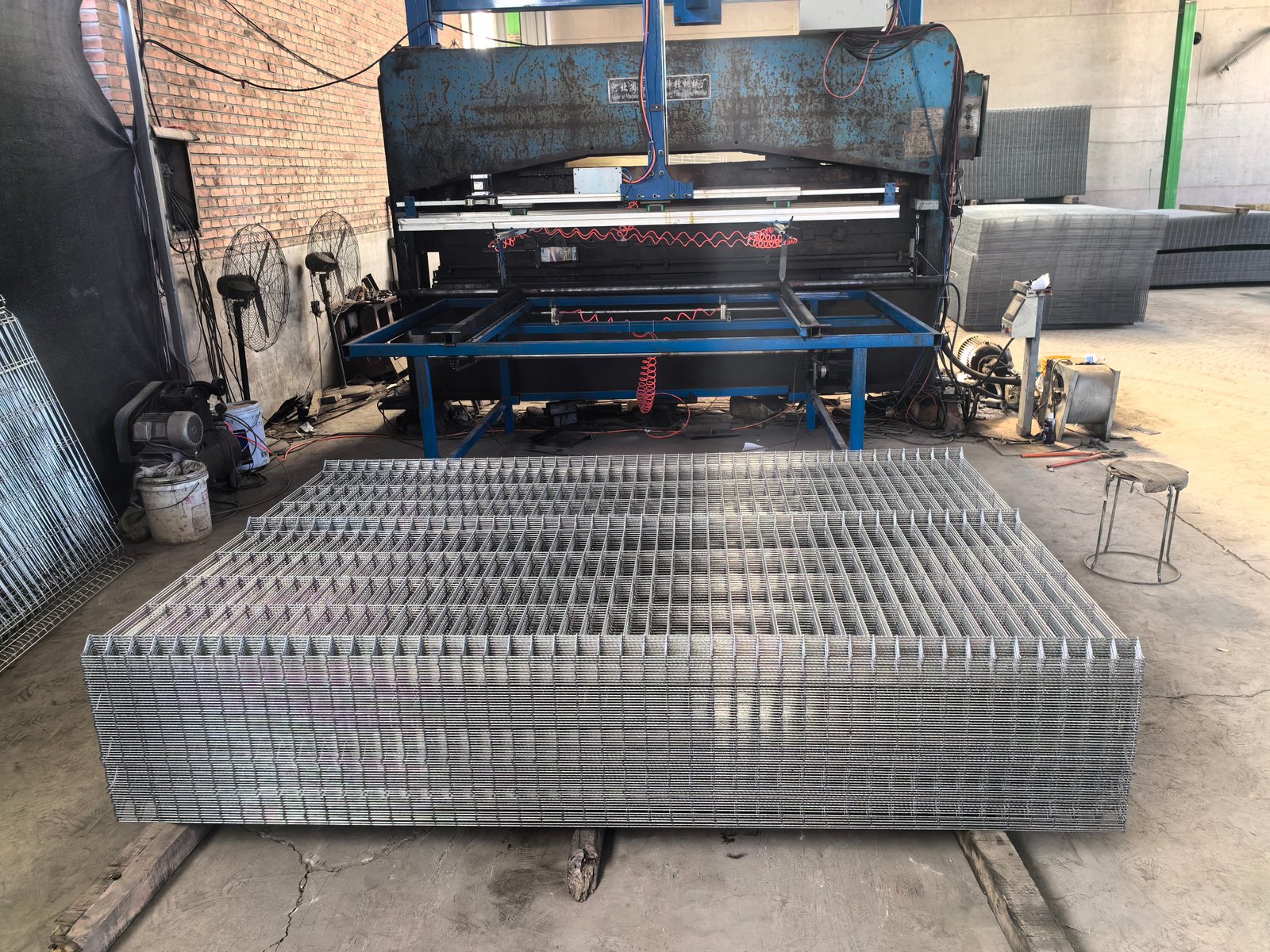
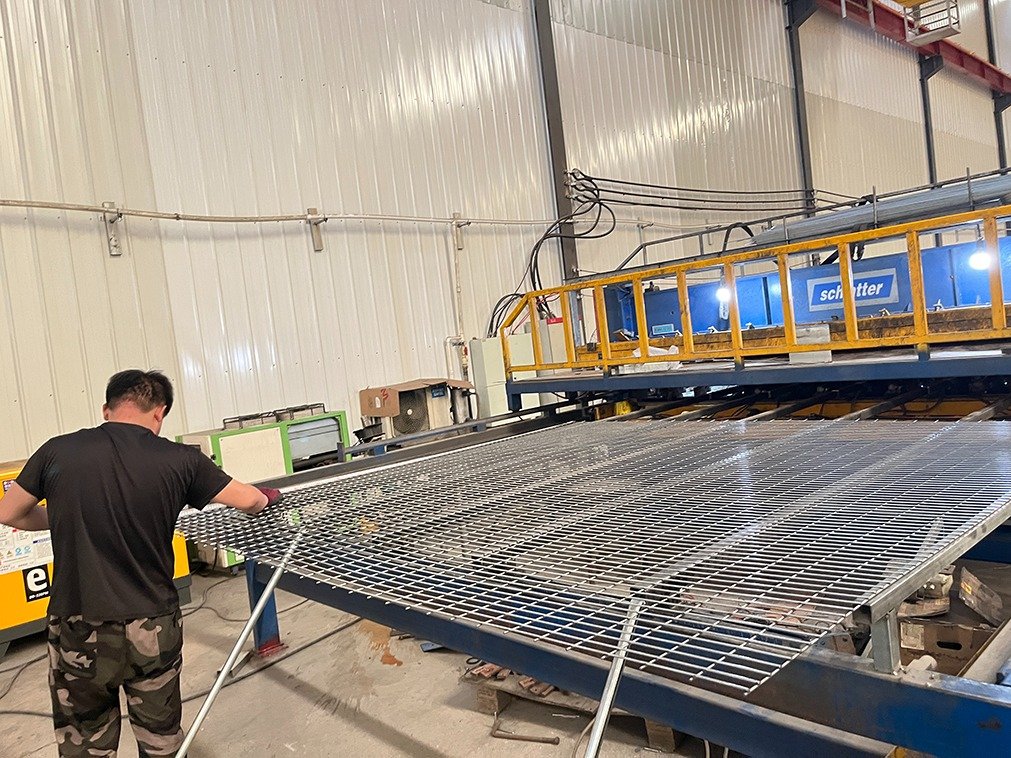
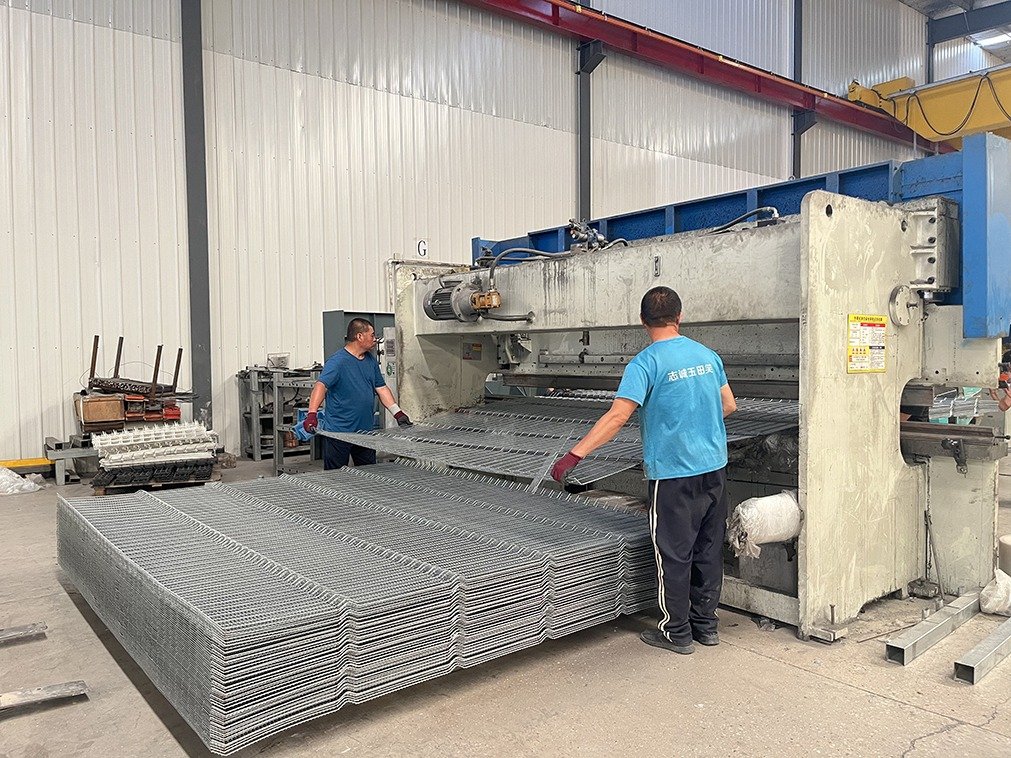
Manufacturers typically straighten wire, cut it, weld intersections, and trim the finished sheet. Forming machines add bends where the selected design requires them. Protective coating follows the approved manufacturing route.
Welding parameters influence joint consistency and panel distortion. Quality teams should inspect cracked welds, squareness, dimensions, and sharp edges. Batch records should identify tested products rather than generic catalogue claims.
How to Inspect Wire Diameter and Mesh Pitch
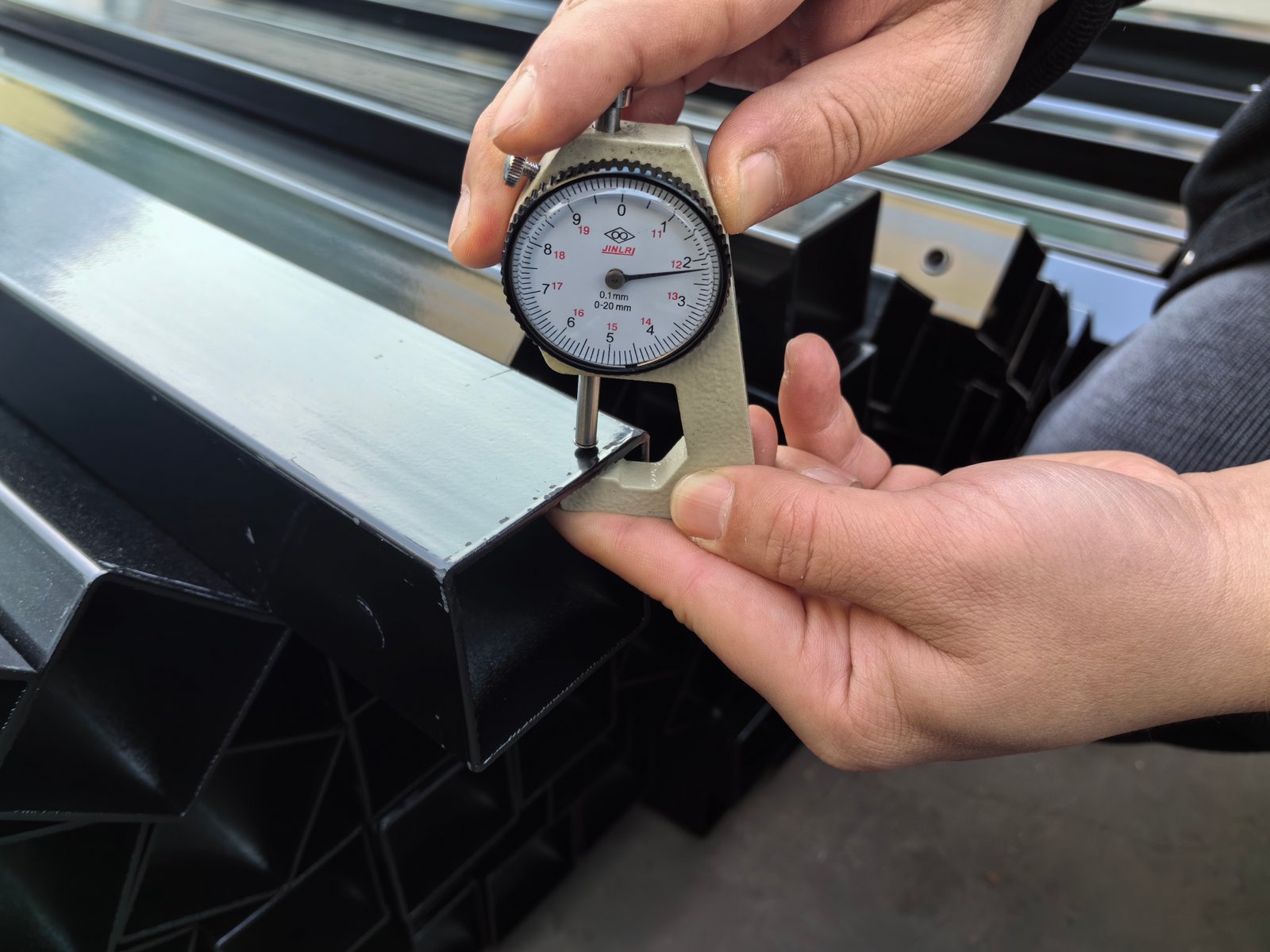
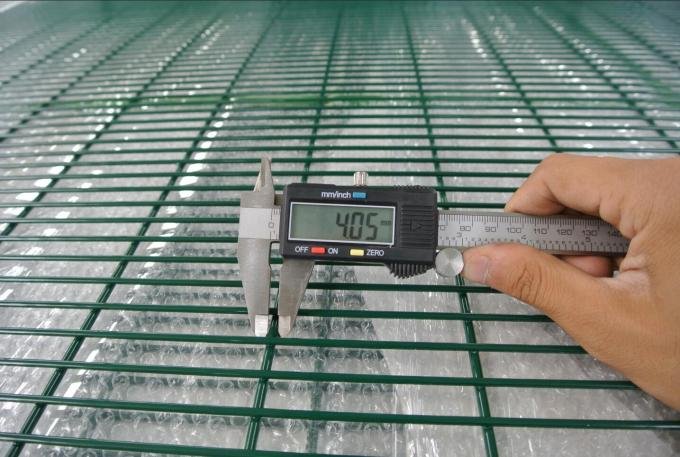
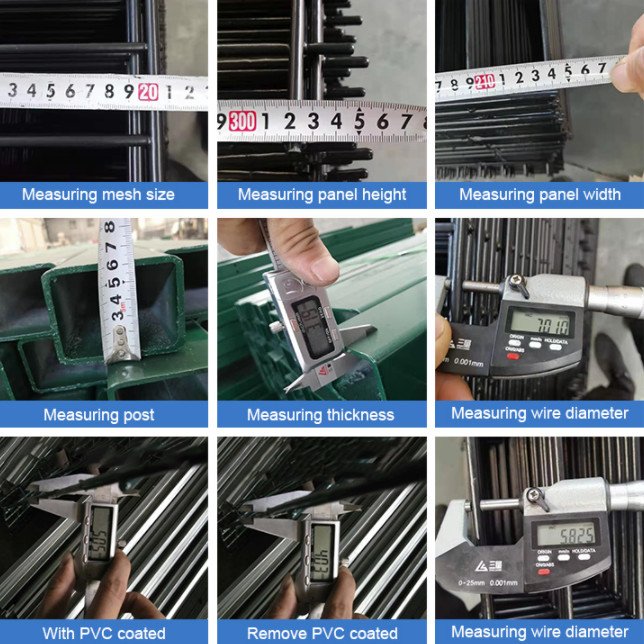
A measuring tool should identify each specified wire diameter. Inspectors also need to verify horizontal and vertical centre spacing separately. Nominal pitch does not equal the remaining clear opening.
For example, a 12.7 mm pitch with 4 mm crossing wire leaves approximately 8.7 mm before coating. The other mesh direction needs its own calculation. A photo alone cannot demonstrate dimensional compliance.
 |
 |
| Wire diameter inspection: compare actual steel measurements with approved tolerances. |
Factory checks: measure pitch, panel size, profile sections, and coated wire dimensions. |
Welded Wire Mesh Fencing Quality Records
Factory acceptance should follow an agreed inspection plan. The record should identify wire grade, gauge, weld integrity, coating, and hardware fit. Special security ratings need independent evidence where the contract demands them.
Inspect a representative assembled bay before packing. A correctly welded sheet can still fail to fit incompatible posts. Sample assembly helps detect mismatched hole locations.
Protective Finishes for Different Steel Fence Designs
Galvanizing supplies metallic zinc protection, while compatible polymer finishes add colour and another environmental barrier. Welding pre-galvanized wire differs from hot-dip galvanizing a suitable fabricated assembly. Buyers should specify their selected route clearly.
A Powder Coated Clear View Fence uses a coating schedule that may differ from ordinary 3D panels. Zinc protection and paint thickness require separate inspection. RAL colour alone cannot prove resistance to corrosion.
Welded Wire Mesh Fencing for Coastal and Inland Sites
Durban and Cape Town coastal locations can experience salt-bearing air and persistent moisture. Inland Gauteng yards face other combinations of dust, industrial deposits, and seasonal rainfall. Select finishing through actual exposure conditions.
Damaged bolt holes, welded edges, and post bases deserve inspection in both environments. Coatings require maintenance and approved repairs. No single lifespan fits every climate.
Post-Coating Repairs and Routine Maintenance
Scratches can expose steel to corrosion, especially around moving gates. Zinc provides sacrificial protection but cannot physically regrow removed coating. Significant damage needs a suitable repair procedure.
Regular inspections should address loosened bolts and drainage around posts. Track cleaning also helps sliding gate movement. Record maintenance for warranty and replacement planning.
Welded Wire Mesh Fencing Posts, Accessories and Gate Interfaces
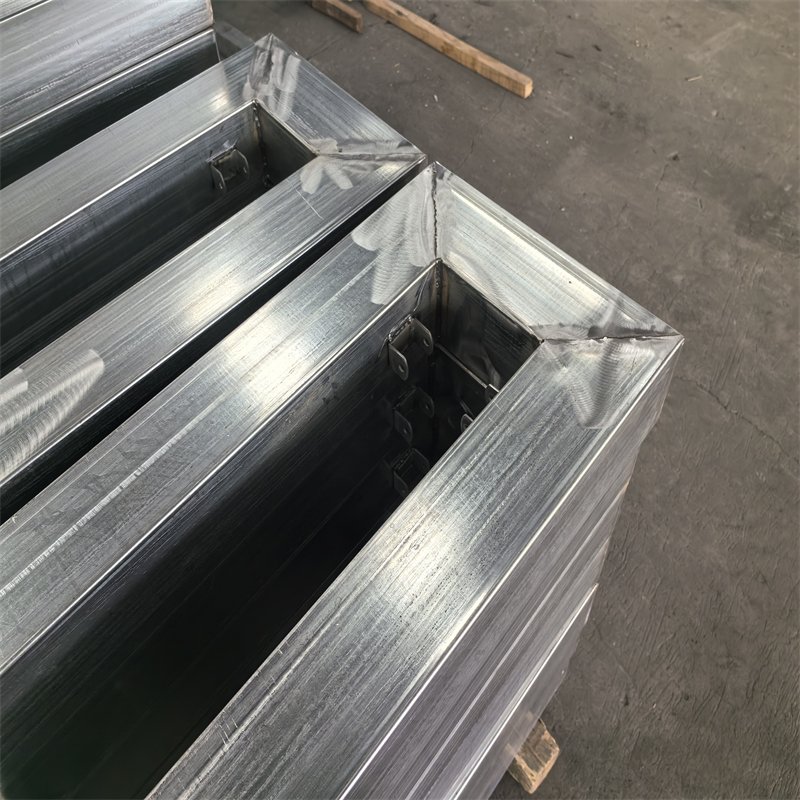
Supporting posts transfer fence loads to the ground or a suitably engineered base. Section choice depends on panel height, site exposure, and attachment geometry. Corners and gate supports may require stronger profiles.
Compatible Clearvu Fence Clamps help secure selected mesh systems against their posts. The chosen clip must match wire shape and steel section. Do not assume one clamp fits every product family.
Original Post and Fitting Options
The source describes multiple steel support families with individual wall thickness options. Its old square-tube group also includes rectangular sections. The corrected labels below preserve the original dimensional values.
| Post Family |
Original Section |
Source Wall Thickness |
Source Description |
| RHS, source square-tube group |
40 × 60 mm |
1.2–2.0 mm |
Original Common |
| SHS |
50 × 50 mm |
1.2–2.0 mm |
Common |
| SHS |
60 × 60 mm |
1.2–2.5 mm |
Common |
| RHS |
60 × 80 mm |
2.0–2.5 mm |
Original Strong |
| I-profile |
70 × 44 mm |
1.2–2.0 mm |
Common |
| Round tube |
Ø48 mm |
1.0–3.0 mm |
Common |
| Round tube |
Ø60 mm |
1.0–3.0 mm |
Original Strong |
| Peach post |
50 × 70 mm |
1.2 mm |
Common |
| Peach post |
70 × 100 mm |
1.2 mm |
Original Strong (truncated label) |
Historically, the source labels 40 × 60 and 60 × 80 mm as square tubing. Those sections actually have rectangular cross-sections. Project drawings should distinguish SHS from RHS clearly.
Welded Wire Mesh Fencing with Buried or Base-Plated Posts
Buried posts require suitable embedment and concrete design. Base plates need compatible anchors and a sound supporting slab. Neither option has a universal foundation size.
A Clearvu Fence Installation Guide covers general setting-out and attachment stages. Local engineers should verify soil, wind, and impact requirements. The survey should also identify underground services.
Pedestrian, Swing and Sliding Gate Connections
Every entrance interrupts the repeating panel layout and creates its own loads. A Clear View Fence Gate can use compatible welded mesh infill. Engineers must confirm the frame, hinges, locks, and support posts.
Powered entrances require appropriate safety protection and emergency release planning. Vehicle gates also need sufficient turning and travel space. Foot traffic should remain clear of moving equipment.
Estimating Panels, Posts and Fixings Before Quotation
A reliable materials schedule starts with measured site length, planned gates, and actual post-centre spacing. Nominal panel width can differ from installed bay dimensions. Corners, slopes, and special closures change final quantities.
For a straight 100 m run using 2.5 m bays, preliminary quantities equal 40 panels and 41 posts. This assumes no gate, overlap adjustment, or corner. Actual clamp totals must follow the selected mounting drawing.
| Takeoff Item |
Calculation Basis |
Illustrative Quantity |
| Measured straight run |
100 m |
100 linear metres |
| Assumed installed bay |
2.5 m |
Confirm against drawings |
| Panels |
100 ÷ 2.5 |
40 panels |
| Posts |
40 + 1 |
41 posts |
| Clamps and bolts |
Connection drawing |
To confirm |
| Gates and corner posts |
Site layout |
To confirm |
Welded Wire Mesh Fencing on Sloping Ground
Rigid panels cannot freely follow every change in slope. Stepped bays may create additional bottom openings at certain locations. Custom closing pieces can address those transitions where necessary.
Drainage must remain functional around foundations and tracks. Avoid unplanned field cutting of finished steel. Approved repair procedures should cover any authorized modifications.
Export Packing: Panels, Posts and Accessory Cartons
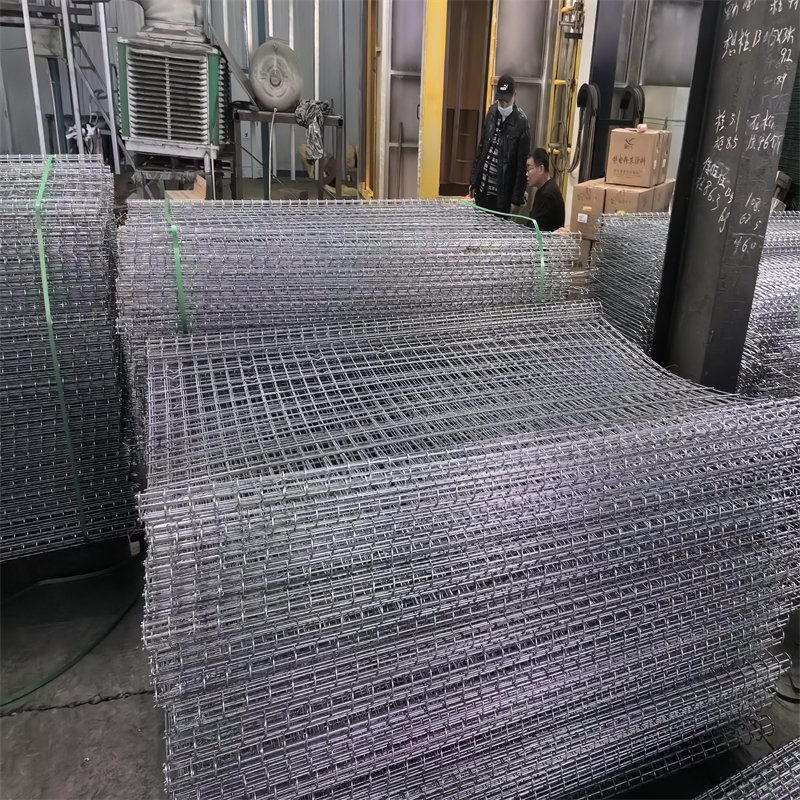
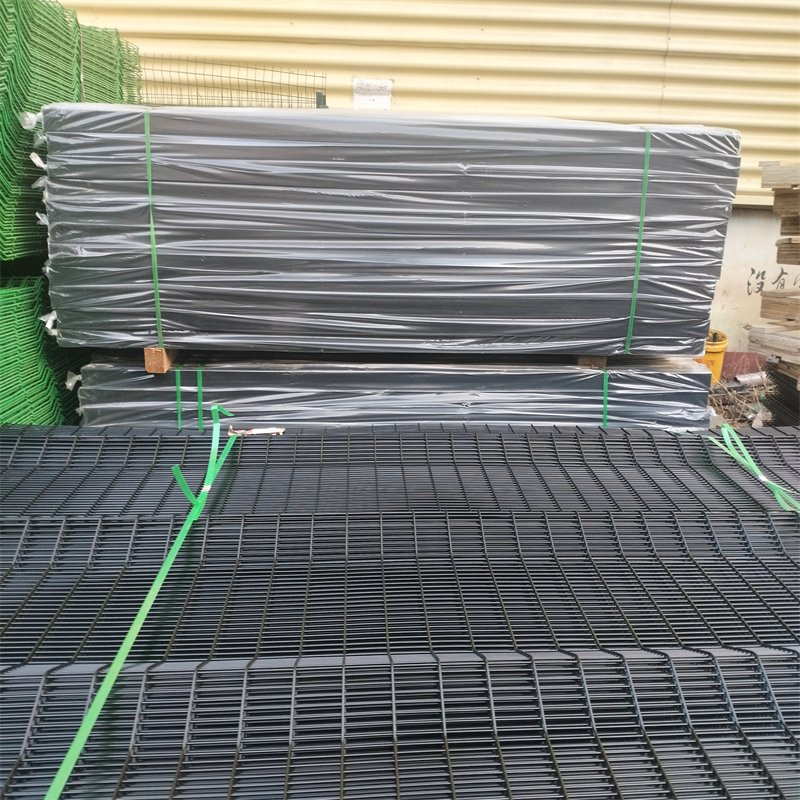
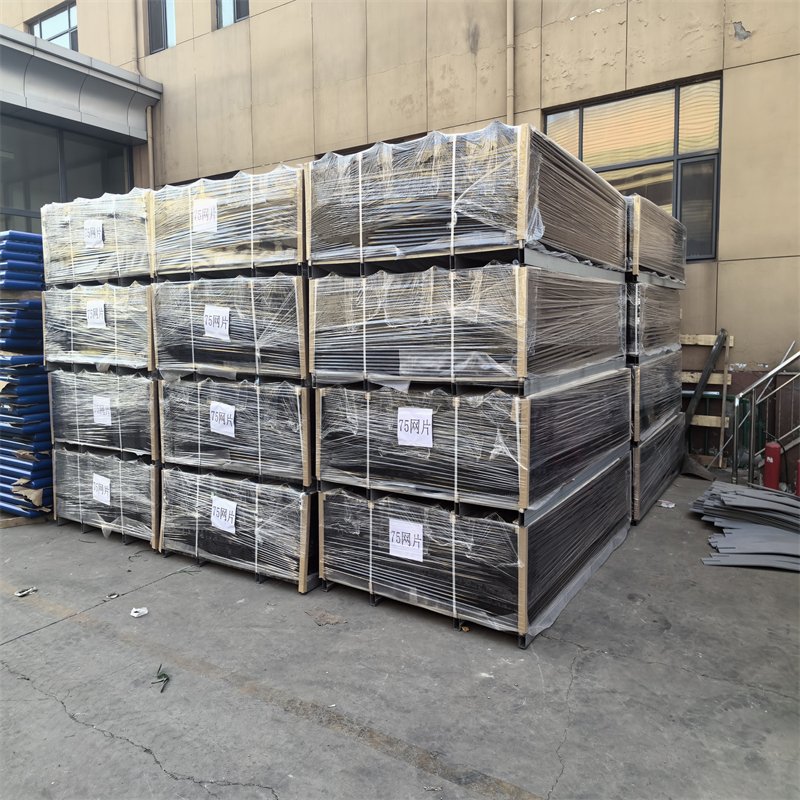
The original source lists pallets, bundles, cartons, and rolls as possible packing forms. Rigid welded panels normally travel on protected stillages or secure pallets. Flexible Welded Wire Mesh rolls form a separate product category.
Woven chain-link fencing also travels in rolls but does not contain welded intersections. Do not classify chain-link rolls as welded wire mesh. Packaging should reflect the actual manufacturing format.
Welded Wire Mesh Fencing: Export Pallet Protection
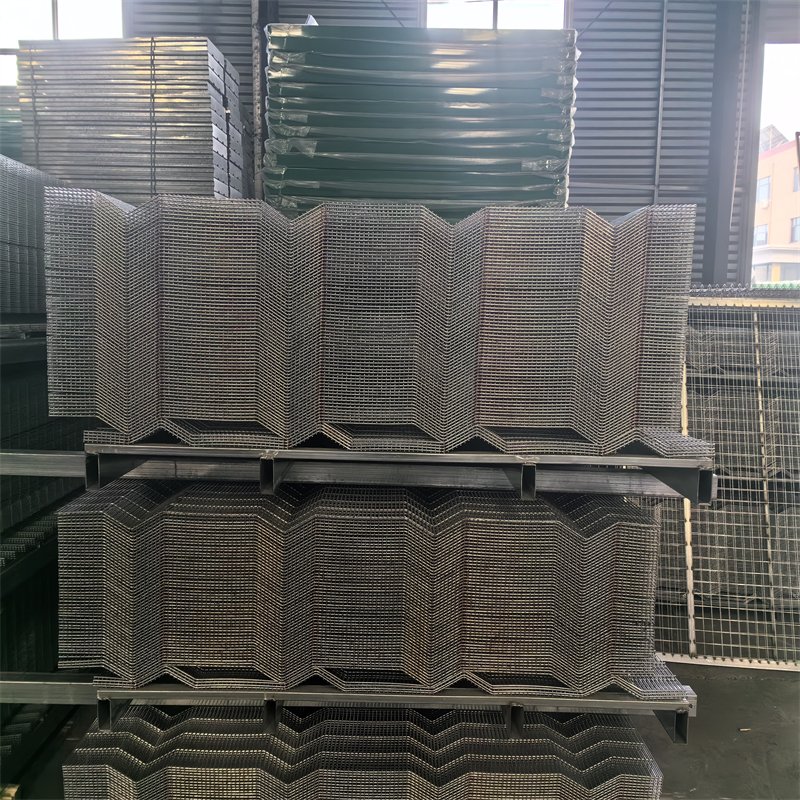
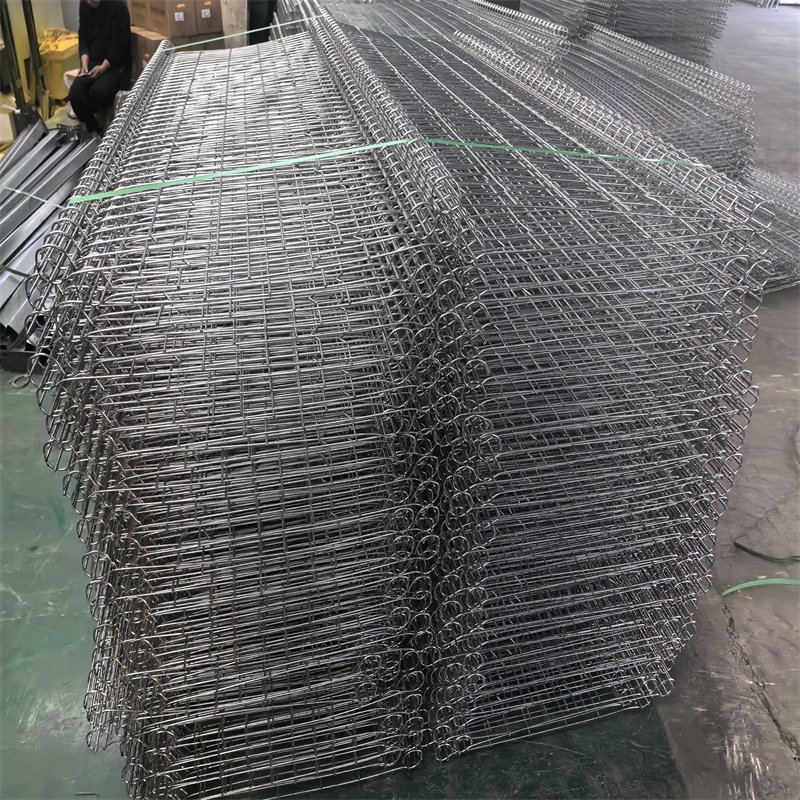
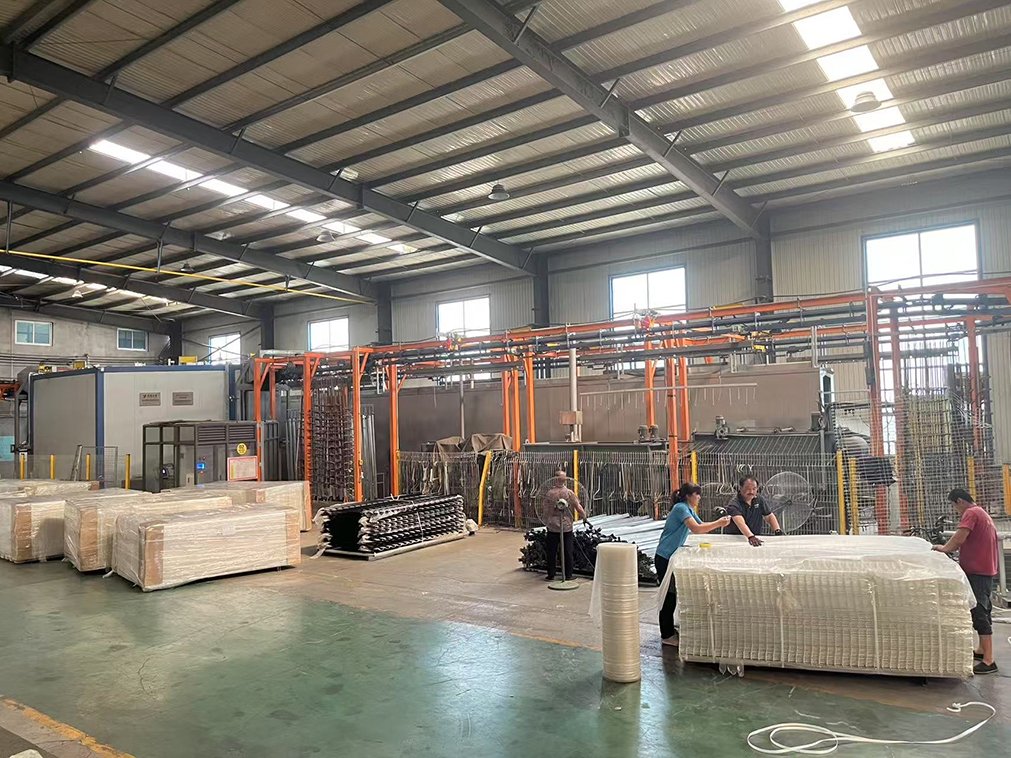
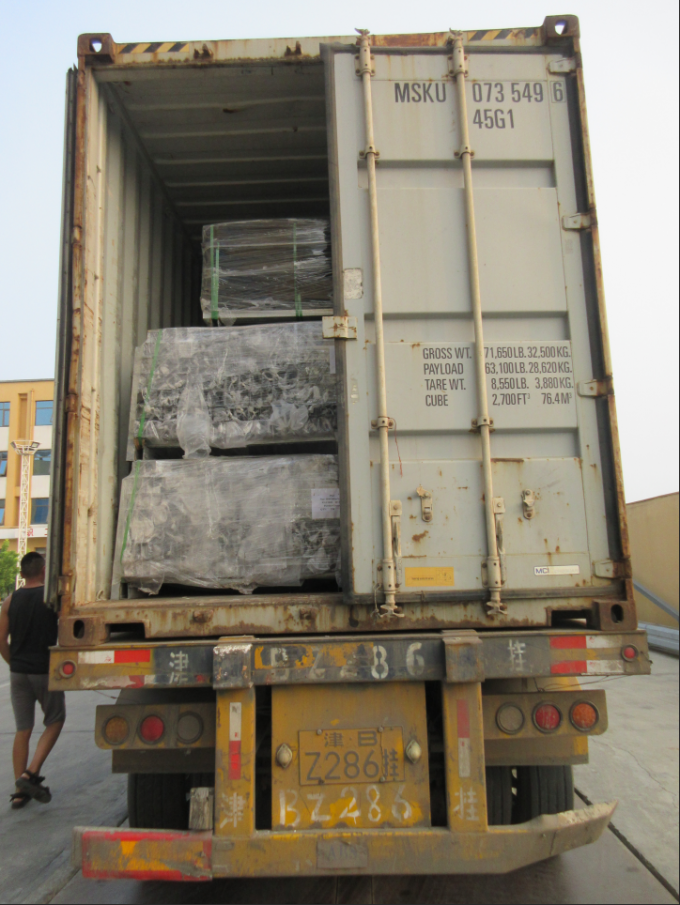
Protective separators help prevent coated panels from rubbing together during transport. Corner guards reduce concentrated strap pressure. Sturdy stillages should support the verified pallet weight and lifting method.
Post caps, bolts, nuts, and clamps need clear package labels. Final packing lists should identify component counts and actual weights. Photographs can document loading condition before shipment.
 |
 |
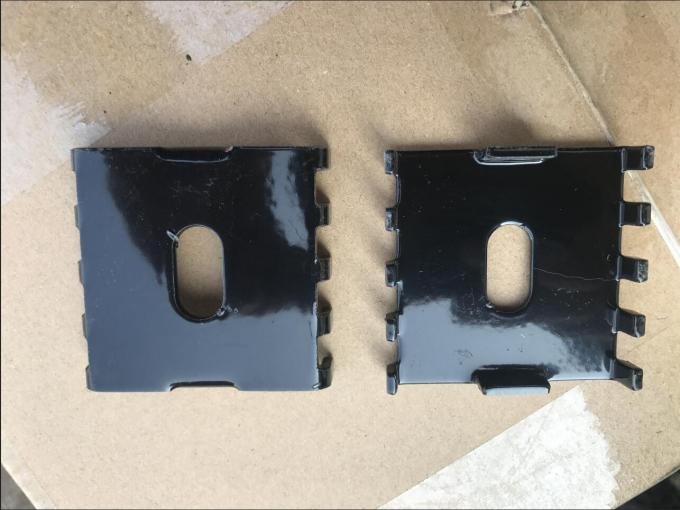
| Accessory detail: verify plate dimensions, hole alignment, and protective coating. |
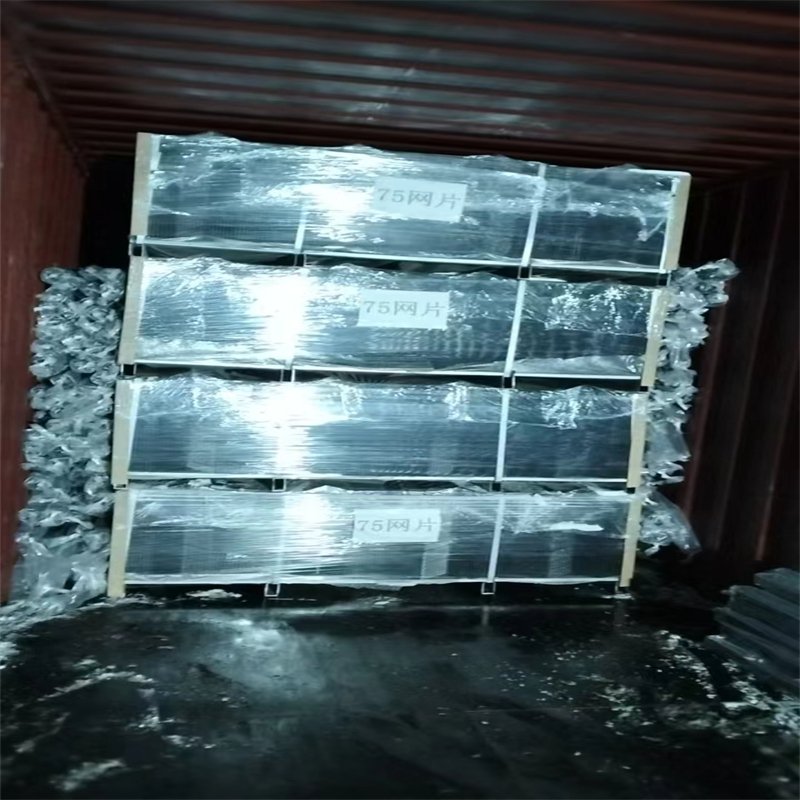
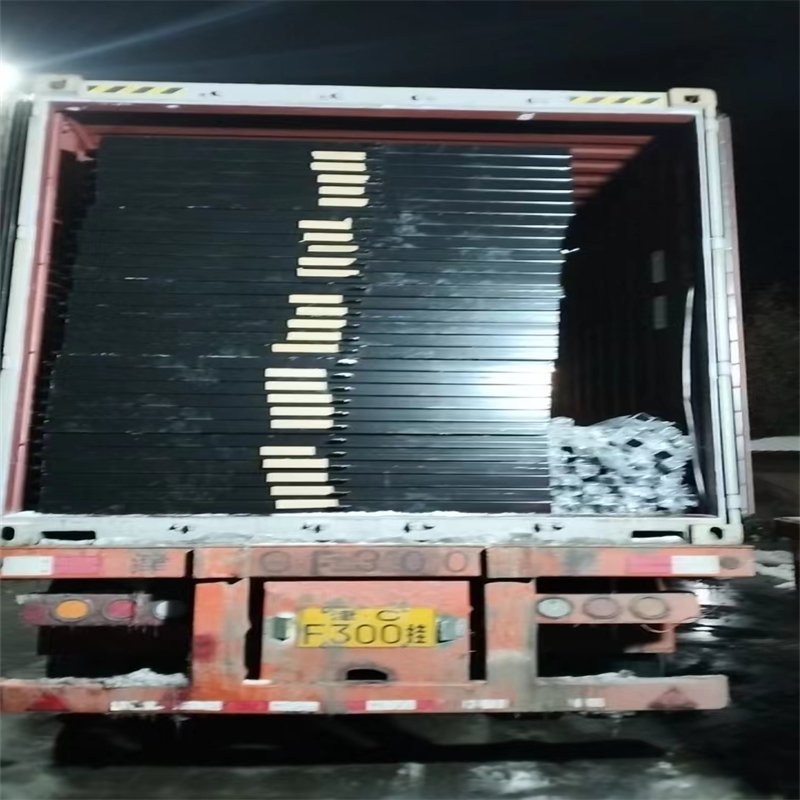
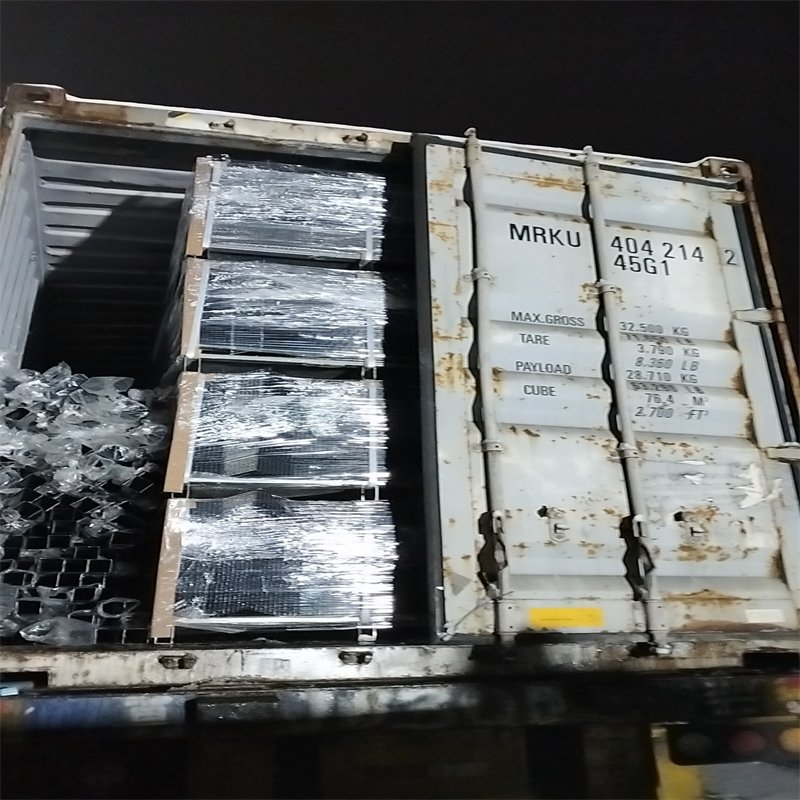
Container loading: confirm pallet restraint, cargo weight, and matching package records. |
Welded Wire Mesh Fencing for Different Project Environments
Schools and parks may favour visible 3D panels with practical pedestrian access. Factory yards often choose reinforced sections around busy operating areas. Higher-risk compounds can consider narrow 358 mesh with compatible security hardware.
Sports grounds require appropriate ball containment, not simply a general perimeter label. Agricultural enclosures need animal-specific aperture and height checks. Machinery guarding follows separate safety engineering requirements.
Why Welded Mesh Does Not Replace Mine Support Mesh
Underground mining support requires purpose-designed products, anchorage, and applicable testing. Ordinary perimeter panels cannot automatically support excavation walls. A technical specification must identify those specialist loads.
Road and railway boundaries also need relevant clearance and transport authority requirements. Strong mesh alone cannot establish legal compliance. Check the governing standards for each project.
Comparing Welded Mesh with Other Barrier Systems
Some facilities consider smaller security apertures through Corromesh. Others prefer steel pickets through Garrison Security Fencing. Their structures differ from ordinary 3D and twin-wire panels.
Construction phases may use Temporary Construction Fencing while permanent posts await installation. Portable frames use different stability provisions from fixed steel foundations. Choose each system for its intended operating period.
Welded Wire Mesh Fencing versus Woven Chain Link
Welded mesh forms fixed intersections and retains a relatively rigid panel geometry. Chain link uses interlaced wires that create flexible diamond openings. Their rolling, fixing, and tensioning methods differ.
Portable mesh fencing may use welded infill inside a tubular frame. Permanent welded panels usually attach directly to designed posts. A buyer should not substitute one installation method for another.
Factory Inspection and Documents Buyers Should Request
Verify wire diameter, aperture pitch, finished dimensions, and coating condition against approved drawings. Twin-wire inspectors should measure both horizontal strands and the vertical wire. Security mesh requires attention to narrow pitch consistency.
Check post lengths, clamp compatibility, and gate quantities before dispatch. Ask for relevant test reports where the contract specifies them. Keep final drawings with the signed packing list.
Welded Wire Mesh Fencing Procurement Checklist
- Identify 3D V-bend, 656, 868, or 358 panel types separately.
- Confirm horizontal and vertical wire dimensions for every product.
- State panel height, width, mesh centres, and any V-bends.
- Approve matching posts, fasteners, caps, and foundation responsibilities.
- Select the zinc treatment, polymer coating, and RAL colour.
- Provide gate dimensions and vehicle or pedestrian access requirements.
- Confirm coating inspection, manufacturing tolerances, and sample assembly.
- Record packing, freight scope, delivery location, and warranty terms.
Manufacturer Warranty and Maintenance
BMP offers a 15-year manufacturer warranty for applicable ClearVu and Clearview fencing products under written terms. Other welded mesh configurations require their own confirmed warranty documents. Coverage also depends on installation conditions and maintenance.
Regular inspection should cover paint damage, loose clamps, gate movement, and drainage. Store replacement parts with clear product identification. Keep records of repairs and significant impacts.
Welded Wire Mesh Fencing from BMP: Request a Complete Materials Schedule
Boss Metal and Plastic Co., Ltd. supplies welded mesh panels, posts, clamps, and related gate components for export projects. Project-specific quotations should follow clear drawings and verified quantities. Different wire designs need separate manufacturing and inspection schedules.
Buyers can compare Clearvu Fence Panels when a project requires tighter apertures. Regional Clearvu Fence Panels provide another BMP export reference. Specify each selected component before confirming the complete order.