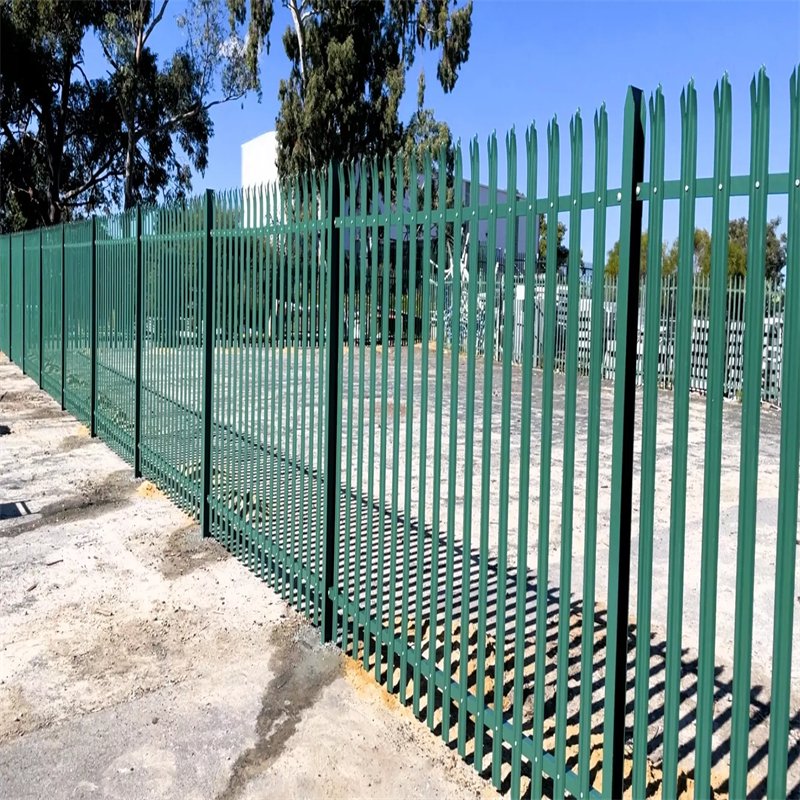
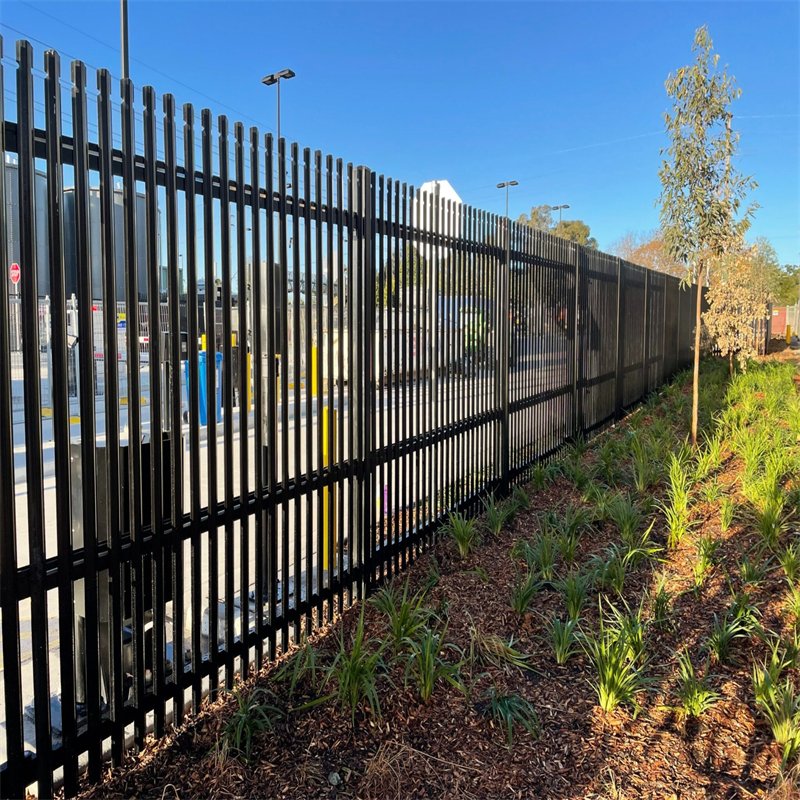
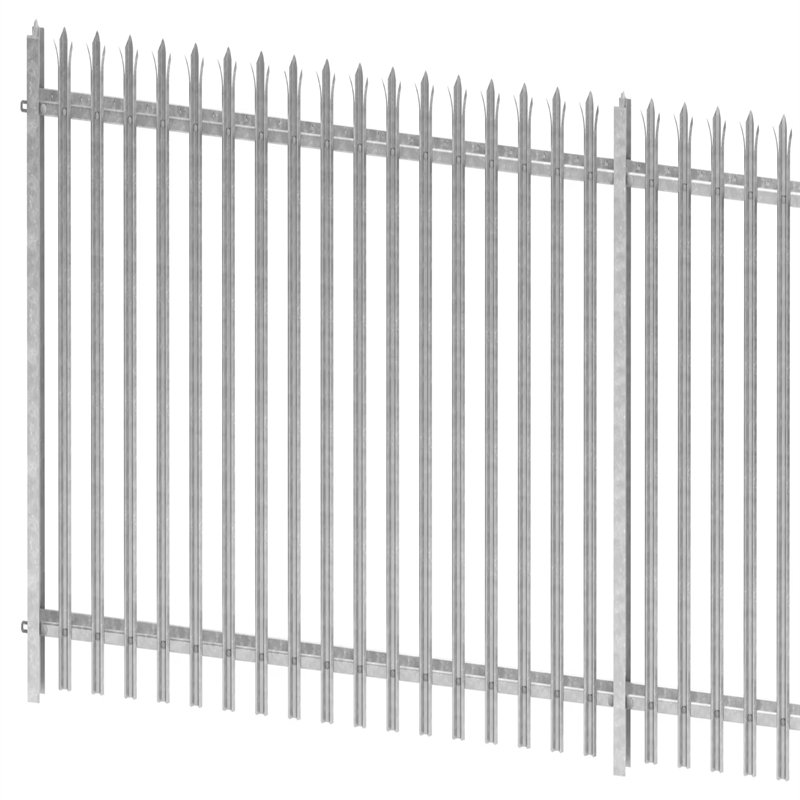
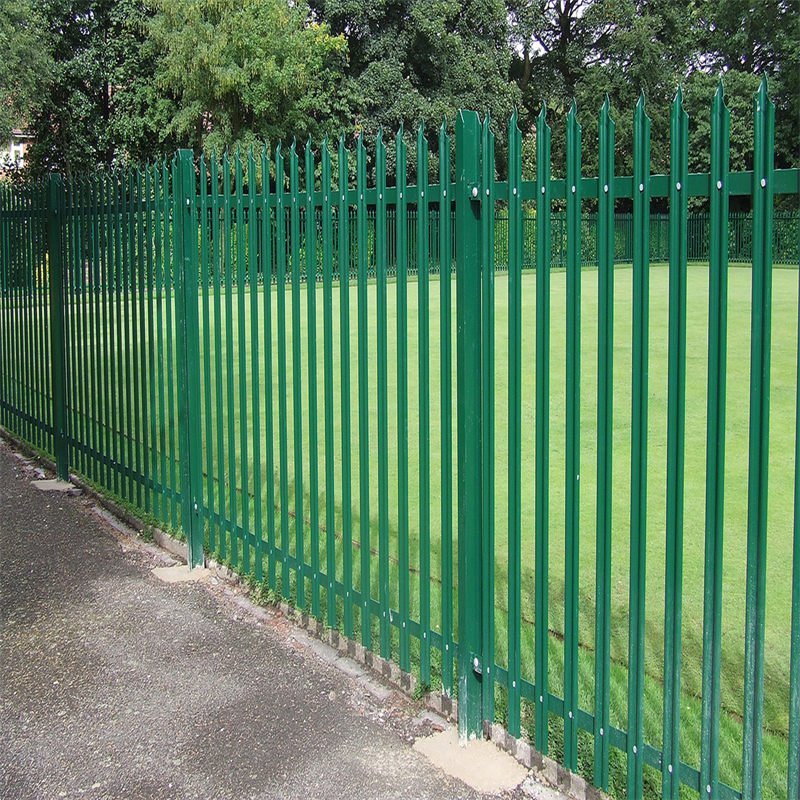
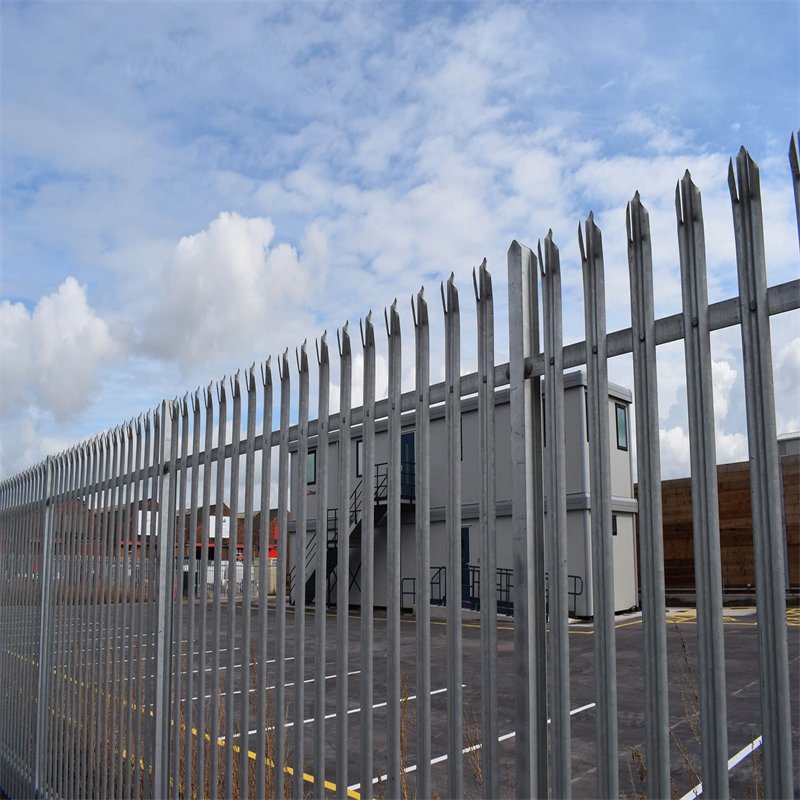
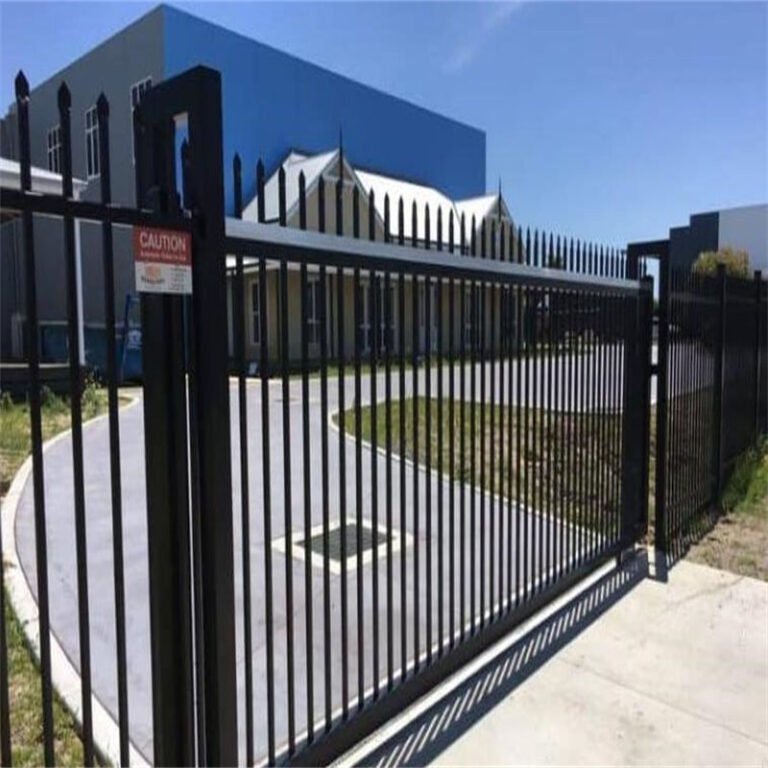
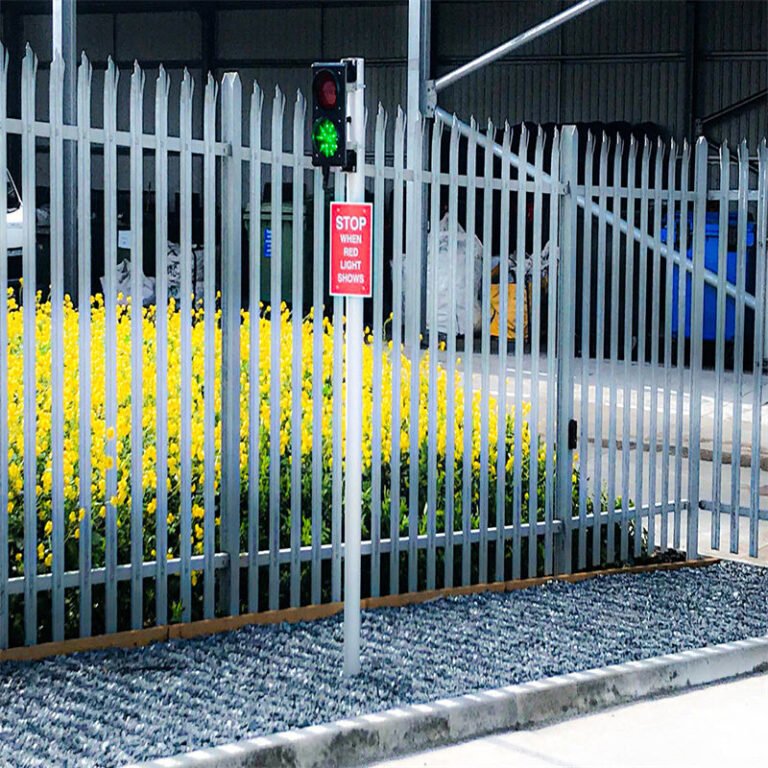
palisade fencing pretoria helps property owners define secure boundaries without building solid perimeter walls. Steel pales create clear physical separation while preserving visibility around gates, loading areas, and access roads. This structure suits industrial compounds, residential estates, schools, and utility sites across Pretoria. Buyers can choose pale profiles, head shapes, coatings, and posts according to their actual project requirements.
Strong steel alone cannot guarantee protection from every intrusion. A dependable boundary combines suitable panels, foundations, entrances, lighting, and planned inspections. Many projects use Palisade Fence systems when they need vertical steel pales rather than welded wire mesh. The complete specification should reflect local terrain, public access, and expected maintenance.
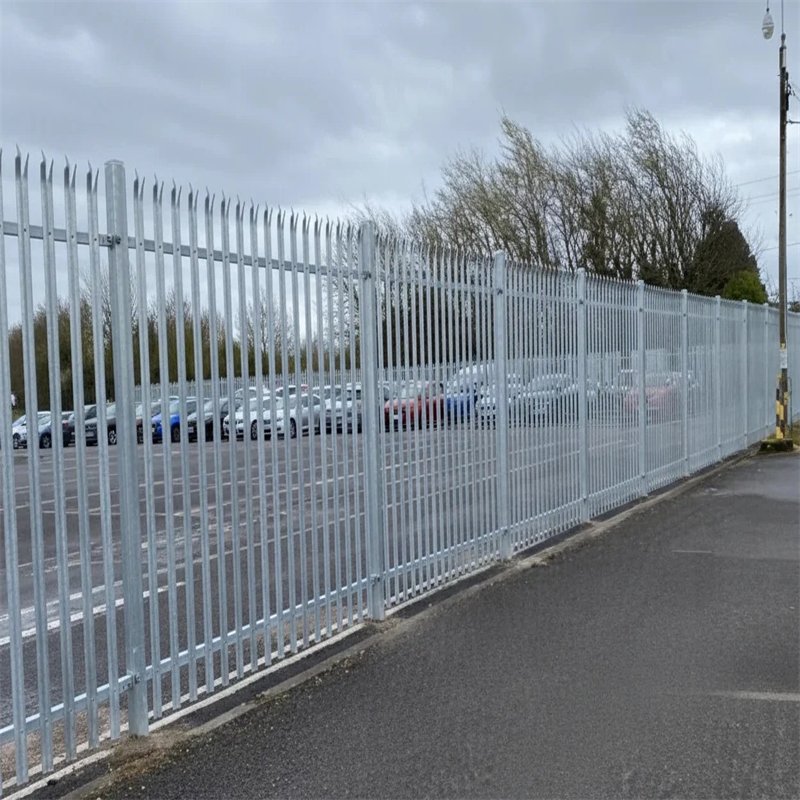
palisade fencing pretoria for estates and industrial yards
Pretoria includes established suburbs, office parks, schools, warehouses, and large equipment compounds. Each property has different pedestrian movements, visitor procedures, and security concerns. A warehouse may prioritize vehicle gates and loading-bay visibility. A residential entrance may favor a coordinated finish and a less aggressive pale head.
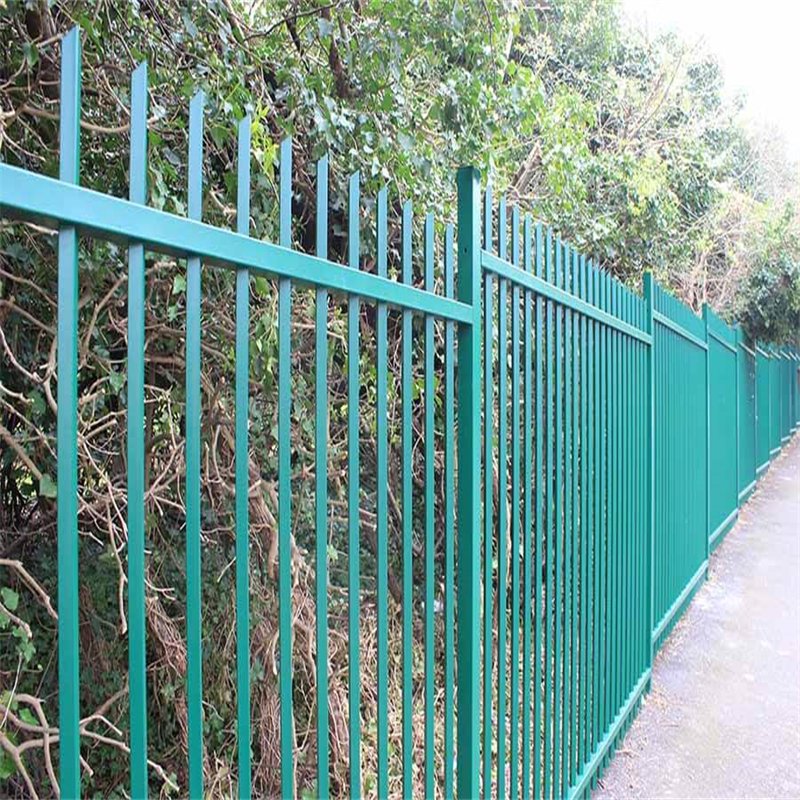
For palisade fencing pretoria projects, assess exposed boundaries, climbable objects, damaged walls, and unsupervised entrances. A fence can discourage casual trespassing, but a site needs broader access control. Use Security Steel Fence designs when considering the difference between formed steel pales and tubular pickets.
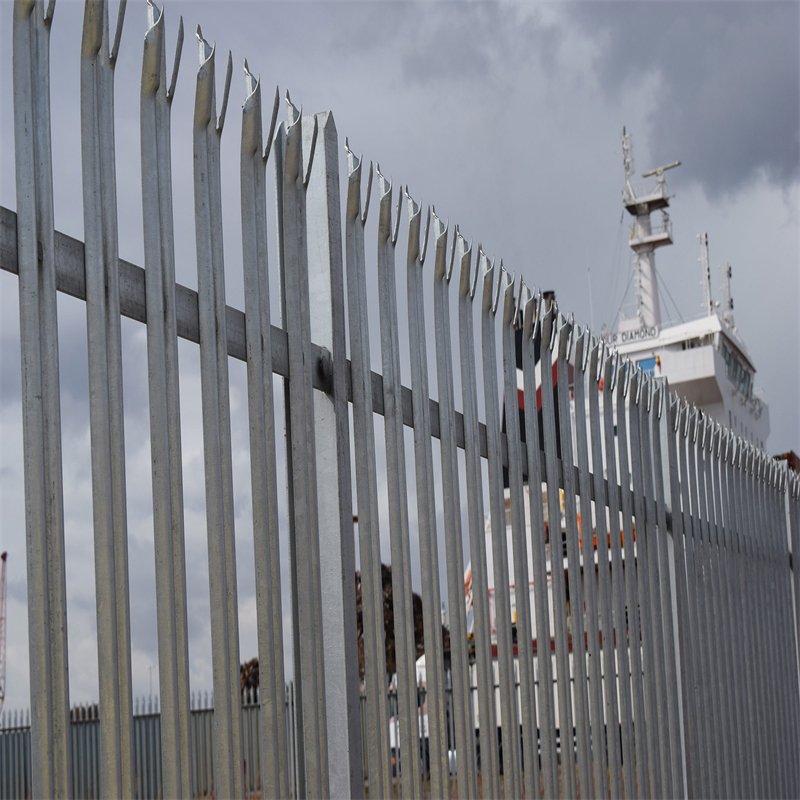
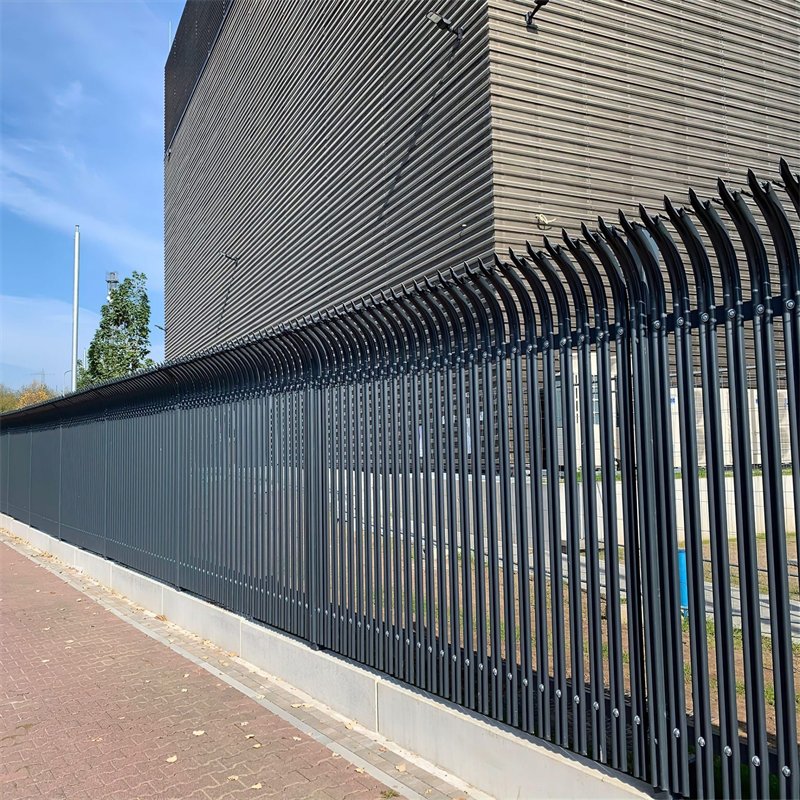
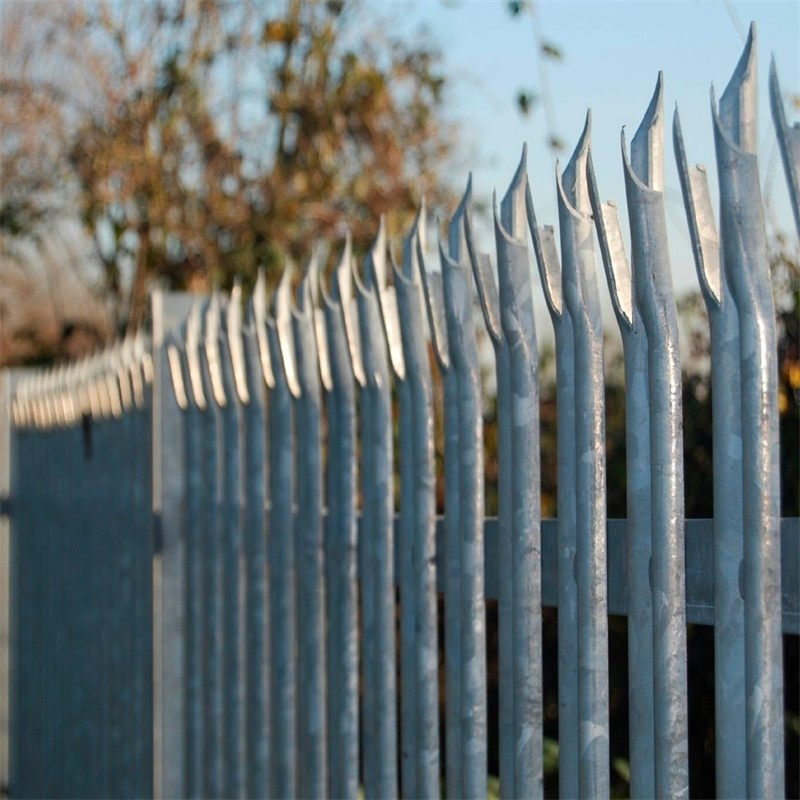
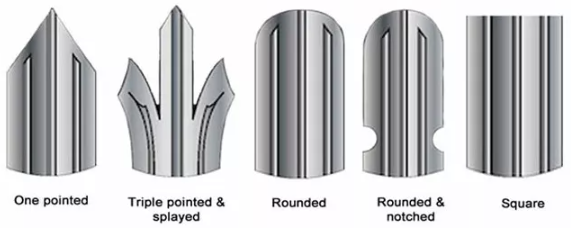
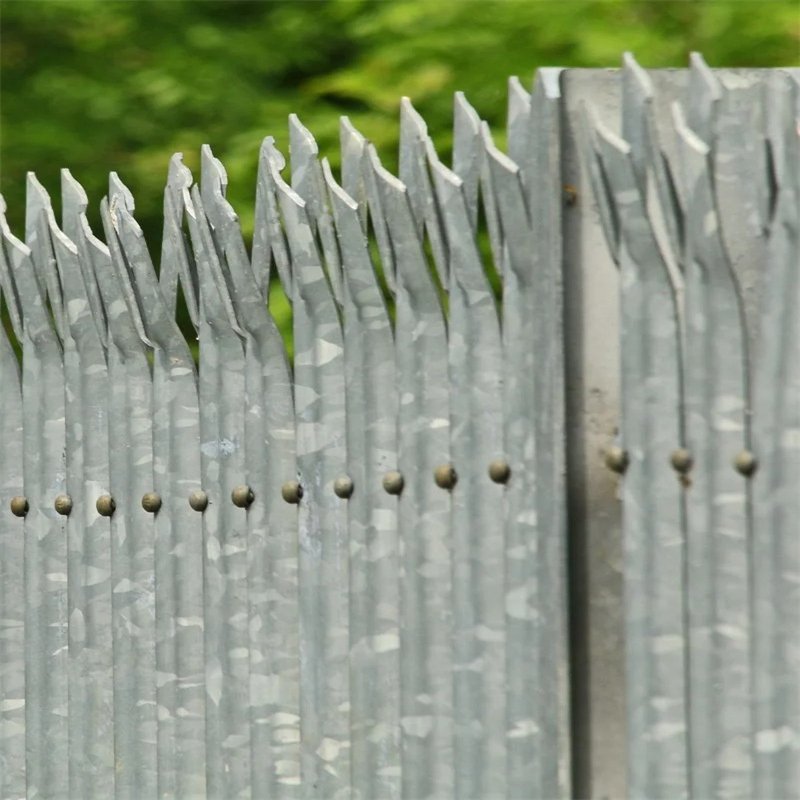
Different pale heads change the fence appearance, climbing deterrence, and pedestrian safety considerations.
Choosing W-section and D-section steel pales
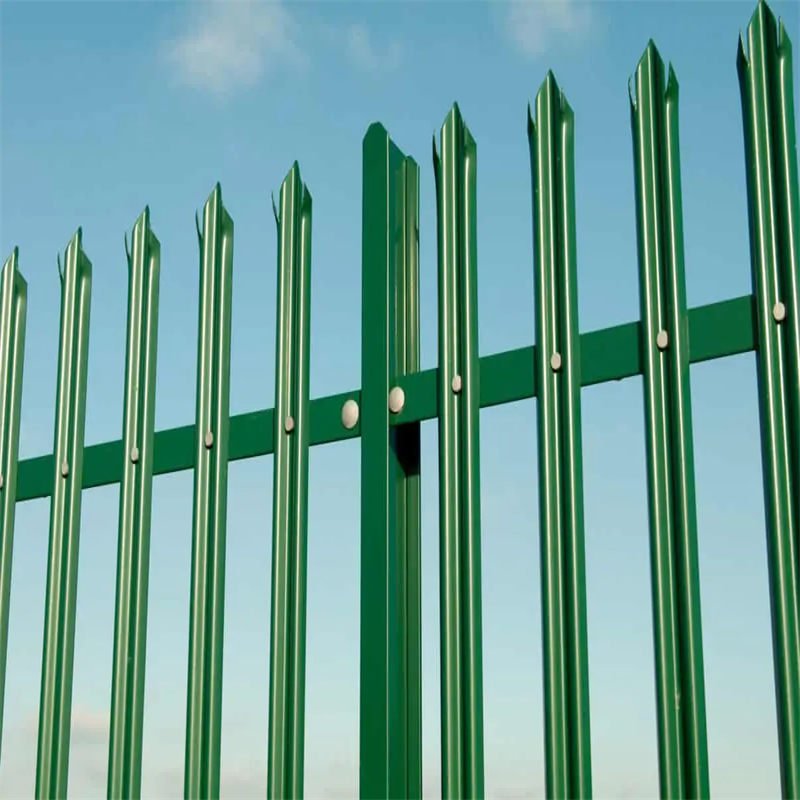
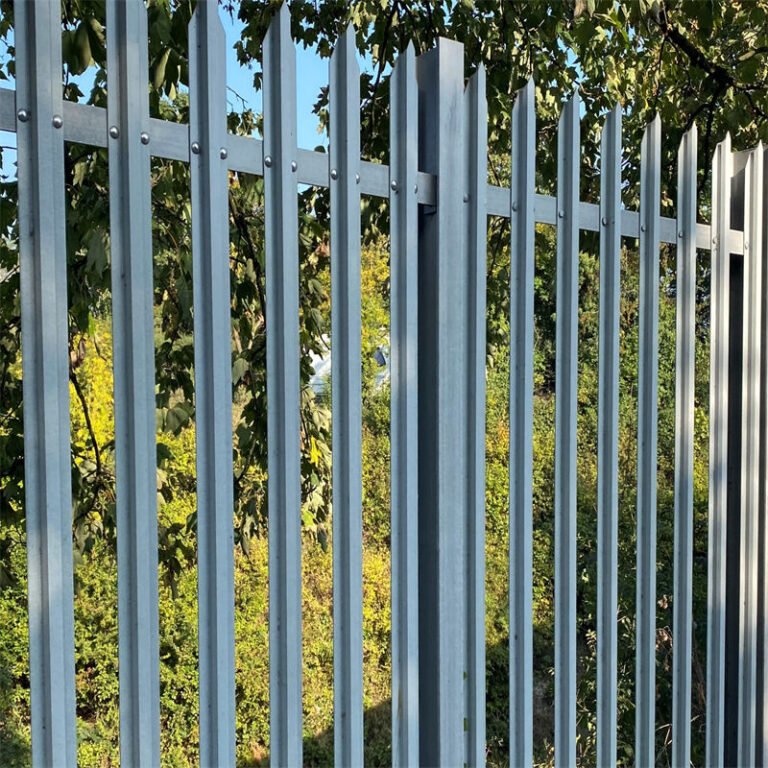
W-section pales have a folded profile that increases their rigidity compared with a simple flat strip. D-section pales use a different curved profile and create a distinct architectural appearance. Neither profile automatically carries a tested security rating. Material grade, steel thickness, fixing pattern, and panel height all influence performance.
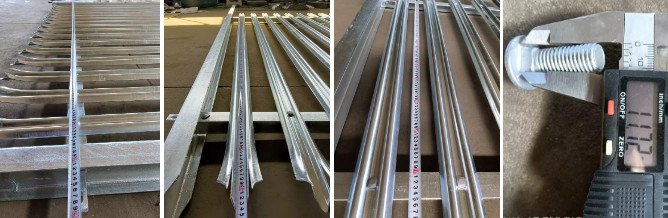
The source range includes W pales between 65 and 75 mm wide and D pales between 65 and 70 mm. Common reference thicknesses span 1.5–3.0 mm, with special projects requiring other gauges. Buyers comparing Steel Palisade Fencing should confirm whether width means the formed outer dimension. Specify the complete profile drawing before production, especially for replacement parts.
For palisade fencing pretoria, W-section pales often suit industrial boundaries with heavier security requirements. D-section pales may suit commercial projects that prefer a softer visual profile. Check the whole installed assembly rather than selecting solely by profile names.
The following schedule preserves the original reference sizes for Pretoria procurement. These values represent configurable options, not a single certified fence assembly. Approved drawings must define actual section geometry, allowable tolerances, connection holes, and steel grade.
Steel palisade fencing reference specifications
Component
Reference specification
Procurement note
Standard fence heights
1.2–3.6 m
Higher installations need separate engineering review
Extended project range
1.0–6.0 m
Special-order reference, not a universal standard
Nominal panel width
1.0–3.0 m
Confirm post centres and rail overhang
W-section pale
65–75 mm width
Thickness generally 1.5–3.0 mm
D-section pale
65–70 mm width
Confirm formed profile dimensions
Angle rails
40 × 40 / 50 × 50 / 63 × 63 mm
Thickness 3–6 mm
RSJ-style posts
100 × 55 / 100 × 68 / 150 × 75 mm
Specify the exact structural section
Square posts
50 × 50 / 60 × 60 / 75 × 75 / 80 × 80 mm
Wall thickness 1.5–4.0 mm
Fishplates or clamps
30 × 150 × 7 / 40 × 180 × 7 mm
Confirm hole positions and rail compatibility
Reference pale bolts
M8, 34 sets per reference bay
Quantity depends on pale and rail layout
Reference rail bolts
M12, 4 sets per reference bay
Verify against final connection drawings
Surface finishing
Galvanised / powder coated / PVC coated
State the preparation and coating sequence
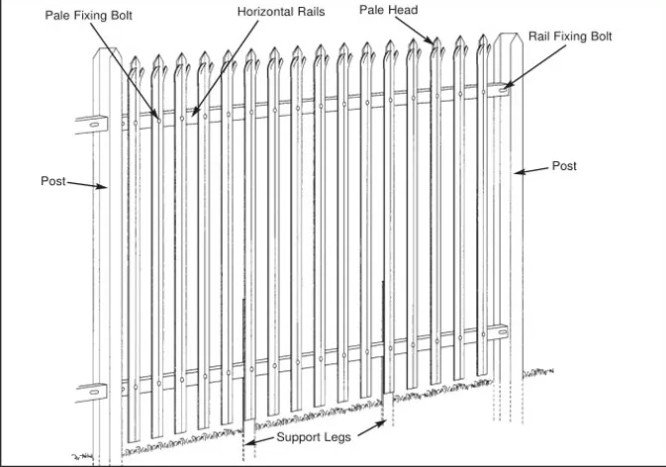
Some configurations use a nominal 2.75 m bay with 17 steel pales and two horizontal rails. That arrangement provides a useful estimating reference. It does not establish a universal pale pitch, clear opening, or post-centre distance. Palisade Fence Panels require a complete dimensioned layout before a factory can fix exact quantities.
Pale-head safety and public-facing boundaries
Single-point and triple-point heads create visible deterrents, but their exposed tips introduce contact hazards. Rounded, squared, or notched designs may suit school entrances and busy pedestrian edges. The correct option depends on setback, public exposure, and local requirements. Do not place sharp projections where children or passersby can easily reach them.
On palisade fencing pretoria boundaries near shared footpaths, measure available clearance before choosing the top profile. Gates should match the permitted head geometry. Request a sample showing the finished pale edge and the expected coating appearance.
Check pale spacing, rail connections, and top geometry against the approved site drawing.
palisade fencing pretoria posts, rails and fasteners
Posts transfer loads from the rails into concrete foundations or an engineered anchor system. The original specifications include RSJ-type steel sections and square hollow steel posts. Their suitability depends on fence height, wind actions, ground conditions, and spacing. Choose the complete post configuration before ordering accessories.
Rails support the pales and maintain their position across each bay. Angle rails of 40 × 40, 50 × 50, or 63 × 63 mm offer different load capacities. Fishplates join selected rail connections. Security bolts and nuts should match the hole geometry and the approved fixing schedule.
Where palisade fencing pretoria projects include repairs, check existing bolt-hole centres before manufacturing replacement rails. Similar-looking steel sections may have incompatible hole spacing. Palisade Fencing for Sale includes alternative steel pale and post configurations for comparative procurement.
Practical layout: 110-metre materials estimate
Consider a straight 110 m boundary with a nominal 2.75 m bay spacing. Forty full bays cover this length exactly. Without gates or intermediate breaks, the line requires 41 supporting posts. This example assumes 17 pales and two rails per bay.
Illustrative bill of materials for 110 m of straight palisade fencing
Item
Calculation
Theoretical quantity
Fence bays
110 ÷ 2.75
40 bays
Posts
40 + 1
41 pcs
Steel pales
40 × 17
680 pcs
Horizontal rails
40 × 2
80 pcs
M8 pale-fixing sets
40 × 34
1,360 sets
M12 rail-fixing sets
40 × 4
160 sets
This palisade fencing pretoria example excludes vehicle gates, corners, changing ground levels, and spare components. The supplied rail connection method also determines fishplate quantities. Site teams should check the bay width convention before final purchasing. Nominal panel length does not always equal the actual distance between post centres.
palisade fencing pretoria in Gauteng weather
Pretoria sits inland, so its ordinary conditions differ from marine locations. Gauteng experiences summer rainfall, including thunderstorms, while winters generally remain dry. Heavy rain can expose weak drainage details around fence foundations. Surface runoff may also carry soil toward post bases and retain moisture.
For palisade fencing pretoria installations, keep stormwater routes open and consider erosion near steep boundary edges. Check concrete levels, drainage falls, and water collection points during site surveying. Exposed coatings still need inspection despite the inland location. Industrial dust, impact damage, and pooling water can accelerate local deterioration.
Galvanised Steel Palisade Fencing provides corrosion protection options for steel components. The suitable system depends on the substrate, coating method, project exposure, and agreed maintenance plan.
Galvanising, powder coating and inspection
Hot-dip galvanising applies a protective zinc layer to suitable fabricated steelwork. BS EN ISO 1461:2022 specifies properties and test methods for qualifying batch-galvanised fabricated steel articles. It does not apply automatically to every continuously pre-galvanised product. State the actual manufacturing and galvanising route on the purchase specification.
A compatible duplex finish combines zinc protection with an approved paint or powder coating system. Galvanising and powder coating require separate preparation and acceptance checks. Verify coating thickness, adhesion, colour, and coverage where the contract requires them. Do not describe a finish as certified without matching inspection records.
For palisade fencing pretoria, inspect edges, drilled holes, rail junctions, and post bases before handover. Keep damaged surfaces clean and repair them with a compatible coating process. Regular checks help protect long-term appearance and prevent small defects from spreading.
palisade fencing pretoria installation sequence
Begin with a site survey that identifies boundary markers, buried services, corners, gates, and changes in elevation. Measure the intended post centres and compare them with factory drawings. Confirm footing or anchor specifications with the project engineer. Erect posts first, then align the rails and install the pales.
Installers should use the approved fixings and follow the specified tightening procedure. Check pale alignment, bottom clearance, rail levels, and gate transitions throughout the installation. Avoid unnecessary drilling through finished coatings. Record approved field modifications and treat exposed steel surfaces promptly.
Sloping ground requires special attention. Stepped bays can create larger bottom gaps, while raked layouts demand suitable rail and pale geometry. For palisade fencing pretoria projects on uneven land, approve the slope detail before fabricating components.
Gates and access planning
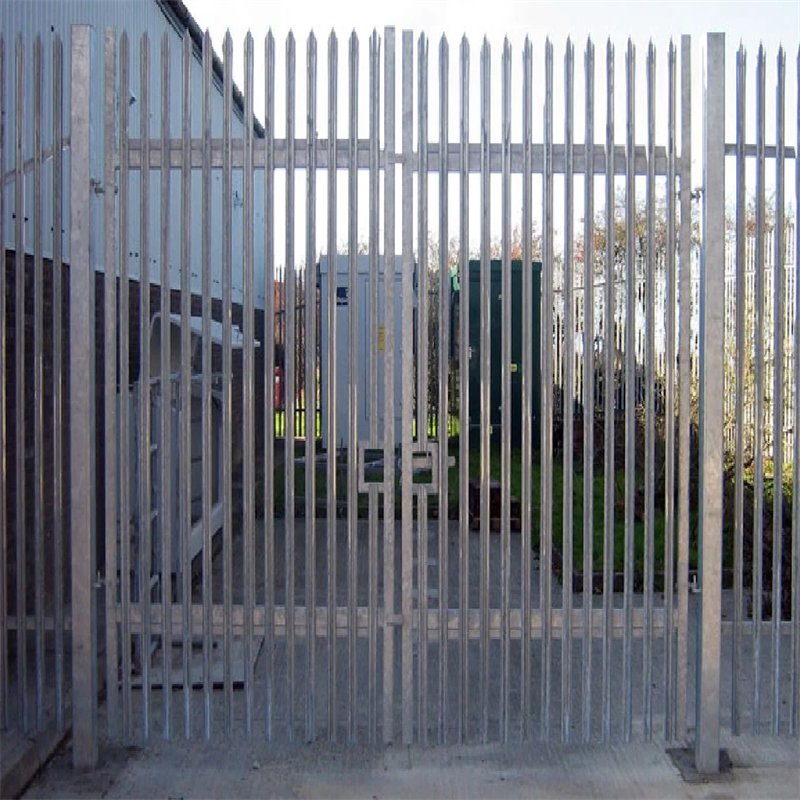
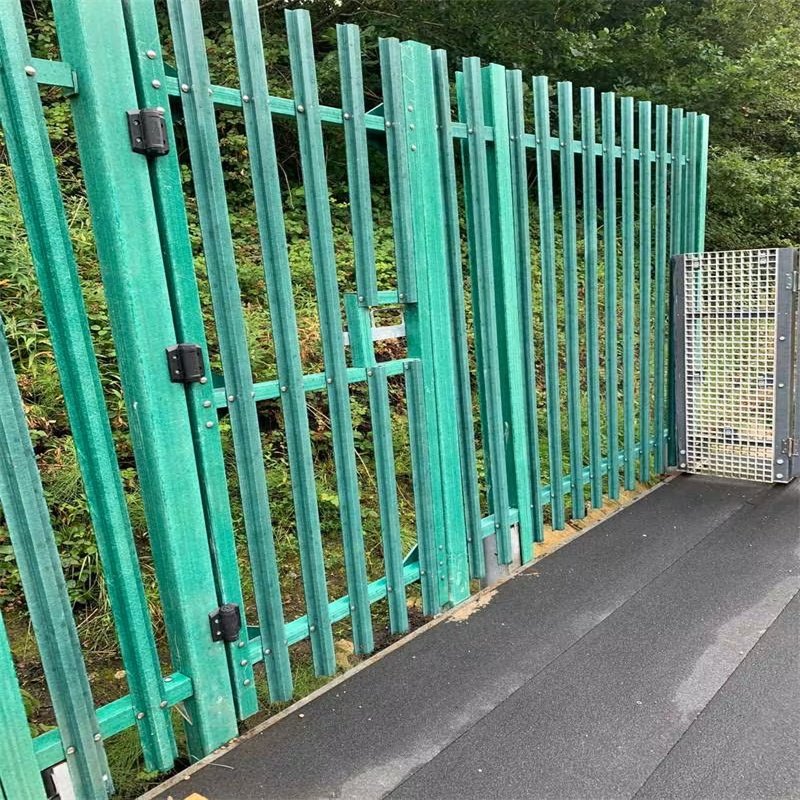
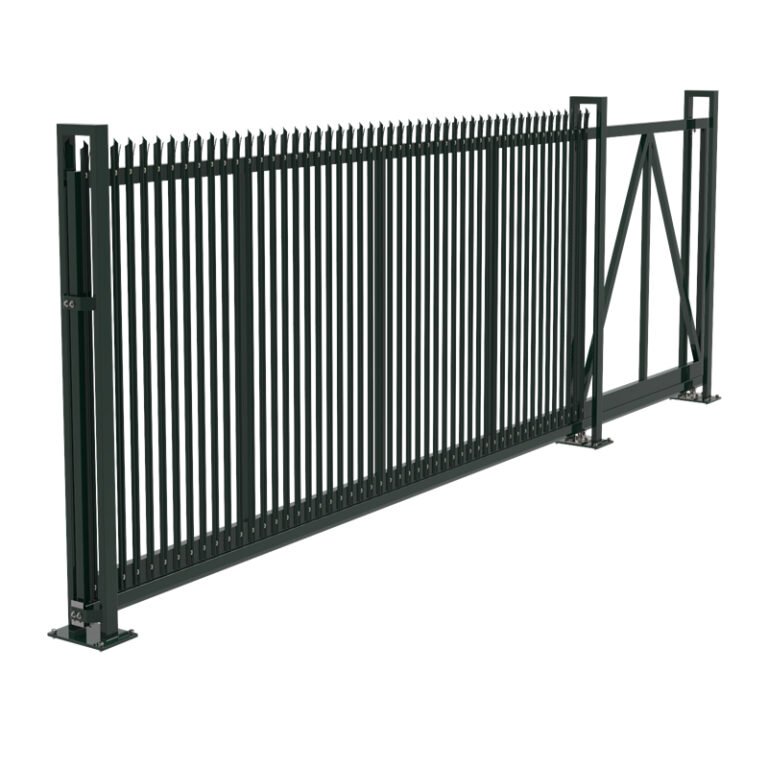
An entrance interrupts the fence line and introduces movement loads, concentrated forces, and additional maintenance. Pedestrian gates need suitable latches and clear opening paths. Vehicle gates require turning space, hinge or roller design, and practical access-control arrangements. Gate support posts may need stronger foundations than ordinary intermediate posts.
Match Palisade Fencing Gates with the surrounding pale profile, height, and protective finish. Some premises include separate mesh-fenced service areas. In those sections, Clearvu Gates require their own compatible mesh-system framework.
A complete Pretoria perimeter should include safe pedestrian movement and reliable emergency access. Coordinate any motor controls with the applicable safety equipment. Do not assume a standard fence post can support a large gate leaf.
palisade fencing pretoria and layered security
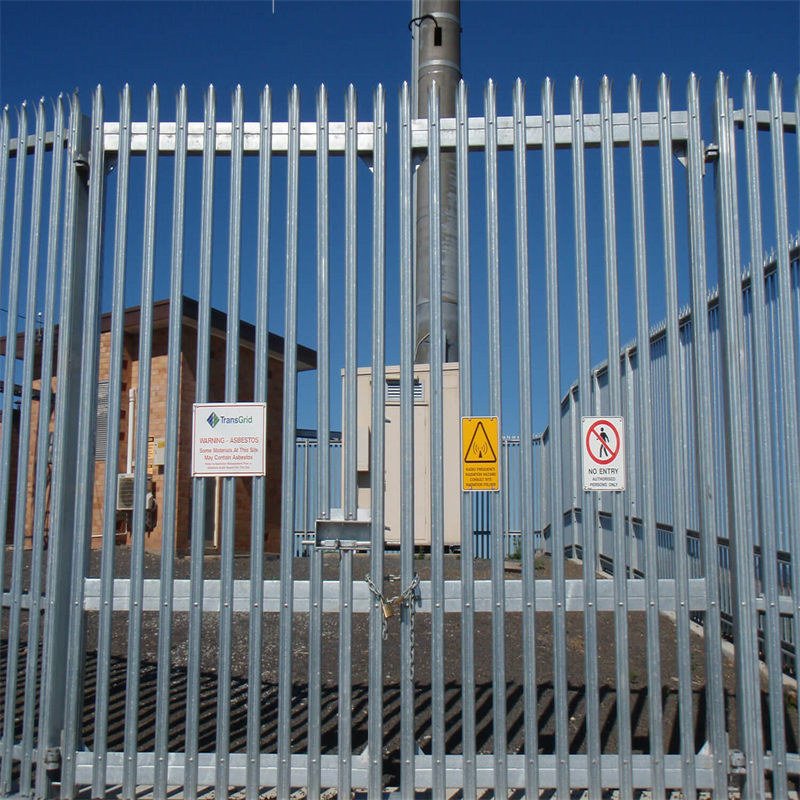
Palisade structures allow guards and cameras to observe activity through the spaces between steel pales. That visibility helps around yards, access roads, and equipment compounds. However, parked trucks, vegetation, and nearby structures can create blind spots. Site operators should combine fencing with lighting and controlled entrances.
Some palisade fencing pretoria projects use finer welded mesh around particularly sensitive equipment. Clearvu Fence Panels provide a separate mesh arrangement with smaller apertures. Clearvu Fence Panels may support those distinct enclosure sections alongside palisade boundaries. The mesh sections need matching Clearvu Fence Posts and Clearvu Fence Clamps, not substitute palisade rail hardware. Project teams may also assess Clear View Fence Panels for monitored equipment zones.
Where regulations permit separate protective toppings, Razor Wire Flat Wrap offers a compact security format. Check mounting strength, public exposure, maintenance access, and site safety before specifying sharp components.
Shipping, flat-packing and site storage
Export orders may arrive as loose pales and rails, flat-packed kits, or assembled fence sections. Loose components can improve container utilisation but increase assembly work. Assembled bays simplify some installation stages but occupy more shipping space. Buyers should compare total landed and installed cost, not only the panel price.
For palisade fencing pretoria deliveries, specify steel pallet protection, secure strapping, and clear accessory identification. Plastic film, protective boards, and suitable corner guards can reduce transit abrasion. Keep bolts, nuts, and fishplates in labelled cartons. Confirm unloading access and equipment before the container reaches the site.
Store galvanised components off standing water, protect painted surfaces, and avoid prolonged wet contact between packed steel sections. Count parts against the packing list before work begins. Missing small fasteners can stop installation despite complete panels and posts.
palisade fencing pretoria quality and ordering
Before ordering, confirm pale profile, steel grade, head type, thickness, height, bay geometry, posts, rails, and fixings. Include the coating sequence and the required inspection documents. Ask the supplier to produce a complete bay drawing before batch manufacture. A sample assembly can reveal incompatible holes, unexpected clearances, or incorrect components.
BMP supplies steel fencing components for international projects. For palisade fencing pretoria enquiries, provide a marked site plan and the required delivery terms. State whether the order includes installation or only materials. This distinction changes the cost breakdown and project responsibilities.
Inspect coating coverage, pale straightness, hole spacing, protective packaging, and bundle identification before dispatch. Record actual quantities for posts, rails, pales, fasteners, and gates. Steel Fence Panels may suit a separate decorative area, but their tubular pickets require different components.
Confirm the steel pale profile, rail geometry, and fixing arrangement before approving mass production.
Questions buyers should resolve before approval
Confirm whether each bay dimension describes the nominal panel width or the installed post spacing. Ask which pale profile matches the selected fixing system. Verify whether the quotation includes gates, posts, concrete, freight, and installation. Agree on coating records and the acceptance procedure before dispatch.
For palisade fencing pretoria, a complete component schedule helps contractors avoid mismatched hardware and site delays. Choose the fence design based on actual security needs, exposure, access requirements, and long-term maintenance. Consistent drawings and measured quantities support a more reliable result.