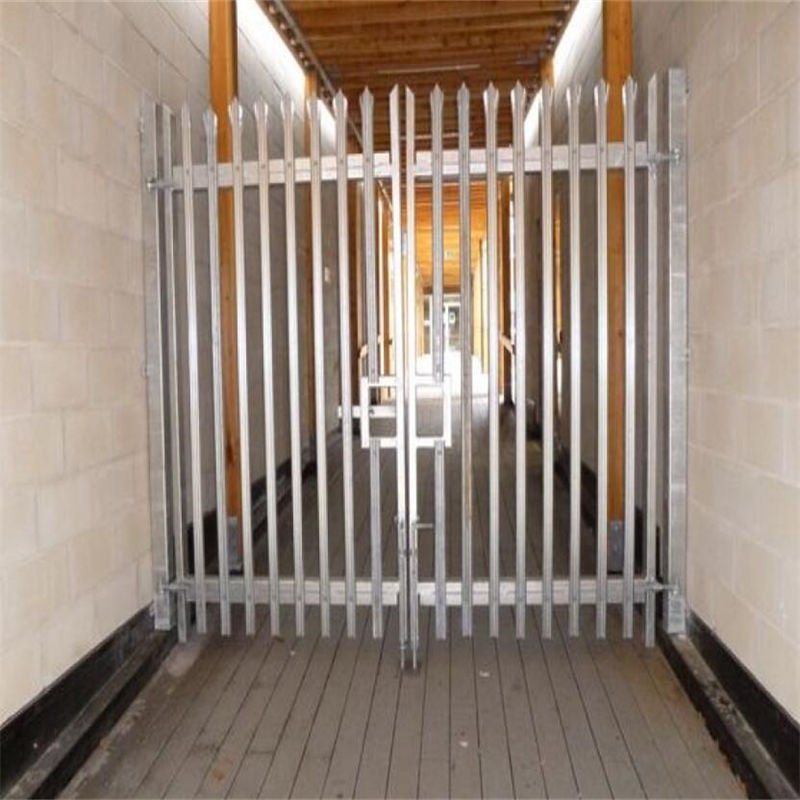
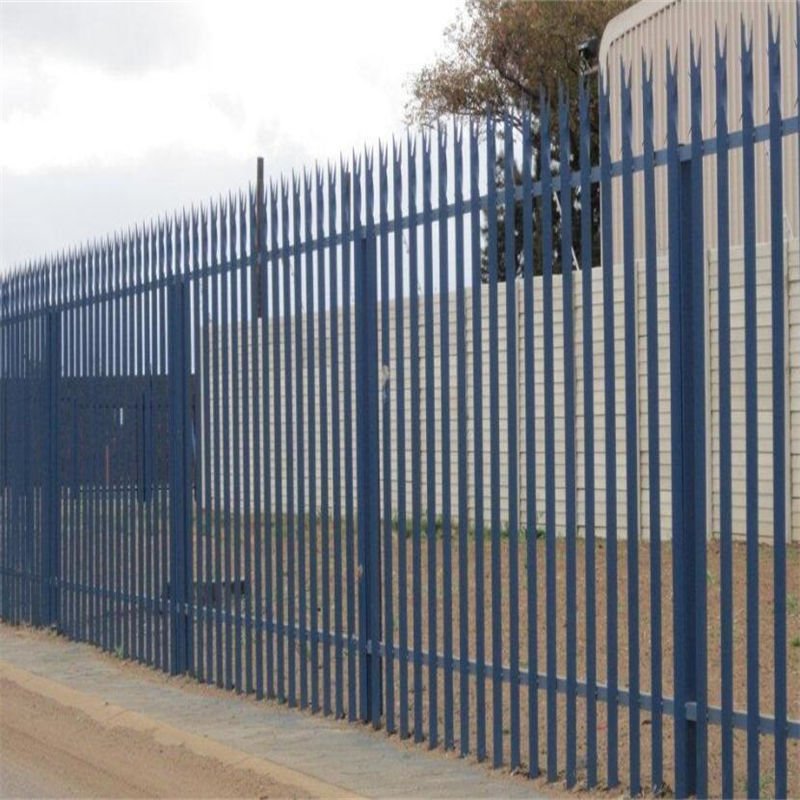
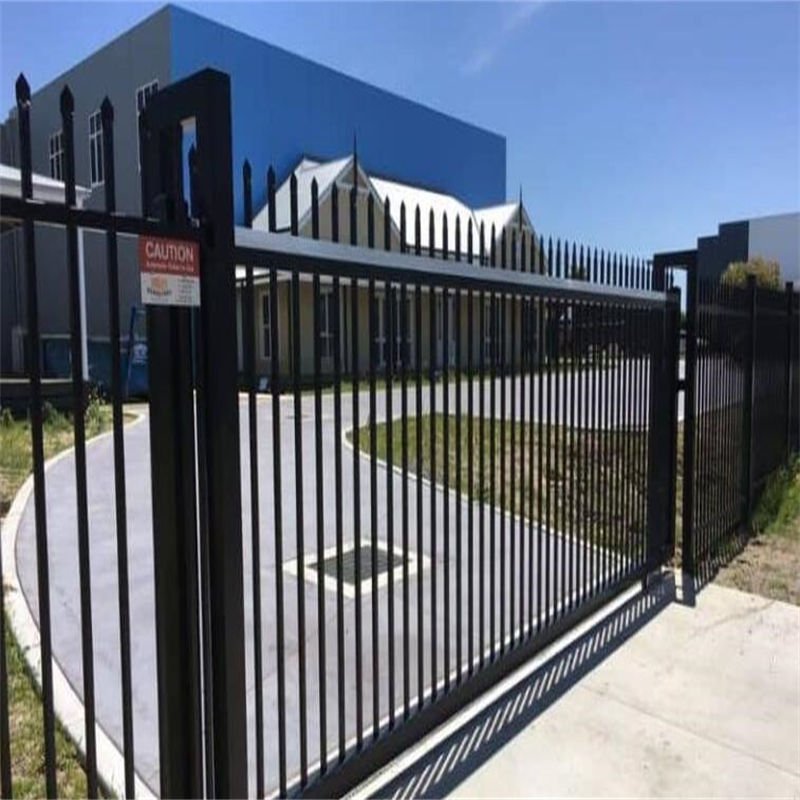
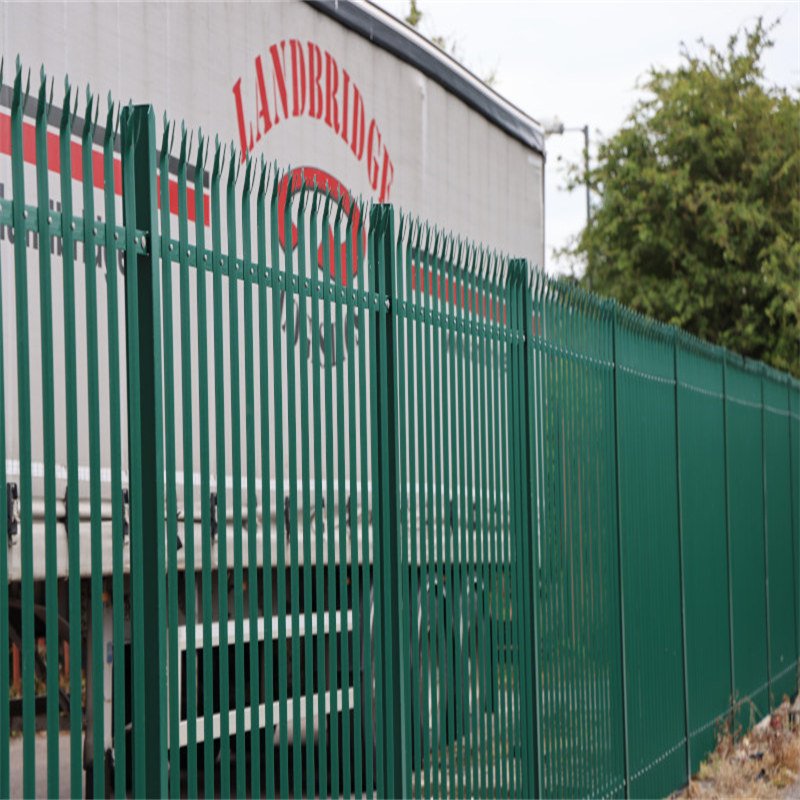
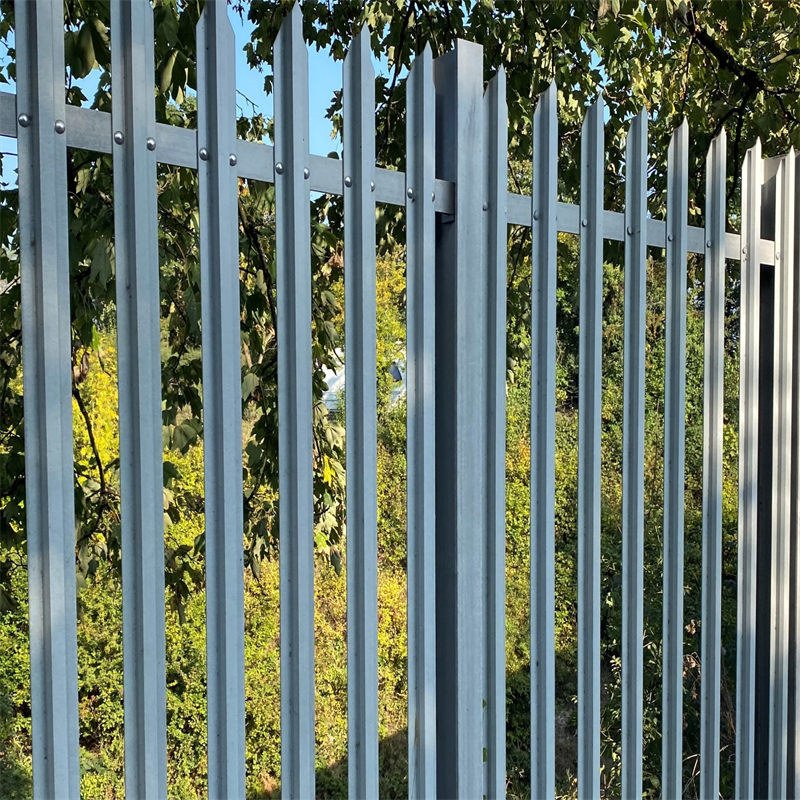
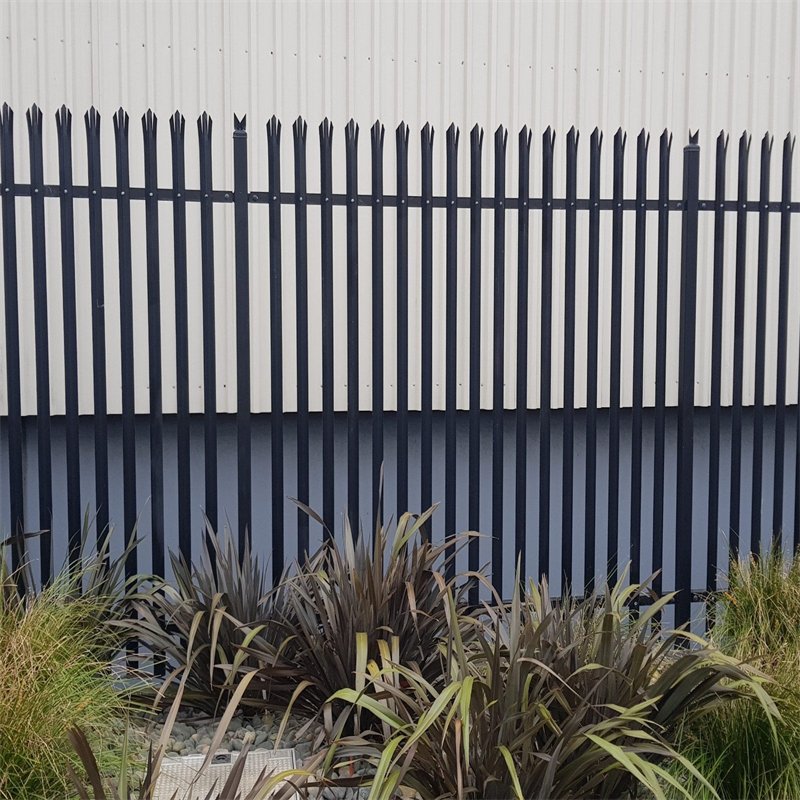
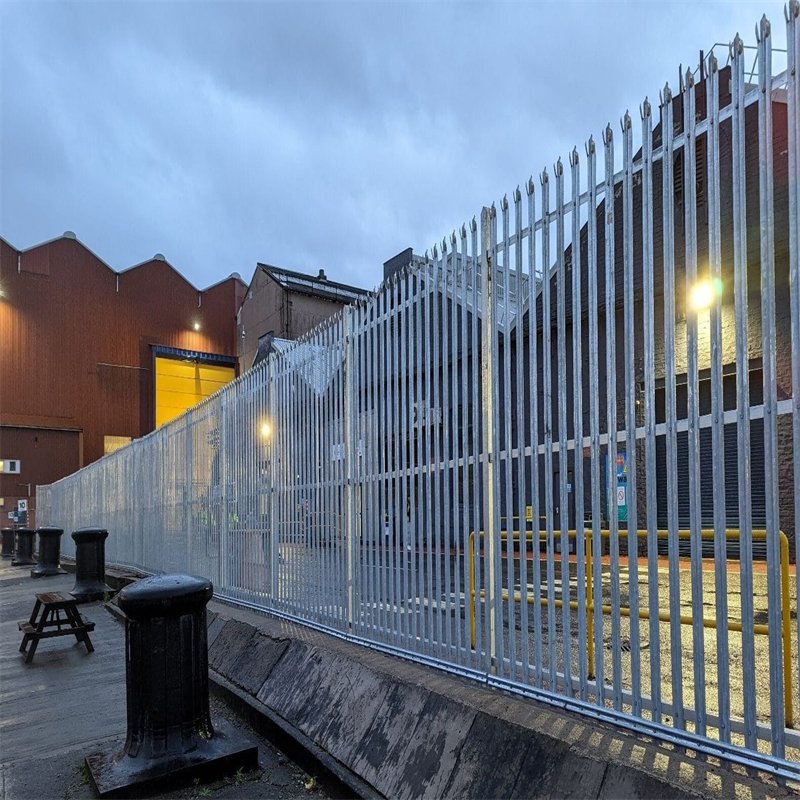
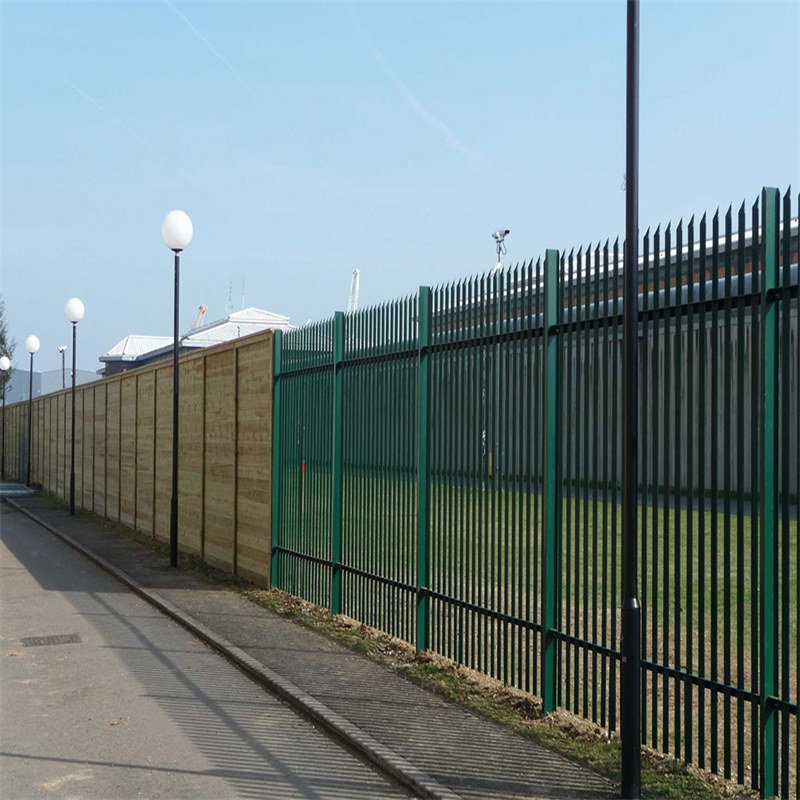
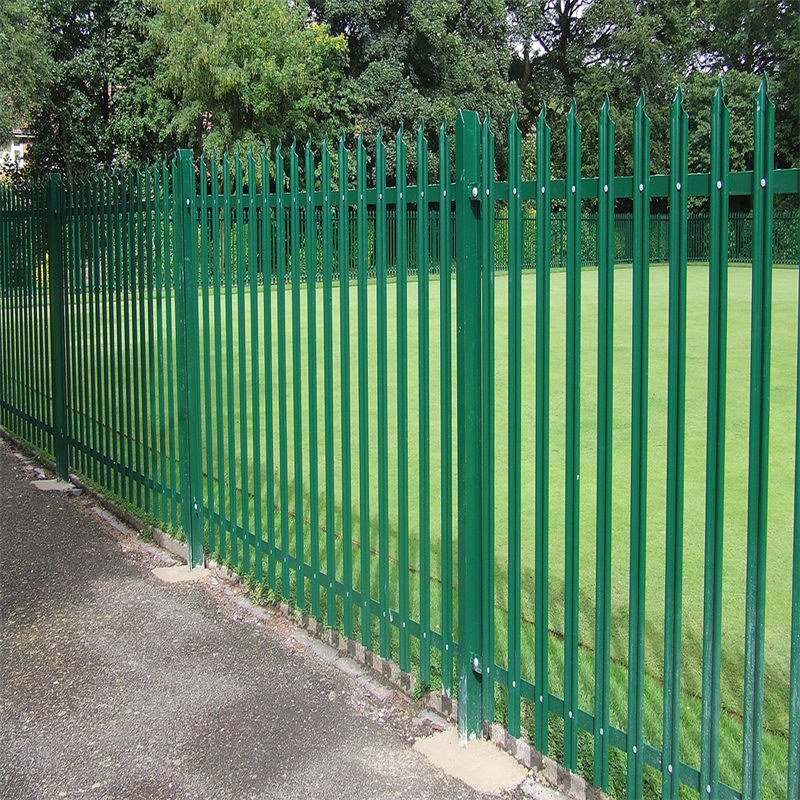
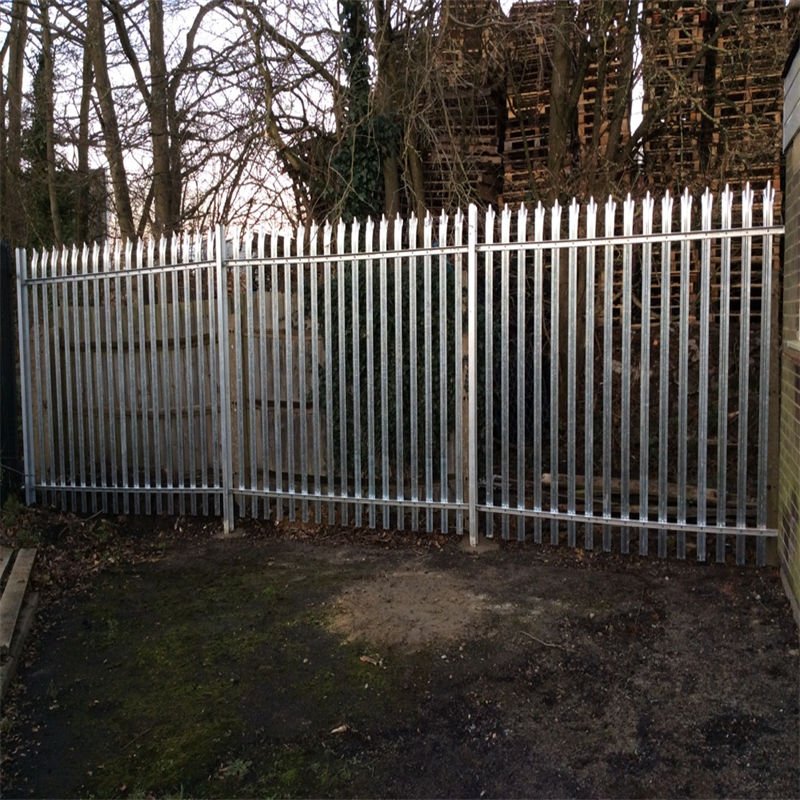
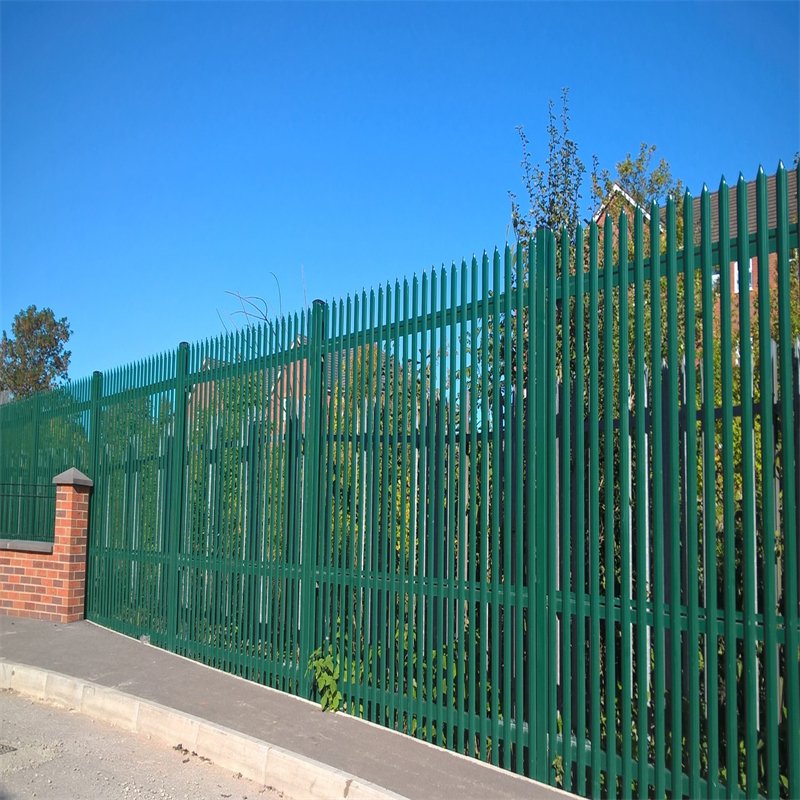
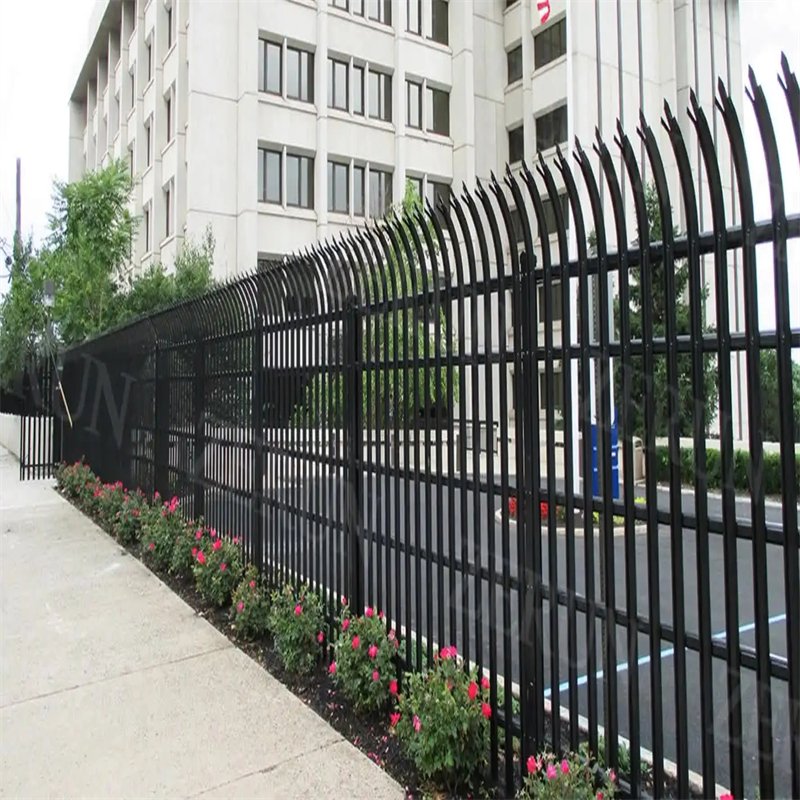
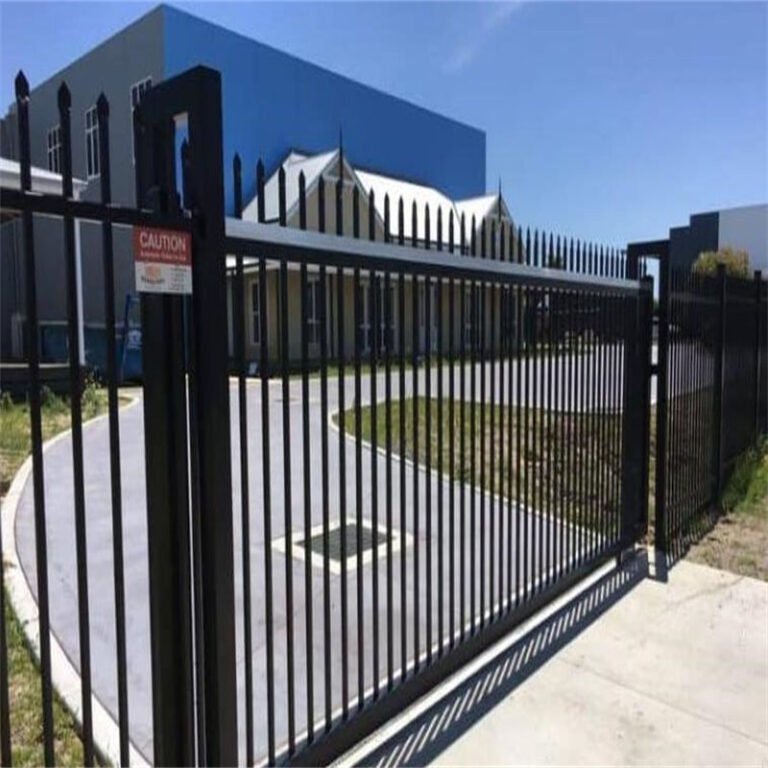
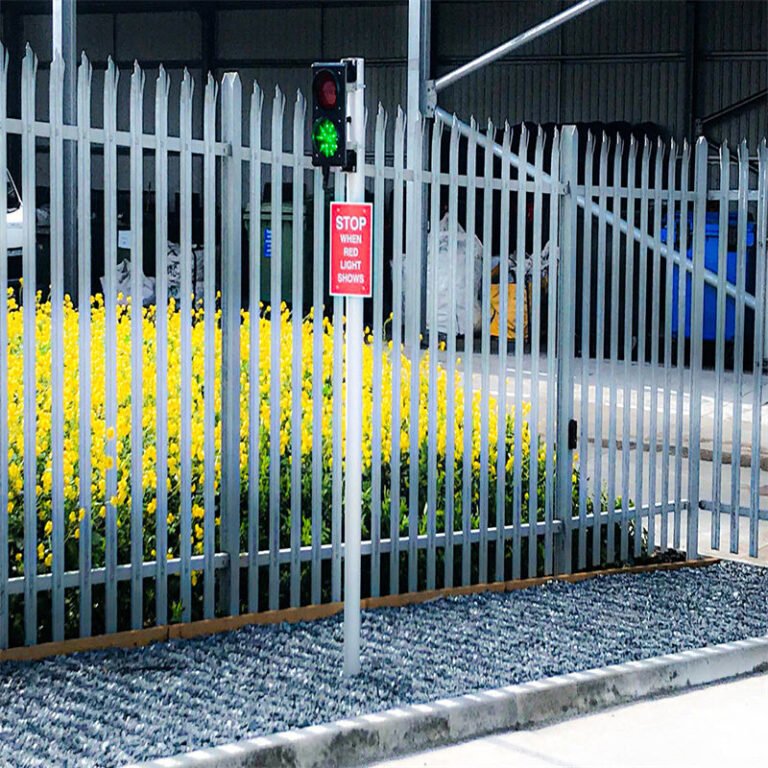
Galvanised steel palisade fencing creates a highly visible boundary for schools, factories, warehouses, and commercial properties. Formed steel pales discourage casual climbing while leaving useful sightlines across the perimeter. Horizontal rails and carefully selected posts support each assembled bay. A correctly specified zinc finish helps protect outdoor steel against corrosion.
Boss Metal and Plastic Co., Ltd. supplies configurable palisade components from Hebei, China. Buyers can compare Palisade Fencing with other perimeter designs before selecting their project. Pale thickness, head shape, post strength, and coating quality all affect performance. A complete security plan must also address gates, foundations, and maintenance.
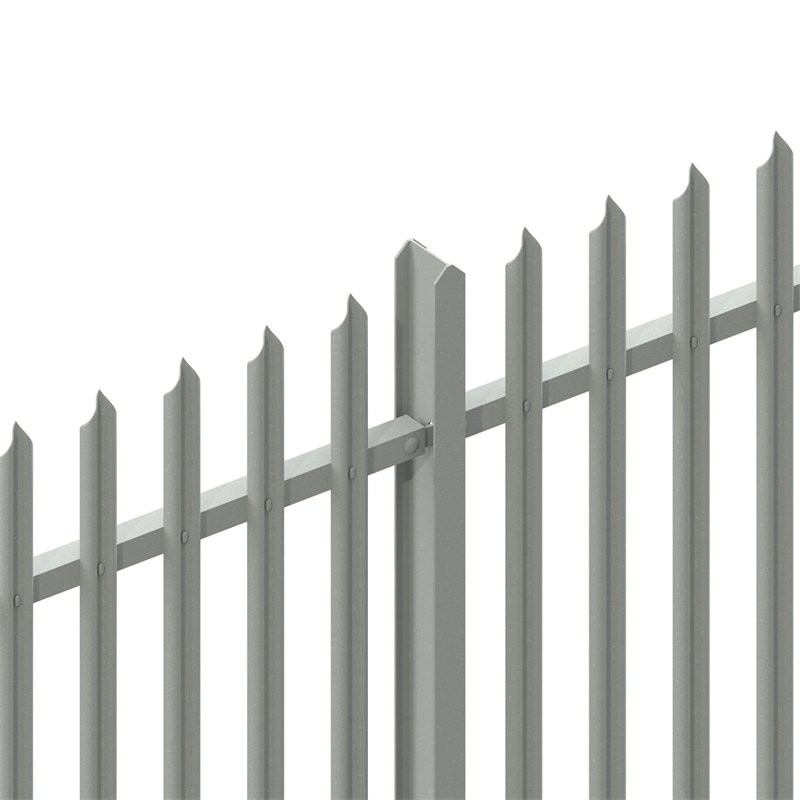
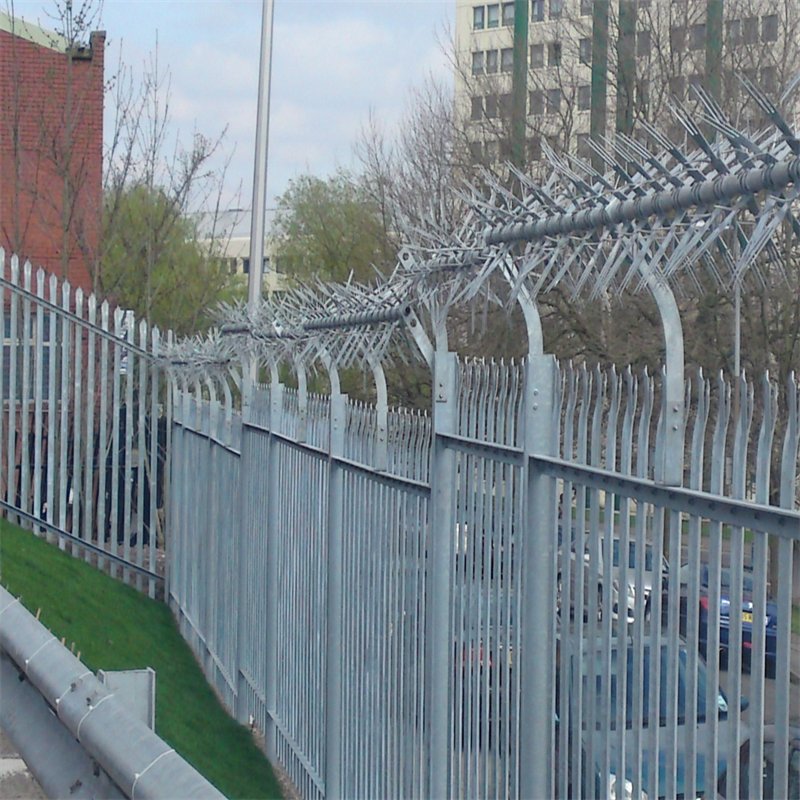
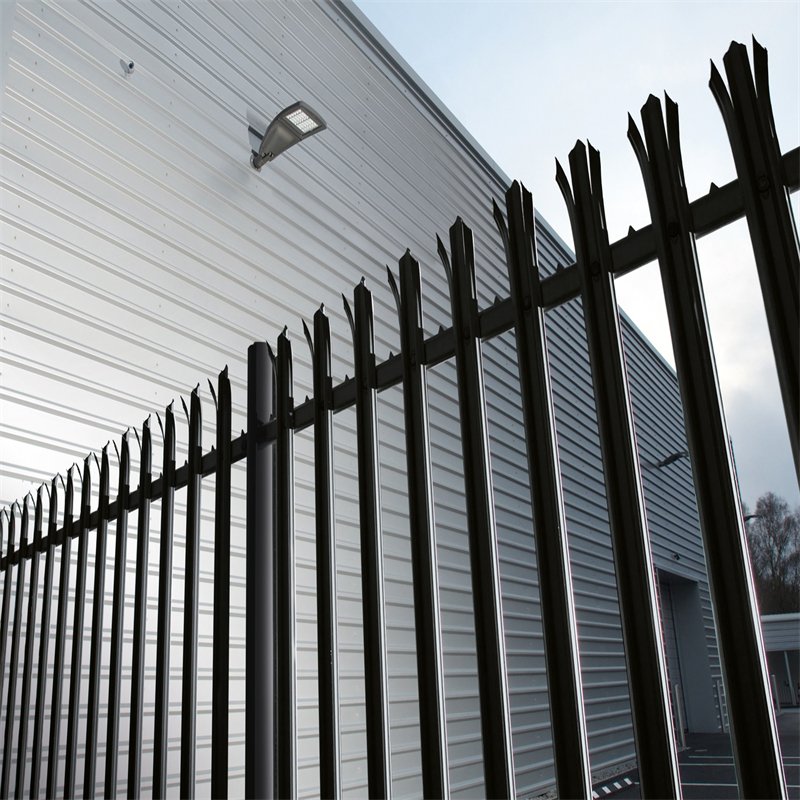
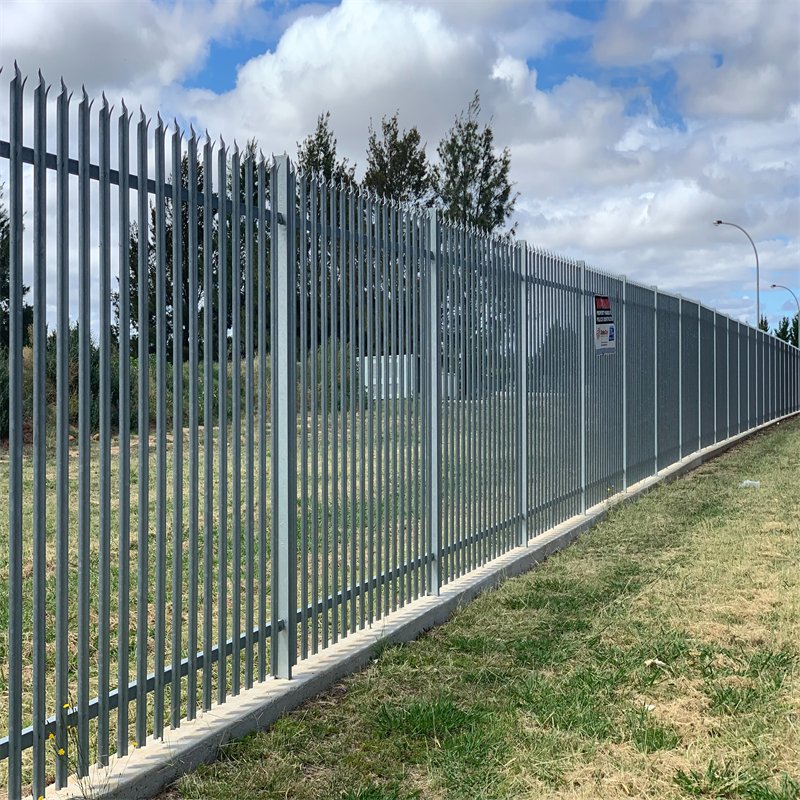
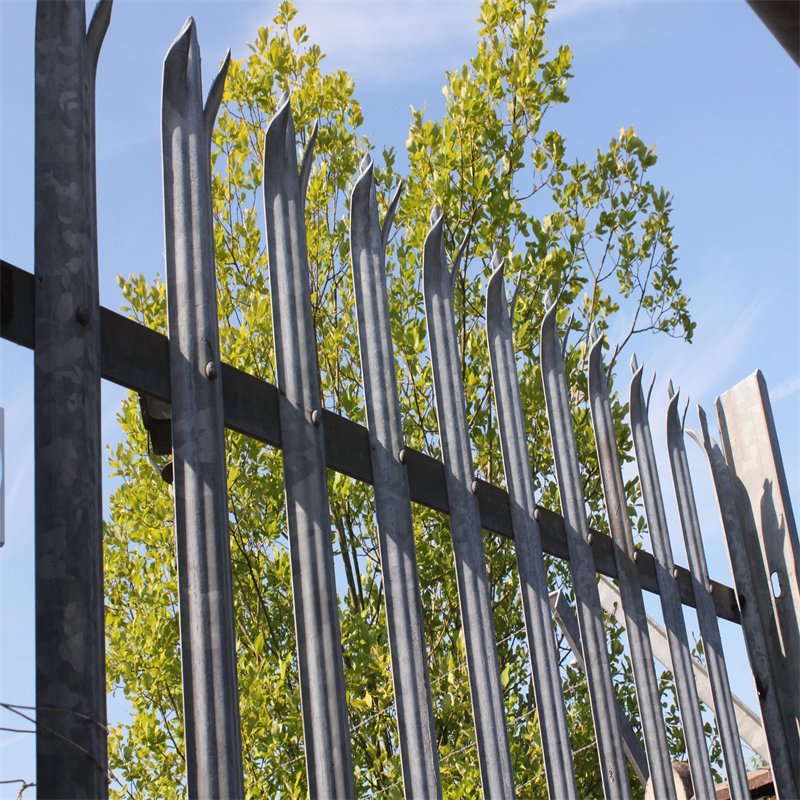
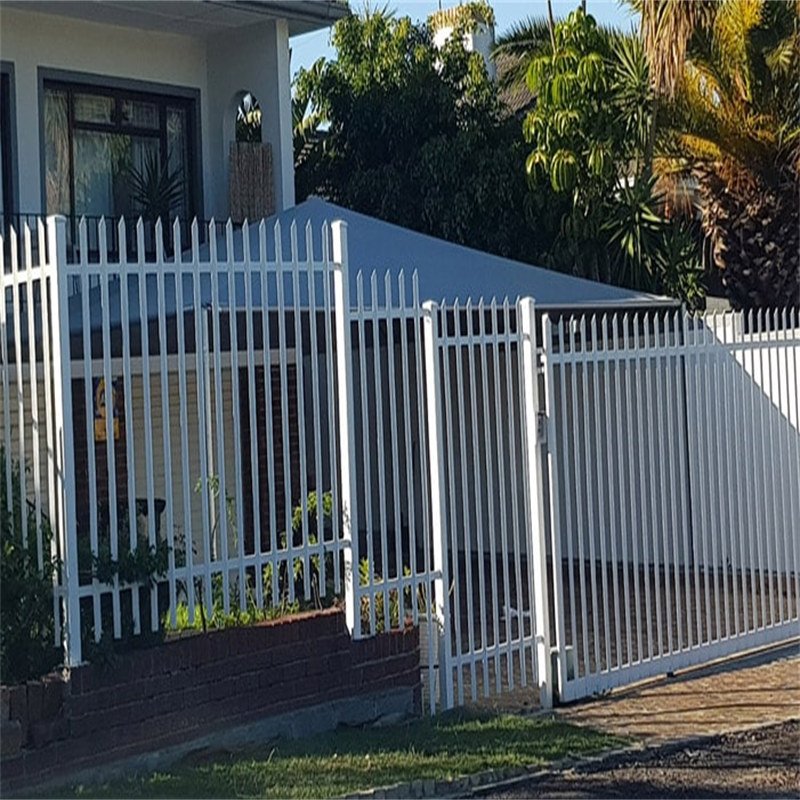
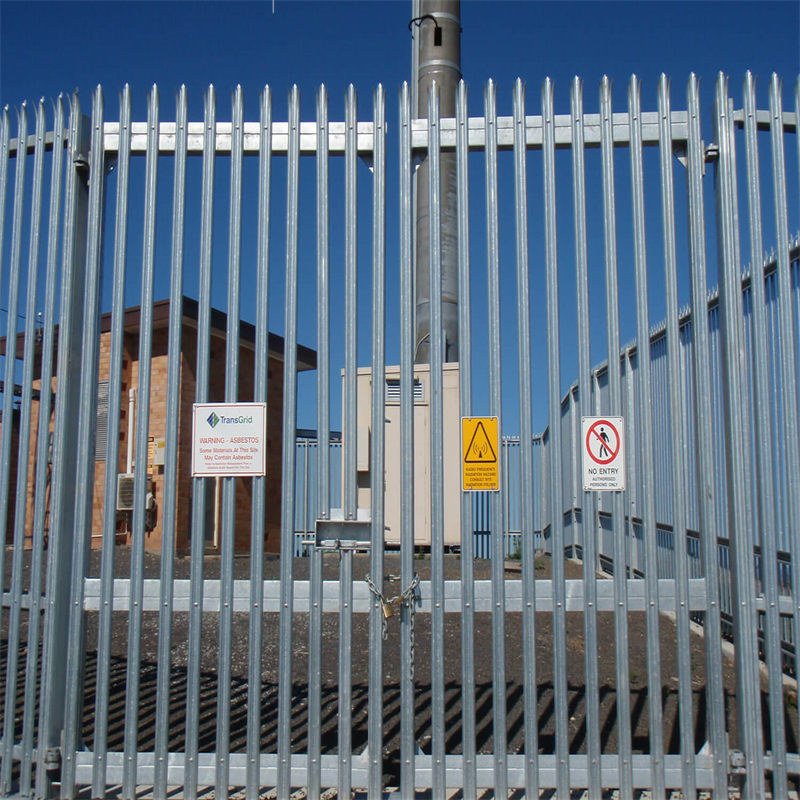
Steel palisade fencing uses shaped steel pales to form a visible security perimeter.A galvanised steel finish helps defend the fence structure against outdoor corrosion.
Galvanised Steel Palisade Fencing for Perimeter Security
Palisade panels use separate steel pales instead of welded mesh wires. The pales connect across horizontal rails and form a continuous line between supporting posts. Designers can adjust pale spacing, panel height, and head style for different surroundings. This open arrangement supports visibility and regular security patrols.
Heavy steel construction can improve resistance to ordinary vandalism and local impact. However, no fence guarantees protection against every forced-entry attempt. Review the whole structure, including gates, connections, and foundation conditions. Choose a configuration that matches the risks at the property.
What Makes a Palisade Barrier Different
Formed steel sections gain stiffness through their cross-sectional shapes. Individual pales can also simplify some localized repairs. Unlike solid walls, palisade systems allow airflow and clear lines of sight. This makes them practical around monitored factories and service yards.
The wider Steel Fence product family includes several boundary structures. Steel Fence Panels use tubular pickets rather than pressed pales. Compare component strength, top design, and appearance before choosing a system.
Galvanised Steel Palisade Fencing: W-Section and D-Section Pales
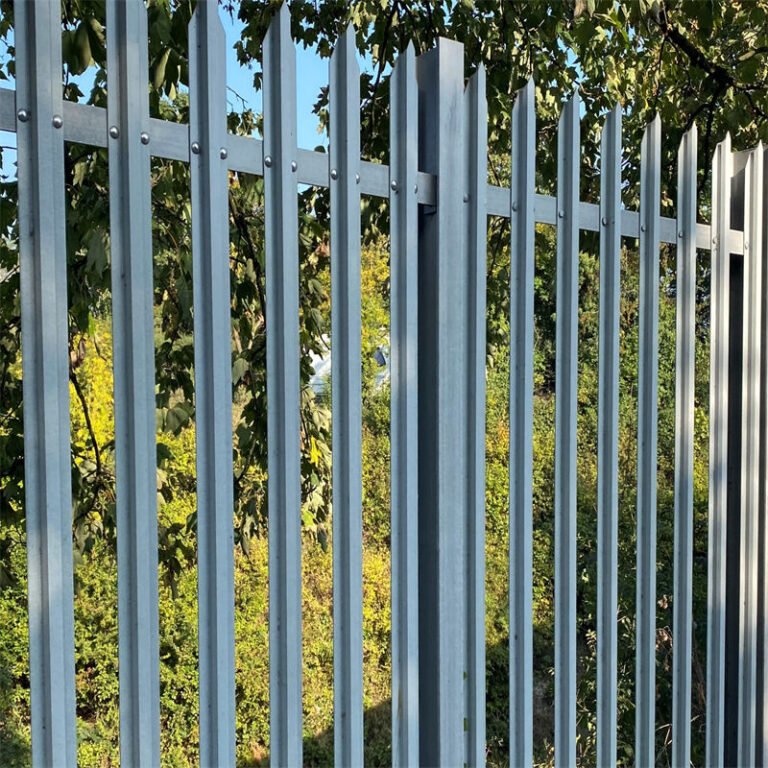
W-section pales contain several bends across the steel profile. D-section pales feature a different formed shape with a smoother visual outline. Both systems need suitable rail support and compatible fasteners. The selected material thickness affects stiffness, weight, and handling.
Steel Palisade Fencing includes configurations with D-section and W-section pale designs. Select the profile after reviewing the site security assessment. Thicker steel alone cannot establish a certified attack-resistance rating.
Steel pale profiles create a strong boundary while allowing views through the fence.Horizontal rails connect the individual pales and transfer loads toward the supporting posts.
Pale Heads and Pedestrian Safety
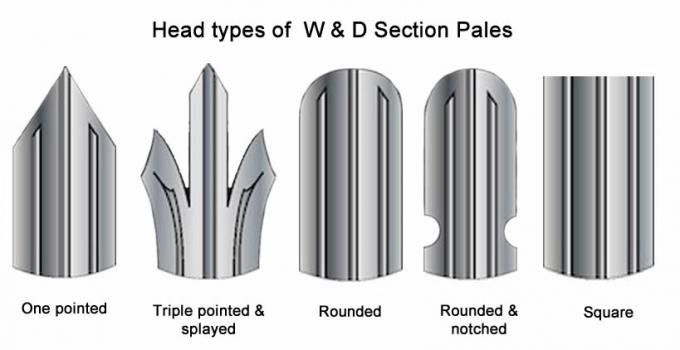
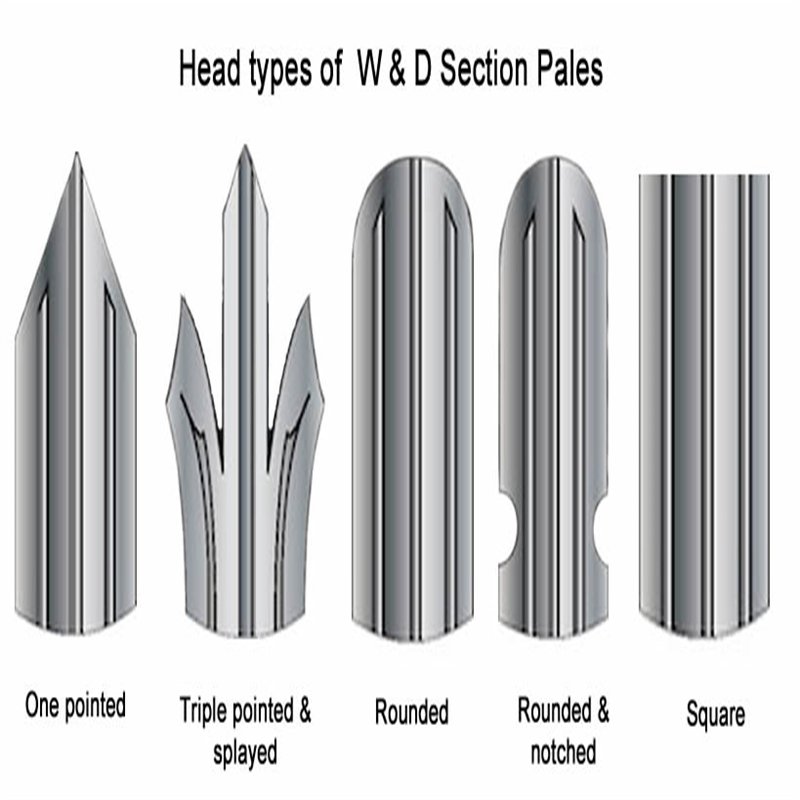
Steel pales can feature rounded, notched, single-pointed, or triple-pointed heads. Pointed heads increase visual deterrence but also introduce contact hazards. Schools and public-facing facilities may prefer safer top configurations. Verify local requirements, setbacks, and signage before choosing sharp components.
Gate leaves should use compatible head profiles and coordinated heights. Keep the finished top line consistent across corners and entrances. Request an approved drawing when pale geometry affects public safety. Never assume every pointed design suits every boundary.
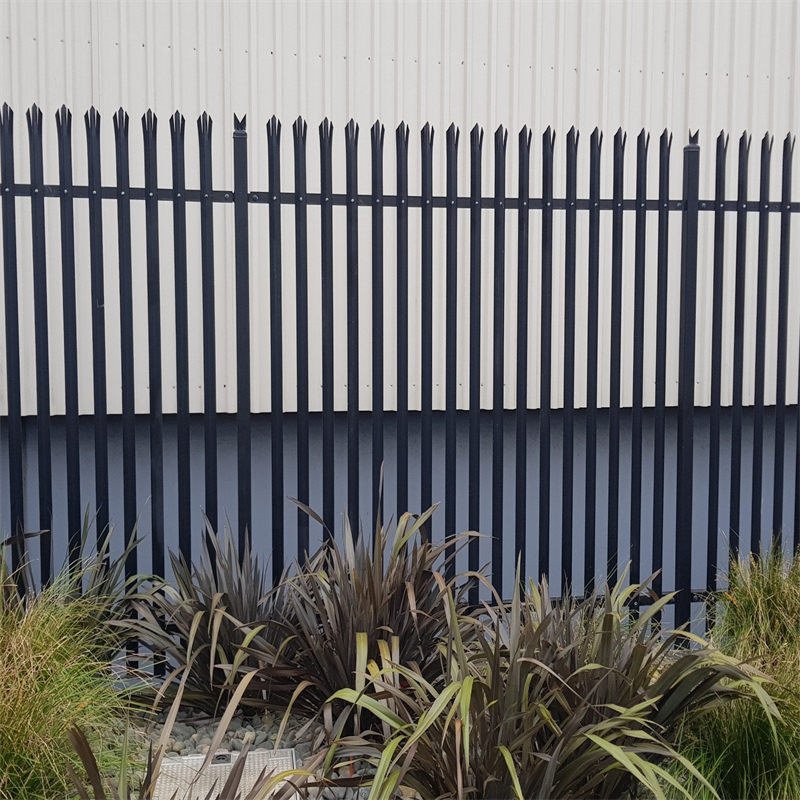
Pale sections and head shapes affect appearance, connection details, and site safety.
Galvanised Steel Palisade Fencing Specifications
The table retains all nine reference combinations from the original specification. Dimensions use millimetres unless the heading states metres. Post and rail sections represent ordering options, not universal engineering approvals. Confirm material grades, fastening schedules, and foundation requirements before production.
The support-leg column follows the original supplier reference. Its exact function requires confirmation on the approved assembly drawing. Taller panels generally create greater wind and structural demands. Engineering checks must determine the final post and rail arrangement.
Reference palisade fence panel, rail, and post specifications
Height (m)
Post section (mm)
Angle rail (mm)
Support legs
Pale thickness (mm)
1.2
102 × 44 or 100 × 55
40 × 40 × 6
1
W 2.0 / D 3.0
1.5
102 × 44 or 100 × 55
40 × 40 × 6
1
W 2.0 / D 3.0
1.8
102 × 44 or 100 × 55
40 × 40 × 6
1
W 2.0 / 2.5; D 3.0
2.0
102 × 44 or 100 × 55
45 × 45 × 6
1
W 2.0 / 2.5; D 3.0
2.1
102 × 44 or 100 × 55
45 × 45 × 6
1
W 2.0 / 2.5; D 3.0
2.4
102 × 44 or 100 × 55
45 × 45 × 6
1
W 2.0 / 2.5; D 3.0
2.7
102 × 44 or 100 × 55
50 × 50 × 6
1
W 2.0 / 2.5; D 3.0
3.0
127 × 76
50 × 50 × 6
2
W 2.5 / D 3.5
3.6
127 × 76
50 × 50 × 6
2
W 2.5 / D 3.5
Inspect pale thickness, rail dimensions, and attachment details before confirming production.Select the pale shape and coating system together with the project's exposure requirements.
Post, Rail and Support-Leg Choices
Common reference posts include 102 × 44 mm, 100 × 55 mm, and 127 × 76 mm sections. The table also lists 40, 45, and 50 mm angle-rail configurations. These dimensions require matching connection details and approved fabrication drawings.
Palisade Fencing Durban provides additional D-section and W-section comparisons for South African projects. Specify the exact pale count, post centres, and bolt sizes separately. Uneven terrain may require shorter bays or revised supports.
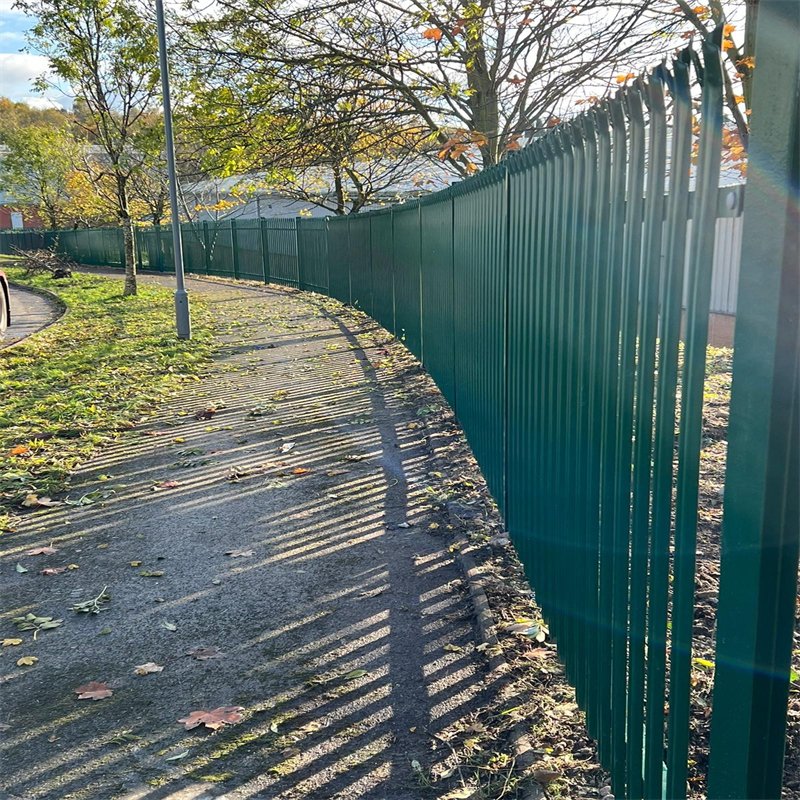
Hot-dip galvanising applies a protective zinc layer to suitable steel components. Powder coating adds a coloured outer film after appropriate surface preparation. A compatible duplex coating combines zinc protection with a decorative finish. Specify each treatment independently to avoid confusion.
BMP can review galvanised-only and galvanised-plus-powder-coated requests. The selected finish should match local exposure and intended maintenance. Black, green, grey, and other RAL colours may suit different projects. Confirm colour availability before approving the order.
Hot-Dip Zinc and Duplex Finishing
Corrosion protection depends on surface preparation, coating quality, thickness, and environmental exposure. Hot-dip galvanising after fabrication can protect accessible completed steel surfaces. Complex crevices and enclosed members require appropriate fabrication and drainage details.
The Powder Coated Clear View Fence range illustrates colour finishing on a different fence structure. Palisade steel requires its own coating specification. Request inspection reports and applicable zinc standards for the actual ordered product.
An attractive finish cannot establish a universal lifespan or warranty period. Any guarantee should appear in the signed commercial terms. Specify exclusions, inspection duties, and repair procedures clearly.
Galvanised Steel Palisade Fencing in Coastal Environments
Coastal air often carries salt that accelerates corrosion on exposed steel. Rust can develop around scratches, fastener holes, and damaged coatings. Select zinc and organic coating systems according to environmental exposure. Check post drainage and fastening compatibility before delivery.
Industrial locations may also face moisture, dust, and chemical deposits. A coating system suitable for dry inland sites may need changes near the coast. Specify the site location and operating conditions early. This helps the supplier prepare a relevant finishing proposal.
Maintenance and Inspection Routines
Regular inspections help identify coating damage before corrosion spreads. Check exposed bolts, lower rails, post bases, and gate hinges. Remove trapped debris and accumulated salt using approved cleaning methods. Repair scratched finishes according to the coating supplier instructions.
Loose pales and missing fasteners can weaken a boundary over time. Replace damaged components using approved matching parts. Maintain records of repairs and any recurring impact damage. Service intervals should reflect local weather and facility use.
Quality manufacturing begins with the correct steel grade and dimensional drawings. Production teams form the pales and prepare the rail connections. They check hole positions, section sizes, and straightness before assembly. Finished assemblies should meet the approved project tolerances.
Security Steel Fence covers additional steel security system arrangements. Palisade components require their own fastener and connection schedule. Inspect representative assemblies before releasing the main shipment.
Bolted, Riveted and Welded Connections
Bolts allow installers to assemble pales onto horizontal rails using matched holes. Tamper-resistant shear nuts may discourage straightforward removal in suitable designs. Rivets provide another fixing option when the project specifies them. Welded assemblies require appropriate joint preparation and inspection.
The attachment method affects repairs and on-site installation procedures. Tightening requirements depend on bolt size and grade. Check every connection against the approved engineering drawing. Avoid substituting generic mesh-fence clamps for palisade hardware.
Begin with a measured boundary survey and identify all proposed entrances. Mark corners, end posts, changes in level, and underground services. Check the permitted fence line against local site rules. A reliable layout reduces unnecessary cutting and rework.
Install supporting posts according to approved foundation and alignment details. Fit rails securely before attaching individual pales. Keep pale spacing consistent throughout each bay. Inspect the complete installation before normal operation begins.
Slope and Ground-Clearance Decisions
Sloping ground can require stepped bays or engineered raking adjustments. Stepping may increase the gap beneath some fence sections. Designers should manage those openings without creating drainage problems. Measure every slope before approving panel quantities.
Foundation size depends on soil conditions, wind loading, fence height, and post spacing. A generic depth recommendation cannot suit every project. Base-plated posts also require adequate anchorage and suitable concrete. Obtain local engineering approval where required.
Galvanised Steel Palisade Fencing Gates and Access Control
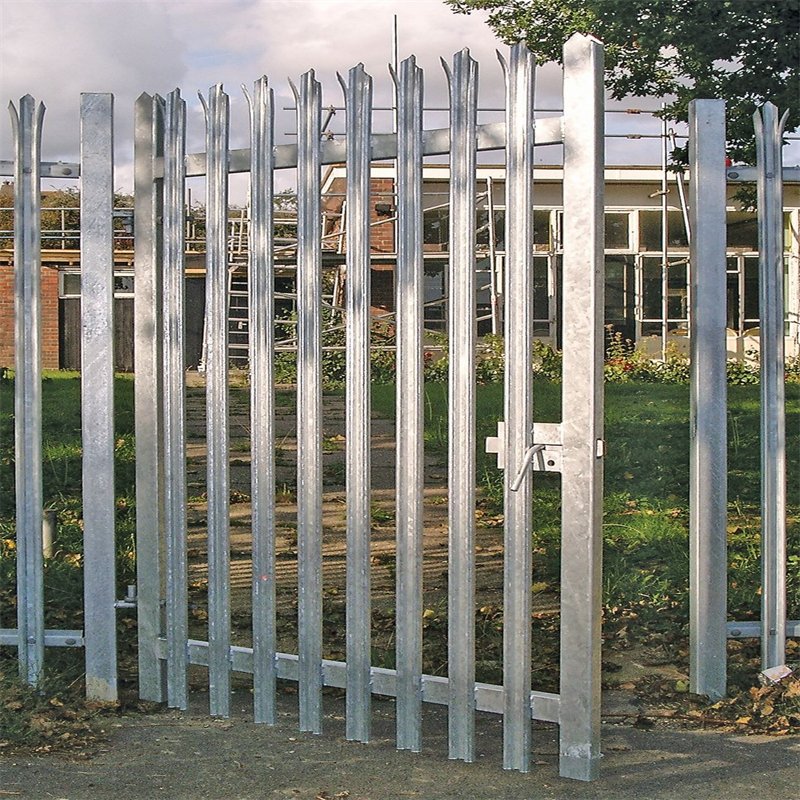
Entrances need strong gate frames and foundations that match their working loads. Pedestrian and vehicle gates have different hinge, lock, and clearance needs. Matching pale infill can maintain a consistent perimeter appearance. Always review access routes and emergency operations.
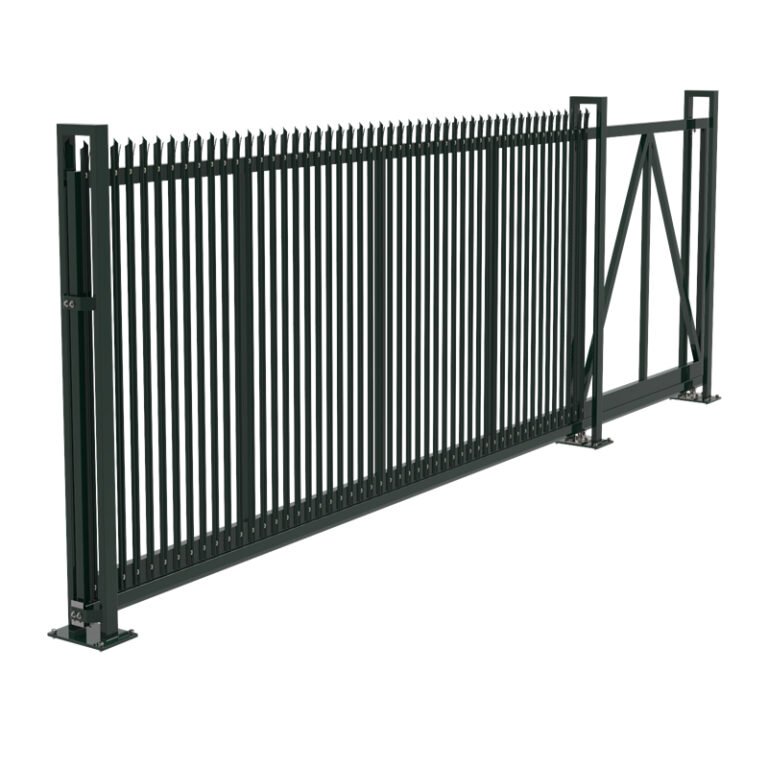
Pedestrian Gates can guide planning for separate personnel entrances. Double Swing Gates illustrate wider two-leaf access solutions. Sliding Gates offer another configuration where lateral space permits. These referenced gate families use distinct designs and may require adaptation.
Entry Options and Compatible Hardware
Gate posts often require larger foundations than ordinary line posts. Specify leaf width, intended usage, hinge positions, and locking arrangements. Motorised openings also need suitable obstacle detection and electrical safety. Test each gate through its full operating range.
For comparison, Clearvu Sliding Gates use a mesh-based design. A palisade project should not assume these gates share the same fittings. Confirm framing, post strength, and security hardware before mixing systems.
An effective perimeter includes compatible gate access, strong posts, and secure fixings.
Galvanised Steel Palisade Fencing for Commercial Projects
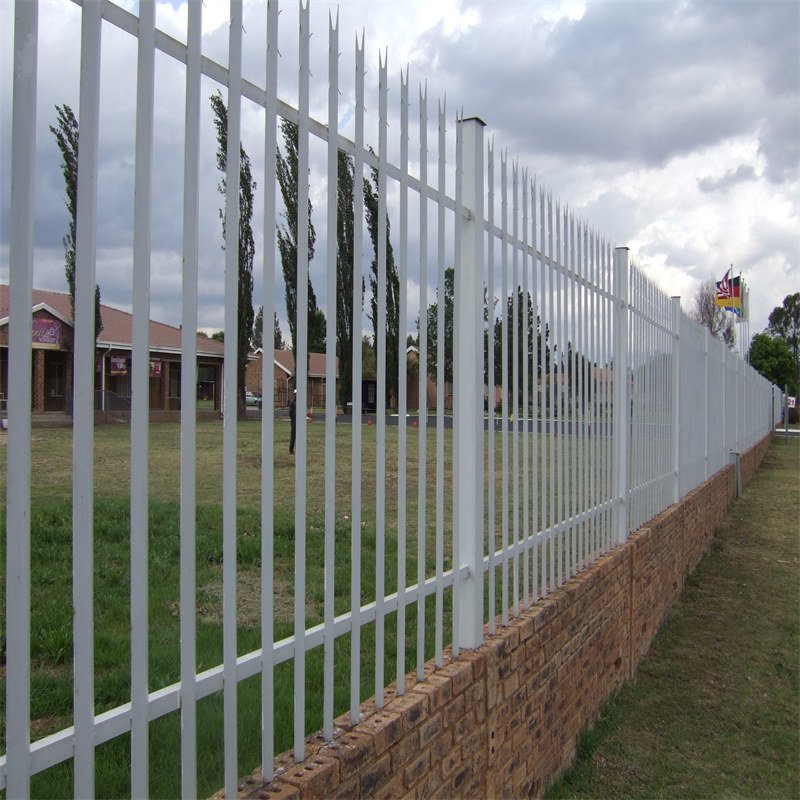
Schools, factories, warehouses, and utilities often require clear perimeter boundaries. Palisade structures provide an open view through the steel pales. Staff can inspect boundary areas without relying on solid walls. The final design should reflect pedestrian safety and operating needs.
Public-facing properties may prefer rounded pale heads and controlled pedestrian openings. Industrial sites may select heavier sections and reinforced entrances. Utility compounds may need special clearances or site-access restrictions. Review local rules before selecting a head profile.
Schools, Factories and Warehouses
Schools need boundaries that consider children, visitors, and nearby walkways. Factory yards often prioritise access management and equipment protection. Warehouses benefit from coordinated lighting and camera coverage. Each property should use a site-specific risk assessment.
Some buyers compare palisade systems with the more architectural Tubular Steel Fence. That product uses hollow steel pickets rather than formed palisade pales. Performance depends on the whole assembly, not its appearance alone.
Galvanised Steel Palisade Fencing Versus Mesh Systems
Palisade fencing forms openings between vertical steel pales. Welded mesh systems use smaller apertures and different attachment methods. Neither construction automatically provides a certified security rating. Compare intrusion risks, visibility, site access, and maintenance needs.
High Security Clear View Fencing offers closely spaced welded wire openings. Clearvu Fence Panels provide another mesh alternative. Mesh solutions may suit sites needing finer openings and camera visibility. Palisade barriers maintain a different architectural profile.
Mesh Alternatives and Risk Assessment
Unlike palisade posts, Clearvu Fence Posts match selected mesh attachments. Clearvu Fence Clamps serve their own panel connections. Do not use these components as unapproved substitutes for palisade fittings.
Some high-risk projects add separate protective zones using Razor Wire Mesh. Razor Wire Flat Wrap represents another security topping product. Check local laws, public safety, and structural loads before adding sharp components.
Galvanised Steel Palisade Fencing Packaging and Export
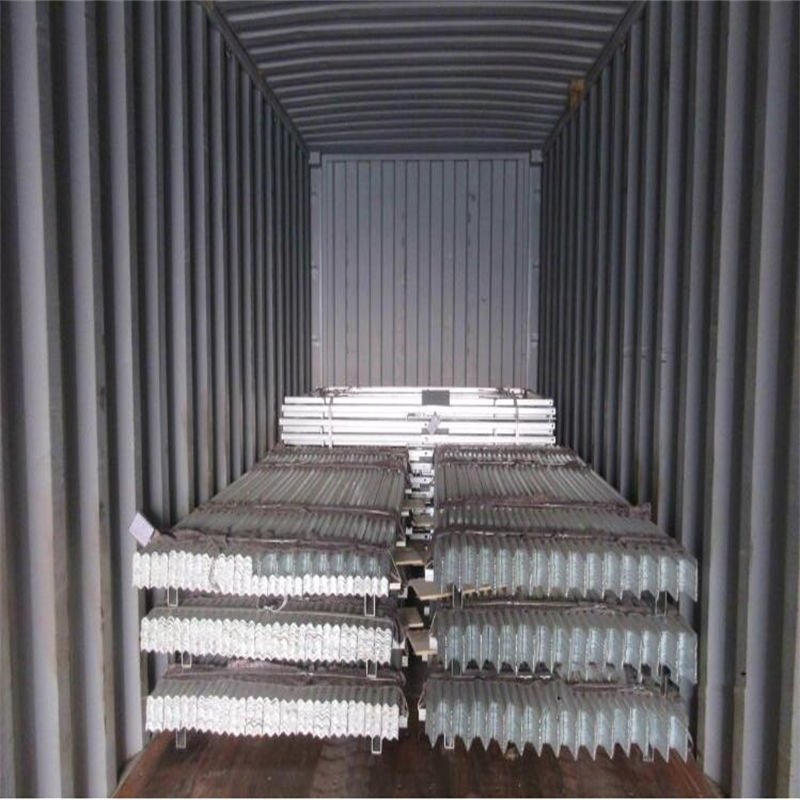
Export packing protects zinc finishes and powder coatings during transport. Pales, rails, posts, and fittings can travel as loose components or assembled sections. Place separators between coated steel surfaces to reduce abrasion. Secure each load against movement within the container.
BMP can prepare export steel pallets and identified accessory cartons. A packing schedule should match the approved bill of materials. Proper loading supports easier unloading and inventory checks at the destination. Confirm handling equipment and port requirements before shipment.
Freight Preparation and Material Checklists
Count all pales, horizontal rails, posts, brackets, bolts, and nuts. Group similar profiles and label each pallet clearly. Protect pointed heads and projecting edges during handling. Record the finished package dimensions and weights accurately.
Inspection photographs can document surface condition before dispatch. Buyers should also review the final packing list and order drawings. Keep spare hardware available for predictable installation losses. Delivery timing depends on approved specifications and vessel availability.
Consistent component selection makes installation and future fence maintenance easier.
Can buyers choose D-section or W-section pales? Yes. Specify the required profile, thickness, and head style. The factory should confirm production compatibility.
Can palisade fencing follow sloping ground? Many projects can use stepped or engineered raked arrangements. Site measurements determine the suitable approach.
Does galvanised steel need maintenance? Yes. Periodic inspections and repairs preserve corrosion protection. Maintenance frequency depends on the site environment.
Can the fence include vehicle gates? Yes. Gate design must account for opening size, working loads, and compatible hardware.
Custom Orders and Project Documentation
Which details should buyers send? Supply the boundary length, fence height, pale profile, rail size, and post choice. Add project drawings and gate quantities.
Can BMP supply custom colours? Colour choices depend on coating availability and confirmed project requirements. State the RAL reference before order approval.
Does every order include a fixed warranty? No universal warranty follows from these specifications. Confirm written coverage and coating requirements in the contract.
BMP can review drawings, technical specifications, and container packaging requirements for international supply. A detailed enquiry helps match components to the complete boundary system.