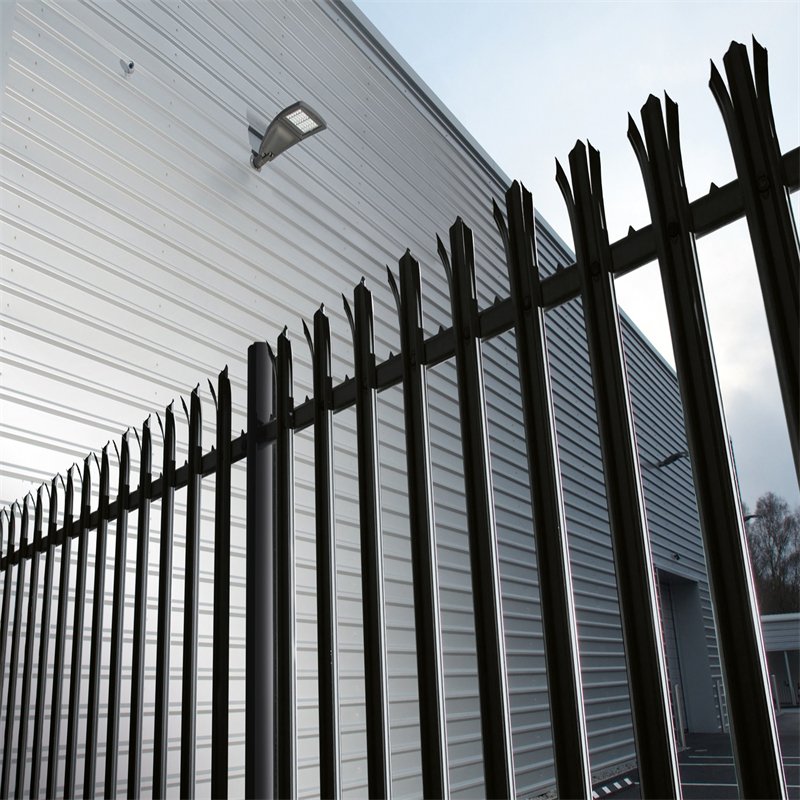
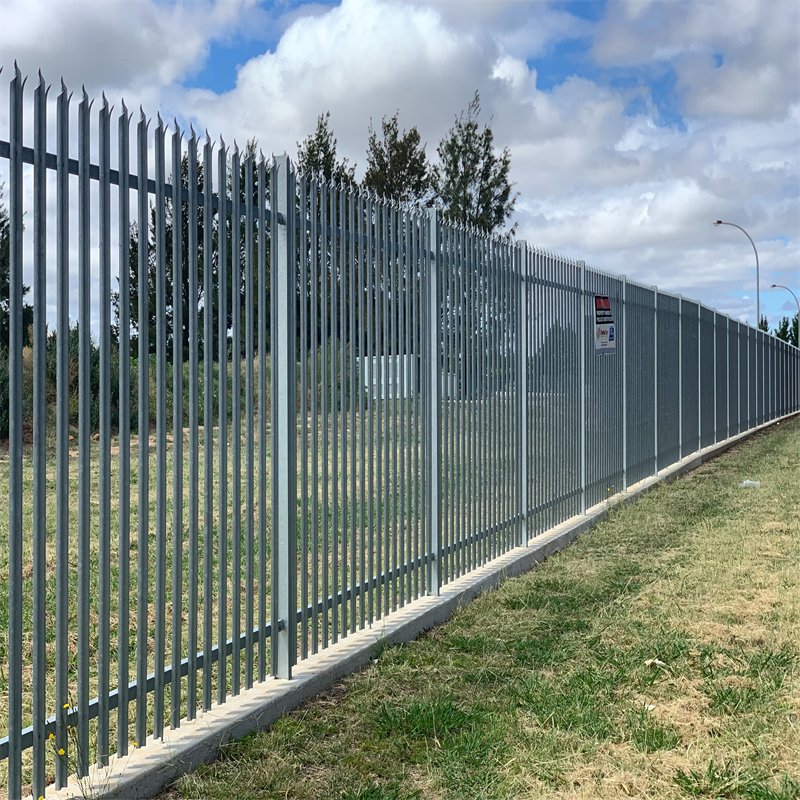
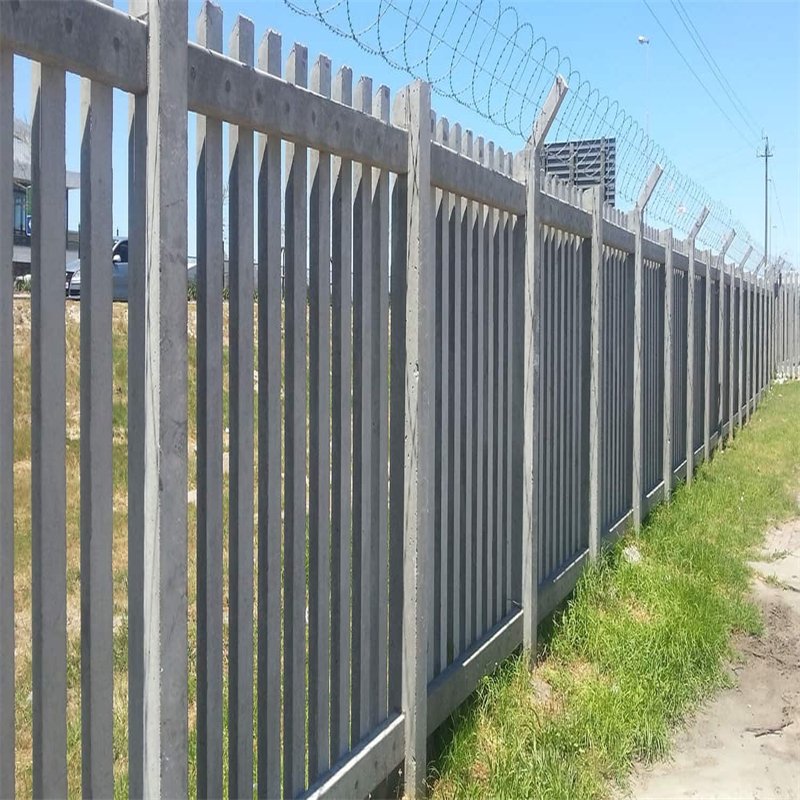
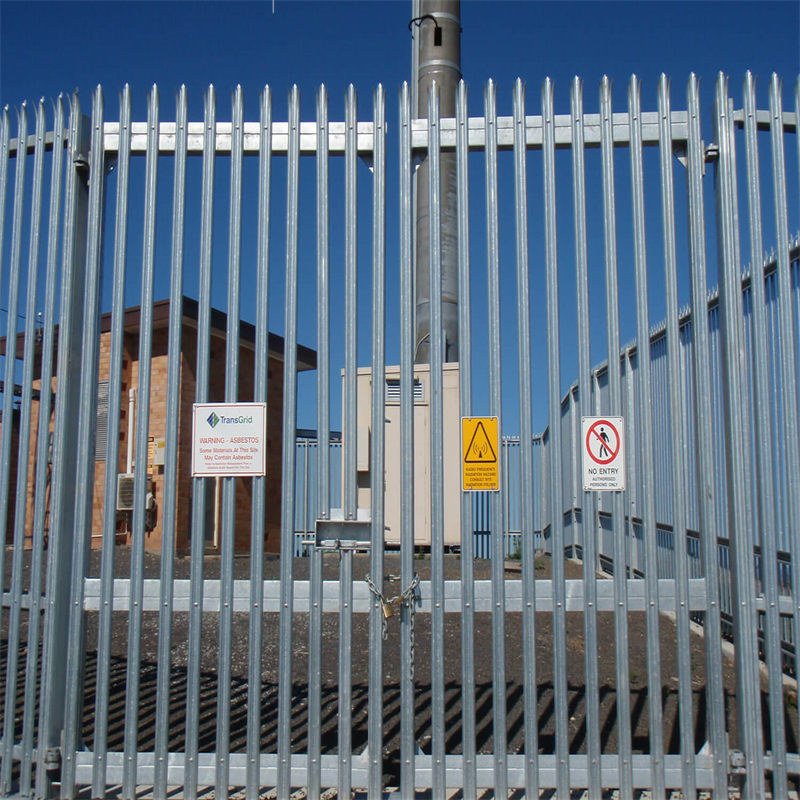
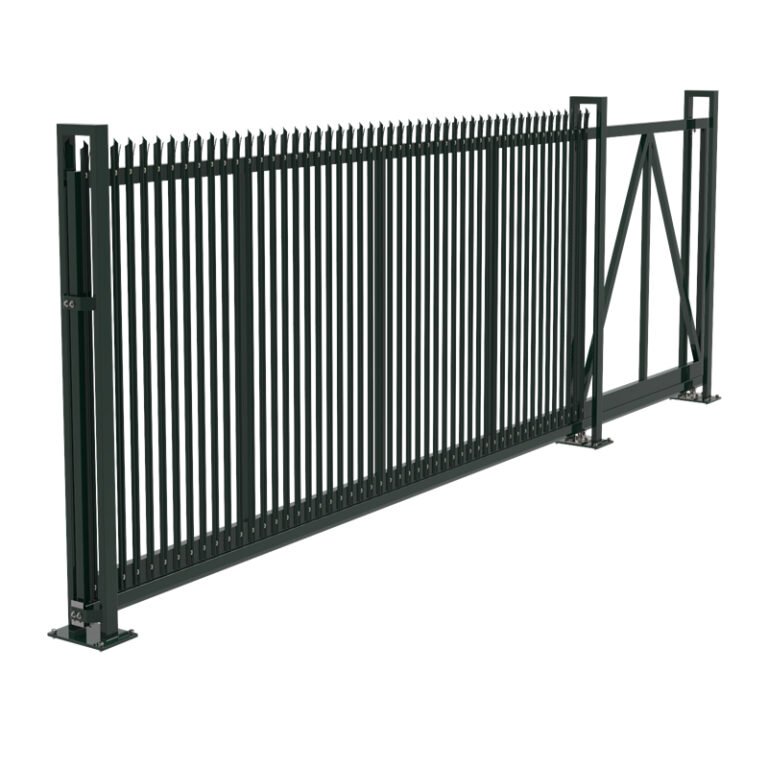
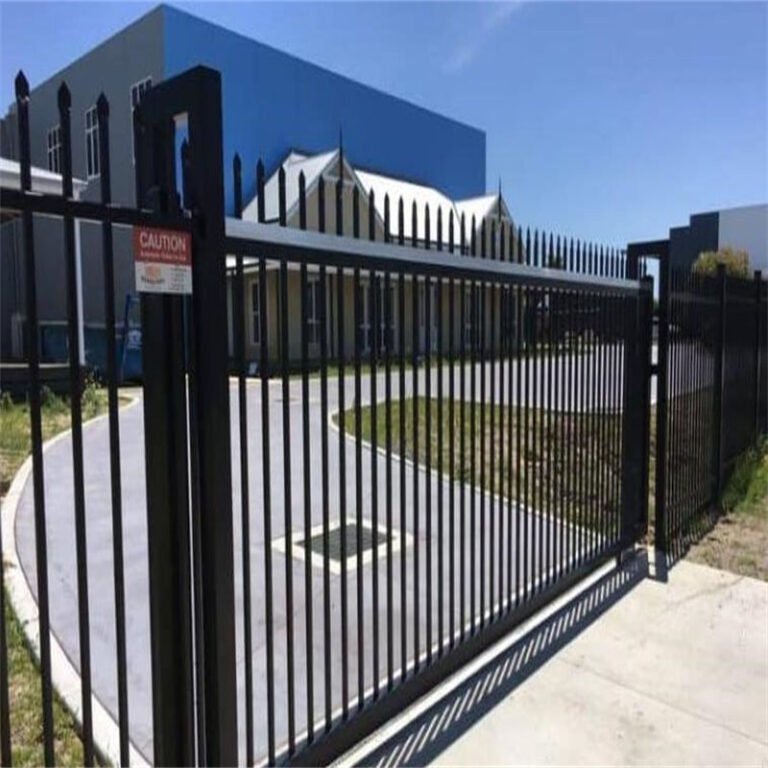
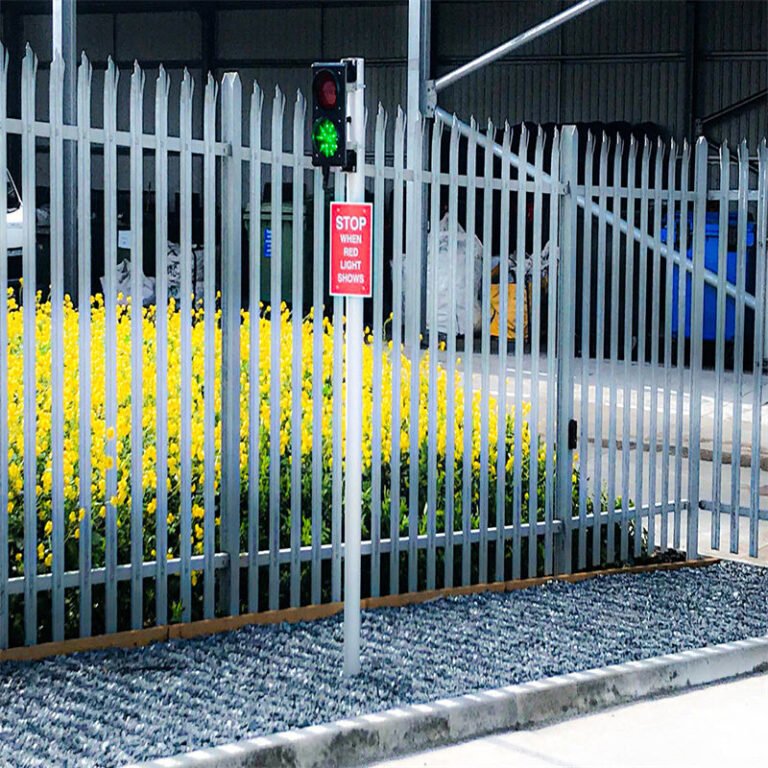
Palisade fencing for sale offers an open steel boundary for factories, warehouses, schools, utilities, and commercial properties. Vertical pales discourage casual climbing while horizontal rails support a rigid perimeter. Buyers can specify pale profiles, fencing heights, steel sections, and protective finishes. Boss Metal and Plastic Co., Ltd. supplies customised steel fencing from China for international projects.
A common starting configuration measures approximately 1.8 m high and 2.5 m wide. Actual panel dimensions depend on post spacing, pale quantity, and rail connections. Wider sections need suitable engineering checks before production. Projects should also consider foundations, wind exposure, access gates, and site maintenance.
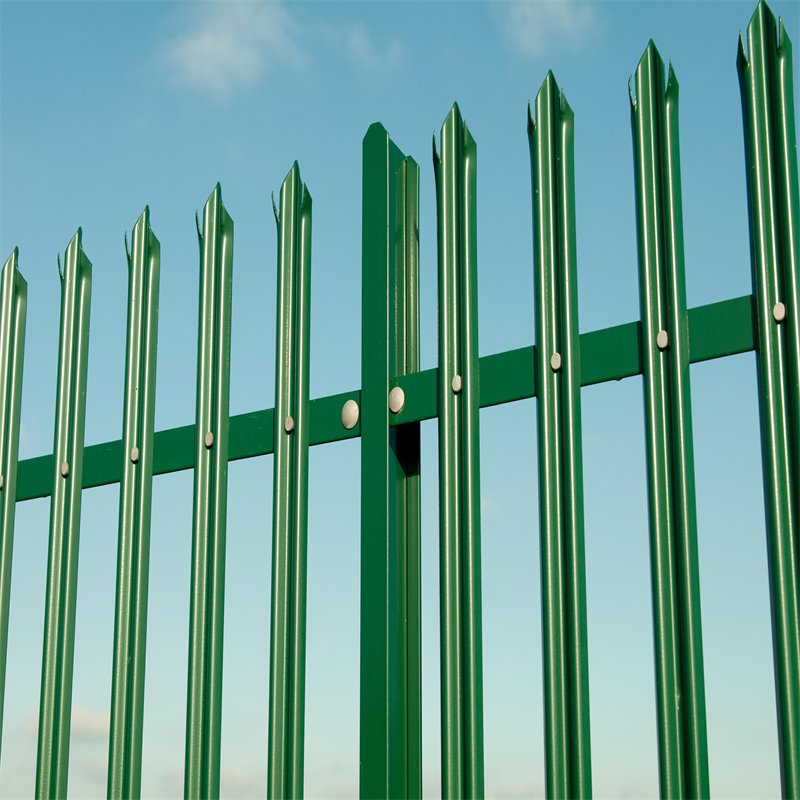
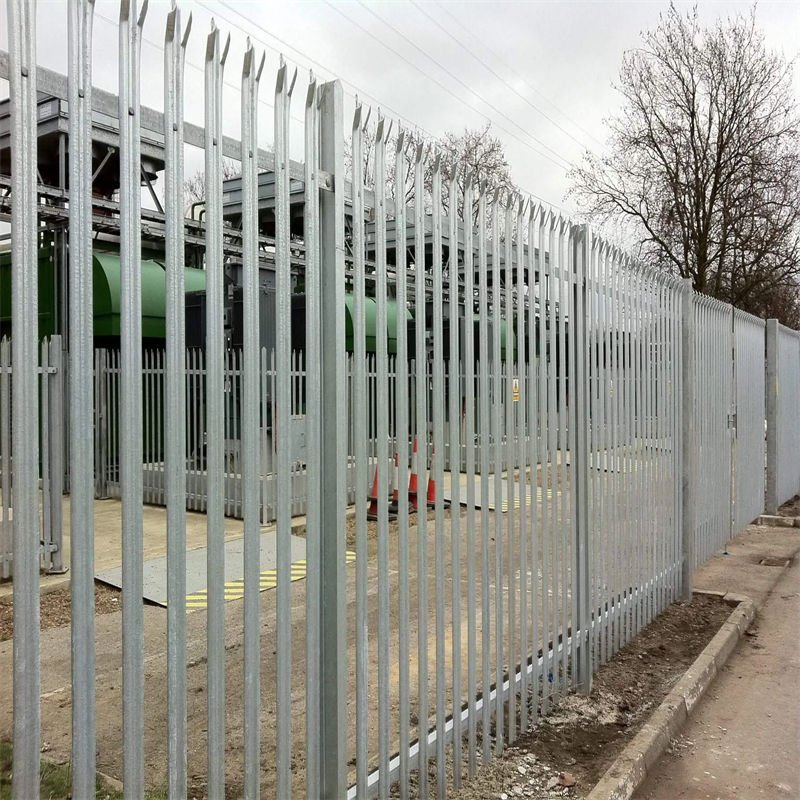
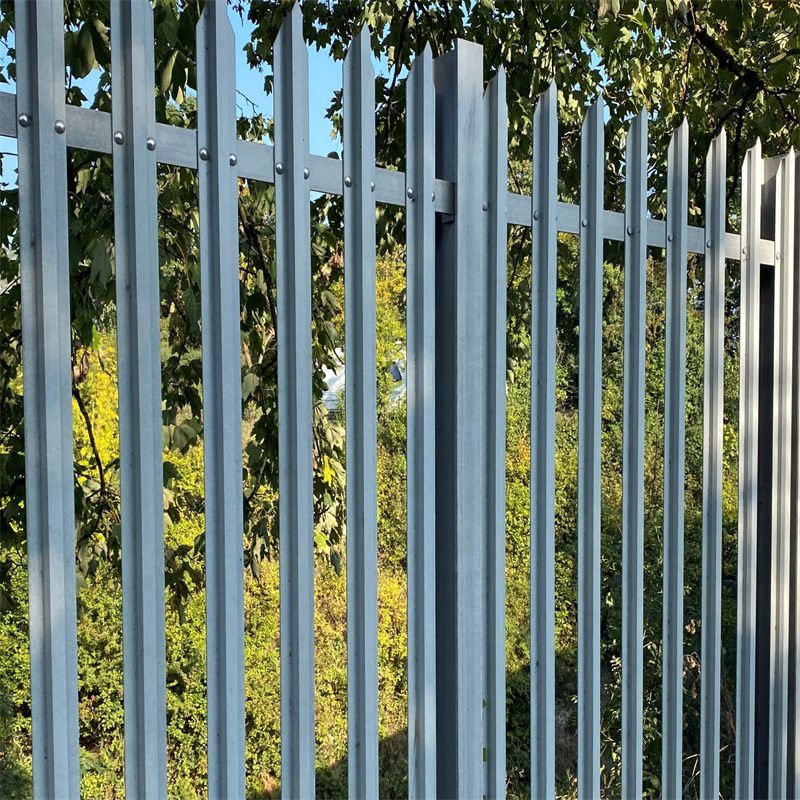
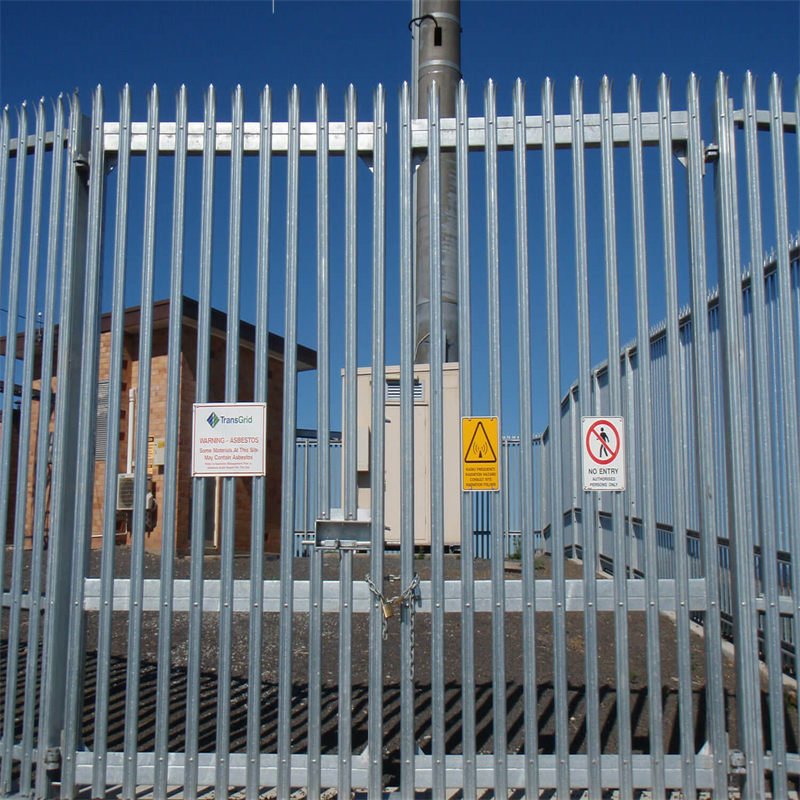
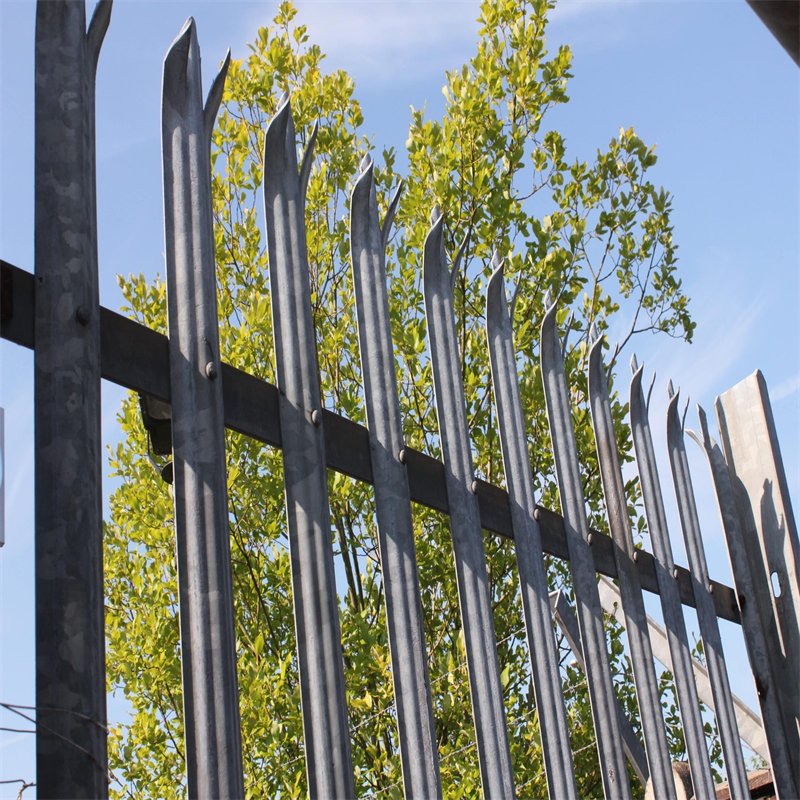
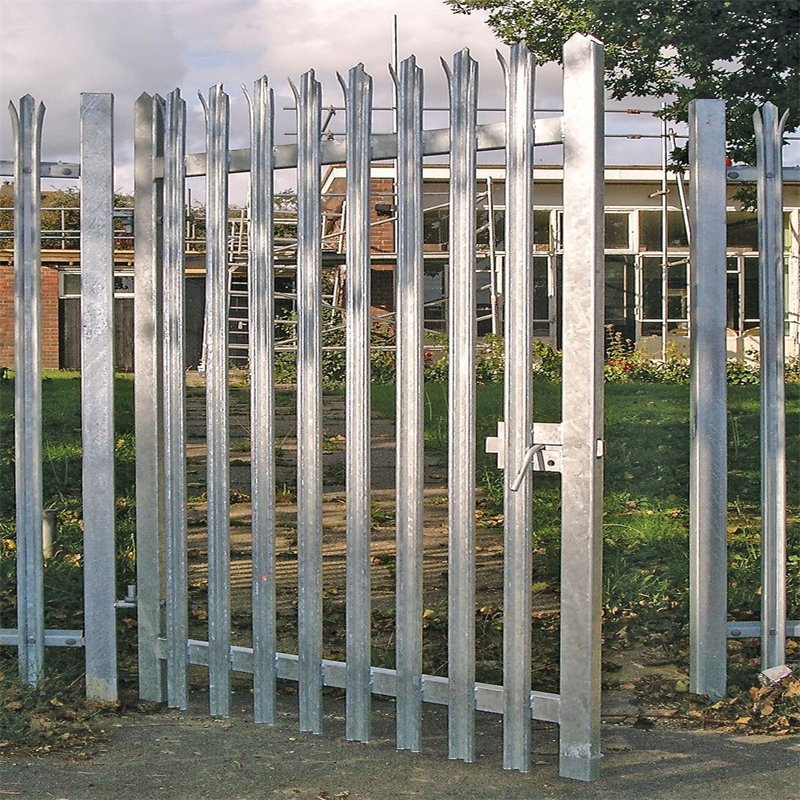
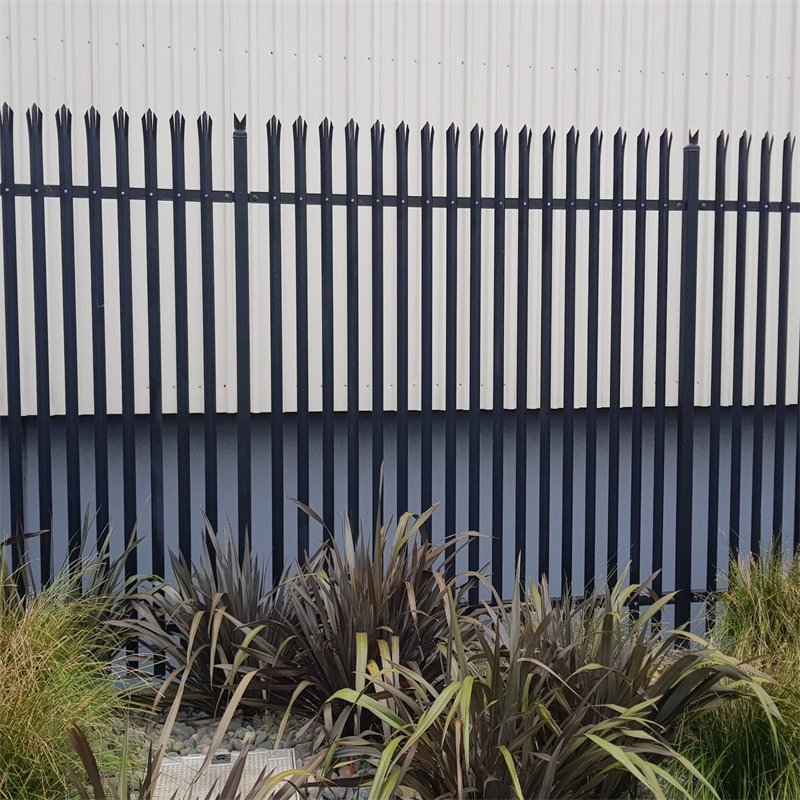
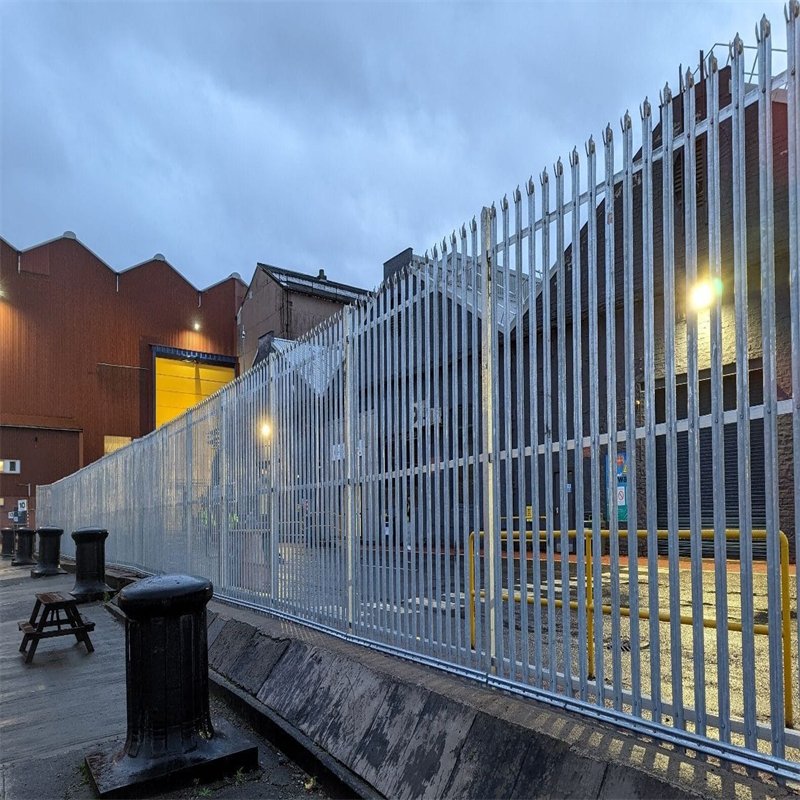
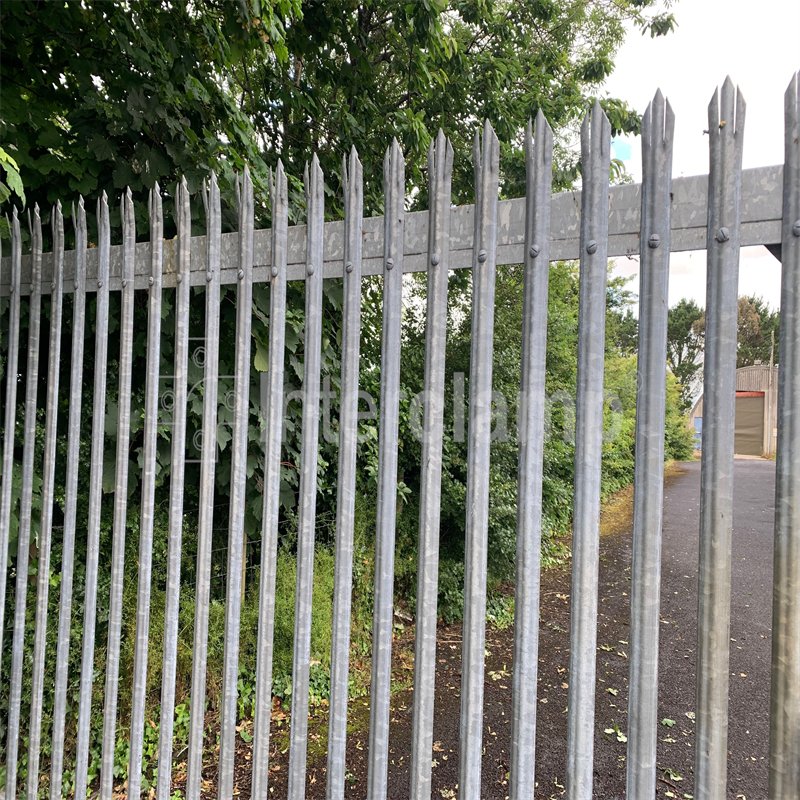
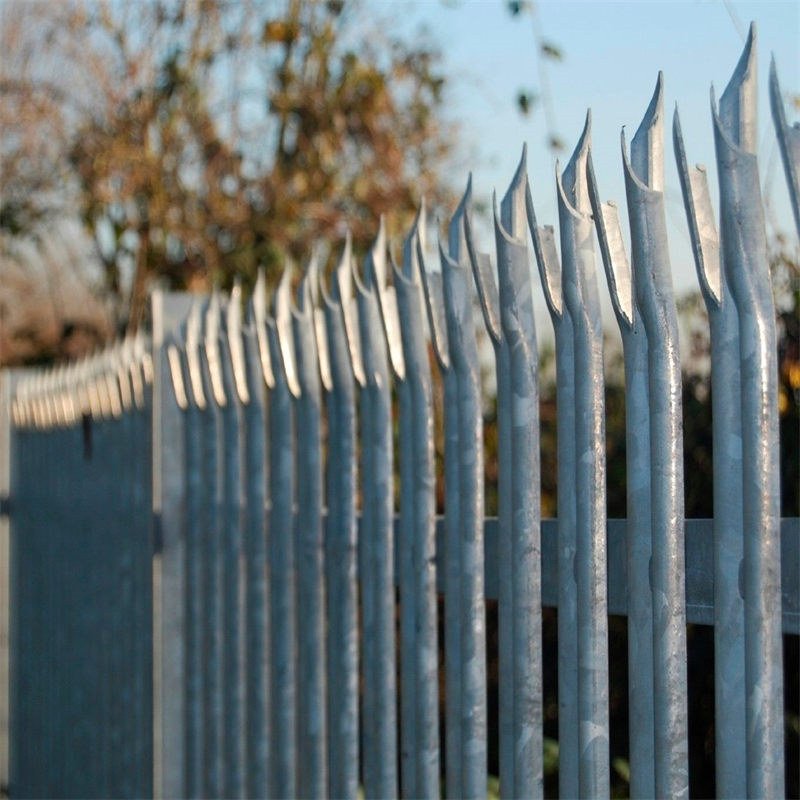
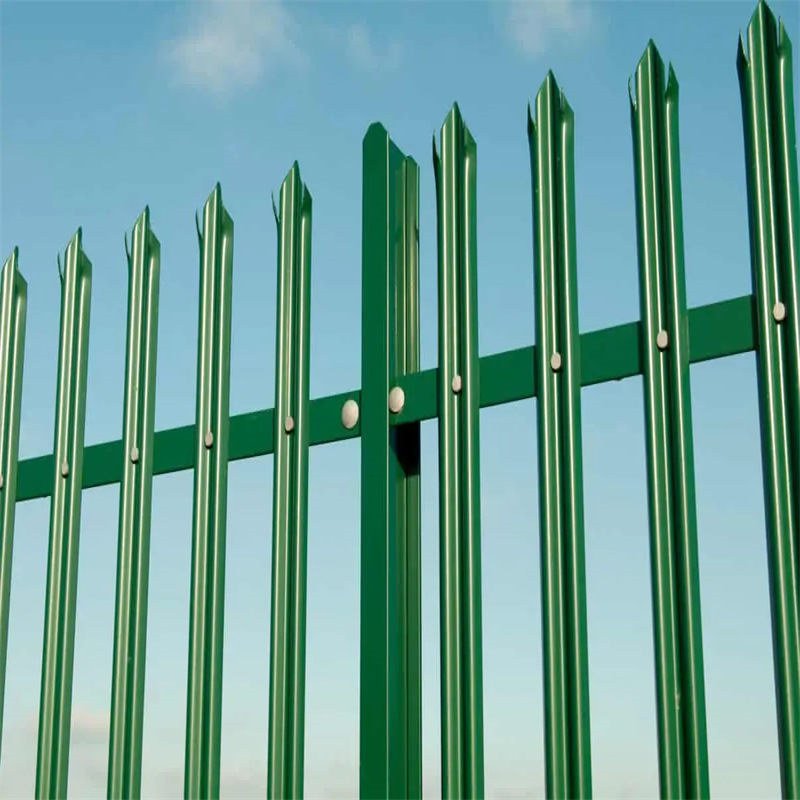
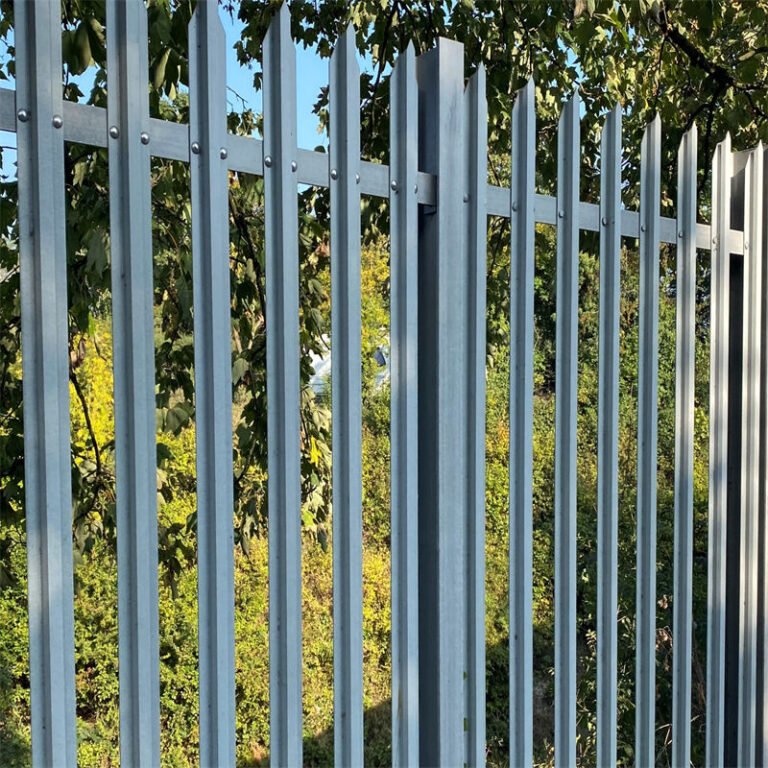
Galvanised palisade fencing combines profiled steel pales with a visible perimeter boundary.
Palisade Fencing for Sale: Security and Design
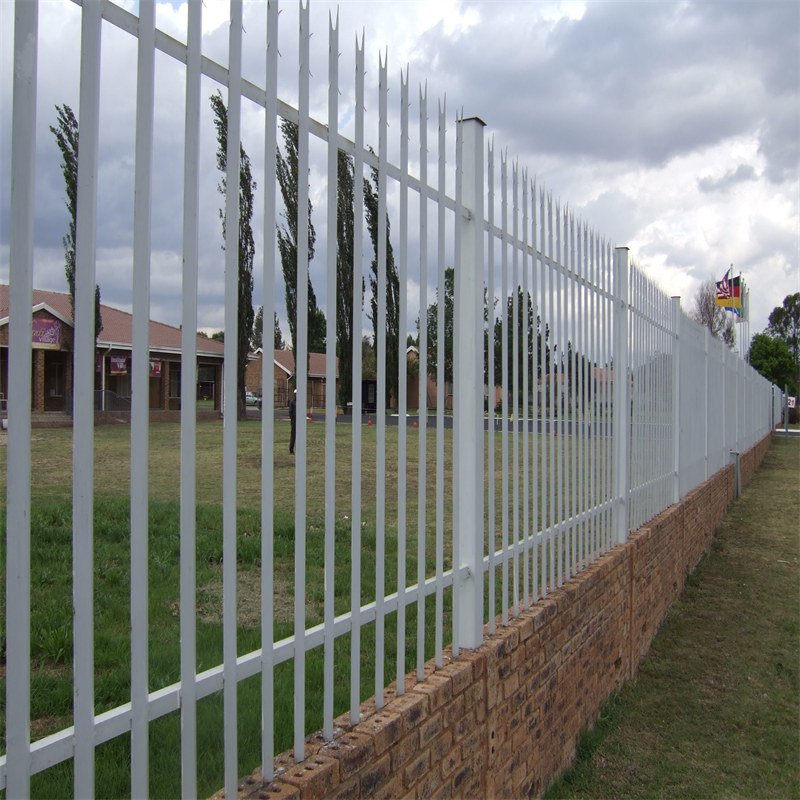
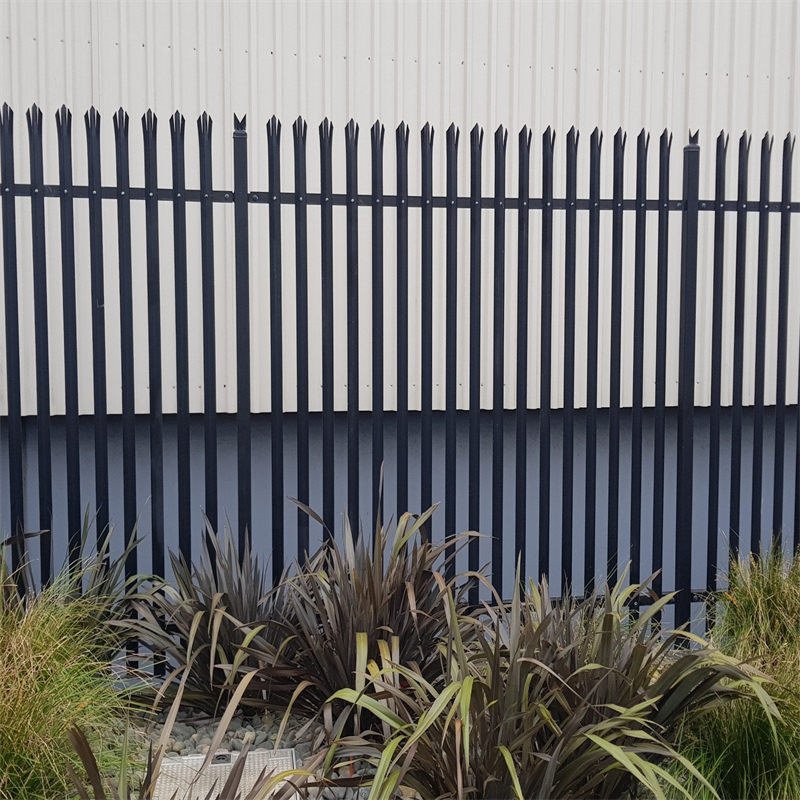
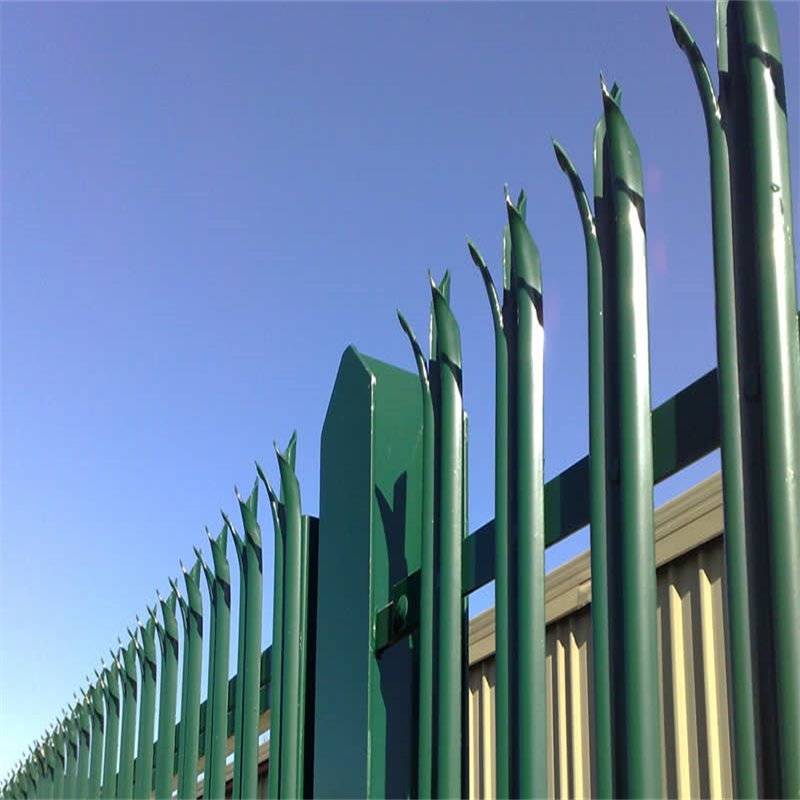
Steel palisade panels provide a clear physical boundary without blocking the entire view. Their open spacing supports routine perimeter observation by staff and security cameras. Pointed tops can discourage access where local rules allow them. Rounded tops suit sites that need fewer exposed points.
Many buyers compare Palisade Fencing with other open steel boundary systems. A Security Steel Fence may use shaped pales or tubular pickets. Site risks, visibility, appearance, and available installation space should guide the selection.
Understanding W and D Pales
Palisade fences generally use W-section pales, D-section pales, or angle-steel alternatives. Each profile influences stiffness, appearance, fixing arrangement, and material consumption. Pale thickness and steel grade also affect performance. Manufacturers should confirm the complete section geometry before preparing a quotation.
Palisade Fencing for Sale: W-Section Pales
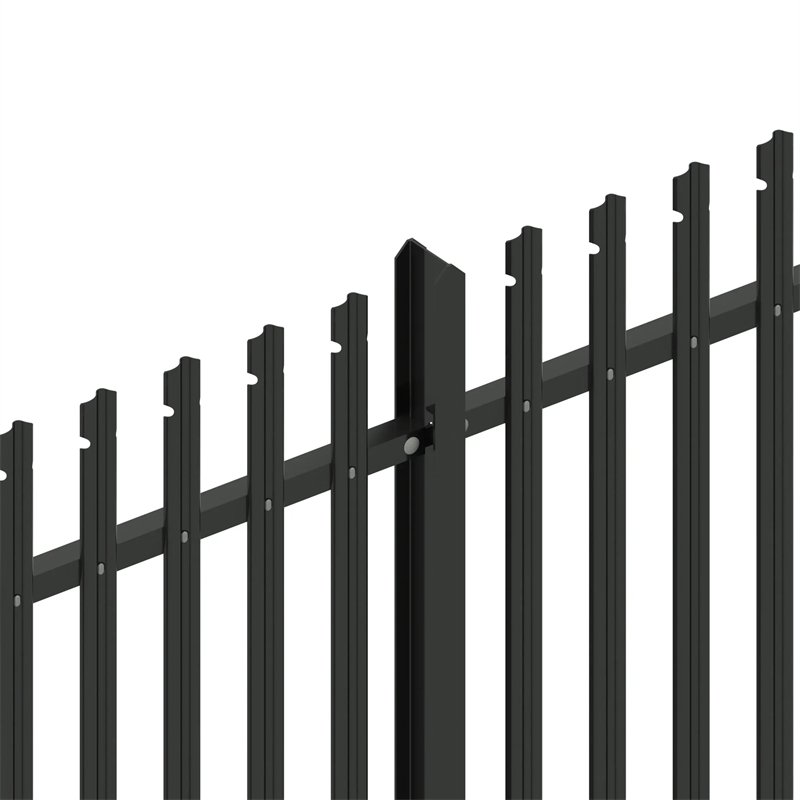
W-section pales use a corrugated profile with multiple bends across the steel strip. The shape increases local rigidity compared with a plain strip of similar dimensions. Our source specifications list widths between 60 and 72 mm. Available thicknesses include 2.0, 2.5, and 3.0 mm.
Buyers can specify single-point or triple-point heads according to the project. The finished pale width matters when calculating clear spacing. Exact security performance depends on the complete fence, not the pale shape alone.
Choosing D-Section and Angle Pales
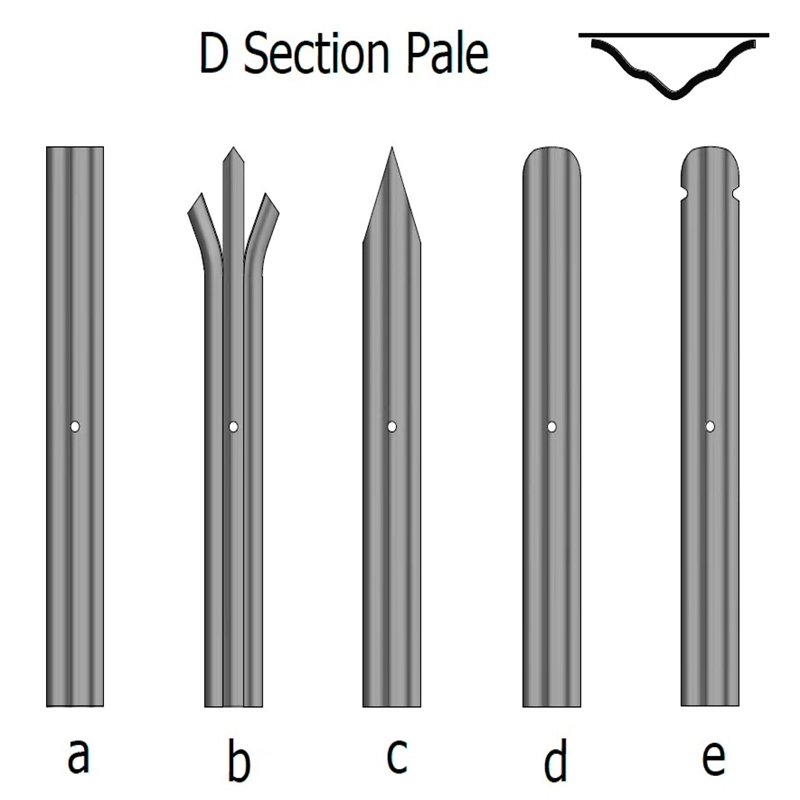
D-section pales provide a curved profile and a traditional steel palisade appearance. The supplied range lists 60–72 mm widths and 2.0–3.0 mm thicknesses. Angle-steel pales offer another configuration using 40 × 40 mm sections. Their listed thickness choices are 3.0, 4.0, and 5.0 mm.
For architectural boundaries, some projects consider Steel Fence Panels with tubular pickets instead. That construction differs from rolled palisade profiles. Confirm whether the project specifies pointed pales, rounded tops, or a particular appearance.
Palisade Fencing for Sale Specifications
The tables below preserve the supplied component dimensions as reference options. They do not establish one fully matched assembly. Confirm pale count, spacing, post centres, rail lengths, and fastener positions through approved drawings.
Table 1. Steel palisade pale specifications
Pale type
Width / section
Thickness
Head options
Height range
W-section pale
60–72 mm
2.0 / 2.5 / 3.0 mm
Single point / triple point
1.0–3.0 m
D-section pale
60–72 mm
2.0 / 2.5 / 3.0 mm
Single point / triple point
1.0–3.0 m
Angle-steel pale
40 × 40 mm
3.0 / 4.0 / 5.0 mm
Single point
1.0–3.0 m
Steel Pale Dimensions and Head Styles
A pale's height describes its physical length, not necessarily the finished fence height. The rail arrangement also affects the visible projection above the upper fixing. Common head patterns include single point, triple point, and rounded alternatives. Buyers should specify head orientation and edge finishing on drawings.
Head details deserve particular care near public spaces and schools. Local requirements may restrict sharp projections or prescribe boundary heights. Select the design after confirming the site's safety obligations.
Horizontal rails connect the vertical pales and transfer loads toward the posts. The reference rail specification offers 40 × 40 mm and 50 × 50 mm angle sections. Listed thicknesses include 4.0 mm and 5.0 mm. The reference rail length measures 2710 mm.
Table 2. Steel palisade rail specifications
Rail profile
Section options
Thickness
Reference length
Hole arrangement
Angle-steel rail
40 × 40 / 50 × 50 mm
4.0 / 5.0 mm
2710 mm
19 holes on one edge; confirm spacing
The reference 2710 mm rail does not automatically match every 2500 mm panel design. Allow for post-centre dimensions, end clearances, and joining hardware. Hole spacing needs the correct pale count and fixing geometry. Production drawings should identify each drilling position.
Post Types and Foundations
Post selection depends on fence height, wind exposure, soil conditions, and site layout. The reference range includes IPE, RHS, and SHS steel profiles. Each post type has different connection details and foundation requirements. A suitable foundation must support the full system's loads.
Table 3. Steel palisade post specifications
Post type
Section options
Thickness options
Top
Post length
IPE
100 × 55 / 100 × 68 / 120 × 74 mm
3.5 / 4.0 / 4.5 / 5.0 mm
Cut profile
According to fence height and foundation
RHS
60 × 80 / 80 × 100 mm
2.5 / 3.0 / 3.5 / 4.0 mm
Post cap
According to fence height and foundation
SHS
80 × 80 / 100 × 100 mm
2.5 / 3.0 / 3.5 / 4.0 mm
Post cap
According to fence height and foundation
IPE posts use an open structural section, while RHS and SHS posts use hollow rectangular or square sections. These profiles need different caps, connections, and drainage arrangements. For another boundary style, Tubular Steel Fence systems use different panel assemblies.
Palisade Fencing for Sale Coating Options
Corrosion protection strongly influences long-term performance. Available processes include electrogalvanising, hot-dip galvanising, polyester powder coating, and compatible combined finishes. Electrogalvanising and hot-dip galvanising produce different zinc coating characteristics. A powder coating adds a coloured finish over properly prepared steel.
Specify whether galvanising occurs before or after fabrication. Welding and cutting can expose untreated steel surfaces. A project coating schedule should identify preparation, coating targets, and inspection methods. Avoid assuming that every finishing method provides identical durability.
Hot-Dip Galvanising and Powder Coating
Hot-dip galvanising applies a zinc layer to prepared steel through immersion in molten zinc. Powder coating forms a decorative protective layer through controlled application and curing. Compatible duplex systems can combine these methods. Surface preparation and coating adhesion matter for finished quality.
For colour comparisons, Powder Coated Clear View Fence shows a separate coated mesh system. Do not treat its coating claims as palisade product guarantees. Specify the actual RAL colour and coating requirements in the purchase documents.
Palisade Fencing for Sale in Coastal Areas
Salt-laden air can accelerate corrosion near shorelines, industrial plants, and exposed ports. Select the zinc protection and optional topcoat for the expected environment. Inspect exposed cut edges, connections, and post bases carefully. Proper drainage can reduce water retention around supports.
Regional buyers can compare Palisade Fencing Durban specifications when assessing coastal projects. Confirm exposure class and maintenance procedures with the final coating supplier. Avoid universal service-life promises without documented conditions.
Fixings and Assembly Methods
Contractors can install palisade components using bolts, compatible rivets, or approved welds. Bolted assemblies allow individual components to be replaced during maintenance. Tamper-resistant fasteners can reduce casual interference at accessible joints. The correct method depends on the required security and site conditions.
Rail connections should maintain alignment along the complete perimeter. Inspect bolt engagement, washers, and any exposed steel after installation. Treat damaged protective coatings using the approved repair process. Check weld quality where a permanent welded joint forms part of the design.
Palisade Fencing for Sale Installation
Begin with a measured boundary survey and an approved layout. Mark fence corners, gate positions, service crossings, and changes in ground level. Confirm post centres before preparing foundations or prefabricating rails. Keep panel alignment consistent while setting and tightening the connections.
Installation crews should check verticality, rail levels, and ground clearances. Deep foundations may be necessary on soft or exposed ground. Engineers should review local loads and foundation conditions for taller sections. Never select embedment depth from fence height alone.
Ground Conditions and Slopes
Sloping sites may require stepped sections or a raked pale arrangement. The choice depends on the slope, panel shape, and allowed ground clearance. Stepped sections can create larger triangular gaps at changes in elevation. Review those openings before finalising drawings.
Gate posts need separate load checks because moving leaves introduce concentrated forces. Drainage channels and buried utilities also influence post positions. Review these constraints before manufacturing custom steel sections.
Palisade Fencing for Sale Gates
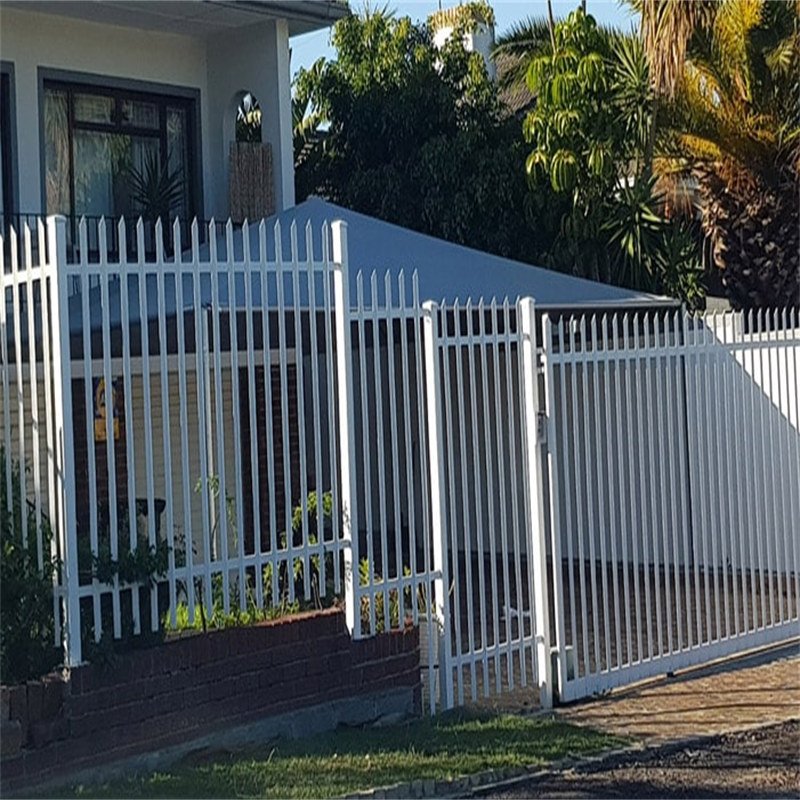
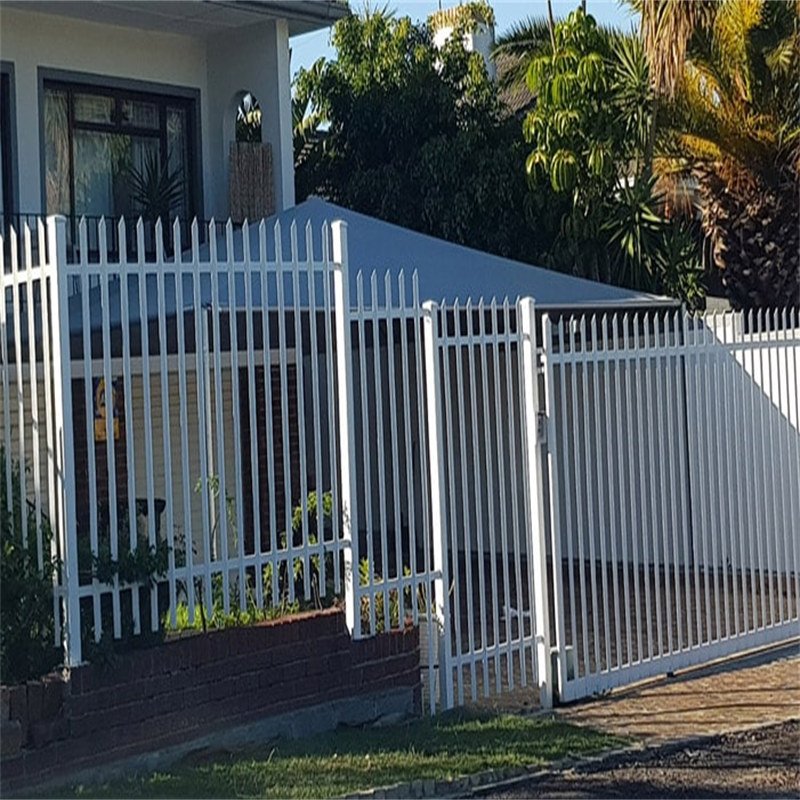
Pedestrian and vehicle gates should match the boundary's security plan. Choose swing, double-leaf, or sliding operation according to entrance width. Specify hinges, latches, stops, and access controls separately. Gate support posts must accommodate the intended operating loads.
Other projects use Clear View Fence Gates beside mesh boundaries. Clearvu Gates use different panel and connection systems. A Clearvu Sliding Gates design also needs specific tracks, frames, and posts. Confirm interface details before combining different product systems.
Industrial and Public Applications
Palisade fencing suits industrial sites, substations, warehouses, logistics yards, and railway facilities. Schools, sports grounds, parking areas, and municipal service yards may also use suitable designs. Site managers should match fence height and pale heads to public access conditions.
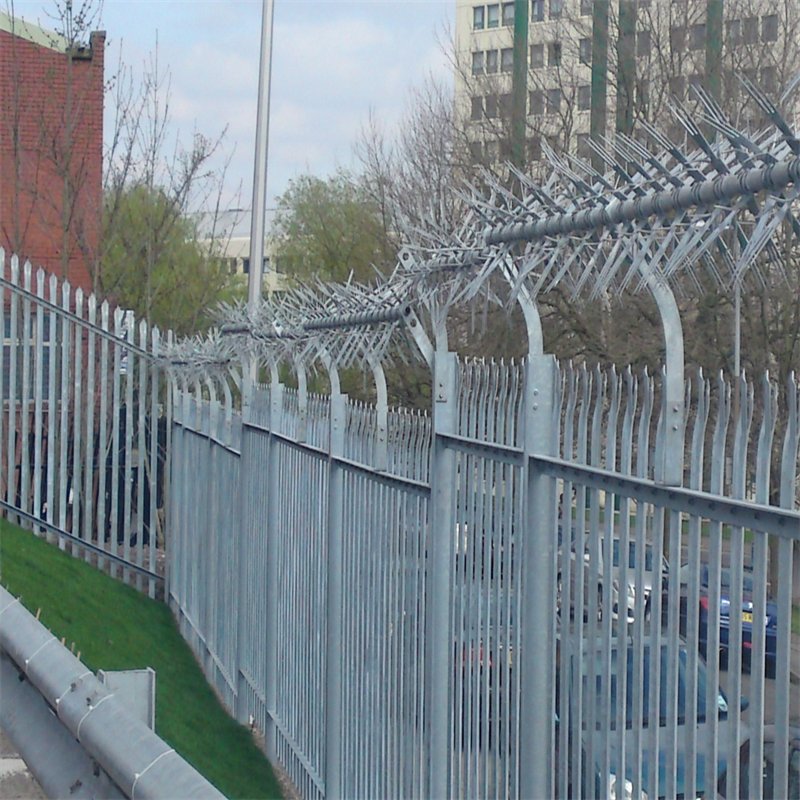
Critical facilities often combine a physical boundary with lighting, patrol routes, and electronic detection. Fence design alone cannot replace a complete security assessment. Plan maintenance access and emergency exits within the same layout.
Palisade Fencing for Sale Project Planning
A complete enquiry should include site drawings, panel dimensions, security needs, and coating preferences. Request clear pale profiles, thicknesses, rail dimensions, and post details. Buyers should also identify gate openings, corner arrangements, and packaging instructions.
Projects with mixed boundary types need separate schedules for each fence system. A Steel Palisade Fencing schedule differs from a welded mesh schedule. Record component quantities independently to avoid mismatched accessories.
Security Features and Visibility
Palisade steel sections restrict access while leaving spaces between the pales. The open appearance can help guards monitor activity beyond the boundary. Security performance still depends on fence height, spacing, fixings, and surrounding conditions. Nearby structures can create climbing opportunities despite pointed tops.
Facilities should review the complete perimeter rather than focusing on a single pale. Gates, corners, utility openings, and foundations often deserve additional attention. Regular inspections can identify loose connections or damaged sections early.
Palisade Fencing for Sale Compared with Mesh
Palisade panels use shaped steel pales rather than closely spaced welded wires. High Security Clearvu Fencing uses narrow mesh apertures for a different anti-climb approach. Clearvu Mesh also preserves broad visibility through welded wires. Choose between systems according to the project risk assessment.
Clearvu Fence Panels provide a modern welded mesh security solution with excellent visibility and perimeter protection. These panels work with specially designed Clearvu Fence Posts to ensure structural stability and reliable installation. Matching Clearvu Fence Clamps secure the panels to the posts, creating a complete fencing system suitable for commercial, industrial, and high-security applications.
For additional toppings, Welded Razor Mesh offers another security material. Razor Wire Flat Wrap uses a different design approach. Confirm safety restrictions, attachment engineering, and local legal requirements before selecting any topping.
Packing and Export Logistics
Export packing should separate pales, rails, posts, and small fixing components. Protect finished surfaces from direct steel contact during transport. Use secure bundles and pallets that match the loading plan. Clear package labels help installers identify components on arrival.
Our reference packing method wraps pales and angle rails in protective film before steel-pallet strapping. Post packages may use wooden crates or supported bundles. Place small bolts, nuts, and washers in labelled cartons. Secure every pallet against shifting during transport.
Steel palisade components need protective separation and secure export packing.
Palisade Fencing for Sale Quality Checks
Inspection begins with steel profile dimensions, thickness, and visible surface defects. Verify pale head shape, rail hole positions, and post section sizes. Inspect coatings after fabrication and handling. Record any repairs before packing and dispatch.
Trial assembly can identify mismatched rails, pales, bolts, and posts before shipping. Quality teams should also check package counts against the approved packing list. Buyers may request inspection photographs and independent checks when appropriate.
Inspect profile dimensions, pale edges, and connection points before shipment.
Service and Maintenance
Inspect the fence after severe weather, impact, or unauthorised interference. Tighten loose fasteners and replace damaged components using compatible materials. Clean accumulated debris around post bases and drainage openings. Repair coating damage with the specified treatment.
Coastal installations may need more frequent inspection. Maintenance schedules should reflect actual exposure, site use, and manufacturer documentation. A suitable coating reduces upkeep but does not eliminate it.
Palisade Fencing for Sale FAQ
What panel size is common for palisade fencing?
A reference configuration measures about 1.8 m high and 2.5 m wide. Project drawings must confirm actual rail and post dimensions.
Which pale profiles can buyers choose?
W-section, D-section, and angle-steel pales appear in the available options. Profile choice depends on appearance, dimensions, and security objectives.
Can I order galvanised and colour-coated fencing?
Yes, buyers can specify galvanising or a compatible duplex finish. Confirm coating thickness, RAL colour, and acceptance criteria before production.
Are rail holes and fasteners standard across every height?
No, rail length, hole spacing, and fastener positions depend on the selected system. Always approve production drawings before manufacturing.
Can palisade fencing include pedestrian or vehicle gates?
Yes, matching gate designs can support controlled access. Specify gate width, operation, post strength, and hardware during the design stage.
Which details should I send for a factory quotation?
Provide the perimeter length, fence height, pale profile, surface finish, gates, and delivery destination. Add drawings where possible.
Choosing the Correct Configuration
Start with the required security level and the site's actual conditions. Match the pales, rails, posts, and foundations through one approved design. Then confirm finish, accessories, packing, and quality requirements. BMP can review project drawings and suggest suitable manufacturing options.