A dog cage should offer a dependable resting place, useful ventilation, and a practical layout for daily care. BMP folding wire crates combine open steel panels with removable trays, carrying handles, and straightforward assembly. The range includes six sizes for different dogs, although fit depends on each animal's measurements. Owners should introduce the crate gradually and keep confinement periods appropriate for their dog's age and needs.
A folding dog cage works differently from a permanent outdoor enclosure. It provides an indoor resting space or short-term management tool rather than a replacement for exercise. Choose the correct model, inspect the latch, and provide comfortable bedding before regular use. The open wire design also helps owners observe their pets without opening the door.
Dog cage design for calm indoor use
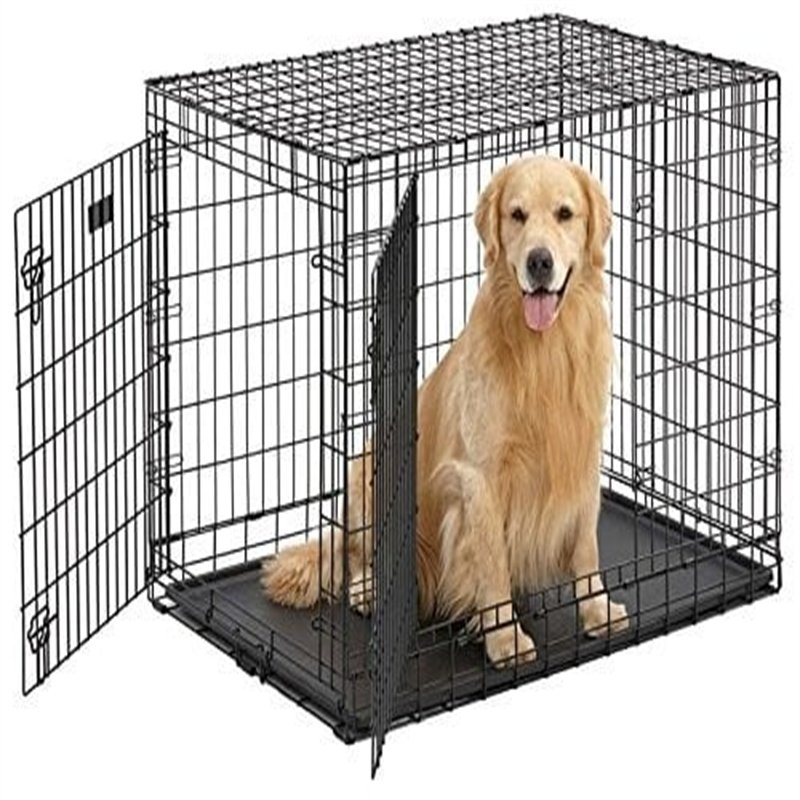
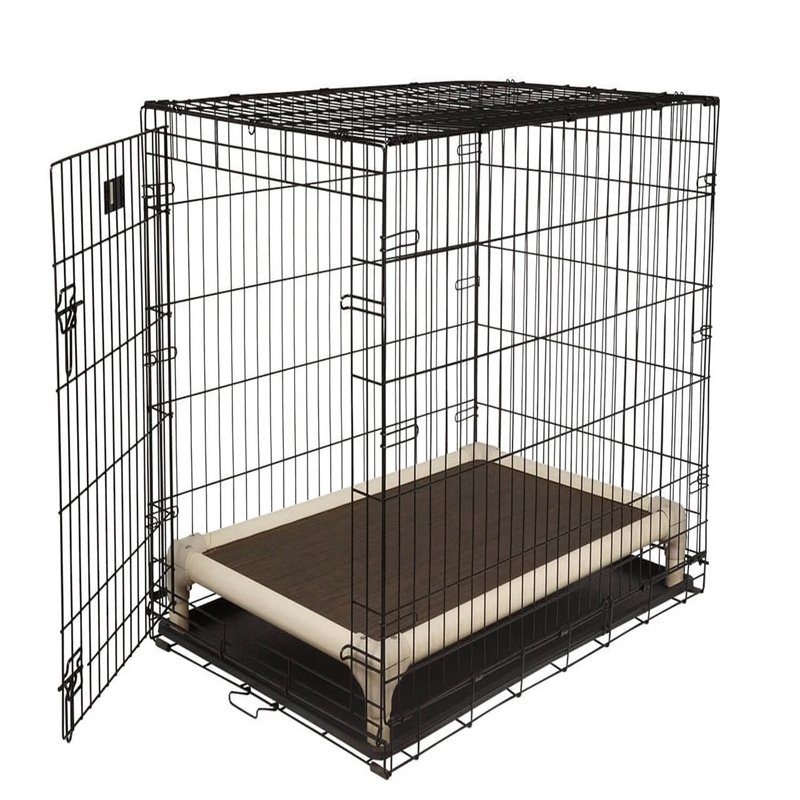
Many owners place a dog cage in a quiet living area where their pet can still see familiar activity. Open wire sides provide airflow and preserve visibility across the room. A comfortable sleeping mat can make the space more inviting without blocking ventilation. Keep the crate away from direct heat, exposed cables, and busy doorways.
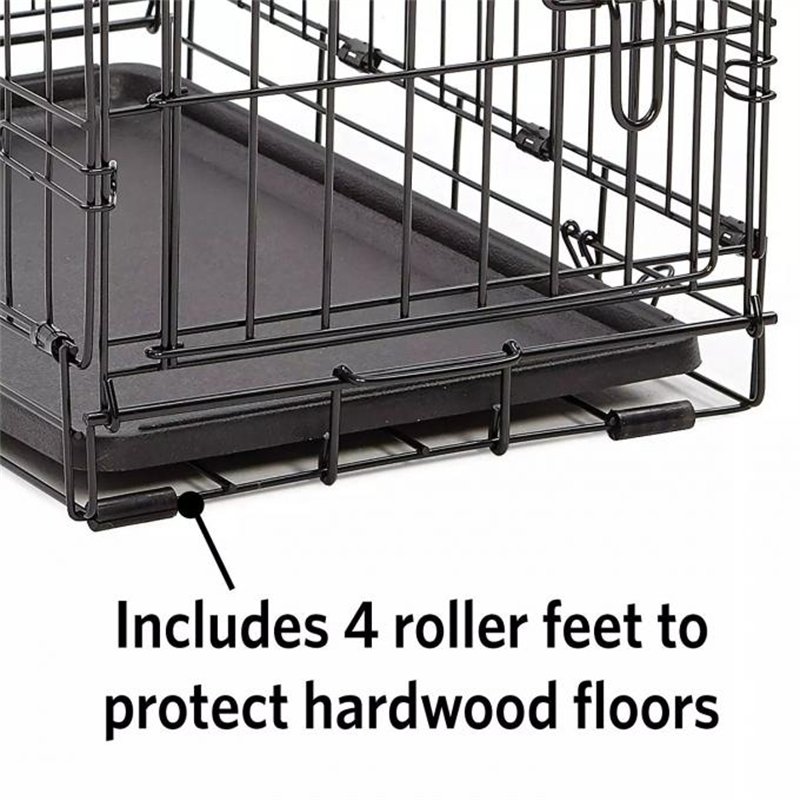
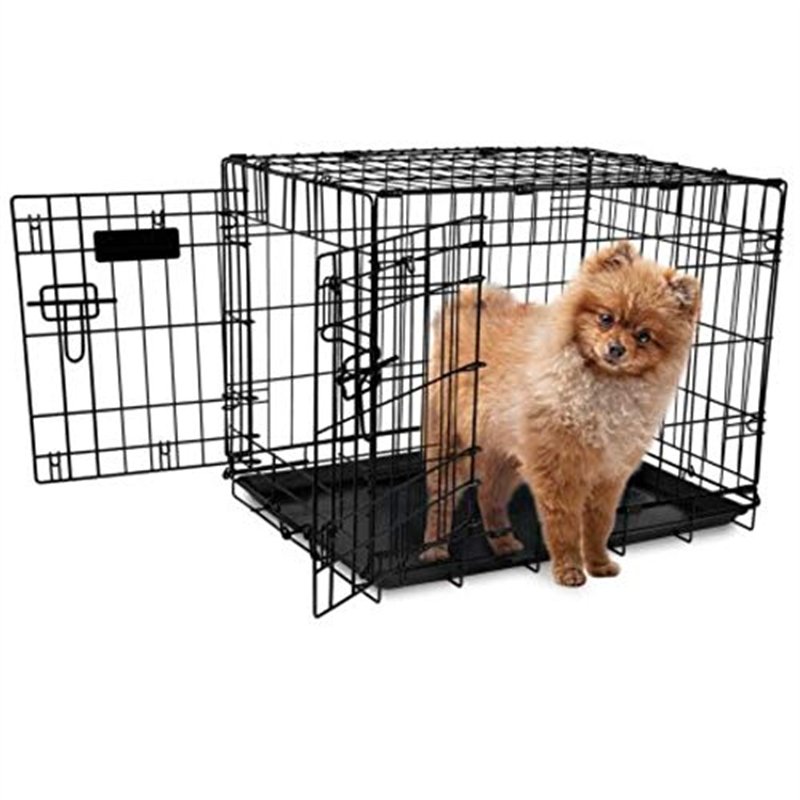
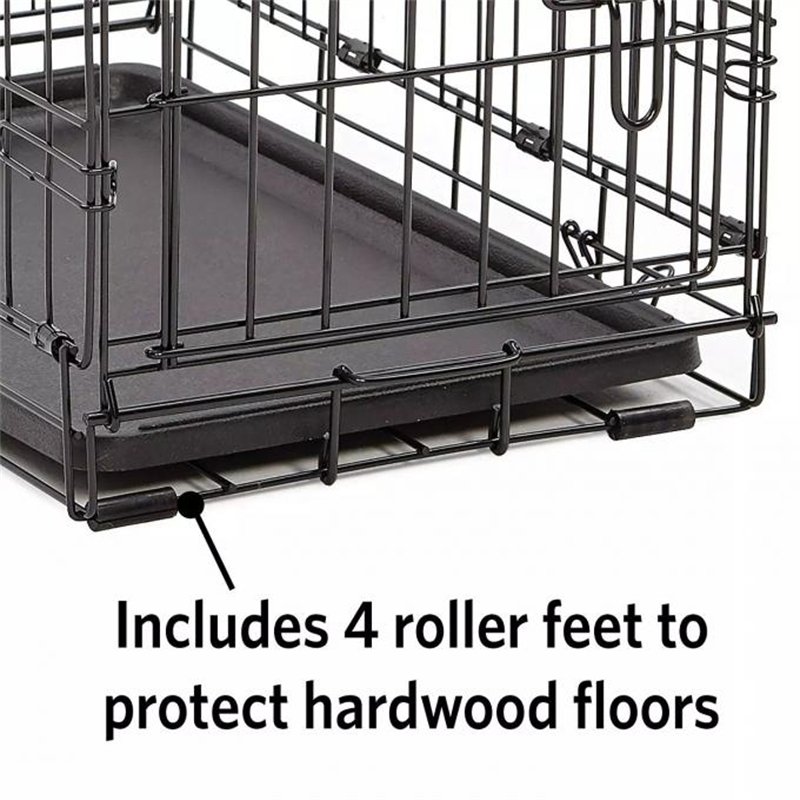
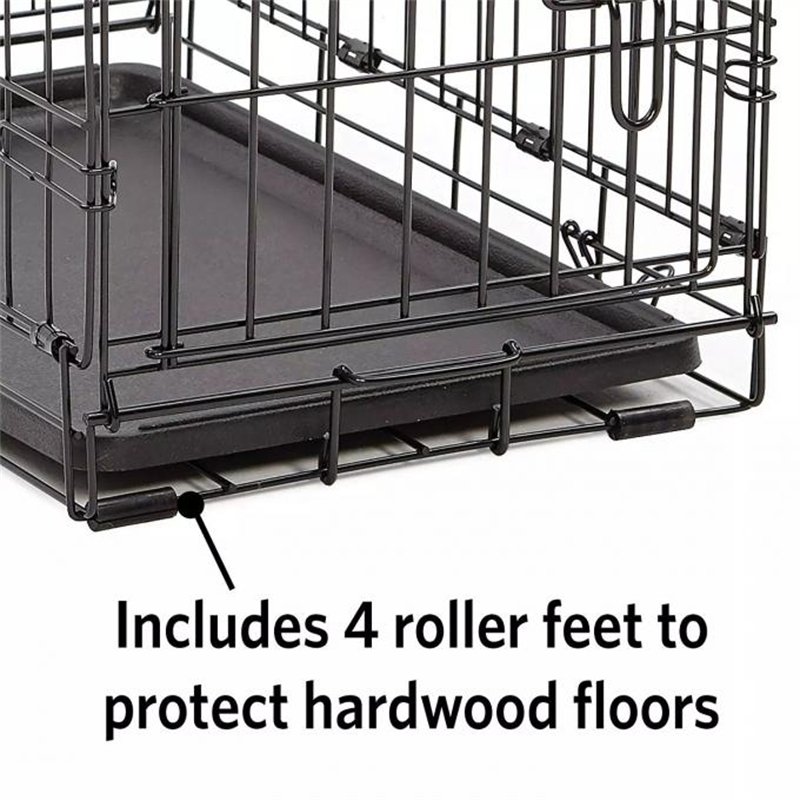
The dog cage uses steel wire panels and a folding frame to simplify storage. Smooth corners and properly finished wire ends reduce avoidable contact hazards. A removable base tray makes routine cleaning easier. Check every component before allowing an animal inside, especially after moving or unfolding the unit.
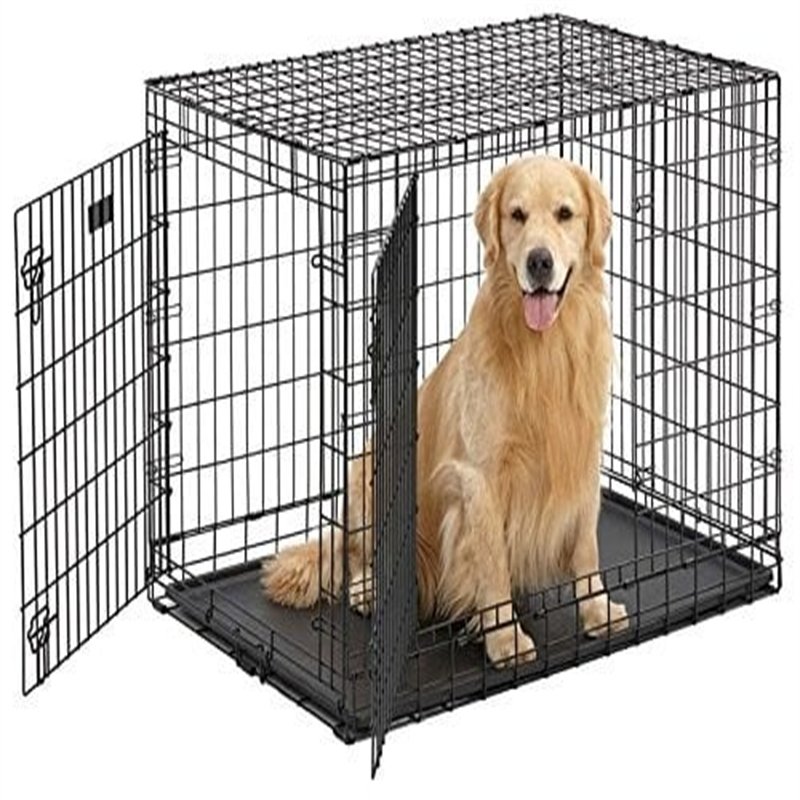
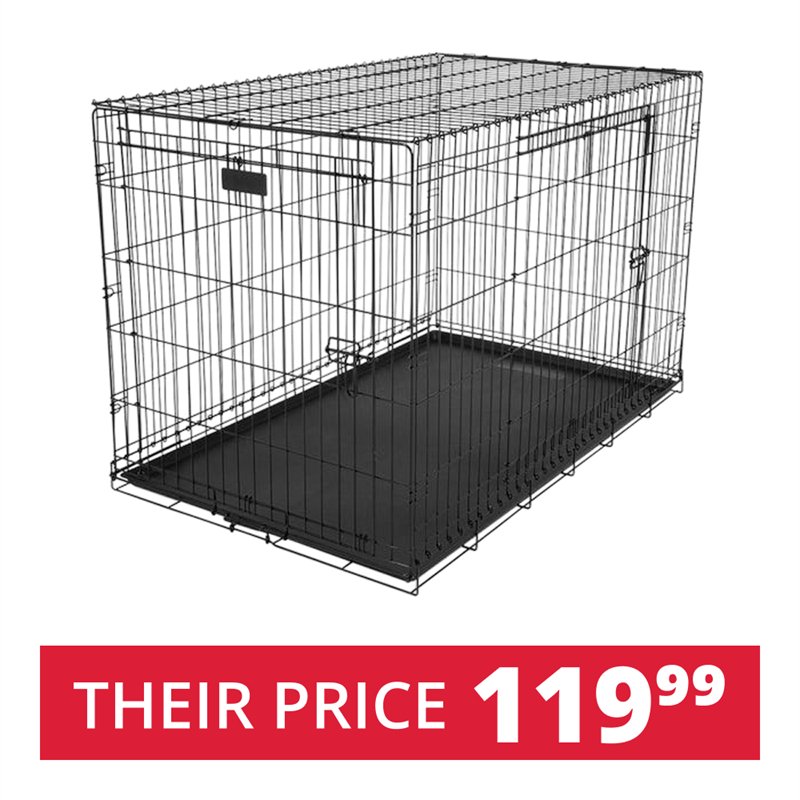
Open wire panels support ventilation and allow owners to observe their dogs.
Select the correct crate size
A suitable dog cage allows the animal to stand naturally, turn around, and lie comfortably. Measure the dog's length and standing height before choosing from the six standard models. The internal usable space may differ slightly from the listed outer dimensions. Ask for interior measurements when comparing similar sizes from different manufacturers.
A growing puppy may need a larger dog cage with a properly fitted divider. This arrangement can adjust the available resting area without requiring a new crate immediately. Avoid squeezing an adult dog into a smaller model just to save floor space. Breed labels alone cannot replace direct measurements.
For multi-dog facilities, individual resting needs may differ significantly. Some animals prefer greater visual privacy, while others settle more easily near familiar people. Select the location and enclosure size according to the actual dog. Never assume the lightest or smallest model suits every young animal.
Dog cage construction and hardware
A reliable dog cage needs consistent wire intersections, a stable frame, and an accessible opening. The original specification describes thicker wire construction than the manufacturer's standard crate series. Buyers should confirm the actual wire diameter rather than relying on the phrase heavy-duty. Inspect welded joints, hinge movement, and frame alignment during sampling.
Manufacturing methods for Welded Wire Mesh can also inform conversations about wire quality and surface finish. However, cage panels require animal-safe gaps, smooth edges, and compatible folding joints. Ordinary construction mesh does not automatically meet those requirements. The latch must hold the door securely without creating sharp projections.
Each dog cage should open and fold without forcing misaligned panels. Check carrying-handle attachment points before moving an empty crate. Foldable hinges need enough clearance to move freely, but excessive play can reduce frame stability. Request a sample whenever an OEM order changes wire gauge or latch design.
Door layouts and latch details
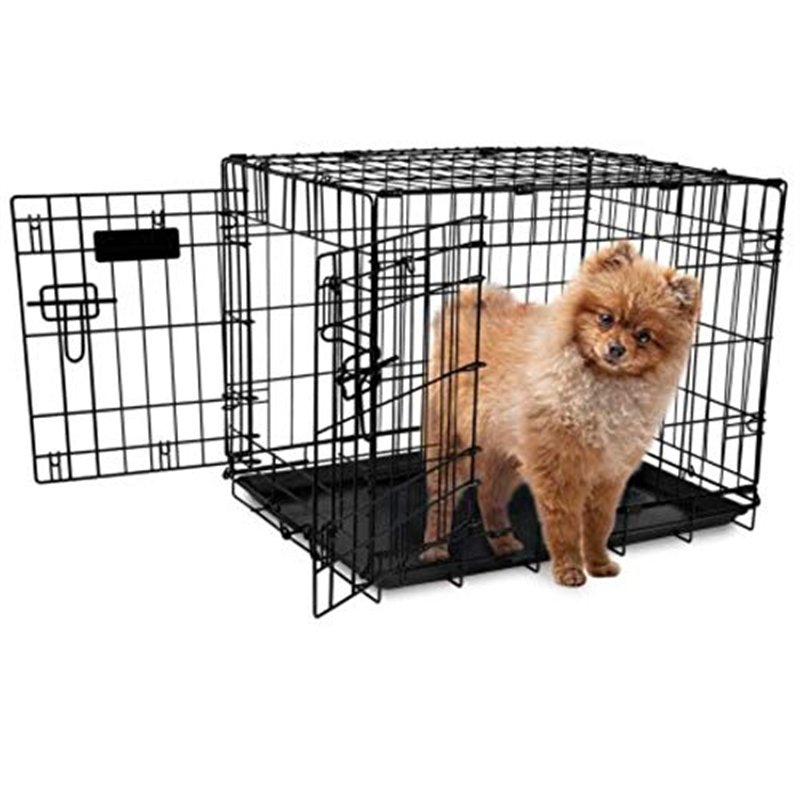
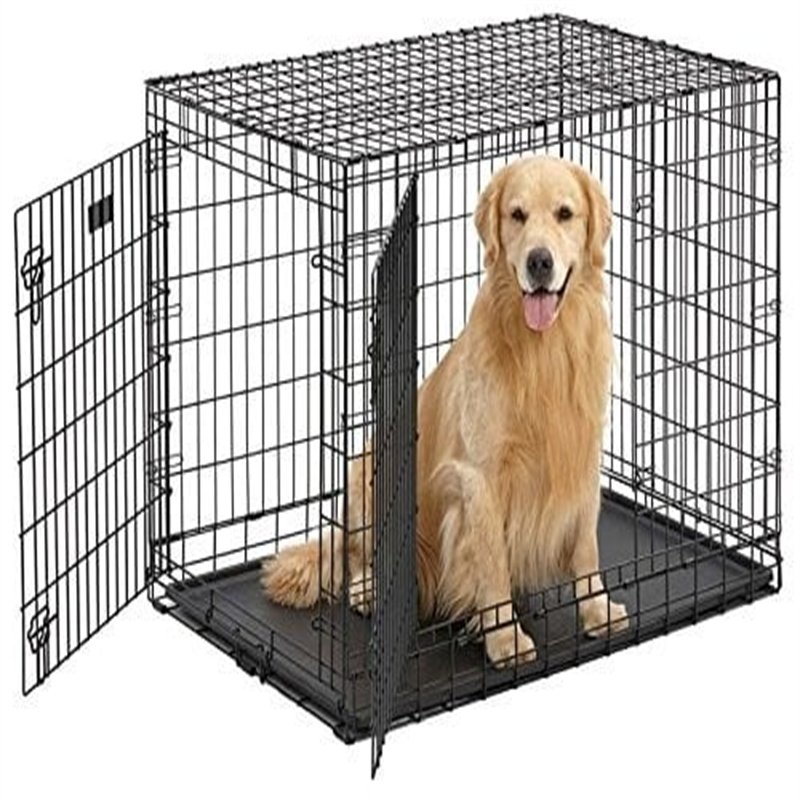
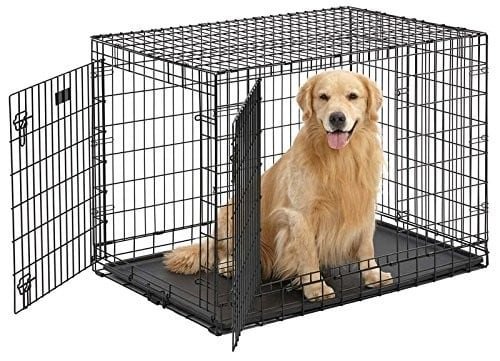
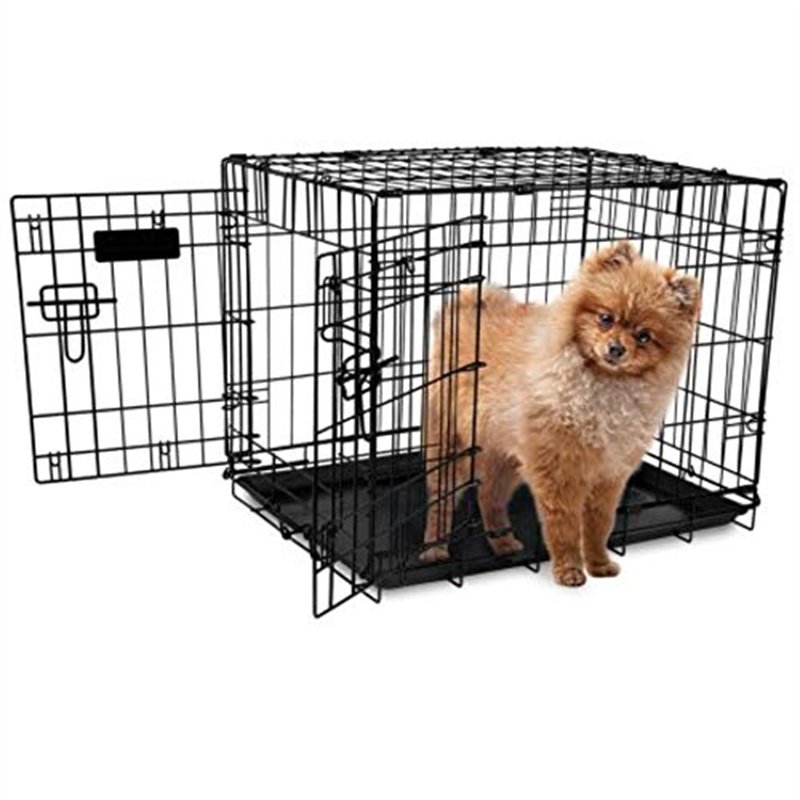
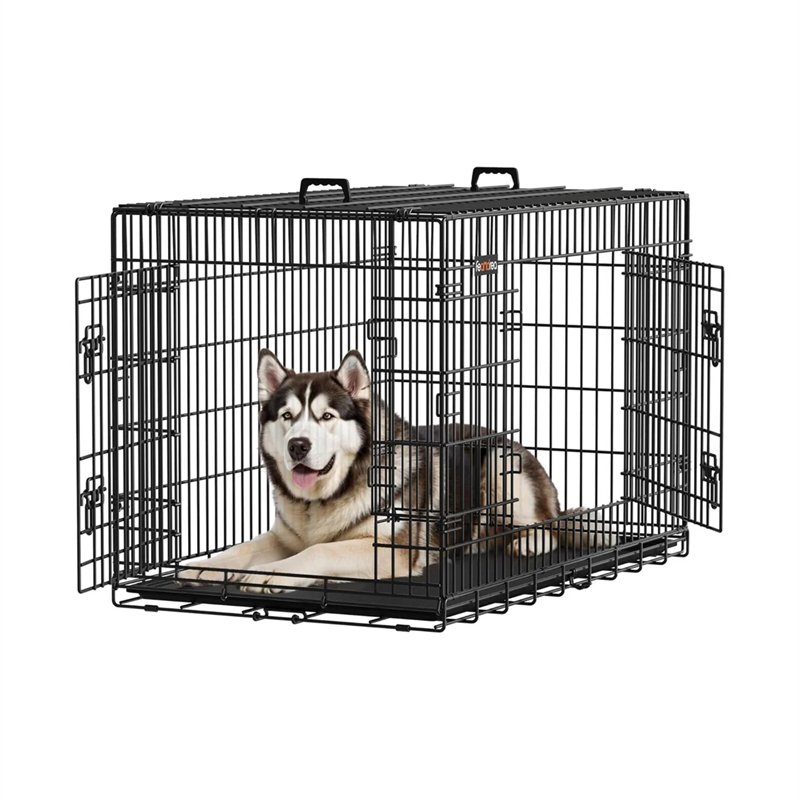
The source range describes single-door crates and also mentions front-and-side door arrangements. Treat these as different configurations until the supplier confirms the exact model. A single front door suits simple placement against a wall or furniture. A double-door option can offer more flexibility in narrow rooms.
Check whether each dog cage includes one slide bolt or two latches per door. Larger models may use dual slide bolts for more consistent closure. Close every latch fully before leaving the area. No latch guarantees containment for a dog that repeatedly pushes, bites, or manipulates hardware.
Owners should also examine the lower door edge and the gap near the hinge. Paws, collars, or tags can catch on unsuitable openings. Remove collars and loose accessories when safe confinement requires it. Keep a clear route for quick opening during emergencies.
Dog cage specifications and carton dimensions
The following dog cage table retains the six original models and their published packaging data. Net and gross weights use kilograms, while carton volume uses cubic metres. Confirm final measurements, hardware contents, and packaging before placing a production order.
Dog cage model sizes, carton dimensions, net weight, gross weight, and shipping volume
Model
Material
Open size
Carton size
N.W. (kg)
G.W. (kg)
CBM/CTN
18 in
Metal wire
18 × 12 × 15 in (46 × 30 × 38 cm)
49 × 11 × 33 cm
2.7
3.2
0.018
24 in
Metal wire
24 × 17 × 20 in (61 × 43 × 51 cm)
63 × 11 × 47 cm
4.8
5.5
0.033
30 in
Metal wire
30 × 19 × 22 in (75 × 49 × 55 cm)
78 × 11 × 52 cm
6.5
7.3
0.045
36 in
Metal wire
36 × 23 × 26 in (91 × 58 × 66 cm)
93 × 11 × 62 cm
8.8
9.8
0.064
42 in
Metal wire
42 × 28 × 31 in (105 × 71 × 79 cm)
107.5 × 11 × 75 cm
11.4
12.8
0.089
48 in
Metal wire
48 × 30 × 32 in (123 × 76 × 83 cm)
125 × 11 × 80 cm
13.2
15.0
0.110
A dog cage shipping quote should distinguish product weight from packed carton weight. Multiply carton volume by the ordered quantity for a preliminary shipment estimate. The resulting figure excludes pallets and any loading inefficiencies. Buyers should confirm pallet layouts and actual container loading plans separately.
Positive crate introduction
A dog cage works best when the animal associates it with rest rather than punishment. Start by leaving the door open and allowing voluntary exploration. Add familiar bedding and reward calm entry with treats or praise. Increase closed-door periods gradually, according to the dog's comfort and behaviour.
Never use a dog cage as a substitute for exercise, human contact, or toilet breaks. Puppies may need especially frequent breaks and close supervision. Signs of panic, persistent escape attempts, or injury require a change in approach. Consult a qualified trainer or veterinarian when crate distress continues.
Some dogs settle better when owners partially cover the crate with breathable fabric. Keep airflow unobstructed and prevent the animal from pulling fabric through the wire. Avoid heavy coverings during hot weather. Always provide suitable temperature conditions and access to water according to the dog's needs.
Dog cage divider and puppy growth
A removable divider helps adjust the usable dog cage space as a puppy grows. Place the divider securely so it cannot collapse or create narrow trapping gaps. Check the puppy's height and turning space after every adjustment. Replace or remove the divider when the animal needs more room.
The divider does not turn an undersized dog cage into a suitable adult model. Estimate the dog's likely adult dimensions before buying, then verify the actual fit over time. Avoid loose divider clips where chewing could dislodge them. Inspect the mounting points whenever you clean the crate.
Different households may also need different door positions. A single-door setup often works beside a wall, while two doors offer additional placement choices. Confirm those options on the actual model drawing. The standard table lists outer sizes, not a guaranteed door configuration.
Cleaning and daily maintenance
Remove the dog cage tray before washing whenever the design permits. Clean accidents promptly with a pet-safe product and rinse away any residue. Dry the tray before adding bedding. Inspect corners and wire intersections for dirt that routine wiping may miss.
Check the dog cage finish during cleaning, particularly near latches and folding joints. Small scratches can expose steel and eventually encourage corrosion. Replace damaged trays and loose hardware before continued use. Watch for exposed wire tips or bent sections that might injure the animal.
A comparison with Hot-Dipped Galvanized Welded Wire Mesh illustrates another common steel-protection method. However, galvanising for outdoor construction products differs from coatings on indoor pet crates. Confirm material safety and coating specifications for the intended animal application.
Dog cage portability and travel
The folding dog cage design can reduce storage space when owners temporarily remove the crate. Release the catches, fold the frame carefully, and keep fingers clear of closing joints. Use the carrying handle only according to the manufacturer's instructions. Do not lift the crate with a dog inside unless the product explicitly supports that use.
A portable dog cage does not automatically qualify as crash-tested vehicle restraint equipment. Secure any crate properly when transporting a pet, following suitable vehicle safety guidance. Prevent sliding, tipping, and blocked ventilation. Confirm whether the particular crate design suits the planned journey before travel.
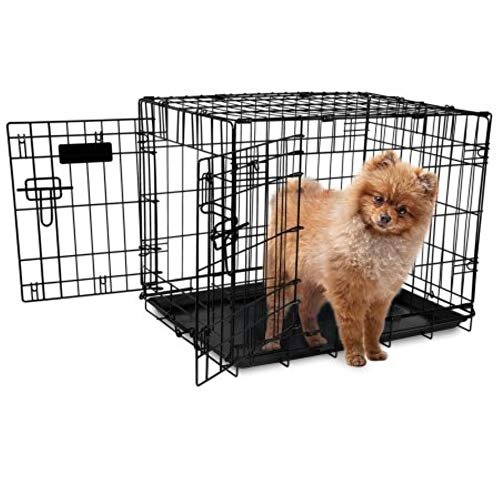
Review the wire structure and door layout when choosing a folding crate configuration.
Safe placement and ventilation
A well-positioned dog cage supports rest without isolating the animal from normal household life. Choose a level surface with stable temperature and adequate airflow. Avoid direct sunlight through windows, heating outlets, and damp corners. The resting area should remain comfortable throughout the day.
Place the dog cage where children cannot disturb a resting dog unexpectedly. Teach everyone to respect the crate as a quiet space. Keep cleaning supplies, dangling cords, and sharp objects outside the wire panels. Check that nearby furniture cannot obstruct the door during an emergency.
Different dogs respond to noise and visibility in different ways. Some enjoy watching household activity, while others need a calmer location. Adjust placement when the animal shows stress or struggles to rest. The right environment matters as much as the cage's wire strength.
Dog cage materials and coating choices
A steel dog cage needs a consistent surface finish without sharp flakes or exposed rust. The original product describes a protective black electro-coat, while some ranges may use powder coating. Those processes differ, so confirm the actual finish on the purchased model. Ask whether the coating meets the applicable pet-product requirements.
Manufacturers should inspect the dog cage at welds, edges, hinges, and latch contact points. Abrasion during folding can wear the finish faster than on stationary panels. Buyers should request coating samples and basic durability information for wholesale orders. A visual colour match alone cannot establish equivalent coating performance.
Outdoor enclosures may use Vinyl-Coated Chain Link Fence or Green Chain Link Fence materials instead. These products suit separate kennel or fence designs, not ordinary folding crate replacement panels. Always match the coating and wire openings to the animal's environment.
From indoor crates to outdoor dog runs
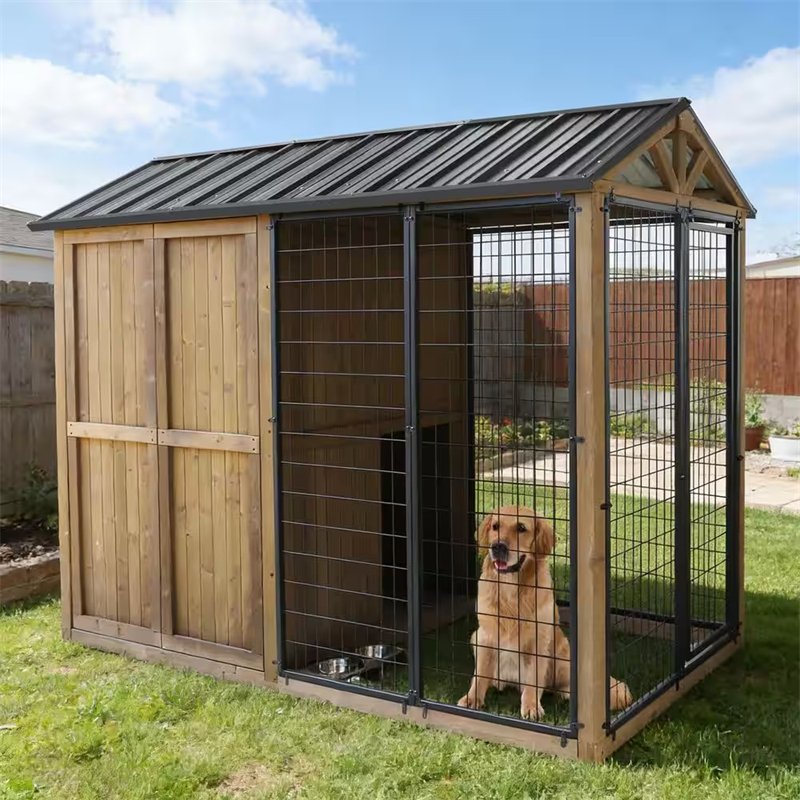
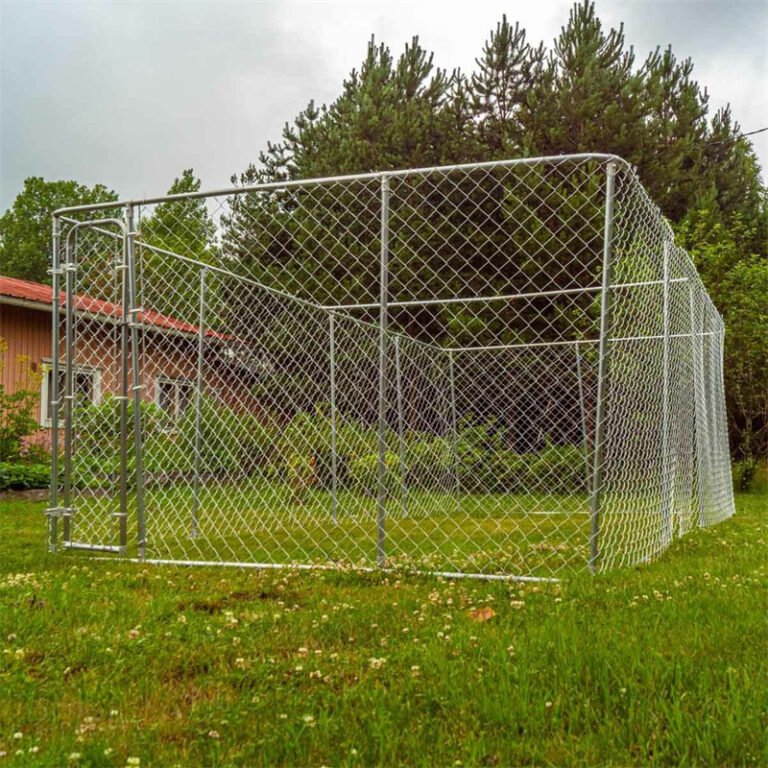
An indoor dog cage and an outdoor run solve different problems. A crate provides a compact personal resting area; a dog run needs exercise space and weather planning. For larger projects, Dog Kennel Chain Link focuses on framed outdoor panels and kennel hardware. The wider Dog Fence category covers other enclosure choices.
Buyers can compare Chain Link Fence Panels with Chain Link Fence Rolls when planning outdoor runs. Panel systems simplify modular layouts, while rolls suit continuous enclosure boundaries. Both need secure gates, smooth wire edges, reliable foundations, and appropriate shade.
For long kennel boundaries, Chain Link Fence Top Rail can support suitable framed runs. Choose Chain Link Fence Gates with animal-appropriate latches and safe openings. A perimeter design must also address digging, jumping, drainage, and shelter. These issues extend beyond what a folding crate handles.
Large animal facilities may also need a separate external security boundary. Clearvu Fencing serves perimeter applications rather than indoor animal confinement. Clearvu Fence Panels provide narrower steel mesh options for those external boundaries. Neither product should replace purpose-designed animal cages without safety assessment.
Outdoor perimeter installations may require structural Clearvu Fence Posts and compatible Clearvu Fence Clamps. Entry planning may also involve Clearvu Gates for site access. Those components support a larger fencing system, not the hardware of a folding dog cage. Verify suitability before combining products from different categories.
Dog cage manufacturing and wholesale checks
Bulk dog cage orders require consistent size labels, matching accessories, and dependable packaging. Buyers should state the requested models and quantities separately. Identify whether the order needs single doors, double doors, dividers, carrying handles, or trays. Confirm those accessories against the approved sample and purchase order.
A dog cage packaging plan should protect coated wire panels from abrasion during transit. Place hardware where it cannot scratch the finish or damage the tray. Compare carton dimensions with the provided table before booking freight. Verify barcode labels, carton markings, and assembly instructions when supplying retail customers.
For larger animal facilities, Chain Link Fence may form part of a separate outdoor procurement package. Keep crate quantities in pieces and outdoor fence quantities in suitable length or panel units. Mixing units can create avoidable errors in pricing, packing lists, and customs documents.
Before confirming a dog cage purchase, request actual photographs, a production specification, and the final carton list. A sample inspection should cover wire edges, latches, hinges, dividers, tray fit, and coating quality. Precise documents help both factories and importers avoid inconsistent configurations.
Frequently asked questions for buyers
Can one dog cage size fit every breed? No. Measure each dog and confirm comfortable standing, turning, and resting space.
Does every dog cage include two doors? Not necessarily. Confirm the selected single-door or double-door configuration before ordering.
Can a puppy use an adult-size crate? A secure divider may help, but the crate must still suit the growing animal.
Can owners leave dogs confined all day? A crate should not replace exercise, social contact, or appropriate toilet breaks.
Are folding wire crates crash-tested? Do not assume crash certification without documentation for the specific model.
How should retailers compare six models? Review actual product dimensions, net weight, gross weight, accessories, and packaging volume.
A well-chosen dog cage combines suitable dimensions, dependable hardware, easy cleaning, and thoughtful everyday use. Share the required models and specifications when requesting a wholesale quotation.