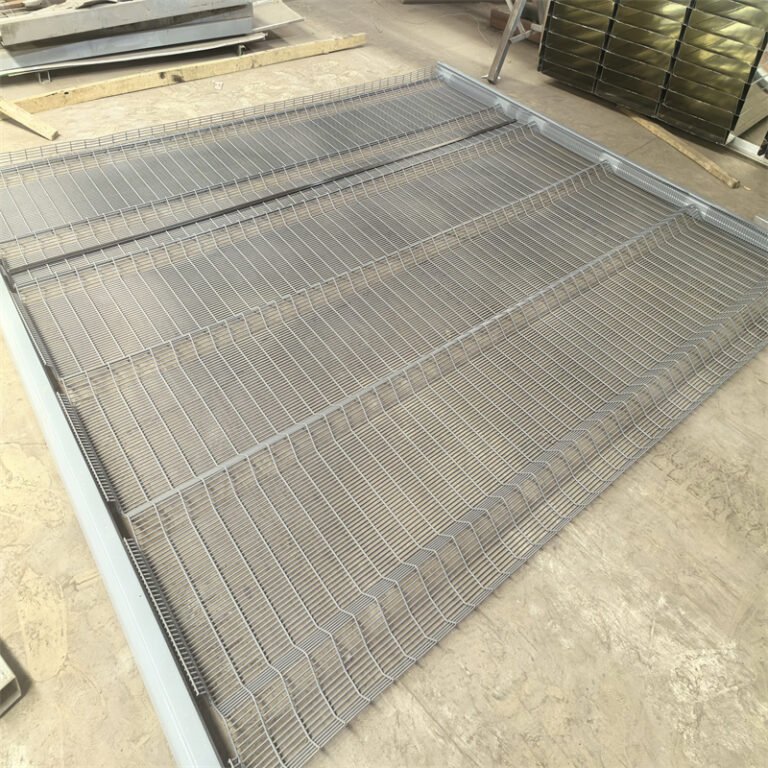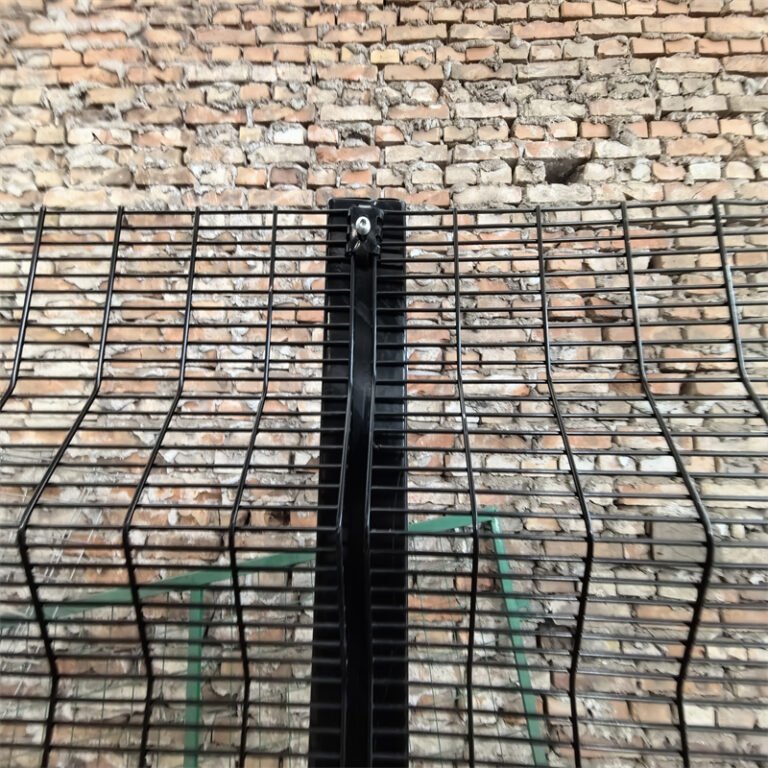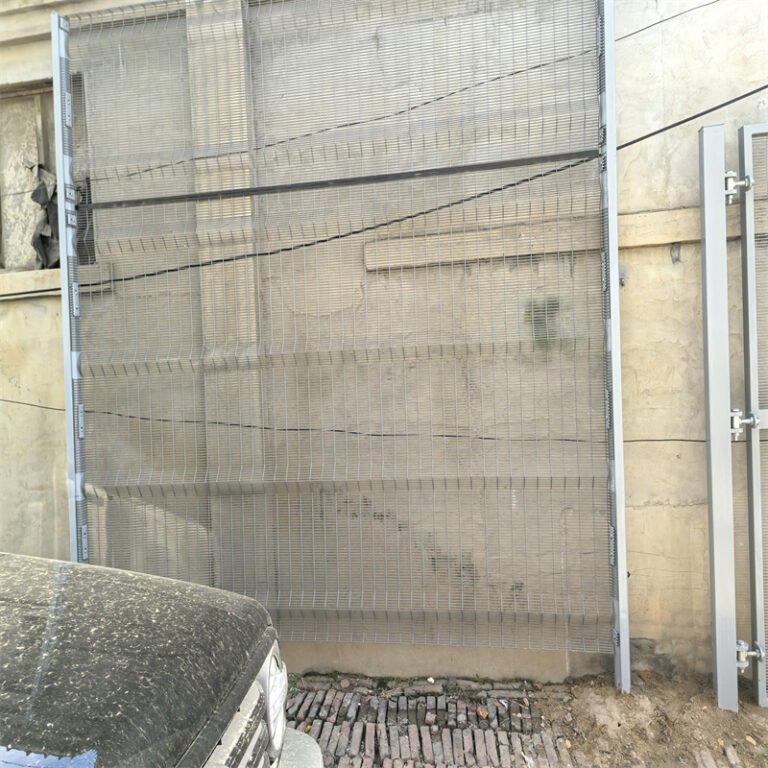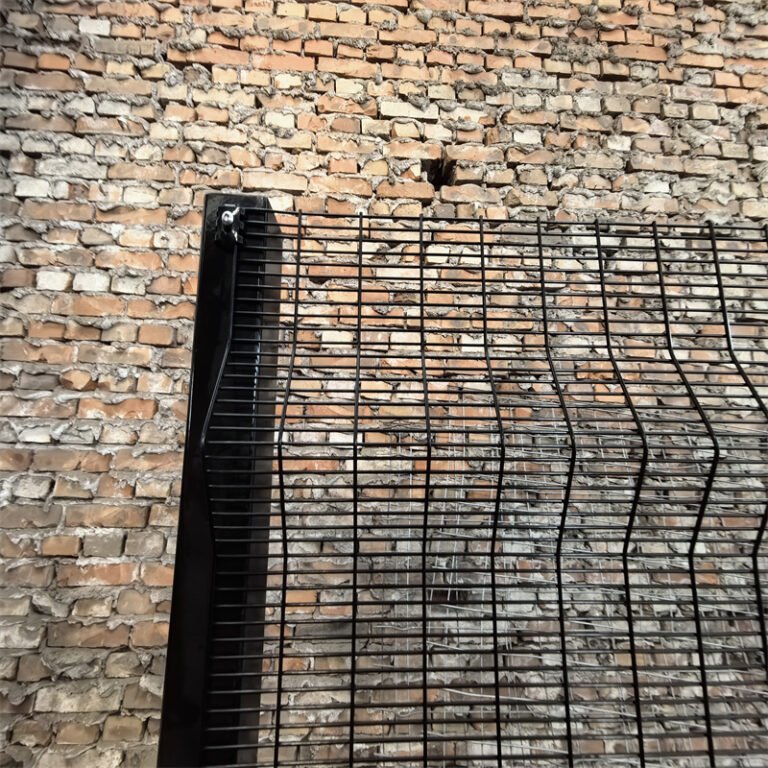
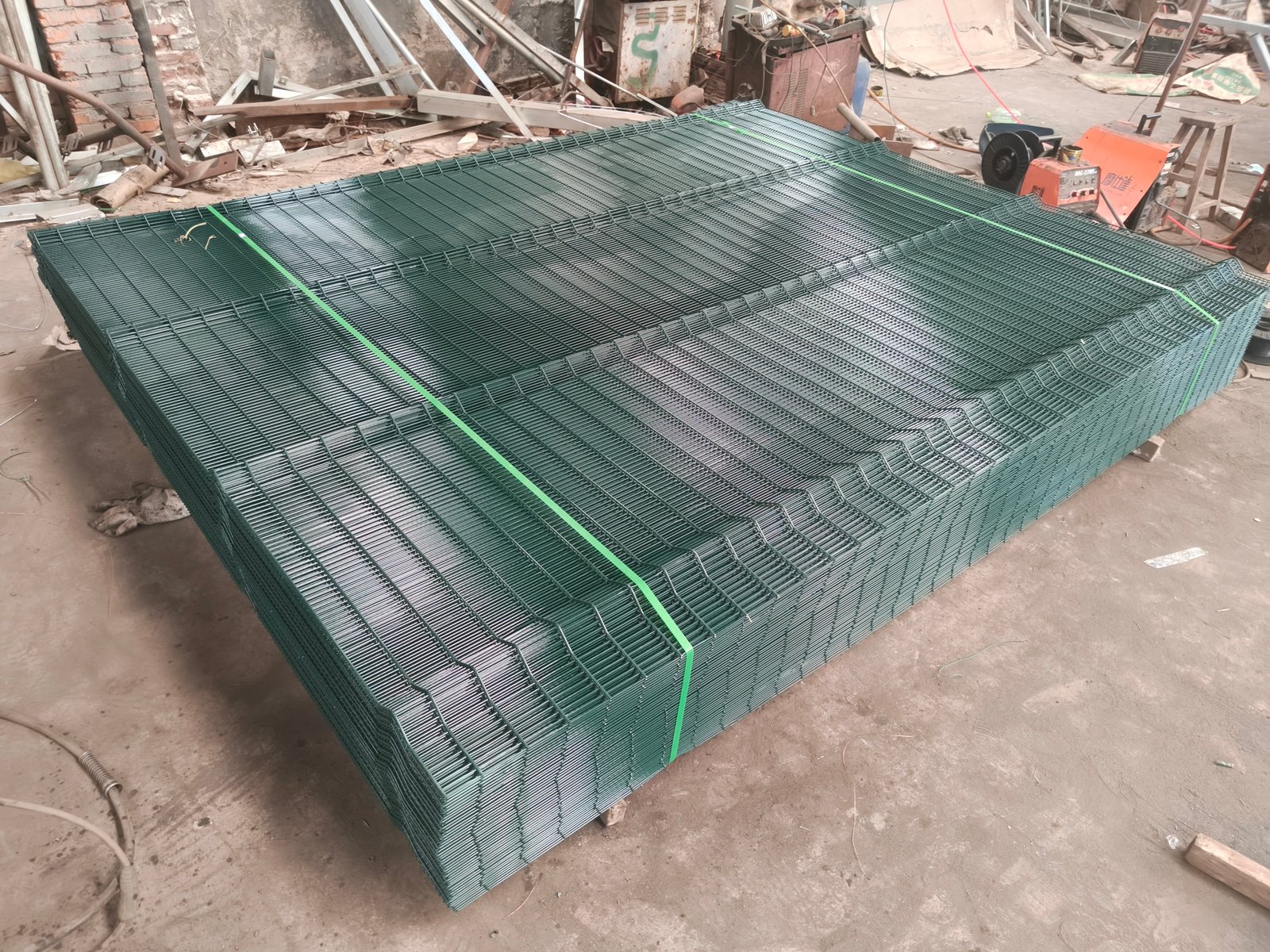
High security clearvu fencing overview
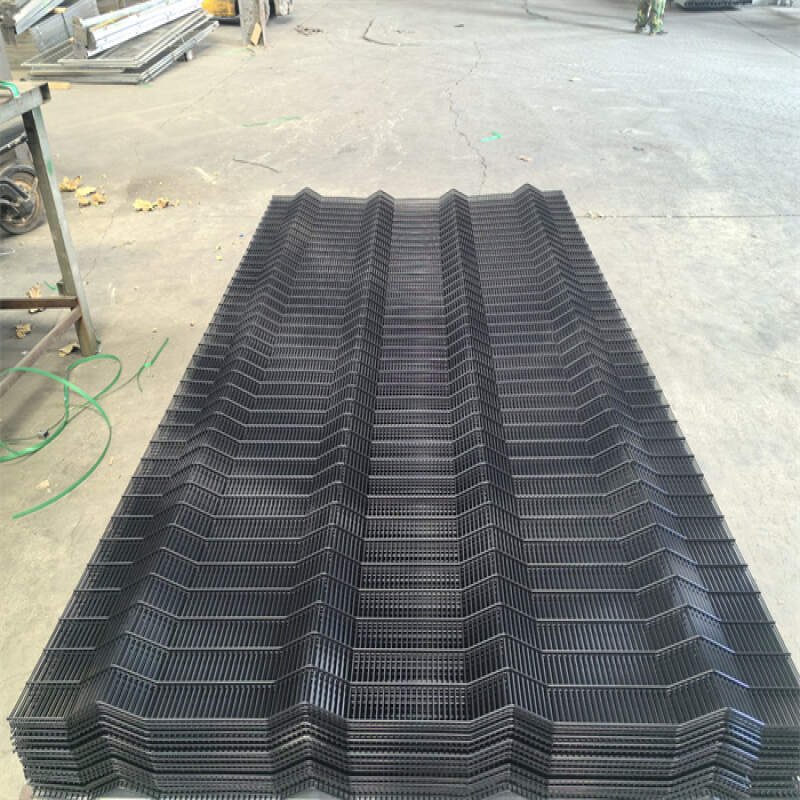
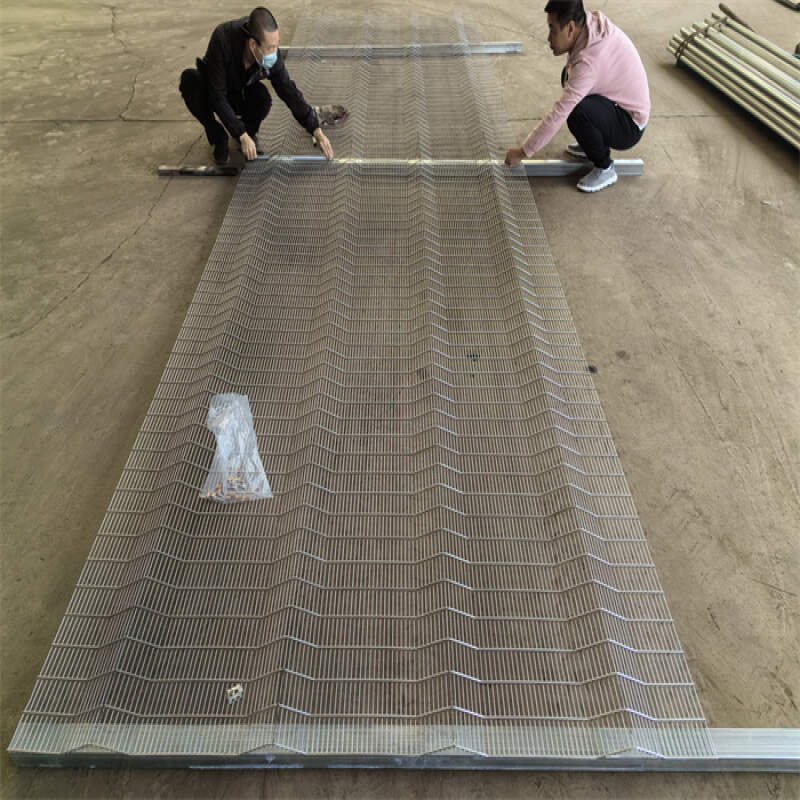
High security clearvu fencing uses welded steel wires to create a close mesh security barrier. The narrow openings discourage climbing while preserving useful visibility along the perimeter. This balance suits facilities that need observation without solid boundary walls. BMP offers production options for security projects across several African markets.
The complete system includes more than the welded panel itself. Posts, clamps, gates, coatings, and foundations all influence performance. Buyers should evaluate these parts together before approving the final design. A clear scope also makes supplier quotations easier to compare.
Understanding the 358 mesh format
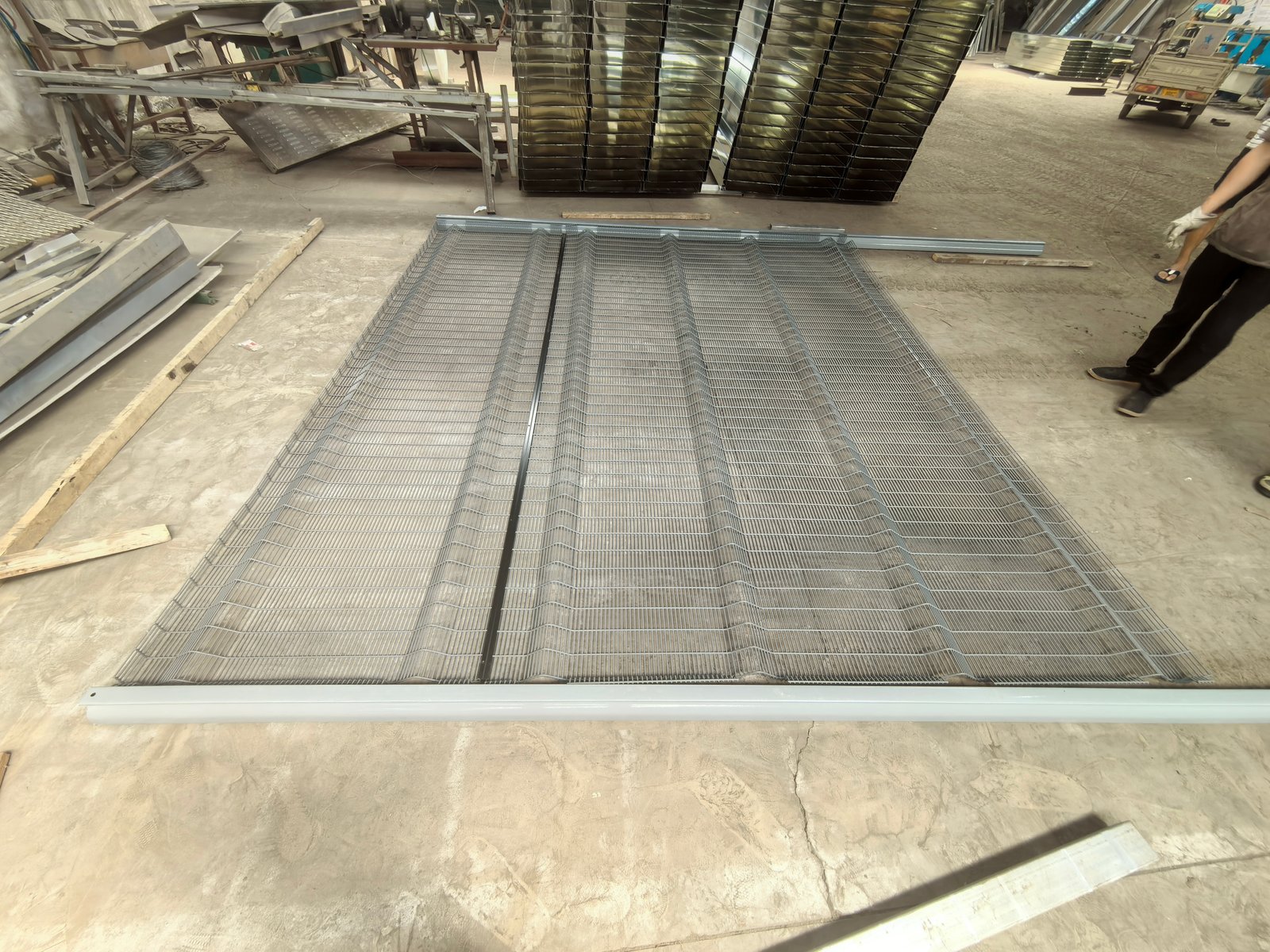
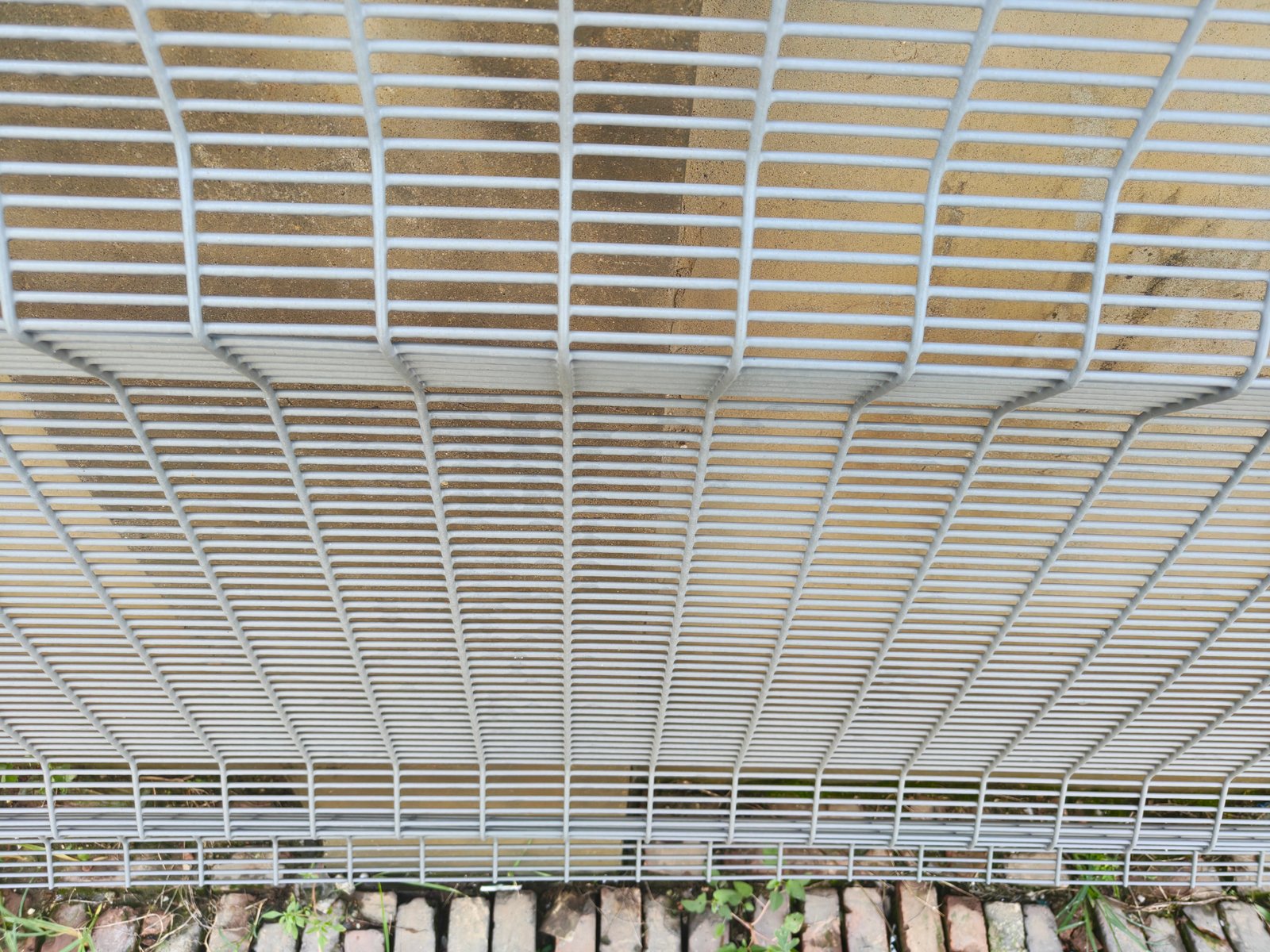
The name 358 describes a three-inch spacing, half-inch spacing, and eight-gauge wire. Many products therefore specify approximately 76.2 × 12.7 mm mesh and 4 mm steel wire. Drawings should identify the direction and measurement basis for each spacing. Buyers can review the 358 Mesh Fence product page for related configurations.
The narrow aperture offers fewer comfortable finger and toe holds than wider mesh. However, no wire fence guarantees complete resistance against every attack. The final security outcome depends on wire strength, welding, fixings, height, and site conditions. Project teams should set realistic performance requirements before purchasing.
High security clearvu fencing specifications
BMP's original range includes panel heights near 1200, 1500, 1800, 2000, and 2200 mm. Project drawings may require 2500 mm or other custom dimensions. Original panel-width examples include 2200 and 2500 mm. Buyers can request alternative widths when manufacturing and transport constraints permit.
The source lists 50 × 50 mm and 60 × 60 mm posts. Other projects may require larger sections after structural review. Green, black, and blue finishes appear in the original range. Custom finishes require colour confirmation and an agreed coating specification.
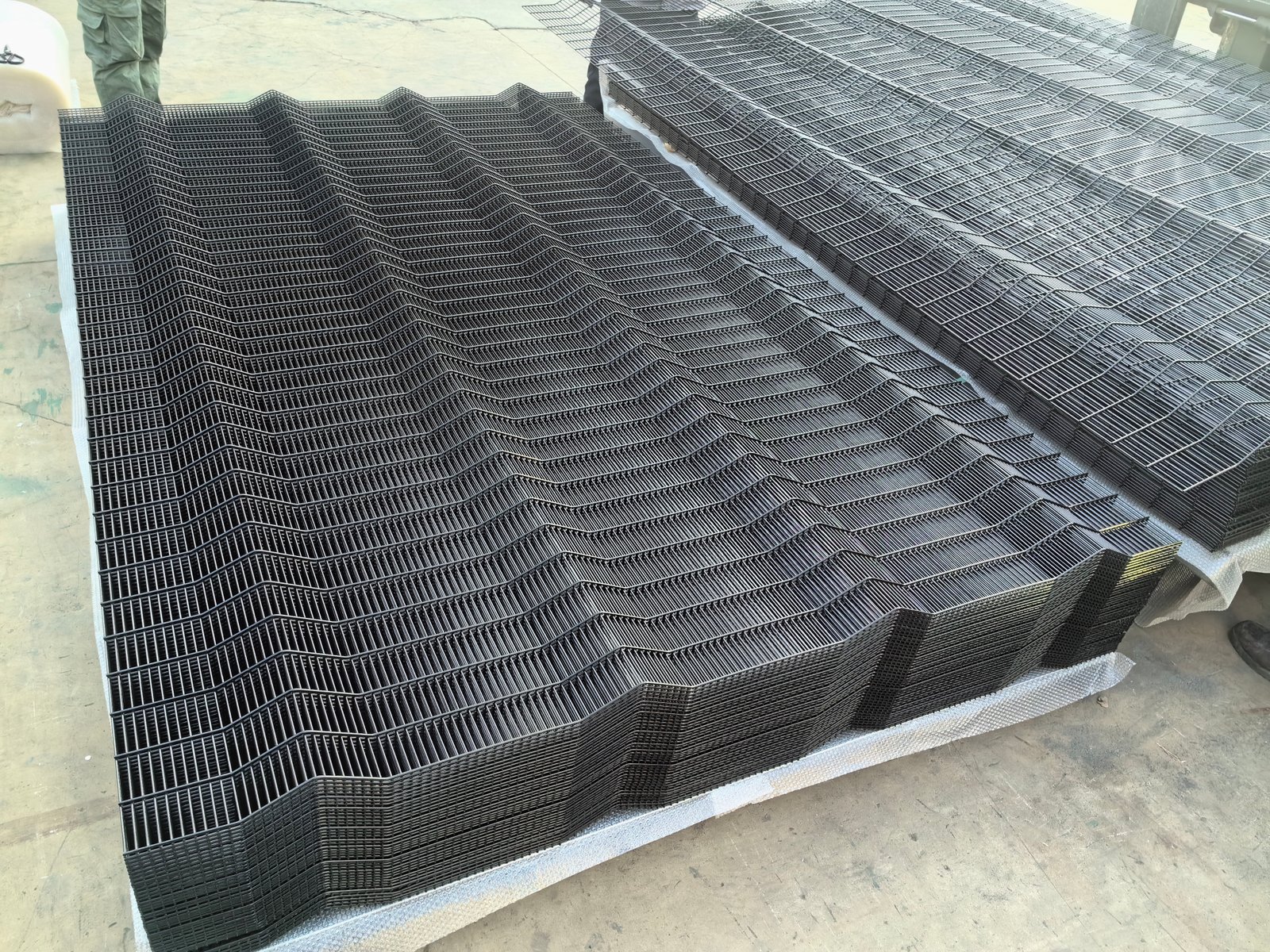
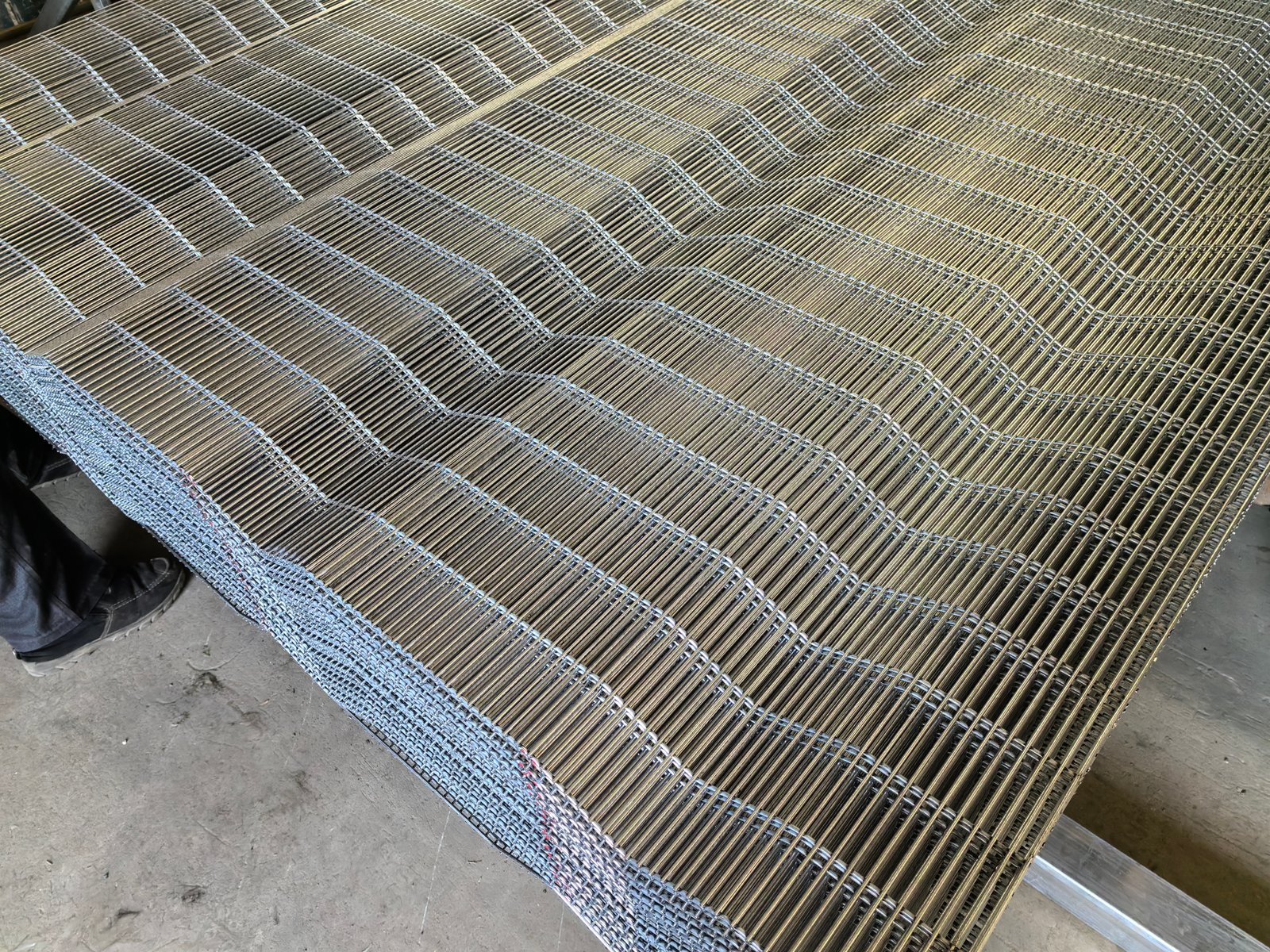
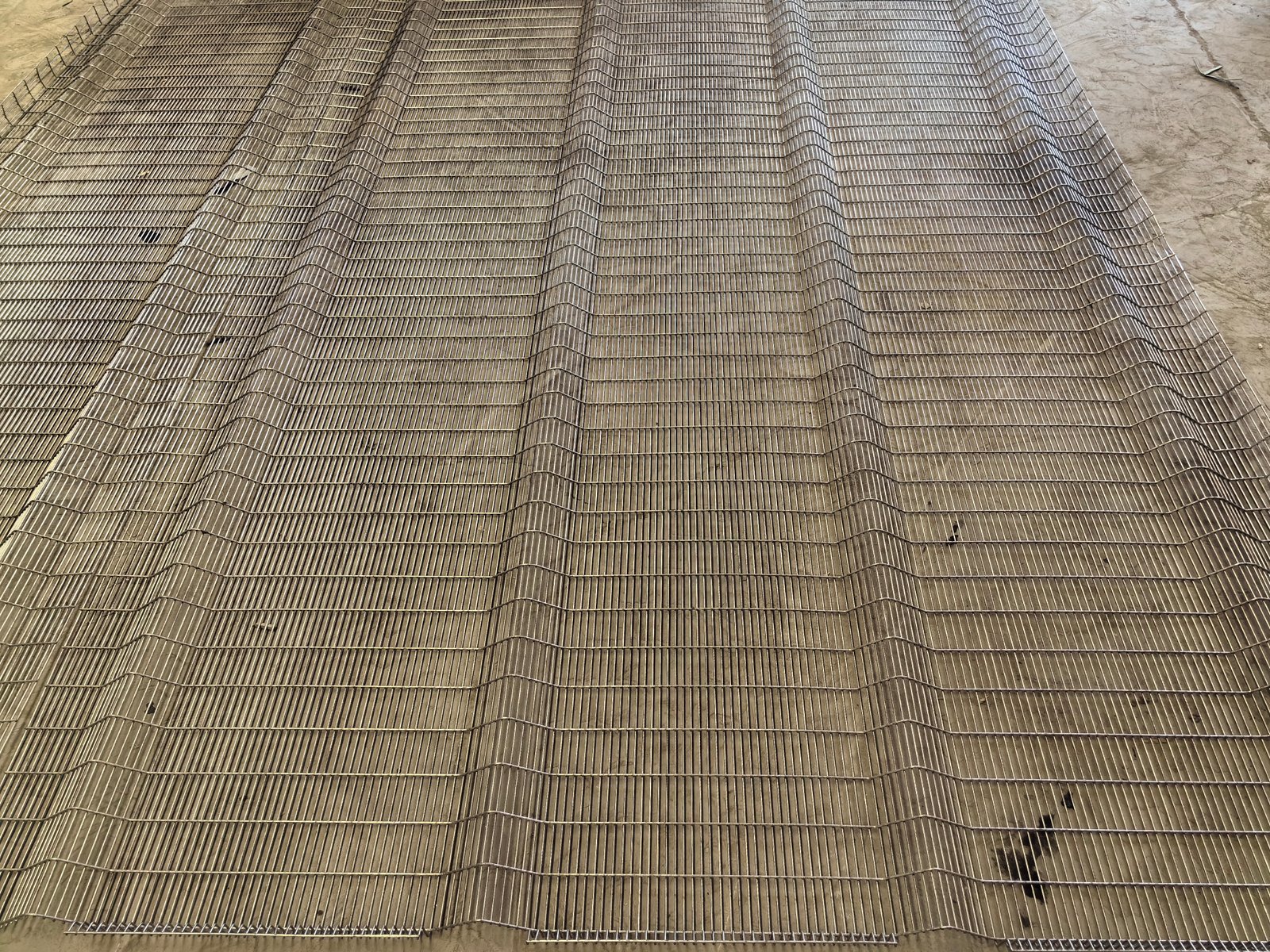
Panel sizes and wire measurements
Panel dimensions determine post spacing, delivery weight, handling equipment, and overall material consumption. Designers should state the finished panel height and width separately. Wire diameter must identify its measurement before any organic surface coating. A nominal four-millimetre wire may need tolerances in the purchase agreement.
Customers should confirm whether opening dimensions represent wire centres or clear gaps. That distinction affects fabrication checks and accessory alignment. Taller panels require additional consideration for wind loading and foundations. The reference table below summarises example product dimensions from the original material.
| Item | Reference specification | Buyer confirmation |
|---|---|---|
| Panel height | 1200 / 1500 / 1800 / 2000 / 2200 / 2500 mm | Reference options; confirm custom heights |
| Panel width | 2200 / 2500 mm | Other widths subject to approval |
| Mesh spacing | 76.2 × 12.7 mm | Common 358 reference; confirm centre spacing |
| Wire diameter | Approximately 4.0 mm | Project-dependent tolerances |
| Material | Low-carbon steel wire | Grade and certificates per contract |
| Post sections | 50 × 50 / 60 × 60 mm | Thickness requires engineering review |
| Colours | Green / Black / Blue | RAL reference required |
| Surface options | Galvanized / Powder coated / PVC coated | Agree complete coating sequence |
High security clearvu fencing security grades
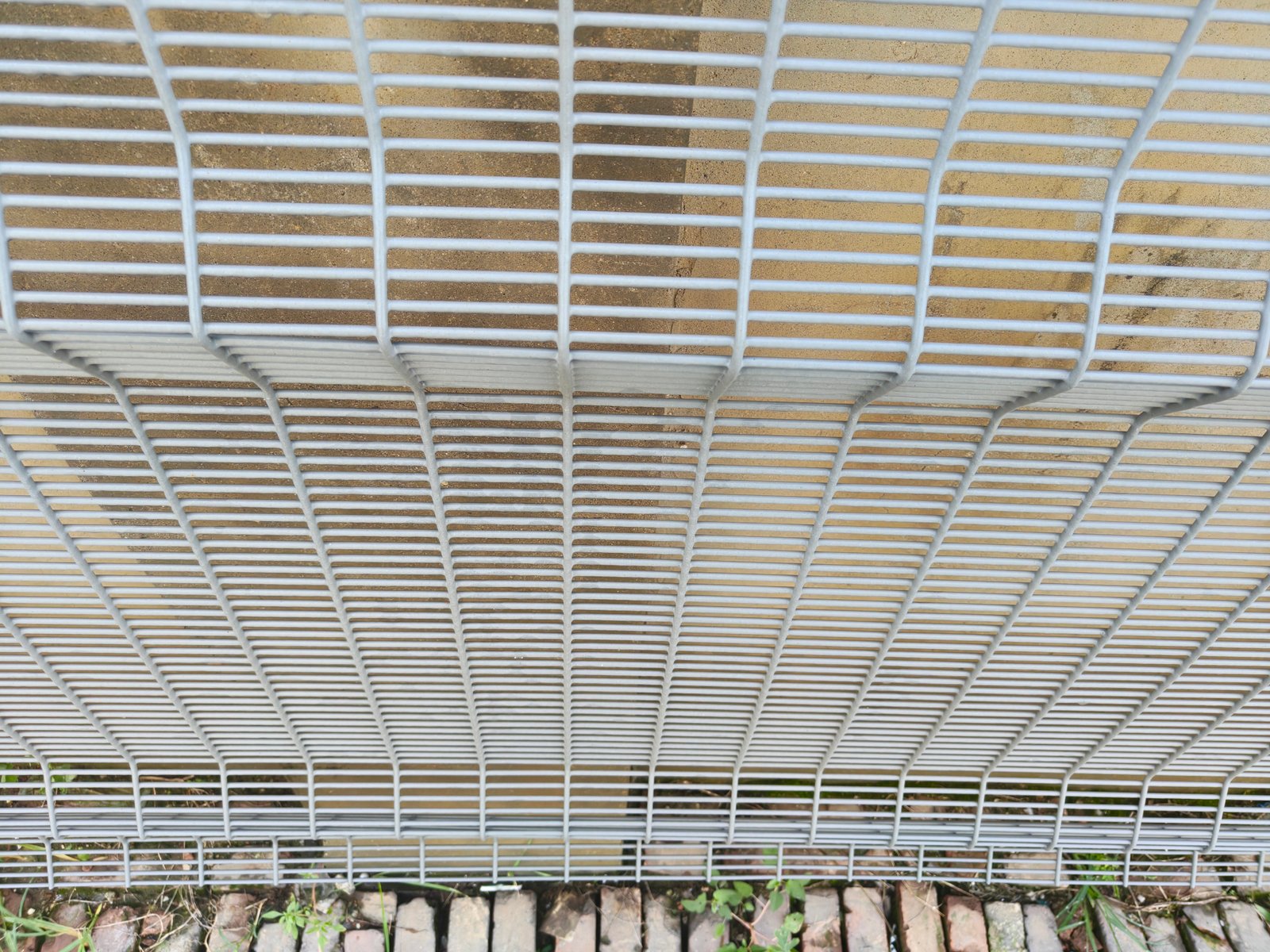
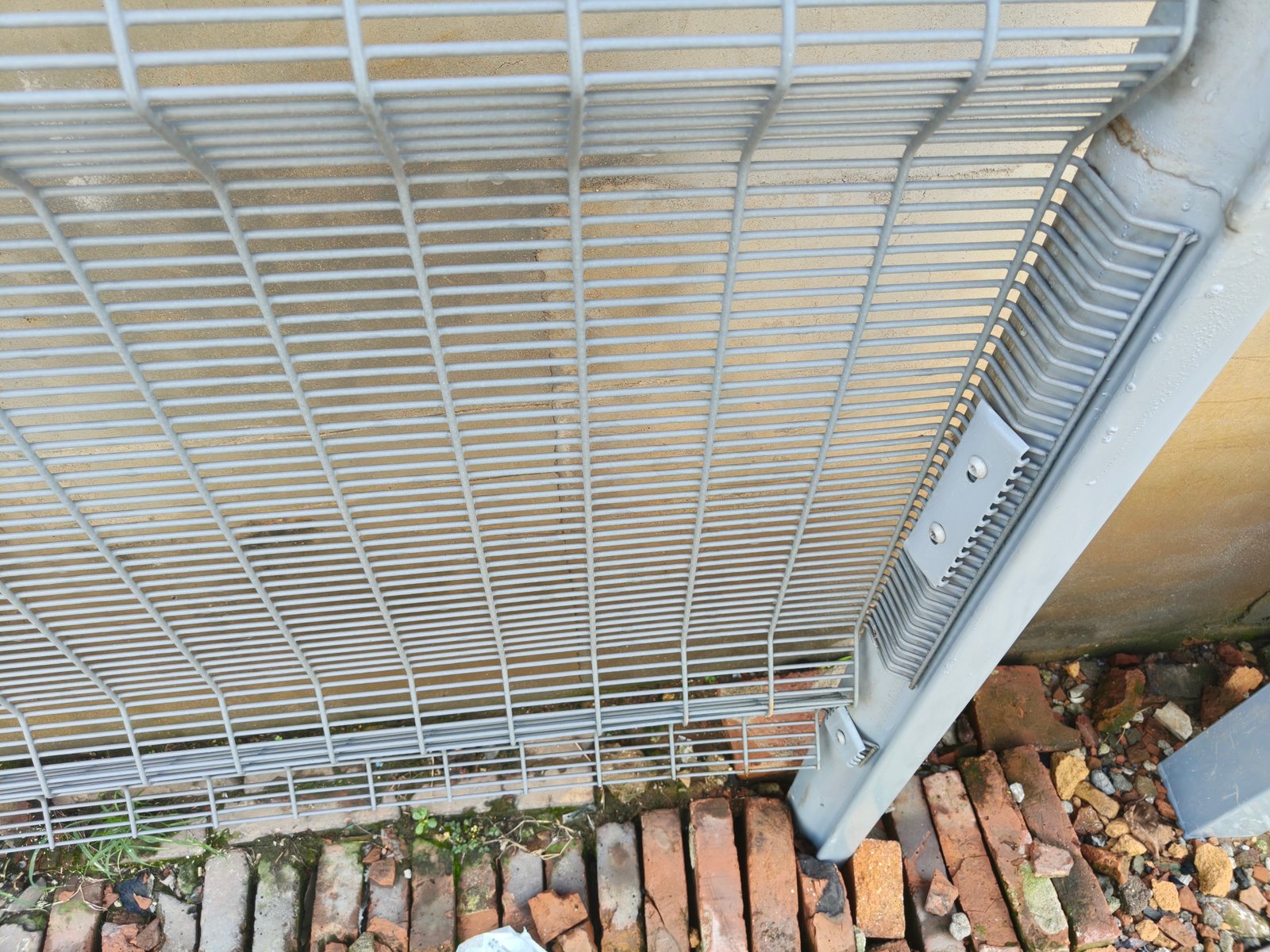
High security products usually feature smaller apertures than medium or low security alternatives. The supplied source identifies 76.2 × 12.7 mm as its principal high security mesh. It also discusses 75 × 25 mm medium mesh. Wider low security layouts should follow separately approved drawings.
The original low security dimension appears as 50 × 200 mm. Other product families use different low security apertures. Buyers should not assume these descriptions share one universal industry classification. Ask for exact wire spacing and photographs of approved samples when necessary.
Comparing wire aperture options
Smaller apertures restrict comfortable gripping points along the fence face. Wider apertures often reduce material consumption and simplify certain maintenance tasks. However, aperture alone cannot establish a complete security rating. Weld quality, wire diameter, post design, and fasteners remain essential.
Security teams should also consider the surrounding environment. A nearby wall or utility cabinet may provide an unwanted climbing platform. Landscaping can obstruct sightlines and routine inspection. The fence layout should address those risks alongside the mesh specification.
High security clearvu fencing anti-climb performance
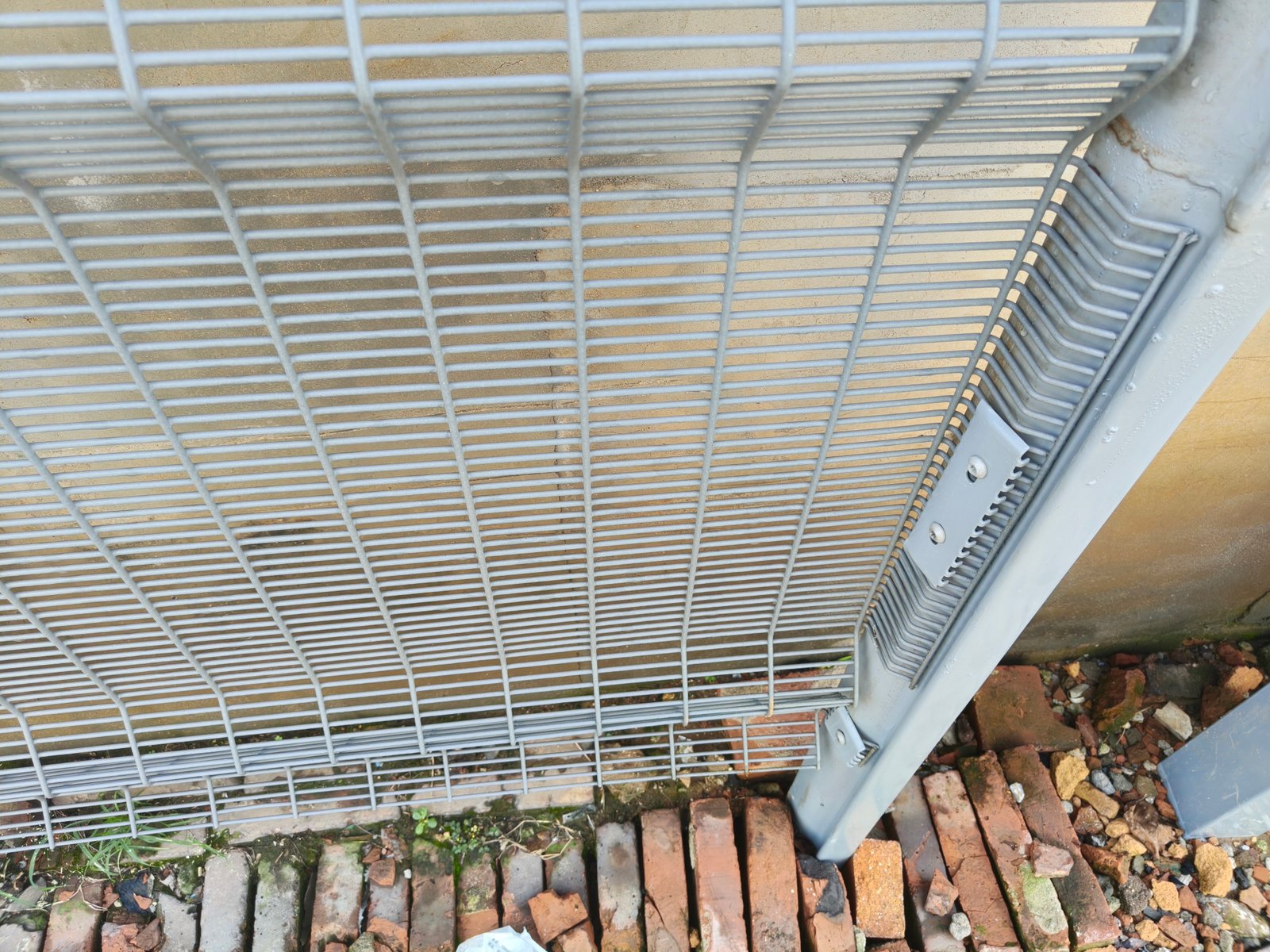
The close mesh configuration discourages ordinary climbing methods. It also limits convenient leverage points for common hand tools. Fully welded intersections help the panel retain its intended shape. Nevertheless, attack resistance depends on the complete tested assembly.
Avoid treating marketing terms as guaranteed intrusion ratings. Instead, define practical acceptance criteria for panels and joints. Security managers can combine the fence with lighting, alarms, and controlled entrances. These layers improve detection and response planning.
Choosing protective toppings
Project drawings may include V-arms, wall spikes, razor coils, or conventional barbed wire. Such additions require compatible posts and suitable load calculations. They may also require local approvals and safety clearances. The fencing supplier should identify each topping component separately.
Toppings should never block emergency routes or maintenance access. Installers must protect workers and the public during installation. Document attachment positions and fastening methods on the approved drawings. Sites with vulnerable visitors may need a different perimeter strategy.
High security clearvu fencing posts
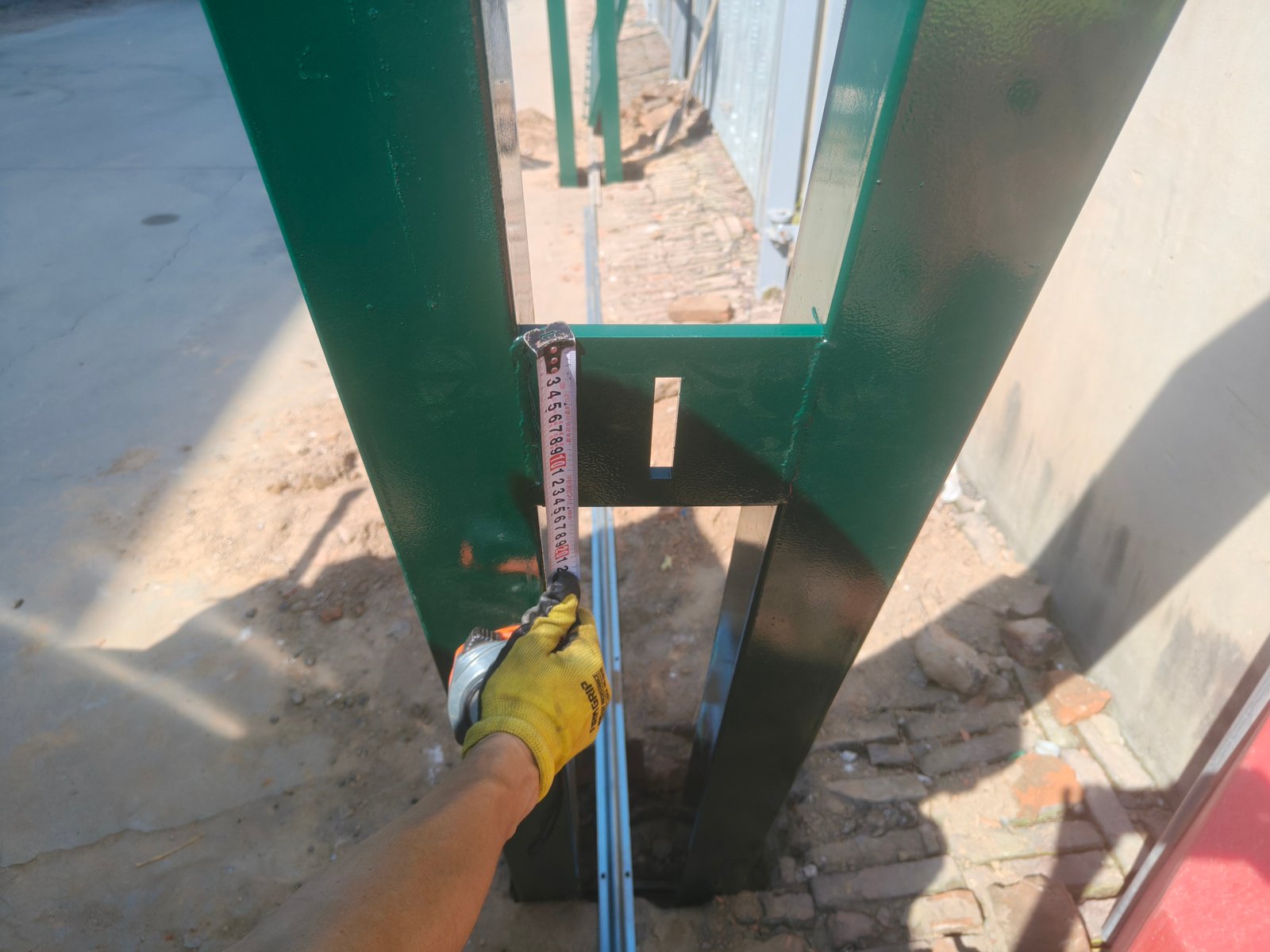
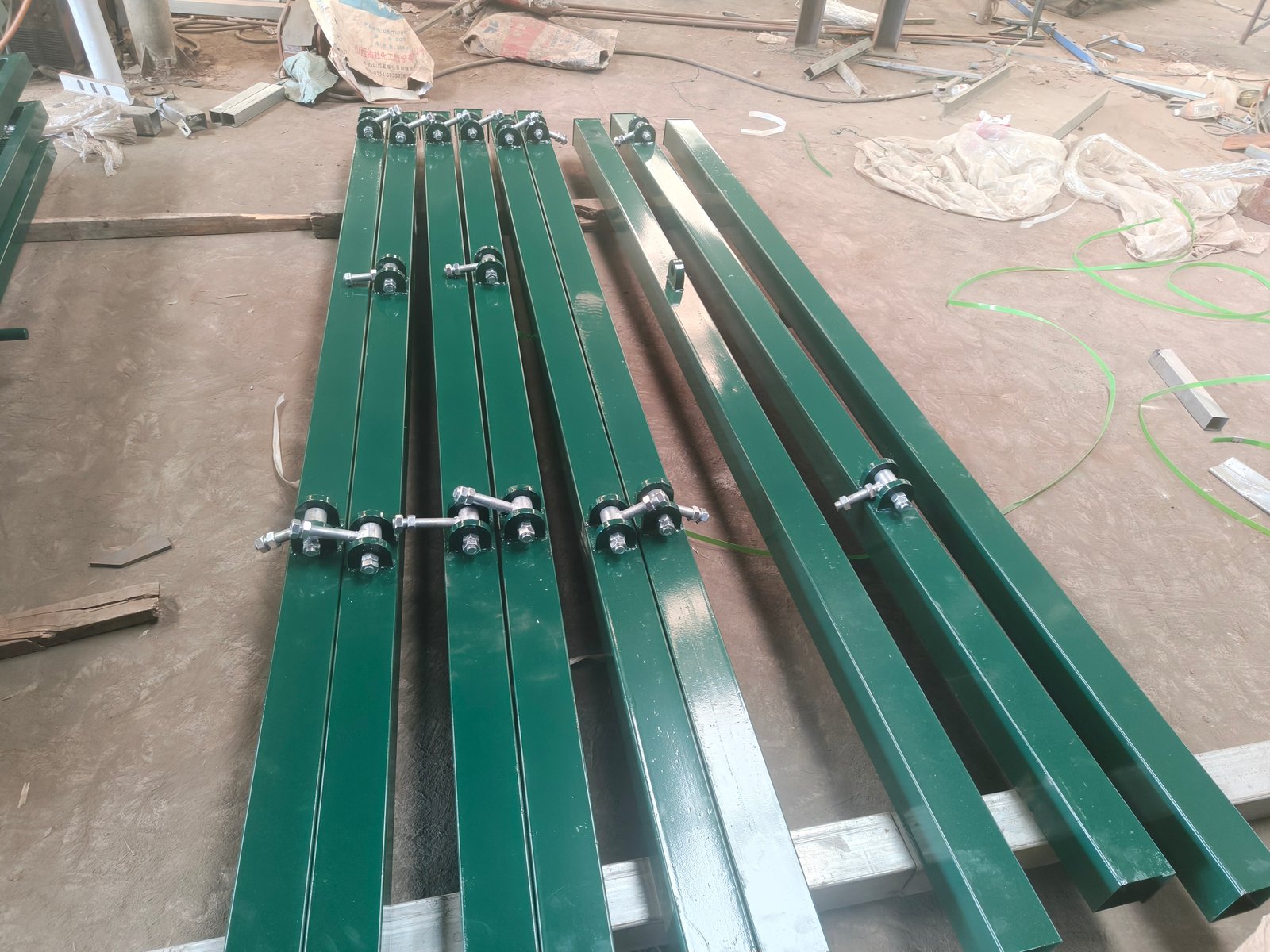
Fence posts transfer wind and impact loads into the ground. Their dimensions depend on panel height, spacing, exposure, and site conditions. Original examples include square hollow sections of 50 × 50 and 60 × 60 mm. The complete structure may require larger posts for demanding projects.
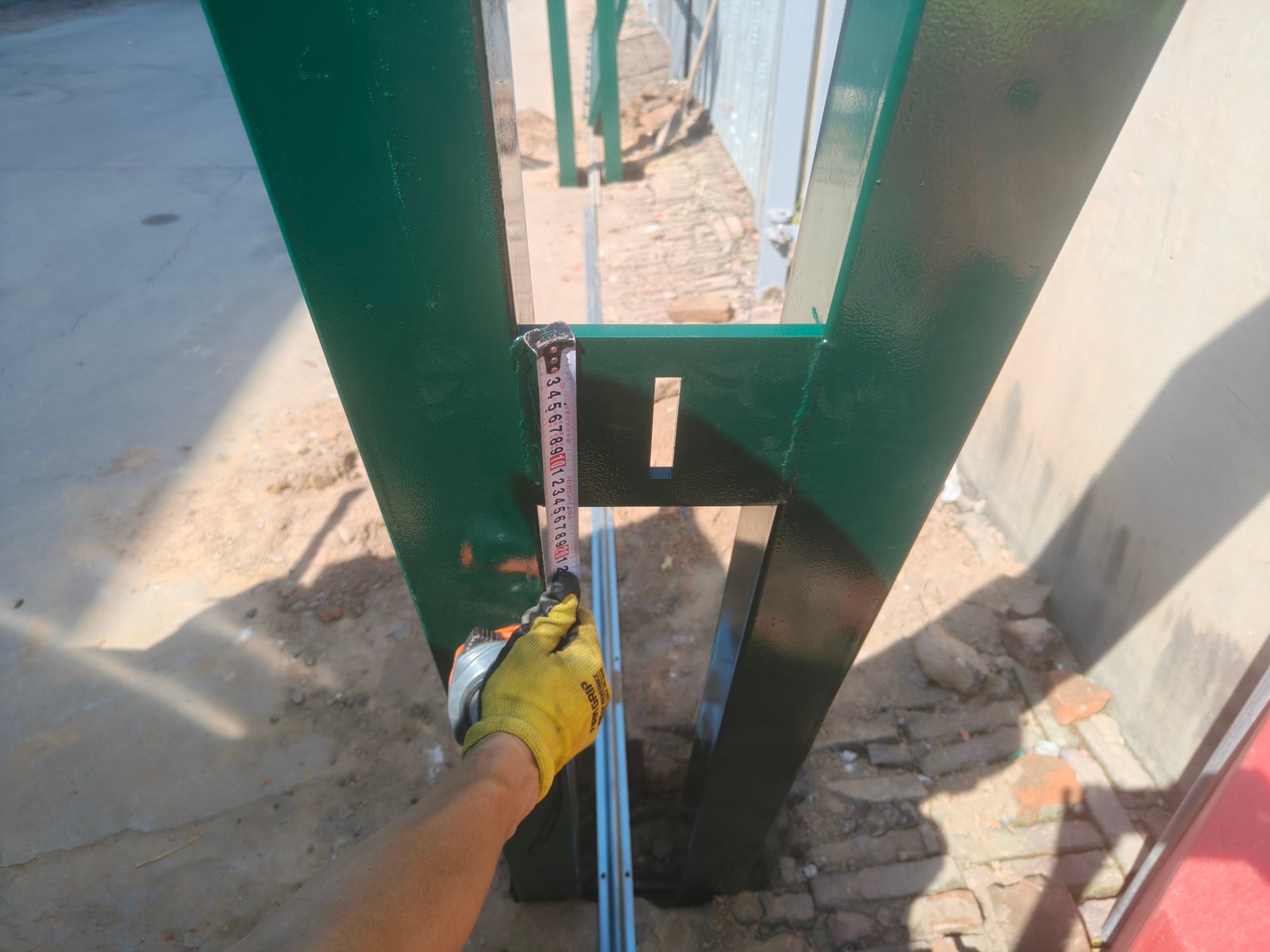
Specify post wall thickness, total length, and end treatment. State whether the design uses buried posts or base plates. Corner and terminal posts often need distinct connection arrangements. A structural engineer should confirm critical installations.
Fixing systems and clamps
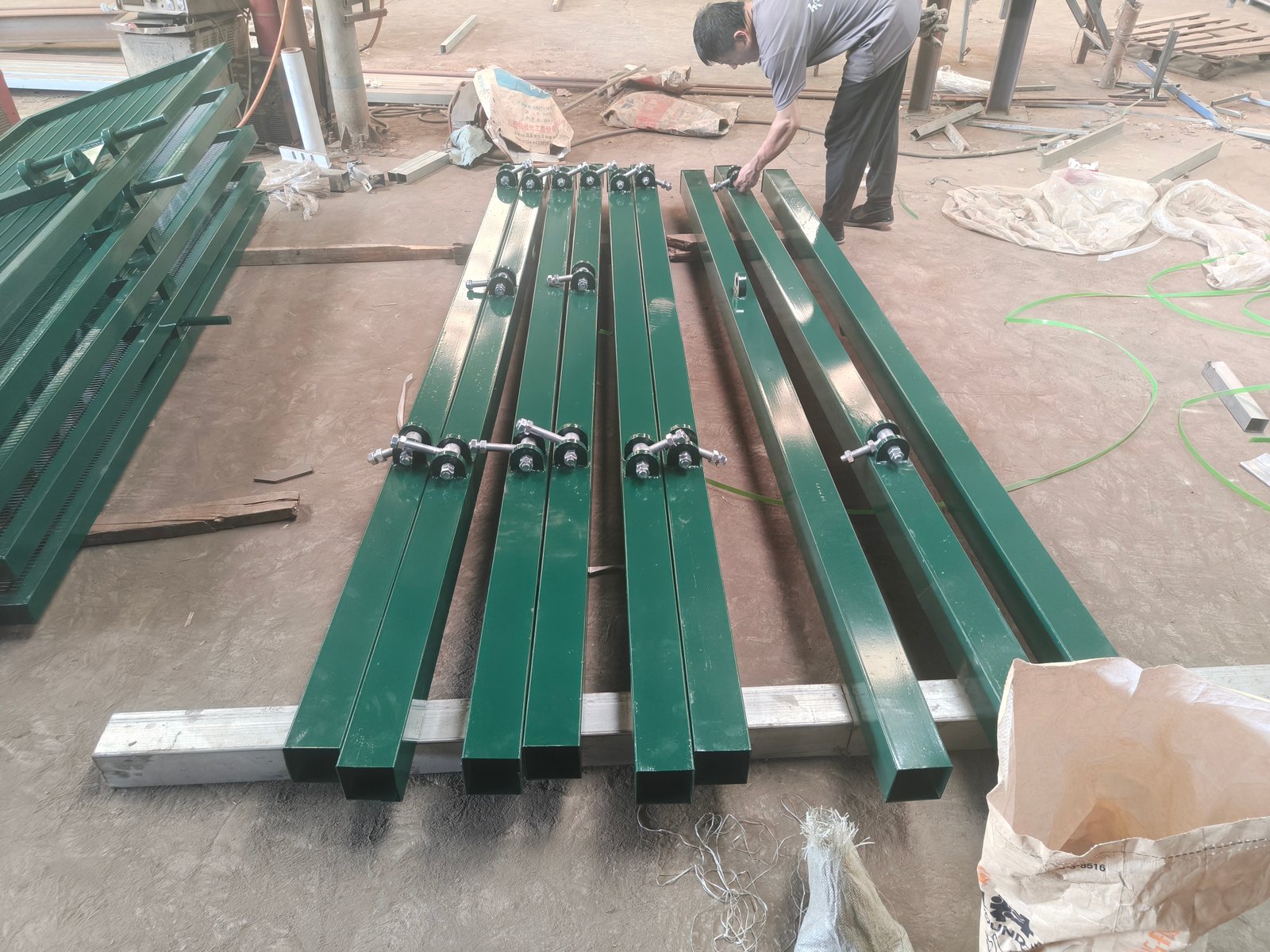
Panel connections may use spider clamps, cover bars, tamper-resistant bolts, and security nuts. The selected system must match the post profile and panel edge. Loose or incompatible clamps create vulnerable joints even with close mesh. Quality checks should examine every connection detail.
Customers can review Clearvu Fence Clamps for the related hardware category. The order should distinguish standard, corner, and end fixings. Confirm the number of fasteners per panel and post. Provide spare components for later maintenance when appropriate.
High security clearvu fencing coating systems
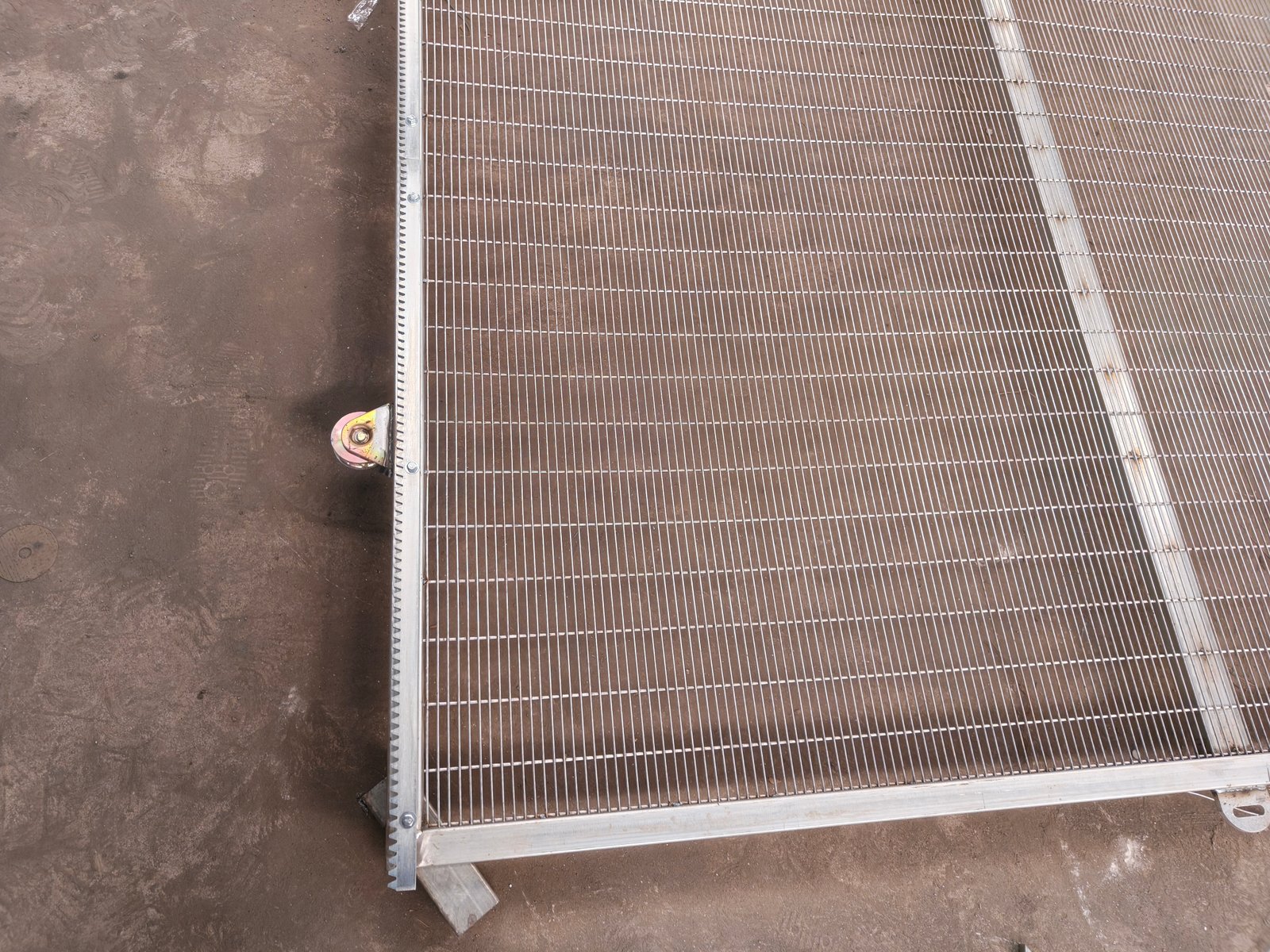
The original source lists galvanized steel, galvanized plus PVC, and galvanized plus powder coating. It also offers hot-dip galvanizing after welding on certain configurations. These choices differ in application sequence and protective characteristics. Buyers should approve one complete system rather than a vague finish description.
Zinc coatings protect exposed steel through sacrificial action. Organic topcoats provide colour and another environmental barrier. Surface preparation and coating continuity influence practical durability. Visit Powder Coated Clear View Fence for the corresponding product family.
Galvanizing and zinc-aluminium coatings
Hot-dip galvanizing after fabrication can protect many welded intersections and cut edges. Continuous galvanized wire follows a different production route. Zinc-aluminium wire coatings form another category with separate test requirements. These processes should never appear as interchangeable quality certificates.
Buyers should request coating mass, film thickness, and test methods where applicable. Different components can require different standards. A galvanized panel does not guarantee identical treatment on every clamp or gate. Review the complete finish schedule before shipment.
High security clearvu fencing for coastal projects
Marine air can increase corrosion exposure near ports and shorelines. Salt may collect around clamp interfaces, post bases, and damaged edges. Coastal customers should assess the actual site rather than relying on a city name. Distance, orientation, washing, and drainage all matter.
Ask the supplier about coating repair instructions and inspection intervals. Matching post and accessory protection helps avoid uneven deterioration. Visible damage needs prompt attention before corrosion spreads. Written warranties should describe exclusions and maintenance obligations.
Colour selection and coating inspection
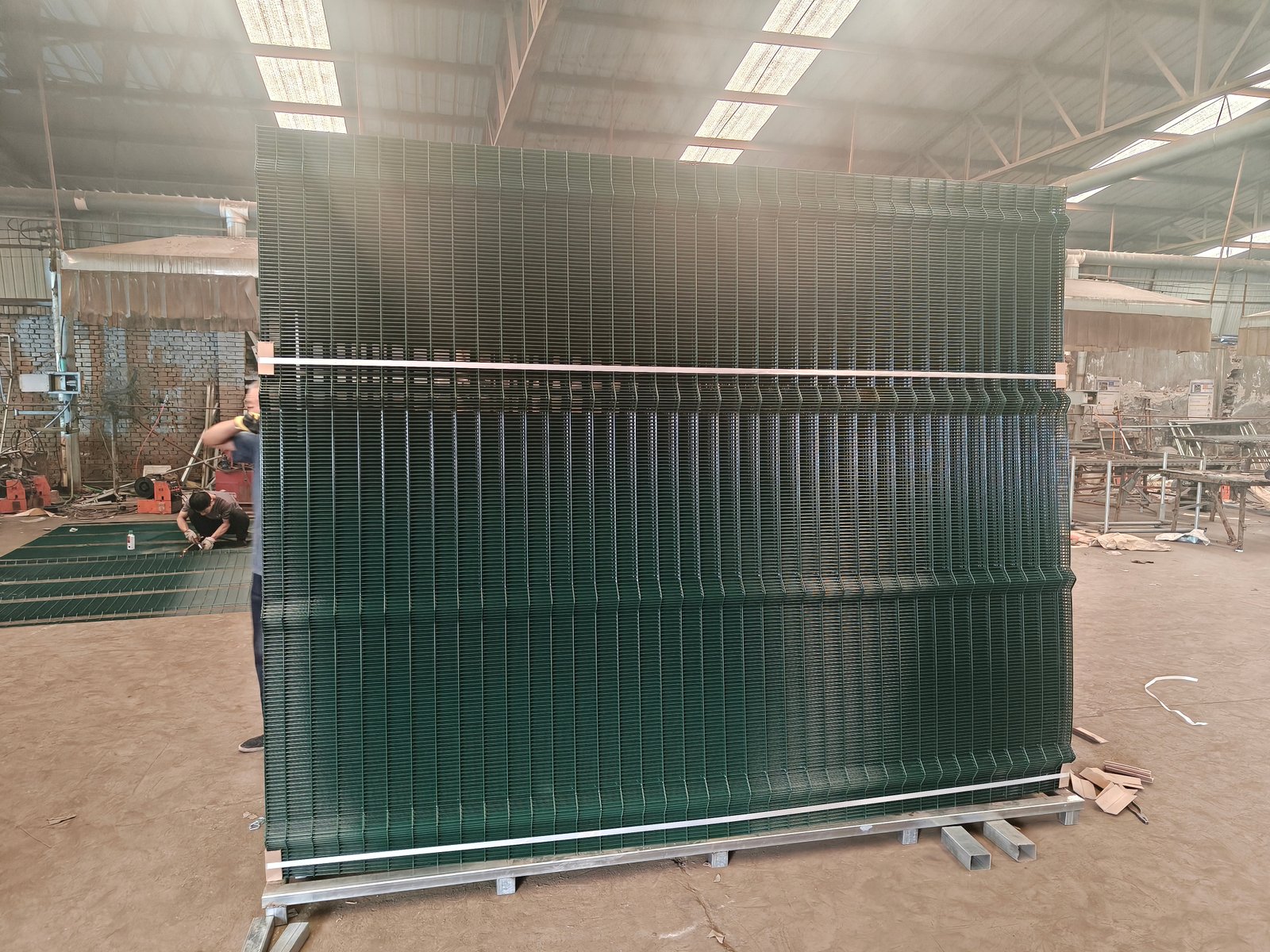
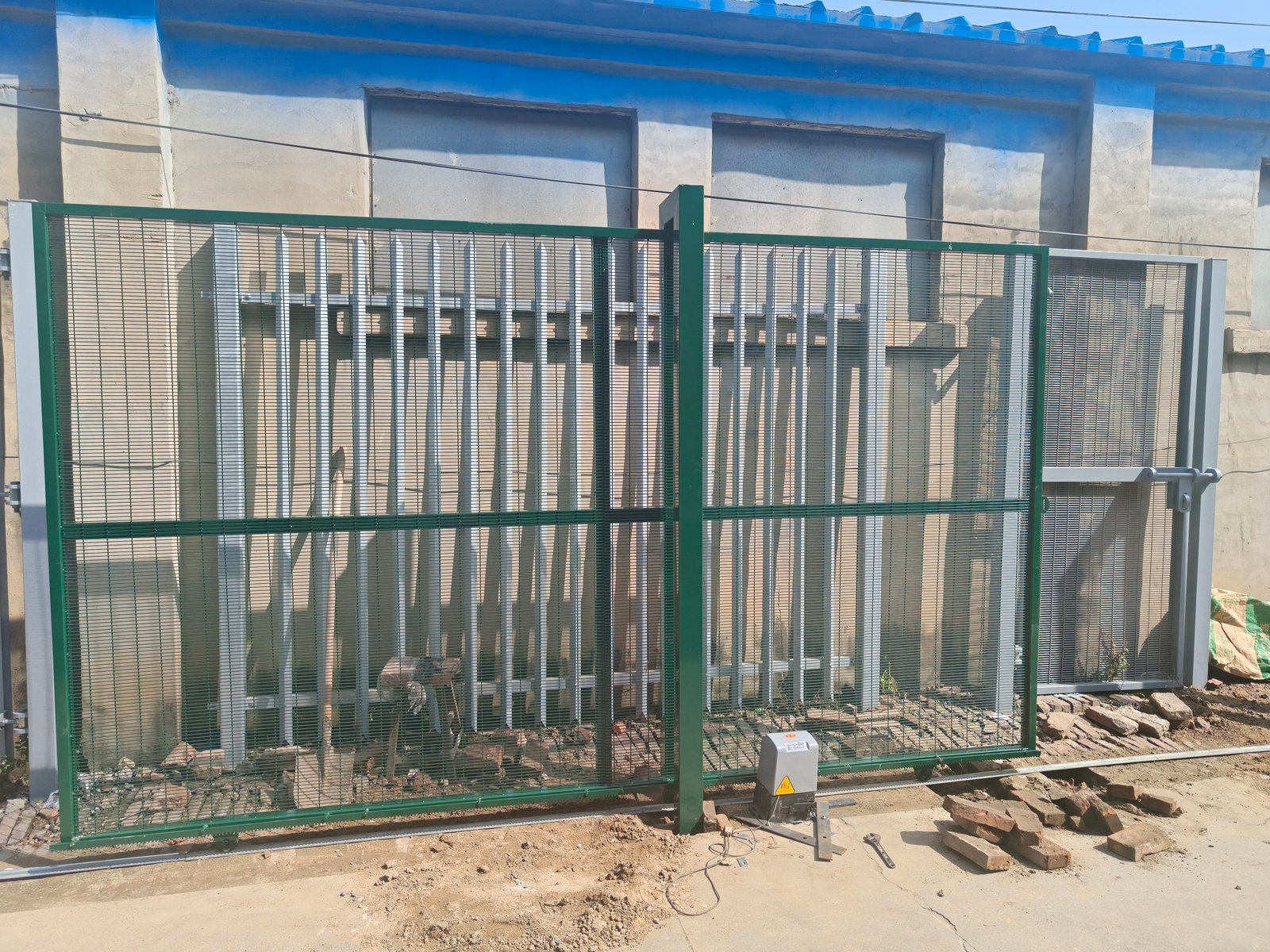
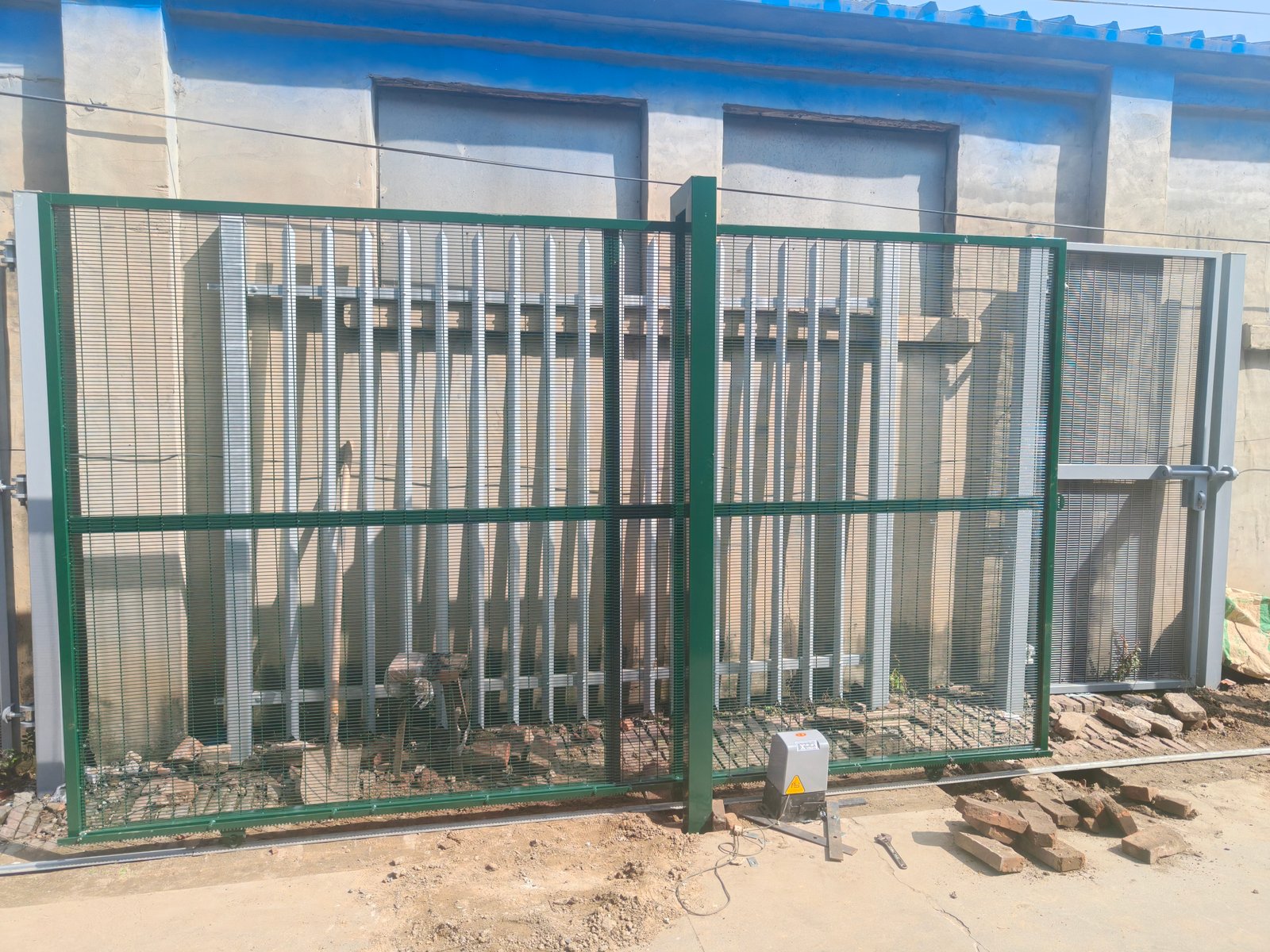
Green and black remain common fence colours in many security projects. The original source also offers blue and custom finishes. Use a specific RAL reference when selecting powder coating. Sample panels can help teams confirm colour and surface appearance.
Inspection should examine weld areas, cut edges, corners, and mounting interfaces. Request batch records when projects require traceability. Film thickness measurements need a suitable test method. Keep acceptance results with the shipping documents.
High security clearvu fencing manufacturing
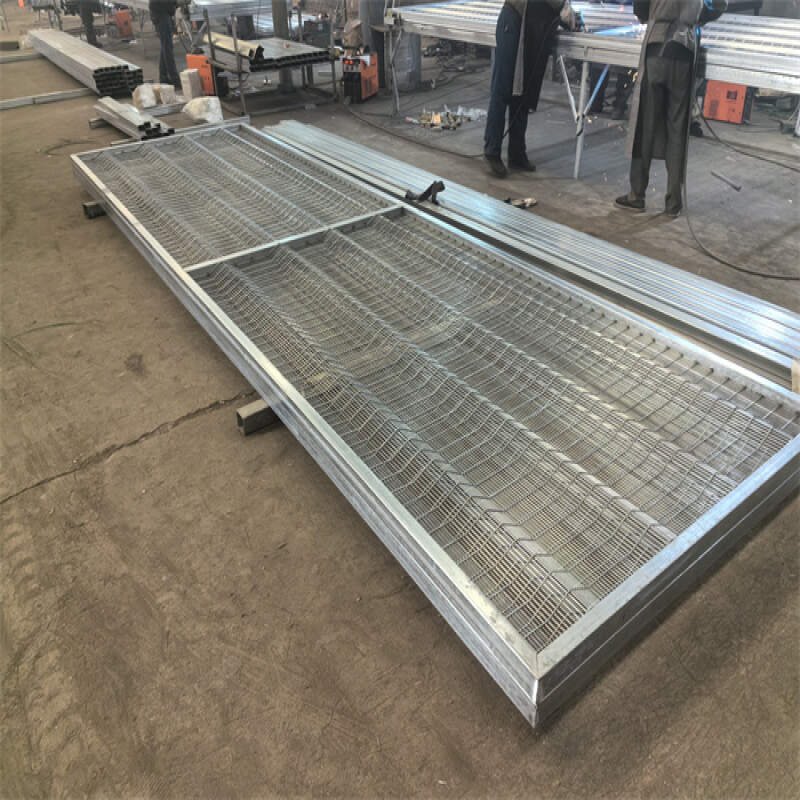
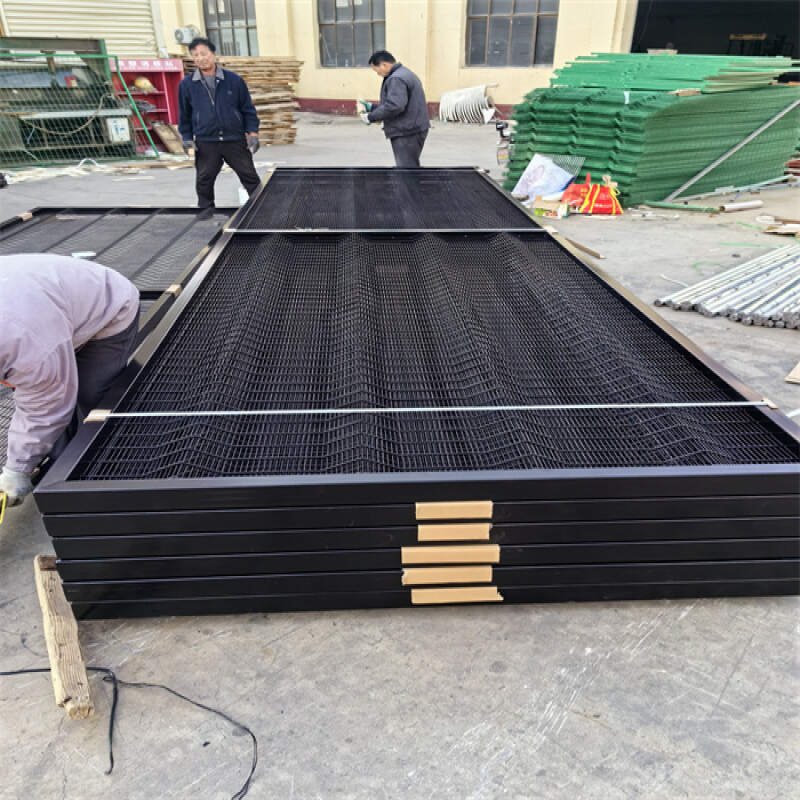
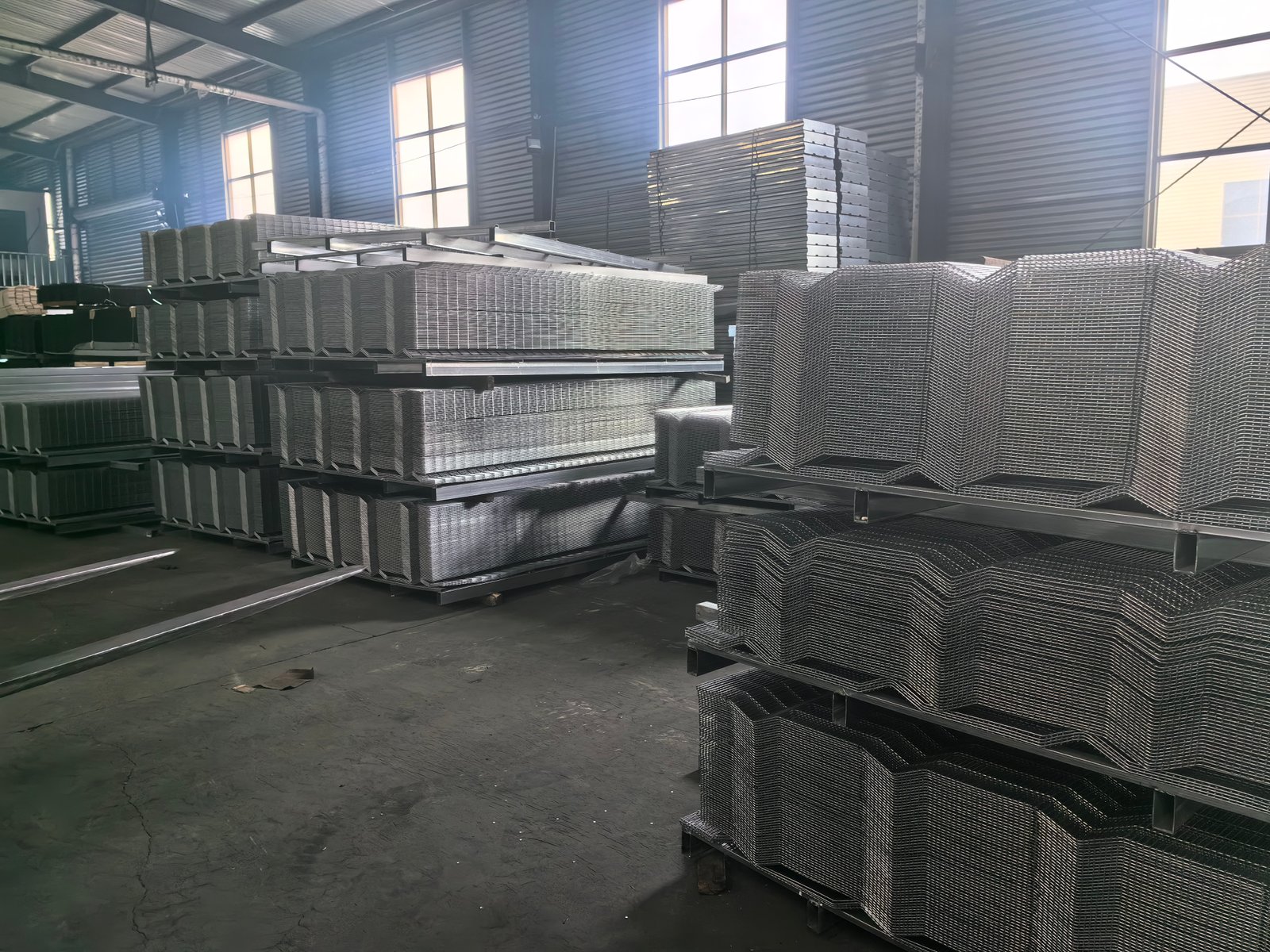
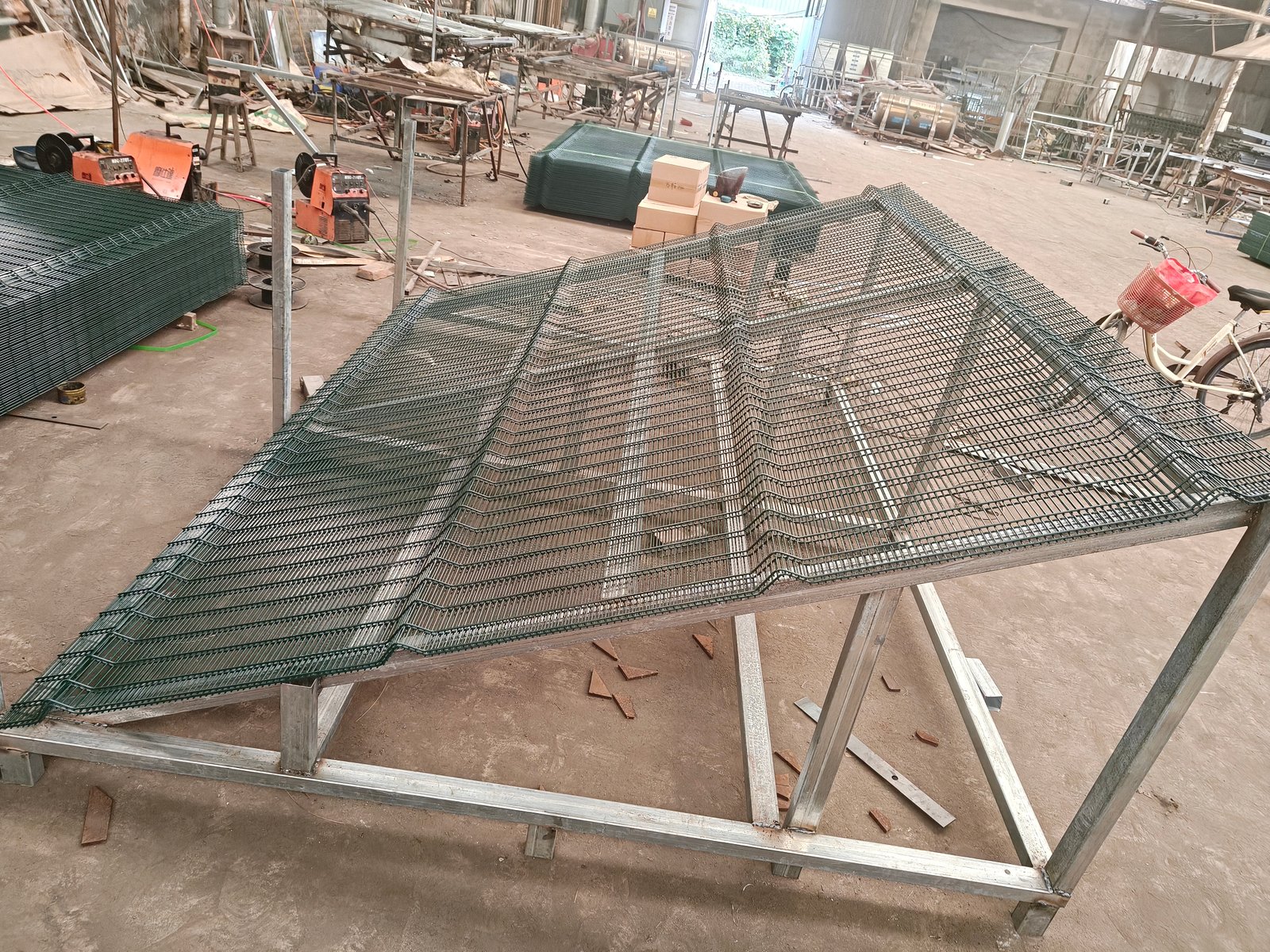
Production normally begins with approved steel wire and fabrication drawings. Workers cut the material and set the welding equipment for the chosen aperture. Operators check wire alignment and welded intersections during production. Panel shaping or bending follows the agreed design.
Surface treatment comes after the relevant preparation steps. Finished panels then pass dimensional and visual inspection. Packing teams organize units by model and shipment destination. This sequence helps reduce installation confusion on large projects.
Quality checks before packing
Inspectors should measure finished height, width, aperture, and wire diameter. Weld samples may require defined tests under the purchase specification. Check surface coatings against the approved process and appearance criteria. Verify that every pallet contains the promised accessory quantities.
The Clear View Fencing Factory page provides further manufacturing context. Customers can request selected photographs or independent inspection reports. Confirm the inspection scope before production begins. Do not infer certification from an unverified marketing statement.
High security clearvu fencing installation
Installation begins with a survey and approved fence layout. Contractors mark the proposed line and locate underground services. They then set post positions according to actual panel dimensions. Foundations require suitable engineering for local soil and wind conditions.
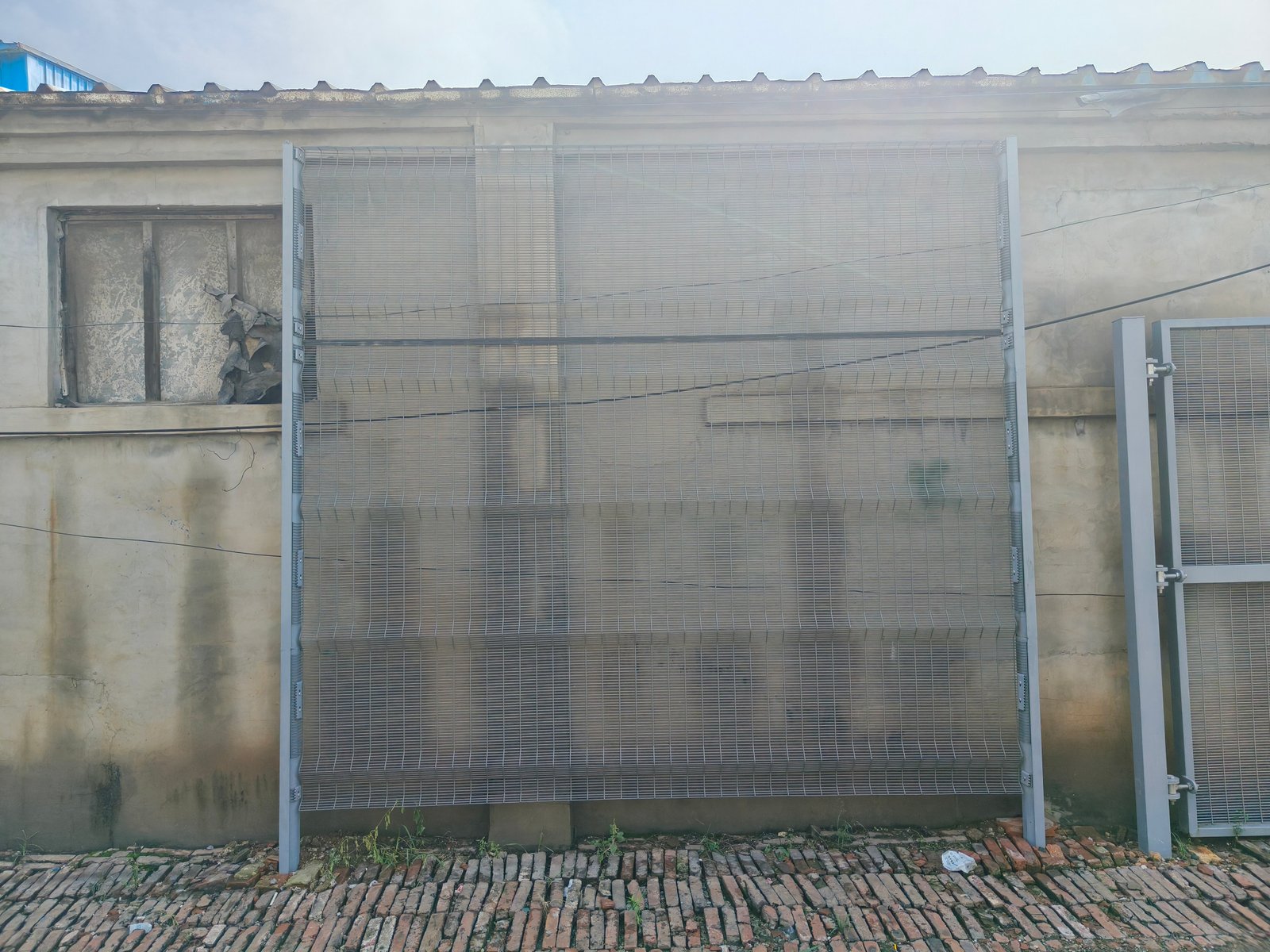
After foundations reach their specified strength, installers position the fence panels. Crews fit clamps and security fasteners to the approved torque requirements. Final checks cover straightness, clearance, and connection integrity. The Clearvu Fence Installation Guide offers additional installation guidance.
Sloping ground and alignment
Sloping land may need stepped panels, adjusted post heights, or special transitions. Designers should show these changes before ordering custom panels. Unexpected field cutting can damage protective coatings and complicate repairs. Accurate measurements reduce waste and installation delays.
Plan drainage near low points and post foundations. Keep sufficient clearance for maintenance access. Check corners carefully where adjoining fence lines meet. Record all approved installation changes for future reference.
High security clearvu fencing gate systems
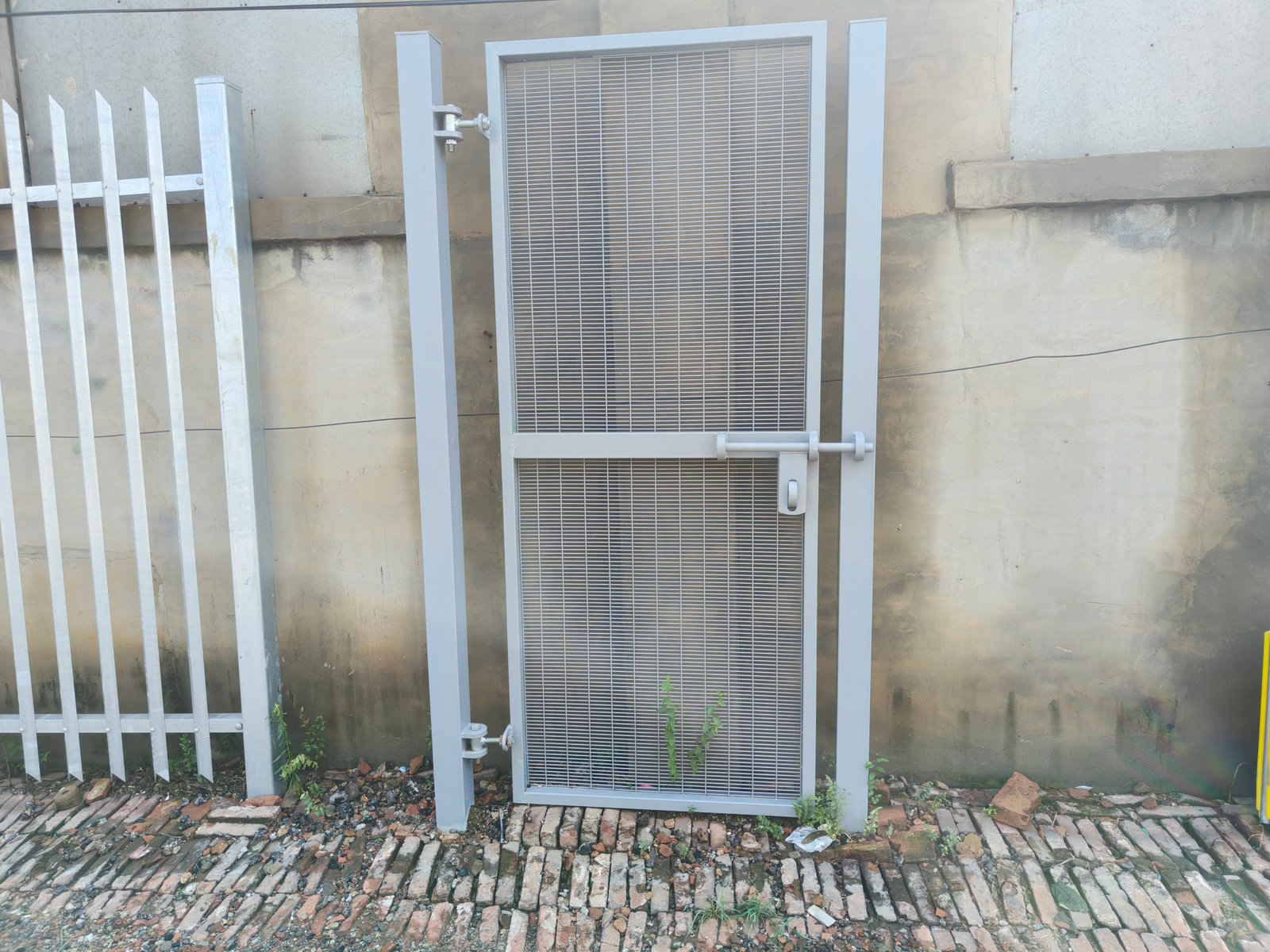
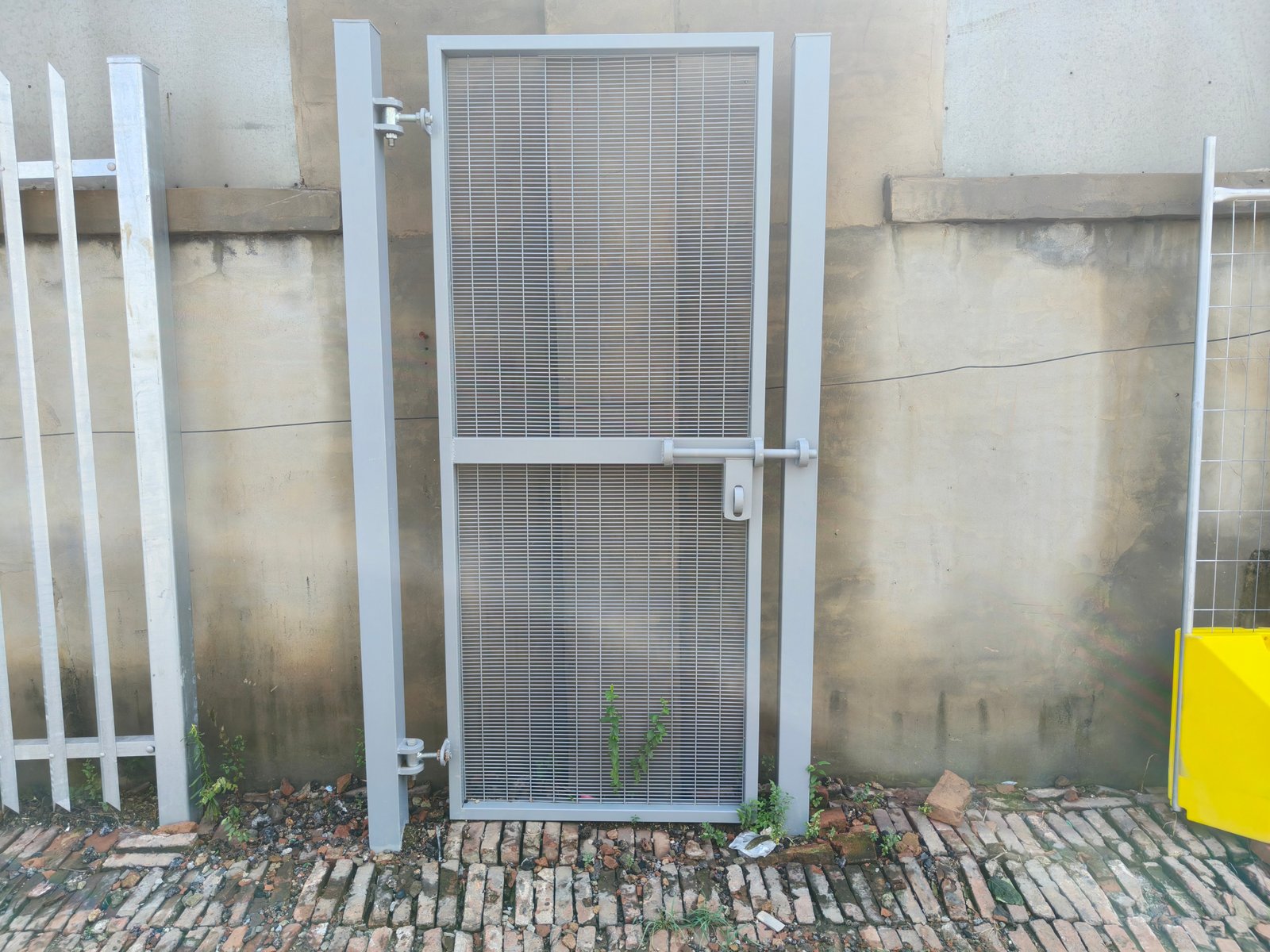
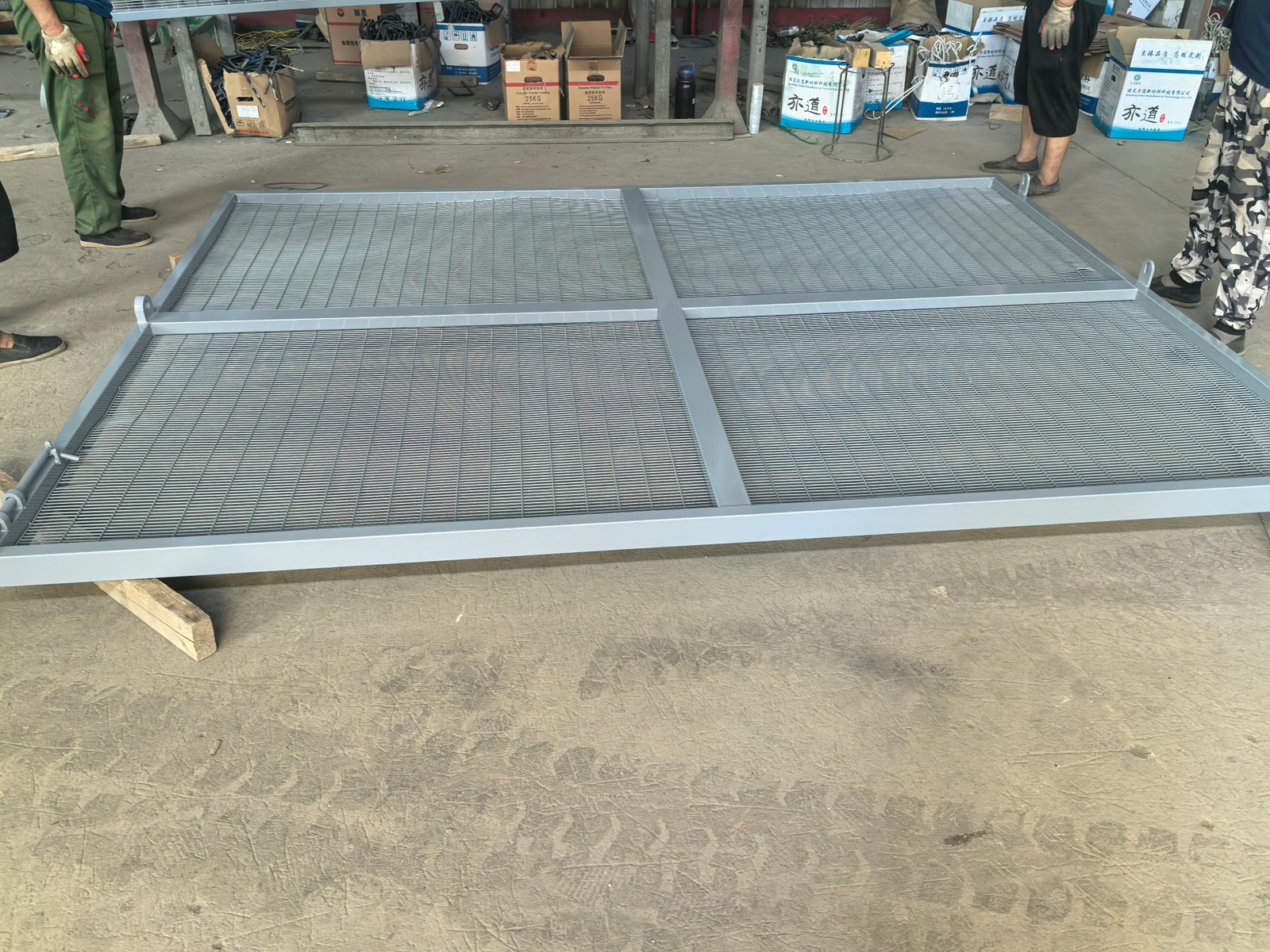
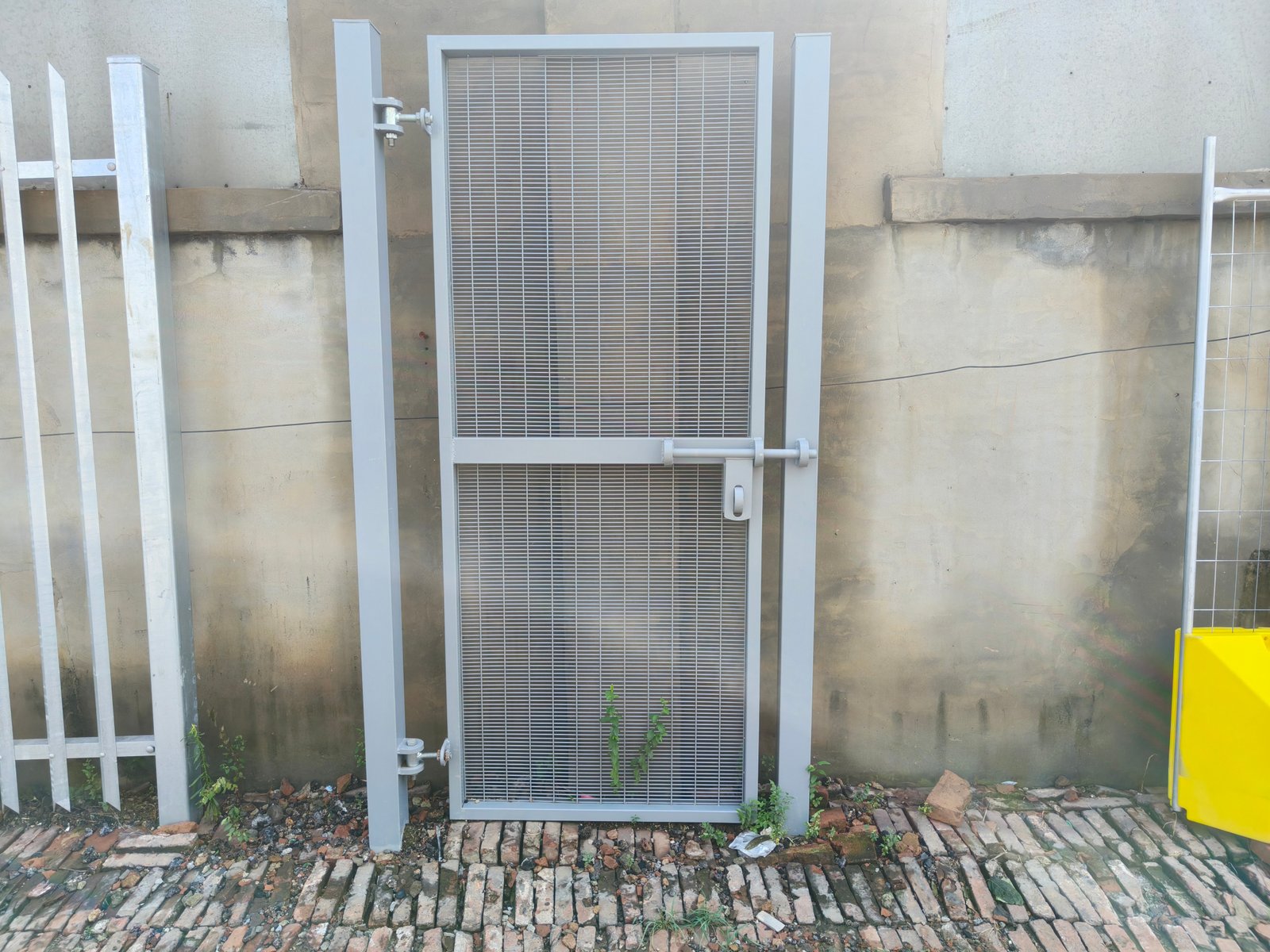
Vehicle and pedestrian openings often determine the practical security of a perimeter. Gate mesh should match the adjoining fence where feasible. Frame size, hinges, locks, and latching equipment need separate engineering checks. Access control requirements should appear in the initial project schedule.
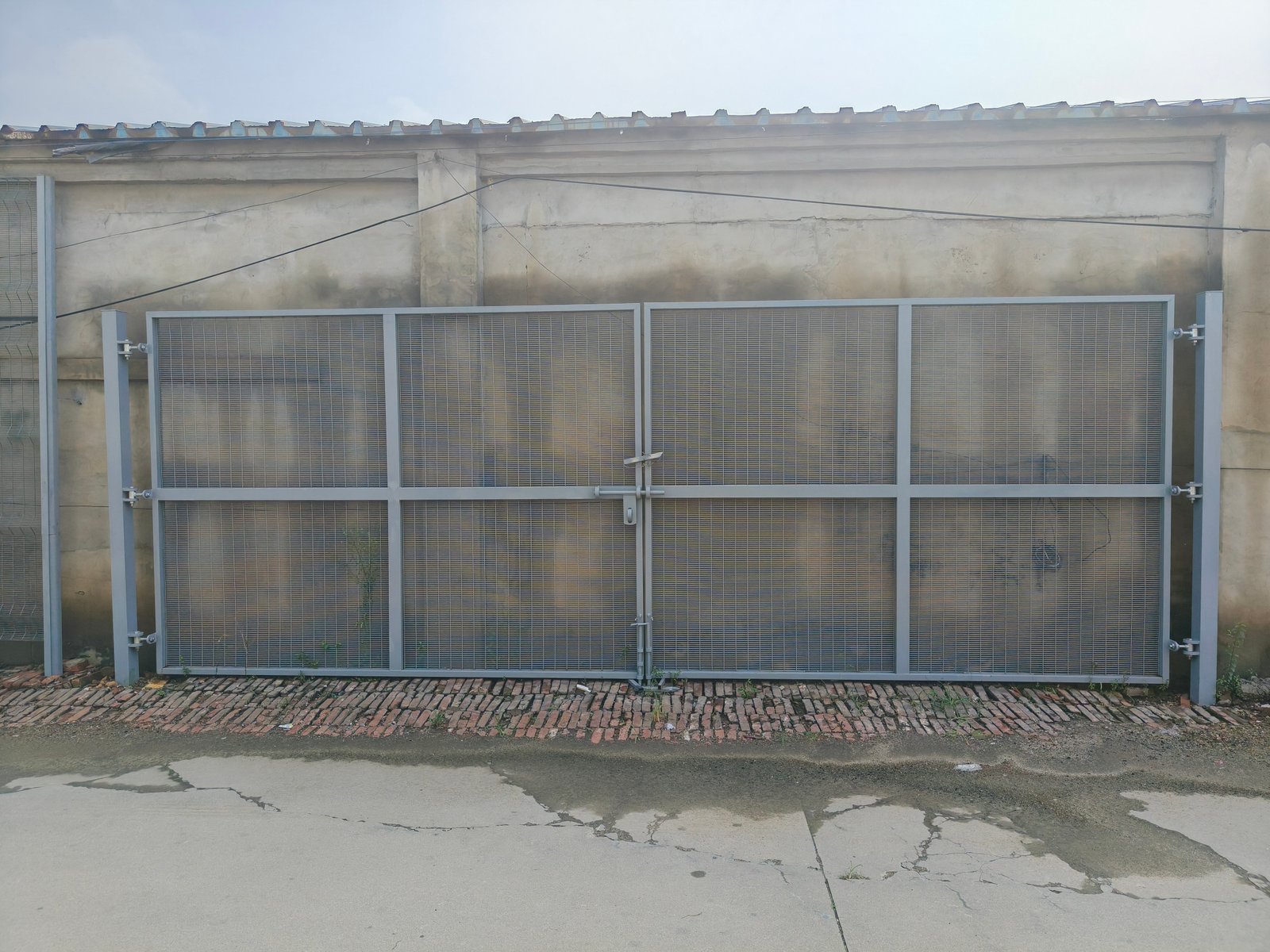
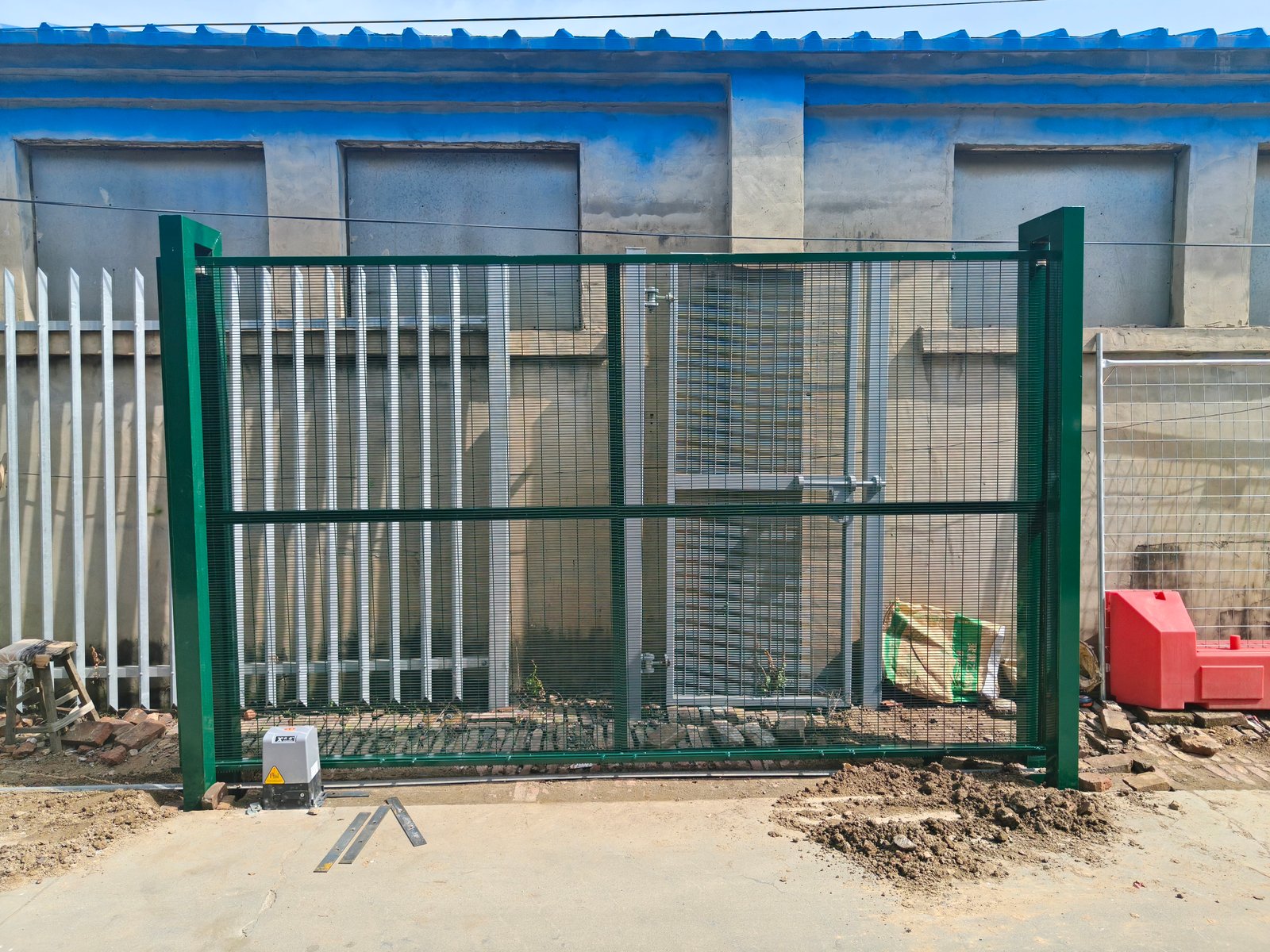
BMP supplies matching pedestrian, swing, and sliding gate configurations. The Clear View Fence Gate product page outlines gate options. Gate quotations normally depend on each assembly rather than the panel metre alone. Buyers should provide gate width, height, and operating method.
Sliding and motorized access
Sliding gates need adequate travel space and appropriate foundation support. Motorized installations also require safety devices and reliable power arrangements. Site teams should examine vehicle clearance and emergency access. Maintenance requirements depend on gate geometry and operating frequency.
The Clearvu Fence Sliding Gates page provides related specifications and examples. Verify motor compatibility before production and wiring. Request operating tests and assembly photographs when possible. Document the final settings for future servicing.
High security clearvu fencing applications
High security mesh can serve warehouses, factories, electrical facilities, and transport corridors. Its open appearance supports visual monitoring around important assets. Similar systems also appear around correctional and other restricted locations. Each application requires a site-specific security assessment.
Residential estates and commercial premises may choose different panel heights. Industrial facilities often need wider gates for deliveries. Utility operators may specify additional access restrictions or warnings. BMP can prepare the manufacturing scope from project drawings.
Infrastructure and industrial boundaries
Energy facilities often combine fencing with surveillance and controlled access. Warehouses need reliable vehicle movements and clear pedestrian routes. Transport sites may need special setbacks and maintenance access. Designers should avoid blocking emergency equipment or established services.
A narrow aperture improves some physical deterrence characteristics. It does not replace security personnel or operational controls. Site operators should maintain a current access plan. The plan should address gates, keys, alarms, and visitor procedures.
High security clearvu fencing export packing
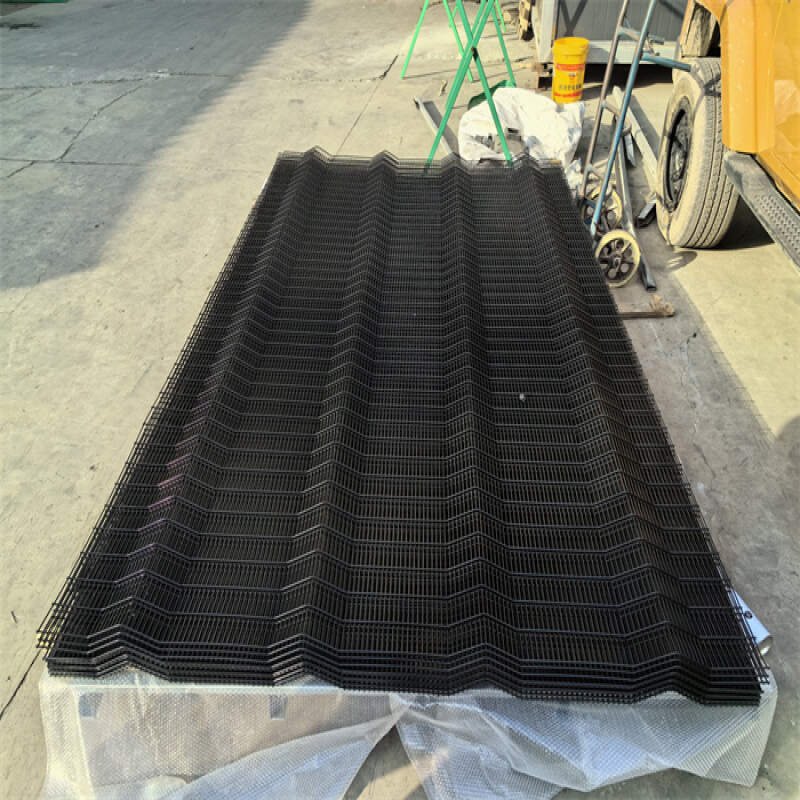
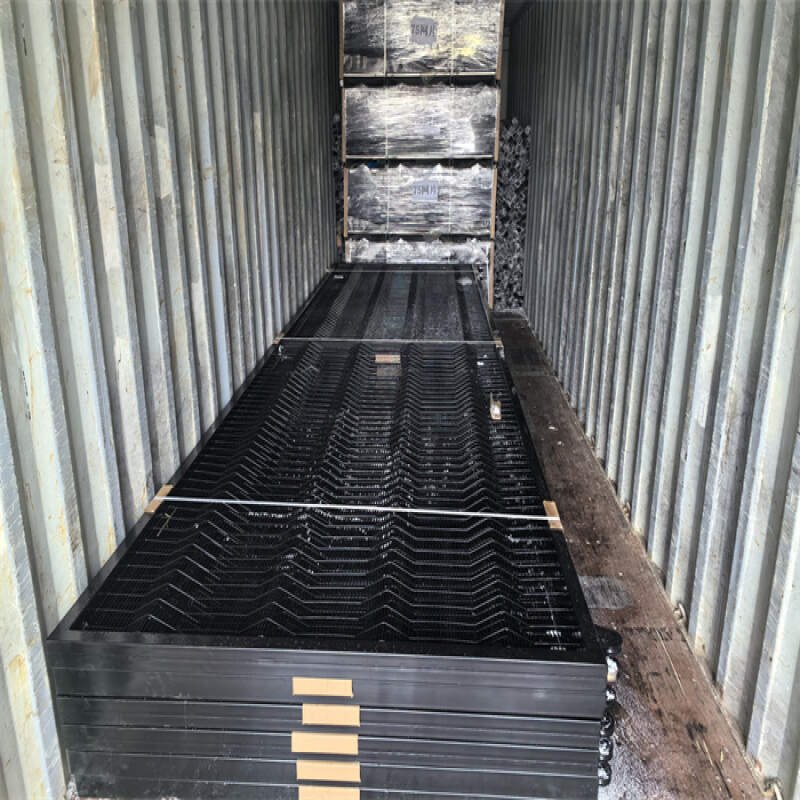
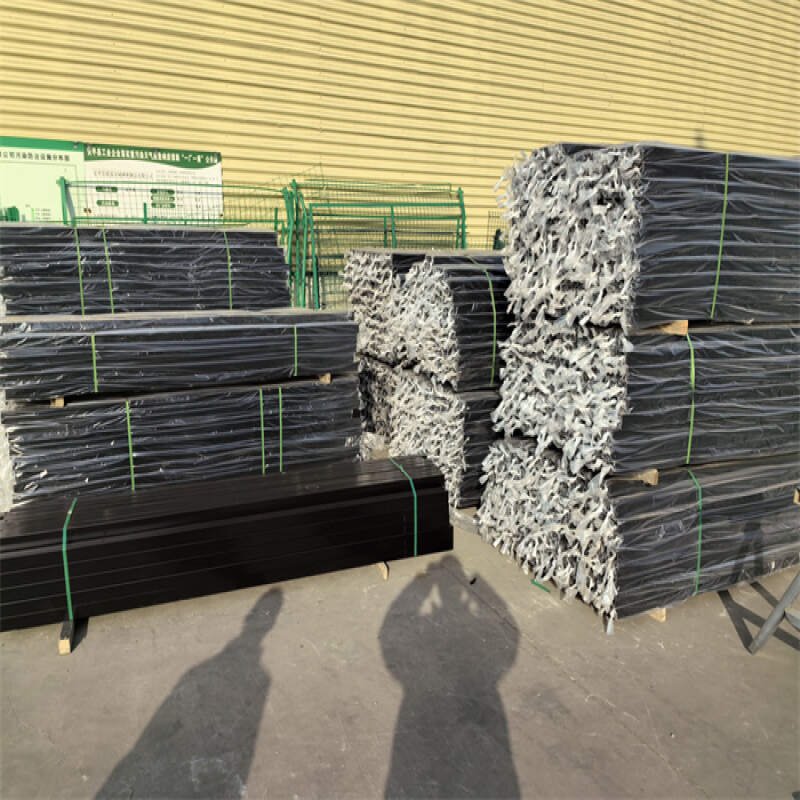
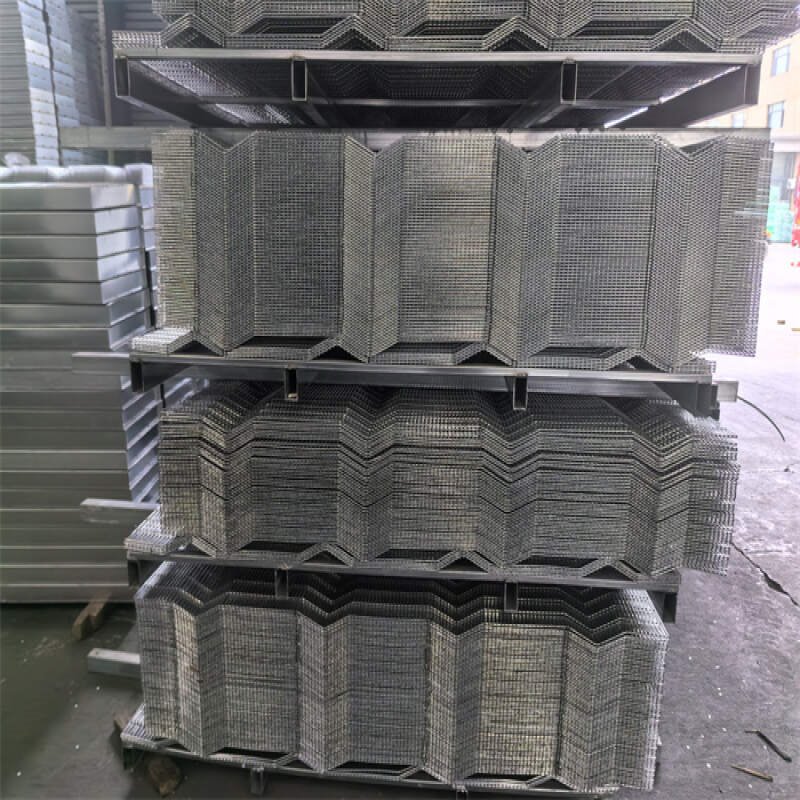
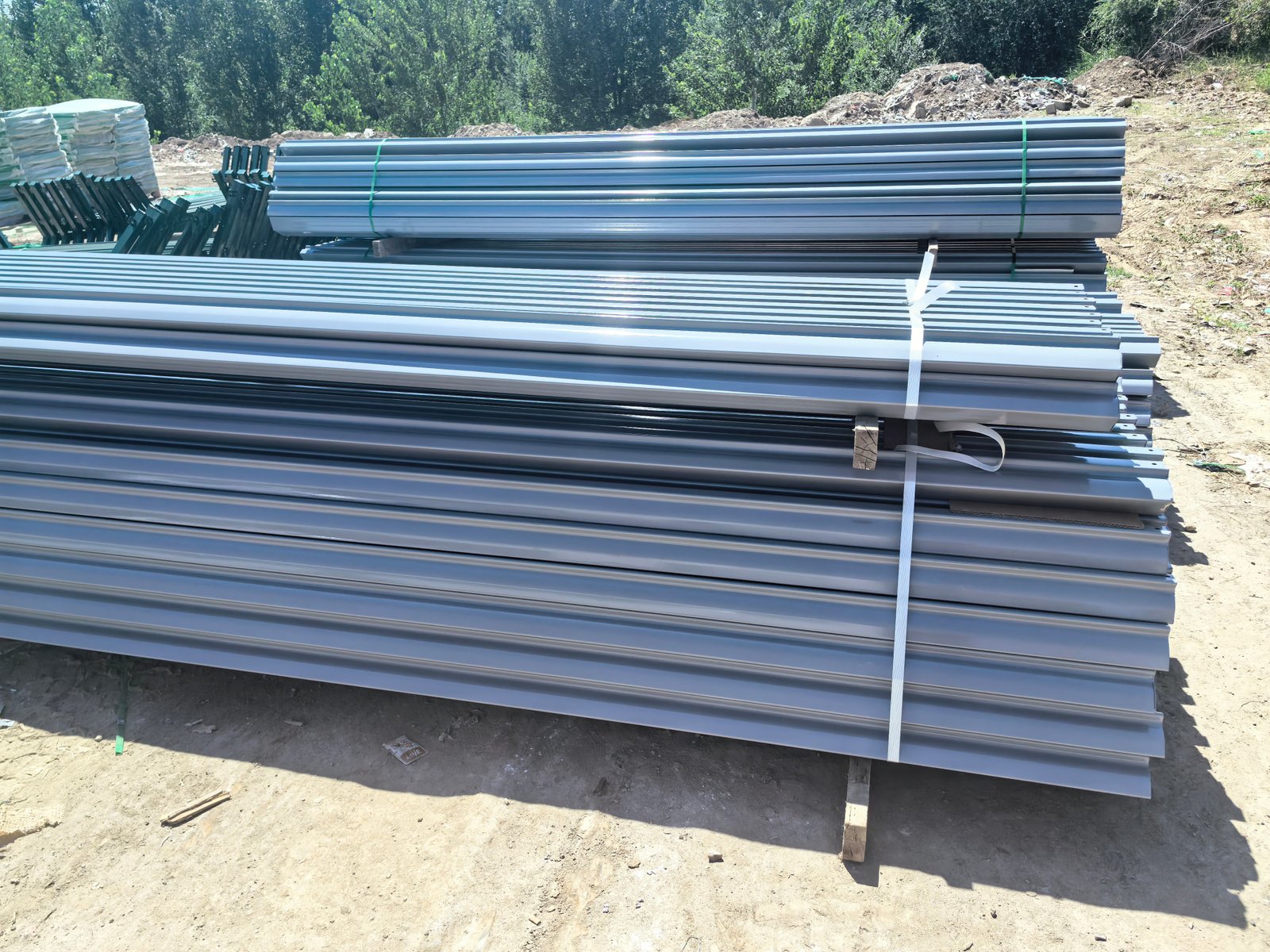
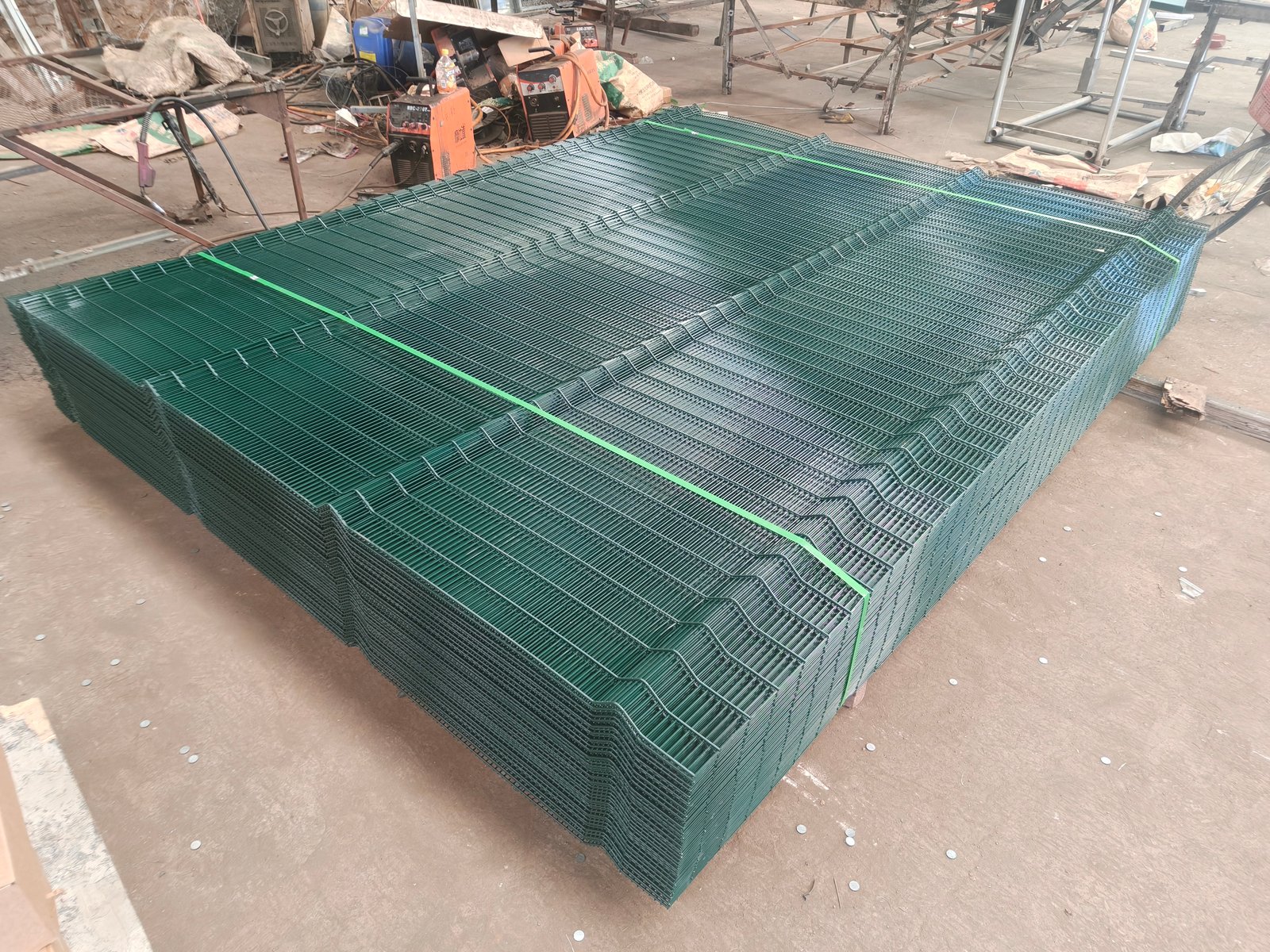
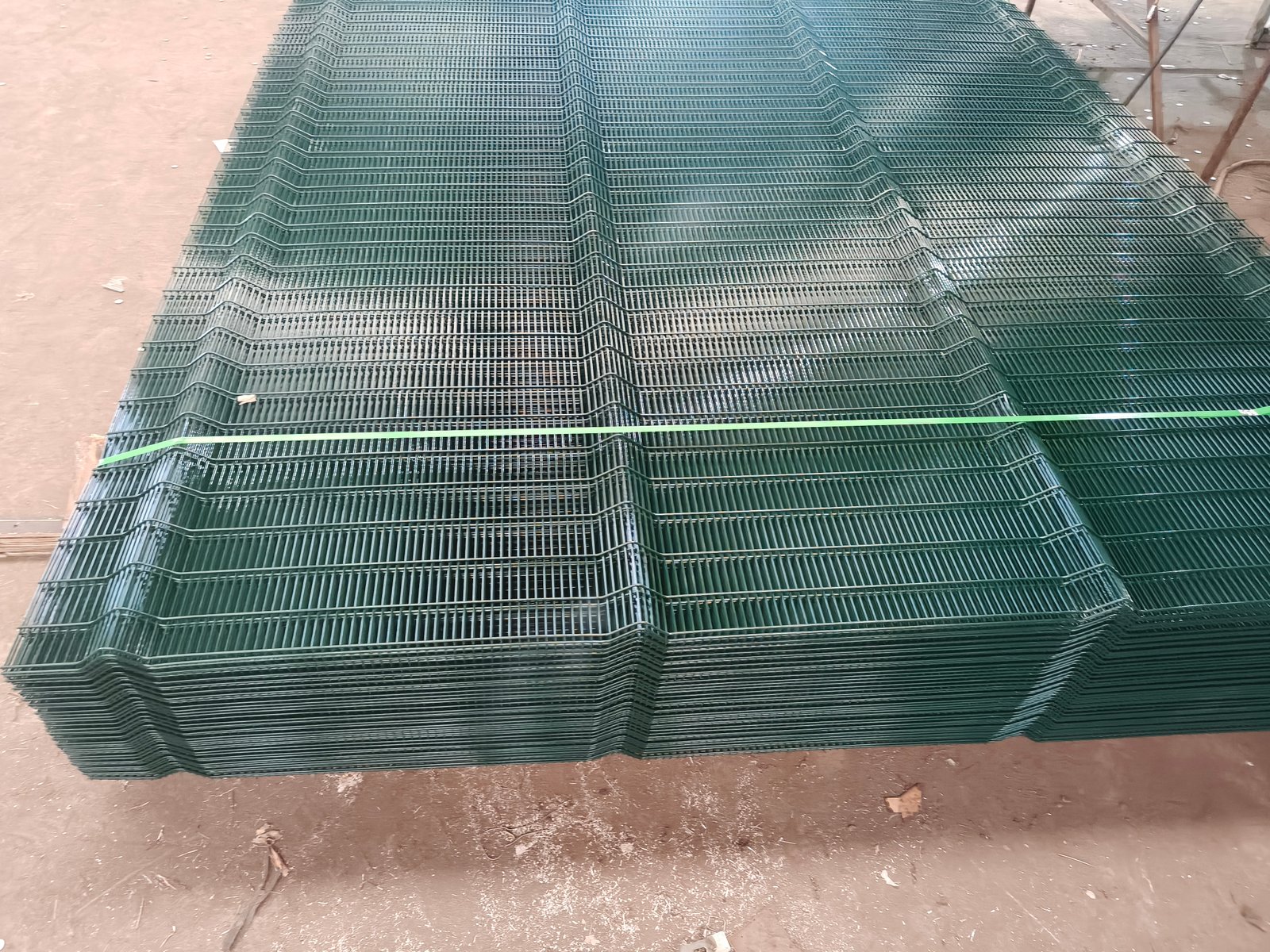
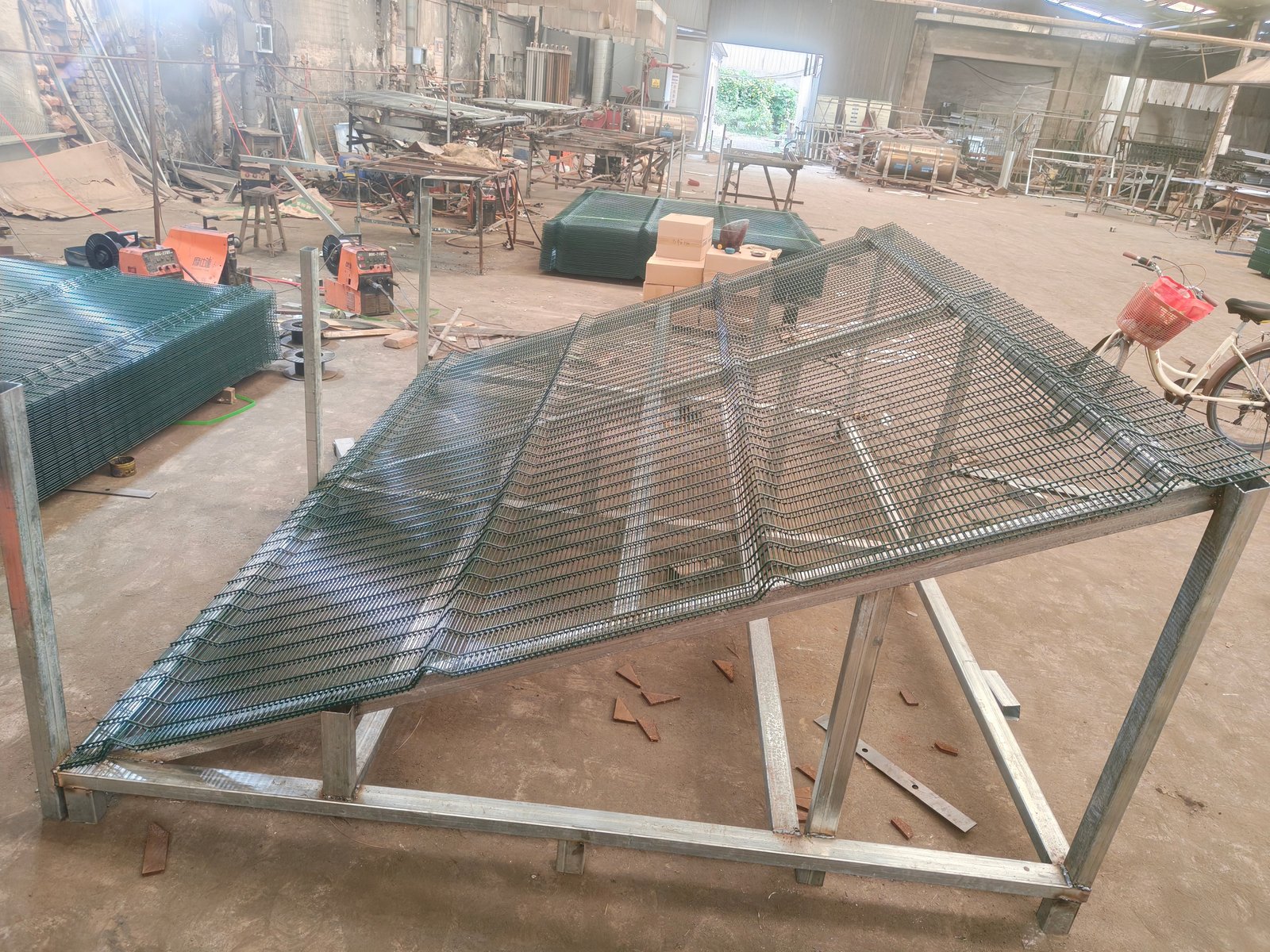
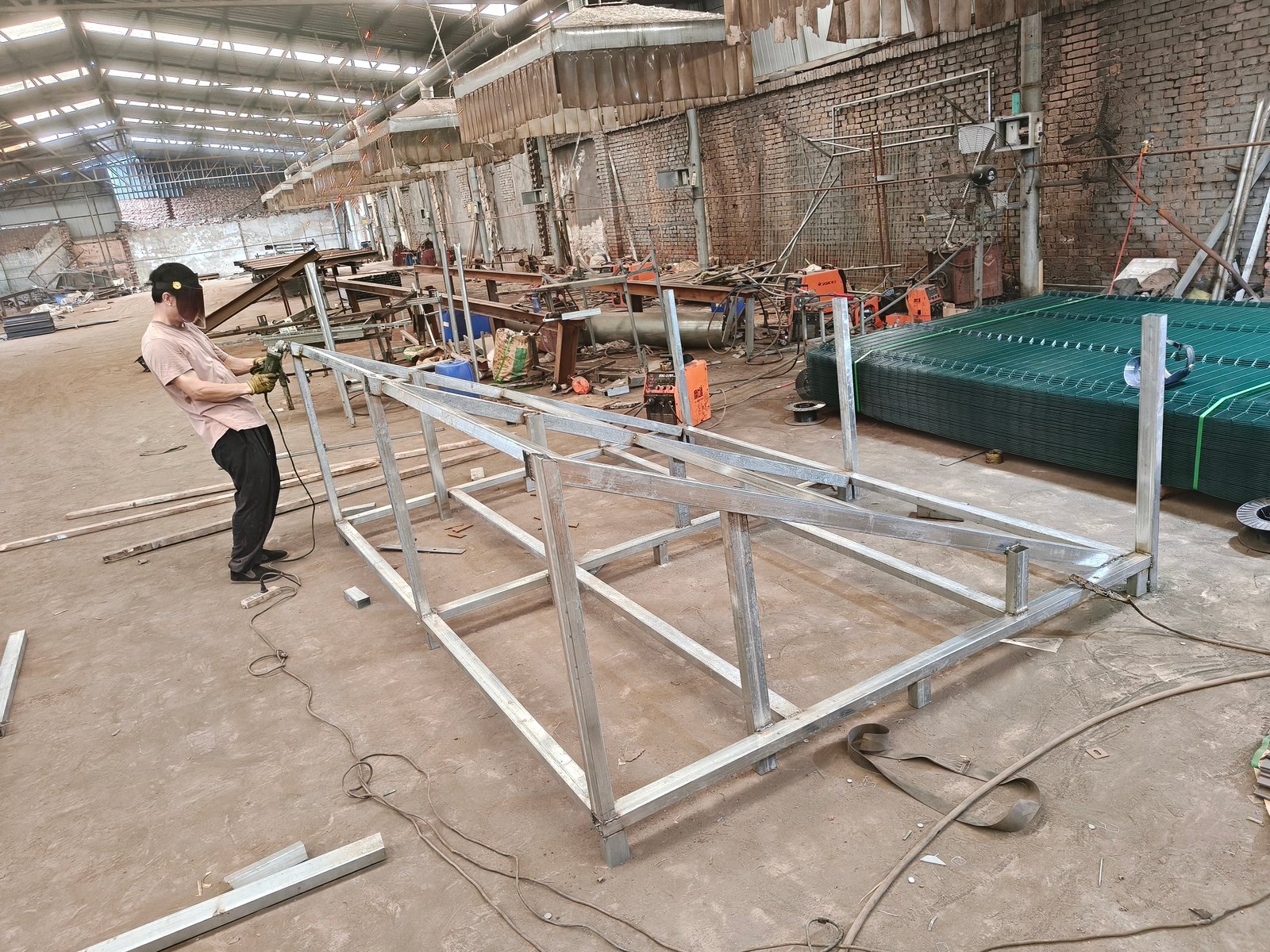
Protective packaging helps reduce scratching and movement during long-distance transport. The original source lists plastic film, metal bands, cartons, wooden cases, and pallets. BMP may configure steel pallets or stillages for larger shipments. The final plan depends on panel dimensions and container capacity.
Pack posts and clamps separately when their shapes require different protection. Label accessory cartons with matching product references. Include the packing list and clear identification on each pallet. Buyers should confirm unloading equipment at the destination.
Container loading and shipping documents
Container planning must account for weight distribution and safe lifting. Stacking arrangements should protect powder-coated surfaces and panel corners. Photos can record pallet condition before loading. Complex gates may need dedicated stillages or reinforced supports.
The shipment document set should identify products, quantities, and package counts. Verify invoice descriptions against the packing list and drawings. Trade terms determine which transport costs each party bears. Confirm destination clearance requirements with the appointed freight agent.
High security clearvu fencing procurement
Buyers should begin with total boundary length and required fence height. They should also specify mesh aperture, wire diameter, coating, posts, and gates. Attach layout drawings and identify all corner or end conditions. This information supports a consistent technical quotation.
Compare like-for-like offers before reviewing unit rates. One supplier may exclude clamps or special posts. Another may quote different coating protection or panel widths. The Clear View Fencing for Sale page provides another product overview.
Comparing supplier specifications
A proper comparison should cover mesh geometry, material grade, post sections, and coating. Confirm the exact number of posts and fixing sets. Check packaging and transport arrangements before selecting a quotation. Requests for samples can resolve uncertainty about finished details.
Avoid accepting a universal service-life promise without written terms. Environmental exposure and routine maintenance can change results. Review warranty exclusions with the sales contract. Price comparisons should consider both product and logistics requirements.
High security clearvu fencing maintenance
Routine inspections help operators identify damage before problems spread. Check post alignment, clamps, welds, gate hardware, and protective coatings. Remove debris or vegetation that obstructs security patrols. Coastal sites may require more frequent washing and review.
Record the location and date of every maintenance action. Keep spare fasteners and coating repair instructions available. Replace visibly damaged components when repairs cannot restore their function. Follow site safety rules during all maintenance work.
Repair planning and replacement panels
Replacement parts should match the original drawings and fixing system. Even small dimensional changes may prevent proper installation. Buyers should retain coating references and component lists. These records help suppliers produce compatible replacements.
Inspect surrounding posts after any impact or suspected forced entry. Damage can affect more than one panel. Secure the area while repairs proceed. Review whether future design changes could reduce recurring incidents.
High security clearvu fencing FAQ
Common project questions concern mesh selection, coating durability, and gate compatibility. Buyers also ask about installation responsibility and export packaging. Precise answers depend on final drawings and contract terms. The following guidance helps prepare a complete inquiry.
BMP supplies products from its Chinese manufacturing operations. Customers should arrange local installation through appropriate contractors. Site engineers remain responsible for foundation and structural approvals. Suppliers can support this process with drawings and product information.
Answers to common buyer questions
What does 358 mean? It generally refers to approximately 76.2 × 12.7 mm spacing with eight-gauge wire. Can the fence include gates? Yes, matching pedestrian, swing, and sliding gates are available. Can buyers select colours? Yes, specify the required colour and approved coating system.
Does every order carry a ten-year warranty? No universal term follows from the mesh name. Confirm coverage in the written agreement. Can the panels fit sloping land? Yes, appropriate layouts can accommodate many slopes after site review.
High security clearvu fencing project checklist
The final purchase schedule should identify every panel and post type. Include gates, fasteners, coatings, access equipment, and protective toppings. Confirm export packing and the shipping destination. Request approval drawings before production starts.
Keep written acceptance criteria for dimensions and surface treatment. Verify sample inspection arrangements and document requirements. A complete schedule improves manufacturing accuracy and delivery planning. It also supports later maintenance and spare-part ordering.
Getting a technical quotation
Provide the intended location, total quantity, fence layout, and target security level. Specify panel height, width, wire diameter, and coating. List gate sizes and operating methods. Note any unusual terrain, coastal exposure, or installation constraints.
BMP can review the scope and prepare an itemized export offer. Customers can also compare Clear View Fence Price per Meter for related cost components. Final technical details should appear in the quotation and approved drawings. This process limits misunderstandings during manufacturing and delivery.