Clearview fence Polokwane combines welded steel mesh, secure posts, and clear sightlines for perimeter protection. Narrow openings discourage climbing while allowing guards and cameras to observe activity beyond the boundary. Property owners can choose mesh panels, gates, finishes, and accessories for different security needs.
Boss Metal and Plastic Co., Ltd. manufactures fencing systems in China and supplies international projects. We support Polokwane buyers with technical drawings, export packaging, and custom configurations. Project teams should confirm local installation arrangements before ordering.
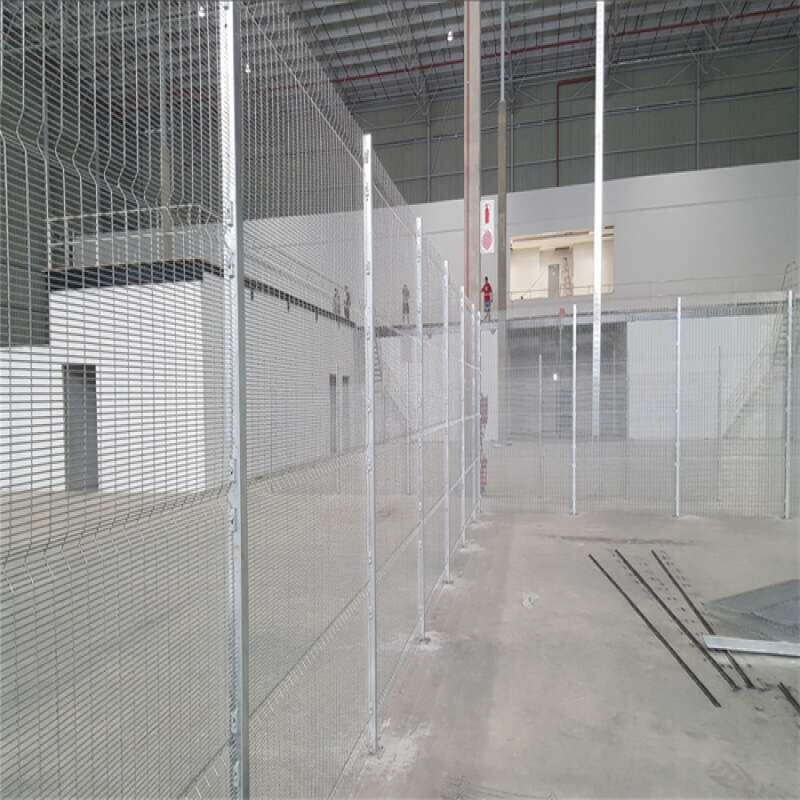
A complete security barrier needs more than strong mesh. Posts, clamps, foundations, and controlled entrances all influence the finished system. The small apertures also preserve airflow and visibility, unlike a solid boundary wall.
Our Clear View Fencing range includes multiple panel grades. Buyers can compare designs before selecting wire thickness, height, or surface treatment.
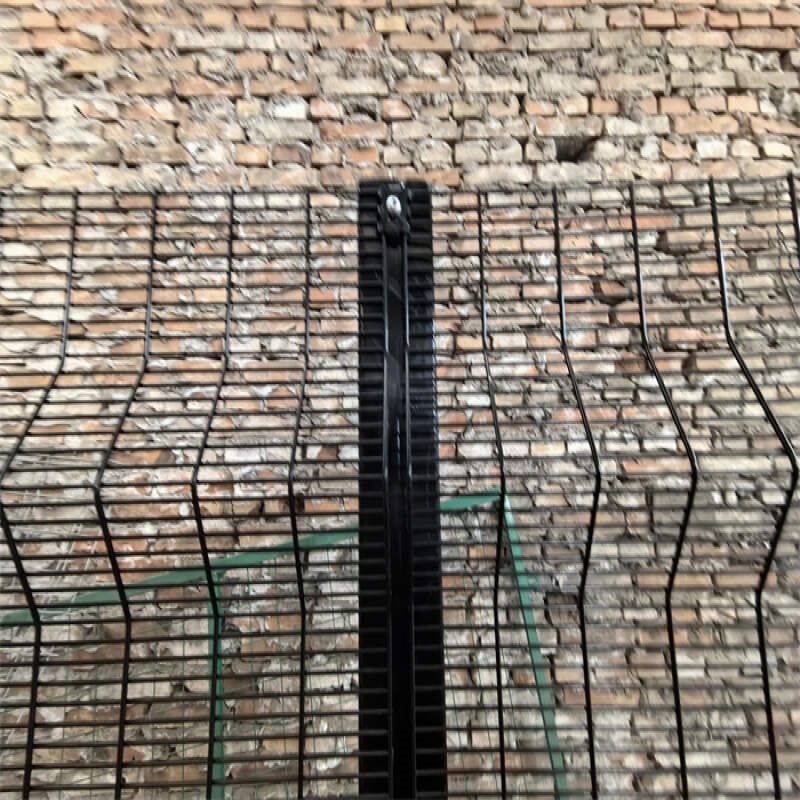
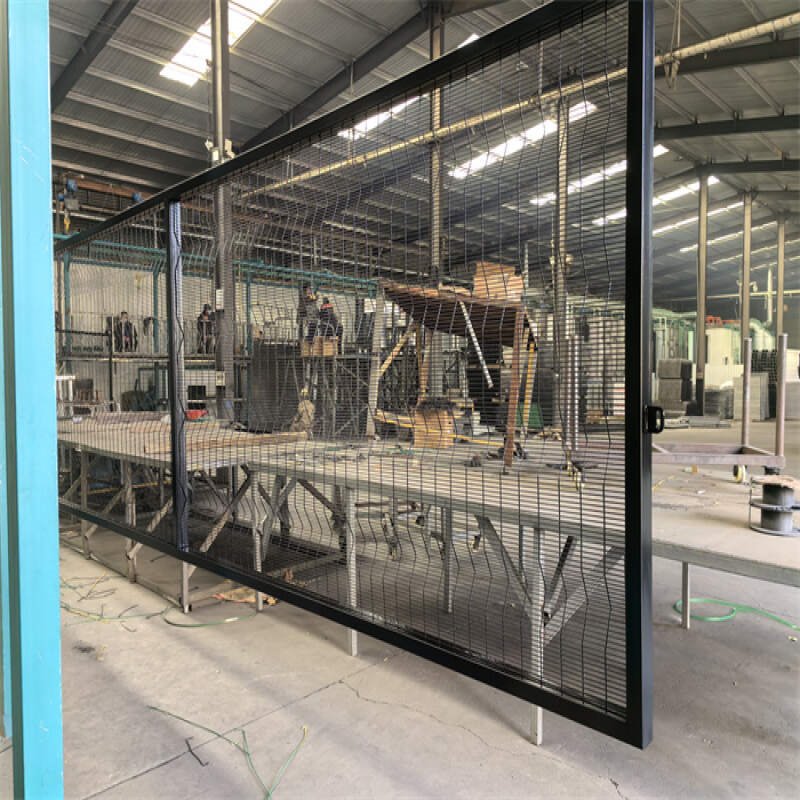
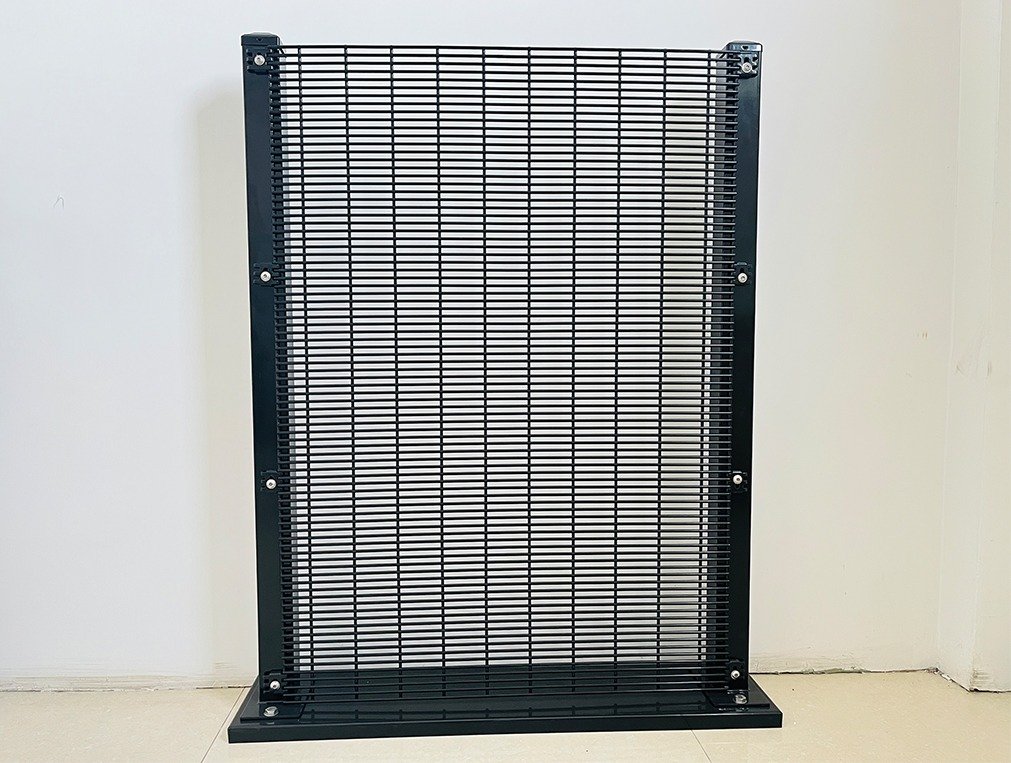
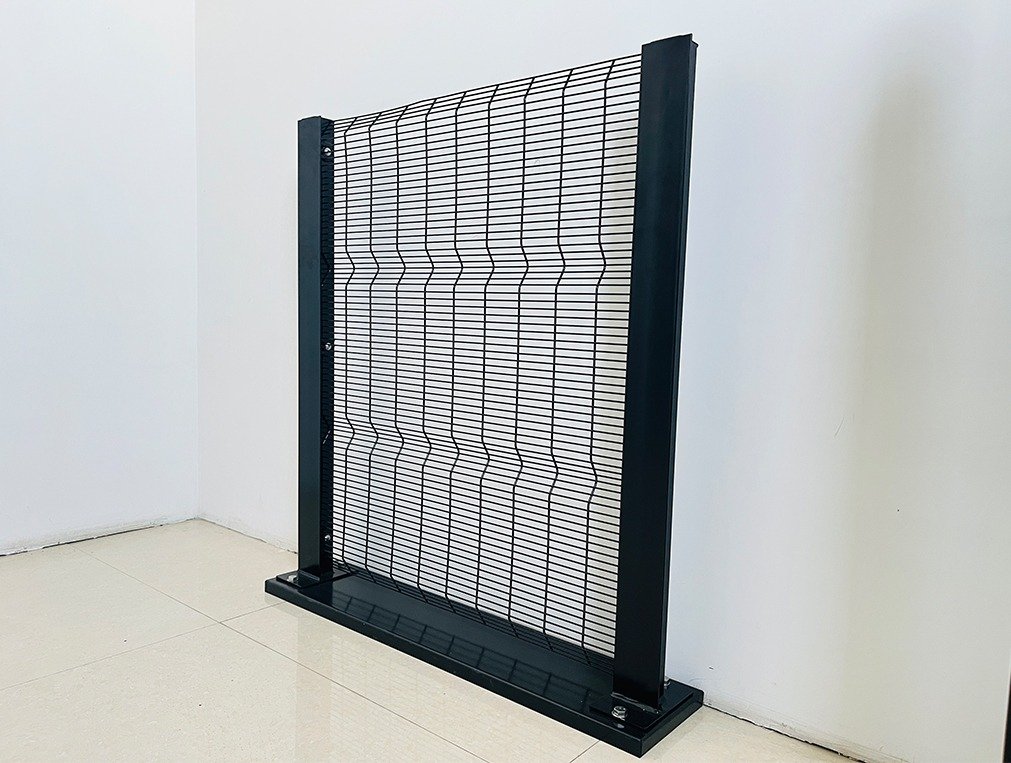
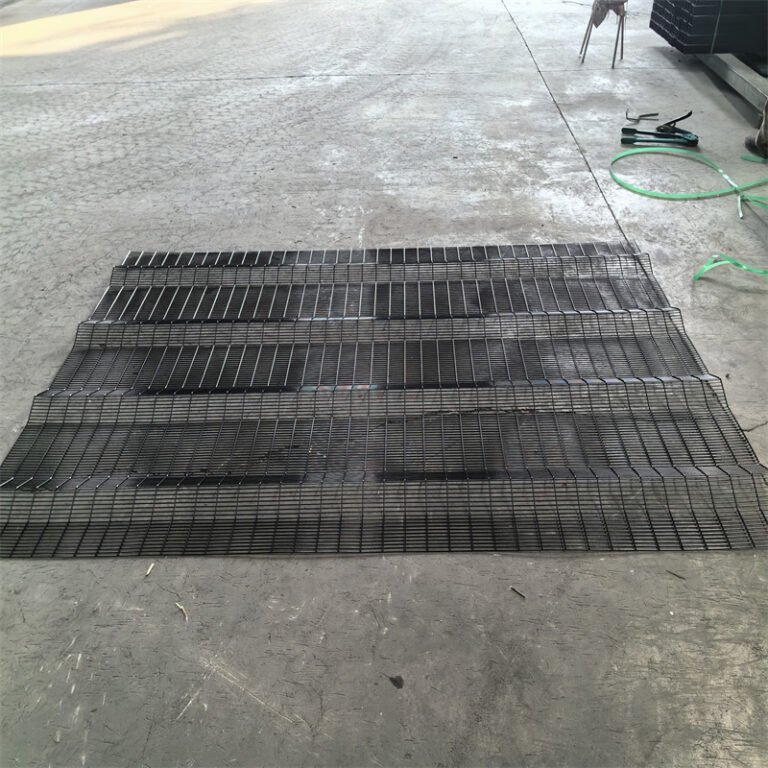
Product illustration showing the welded mesh design and key structural elements of a clearview fence system.
How 358 Mesh Limits Climbing
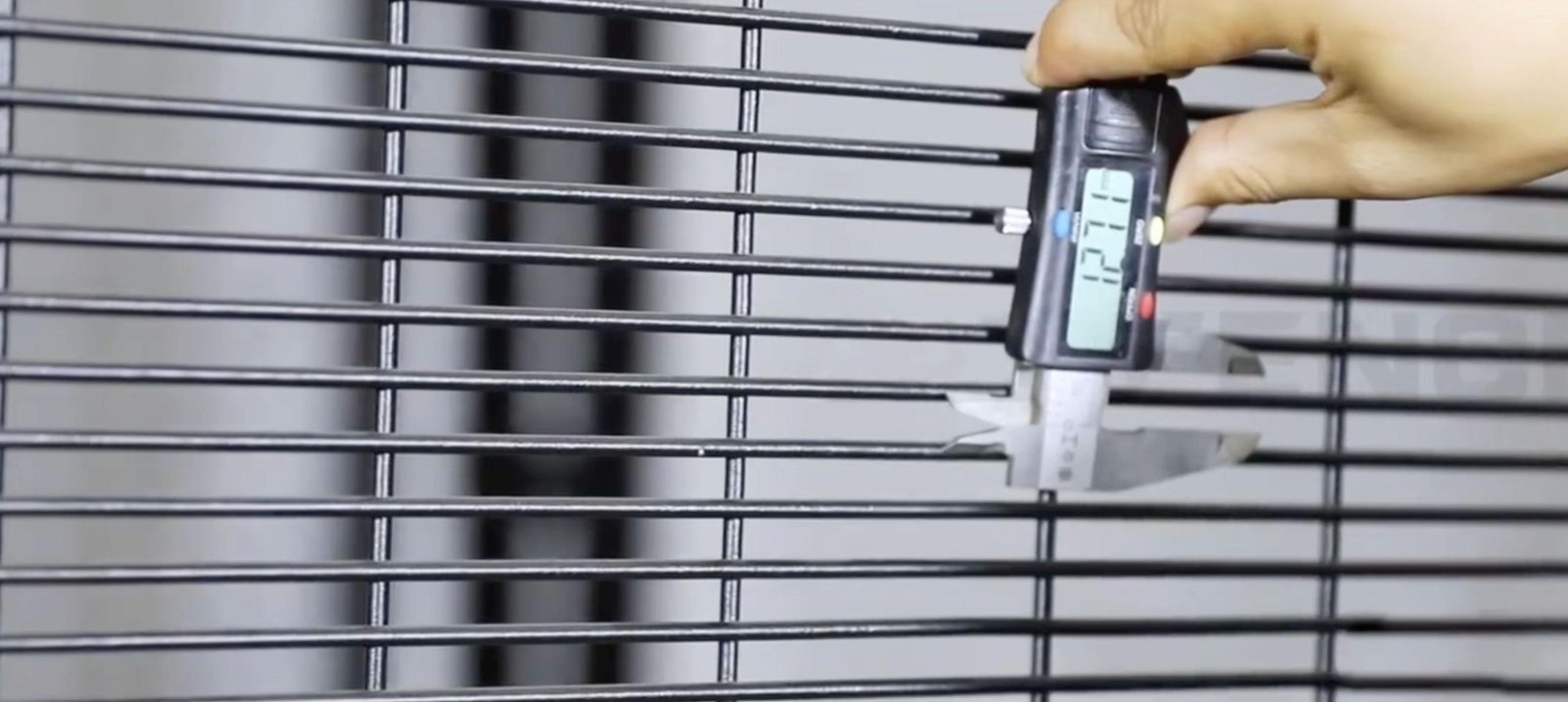
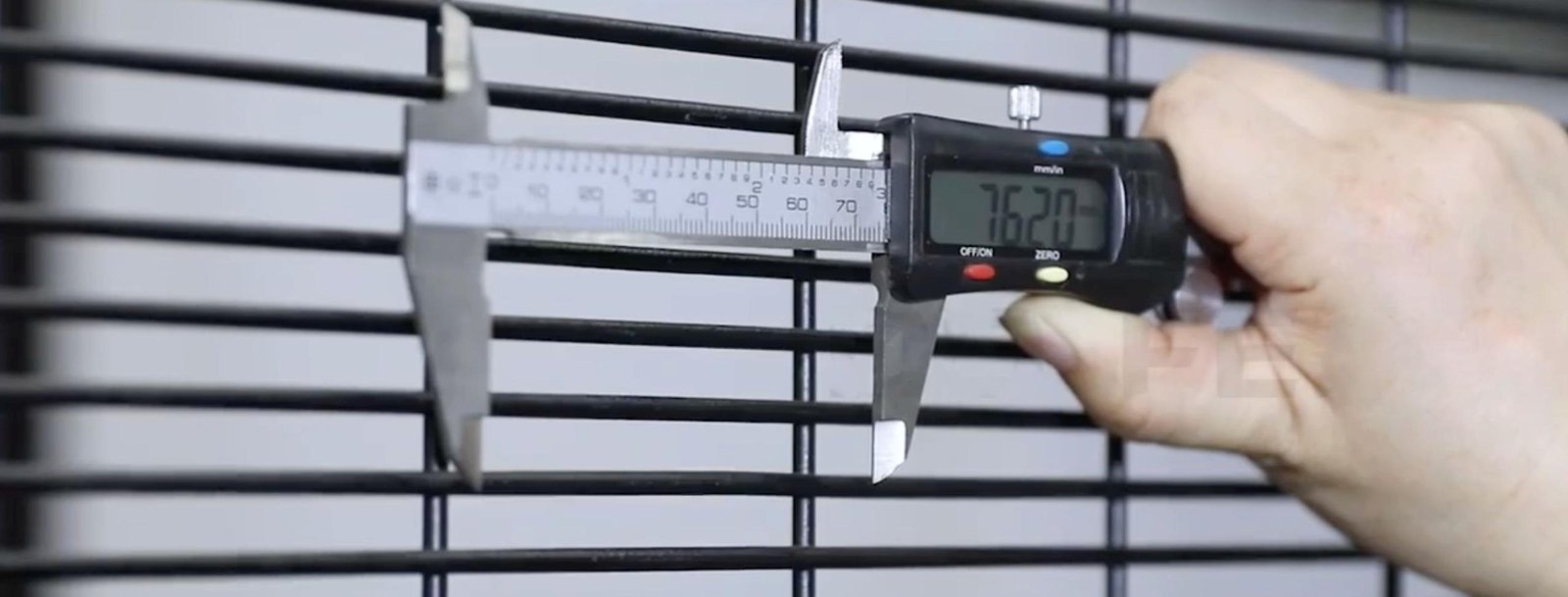
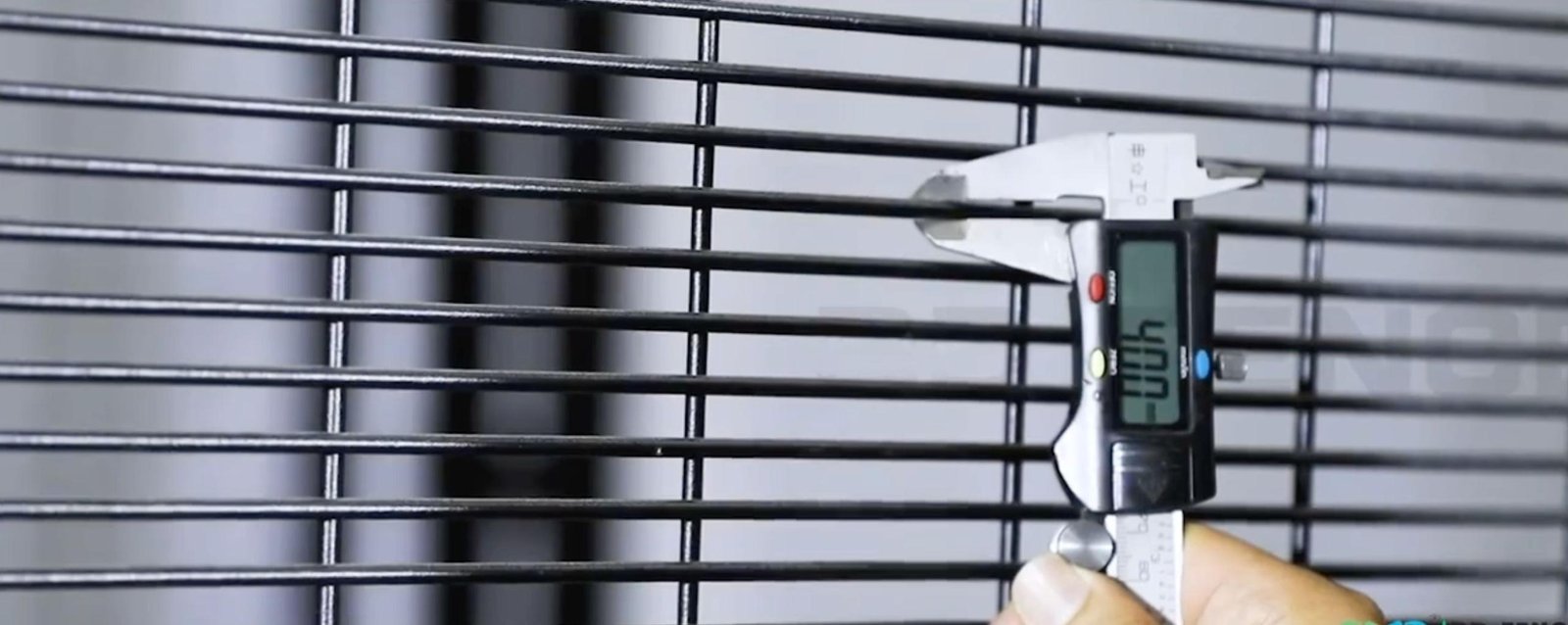
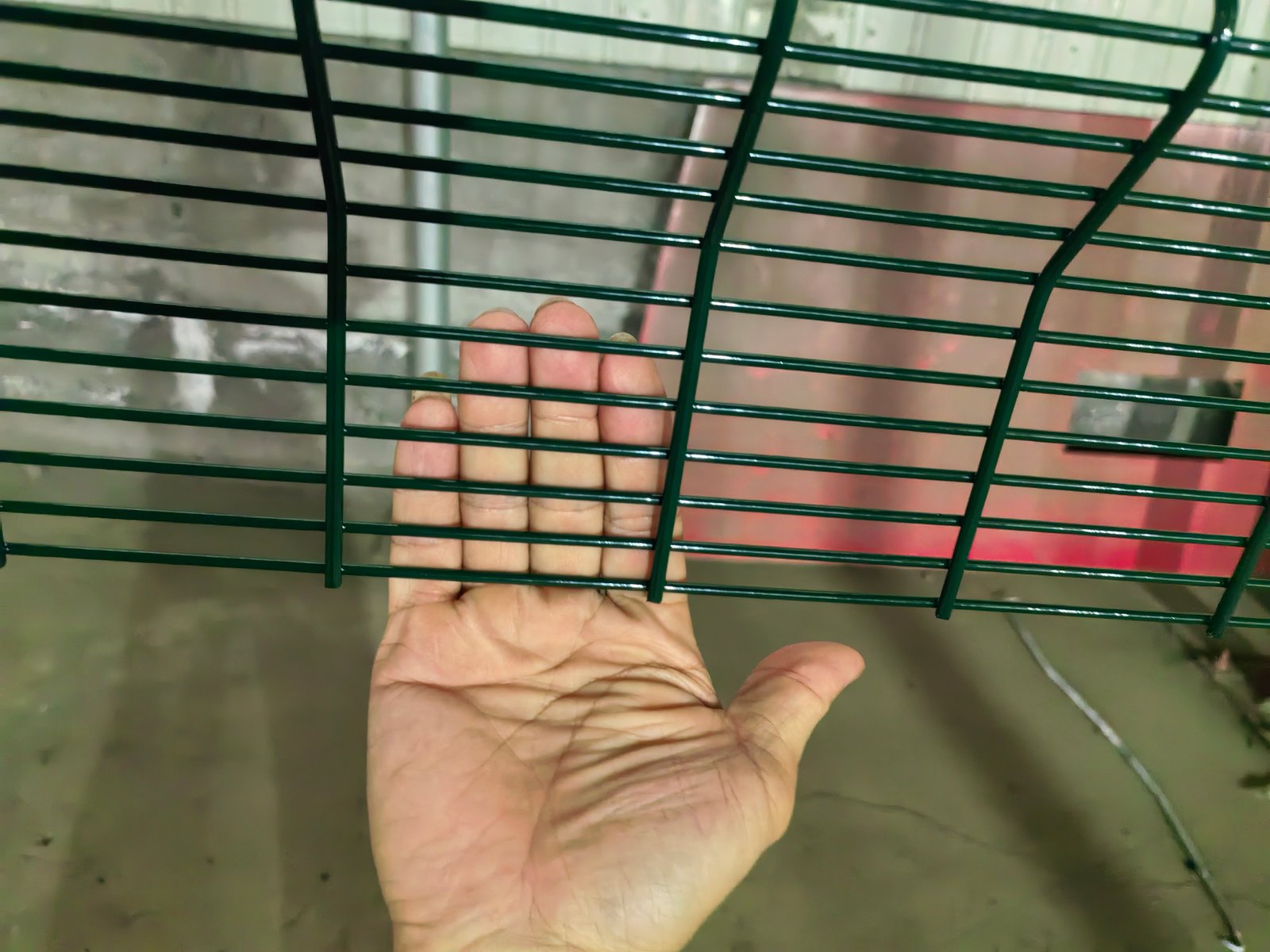
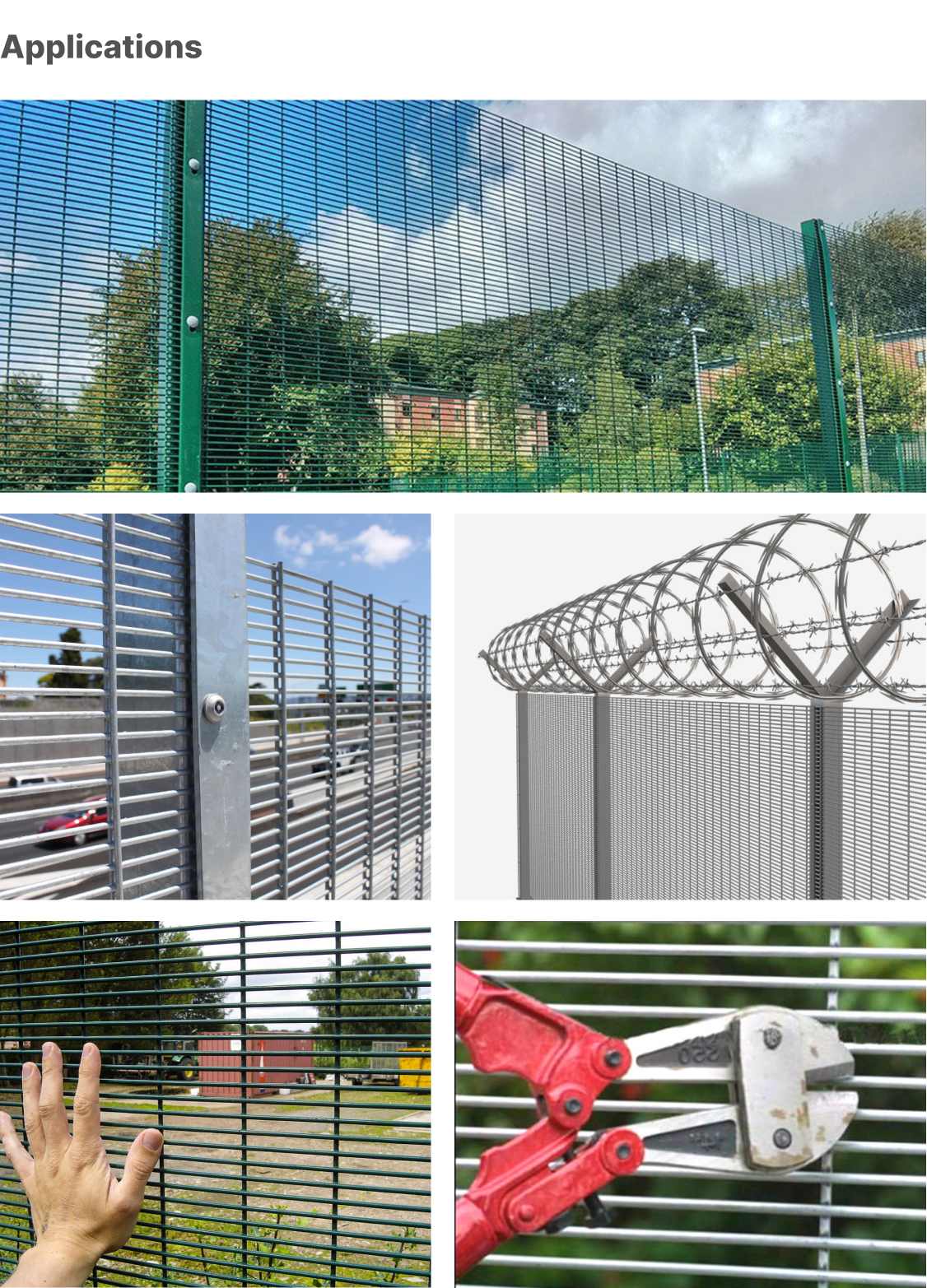
A common high-security pattern measures approximately 76.2 × 12.7 mm between wire centres. This pattern provides limited fingerholds and footholds for climbing. The 358 name describes three inches, half an inch, and approximately eight-gauge wire.
Thicker wire improves resistance to many hand-cutting attempts, but no mesh provides absolute protection. Security planning should consider the complete perimeter, not panel dimensions alone.
Clearview Fence Polokwane Features and Benefits
Narrow mesh apertures discourage climbing and casual tampering.
Welded intersections support panel stability and consistent geometry.
Open sightlines assist security patrols and CCTV coverage.
Multiple post profiles accommodate varied structural requirements.
Tamper-resistant fasteners help limit unauthorised panel removal.
Galvanising and suitable topcoats improve corrosion protection.
Matching gates provide pedestrian and vehicle access.
Custom panels accommodate project dimensions and preferred colours.
Effective protection also depends on fence height, access-control design, and visibility at corners. Guards need clear routes for inspection and incident response. Security sensors can complement fencing, but they require separate design and testing.
Our Anti-Climb Security Fencing information explains another welded mesh barrier option. Project engineers should evaluate complete systems against their specified risk levels.
The standard reference uses welded steel wire with a close rectangular mesh pattern. Common wire diameter and panel dimensions vary across security grades. Project drawings should identify mesh pitch, finished dimensions, and allowable tolerances.
Mesh aperture: 76.2 × 12.7 mm for typical high-security configurations.
Reference wire diameter: approximately 4.0 mm.
Typical post profiles: square, rectangular, and custom steel sections.
Post mounting: concrete embedment or engineered base plates.
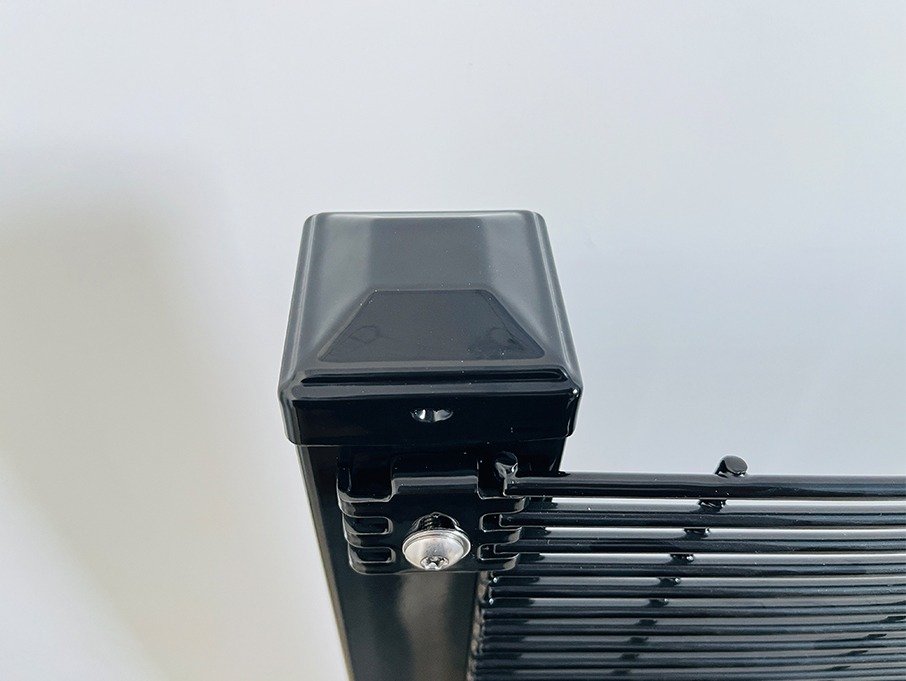
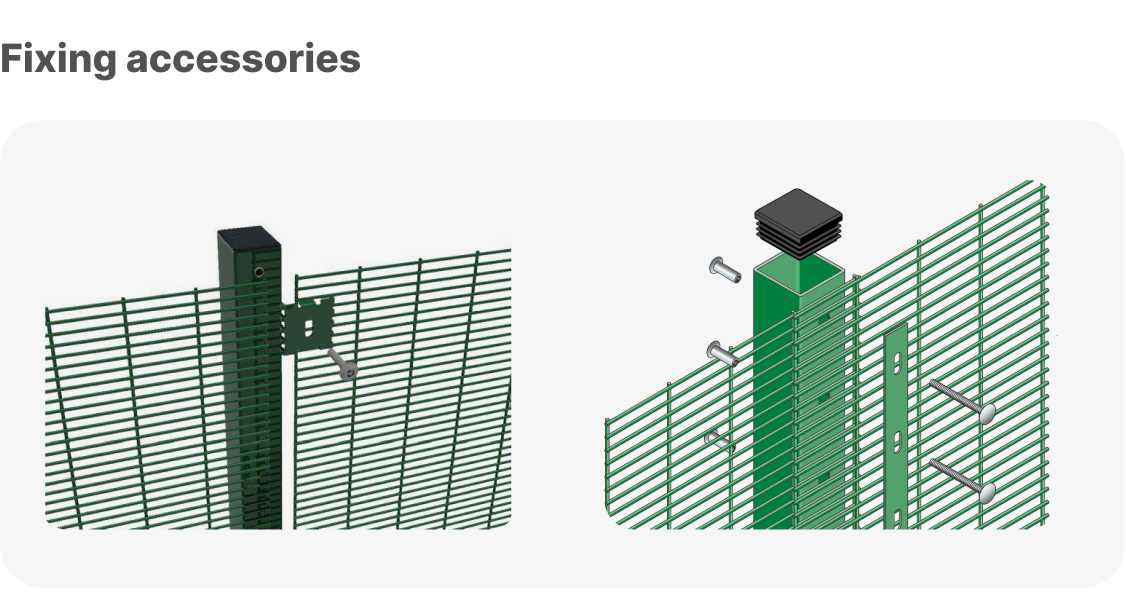
Fixing systems: clamps, bars, bolts, washers, and security nuts.
Finish options: galvanised steel, Galfan, and powder coating.
Colour choices: black, green, grey, or approved RAL colours.
Optional accessories: gate assemblies, topping brackets, and post caps.
Wire thickness affects weight, rigidity, cutting resistance, and material usage. Smaller apertures restrict climbing, while larger openings can reduce material requirements. Coating choice should reflect exposure conditions and maintenance expectations.
BMP can review custom welded mesh details against production capability. Buyers should approve a dimensioned drawing before manufacturing begins.
Clearview Fence Polokwane Standard Dimensions
The following table preserves the original reference post schedule. Dimensions describe example arrangements, not a universal engineering approval. Final specifications depend on site conditions, loading, and installation design.
Reference fence heights, post centres, and post lengths
Fence height (mm)
Post centres (mm)
Post section (mm)
Overall post length (mm)
1270
2440
80 × 60
1900
2134
2440
80 × 60
2900
2440
2440
80 × 60
3300
3000
2440
80 × 60
3800
4200
2440
120 × 120 square
5100
5210
2440
150 × 150
6200
Understanding the Post Centres
Post centres describe the spacing between adjacent post axes. This measurement differs from the finished panel width. Clamps, overlap, and post geometry can change the required panel dimensions.
Installation teams should verify boundary length, corner positions, and gate openings before casting concrete. Tall panels require specific checks for wind loads and foundation resistance.
Clearview Fence Polokwane Panels and Visual Details
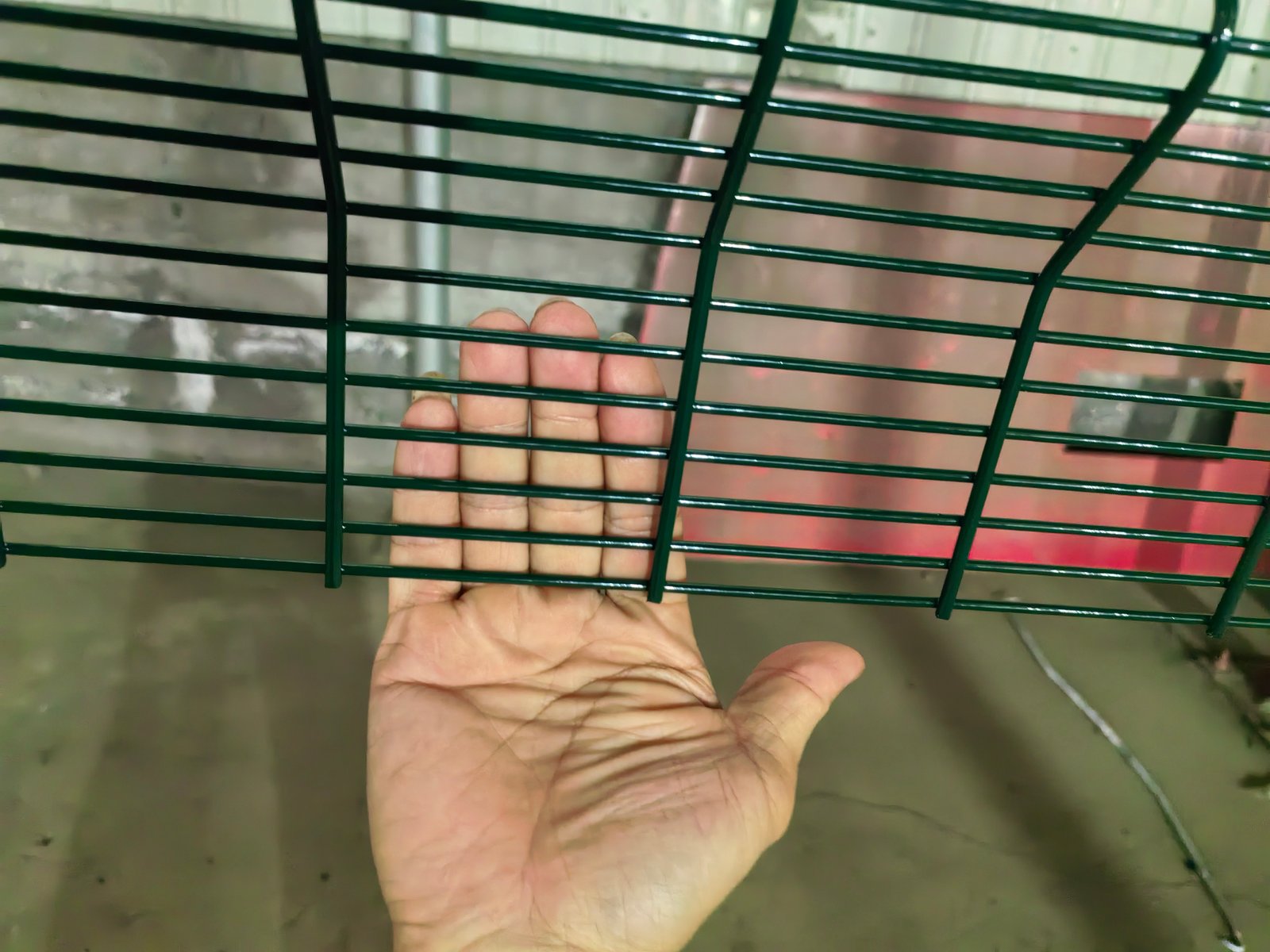
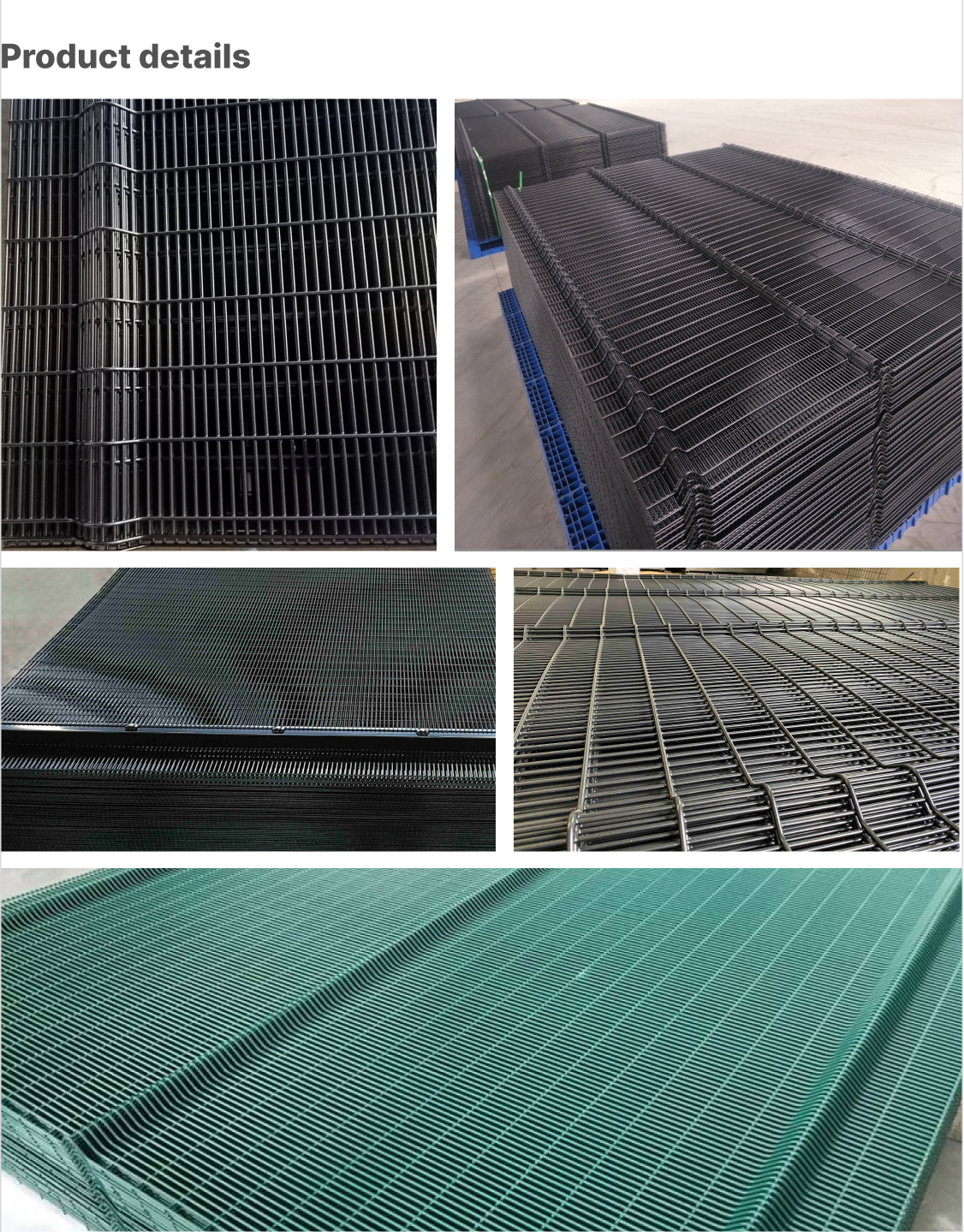
Close-up photographs help buyers review wire spacing, welded intersections, and panel edge details. They also support discussions about coating appearance and colour selection. Samples can help confirm the required finish before larger orders.
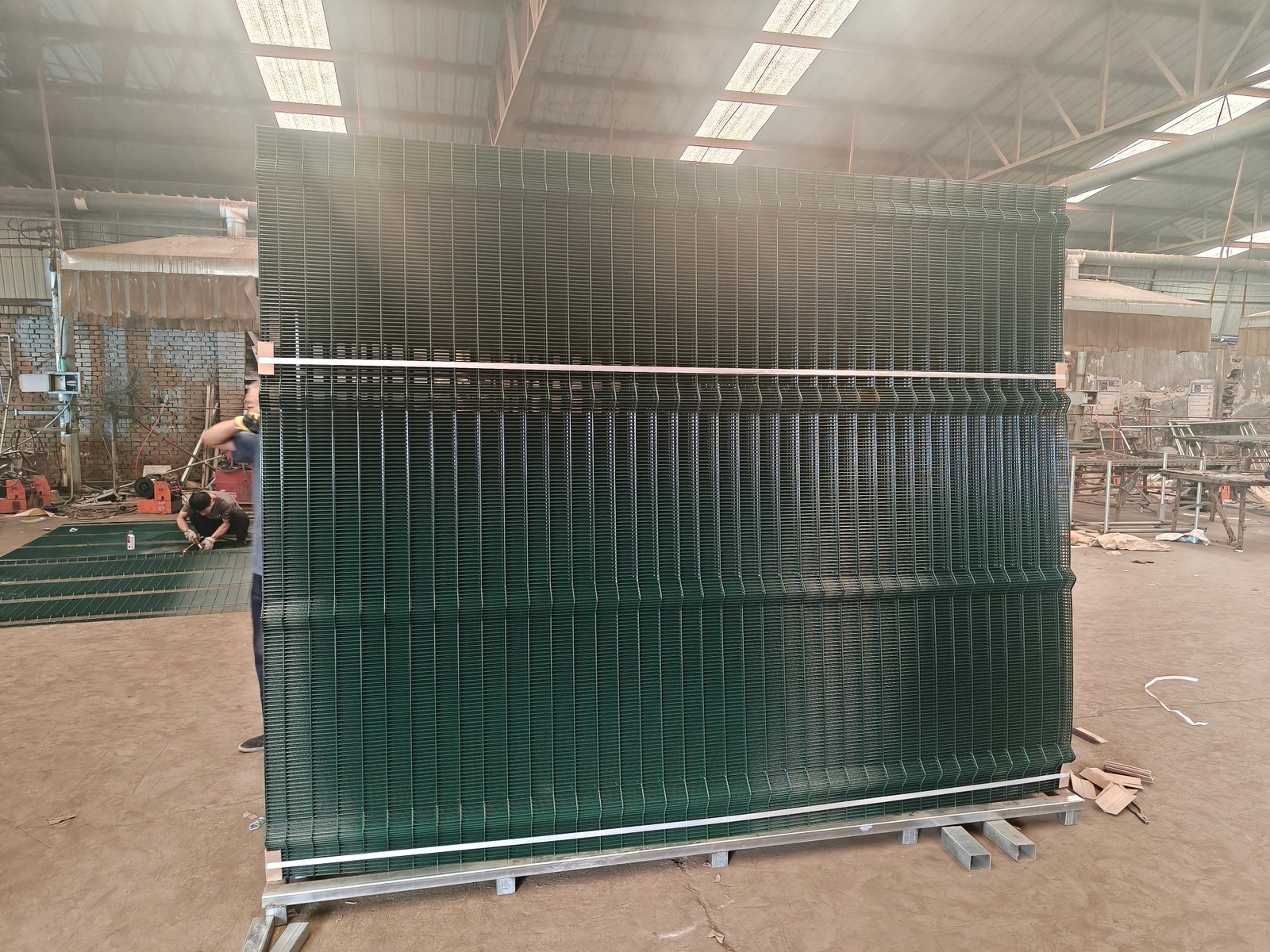
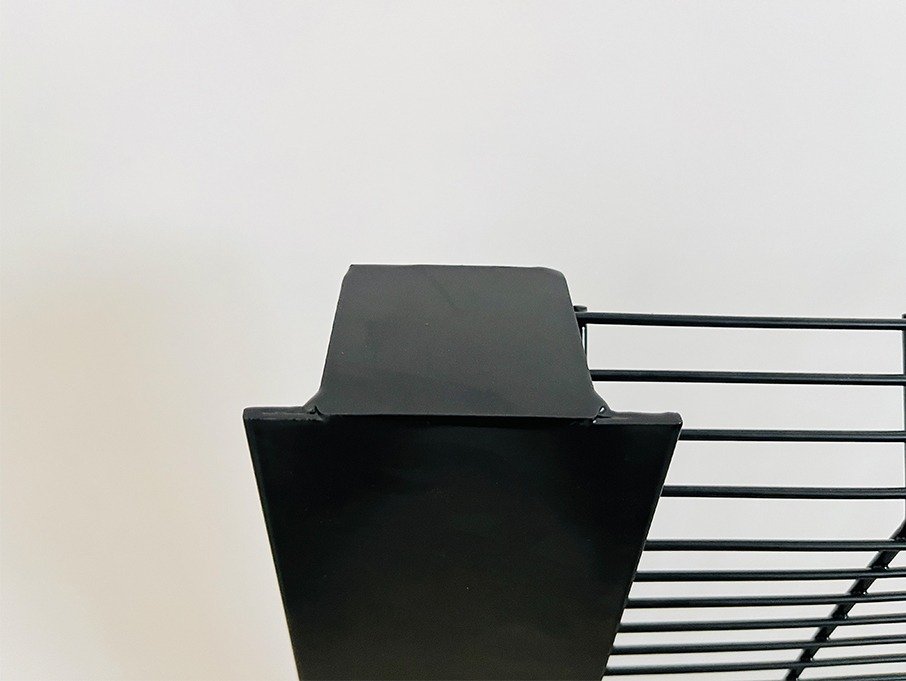
Clearview fence panel detail for reviewing mesh pattern, finish, and panel construction.Product reference image showing another clearview mesh detail for comparison with project drawings.
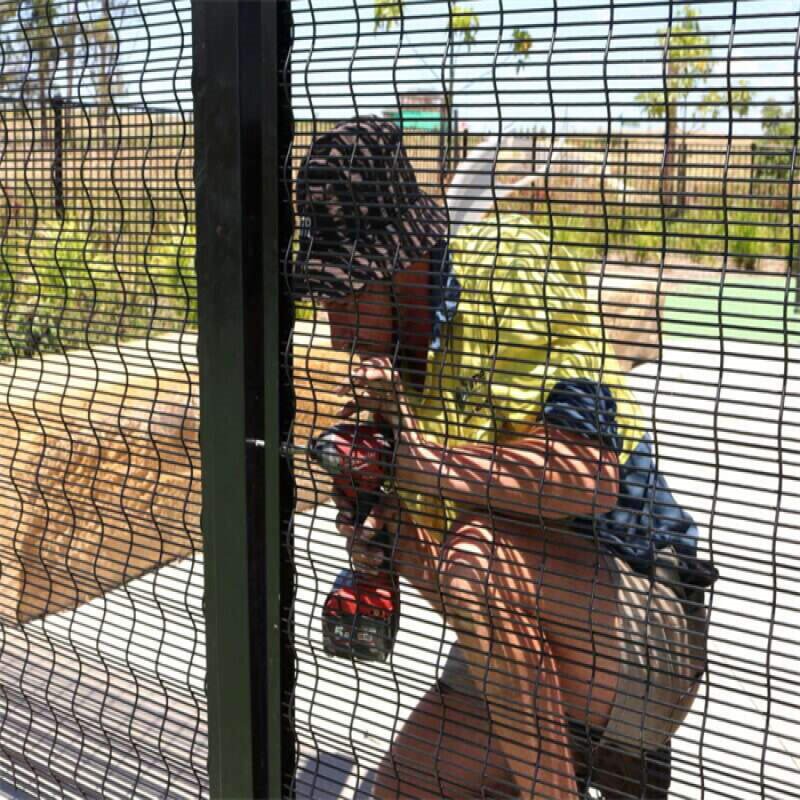
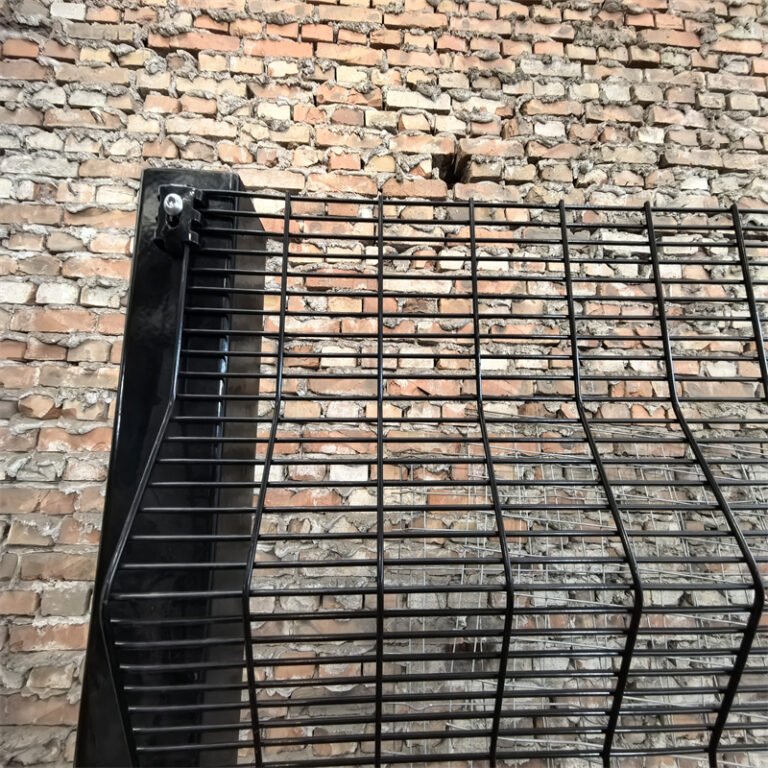
A reliable fastening system supports alignment and limits unnecessary panel movement. Common components include steel clamps, cover bars, threaded bolts, washers, and security nuts. Hardware specifications should match the approved post system.
Reference image for assessing the connection between fence panels and their supporting structure.
Clearview Fence Polokwane Post Systems
Square and rectangular steel posts suit many clearview mesh designs. Some projects require larger sections or specialised post geometry. Post thickness must match fence height, wind exposure, and security requirements.
Clearvu Fence Posts provides another catalogue reference for post arrangements. Buyers should specify post centres, height, wall thickness, and cap design.
Product image highlighting a clearview post or mounting detail within a complete fence system.
Concrete and Base Plate Installation
Concrete-embedded posts suit many permanent boundary installations. Surface-mounted posts use base plates and appropriately designed anchors. Engineers should check slab strength, edge distances, and potential uplift.
Sloping sites may need stepped panels, adjusted post heights, or special installation details. The installer should not assume identical foundation sizes across every location.
Clearview Fence Polokwane Coating Options
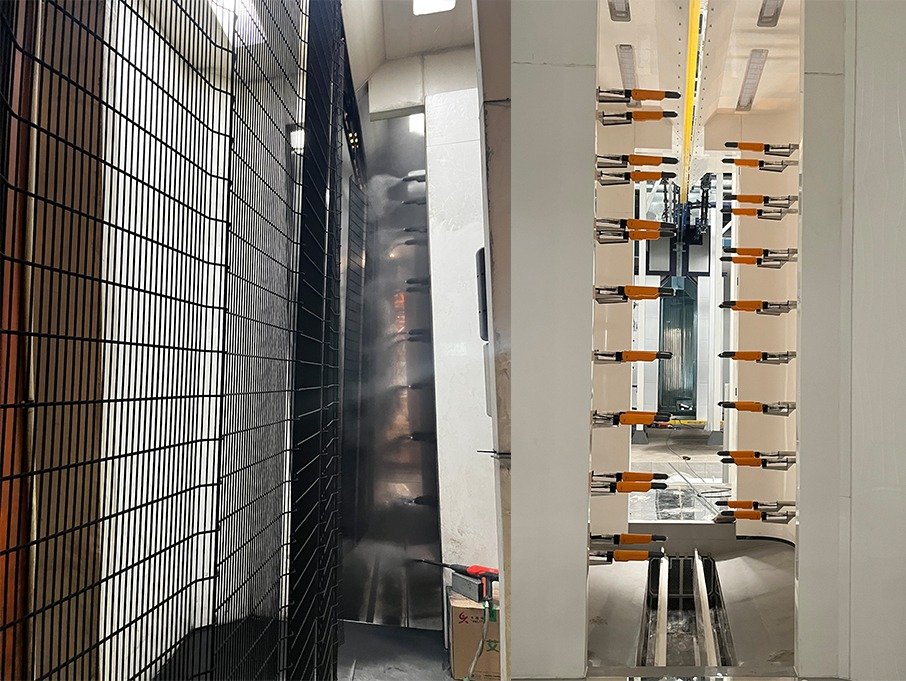
Steel requires suitable corrosion protection throughout its service life. Galvanising provides a zinc-based protective layer, while powder coating adds colour and another barrier. Galfan offers a zinc-aluminium alloy option for selected products.
The Powder Coated Clear View Fence range illustrates coated mesh options. Exact pretreatment, coating thickness, and test requirements belong in the purchase specification.
Pre-galvanised wire with powder coating supports standard decorative finishes.
Hot-dip galvanising after fabrication helps cover accessible welded surfaces.
Galfan wire can support selected corrosion-resistant mesh constructions.
Damaged coatings need suitable repair after installation.
Colour approvals should reference a specific RAL number and finish sample.
Finishes for Sunlight and Corrosion
Polokwane sites can face prolonged sunlight, seasonal rain, and airborne dust. Industrial environments may create additional coating demands. Buyers should consider exposure, surface preparation, and inspection frequency together.
Do not treat salt-spray hours as a direct measure of outdoor service life. Request the actual coating test report when a contract specifies corrosion performance.
Clearview Fence Polokwane Sliding Gates
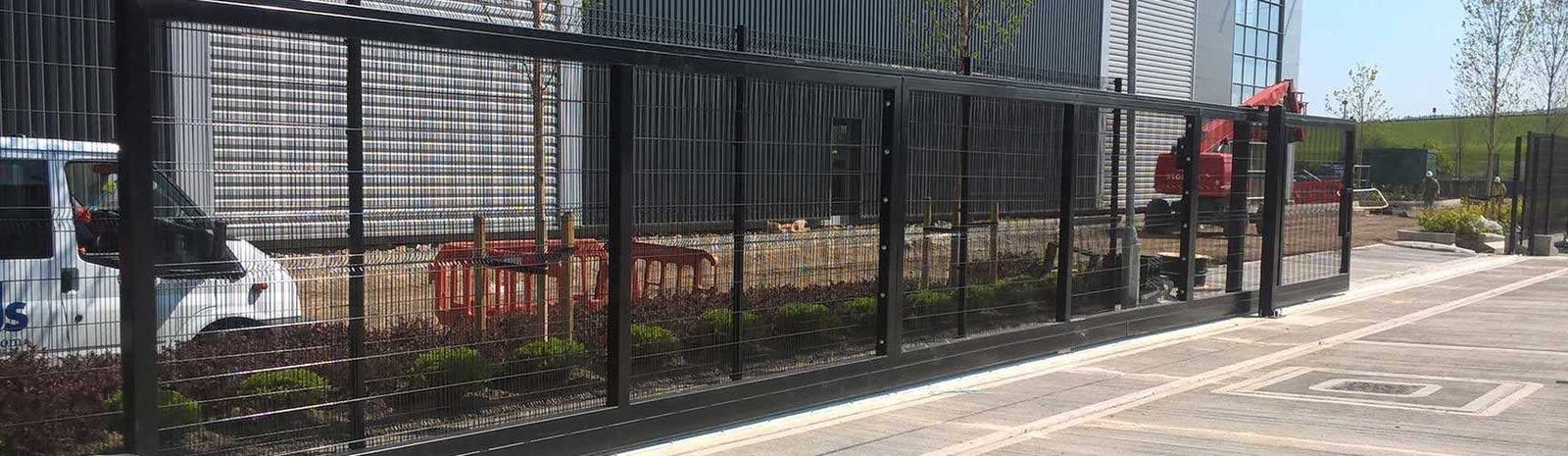
Sliding gates provide controlled vehicle access where opening space suits lateral gate movement. Gate design must account for clear opening, track layout, operating equipment, and safety devices. Automatic systems also need electrical commissioning and maintenance.
Explore Clearvu Sliding Gates for another sliding gate product reference. Matching fence mesh helps maintain visual consistency near entrances.
Sliding gate product reference for vehicle entrances and compatible welded mesh perimeter systems.
Swing Gates and Pedestrian Access
Swing gates work for entrances with sufficient turning space. Pedestrian gates need appropriate locks, hinges, and safe passage widths. Traffic levels influence frame design and hardware selection.
Clearvu Gates presents related gate systems and entrance accessories. Buyers should provide drawings for each gate opening.
Reference illustration for matching gate frames, mesh infill, and access components.
Clearview Fence Polokwane for Industrial Sites
Warehouses, distribution yards, and manufacturing plants often need visible perimeter boundaries. The open mesh supports observation around storage zones and access roads. Gate placement can separate delivery traffic from pedestrian routes.
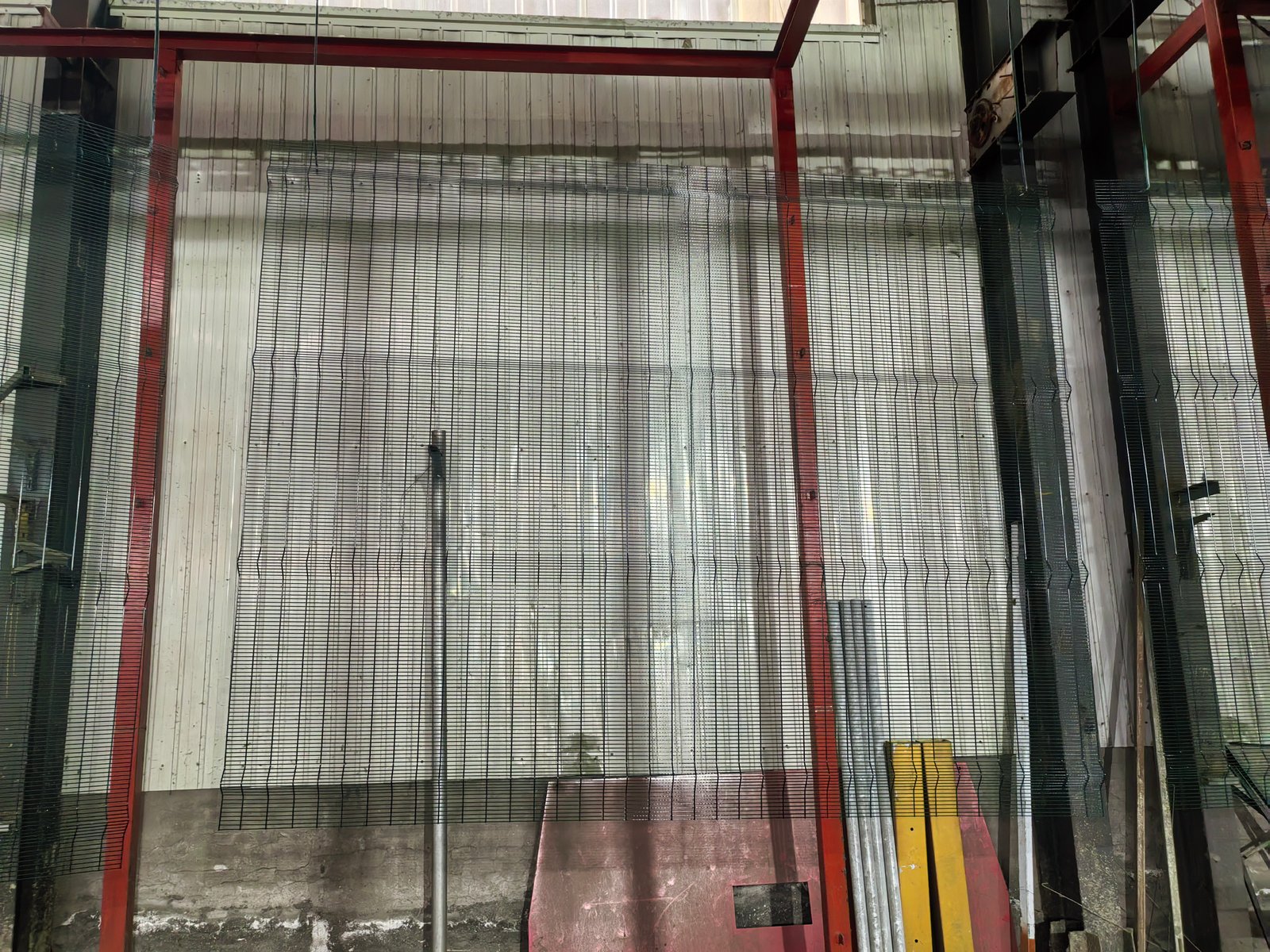
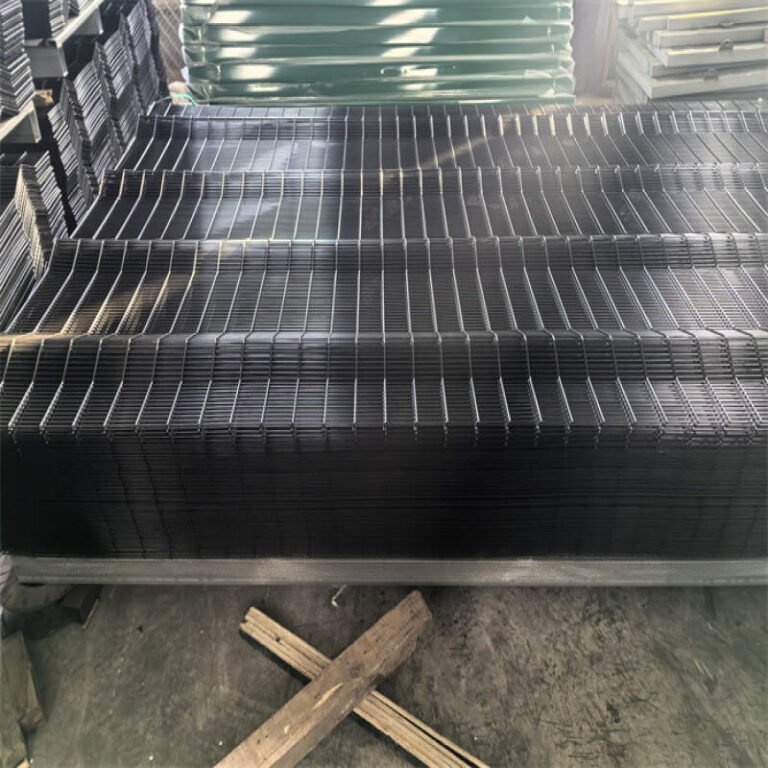
Additional product image showing fence details that buyers can compare with approved specifications.
Projects Requiring Higher Security
Critical infrastructure projects need risk assessments beyond standard panel selection. Prison, utility, and transport sites may require specialised barriers and monitored access points. Fence height alone cannot establish a certified security level.
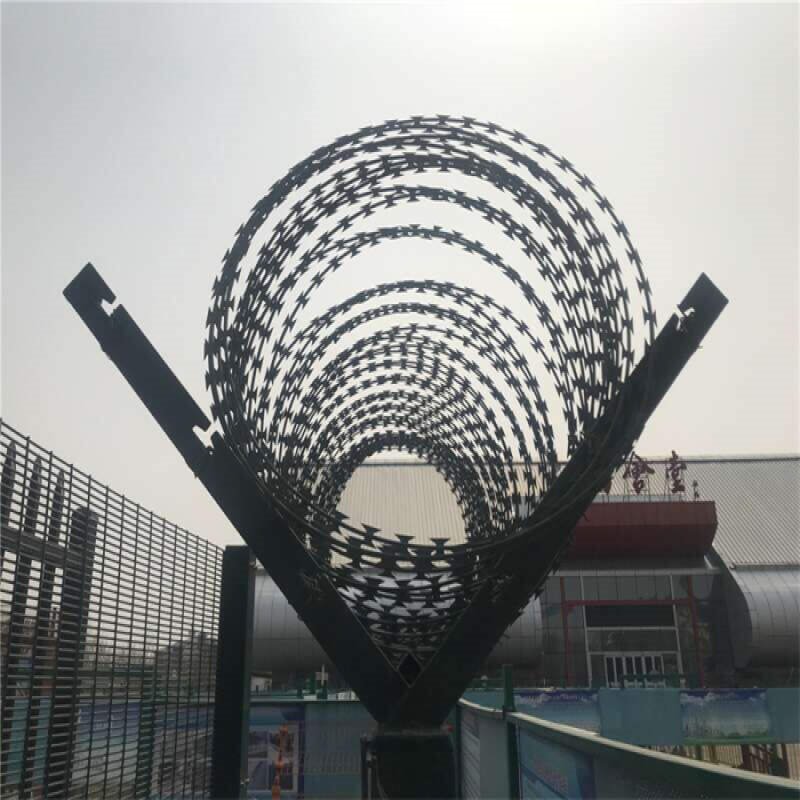
Additional toppings and surveillance equipment require suitable supports and relevant safety checks. The design team should review local requirements before adding electric or sharp components.
Clearview Fence Polokwane Installation Steps
Begin installation with a surveyed boundary and an approved layout. Confirm existing underground services before excavation. Follow the engineered foundation schedule and approved material drawings.
Measure straight runs, corners, changes in grade, and entrances.
Mark post centres and confirm panel fit before foundation work.
Install posts to the specified alignment and vertical tolerance.
Allow concrete to reach the required condition before applying loads.
Attach panels using specified clamps and security fasteners.
Check gates, locks, clearances, and operating safety systems.
Repair installation scratches and inspect exposed steel edges.
Record completed inspections and retain maintenance documents.
Inspection and Maintenance
Inspect fasteners, coatings, gates, and post foundations at suitable intervals. Remove debris that traps moisture near the mesh and base connections. Repair coating damage before local corrosion spreads.
Automatic gates need separate checks for moving parts, controls, and safety devices. A maintenance plan should reflect usage, environment, and manufacturer instructions.
Clearview Fence Polokwane Packing and Shipping
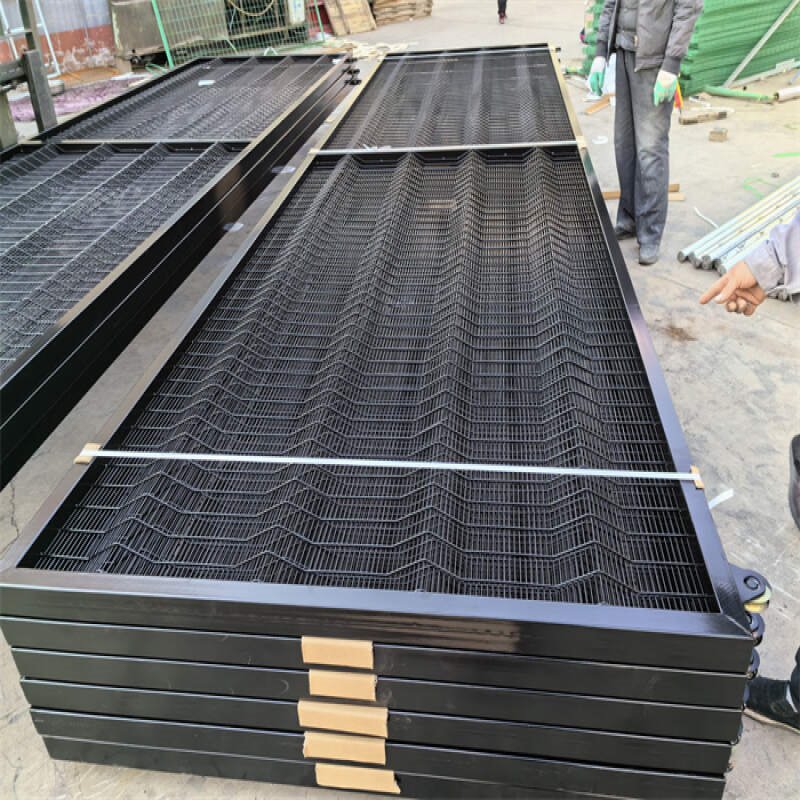
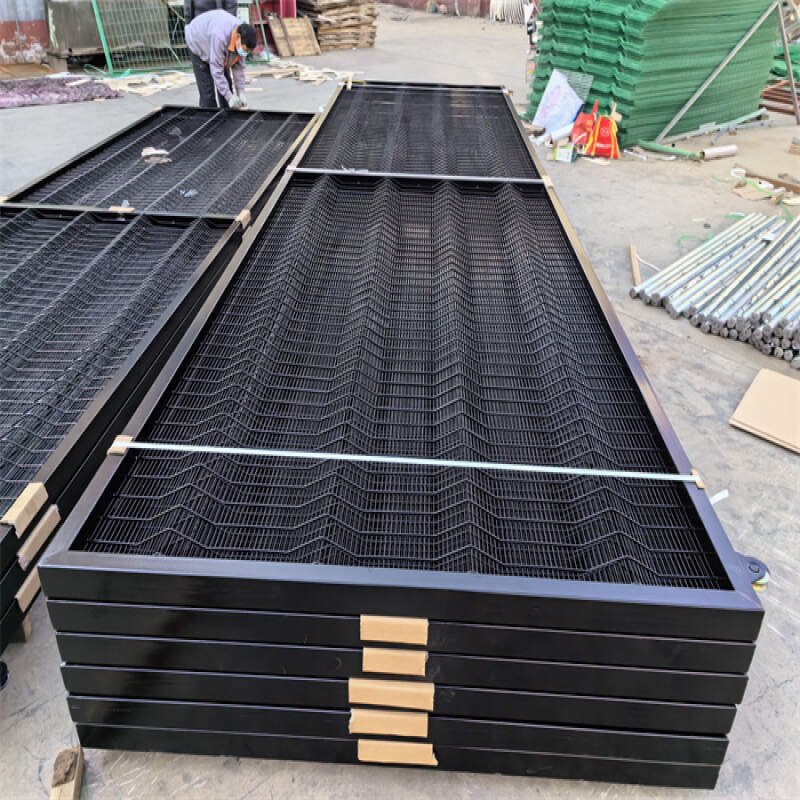
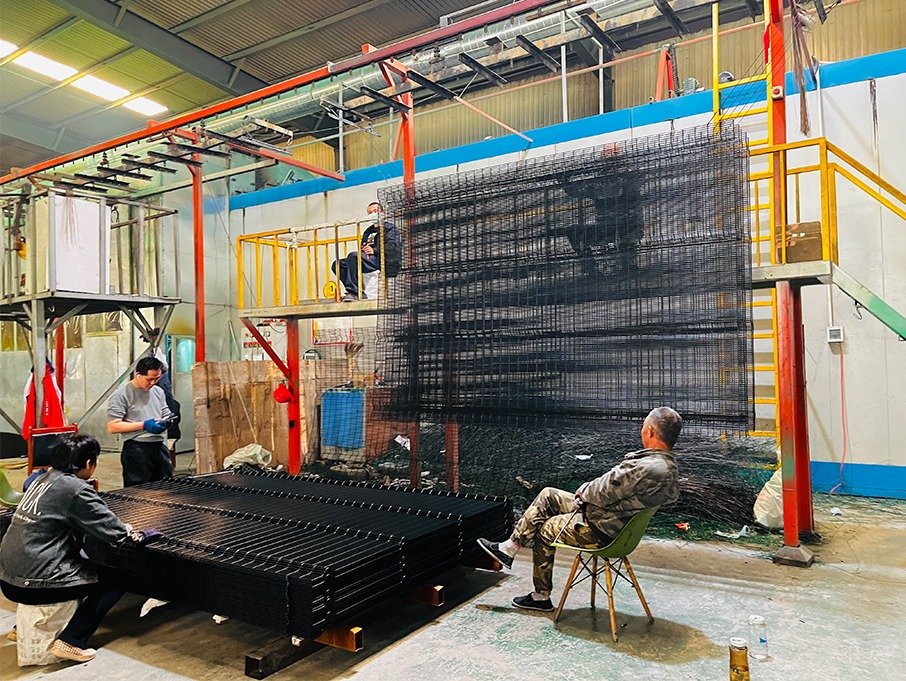
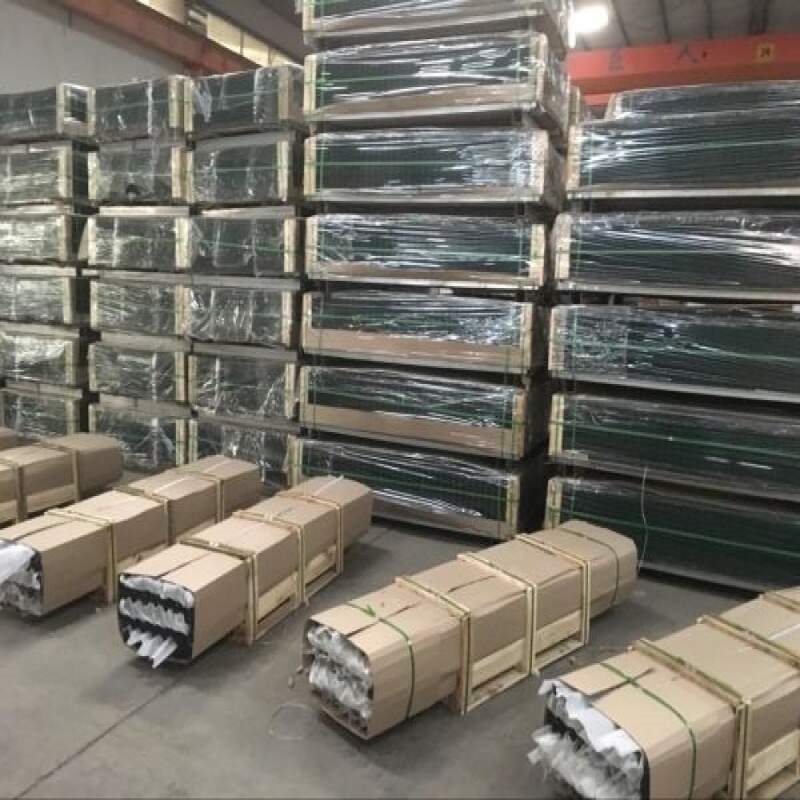
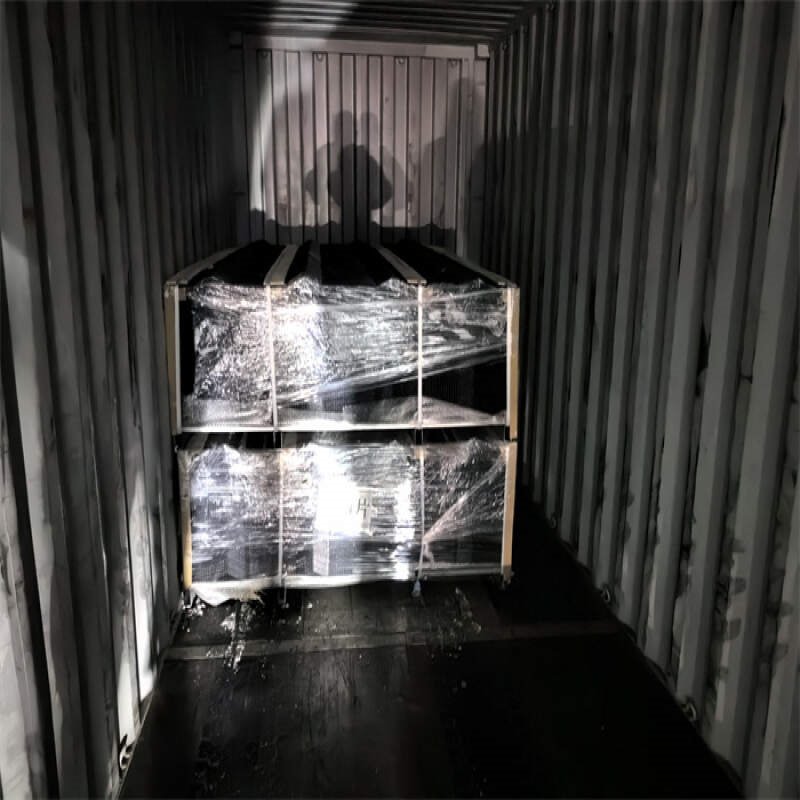
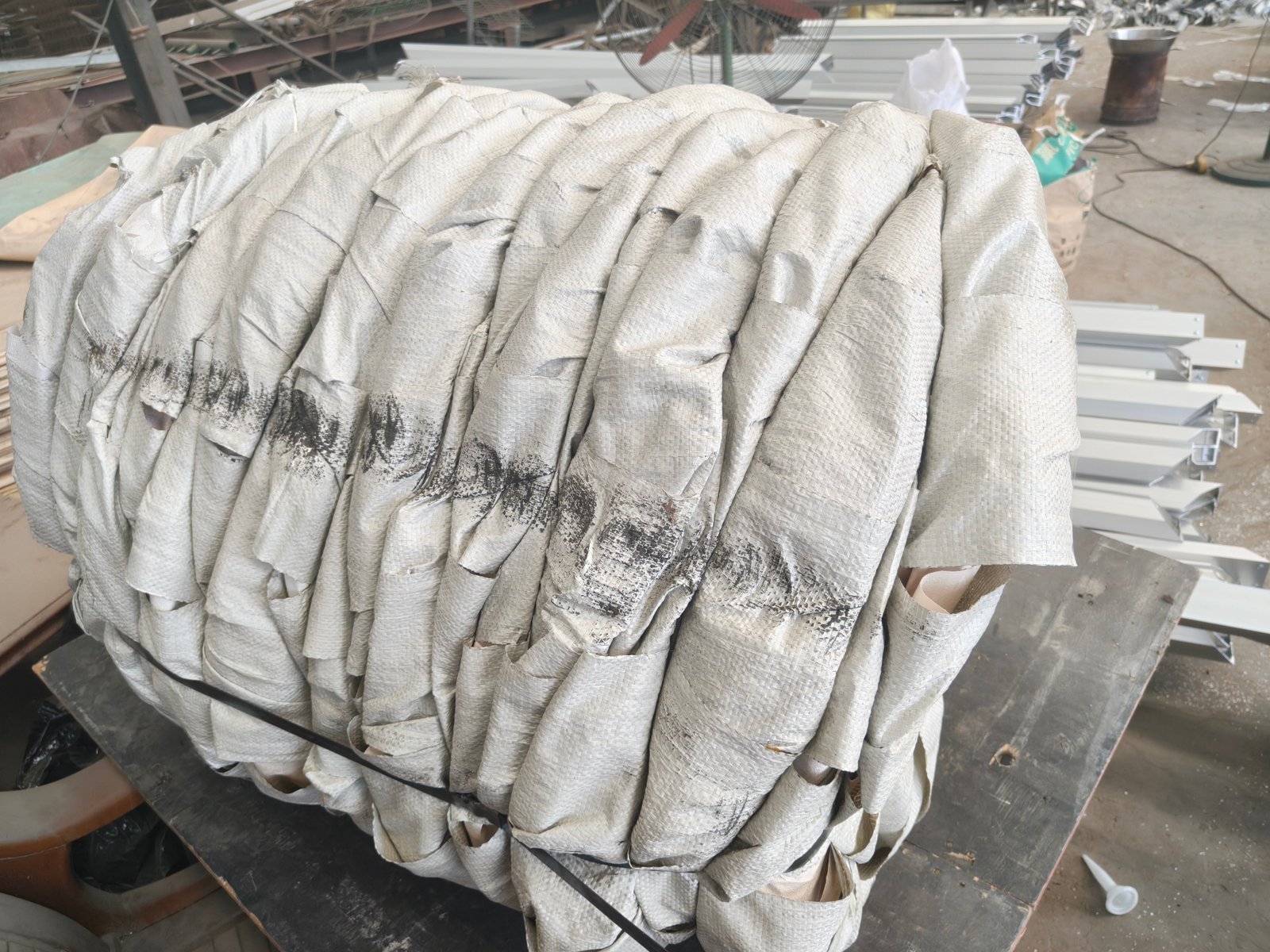
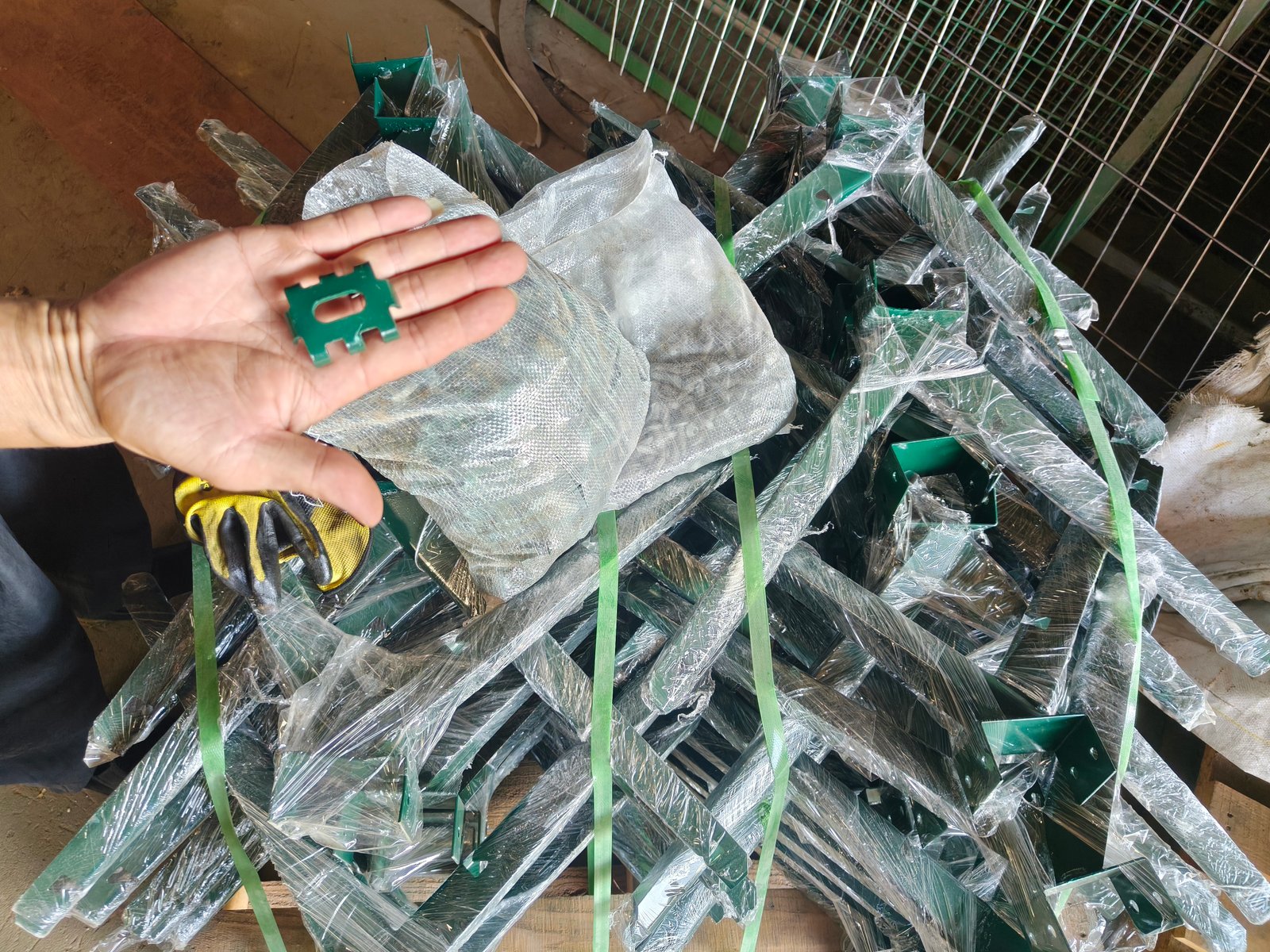
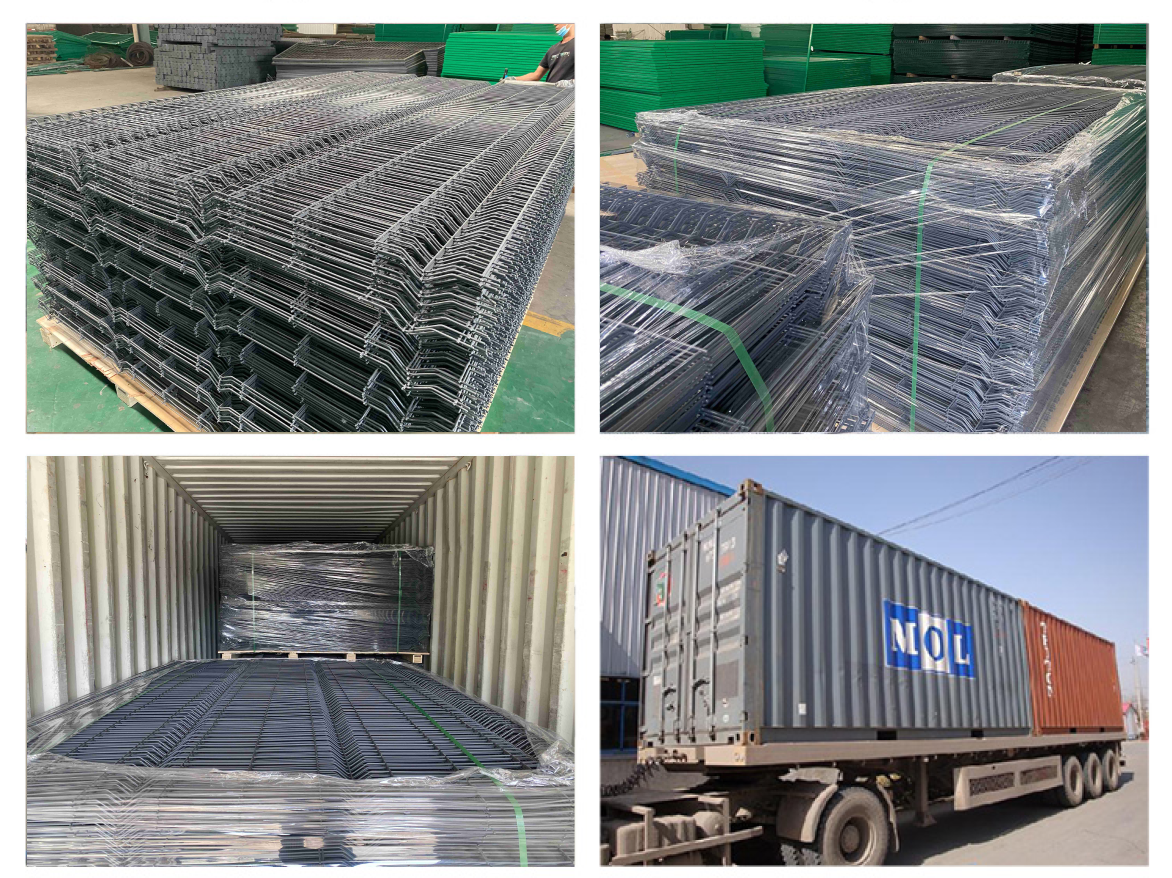
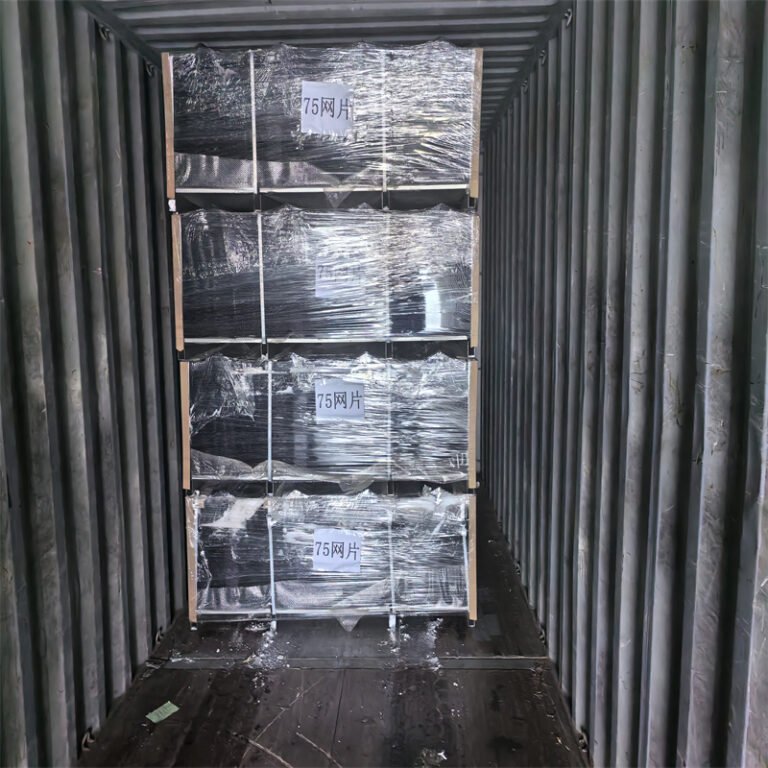
Export packaging protects mesh edges and coated surfaces during transport. BMP can arrange pallets, protective wrapping, and bundled accessories according to the order. The final packing method depends on dimensions and shipping requirements.
Clearvu Fence Panels provides an additional product reference for export projects. Buyers should confirm unloading equipment and storage space at the destination.
Packing reference for discussing panel protection, grouped accessories, and export handling.
What to Include in a Quotation Request
Send the total fence length, required height, mesh size, and wire diameter. Include post style, surface treatment, delivery location, and installation drawings. Gate dimensions and hardware requirements should appear separately.
Specify delivery terms and ask for a packing list before confirming shipment. Project quantities and configurations influence production planning and freight selection.
Does BMP manufacture fencing in Polokwane? No. BMP manufactures in China and supplies international fencing projects. Buyers should arrange or confirm local installation support separately.
Can I request custom dimensions? Yes. BMP can review panel, post, and gate drawings for production feasibility. The final quotation depends on approved specifications.
Does close mesh prevent every intrusion? No. Narrow openings discourage climbing and delay certain attacks. Overall performance depends on the complete installed perimeter.
Which coating should I choose? Compare the site environment, expected maintenance, and required coating tests. Specify the approved system before production.
Can the fence include electric security systems? Compatible brackets may support separately engineered systems. Qualified installers must assess electrical and public safety requirements.
Selecting the Right System
Start with the site's security goals and a clear dimensioned drawing. Select mesh, posts, fasteners, gates, and coatings as one coordinated system. BMP can prepare product specifications after receiving the required project details.