Description ClearVu Fencing Panels: Choose the Mesh Before You Choose the Fence
ClearVu fencing panels use welded steel wire to create visible boundaries with different levels of climbing resistance. BMP manufactures related mesh systems for residential, industrial, commercial, and infrastructure projects. The right purchase starts with the opening size, wire thickness, and finished bay arrangement.
High-security mesh serves a different purpose from broad-opening residential panels. Narrow openings restrict convenient grips, while wider grids can reduce material consumption. Buyers should match each grade to the actual site rather than a generic security label.
For integrated projects, Clear View Fence Panels work alongside compatible posts, clamps, and gates. Their performance depends on the entire assembly. A tightly welded panel cannot correct poor foundations or unsecured entrances.
 |
 |
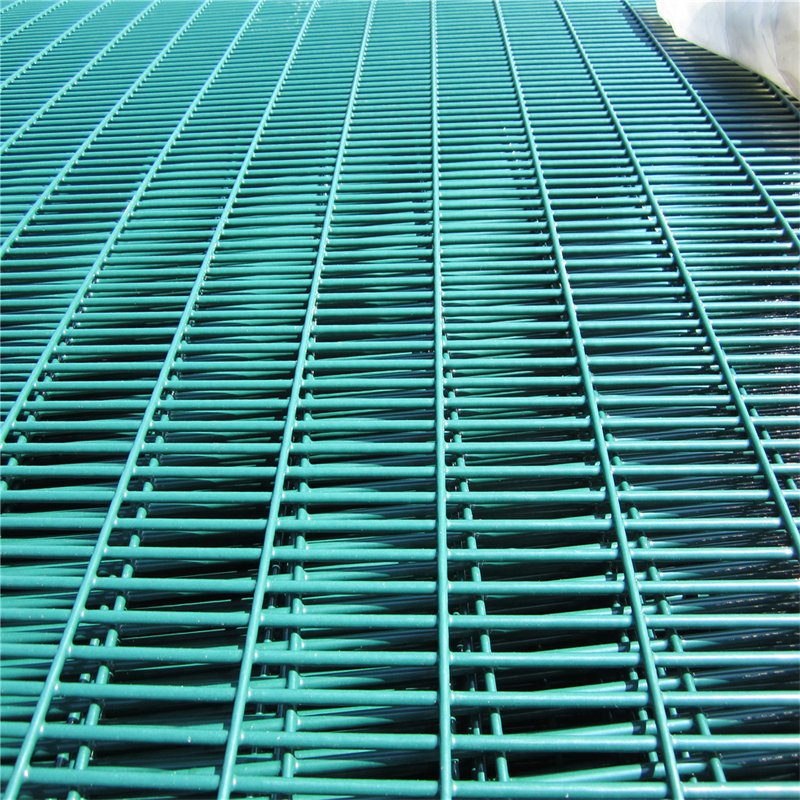
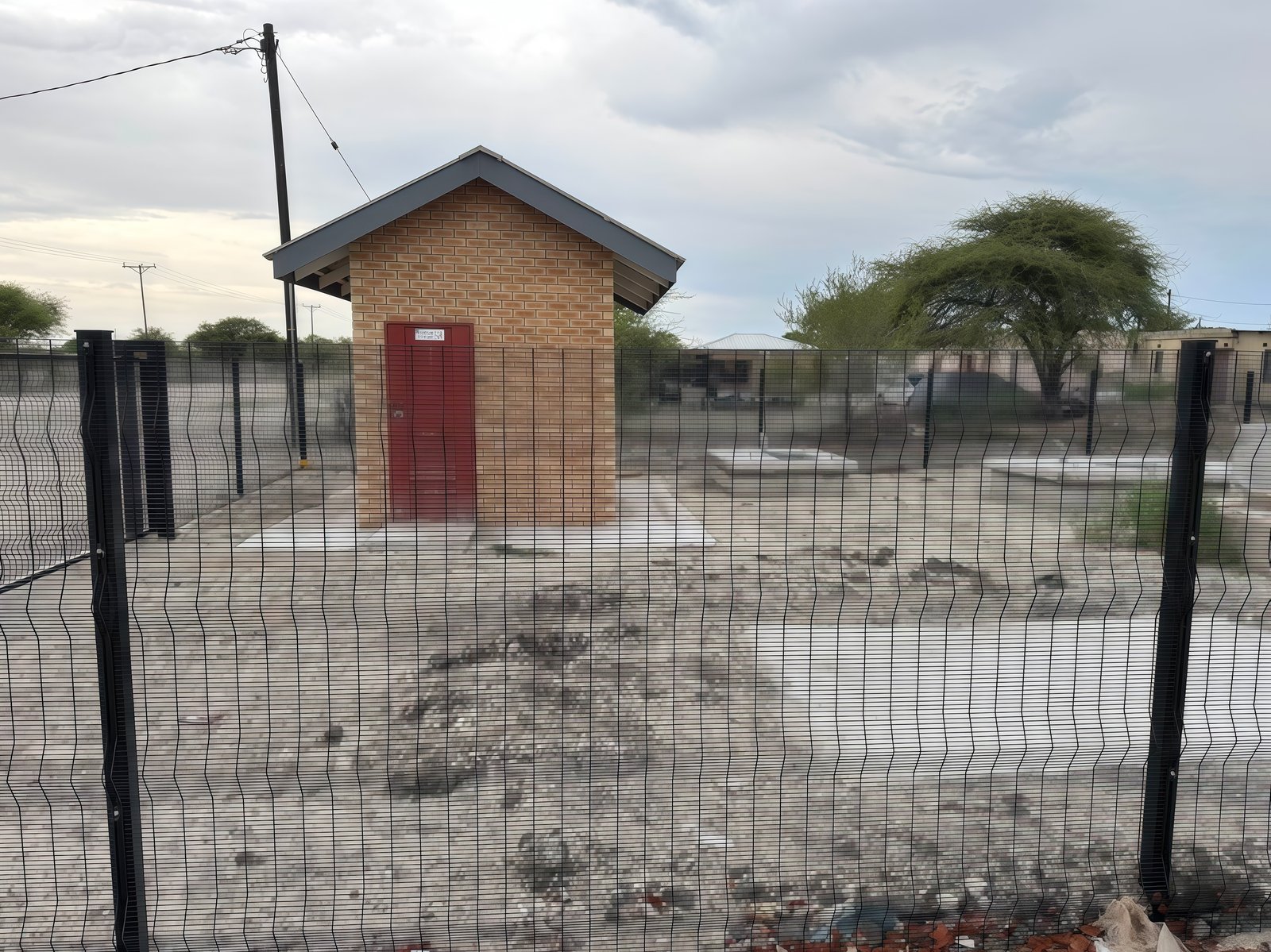
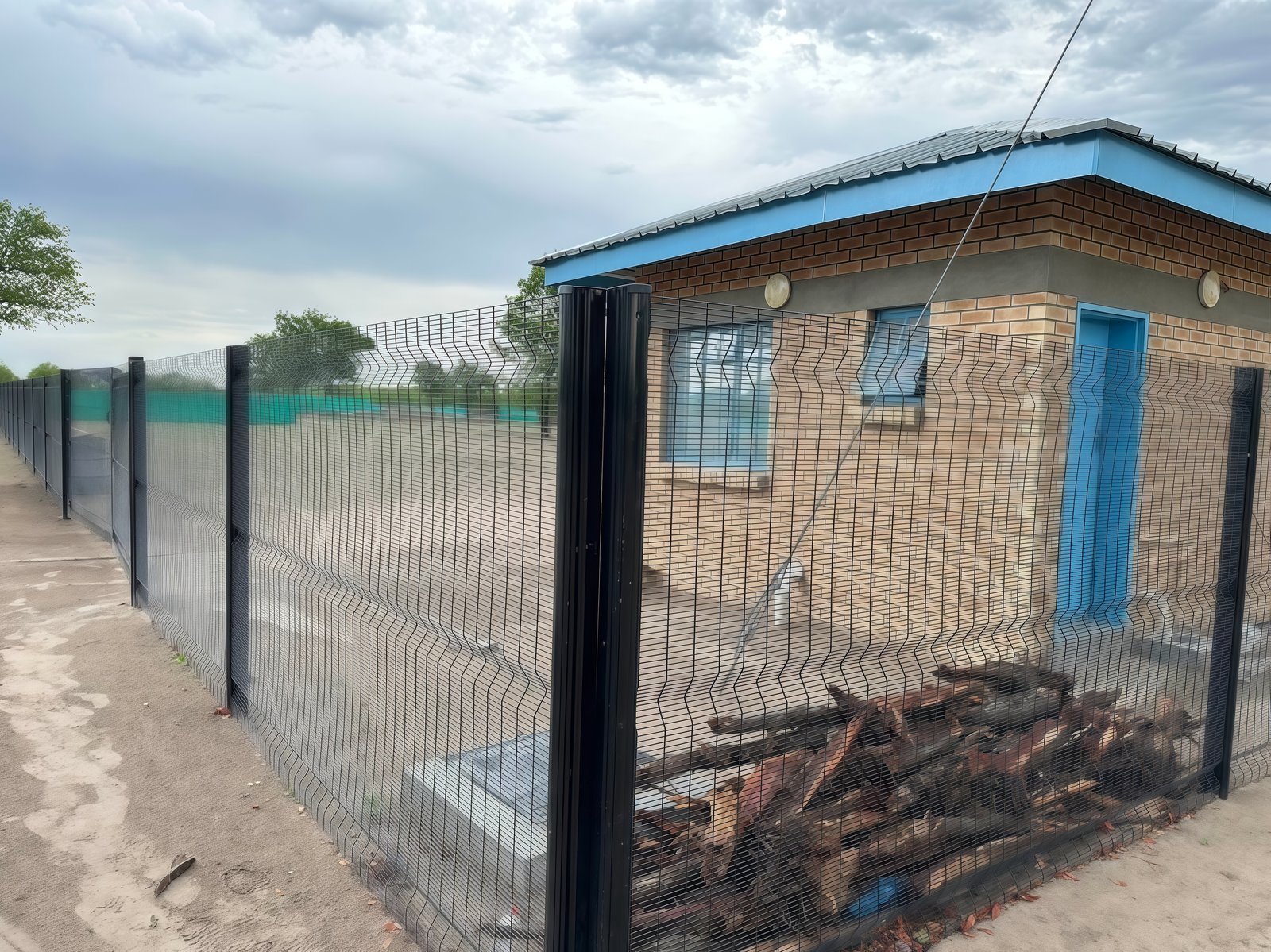
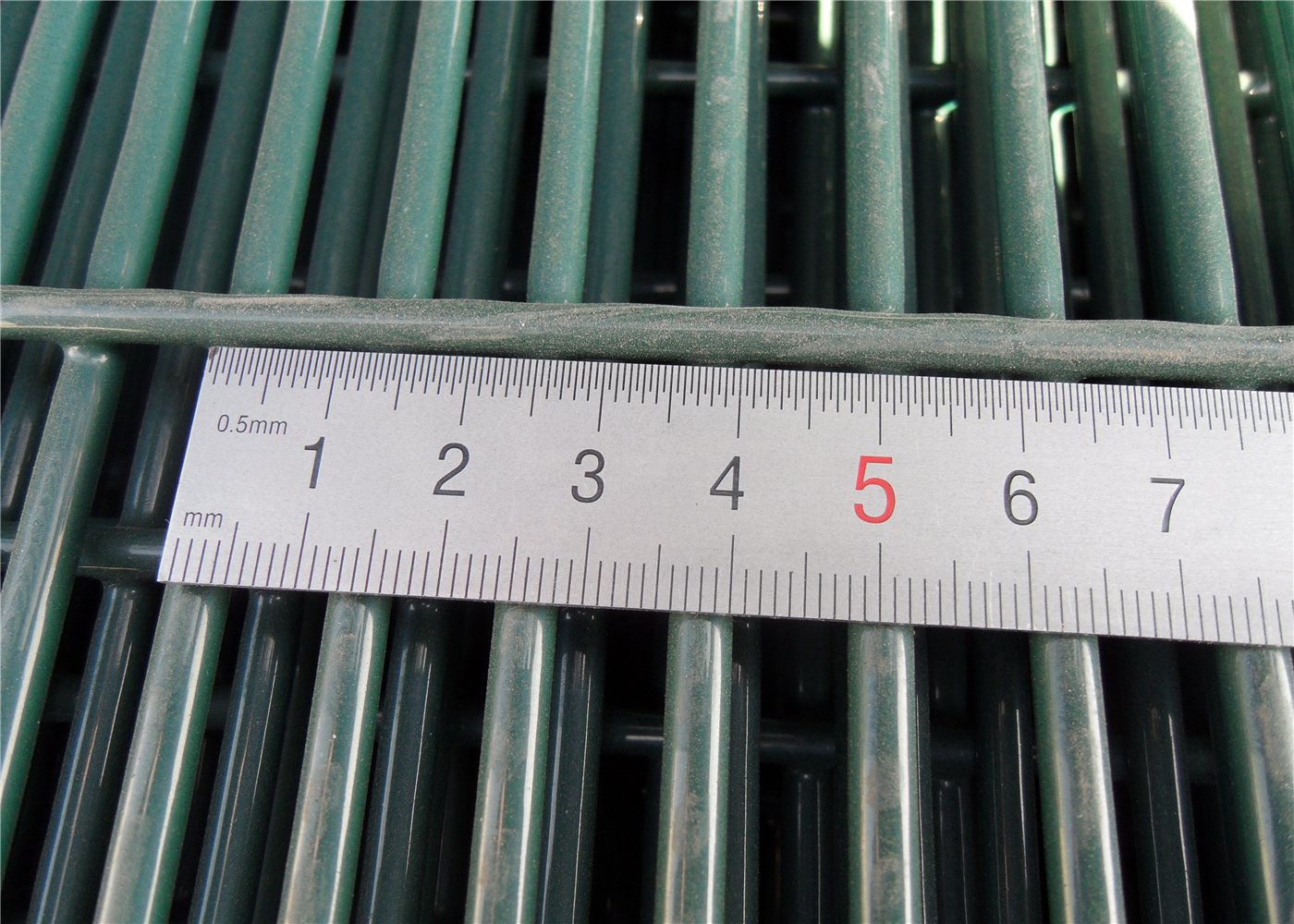
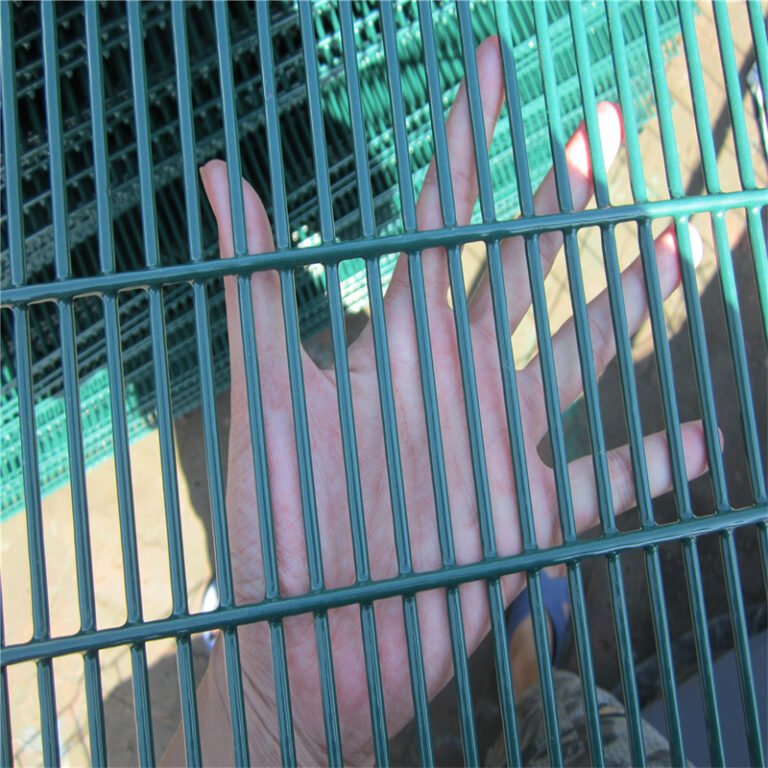
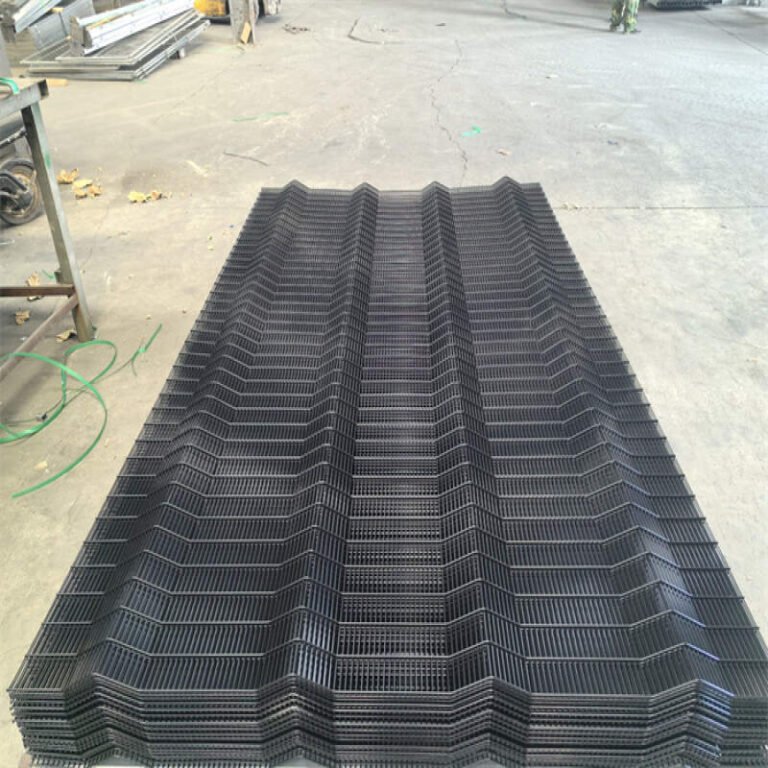
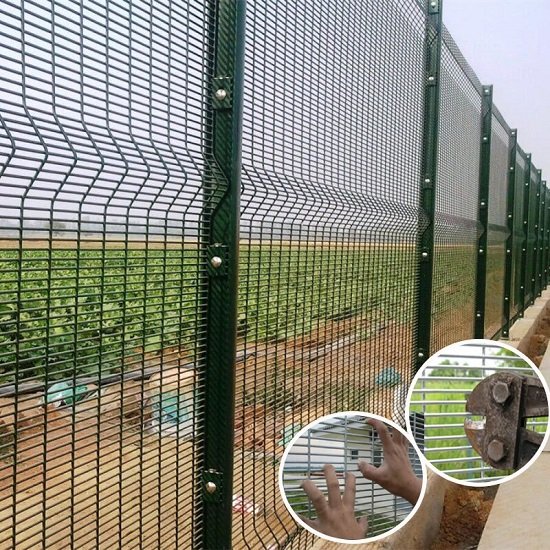
| Green welded mesh installation: review post alignment and panel fastening. |
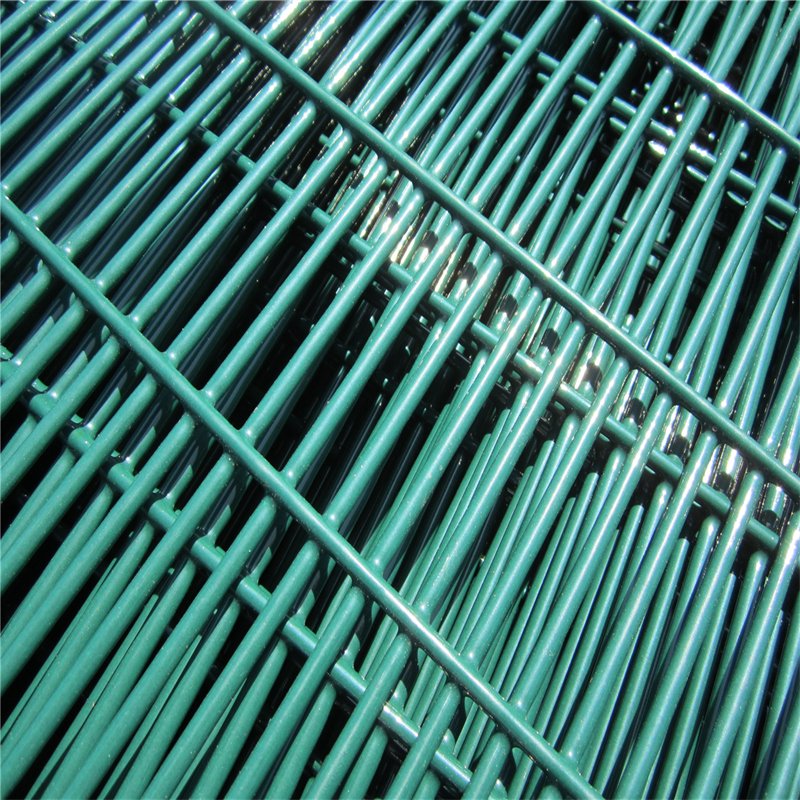
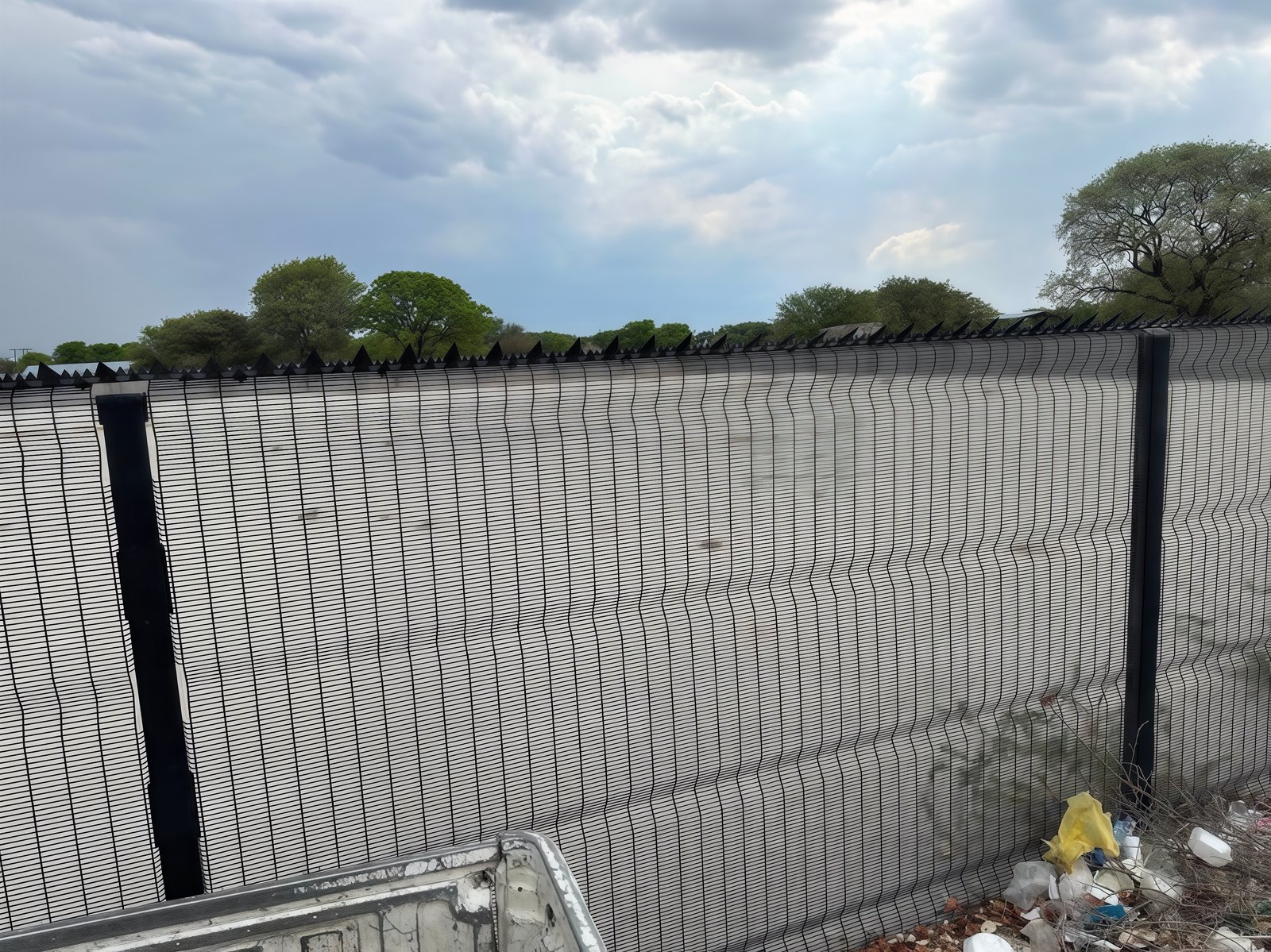
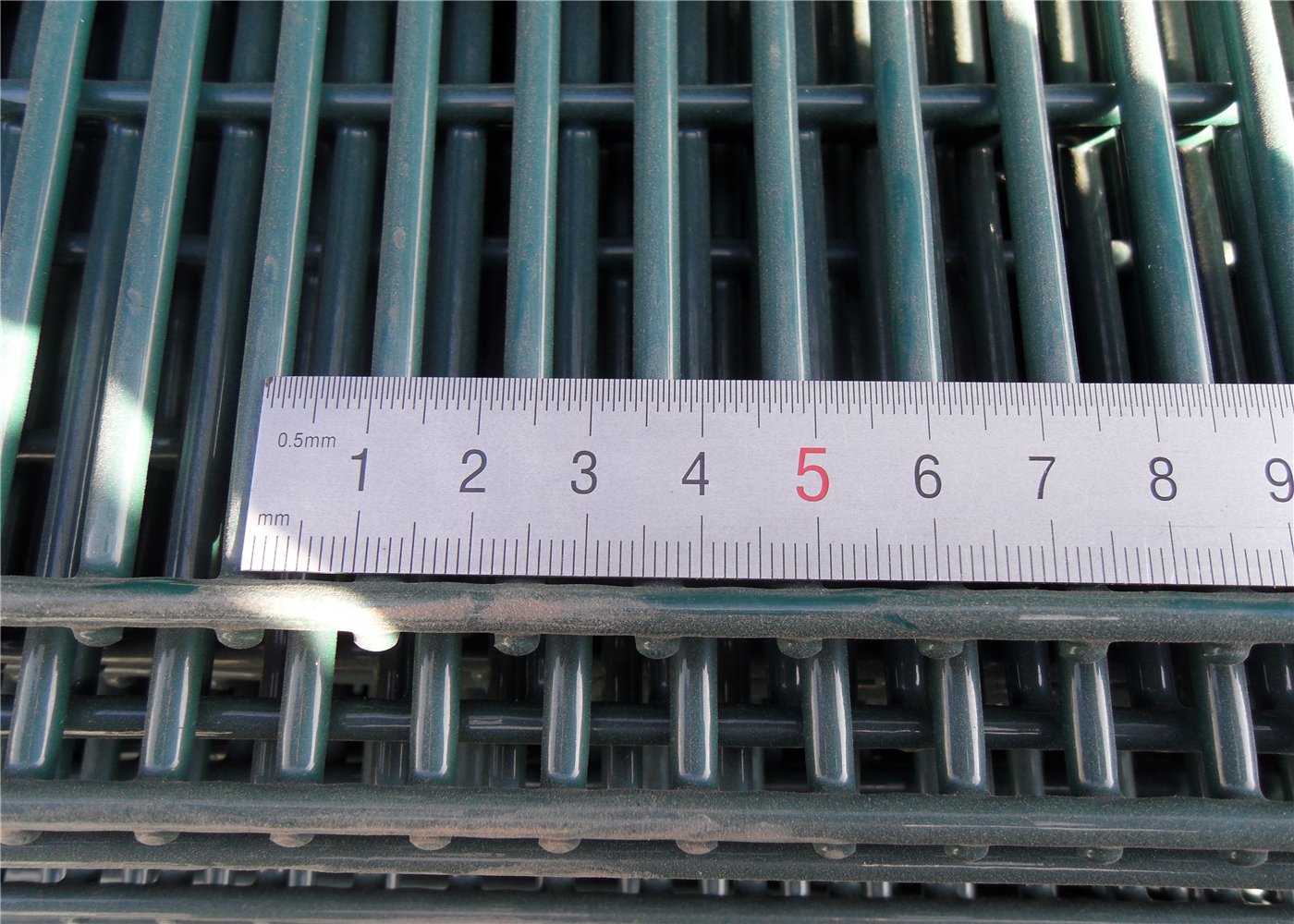
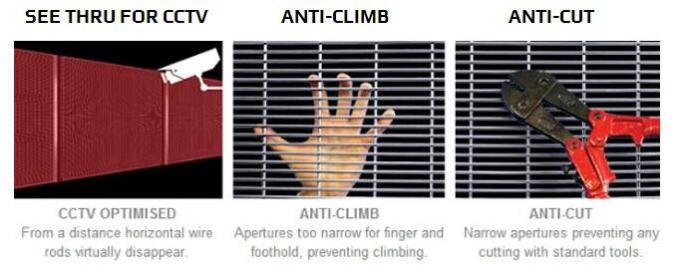
Security-feature illustration: close spacing limits handholds but does not prove a certified rating. |
ClearVu Fencing Panels and the Meaning of Mesh Centres
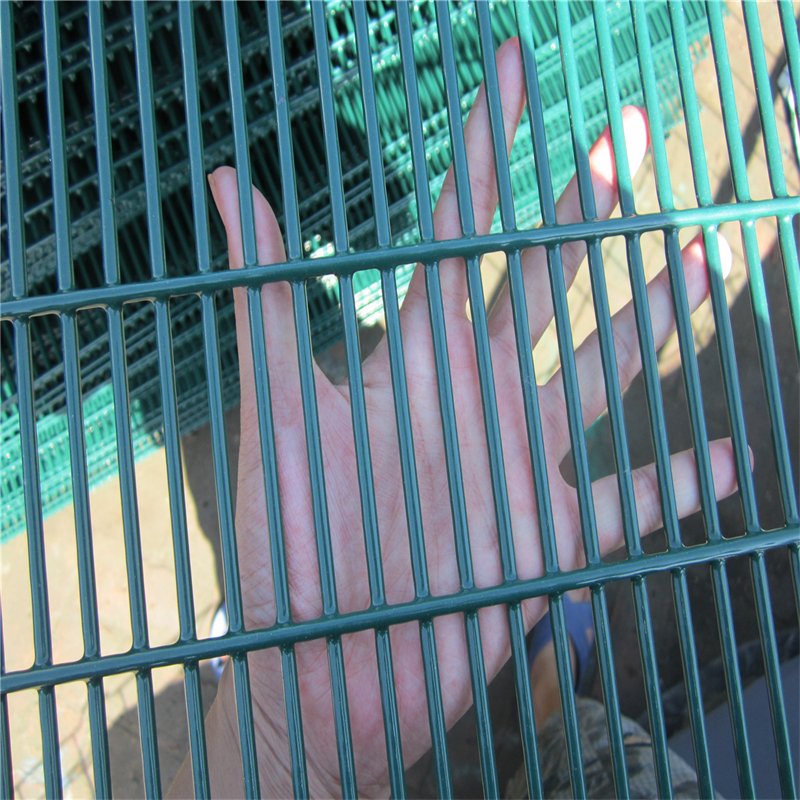
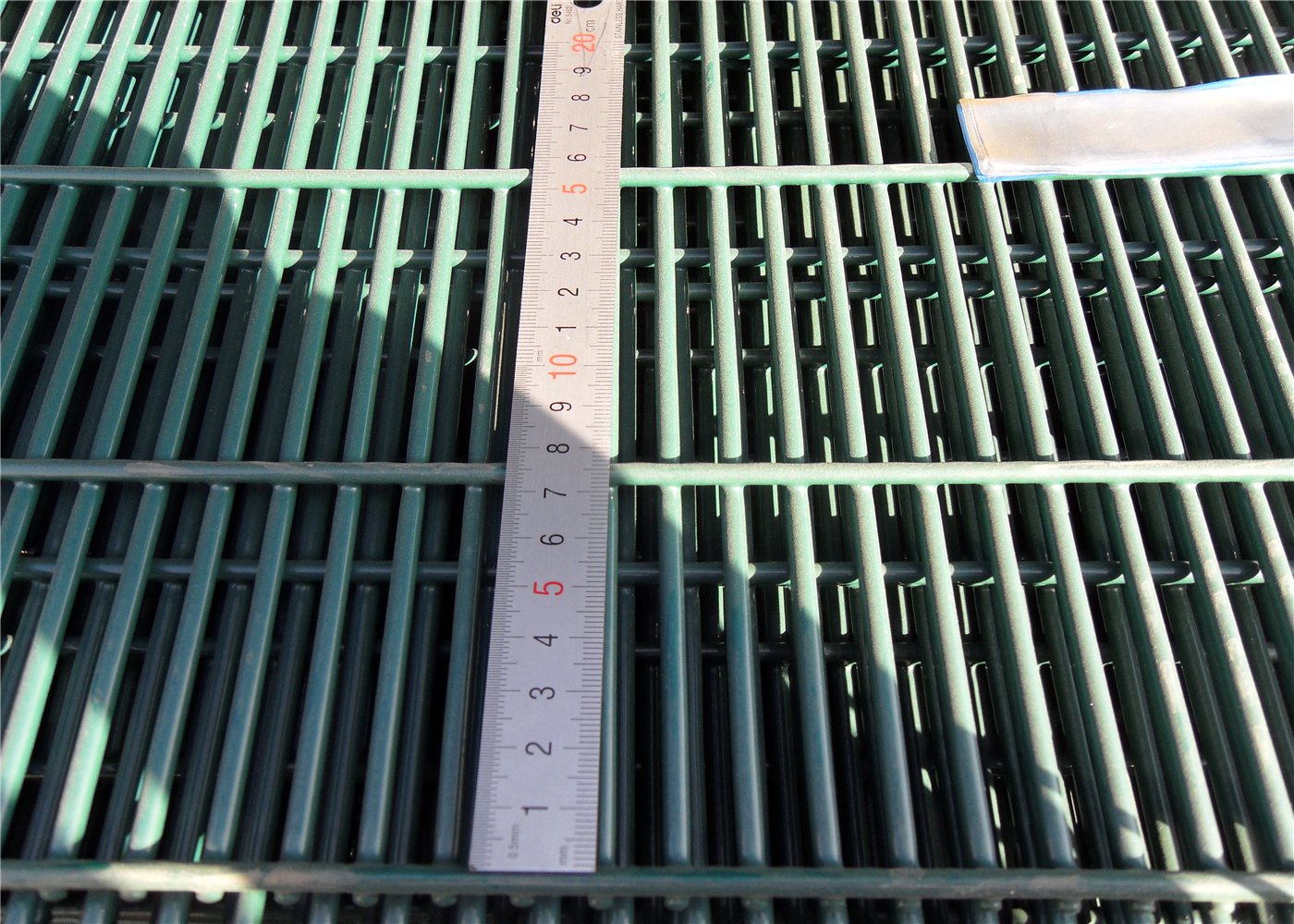
The familiar 358 pattern uses approximately 76.2 × 12.7 mm centre-to-centre spacing. These numbers describe distances between wire centres, not the remaining open gaps. Wire diameter and protective finishes reduce the visible opening.
For example, a 12.7 mm pitch with a 4 mm crossing wire leaves approximately 8.7 mm before coating. The perpendicular opening requires its own calculation. Specify both pitch directions and wire orientation in the approved drawing.
Three Security Grades, Different Engineering Decisions
High, medium, and low describe useful catalogue groupings, not independently certified resistance classes. Mesh pitch and steel mass vary between them. Independent security ratings require relevant test evidence for the complete fence.
Project teams often compare High Security ClearVu Fencing with wider-grid alternatives. Their boundary layout should account for gates, surveillance, and emergency access. A risk assessment helps establish suitable performance requirements.
| Catalogue Grade |
Reference Mesh Centres |
Typical Selection Priority |
Important Limitation |
| High security |
75 × 12.7 or 76 × 12.7 mm |
Few convenient climbing holds |
Grade name alone does not establish certification |
| Medium security |
75 × 25 or 76 × 25 mm |
Visibility with intermediate mesh density |
Manufacturing feasibility requires confirmation |
| Low security |
75 × 50, 76 × 50, 76 × 100 or 100 × 50 mm |
Demarcation and everyday boundary control |
Wider grids may permit more footholds |
ClearVu Fencing Panels: High-Security Mesh
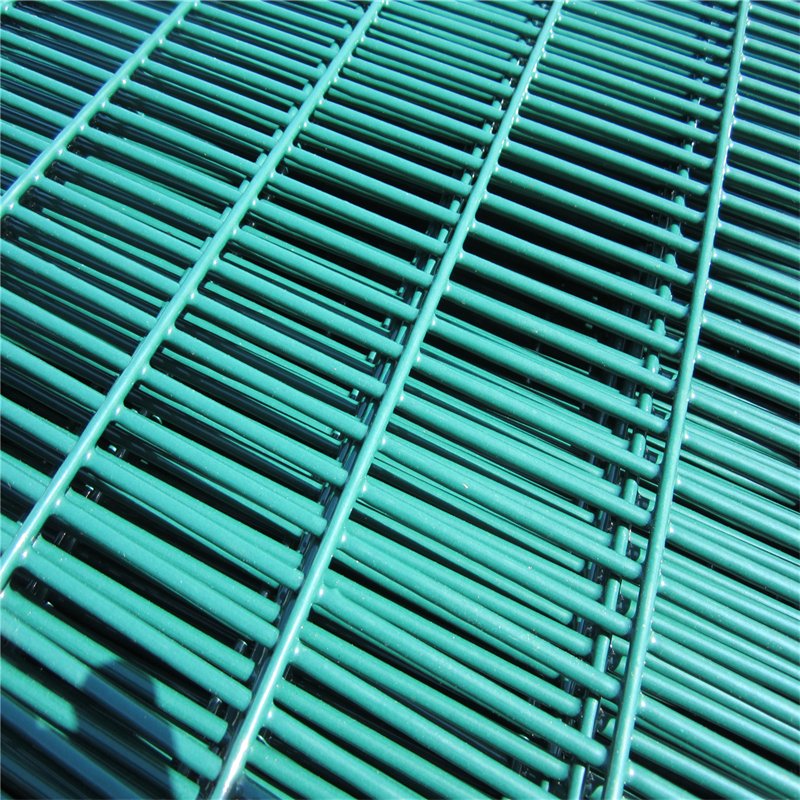
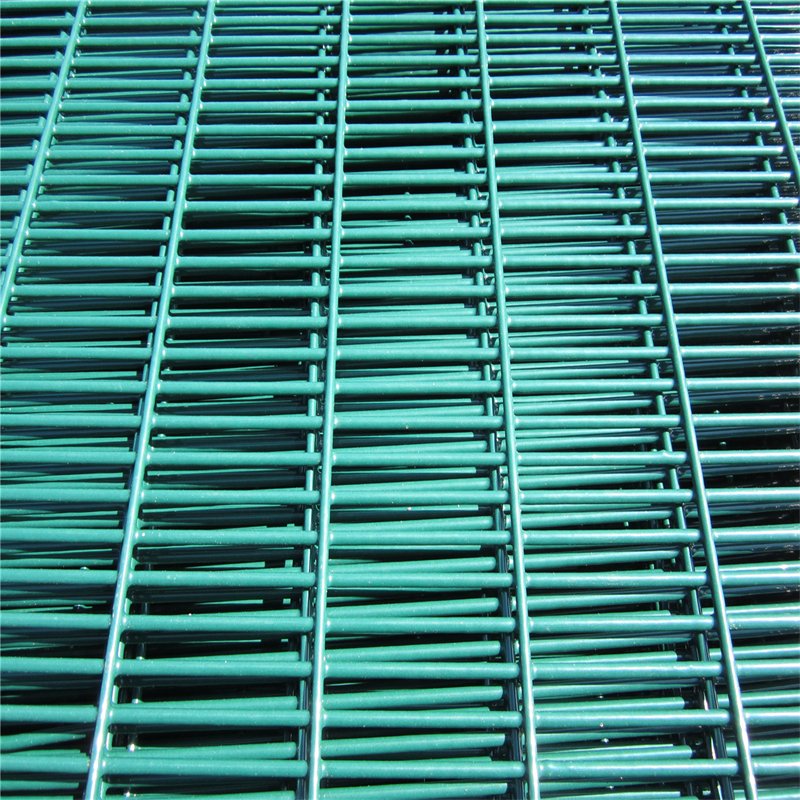
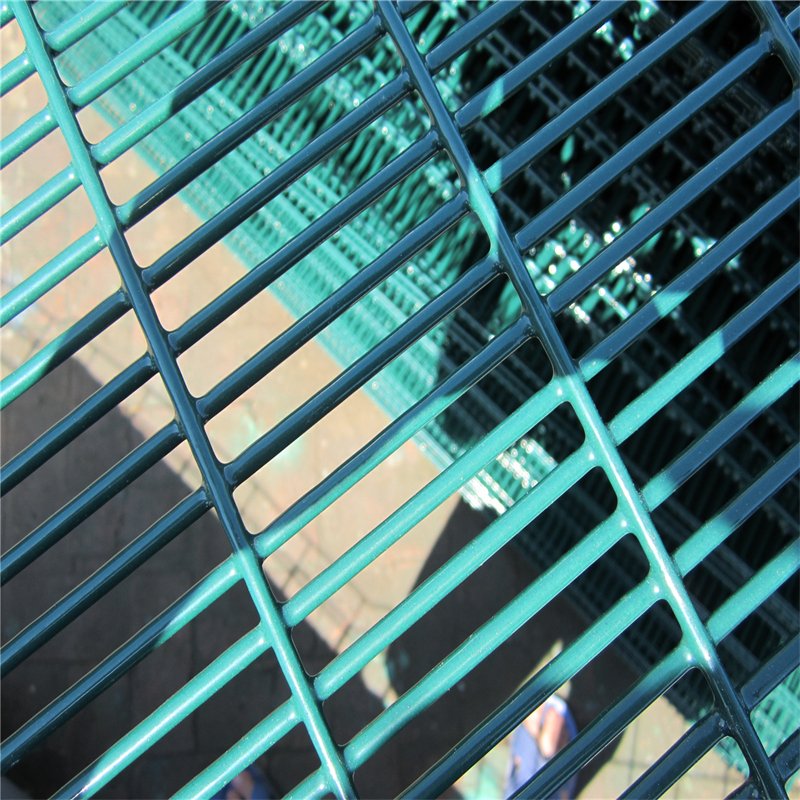
Closely spaced horizontal strands create few comfortable handholds. Welded joints support a consistent grid, while strong posts stabilize the finished boundary. A traditional 358 Mesh Fence also preserves useful observation through the wires.
Security operators should still address unprotected gates and nearby climbing aids. Stored pallets can reduce the effective barrier height. Camera coverage and response procedures remain essential.
Medium-Security Mesh for Mixed-Use Sites
An intermediate 25 mm pitch increases the opening compared with dense 358 mesh. Warehouse yards and selected campus boundaries may consider this design. The exact grade depends on the site's operating needs.
Production availability also depends on the requested quantity and factory setup. A small special run may not justify its tooling requirements. Confirm manufacturability before promising a project delivery date.
ClearVu Fencing Panels: Low-Security Mesh Choices
Wider openings may suit parks, selected residential boundaries, or controlled landscape divisions. They still require sound welding and suitable steel supports. However, low-security models should not inherit high-security performance descriptions.
The ClearVu Mesh family includes different wire sizes and support arrangements. Buyers should compare actual drawings instead of product photographs alone. Wider mesh changes both weight and visual character.
ClearVu Fencing Panels: Original High-Security Option A
The source catalogue records five heights with a common 75 × 12.7 mm pitch. It lists 4 mm vertical and 3 mm horizontal wires. Panel lengths include a nominal 3050 mm variant and two shorter alternatives.
| Panel Height |
V-Bends |
Original Panel Length |
Mesh Centres |
Vertical Wire |
Horizontal Wire |
| 1800 mm |
3 |
3050 mm (3000 mm between posts); or 2950 / 2900 mm |
75 × 12.7 mm |
4 mm |
3 mm |
| 2000 mm |
3 |
Same options |
75 × 12.7 mm |
4 mm |
3 mm |
| 2100 mm |
3 |
Same options |
75 × 12.7 mm |
4 mm |
3 mm |
| 2400 mm |
4 |
Same options |
75 × 12.7 mm |
4 mm |
3 mm |
| 3000 mm |
5 |
Same options |
75 × 12.7 mm |
4 mm |
3 mm |
These dimensions reproduce the original option rather than a universal stock specification. A stated 3000 mm post-centre distance needs confirmation against its attachment drawing. Bends and panel lengths must match the chosen supports.
What Changes Between 1800 and 3000 mm Panels?
Taller panels can require more bends, stronger posts, or larger foundations. Their increased exposed area changes wind loading. Structural engineers should confirm the completed arrangement for each site.
Manufacturing tolerances also matter when rows share one nominal panel length. The actual installed bay includes overlaps and fixing details. Drawings must establish post centres before excavation begins.
High-Security Option B: A Separate Wire Schedule
The source's second high-security option uses 3050 mm panels with a 76 × 12.7 mm pitch. Its steel-wire orientation differs from Option A. Treat these alternatives as separate catalogue designs rather than identical substitutions.
| High-Security Option B |
Original Reference |
| Panel length |
3050 mm |
| Panel heights |
1200 / 1500 / 1800 / 2000 / 2100 / 2400 / 3000 mm |
| Mesh centres |
76 × 12.7 mm |
| Horizontal wire |
4 mm |
| Vertical wire |
3 mm |
Unlike Option A, this entry reverses the listed wire diameters. The supplier should verify its intended orientation before production. A drawing takes priority over conflicting catalogue descriptions.
ClearVu Fencing Panels: Preventing Wire-Direction Errors
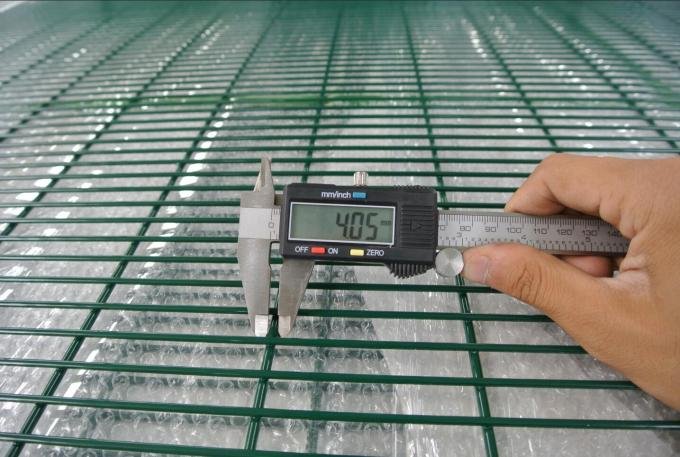
Wire diameter affects weight, welding settings, and visible gaps. A misunderstanding between horizontal and vertical wires can alter the finished product. Request a labelled manufacturing sketch with each diameter clearly indicated.
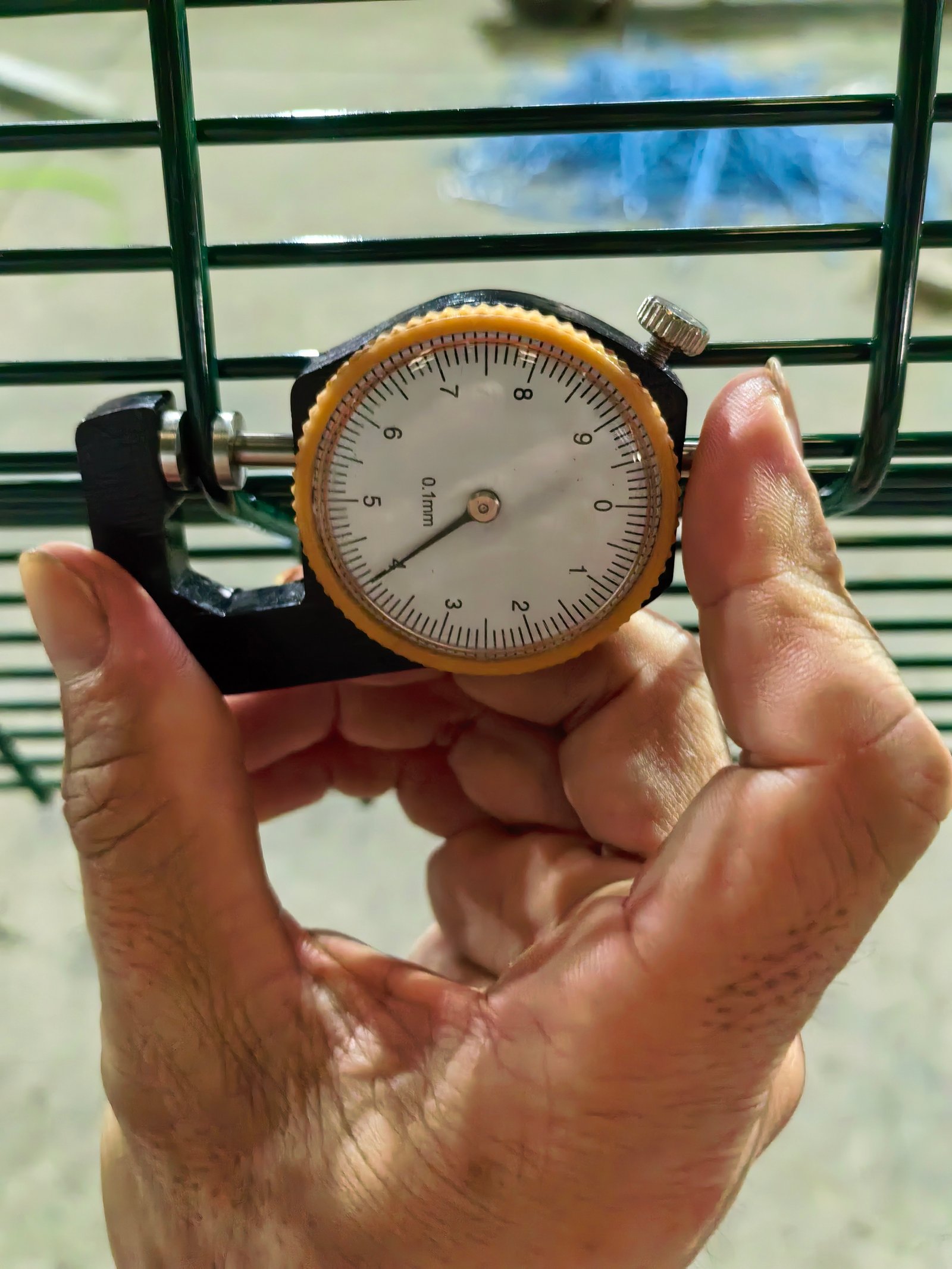
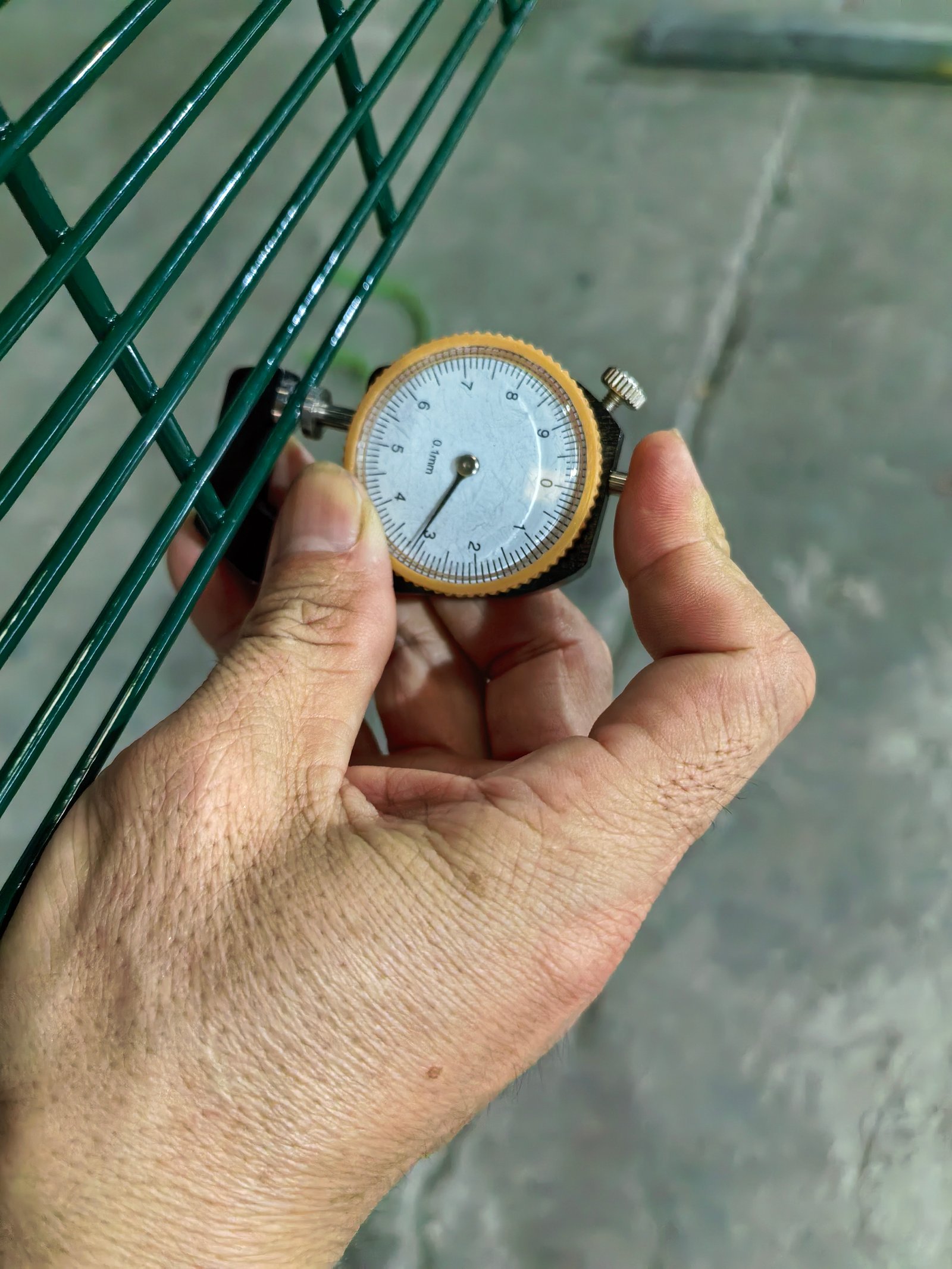
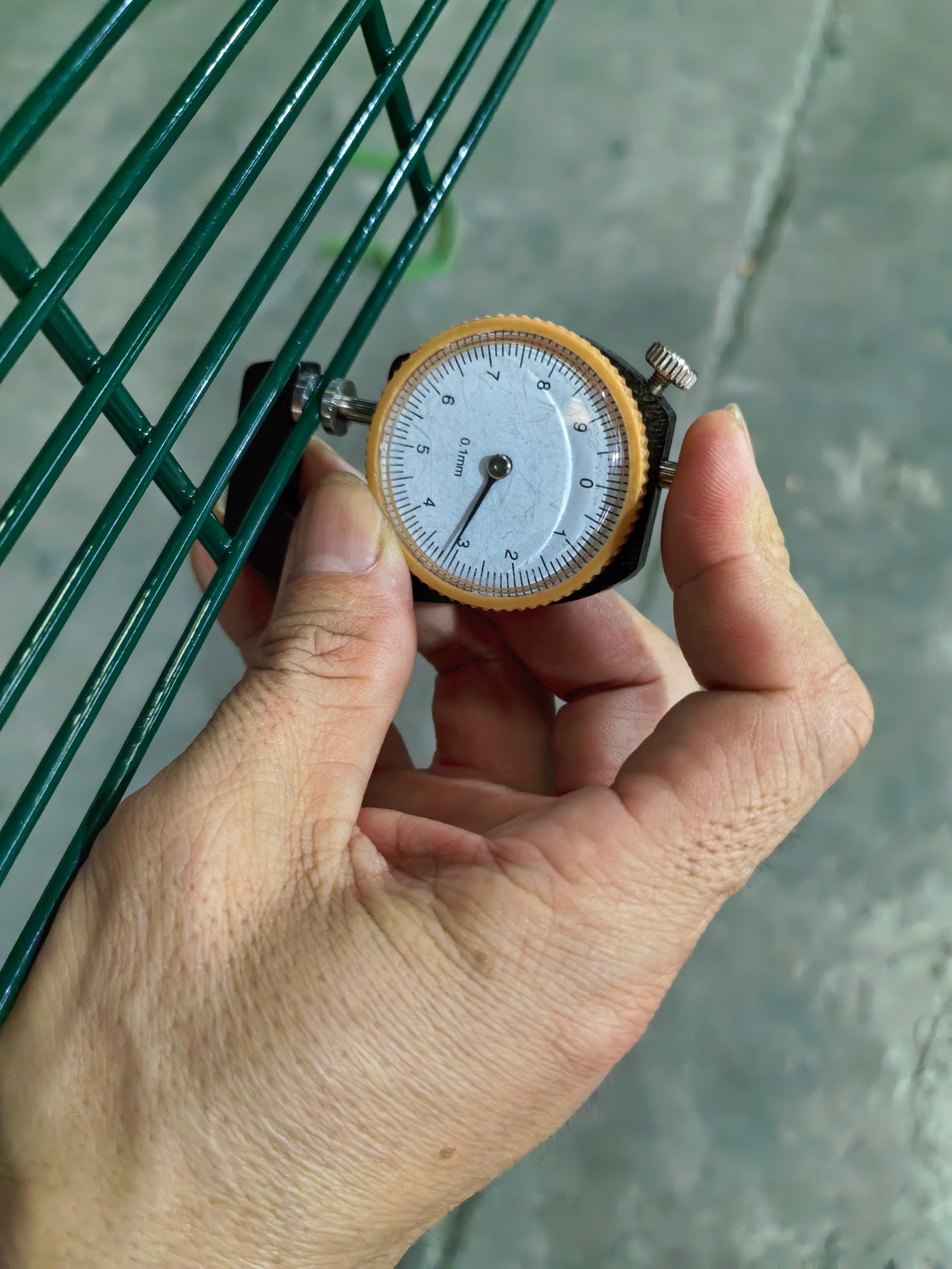
Inspection teams should measure both directions on a representative sample. Keep that record with the approved purchase order. Photos cannot replace actual diameter readings.
ClearVu Fencing Panels: Medium-Security Options A and B
Medium Security A retains 3050 mm nominal panel length with four height variations. Its pitch increases to 75 × 25 mm. The original wire combination remains 4 mm vertically and 3 mm horizontally.
| Option A Height |
V-Bends |
Panel Length |
Mesh Centres |
Vertical Wire |
Horizontal Wire |
| 1800 mm |
3 |
3050 mm (3000 mm between posts) |
75 × 25 mm |
4 mm |
3 mm |
| 2000 mm |
3 |
Same |
75 × 25 mm |
4 mm |
3 mm |
| 2100 mm |
3 |
Same |
75 × 25 mm |
4 mm |
3 mm |
| 2400 mm |
4 |
Same |
75 × 25 mm |
4 mm |
3 mm |
A different medium option expands the height selection to include 1200, 1500, and 3000 mm. It also uses 76 × 25 mm centres. The original source lists its horizontal and vertical wires as 3 mm and 4 mm.
| Medium-Security Option B |
Original Reference |
| Panel length |
3050 mm |
| Available reference heights |
1200 / 1500 / 1800 / 2000 / 2100 / 2400 / 3000 mm |
| Mesh centres |
76 × 25 mm |
| Horizontal wire |
3 mm |
| Vertical wire |
4 mm |
| Original finish options |
Galvanized / powder coated / PVC (Plascoat) |
Minimum Production Runs and Special Mesh
Special mesh pitch may require dedicated welding-machine settings. Small orders can face production limitations, regardless of their technical suitability. Buyers should confirm quantities and lead times before specifying unusual apertures.
Import projects should also check container utilization and destination costs. Steel posts and gates may occupy different packing space from panels. A coordinated order reduces the risk of component mismatches.
ClearVu Fencing Panels: Original Low-Security Option A
The source's first low-security grid uses 75 × 50 mm centres and five heights. Its panel length remains 3050 mm, with a stated 3000 mm post-centre reference. More V-bends appear on taller options.
| Option A Height |
V-Bends |
Panel Length |
Mesh Centres |
Vertical Wire |
Horizontal Wire |
| 1800 mm |
3 |
3050 mm (3000 mm between posts) |
75 × 50 mm |
4 mm |
3 mm |
| 2000 mm |
3 |
Same |
75 × 50 mm |
4 mm |
3 mm |
| 2100 mm |
3 |
Same |
75 × 50 mm |
4 mm |
3 mm |
| 2400 mm |
4 |
Same |
75 × 50 mm |
4 mm |
3 mm |
| 3000 mm |
5 |
Same |
75 × 50 mm |
4 mm |
3 mm |
Wider grids can change both appearance and material use. They also create different foothold opportunities. Never assign a 358 security rating to this option without supporting evidence.
Low-Security Options B, C and D
Three additional catalogue models use broader grids with the same 3050 mm panel length. Their listed heights range from 1200 to 3000 mm. Each variant needs a distinct wire-pitch drawing.
| Original Option |
Panel Length |
Panel Heights |
Mesh Centres |
Horizontal Wire |
Vertical Wire |
Finish Choices |
| Low B |
3050 mm |
1200 / 1500 / 1800 / 2000 / 2100 / 2400 / 3000 mm |
76 × 50 mm |
4 mm |
3 mm |
Galvanized / powder coated / PVC |
| Low C |
3050 mm |
Same height list |
76 × 100 mm |
4 mm |
3 mm |
Galvanized / powder coated / PVC |
| Low D |
3050 mm |
Same height list |
100 × 50 mm |
4 mm |
3 mm |
Galvanized / powder coated / PVC |
ClearVu Fencing Panels with Wider Openings
Park boundaries and selected open landscape areas may benefit from wider welded grids. Their lighter appearance differs from dense high-security mesh. Designers should check public safety and access requirements independently.
Utility zones may also need other controls beyond simple fence demarcation. A wide mesh must not substitute for dedicated machine guarding. The engineer should review the actual use.
Coatings, Colour and Long-Term Exposure
Steel wire needs suitable corrosion protection for the operating environment. Zinc coatings help protect the underlying steel, while compatible polymers add colour. Galvanizing before welding differs from treating a suitable completed assembly.
A Powder Coated Clear View Fence can use different substrates and finishing routes. Specify the entire process in the purchase order. The final RAL colour alone cannot establish corrosion resistance.
 |
 |
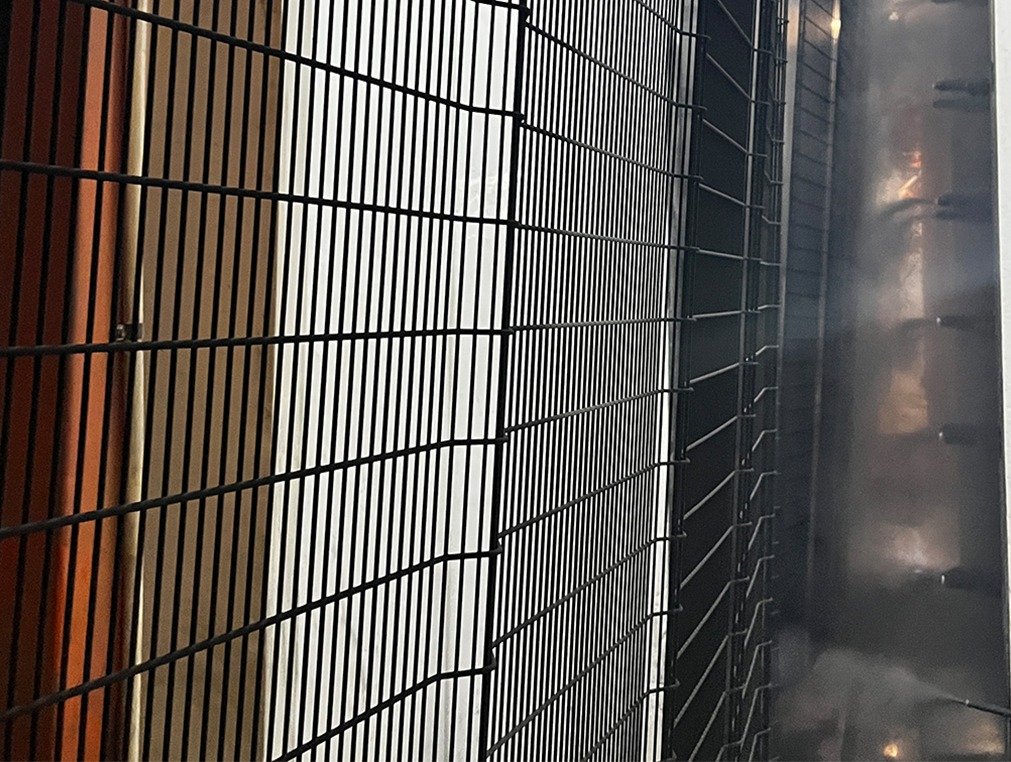
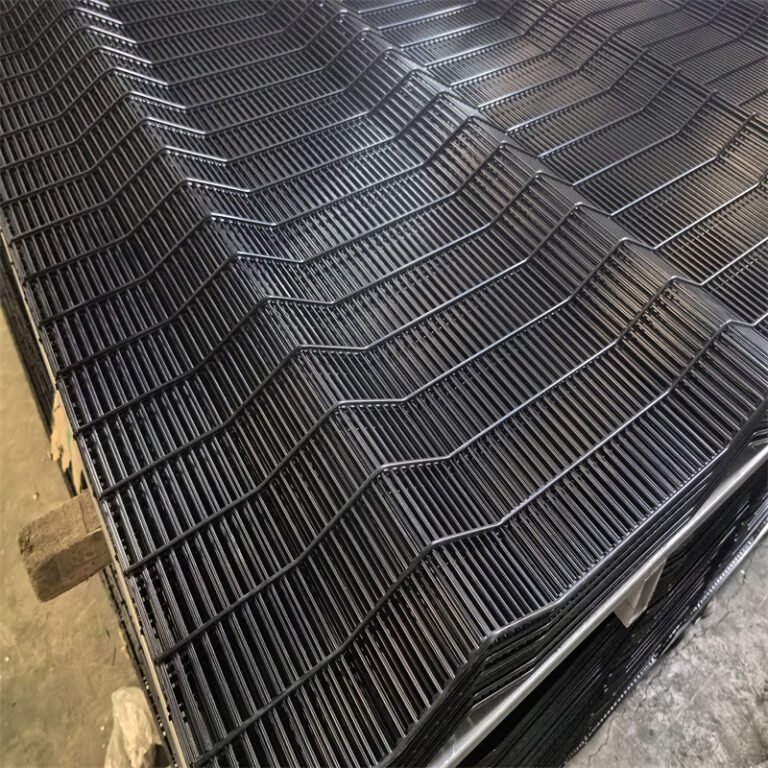
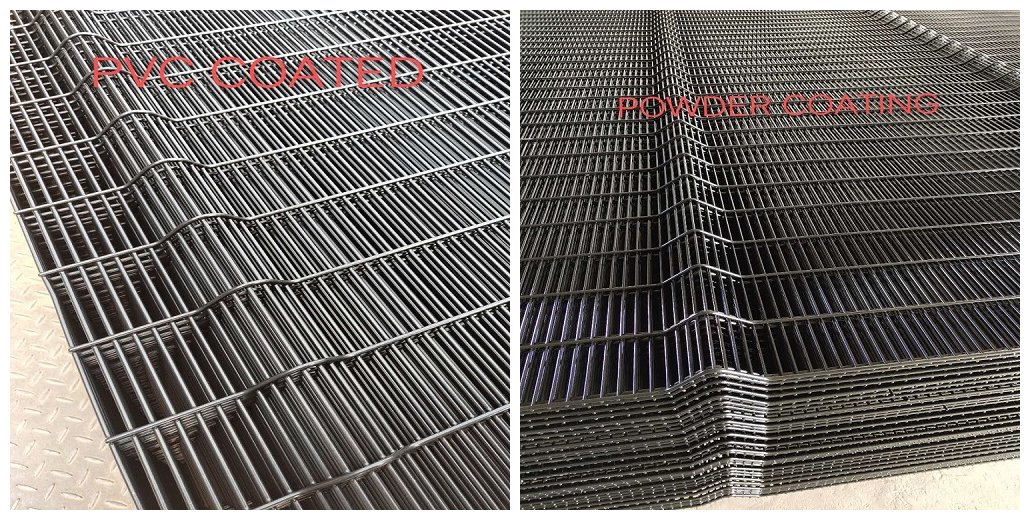
| Finish comparison: polymer chemistry and thickness need separate specification. |
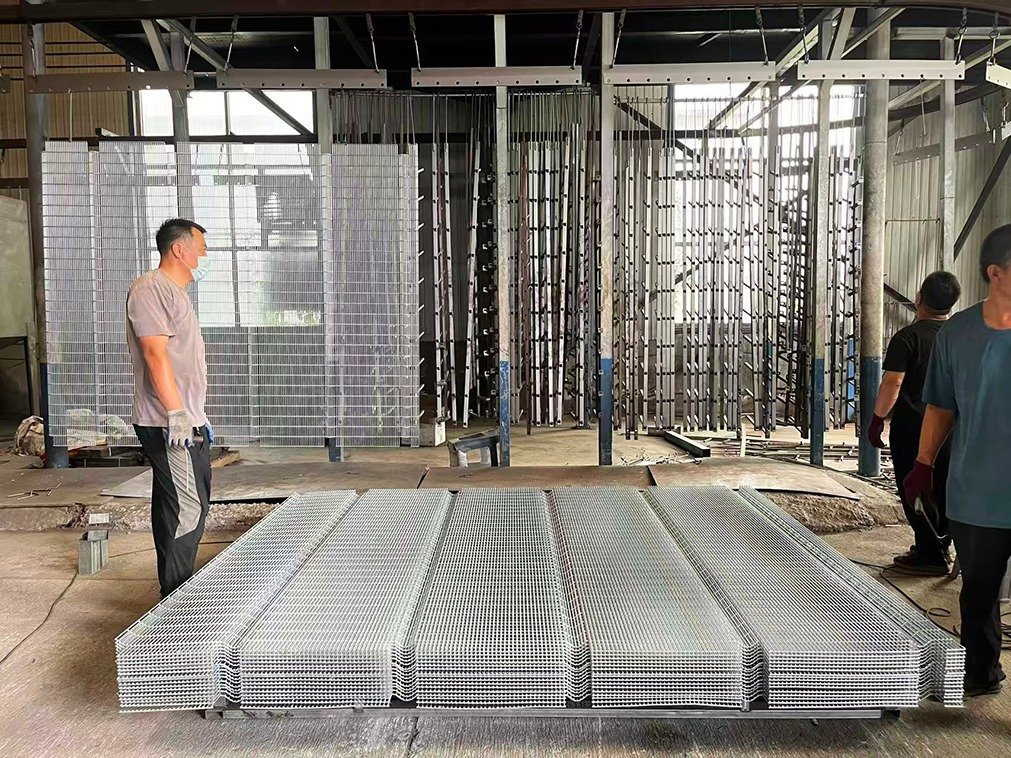
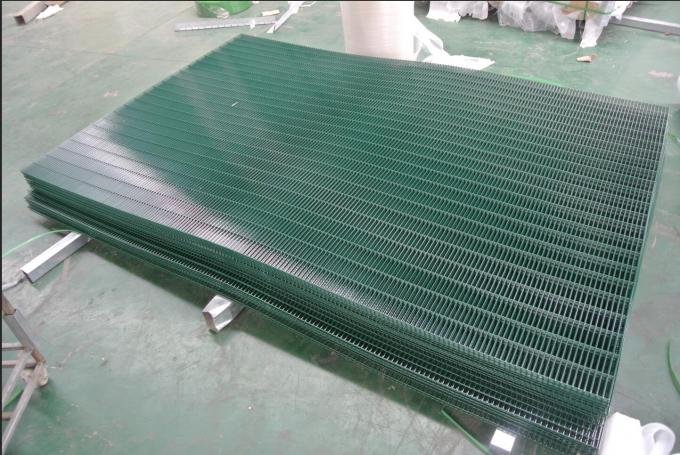
Coated mesh stack: inspect surface uniformity before packing. |
ClearVu Fencing Panels: Original Coating Reference Table
BMP's historical source includes five zinc and polymer combinations with quoted performance figures. Those numbers are catalogue references, not batch certificates. Individual orders require applicable testing and documented acceptance limits.
| Original Zinc Reference |
Colour Finish |
Source Weld Strength |
Source Tensile Strength |
| Lightly galvanized, 60 g/m² |
Powder coating, 60–80 µm |
60–80% (test basis unspecified) |
500–650 MPa |
| Fully galvanized, 275 g/m² |
Powder coating, 60–80 µm |
60–80% (test basis unspecified) |
500–650 MPa |
| Galfan, 220 g/m² |
Thermoplastic, at least 250 µm |
60–80% (test basis unspecified) |
500–650 MPa |
| Fully galvanized, 255 g/m² |
Thermoplastic, at least 250 µm |
60–80% (test basis unspecified) |
500–650 MPa |
| Galfan, 195 g/m² |
Powder coating, 60–80 µm |
60–80% (test basis unspecified) |
500–650 MPa |
A steel tensile range does not certify every wire batch. The quoted weld-strength percentage also lacks a named test procedure. Ask the manufacturer for actual material and weld test results.
Coastal Warehouses and Inland Industrial Sites
Durban and Cape Town coastal locations may expose steel to salt-bearing air and humidity. Damaged coating edges deserve particular inspection near the sea. Site-specific corrosion assessment helps determine protective finishes.
Gauteng factories usually face inland dust, industrial deposits, and seasonal rain instead. Poor drainage can still trap moisture around concrete bases. A single coating lifespan cannot describe every environment.
Why Zinc Does Not Regrow After Scratching
Zinc can protect nearby exposed steel through sacrificial corrosion behaviour under appropriate conditions. This does not mean a removed zinc layer magically grows back. Repair specifications should address significant damage and exposed cut edges.
Maintenance crews must inspect transport scratches before installation. Follow the approved coating manufacturer's repair method. Avoid painting directly over contaminated metal.
ClearVu Fencing Panels: Post Families and Fixing Choices
Even excellent mesh requires a compatible steel support system. Square, I-shaped, rectangular, and C-profile posts present different fixing surfaces. Choose posts through structural calculations and detailed shop drawings.
The Clear View Fence Post family includes suitable reference profiles for differing designs. A matching ClearVu Fencing IPE Post uses a separate flange geometry. Neither component should replace another without approval.
| Original Post Type |
Popular Size A |
Popular Size B |
Popular Size C |
Source Wall Thickness |
| Square post (P1-SHS) |
60 × 60 mm |
80 × 80 mm |
100 × 100 mm |
1.2–1.5 mm |
| IPE post (P2-IPE) |
100 × 55 mm |
100 × 68 mm |
120 × 74 mm |
1.2–2.0 mm |
| Rectangular post (P3-RHS) |
60 × 80 mm |
80 × 100 mm |
100 × 150 mm |
2.5–5.0 mm |
| C post with flat bar (P4-C+F) |
60 × 80 mm |
80 × 100 mm |
100 × 150 mm |
2.0–5.0 mm |
The historical thickness ranges do not establish suitability for every fence height. Thin posts may fail structural requirements in exposed locations. Foundation design also depends on actual soil and wind conditions.
ClearVu Fencing Panels and Compatible Clamps
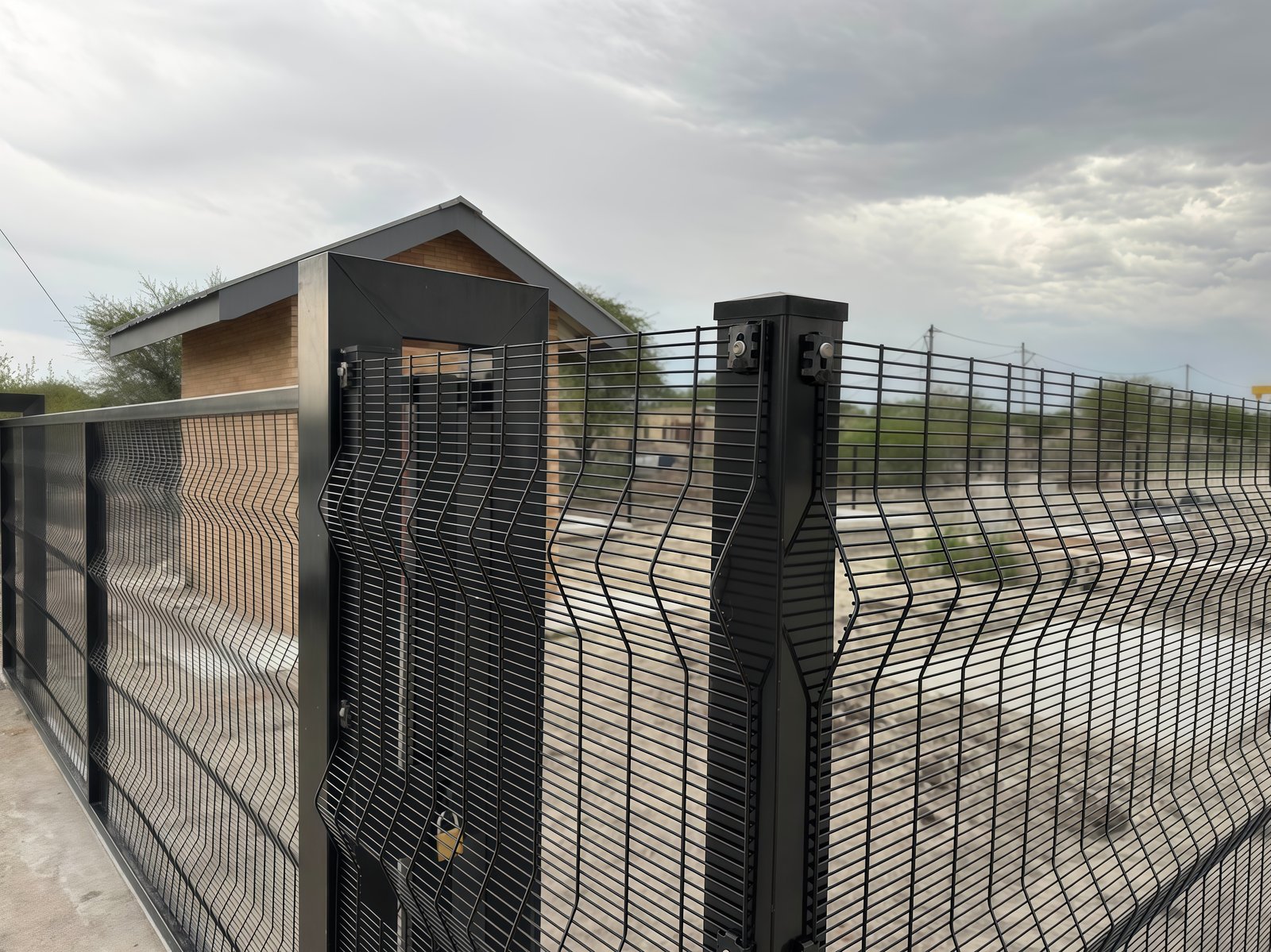
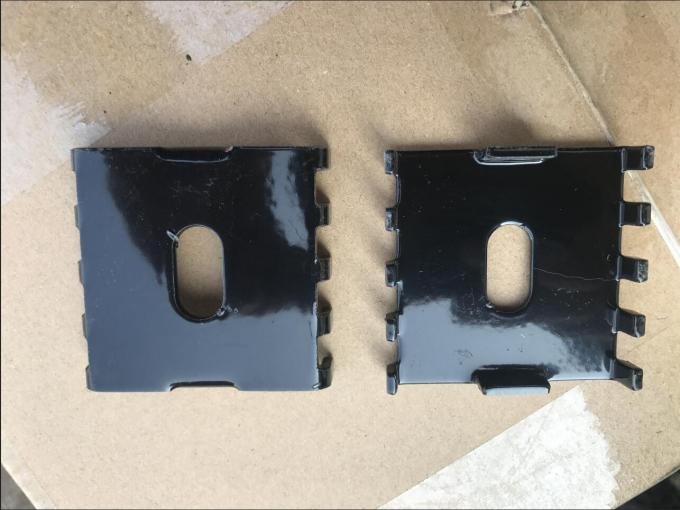
Spider-style clips, flat bars, and other fittings require different hole patterns. ClearVu Fence Clamps should match the post shape and panel edges. A misaligned hole can weaken the connection or damage its finish.
Security bolts may reduce casual tampering, but fastener strength still matters. Installers need access for correct tightening and later inspection. Count corners and terminals separately from intermediate posts.
 |
 |
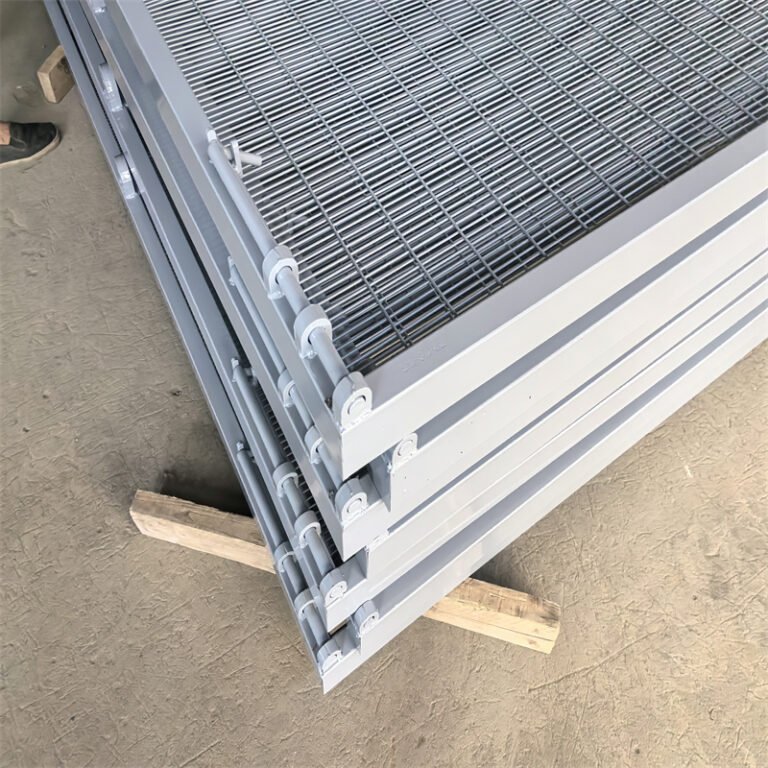
| Steel clamp plates: confirm bolt pitch, plate thickness, and post compatibility. |
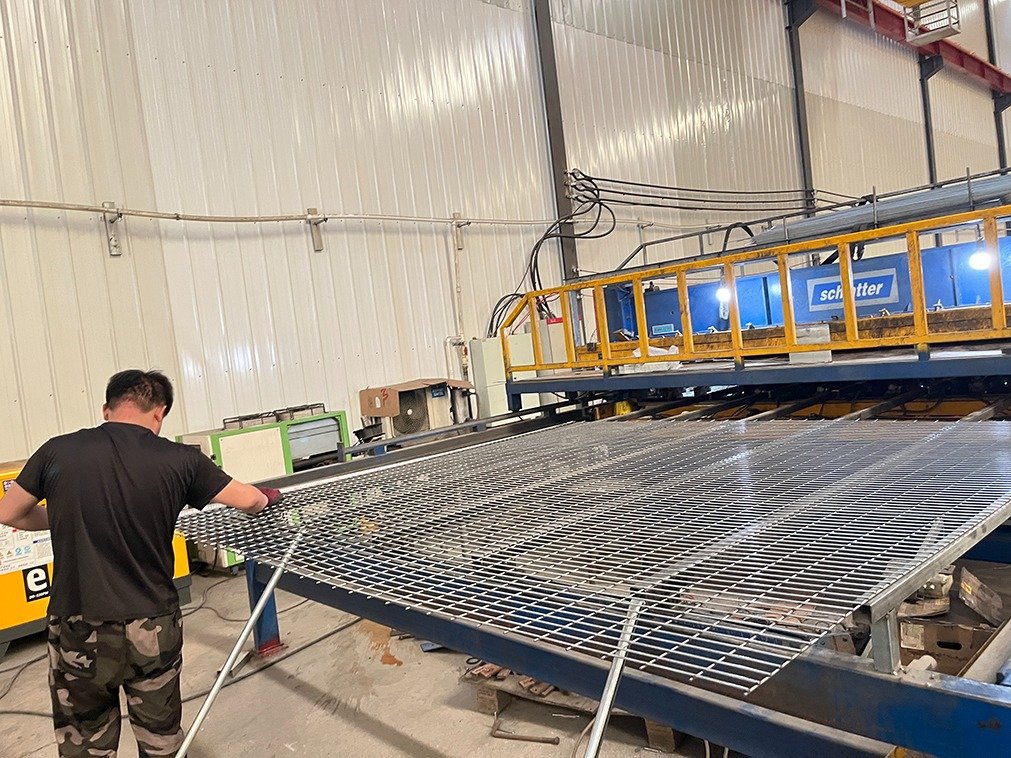
Factory measurement: verify wire size using instruments rather than photographs alone. |
Gates and Access Are Part of the Product Decision
Entrances interrupt the continuous fence and experience repeated movement. A gate frame needs suitable hinges, locks, or sliding hardware. Support posts require independent checking for their specific loads.
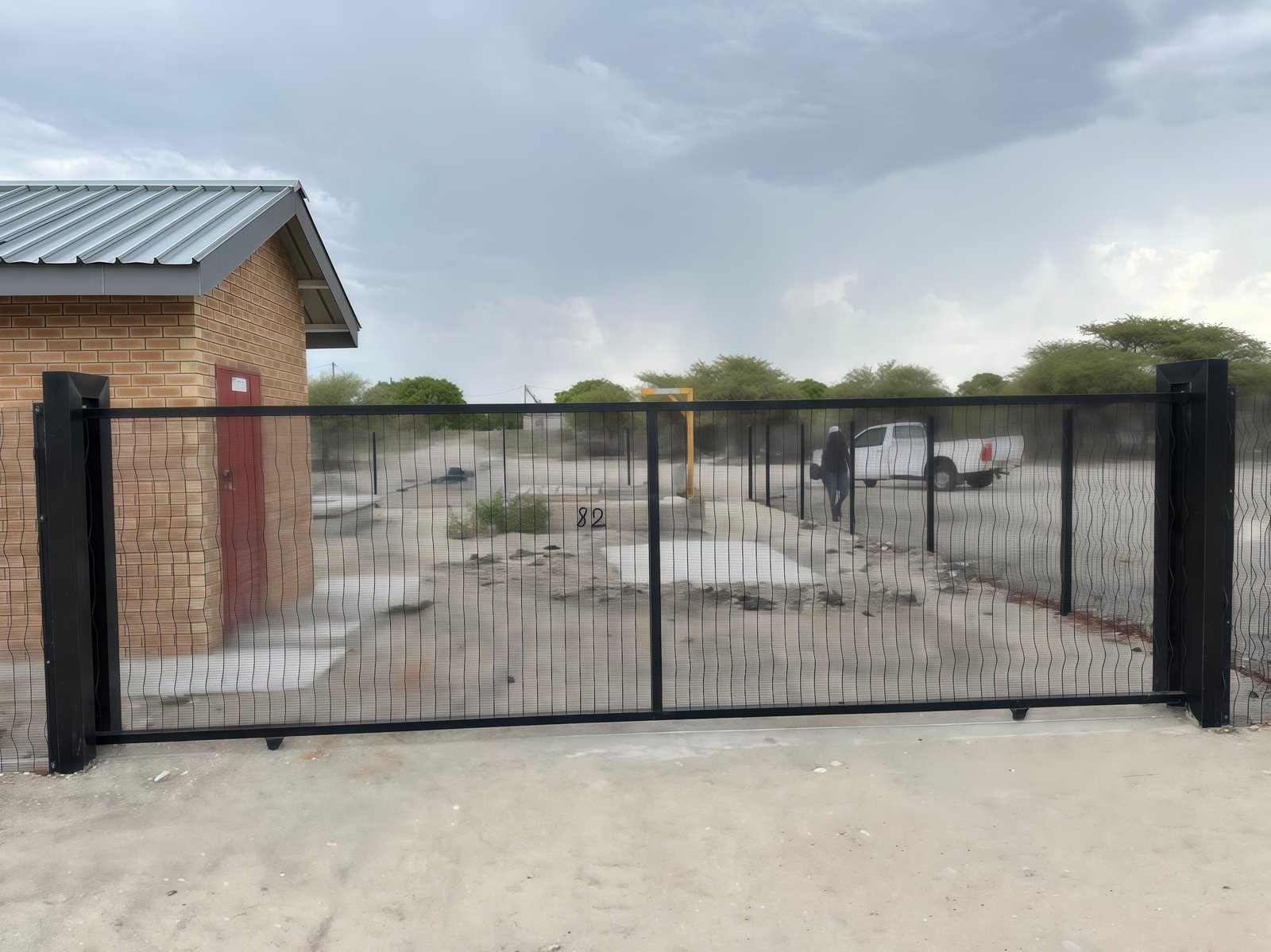
Matching Clear View Fence Gate options can serve pedestrian or vehicle access. Wider locations may use ClearVu Fence Sliding Gates with appropriate travel space. Safe operation depends on the completed entrance design.
ClearVu Fencing Panels Around High-Traffic Entrances
Loading yards need sufficient turning space for trucks and forklifts. A visible fence helps observation but cannot prevent vehicle collisions. Separate bollards may protect exposed gate posts.
Visitors should have a defined pedestrian route away from moving vehicles. Camera coverage needs testing around parked trailers. Operational planning can reduce preventable access problems.
ClearVu Fencing Panels for Different South African Locations
Industrial compounds, residential estates, schools, and public utilities place different demands on boundary design. Security grades should reflect those site risks and operating needs. No single mesh pattern guarantees equal protection everywhere.
Clear View Fencing supports visibly open perimeters for many property types. Higher-risk zones may require layered monitoring and controlled vehicle gates. Public sites may instead prioritize safe edges and supervised access.
School Boundaries and Estate Landscaping
Schools benefit from unobstructed supervision around pedestrian entrances. Residential estates may prefer green or black mesh alongside planted borders. Neither setting should use hazardous toppings without suitable local safety review.
Tall vegetation can obscure cameras and create climbing opportunities. Maintenance teams should keep sightlines open. Safe emergency access remains an important design obligation.
Ports, Factories and Utility Compounds
Marine facilities near Durban can face both salt exposure and heavy vehicle movements. Factories on the Highveld may encounter different dust and rainfall patterns. Both sites require suitable drainage and coating inspection.
Substations introduce additional electrical safety and grounding considerations. A fencing supplier cannot establish those requirements without specialist review. Security should support maintenance workers rather than obstruct their access.
Installation Begins with Post Centres and Ground Levels
Survey boundaries, corners, gate openings, and buried services before any excavation. Finished panel width may differ from the installed post spacing. Wrong centres can prevent otherwise accurate panels from fitting.
A ClearVu Fence Installation Guide explains general assembly and planning tasks. Final foundations still need local engineering. Concrete curing and ground clearances should follow the approved construction drawings.
ClearVu Fencing Panels on Uneven Ground
Stepped panels can follow slopes while keeping individual mesh sheets level. Such changes may create larger lower openings. Design special closing panels before field installation.
Drainage should direct stormwater away from post bases and tracks. Erosion can compromise surrounding ground over time. Check low points after heavy rainfall.
Export Packing That Protects Welds and Coatings
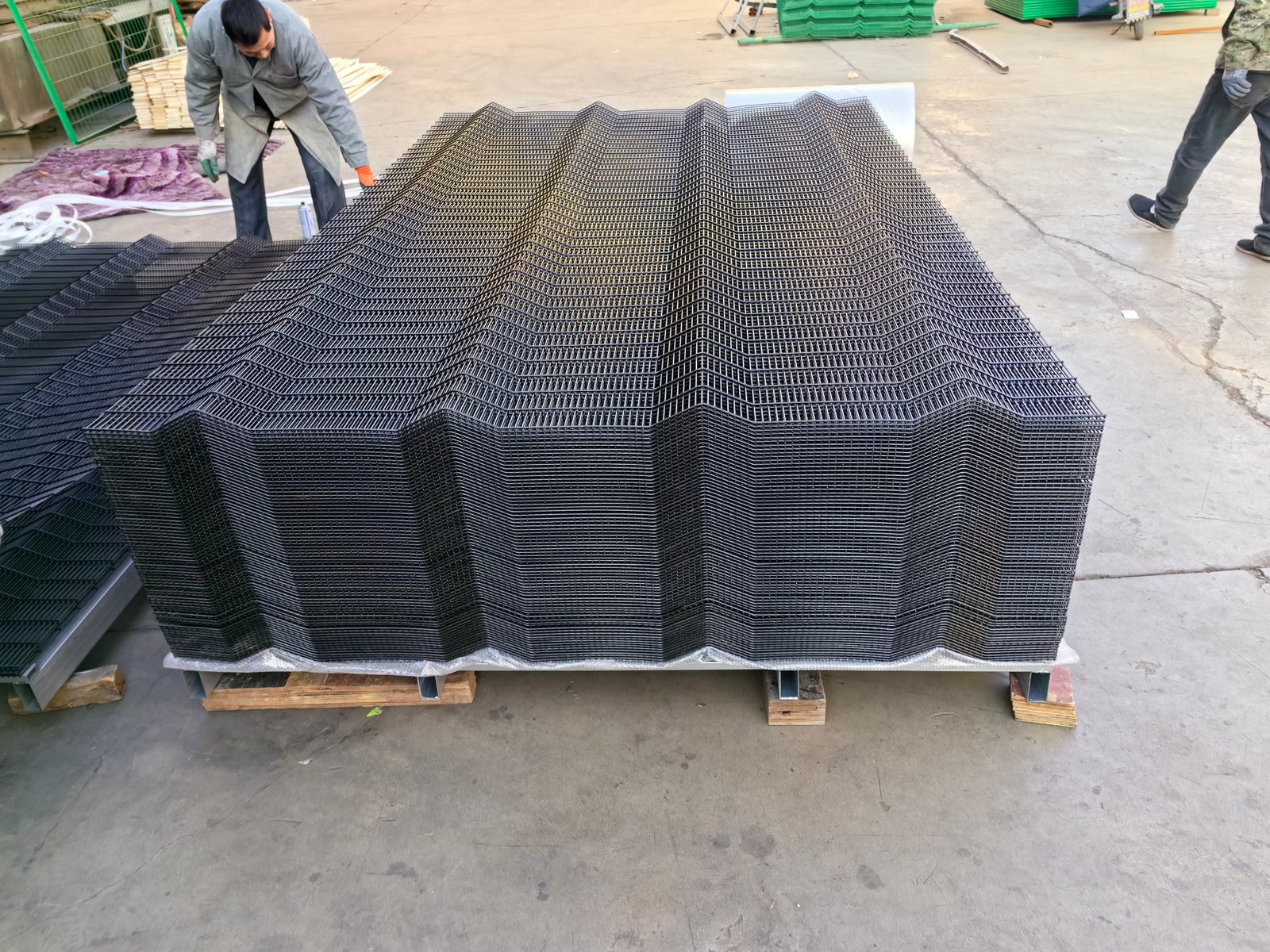
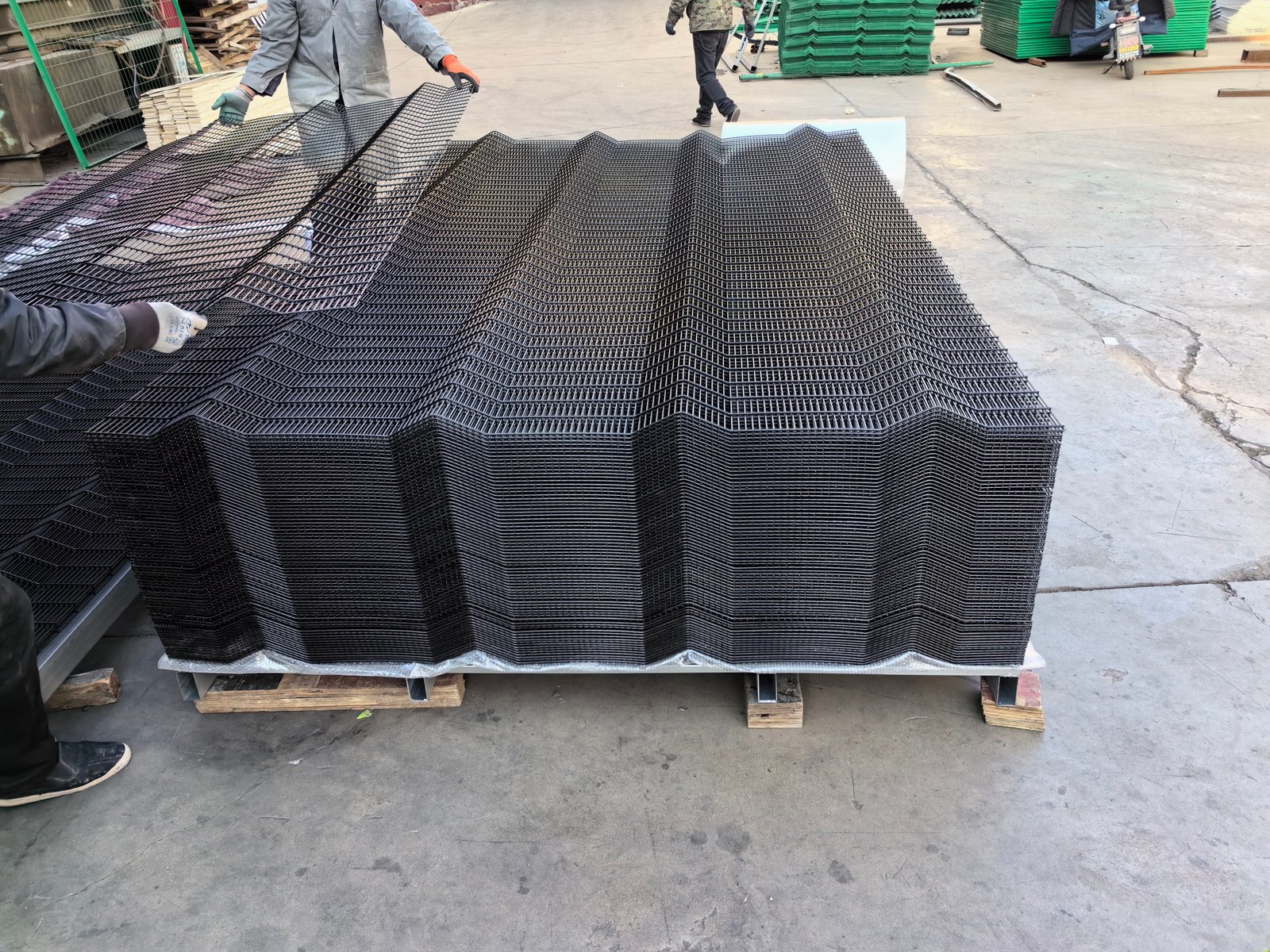
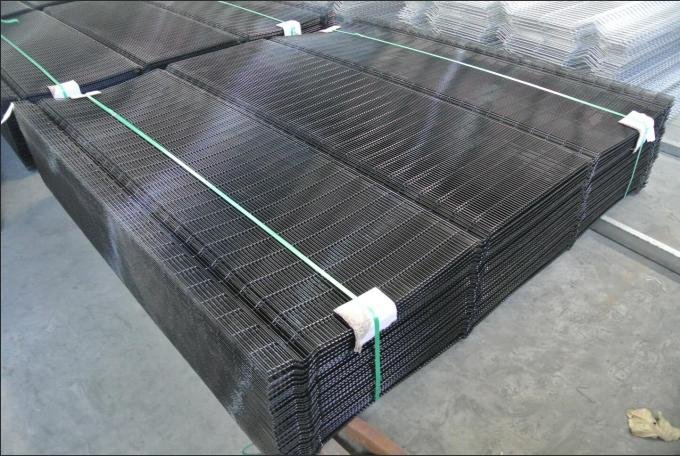
The original packing description includes protective bubble film beneath the first panel. Metal corner plates restrain each pallet, while intermediate layers reduce friction. A top wooden board protects the upper mesh sheet.
Post bundles need suitable caps, film, and strong supports. Accessories travel separately in labelled cartons. The final packing plan should specify quantities and verified gross weights.
 |
 |
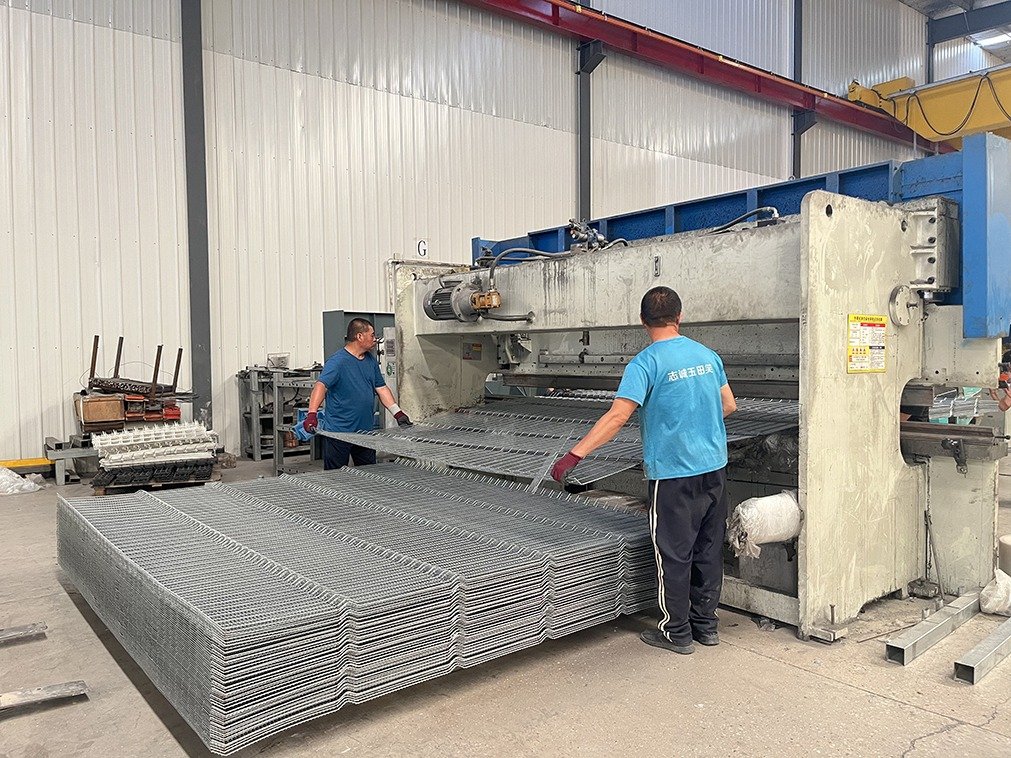
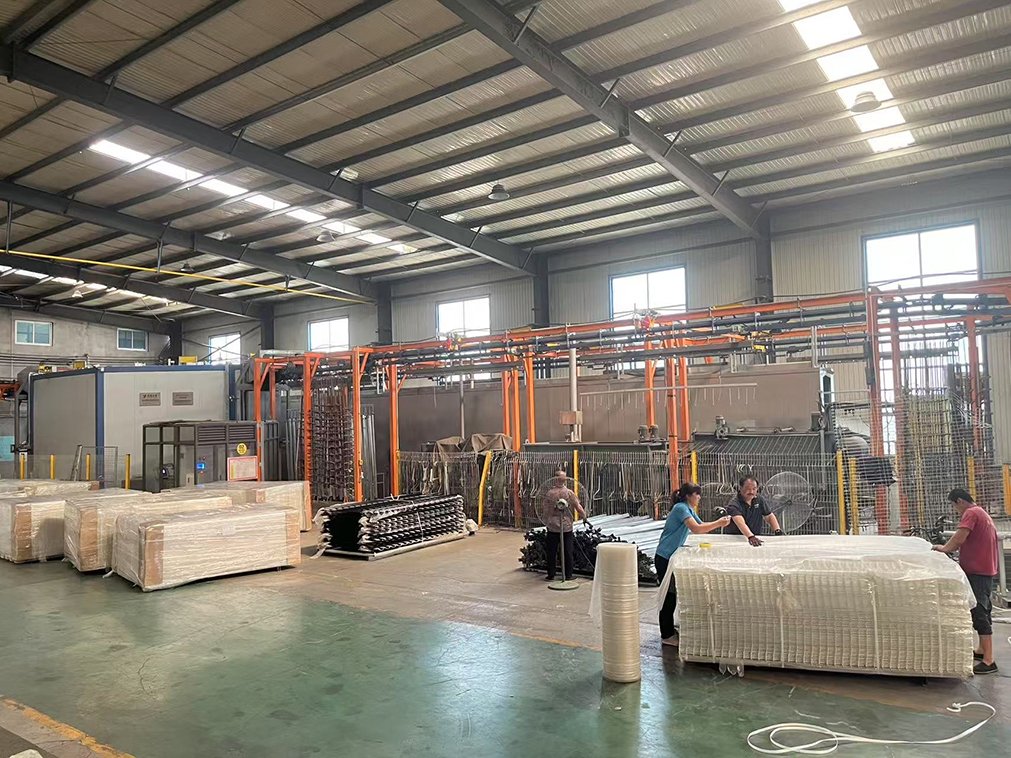
| Panel packing: check strapped bundles, flat stacking, and protective contact points. |
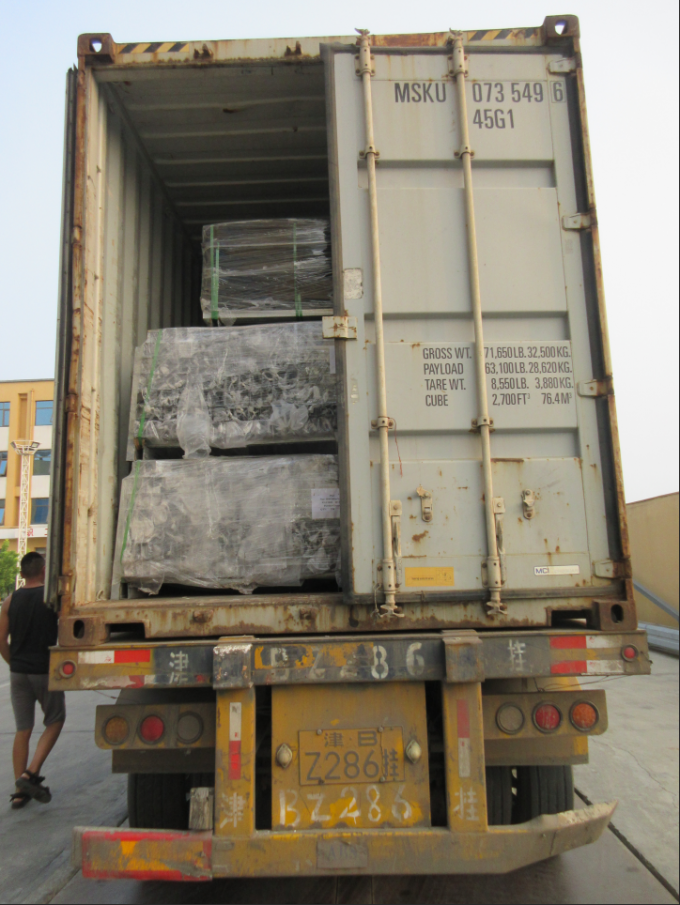
Container loading: check pallet position, restraint, and shipping paperwork. |
ClearVu Fencing Panels: Pre-Shipment Inspection
Inspect finished panel dimensions, coating condition, and matching post quantities before dispatch. A sample fitting check can reveal clamp compatibility issues. Loading photos help document packed condition.
Commercial invoices and packing lists must agree with actual shipments. Receiving teams should inspect any transit damage promptly. Keep project drawings available for replacement parts.
Compare Complete Fencing Systems Rather Than Appearance
Other steel barriers may use closely formed mesh or tubular pickets. Corromesh illustrates another security mesh design with its own geometry. By contrast, Garrison Security Fencing relies on vertical steel pickets and rails.
Construction stages sometimes need Temporary Construction Fencing before permanent posts reach completion. Portable frames serve different requirements from engineered security barriers. Their stability should match the intended temporary use.
ClearVu Fencing Panels Versus a Security-Rated System
A catalogue high-security label describes product intent, not a verified forced-entry classification. Independent tests should identify the complete panel, post, and fixing assembly. Buyers must request evidence whenever a project specifies formal performance.
Surveillance and access controls should support the physical perimeter. Wind or vegetation may influence fence-mounted alarm systems. Site commissioning needs to account for local operating conditions.
ClearVu Fencing Panels: A Practical Ordering Checklist
An accurate inquiry includes more than fence length. Provide panel grades, site levels, gates, and finishing requirements. Confirm which components the supplier includes before comparing quotations.
- Specify high, medium, or low mesh pitch with both wire diameters.
- Identify panel height, length, V-bends, and installed post centres.
- Choose post profiles, caps, clamp bars, bolts, and corner arrangements.
- Confirm material grades, zinc treatment, polymer finish, and RAL colour.
- Provide pedestrian, swing, and sliding gate drawings.
- Share coastal exposure, drainage, slopes, and structural requirements.
- Request inspection records, pallet dimensions, and component quantities.
- Confirm the destination port, freight scope, and warranty terms.
What the BMP Warranty Covers
BMP offers a 15-year manufacturer warranty for ClearVu and Clearview products under applicable written terms. Coverage depends on the selected system, installation, and maintenance conditions. The original article's 25-year claim should not replace the agreed warranty.
Coating performance also varies between exposure environments. Obtain the written warranty before ordering. Keep certificates and approved drawings for future reference.
ClearVu Fencing Panels from BMP: Match the Right Grade to the Site
Boss Metal and Plastic Co., Ltd. manufactures welded security mesh with coordinating posts, clamps, and gates. Its high, medium, and low catalogue options provide different geometry and material use. Each project should follow one confirmed technical schedule.
Buyers may compare ClearVu Fencing Specifications with the planned bill of materials. Regional ClearVu Fence Panels offer related BMP export references. Confirm drawings, coating details, quantities, and delivery terms before manufacture.