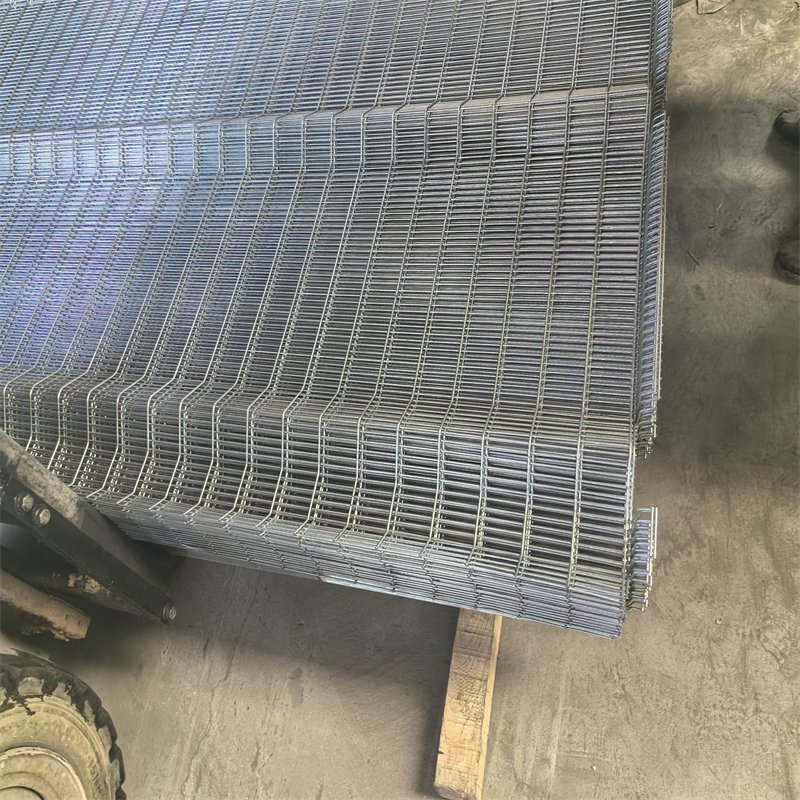
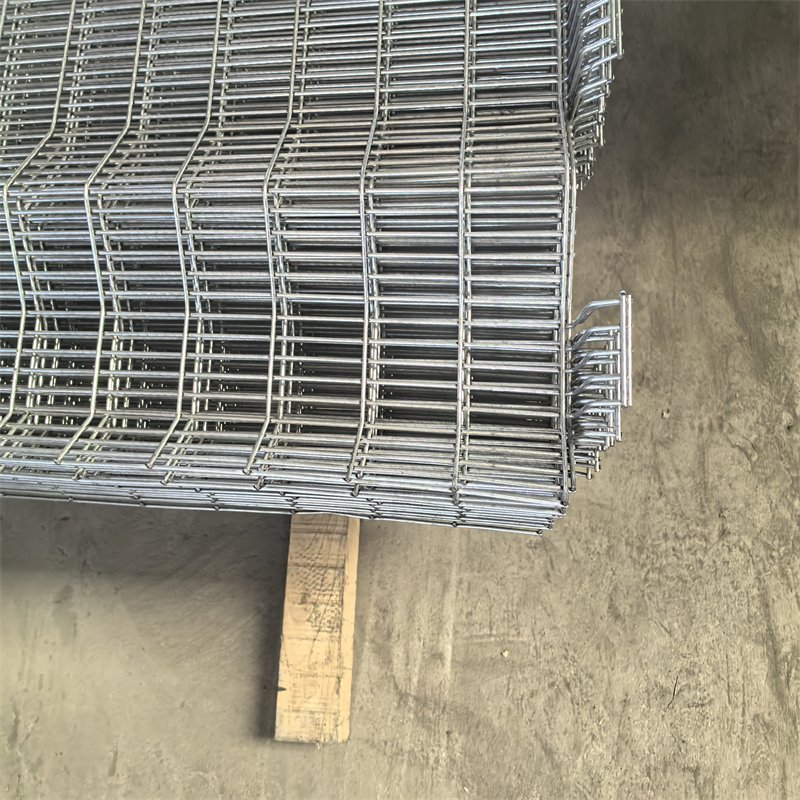
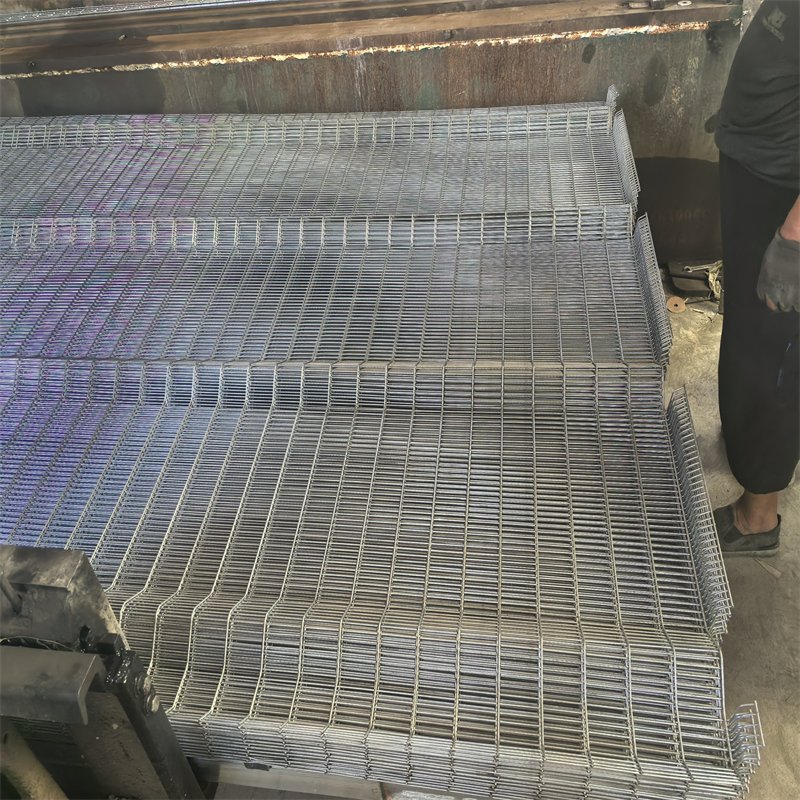
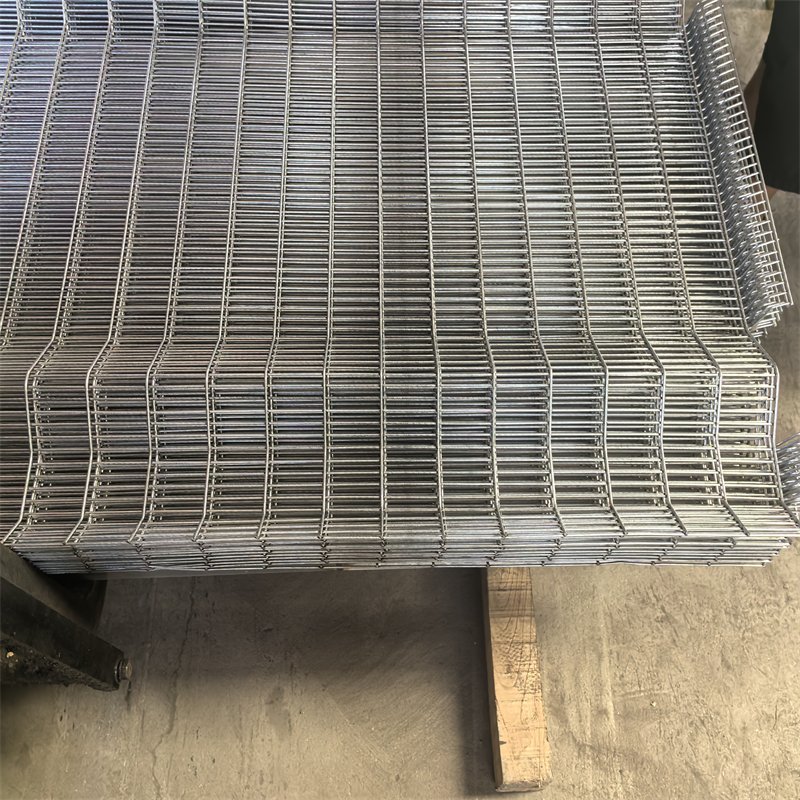
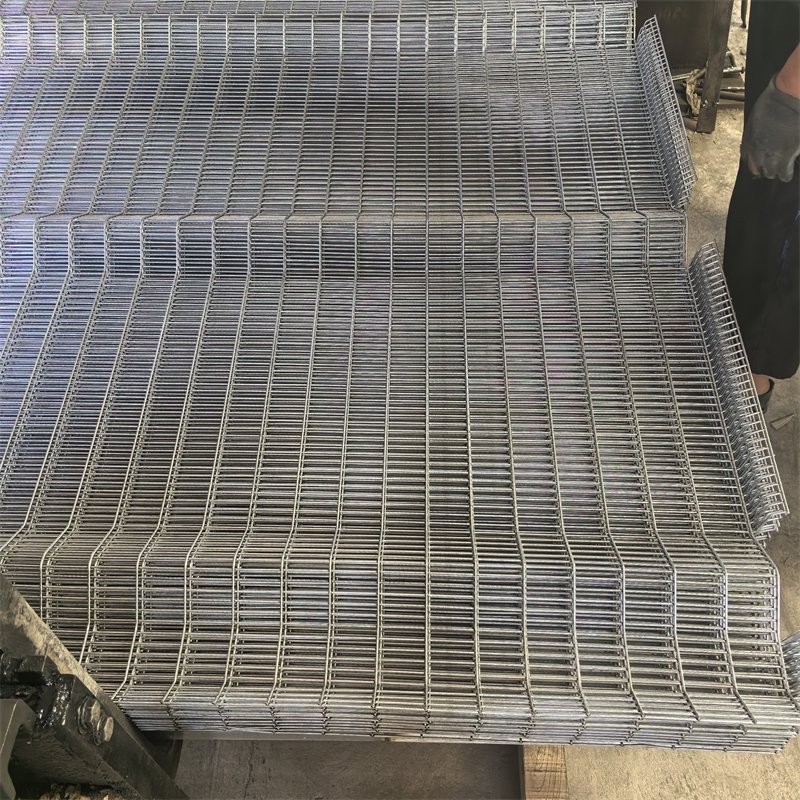
A see-through fence creates a secure perimeter while preserving clear views across the boundary. Its closely spaced welded steel wires discourage climbing and restrict useful handholds. The open design supports surveillance, daylight, and a modern architectural appearance. Buyers can select different mesh openings, heights, posts, and protective coatings.
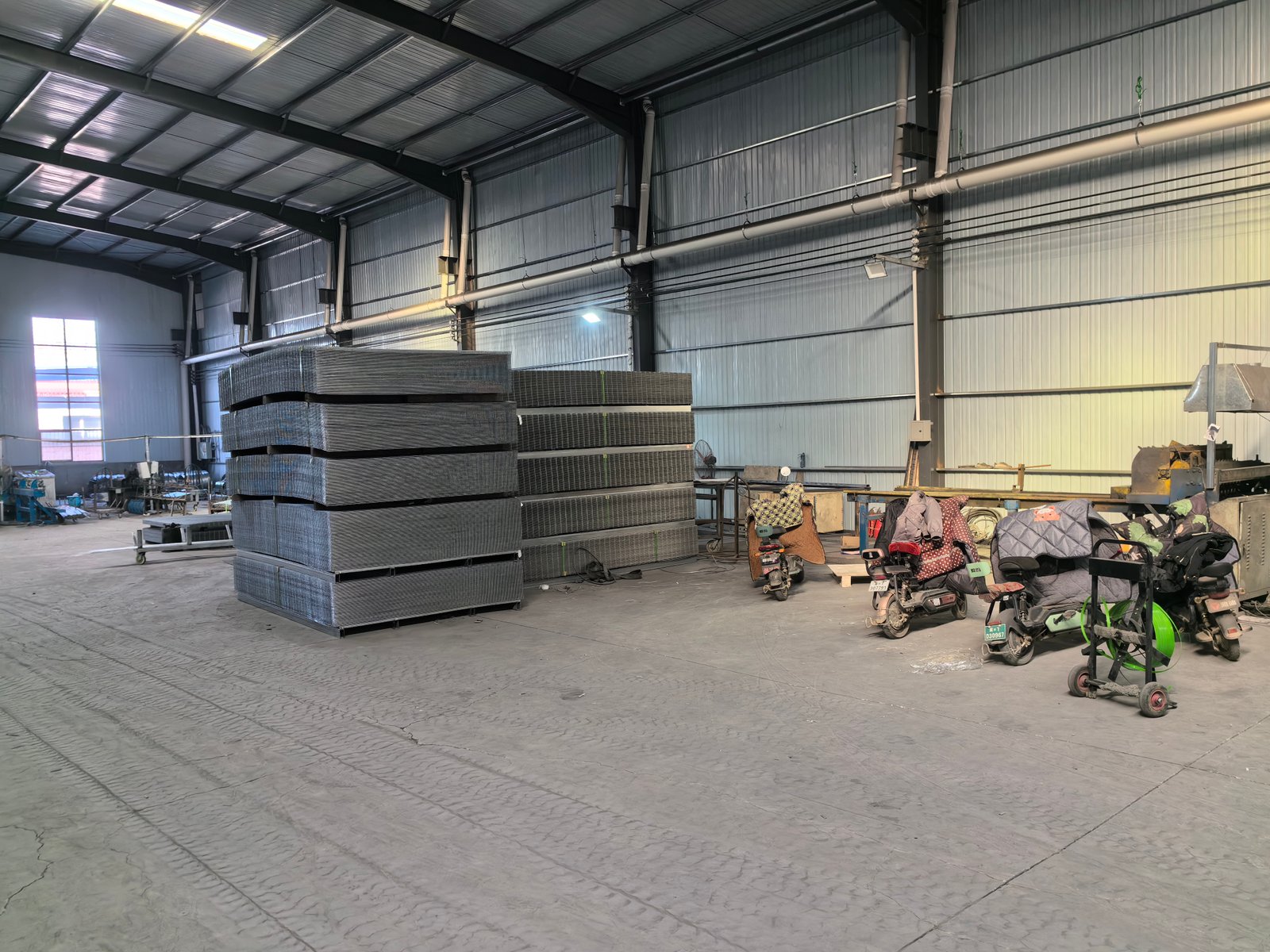
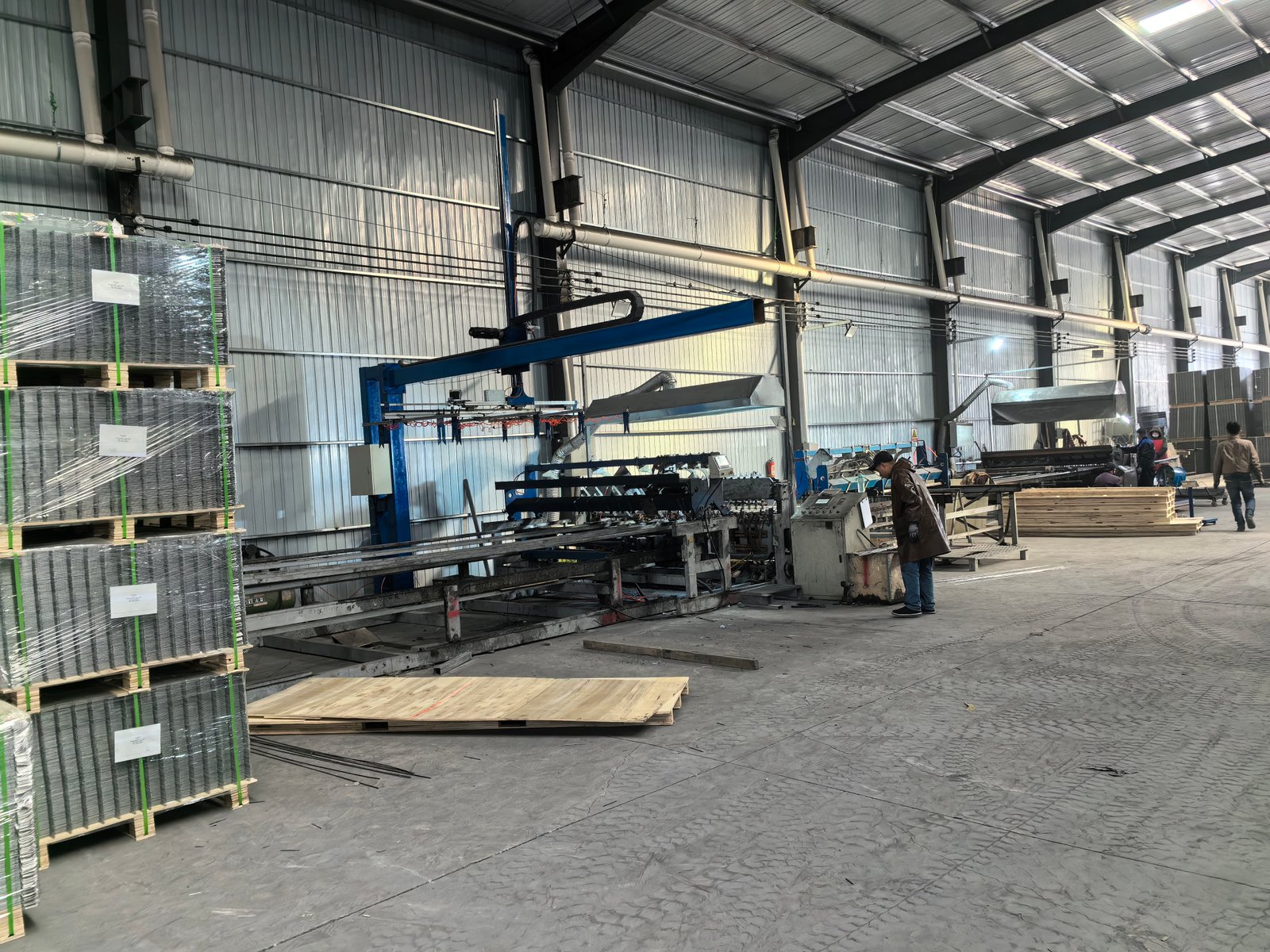
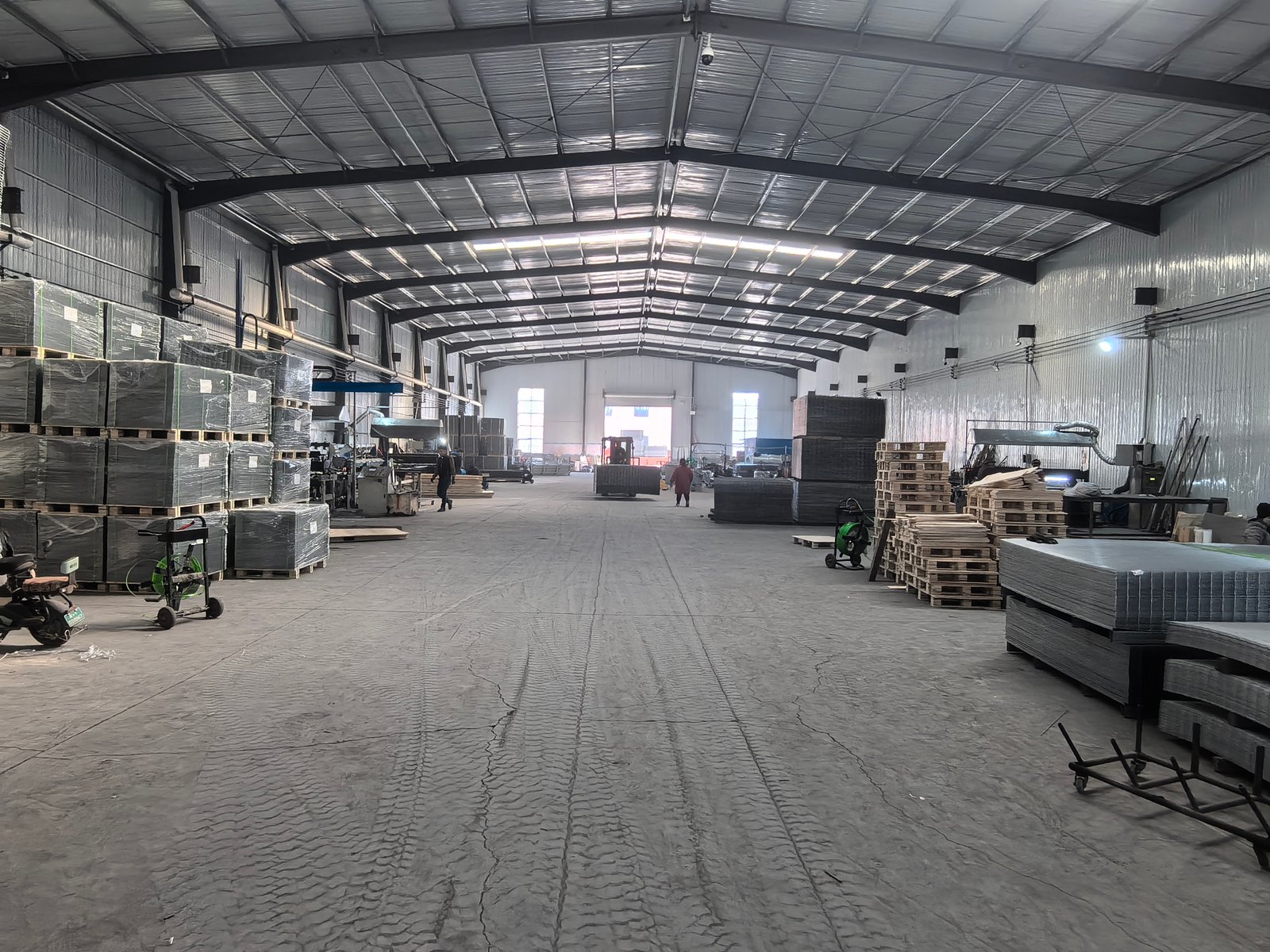
Boss Metal and Plastic Co., Ltd. manufactures security mesh fencing in Anping, Hebei, China. Our factory supports South African distributors, contractors, and project buyers with drawings and export packaging. We manufacture mesh panels, posts, and compatible fixing accessories. Product selection should reflect security risks, environmental exposure, and installation conditions.
What is a see-through fence?
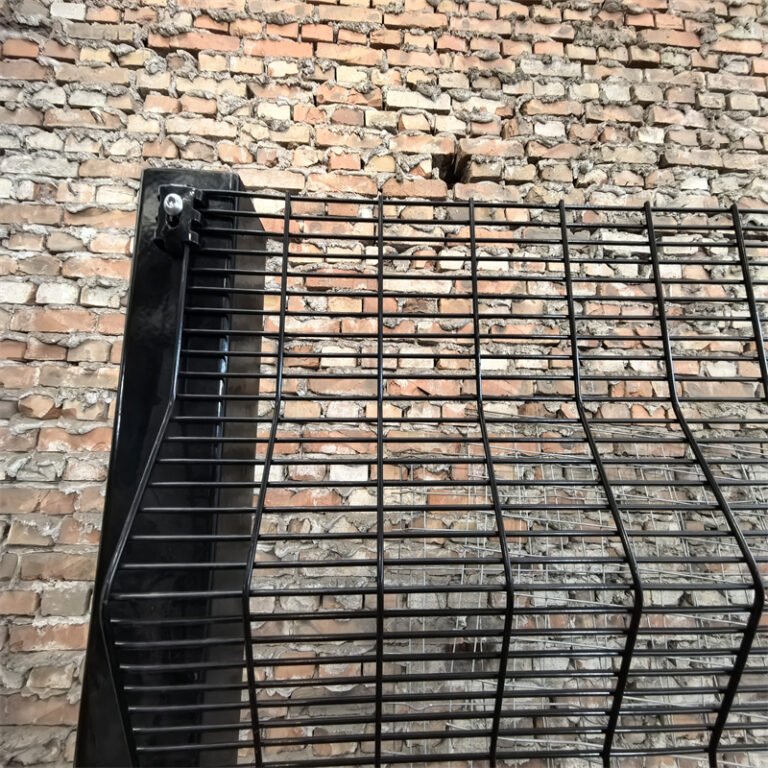
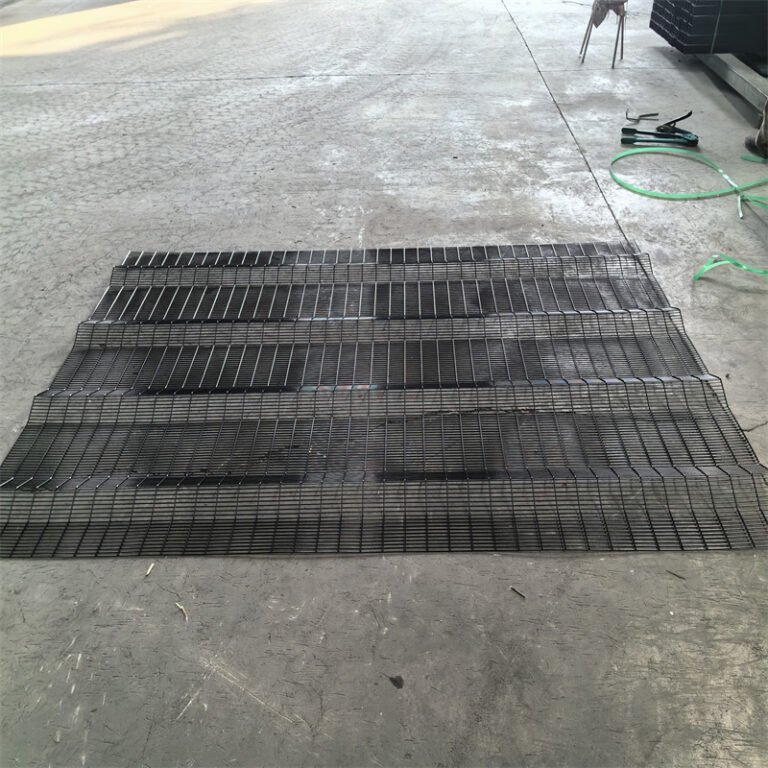
A see-through fence uses welded steel wires to form a strong yet visually open boundary. The closely spaced mesh offers fewer climbing footholds than many conventional fence designs. Security personnel can observe movements through the barrier without relying on solid walls. The panels can also support compatible surveillance and intrusion-detection systems.
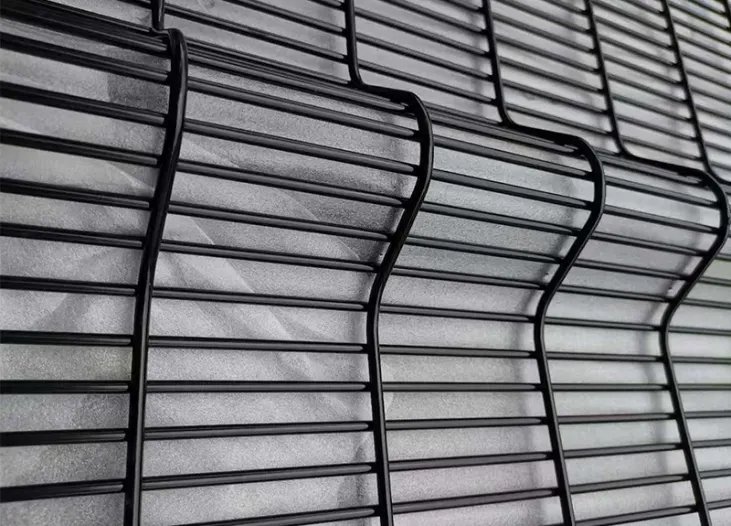
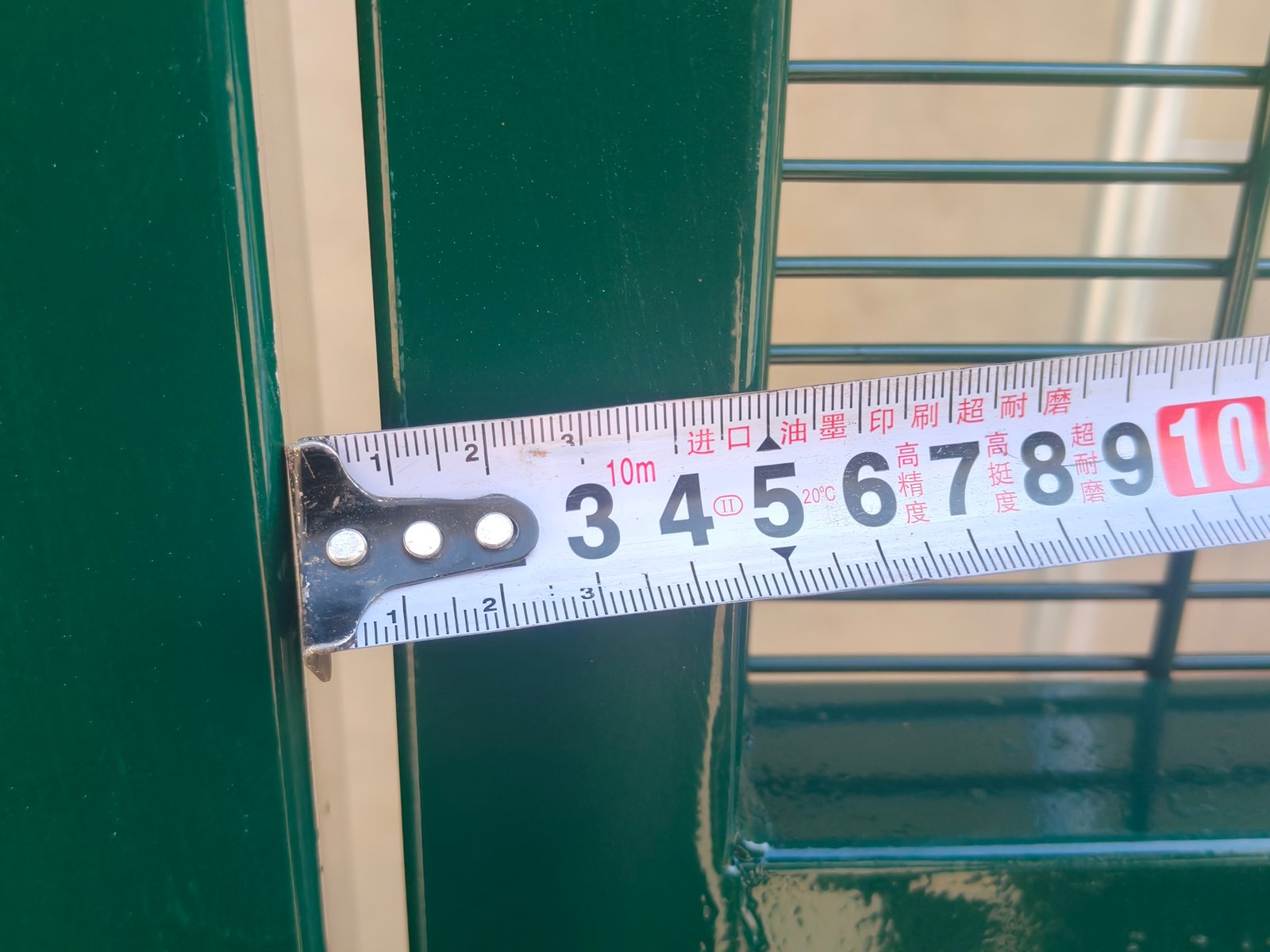
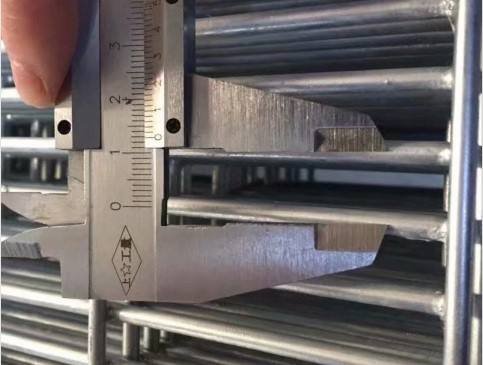
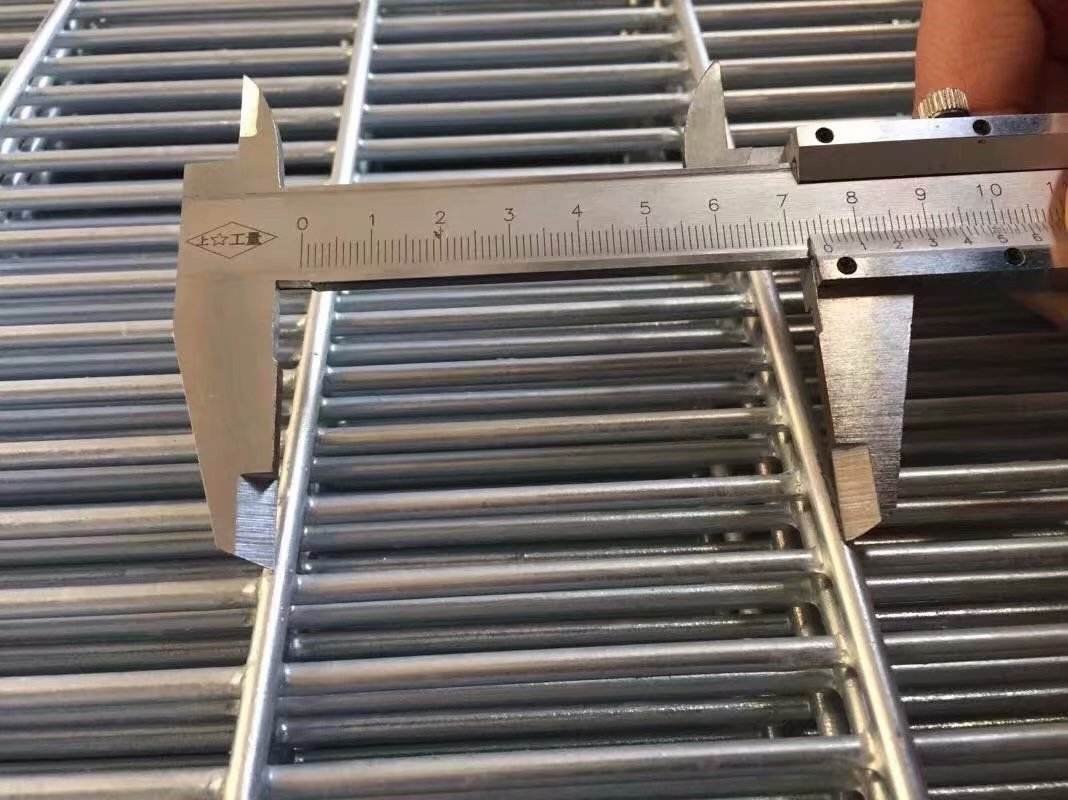
The common 358 configuration uses an aperture measuring approximately 76.2 × 12.7 mm. Its nominal wire diameter measures about 4 mm. The term 358 describes three inches, half an inch, and eight-gauge wire. Different wire sizes and mesh pitches create other security grades.
See-through security mesh combines a narrow aperture with clear sightlines. Panel height and wire diameter determine each project's specification.
How 358 welded mesh protects a perimeter
Dense wire spacing restricts finger access and makes simple climbing attempts harder. Welded intersections distribute loads across the panel. The wires also reduce access for conventional hand-cutting tools. However, actual resistance depends on wire strength, tools, fixing details, and attack duration.
Security planners should consider the complete system rather than the mesh alone. Posts, foundations, gate hardware, and corners can create vulnerable points. A suitable barrier combines correctly sized steel components with secure installation.
See-through fence anti-climb benefits
Limited fingerholds and footholds discourage climbing.
Open mesh supports visibility for guards and cameras.
Welded intersections help maintain panel rigidity.
Steel posts and anti-tamper fixings secure panel connections.
Optional toppings add deterrence where local regulations permit.
Multiple mesh grades support residential and infrastructure projects.
Surface protection helps control corrosion and maintenance demands.
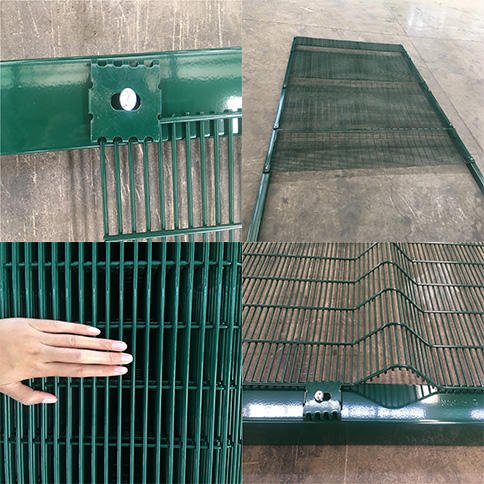
The mesh configuration provides an open view through the security barrier. Narrow openings help discourage unauthorized climbing.
See-through fence specifications
Panel sizes, wire diameters, mesh pitch, and post profiles can vary across projects. The reference table preserves common specifications from our product range. Buyers should confirm exact drawings and dimensional tolerances before production.
Steel clamps, flat bars, bolts, security nuts, post caps
Surface options
Post-fabrication hot-dip galvanising; pre-galvanised wire with polyester coating; galvanised steel with thermoplastic coating
Panel dimensions and mesh apertures
Common panel sizes include 1800 × 2400 mm, 2100 × 2400 mm, and 2400 × 2400 mm. Other reference options include 2475 × 3100 mm and 2200 × 2800 mm. The first dimension represents panel height in these examples.
Typical post options include 60 × 60 × 2.0 mm and 60 × 80 × 2.0 mm. Other wall thicknesses include 2.2 mm and 2.5 mm. Engineers should calculate post spacing, embedded length, and foundations for each installation.
Panel width, height, and wire diameter affect rigidity, handling, and installation. Confirm dimensions against approved project drawings.
See-through fence coating options
Protective coatings influence appearance, corrosion resistance, maintenance requirements, and suitability for coastal locations. South African projects may face strong sunlight, salt exposure, seasonal rainfall, or industrial pollutants. Select each finish after assessing these conditions.
The main choices include pre-galvanised wire, polyester powder, thermoplastic coating, and post-fabrication hot-dip galvanising. Some projects combine zinc protection with a compatible polymer topcoat. No single coating thickness suits every process or site.
Pre-galvanised wire
Pre-galvanised fencing starts with zinc-coated wire before mesh welding. This approach supports efficient production and economical project specifications. Welding may affect zinc protection around individual intersections. Buyers should agree on weld protection, coating mass, and inspection requirements.
Several designs use pre-galvanised panels with a later powder-coated finish. Product drawings should clarify the coating process before fabrication.
See-through fence polyester powder coating
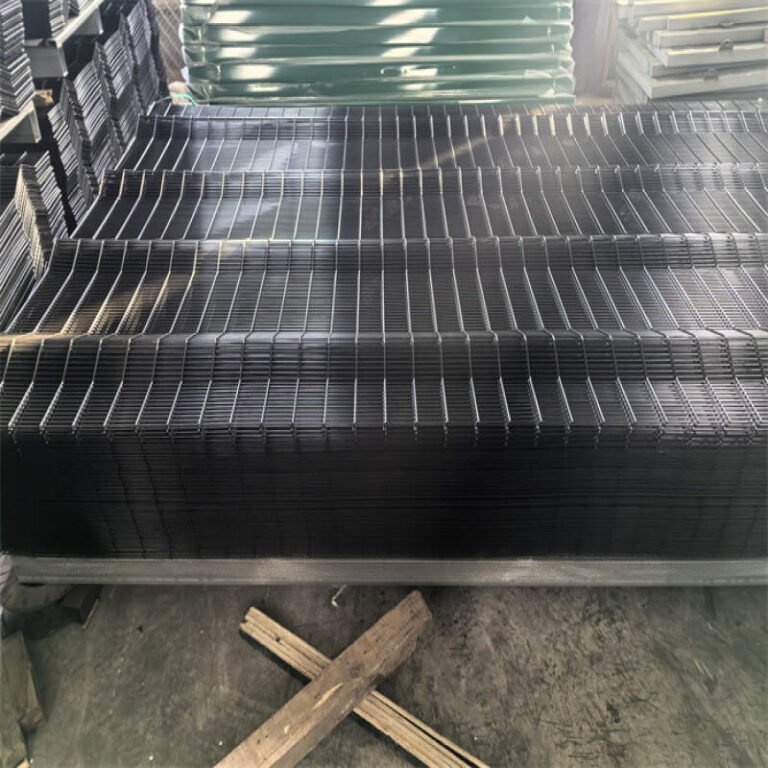
Polyester powder coating adds colour and a protective surface layer. Popular finishes include green, black, grey, and project-specific RAL colours. UV exposure and humidity influence the selection of the powder formulation.
Surface preparation strongly affects coating adhesion and durability. Confirm pretreatment, film thickness, curing controls, and coating inspection methods. The Powder Coated Clear View Fence range includes several security grades and colours.
Thermoplastic and PVC finishes
Thermoplastic coatings form a polymer barrier around compatible prepared steel components. Some systems offer impact resistance and strong protection in demanding environments. Performance varies by formulation, preparation, coating thickness, and installation damage.
Buyers should distinguish thermoplastic coating from polyester powder coating. Both processes require appropriate pretreatment and quality controls. Request the manufacturer's technical data before selecting a particular coating system.
See-through fence hot-dip galvanising
Post-fabrication hot-dip galvanising immerses prepared steel components in molten zinc. The process can protect welded joints and other accessible surfaces. Coating quality depends on component design, steel chemistry, and process control.
The original product description mentions a 165-micron zinc coating. Treat this value as a project-specific target, not a universal minimum. Buyers should confirm the applicable standard, thickness requirements, and measured results.
Coastal projects may benefit from a compatible galvanised and coated duplex system. Regular inspections remain important around scratches, welds, and fasteners.
Finish selection should reflect corrosion exposure and maintenance plans. Ask for coating documentation rather than relying on colour alone.
Posts, clamps and foundations
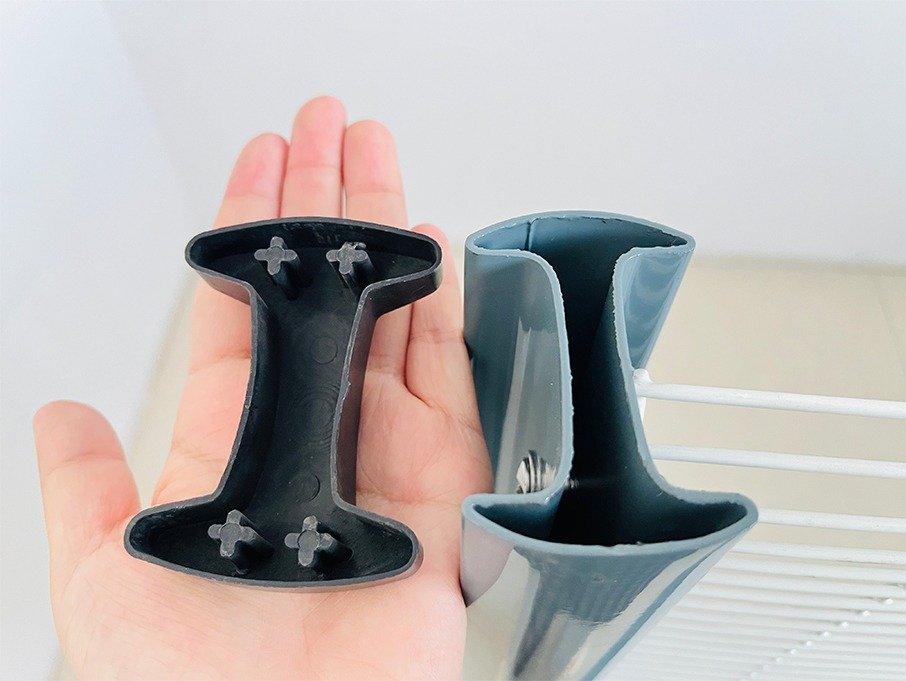
A panel needs compatible posts and secure clamps to form a reliable boundary. Square posts, C posts, and H posts serve different fixing arrangements. The final choice depends on height, wind loading, foundation conditions, and access requirements.
Ground-embedded posts suit many open-site installations. Base-plate posts support suitable concrete plinths and engineered structures. Site engineers should approve anchoring methods and foundation details.
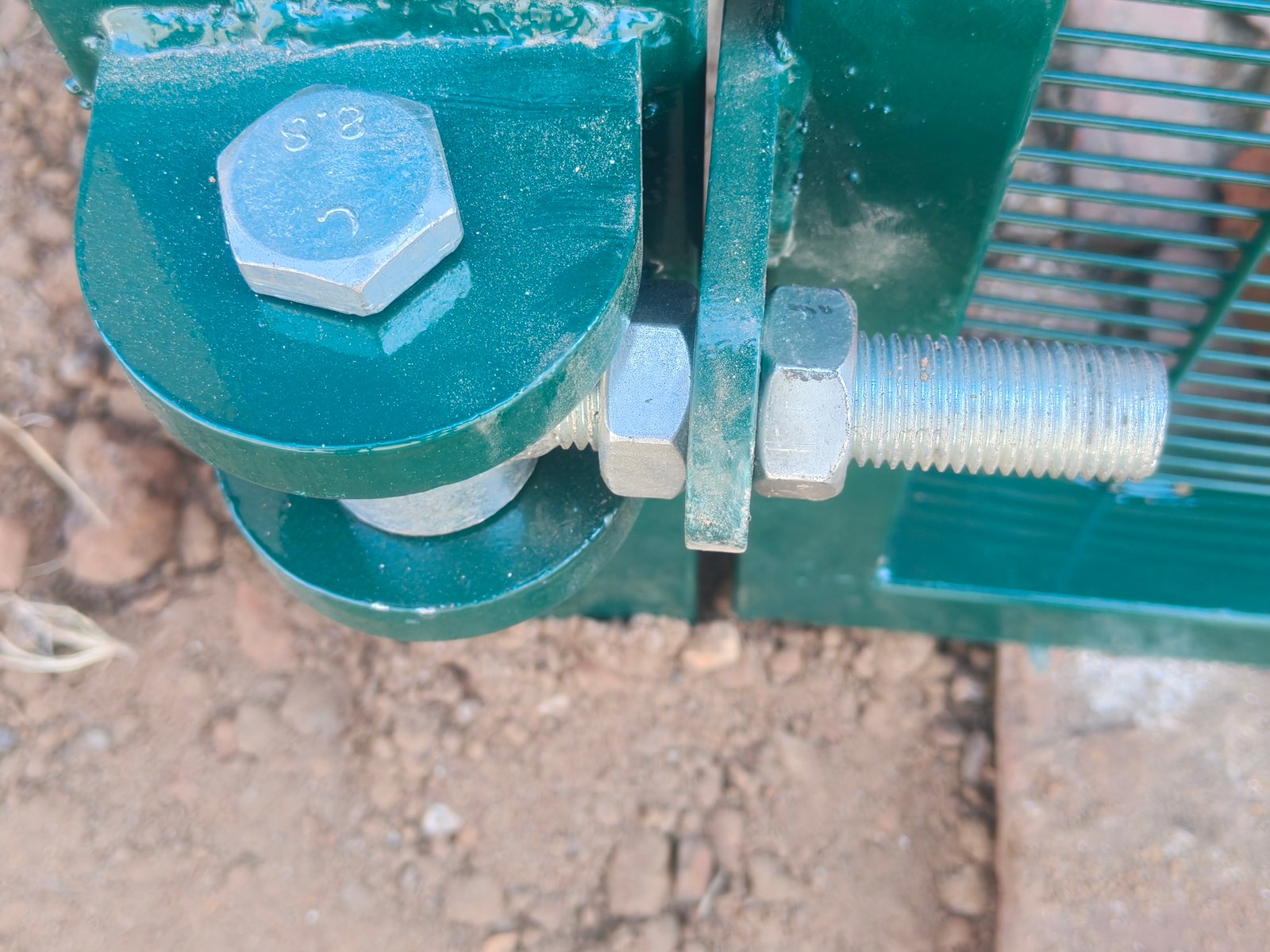
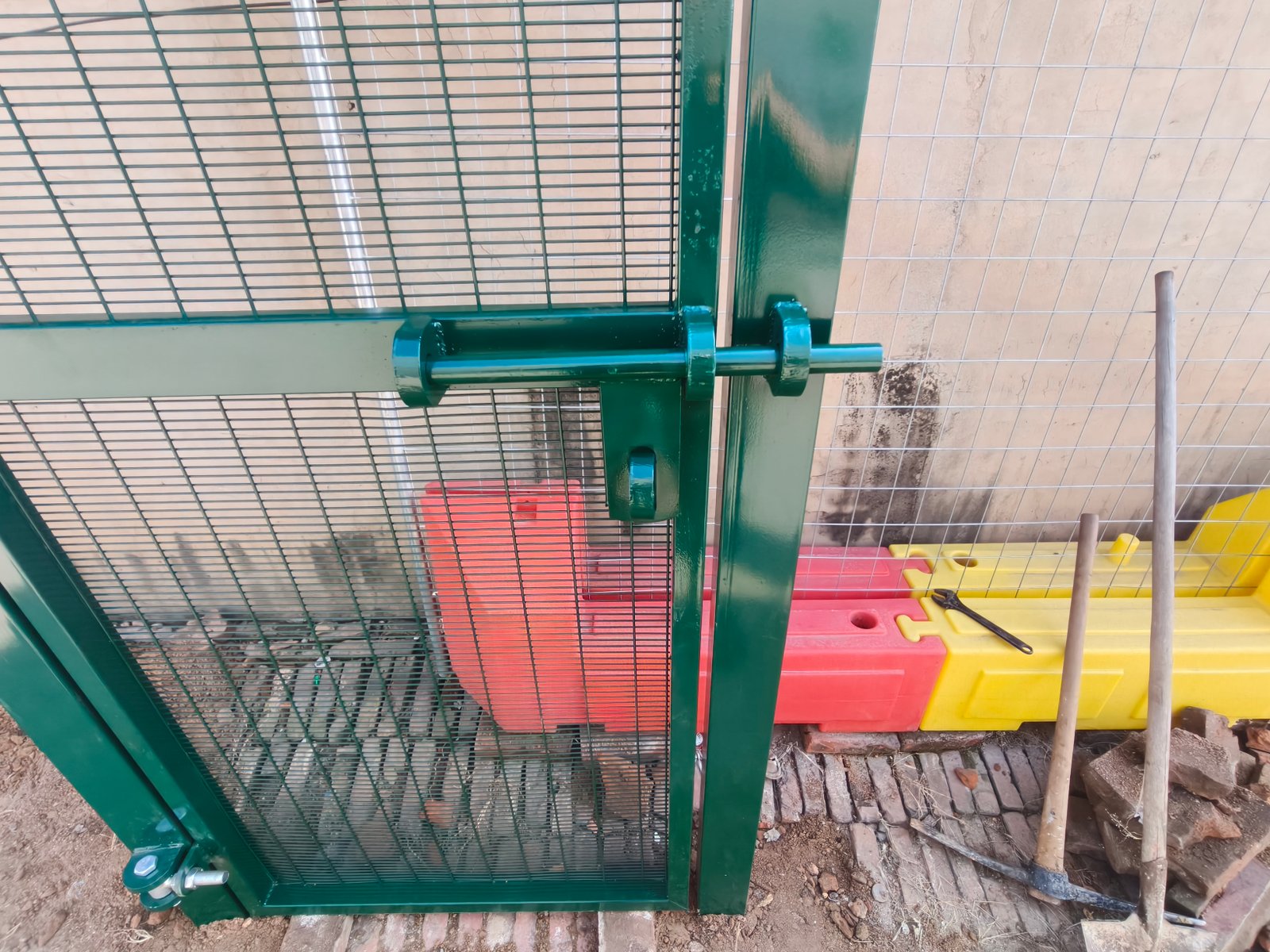
Clamps and flat bars hold mesh panels against structural posts. Security nuts and tamper-resistant fasteners help discourage casual removal. Installers must follow the approved fixing sequence and tightening requirements.
Post caps also help protect open tube ends from water and debris. See Clearvu Fence Clamps for related fixing components.
See-through fence applications
This system works across residential, commercial, institutional, and critical infrastructure environments. Each project requires a suitable security grade and installation design. High-risk locations may require additional surveillance or access control.
Warehouses, distribution yards, and factories.
Residential estates, gardens, and gated communities.
Schools, universities, hospitals, and sports grounds.
Power stations, substations, and utility compounds.
Airports, railway corridors, and transport facilities.
Government facilities and correctional institutions.
High-security panels normally use smaller apertures and carefully secured fixings. Wider mesh may suit residential boundaries and landscaping. Wire diameter, panel folds, and post strength also influence the complete design.
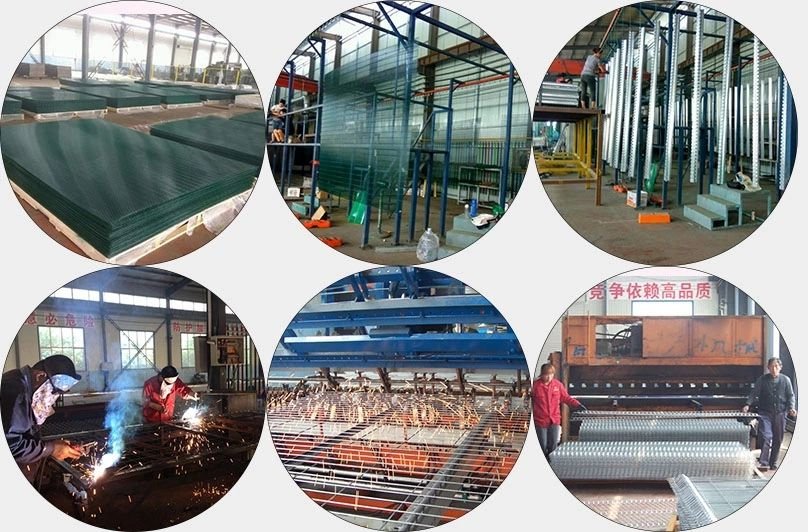
Factory production requires consistent wire spacing, welding, and handling. Inspection plans should cover mesh dimensions and coating quality.
See-through fence installation steps
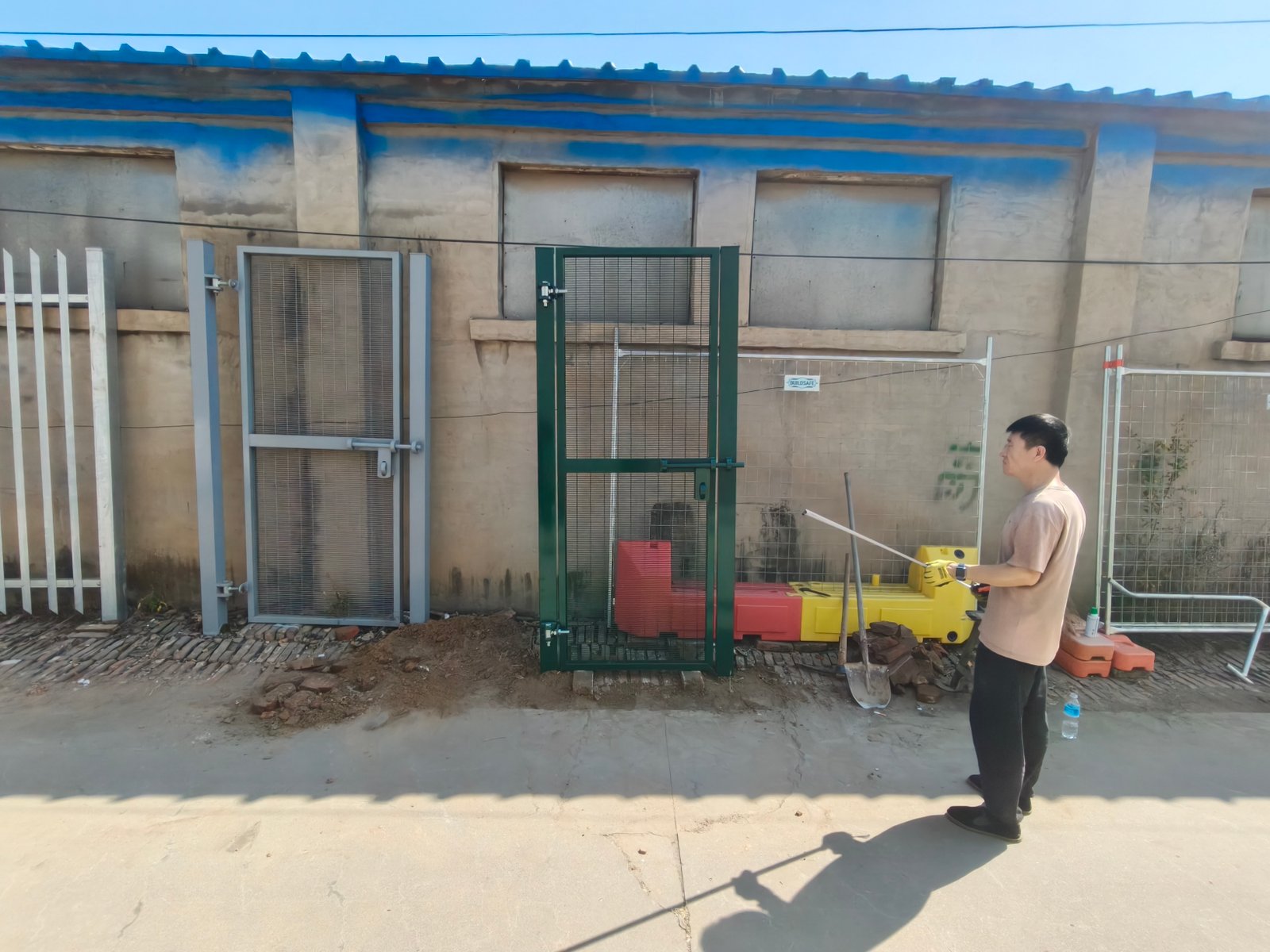
Proper installation begins with site measurements and an approved layout. Confirm fence lines, underground services, access points, and ground levels. Then calculate panel quantities, post positions, and required fixing components.
Survey the perimeter and identify changes in ground level.
Confirm panel dimensions, post spacing, and gate openings.
Prepare foundations using approved structural requirements.
Position posts and check vertical alignment.
Attach panels using the specified clamps and bolts.
Check panel joints, gates, corners, and security fasteners.
Repair coating damage using the approved procedure.
Record final inspections and maintenance instructions.
Sloping ground can require stepped panels or carefully designed changes in elevation. Plan transitions before manufacturing to avoid unnecessary site cutting. Gate openings need adequate foundations, clearance, and durable access hardware.
For powered entrances, review Clearvu Sliding Gates. A qualified specialist should confirm safety devices and motor requirements.
See-through fence quality control
Buyers should approve drawings, coating specifications, and material requirements before production starts. The inspection plan should cover both finished panels and accessories. Measured results help reduce disputes during delivery and installation.
Our factory can coordinate dimensional checks, visual inspections, and export packing reviews. Project-specific tests require prior agreement and suitable documentation.
Weld, coating and packaging inspection
Check wire diameter, aperture spacing, and panel dimensions.
Examine welded intersections for visible manufacturing defects.
Measure post profiles and relevant material thicknesses.
Review coating appearance, coverage, and agreed thickness targets.
Verify clamps, bolts, nuts, and post caps against packing lists.
Inspect wrapping, pallet restraint, and loading arrangements.
Organised packing protects panels during export handling. Pallet design should match panel weight and container loading requirements.
See-through fence shipping and packing
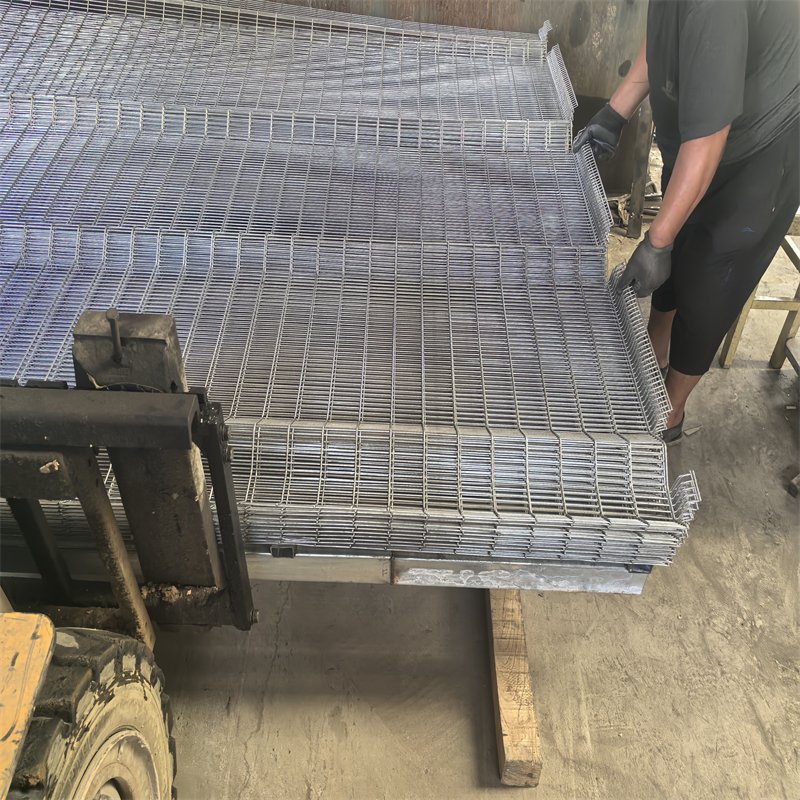
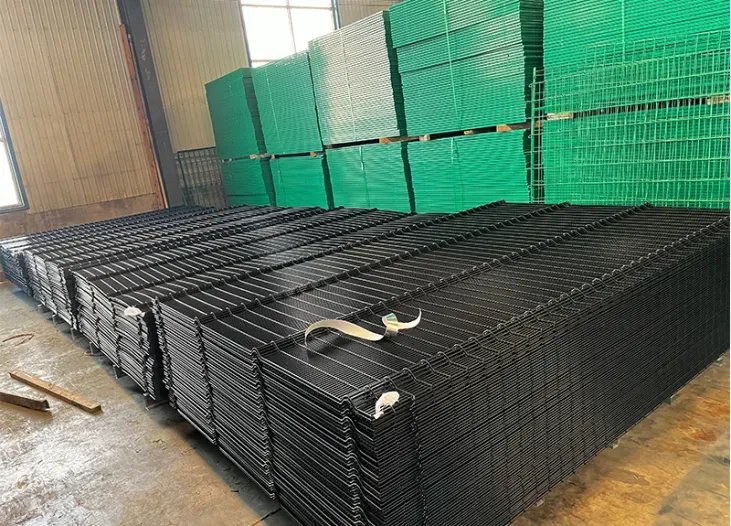
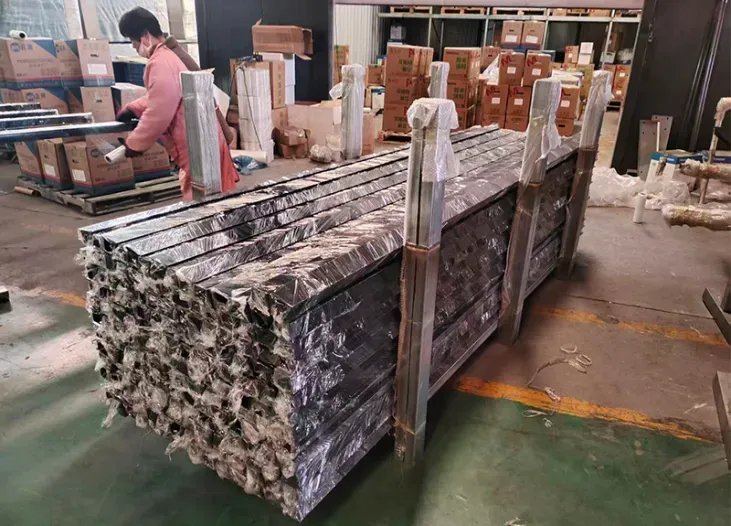
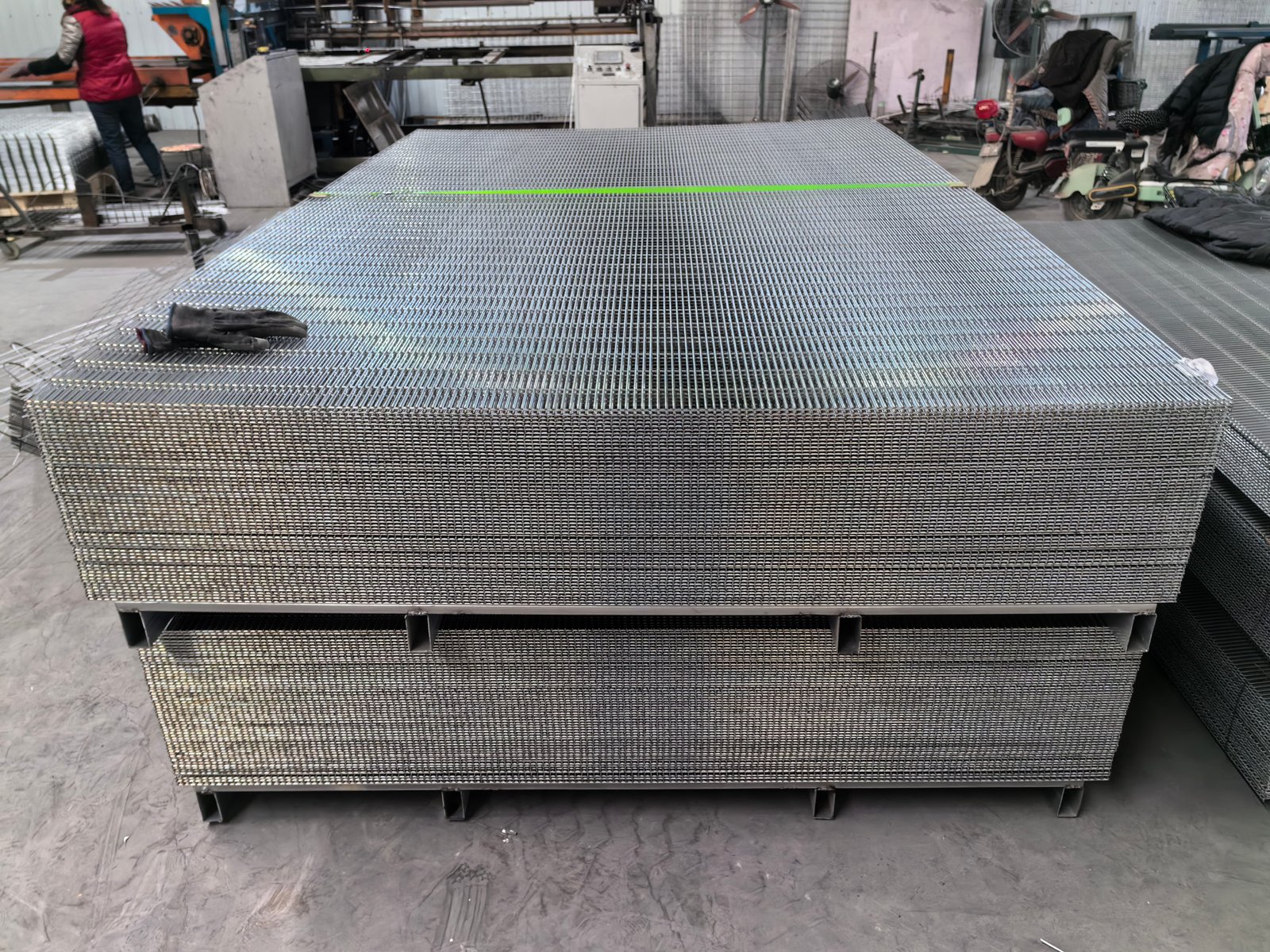
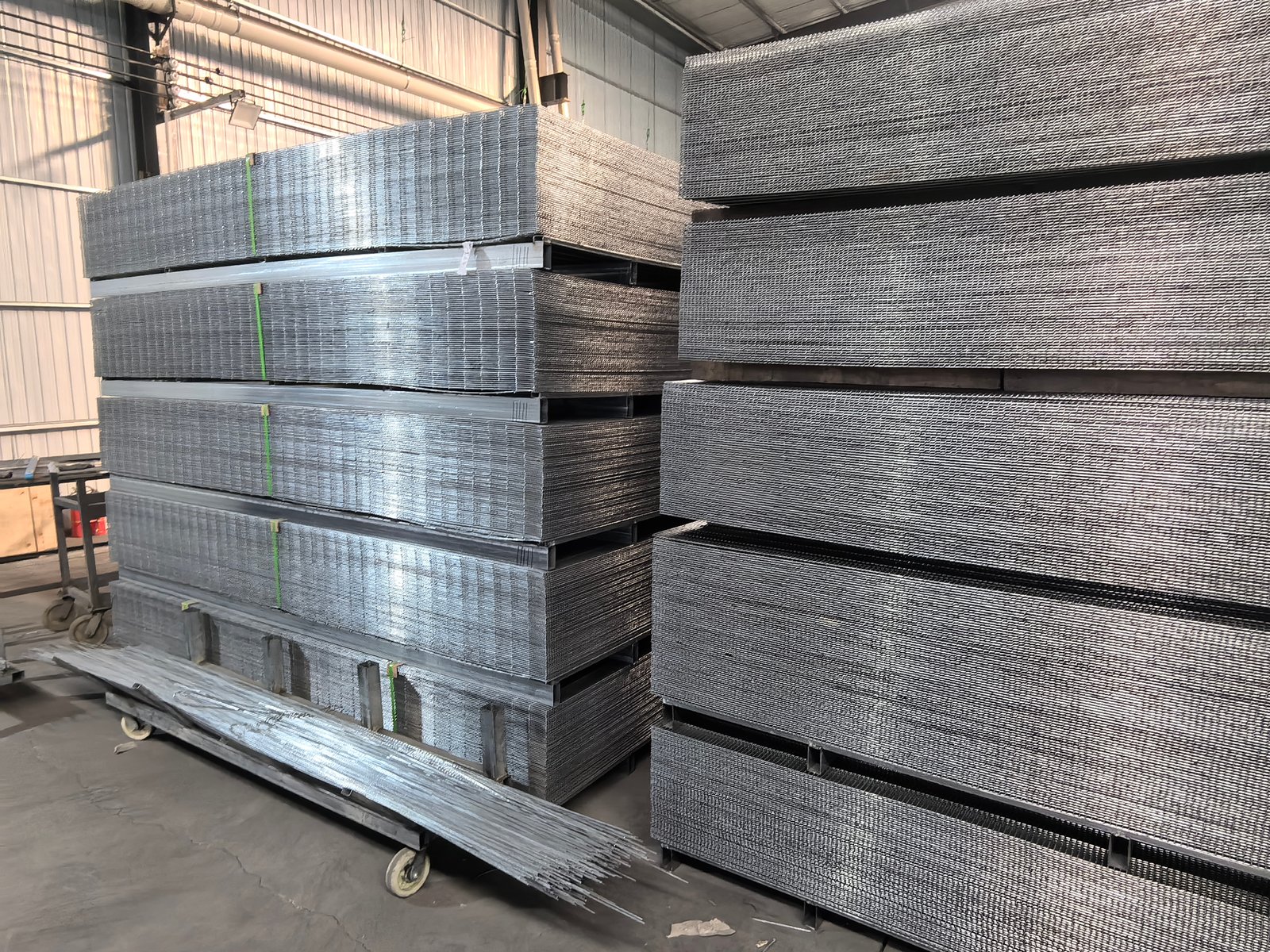
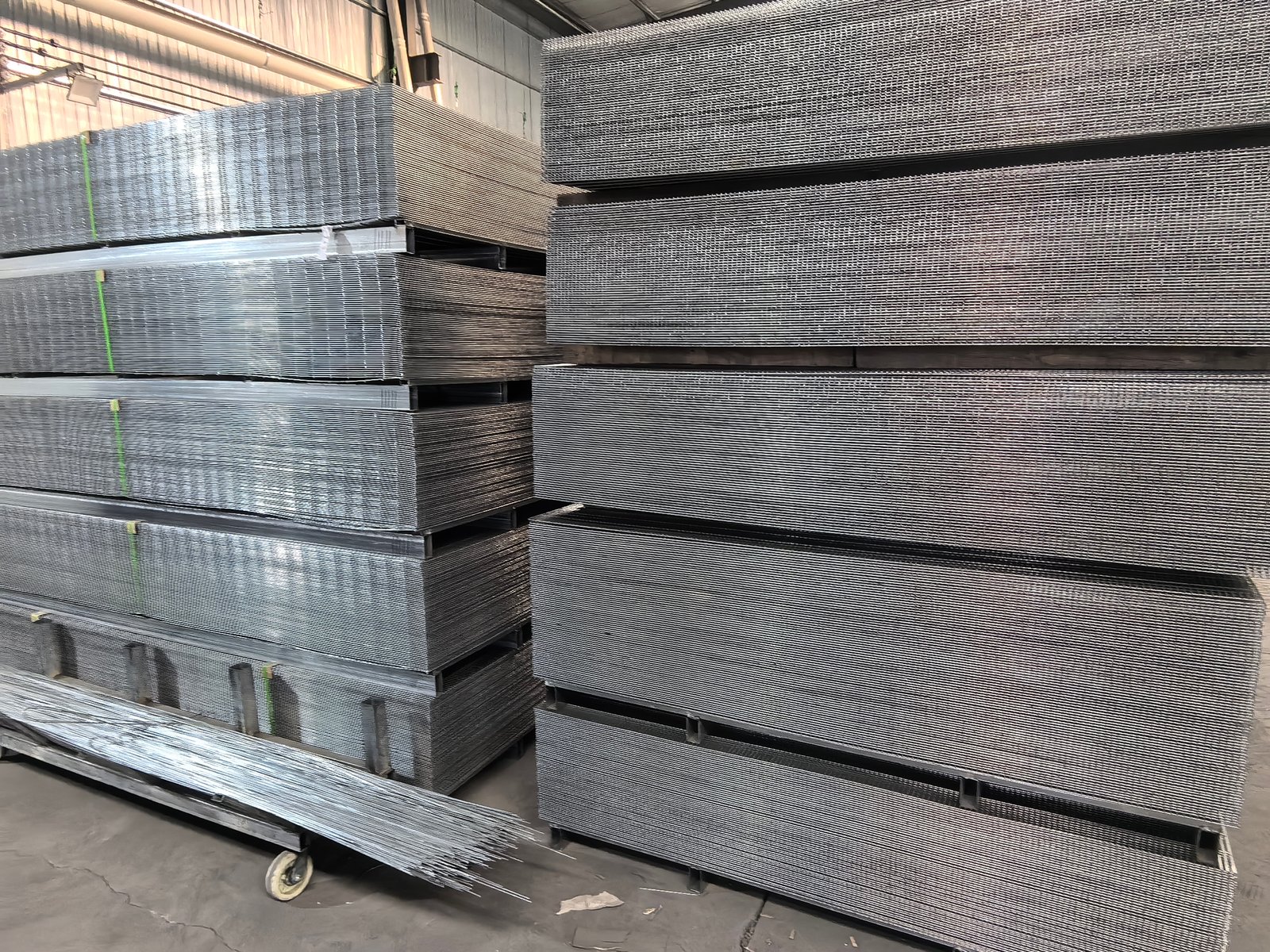
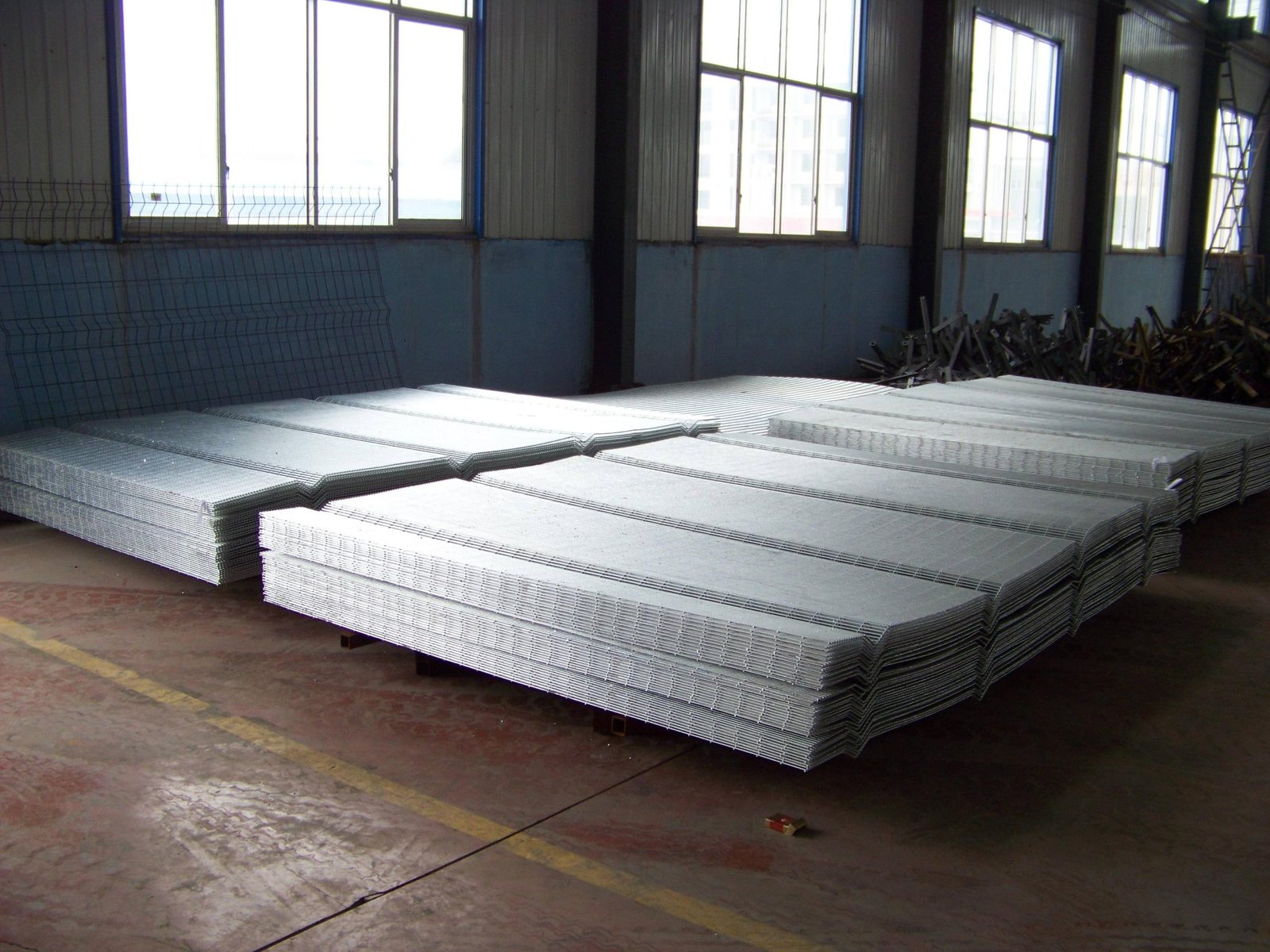
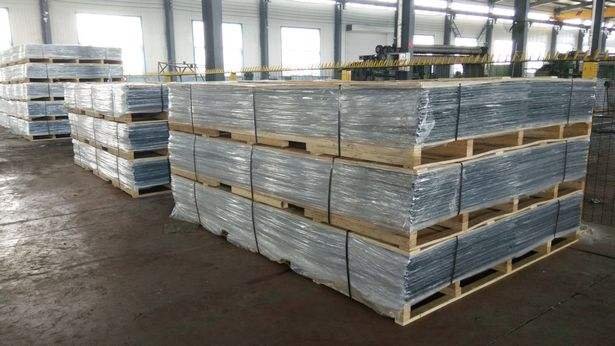
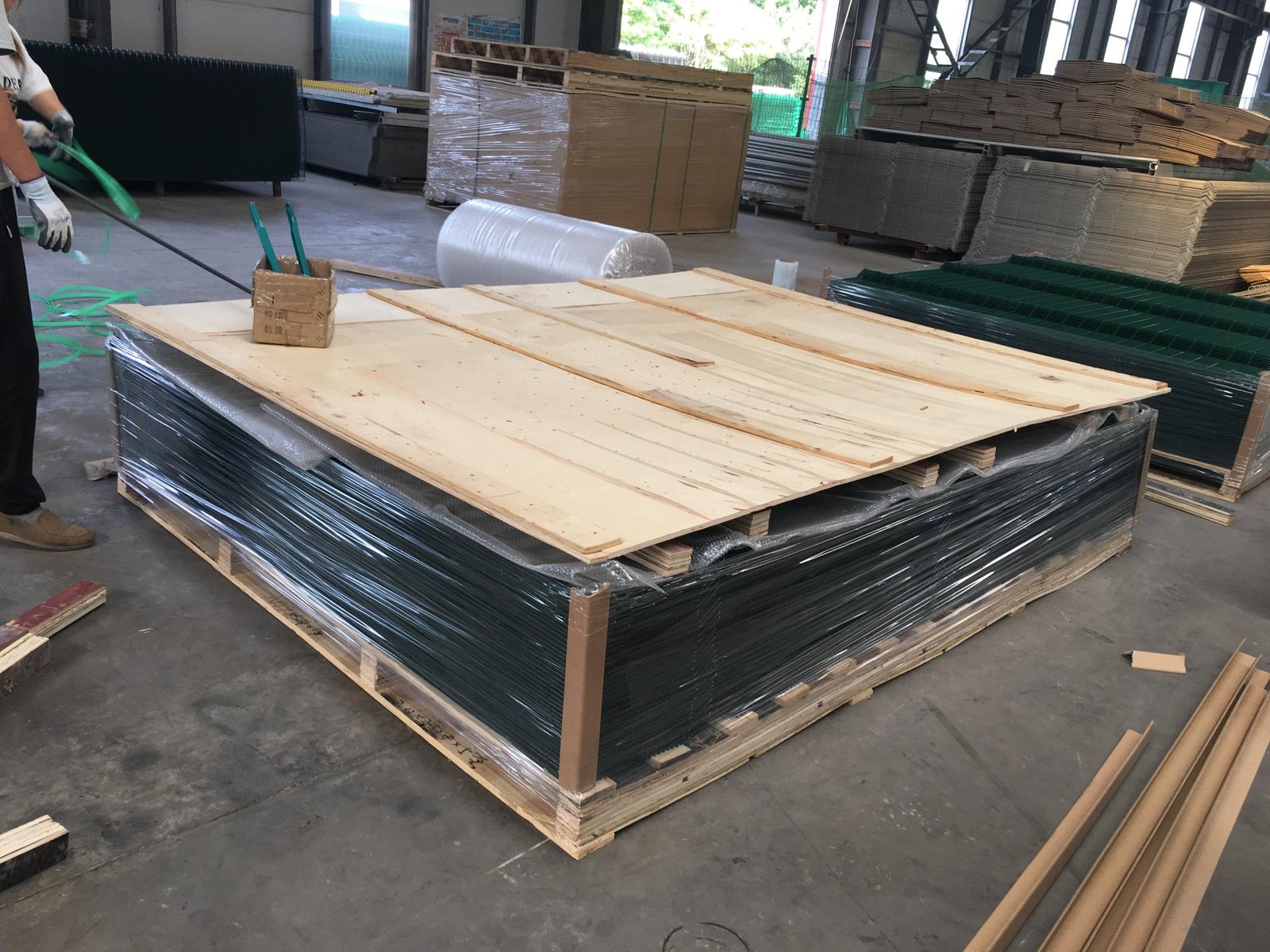
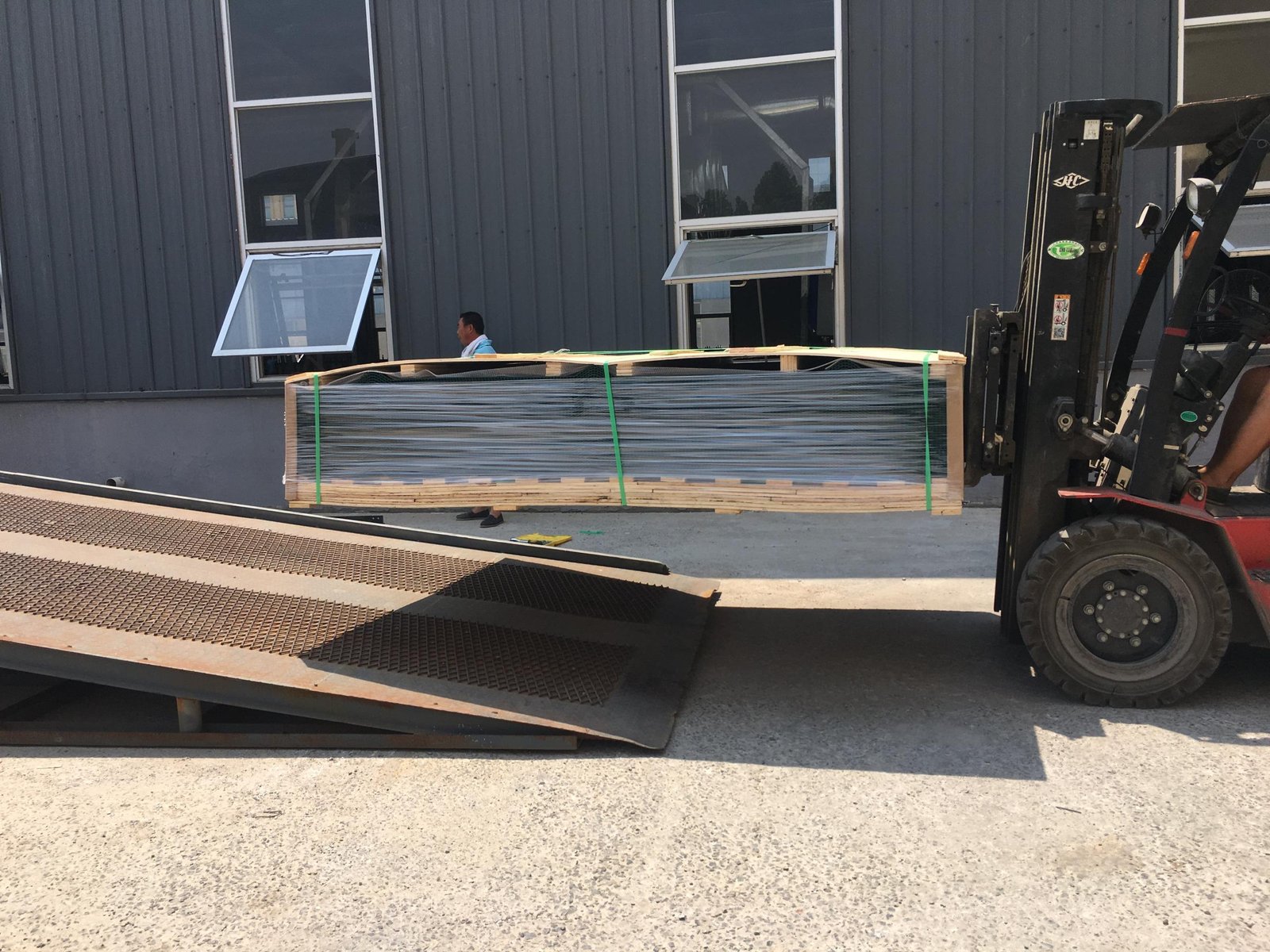
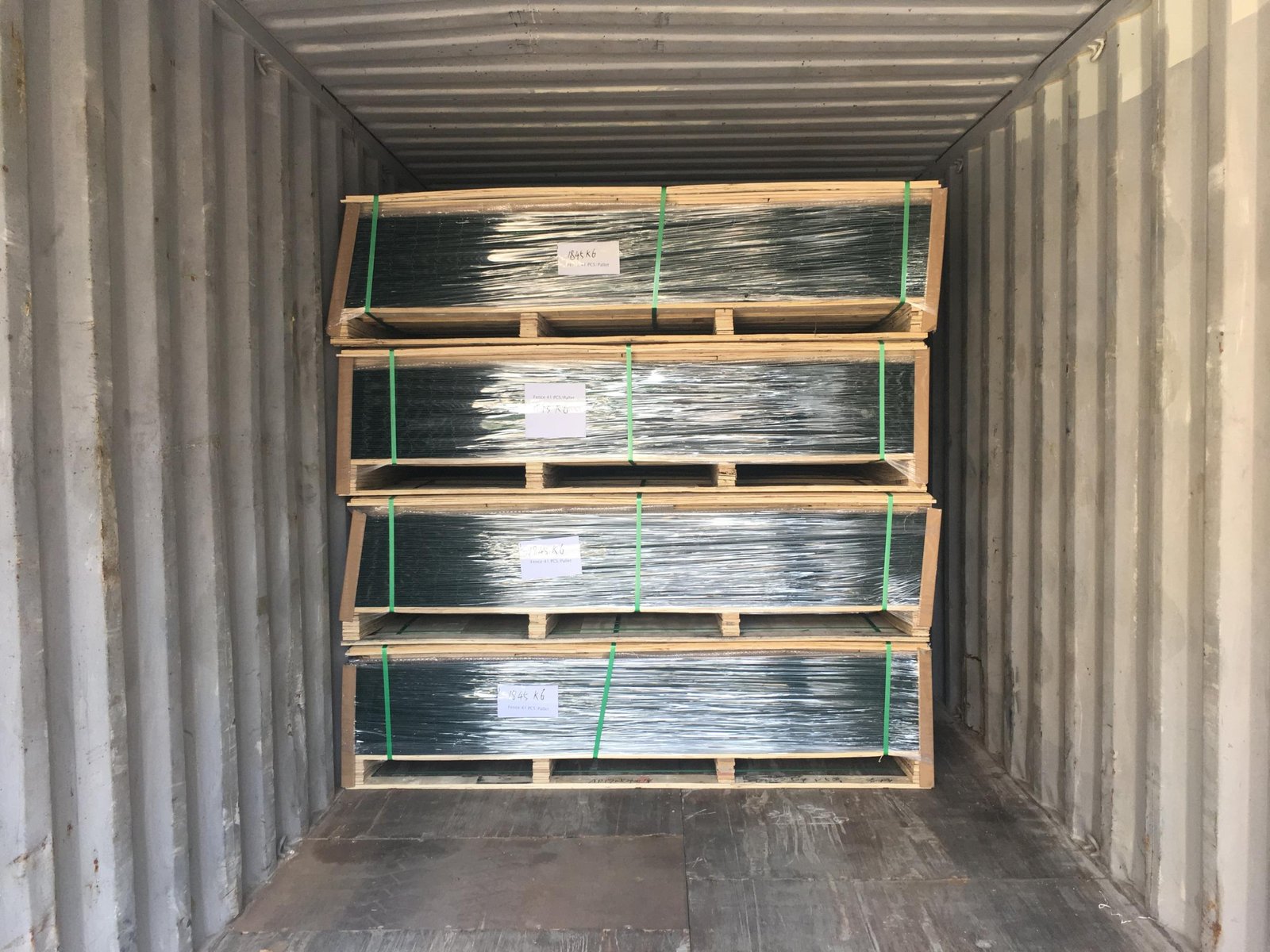
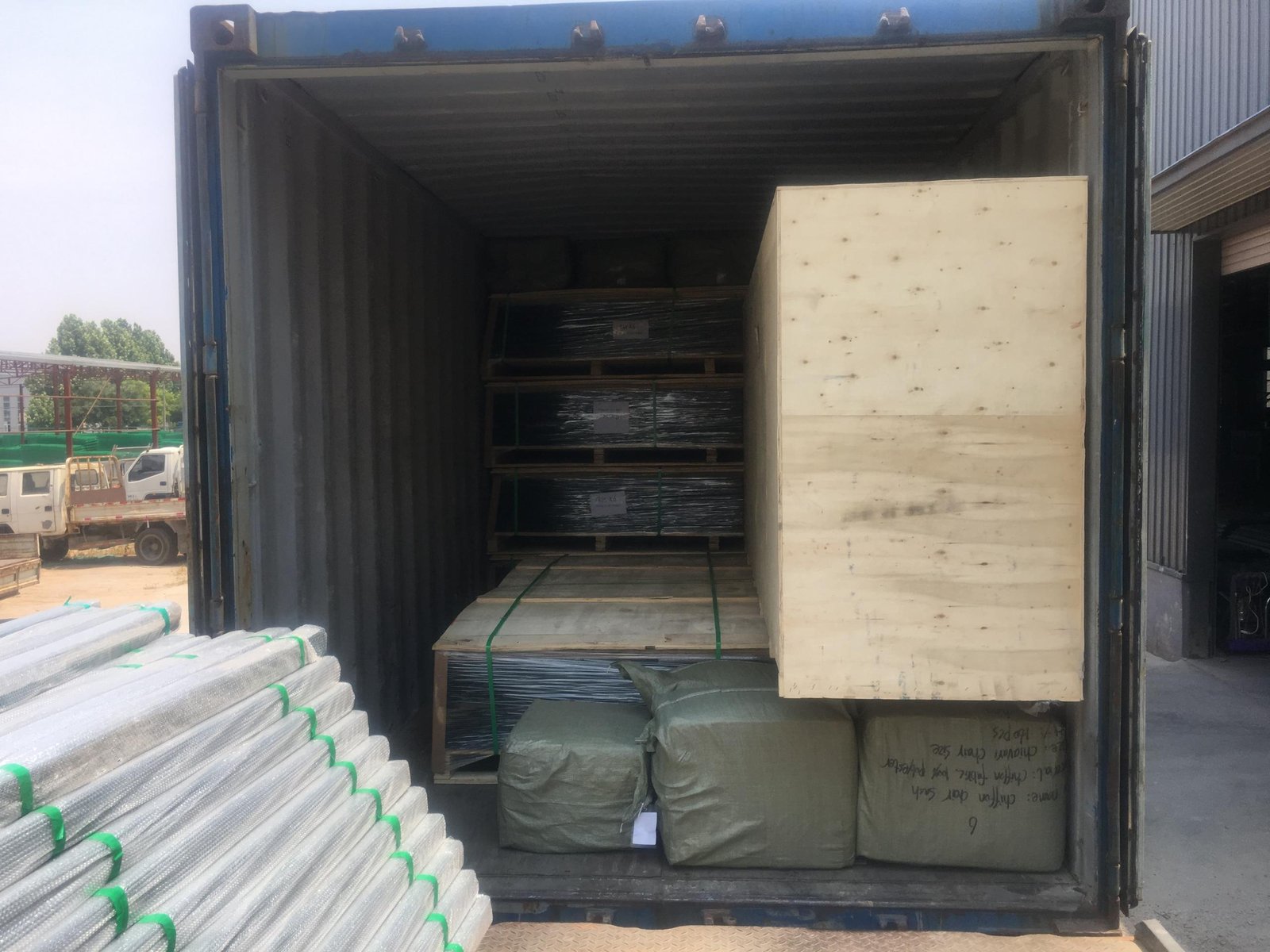
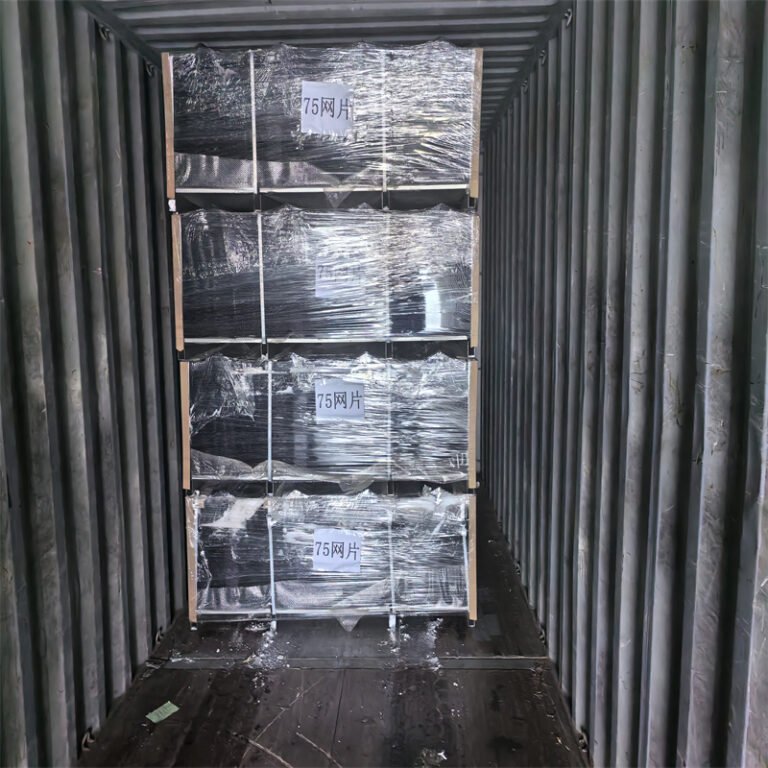
Mesh panels can travel on steel pallets, wooden pallets, or suitable export stillages. Protective film, edge protection, and secure straps reduce handling damage. Packing should also separate accessories and identify component quantities.
Container plans depend on panel dimensions, total weight, and unloading equipment. Confirm the destination, trade terms, and pallet requirements before shipment. For additional configurations, review Clearvu Fencing.
Stable stacking reduces movement during transport. Separate accessories and clear identification simplify warehouse handling.Protective packaging helps limit scratches and edge damage. Inspect pallet security before loading the container.
Maintenance and repair guidance
Routine inspections help preserve fence appearance and service performance. Check clamp security, coating scratches, exposed welds, and damaged post caps. Address corrosion early with a repair method compatible with the original finish.
Clean ordinary deposits using suitable methods from the coating supplier. Coastal installations may need more frequent cleaning and inspections. Avoid abrasive procedures that damage protective layers.
Projects requiring additional perimeter toppings may consider Razor Wire Flat Wrap. Review local safety regulations before selecting these accessories.
Inspect packaged components before dispatch. Early identification of damaged finishes makes corrective work easier.Export preparation should account for handling conditions and component weight. Clear packing records assist receiving teams.
See-through fence FAQs
Project buyers often need guidance on dimensions, coatings, and integration with other security equipment. The following answers cover common specification questions.
Can the panels support CCTV and alarms?
Yes. Open mesh supports camera sightlines and can work alongside perimeter detection systems. Equipment suppliers should plan mounting, power, and maintenance access. Electrical systems need separate engineering and safety review.
Does a see-through fence suit coastal sites?
Yes, when the specification addresses marine corrosion exposure. Buyers should consider compatible zinc protection and suitable polymer coatings. Request clear coating performance requirements and maintenance recommendations.
Can customers order custom colours and sizes?
Yes. Share panel dimensions, wire sizes, mesh openings, colour codes, and required quantities. Our factory can review feasibility and supply drawings for approval. Detailed specifications help control manufacturing and delivery quality.
Complete orders include the panels, posts, fixing hardware, and agreed packaging. Confirm quantities against the final shipment list.
For a tailored fence proposal, provide the total perimeter length, fence height, and required security grade. Include coating preferences, gate details, and destination information. BMP can prepare a product specification and export supply quotation.